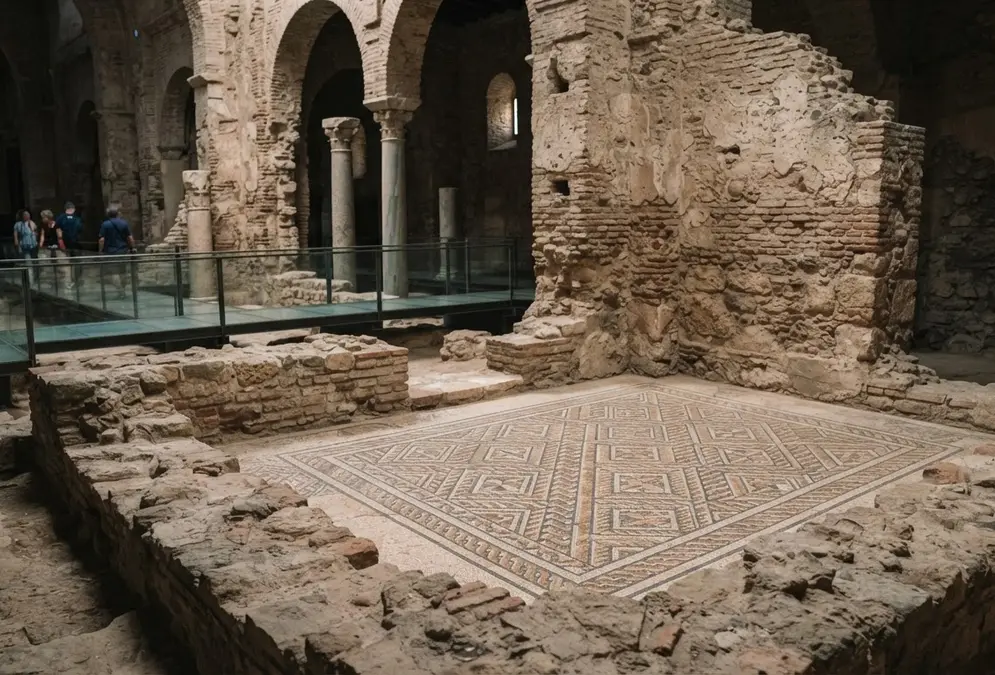
Remains of the Visigothic Basilica of San Vicente sit in the Mezquita-Catedral basement: 6th-century masonry stamped with a workshop name and floor mosaics.
Mezquita ticket
From the magnificent Mezquita to Roman ruins, Córdoba holds architectural treasures spanning 2,000 years of history.
Córdoba has more UNESCO World Heritage designations per square kilometre than almost anywhere in Europe. The Mezquita-Cathedral, the Alcázar, the Roman Bridge and the medieval Synagogue are all within walking distance of each other: four monuments from four different civilisations, concentrated in the same historic centre. Beyond those four stand a reconstructed Roman Temple beside the town hall, Almohad gates still marking the medina's edges, and Fernandine churches built on mosque foundations after the 1236 reconquest.
First time in Córdoba? Start with the Mezquita-Cathedral, then head to the Alcázar. See our 2-day itinerary for an optimised visit.
Must-seePalacesReligious BuildingsHistoric MonumentsSquares & LanesGardens & ParksBrowse & themes
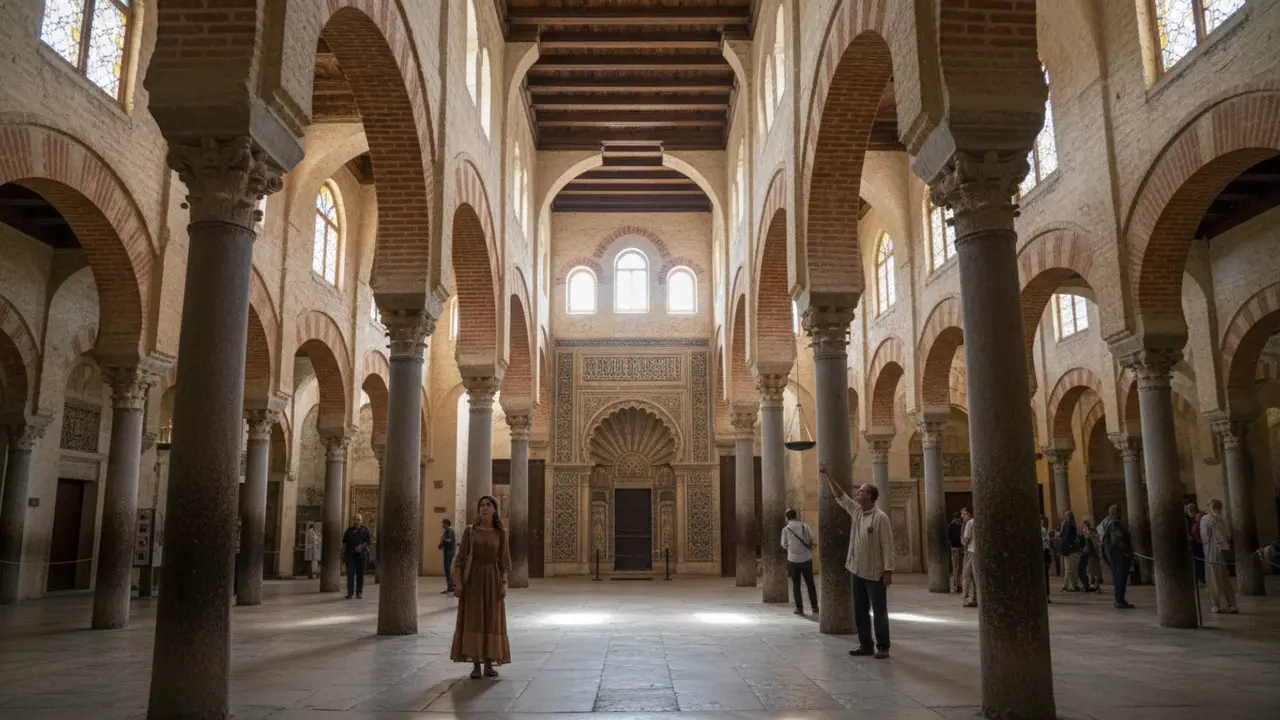
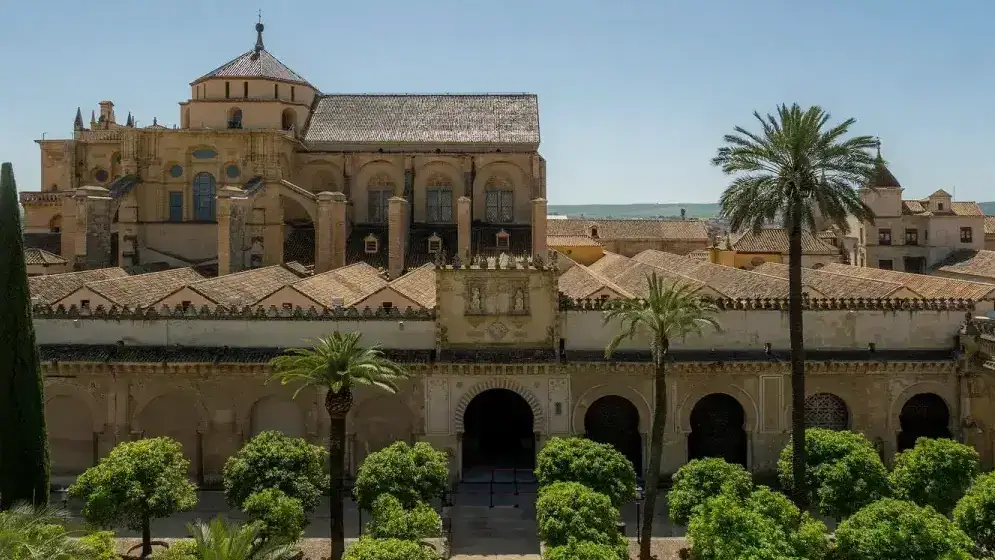
856 columns, 1,300 years of Islamic and Christian history. UNESCO monument in Córdoba, Andalusia. Red-and-white arches, Byzantine mosaics, a Renaissance nave.
UNESCO €15
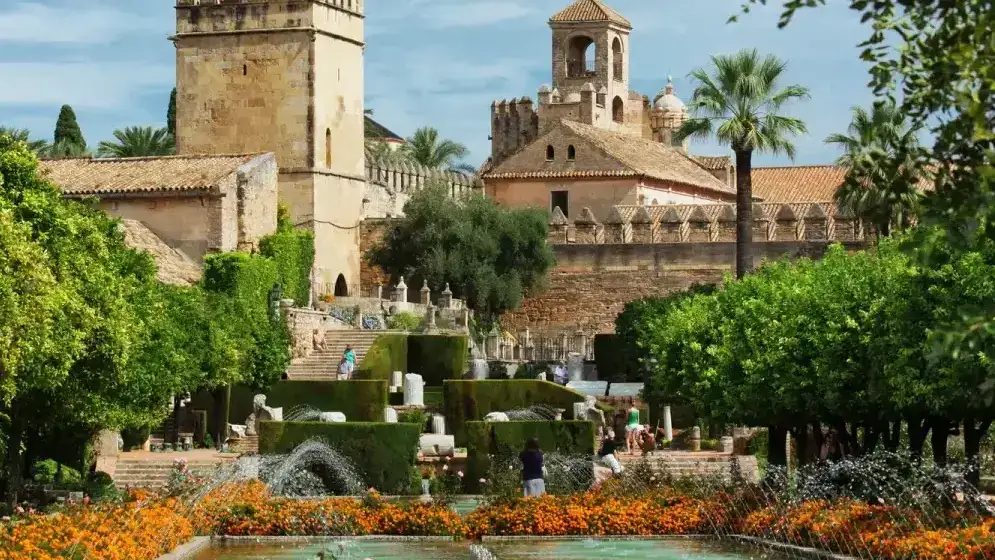
Alcázar de los Reyes Cristianos, Córdoba: only the gardens are open, Tuesday to Sunday (€7, buy ahead). Fortress interior closed, no published reopening date.
UNESCO €7
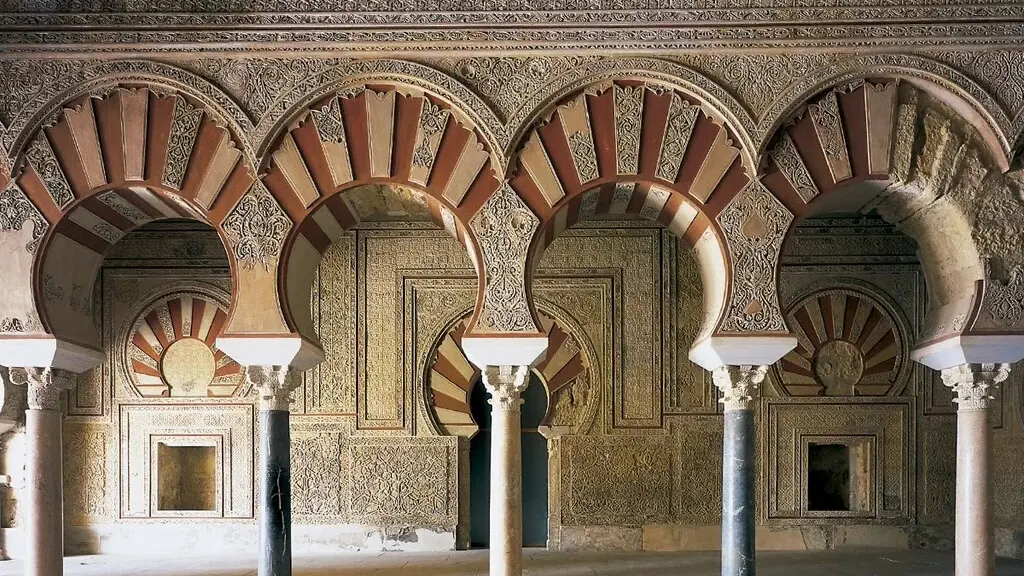
Medina Azahara is Córdoba's UNESCO listed Caliphate City: a 10th century palace 8 km from town, with the Salón Rico and award-winning museum. Plan your visit.
UNESCO €1.50
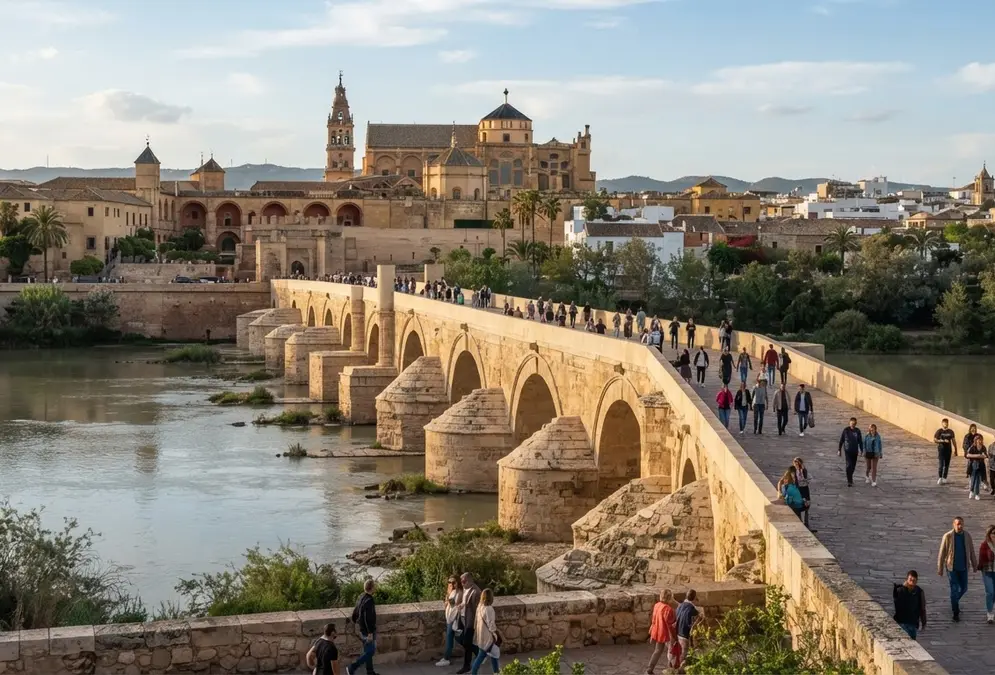
Puente Romano de Córdoba: 16 arches over the Guadalquivir since the 1st century BC. Best viewpoint for the Mezquita at sunset. Game of Thrones location. Free.
Free
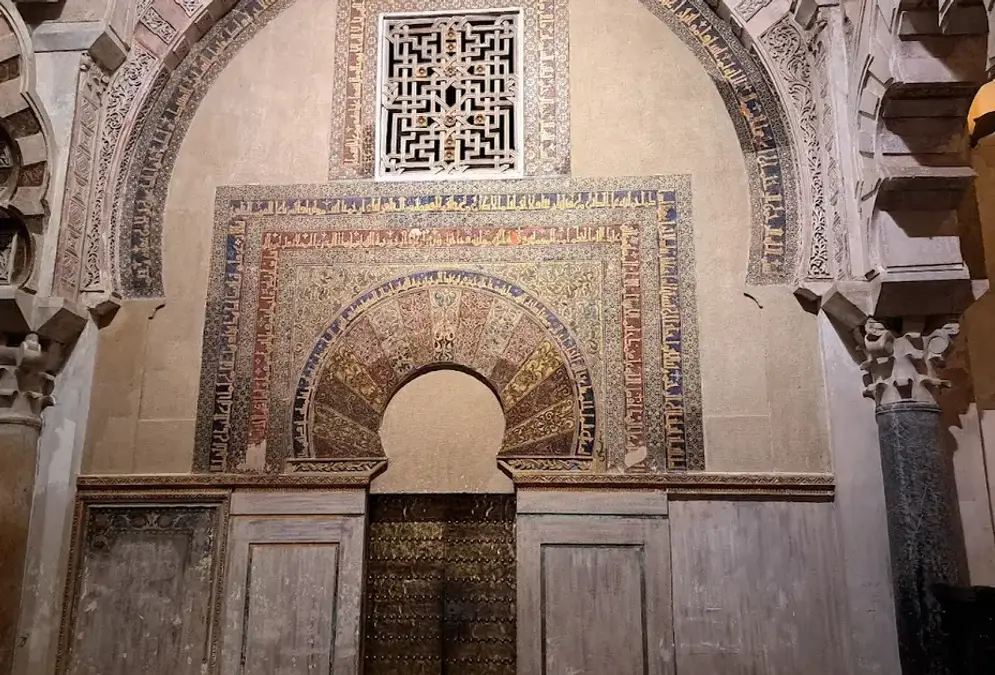
Built in 1315, one of only a few medieval synagogues still standing in Spain. Mudéjar stucco and Hebrew inscriptions in the heart of Córdoba's Judería.
€0.30
Showing 64 of 64 monuments
No monuments match this filter.
From the Alcázar to Viana, Córdoba's palaces span Moorish, Renaissance and Baroque periods, each with courtyards worth the visit alone.
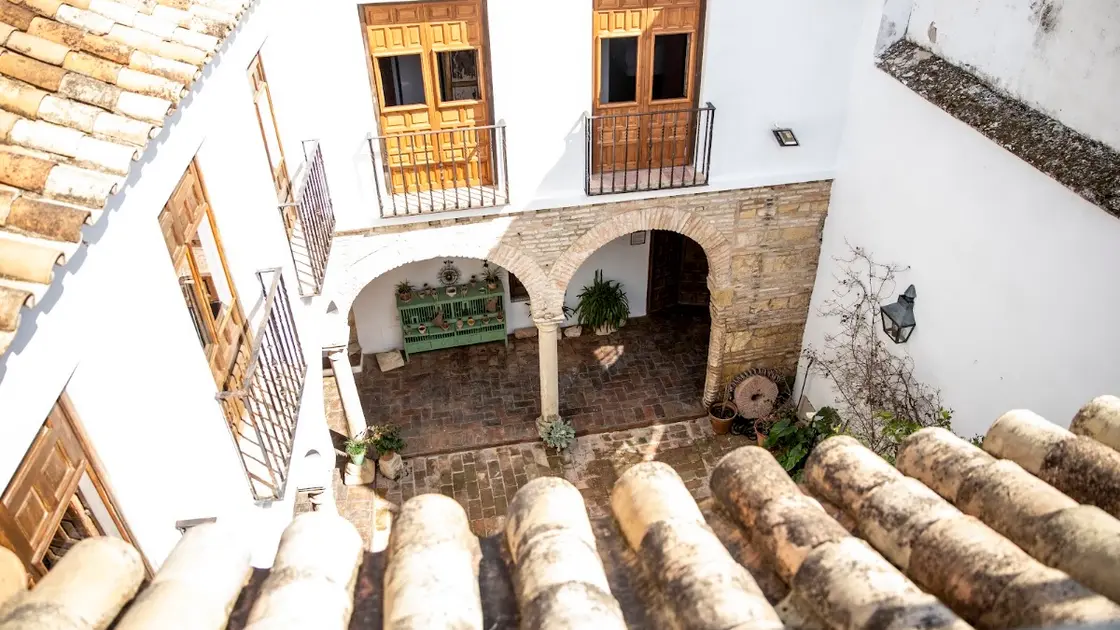
Casa de las Cabezas in Córdoba's Judería: the Infantes de Lara legend, a converso owner, a hidden mikvé and why you can't simply walk in. Visiting guide.
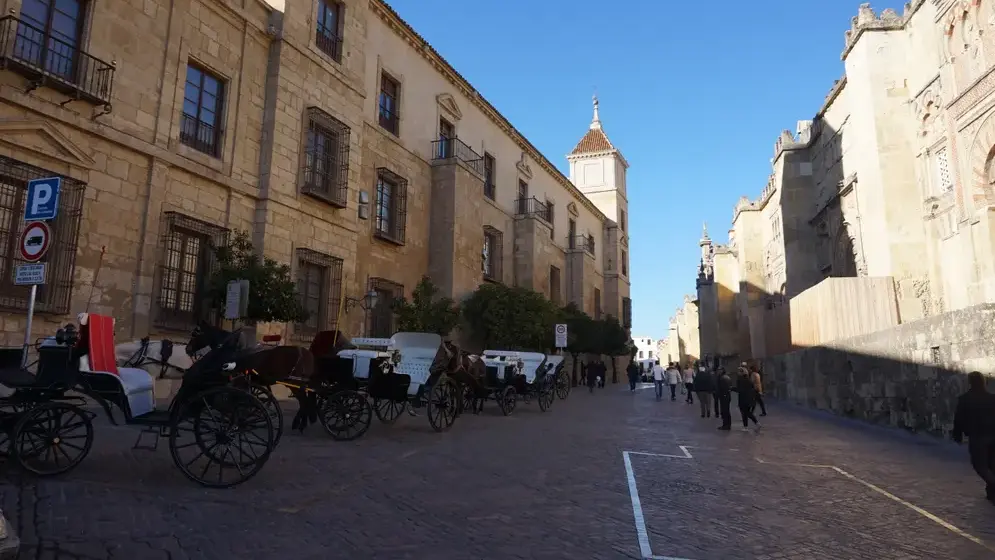
Baroque palace facing the Mezquita, free with your entrance ticket. Diocesan Museum inside: 14 centuries of Córdoba art and a courtyard most visitors skip.
Mezquita ticket
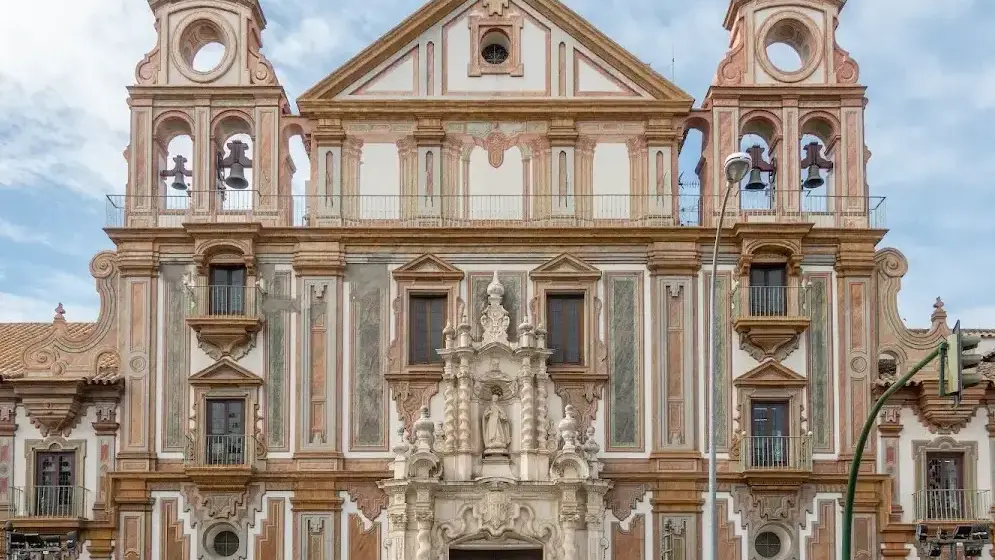
18th-century baroque palace in Córdoba: former convent with gilded altarpieces, patios and Zurbarán paintings. Visits by written request, 15 days ahead.
Ask when booking
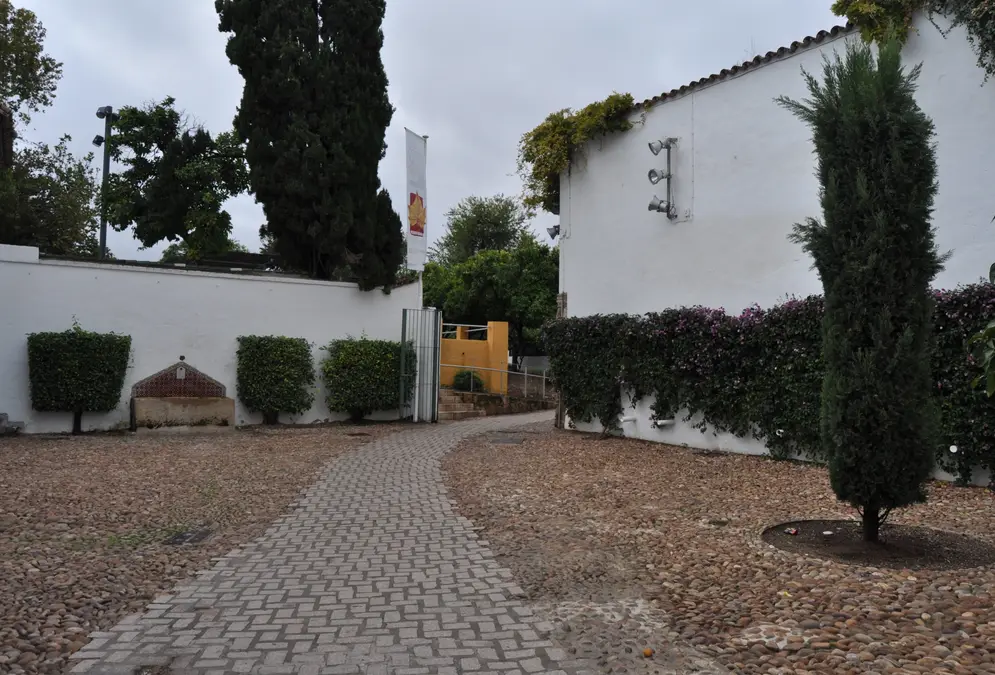
Córdoba's finest Renaissance palace, designed by Hernán Ruiz II in 1560. Free courtyard, exhibition halls, and the only public gardens in the historic centre.
Free
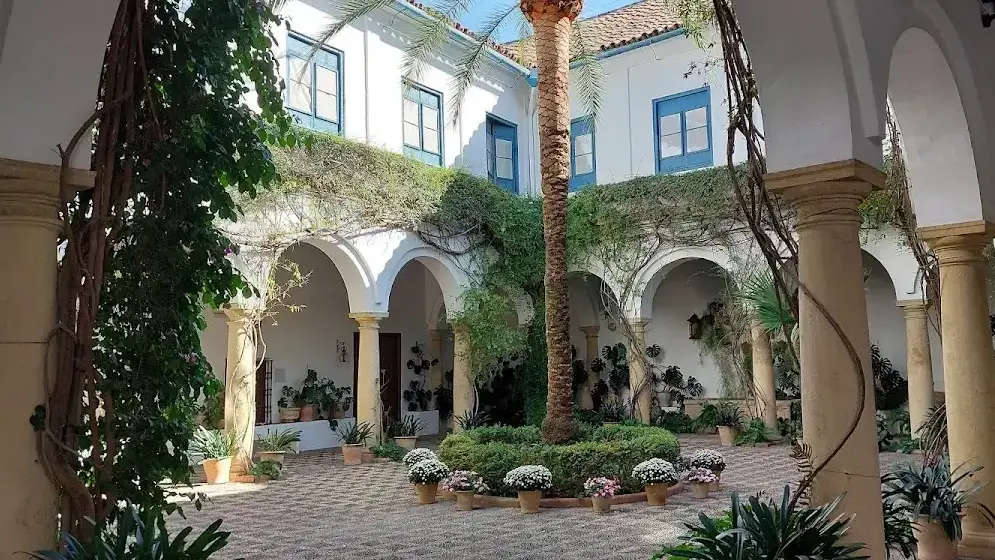
Palacio de Viana, Córdoba: walk 12 Renaissance patios, a 7,000-volume library and Flemish tapestries. Tickets from €8.50, free entry Wednesdays 2 to 5pm.
€8.50
Fourteen Fernandine churches were built on mosque foundations after 1236. Several retain Moorish elements: horseshoe arches and minarets turned bell towers.
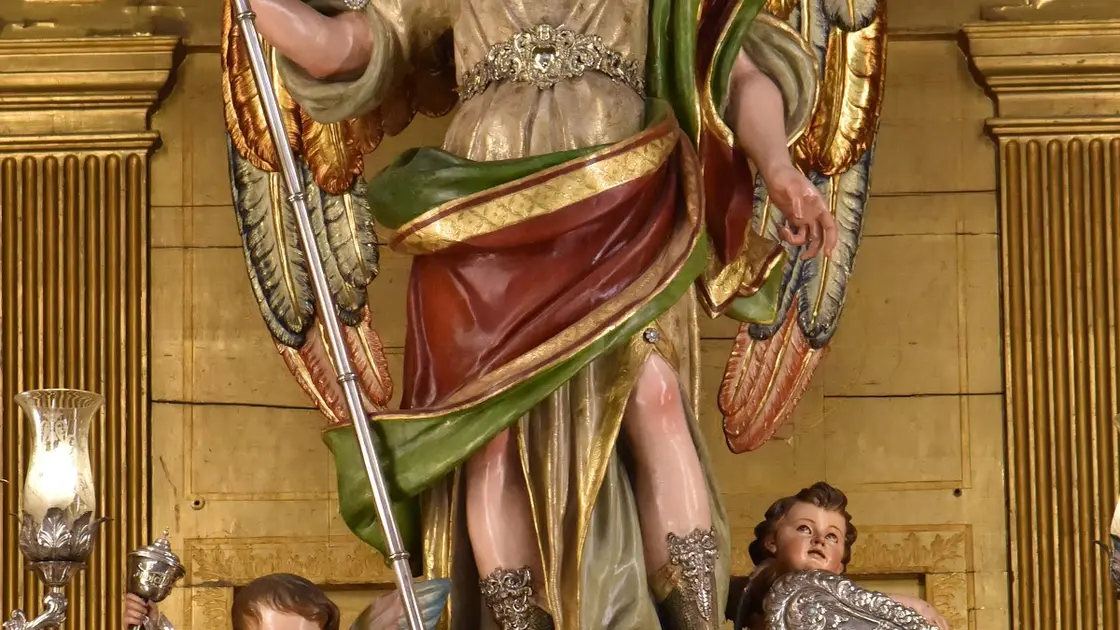
Basílica del Juramento de San Rafael in Córdoba: a neoclassical minor basilica with a round central nave, built 1796-1806 for the city's guardian archangel.
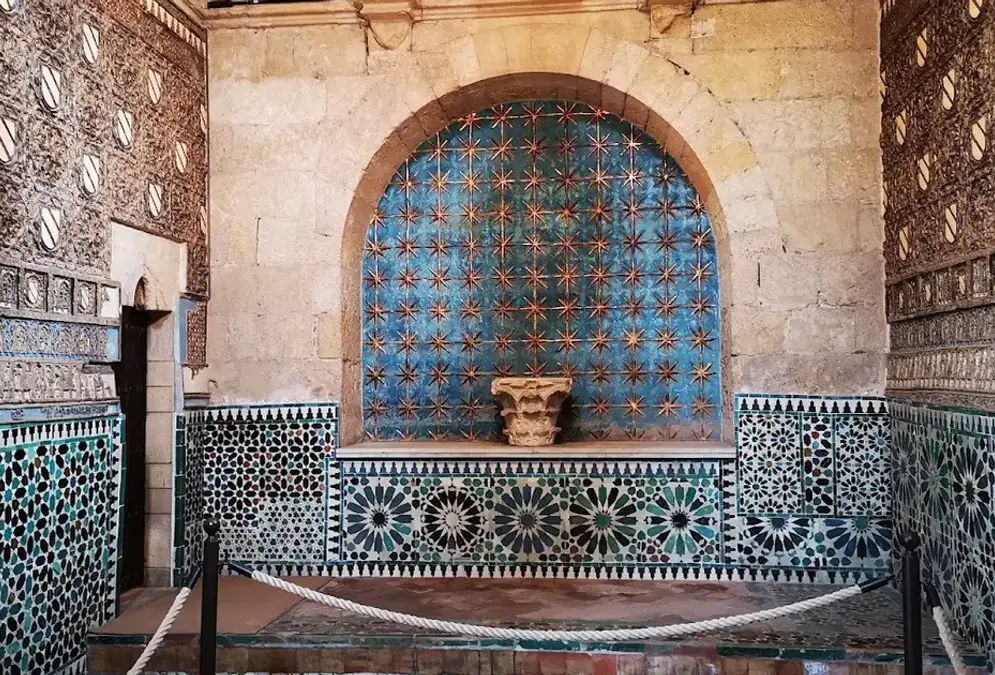
A late 14th-century Gothic-Mudéjar chapel in Córdoba with exquisite plasterwork, blending Christian and Islamic artistic traditions over 600 years old.
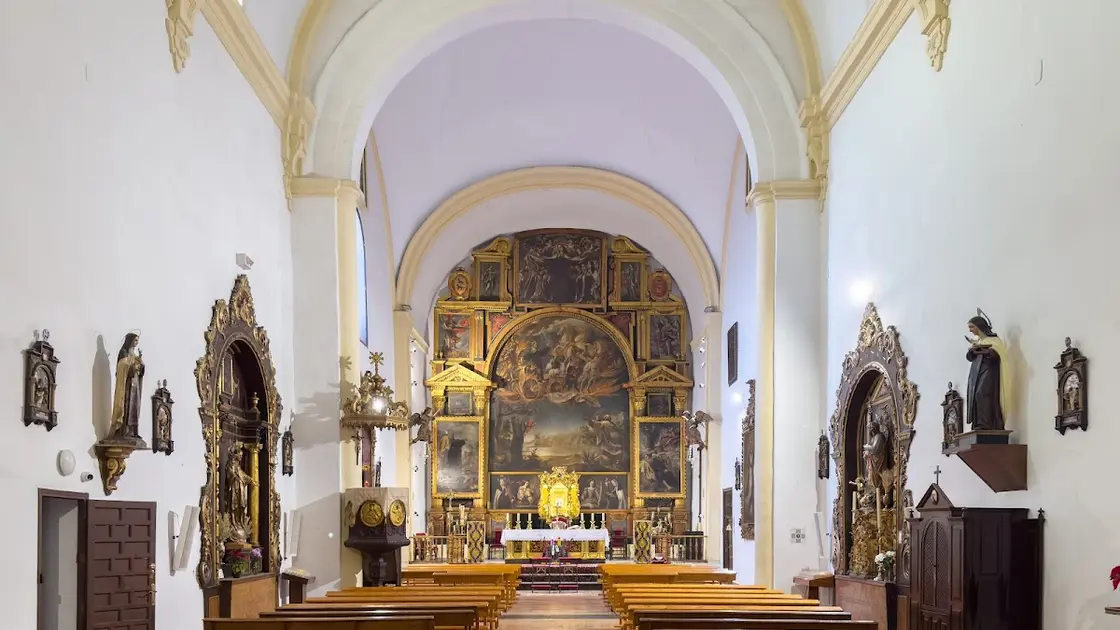
Carmen de Puerta Nueva church in Córdoba holds Juan de Valdés Leal's Baroque altarpiece, a stop on the Fernandine Churches Route. Visits follow worship times.
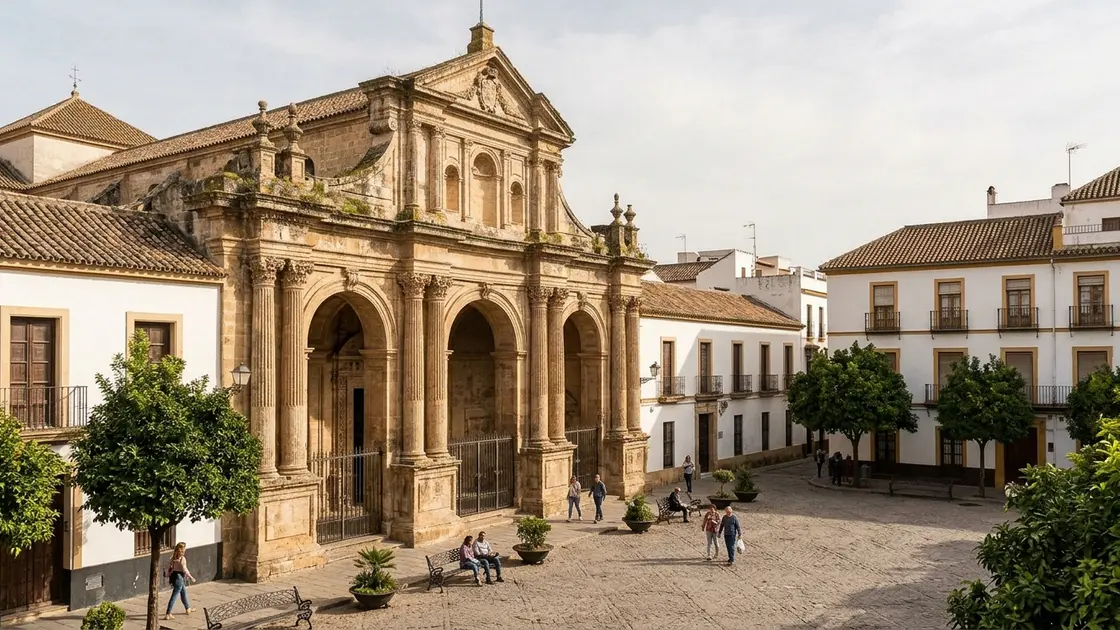
San Agustín church in Córdoba: begun in 1328, Baroque since the early 1600s, home of Nuestra Señora de las Angustias and stop 8 on the Fernandine route.
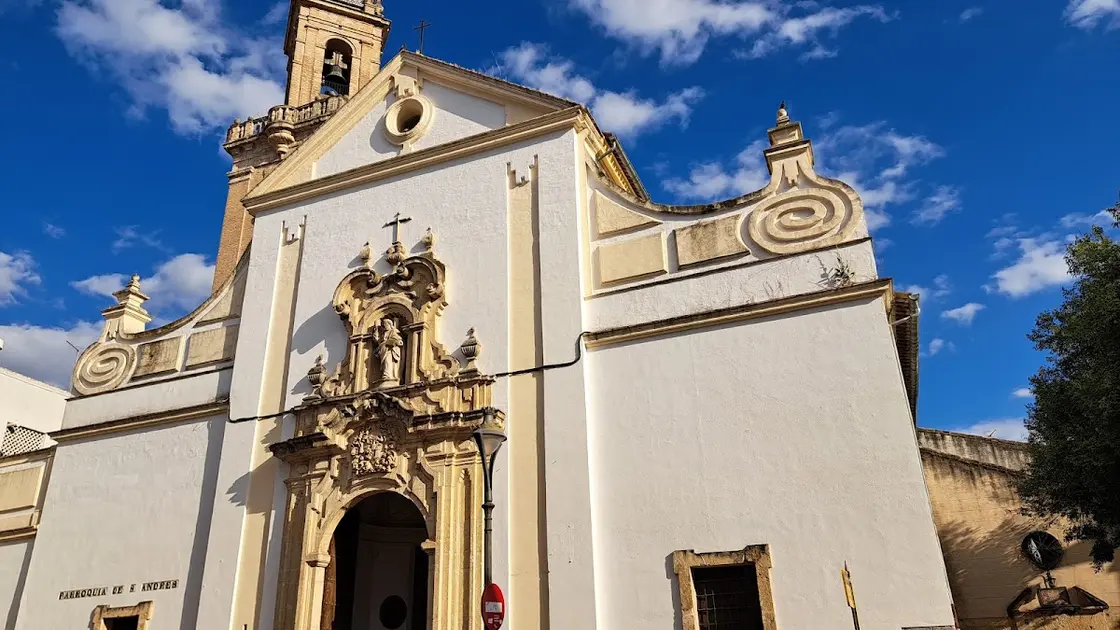
San Andrés church in Córdoba: Fernandine church with a Baroque nave, a surviving Gothic apse and a Plateresque facade. Free on the Mosque-Cathedral route.
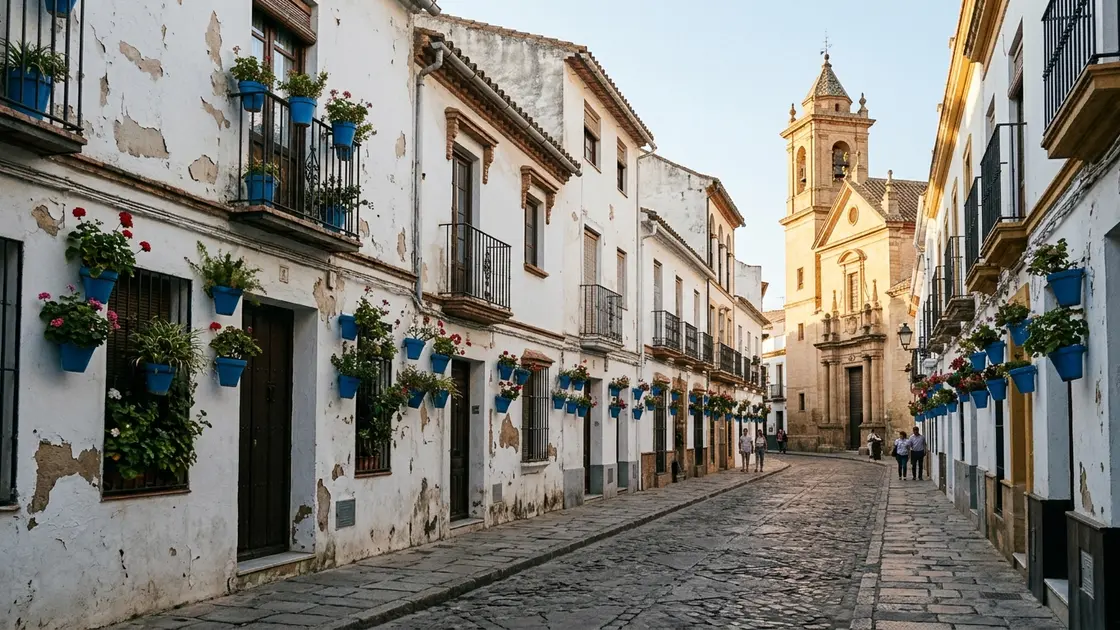
San Basilio church in Córdoba: a Baroque parish church on a 1590 Basilian monastery site, and stop 12 on the Mezquita-Catedral's Fernandine Churches Route.
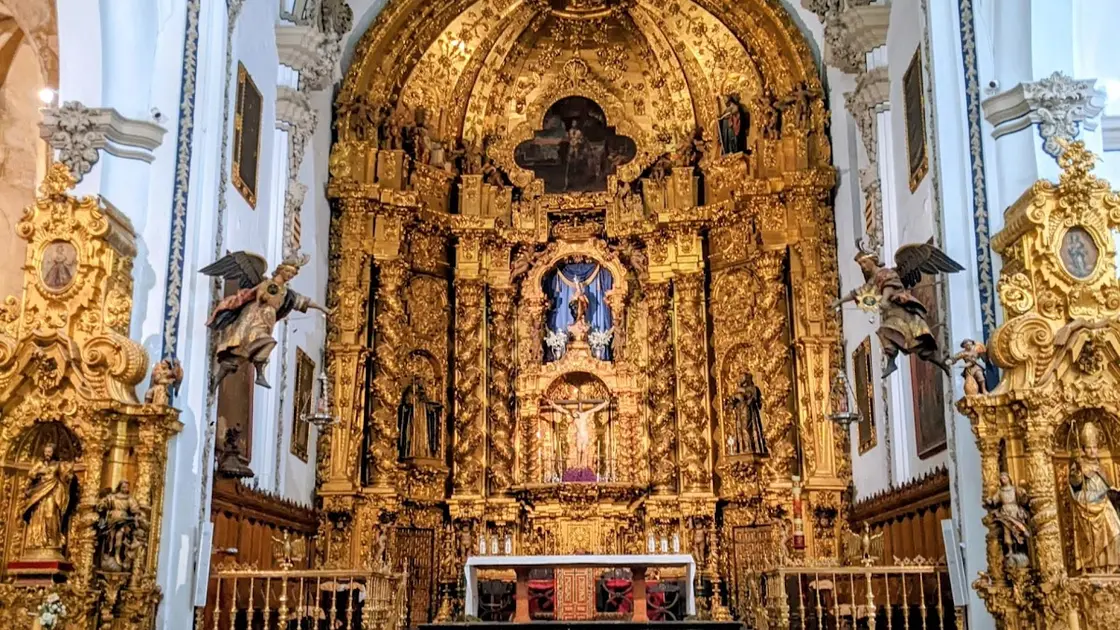
San Francisco church in Córdoba, Spain: the Baroque face of the Franciscan convent of San Pedro el Real, with Ferdinand III's only public statue in the city.
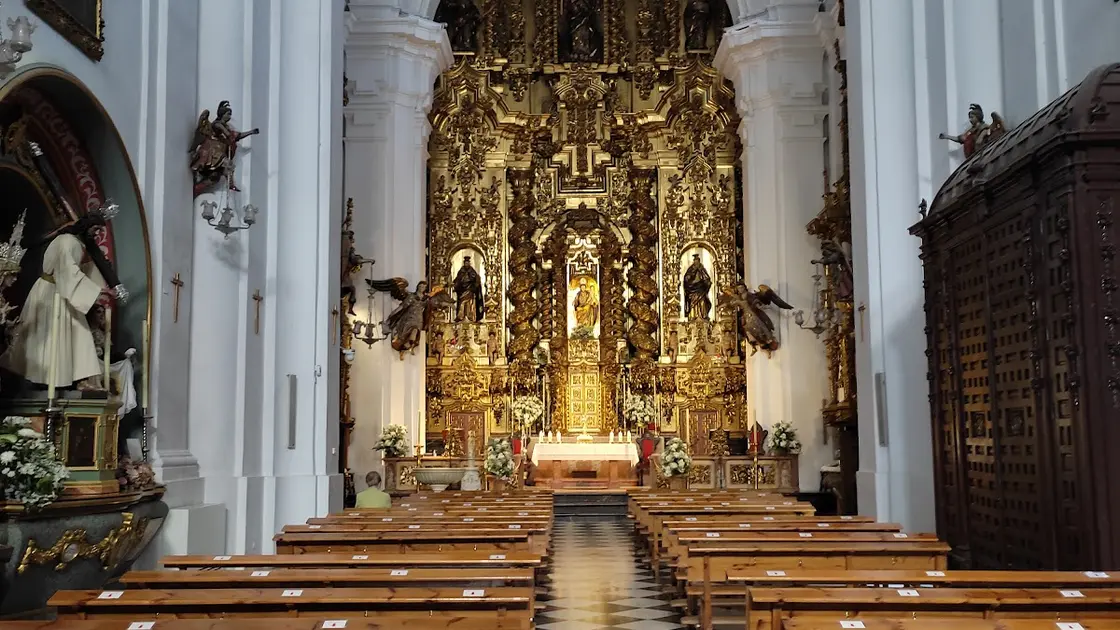
San Juan y Todos los Santos (La Trinidad), Córdoba: a Fernandine-founded parish church rebuilt in the 1700s, with Antonio Palomino's sacristy wall paintings.
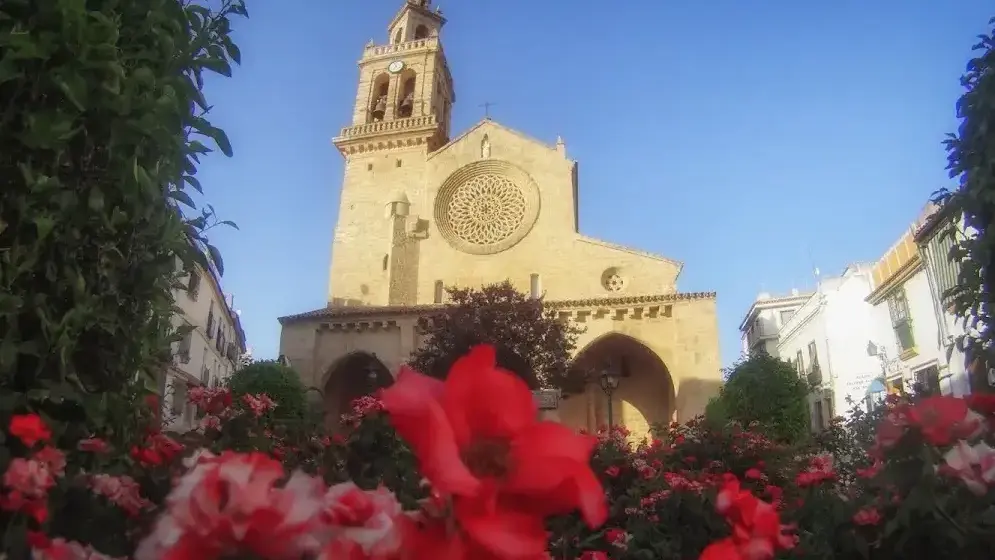
13th-century Fernandine church featuring a unique Gothic rose window, triple-arch portico and a bell tower raised on a former mosque minaret. Route ticket €6.
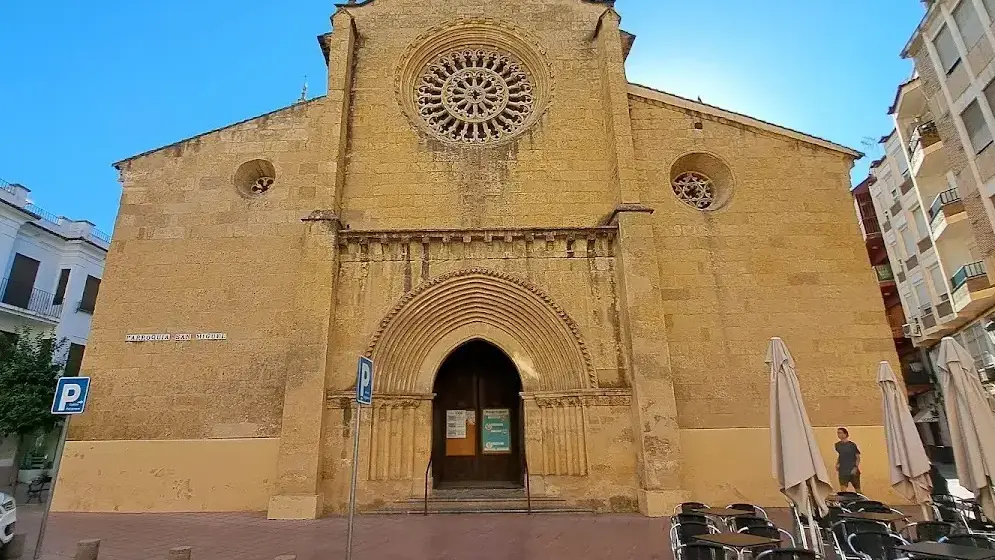
13th-century Fernandine church with a Gothic rose window that floods the interior with coloured light. Quiet orange-tree plaza in Córdoba. Free entry.
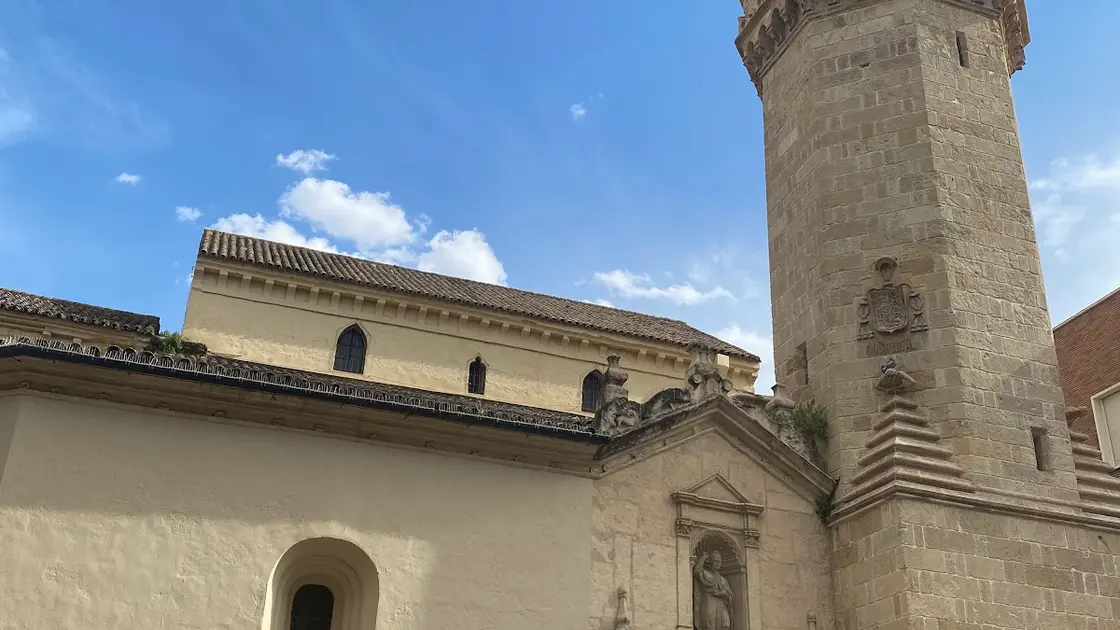
San Nicolás de la Villa is a Fernandine church in Córdoba with a Renaissance portal and a Catholic Monarchs-era tower built on a former Islamic minaret.
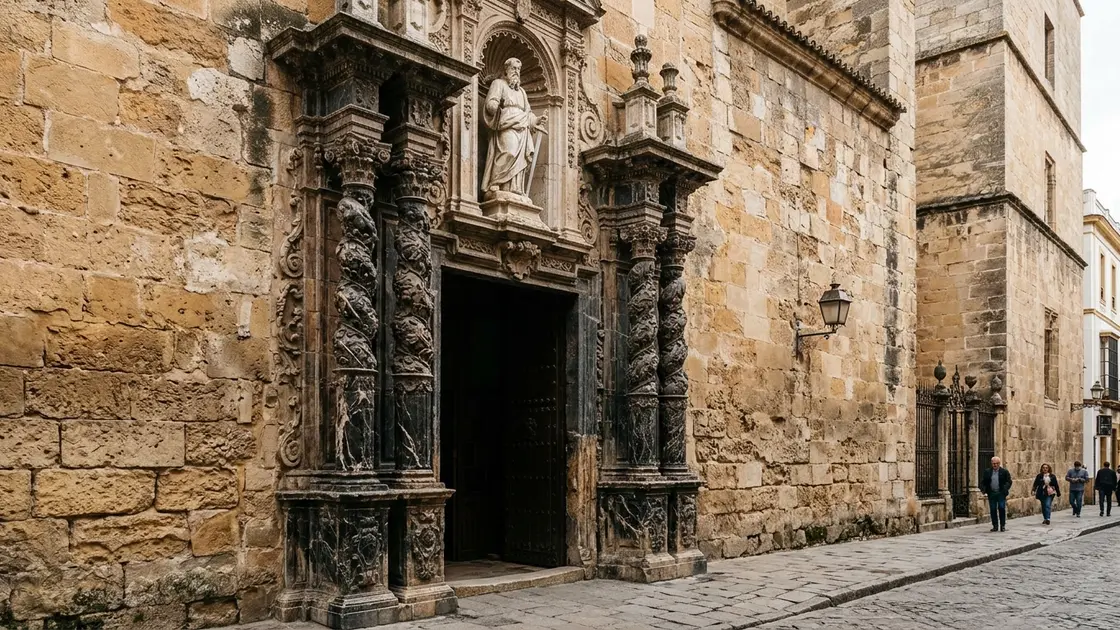
San Pablo church in Córdoba: a Dominican foundation of the 1230s with a painted timber nave, a Gothic Rosary chapel and a 1708 portal. Fernandine route, €6.
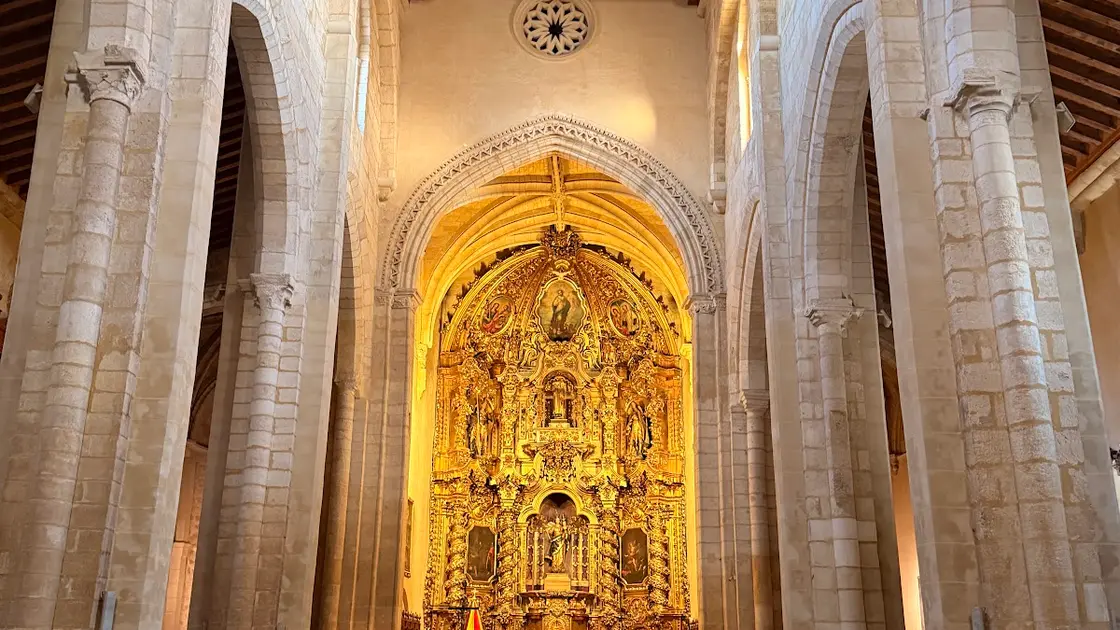
Basílica Menor de San Pedro in Córdoba: a Gothic-Mudéjar Fernandine church in the Axerquía with a Valdés Leal painting, Holy Martyrs chapel and route access.
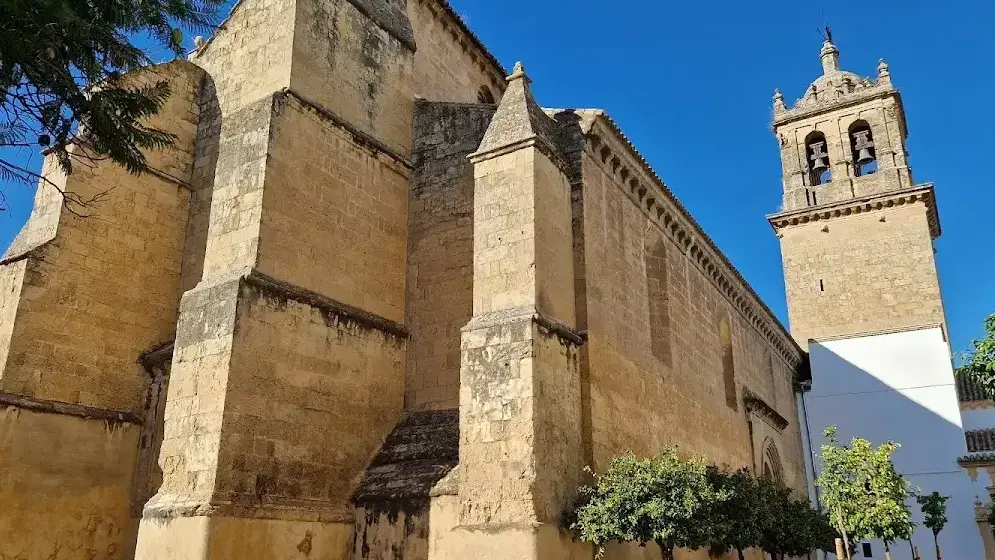
Fernandine church in Córdoba with a Romanesque-Gothic façade, rose window, minaret-based bell tower and the Manolete statue. Visited on the €6 Fernandine route.
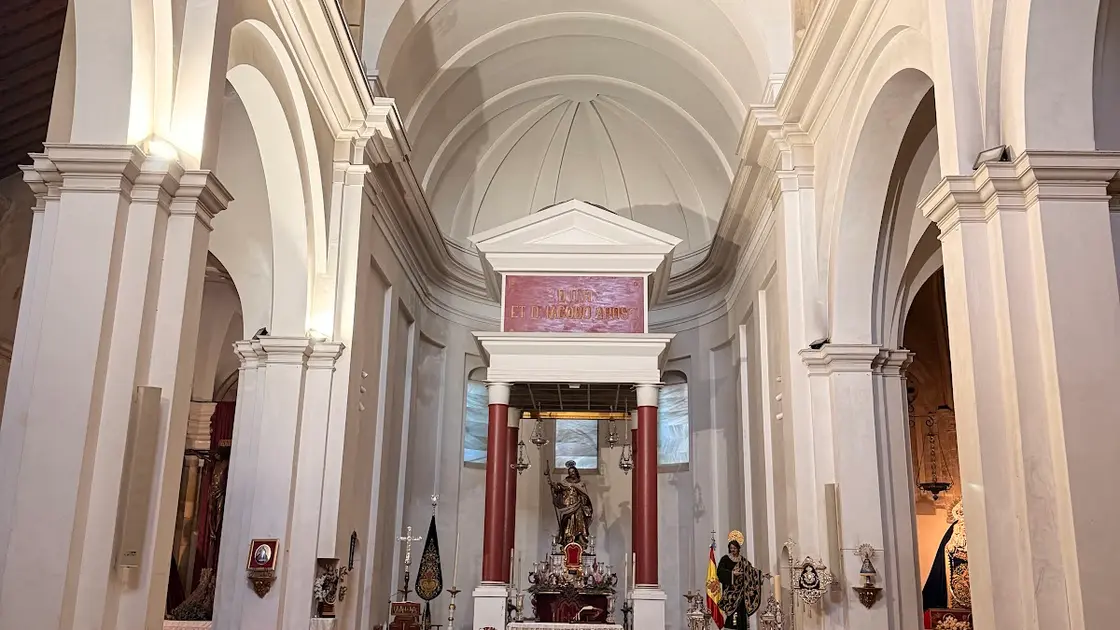
Fernandine church in Córdoba's Axerquía: Gothic-Mudéjar fabric, a minaret inside the bell tower, a 1979 fire and a Holy Week crucifix. Route ticket €6.
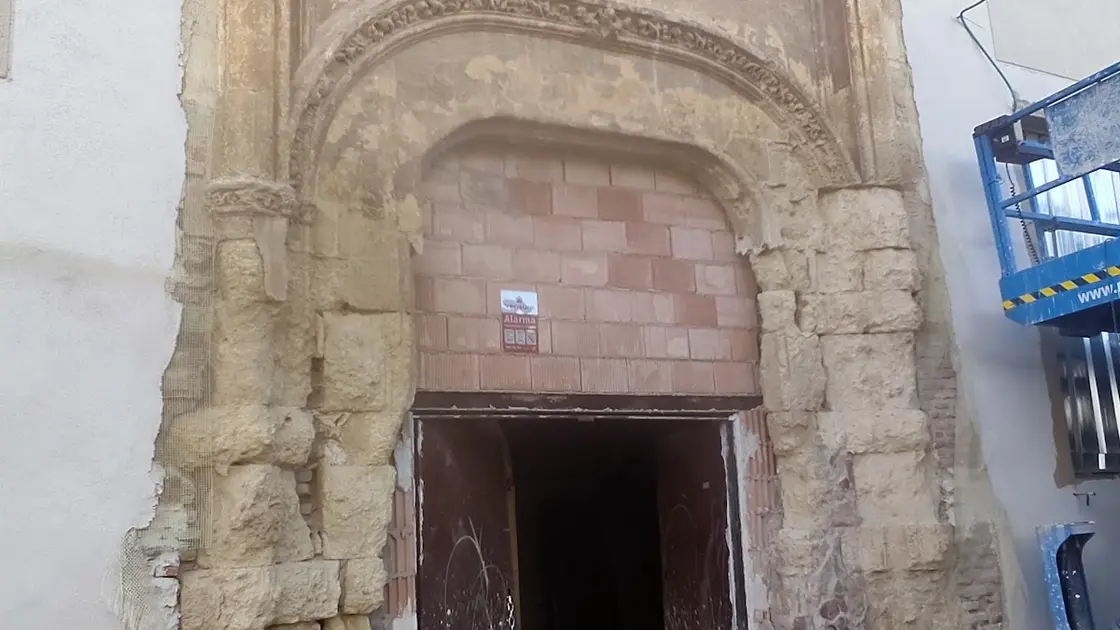
Regina Coeli church in Córdoba, a Dominican convent church listed as a Bien de Interés Cultural in 1979. Restoration under way; no opening hours published.
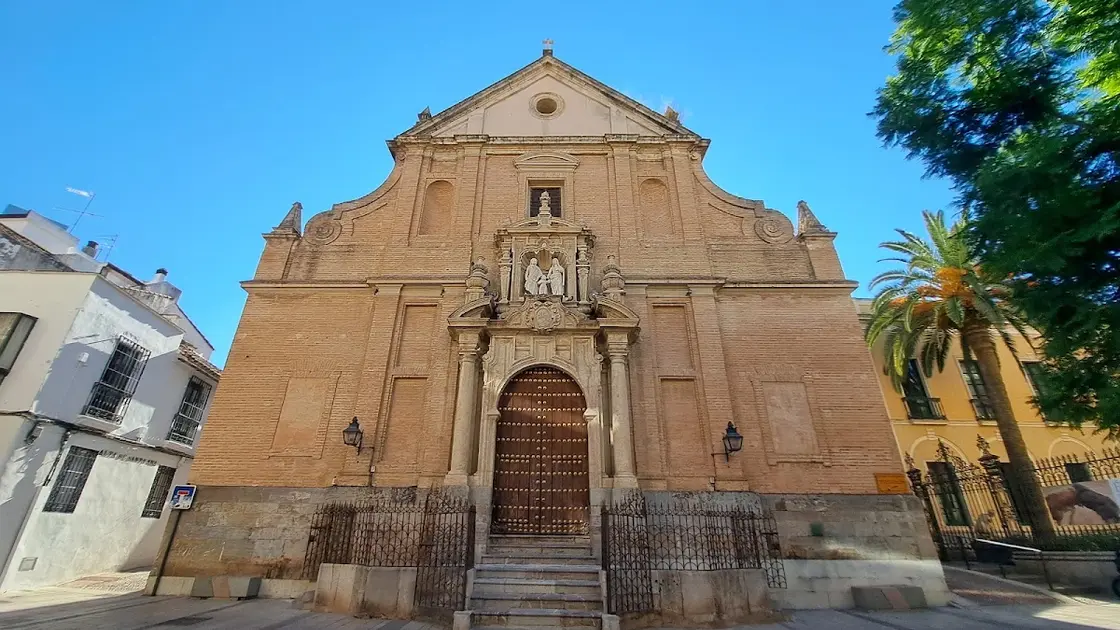
Convento de Santa Ana in Córdoba: a Discalced Carmelite convent founded 1589, with a Baroque church of 1608 and a rebuilt altarpiece. No published hours.
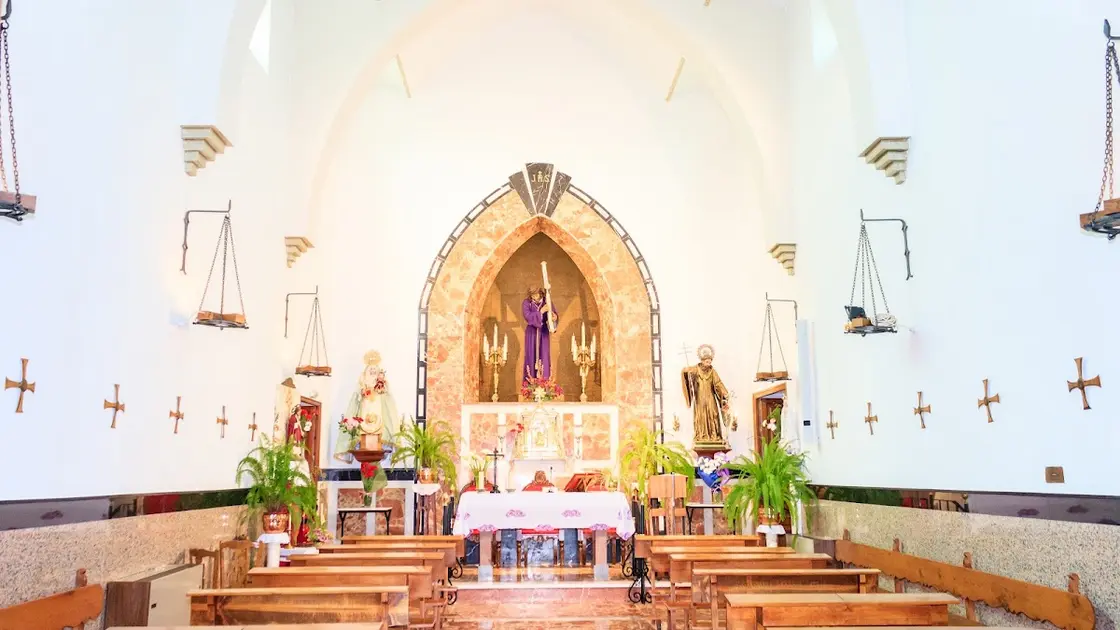
Hospital de Jesús Nazareno in Córdoba: a medieval-rooted charity church, remodelled in the 1800s, with a neo-Mudéjar artesonado and 17th-century paintings.
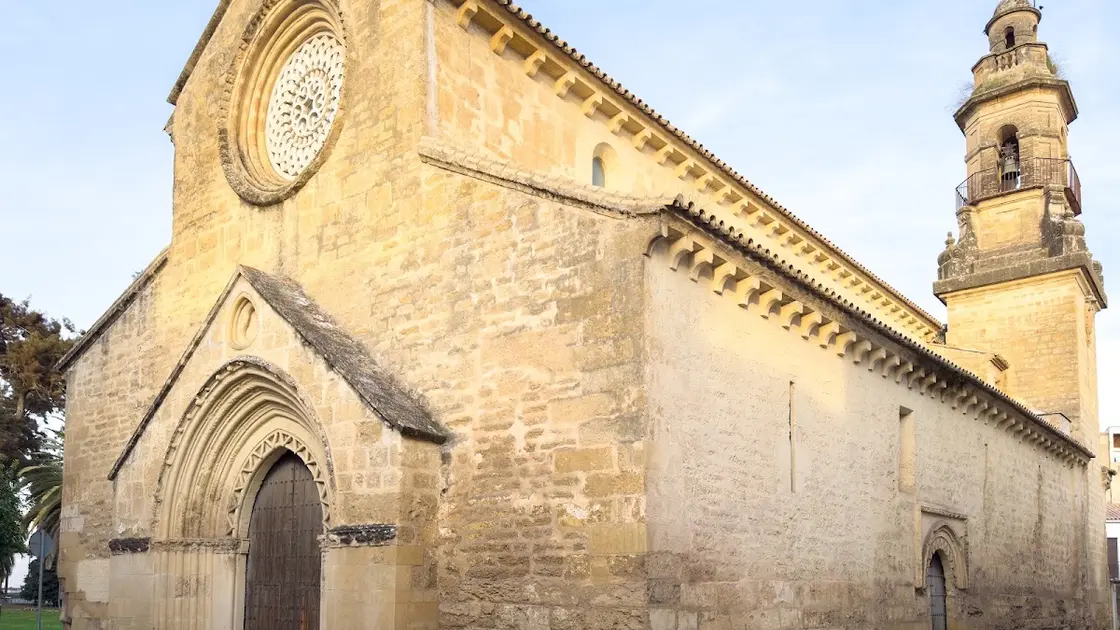
La Magdalena church in Córdoba: deconsecrated Fernandine church with Mudéjar-Gothic fabric, the city's oldest church doorway and a 1791 tower. No set hours.
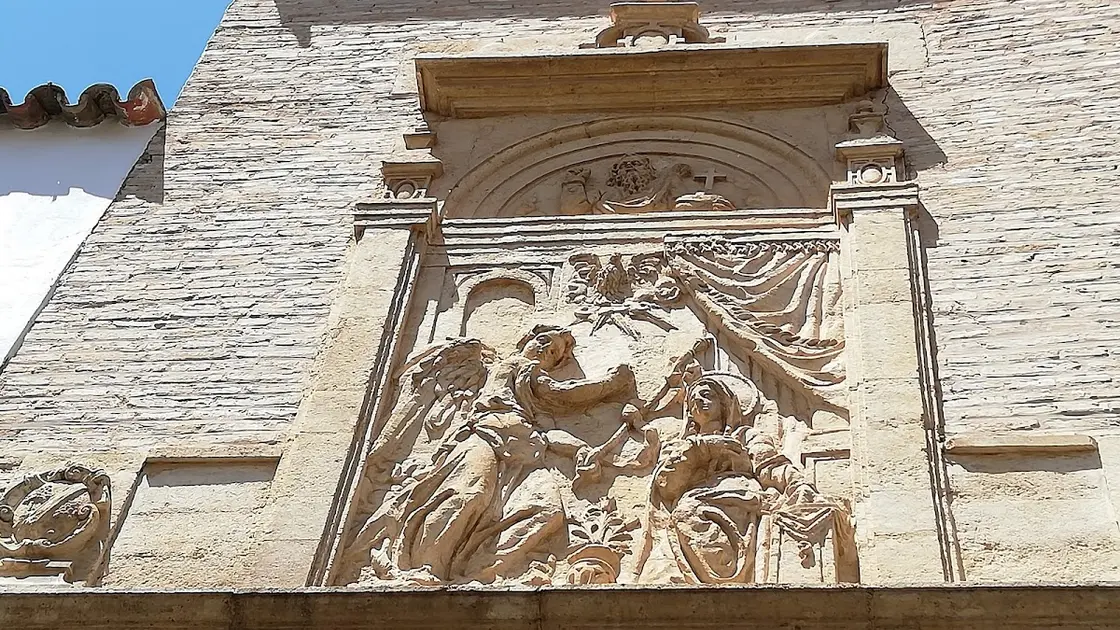
Monasterio de la Encarnación, Córdoba: enclosed Cistercian convent founded 1510, with a single-nave Baroque church. What is known, and why to check access.
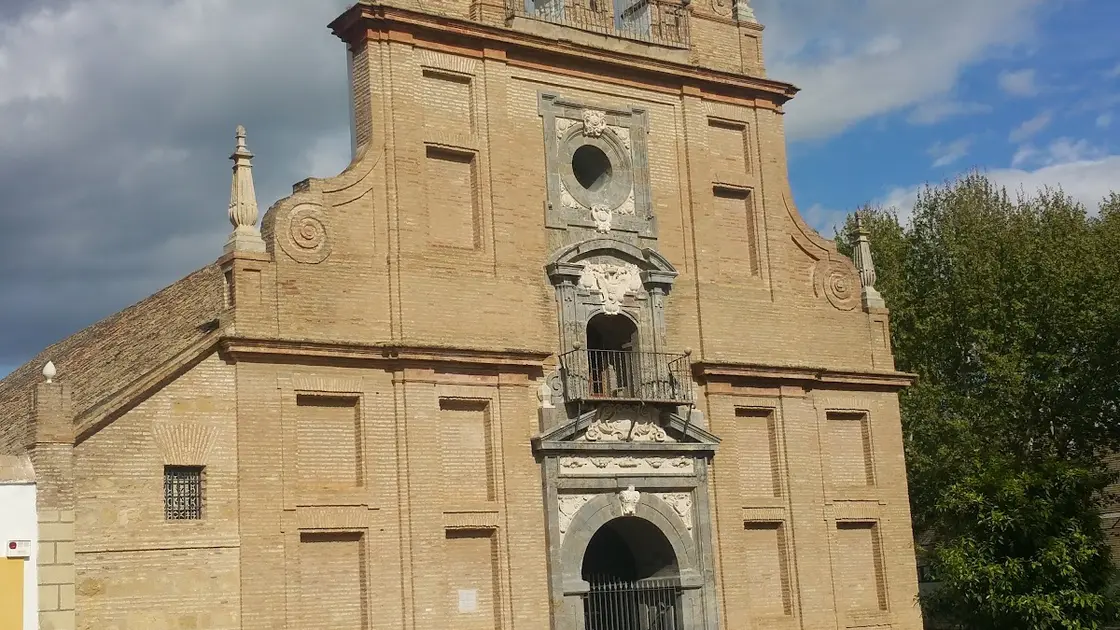
Fuensanta Sanctuary in Córdoba: a 15th-century riverside shrine with the city's only fully Gothic humilladero, 472 ex-votos and a feast on 8 September.
Roman engineering, Islamic fortification and medieval bridges: the structural landmarks that define Córdoba's skyline and streetscape.
Remains of the Visigothic Basilica of San Vicente sit in the Mezquita-Catedral basement: 6th-century masonry stamped with a workshop name and floor mosaics.
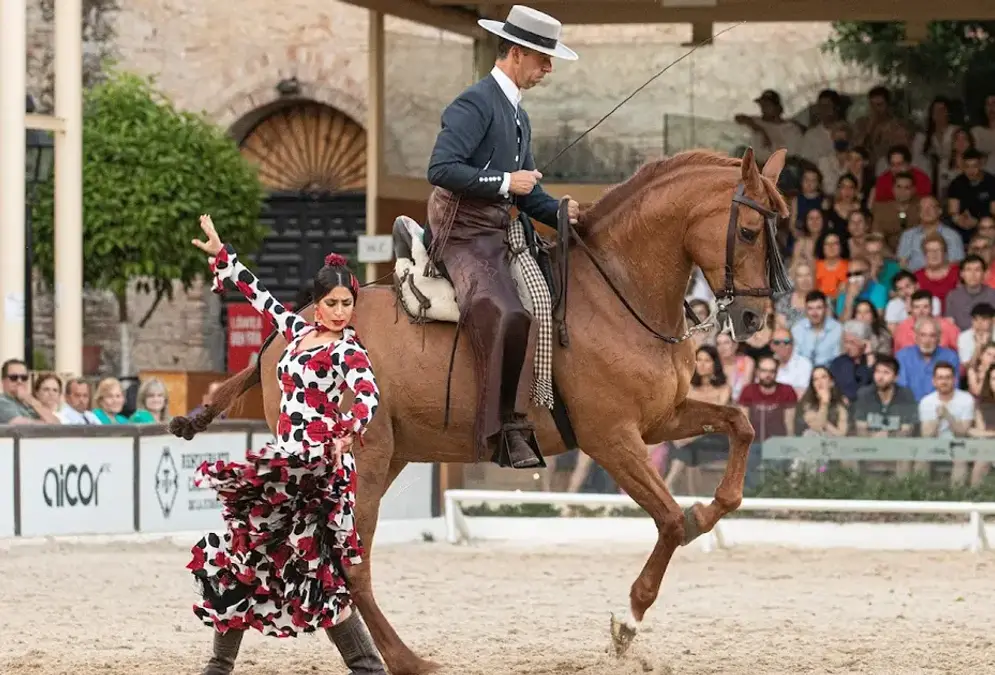
Philip II's 1568 Royal Stables, birthplace of the Andalusian horse. Evening show combining classical dressage, vaquera riding and flamenco. UNESCO heritage.
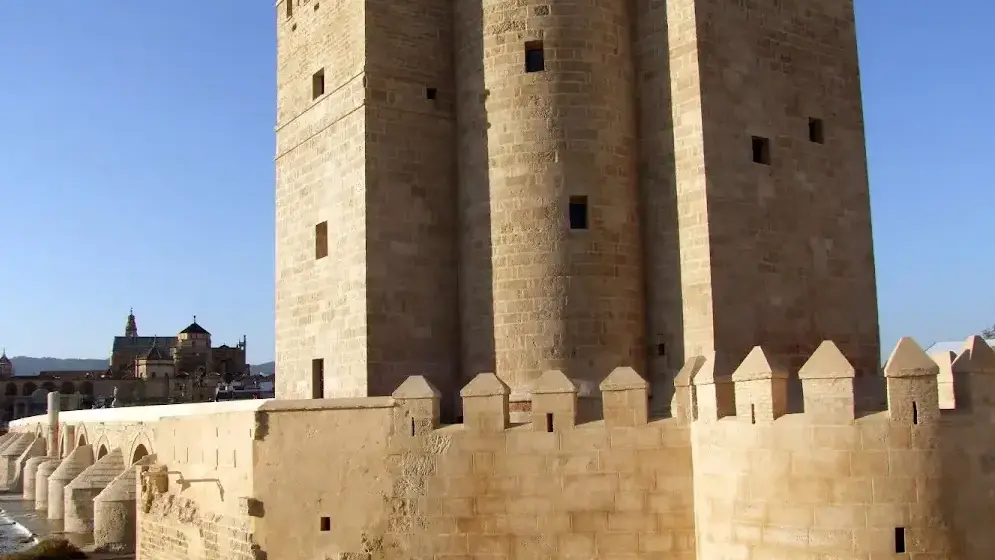
12th-century Islamic tower at the end of the Roman Bridge. Museum of Al-Andalus with rooftop views of the Mezquita and Guadalquivir. €4.50 adult entry.
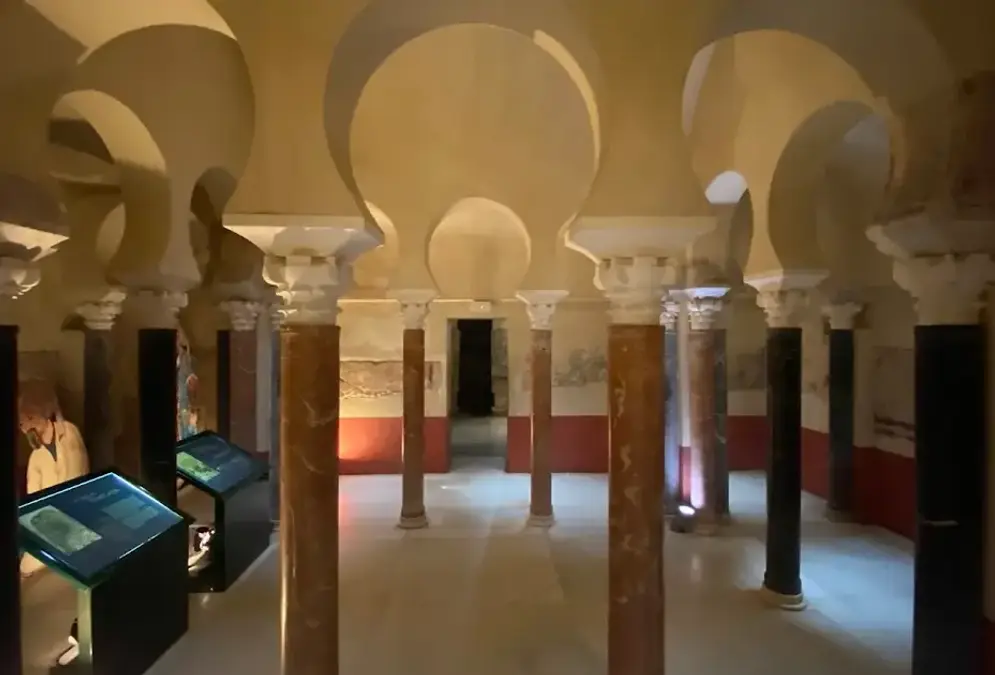
Underground 10th-century Islamic hammam beneath Córdoba's Campo Santo square, with star skylights, marble pillars and intact cold, warm and hot rooms.
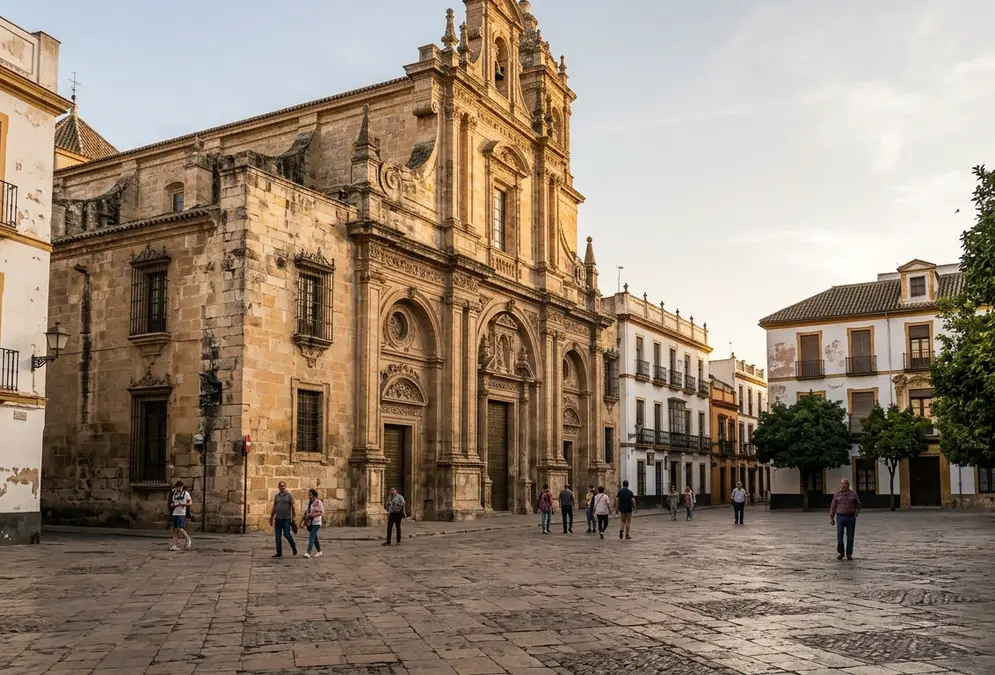
Iglesia de la Compañía in Córdoba: the BIC Jesuit church on Plaza de la Compañía, built 1555-1567, with its college history and 18th-century Baroque additions.
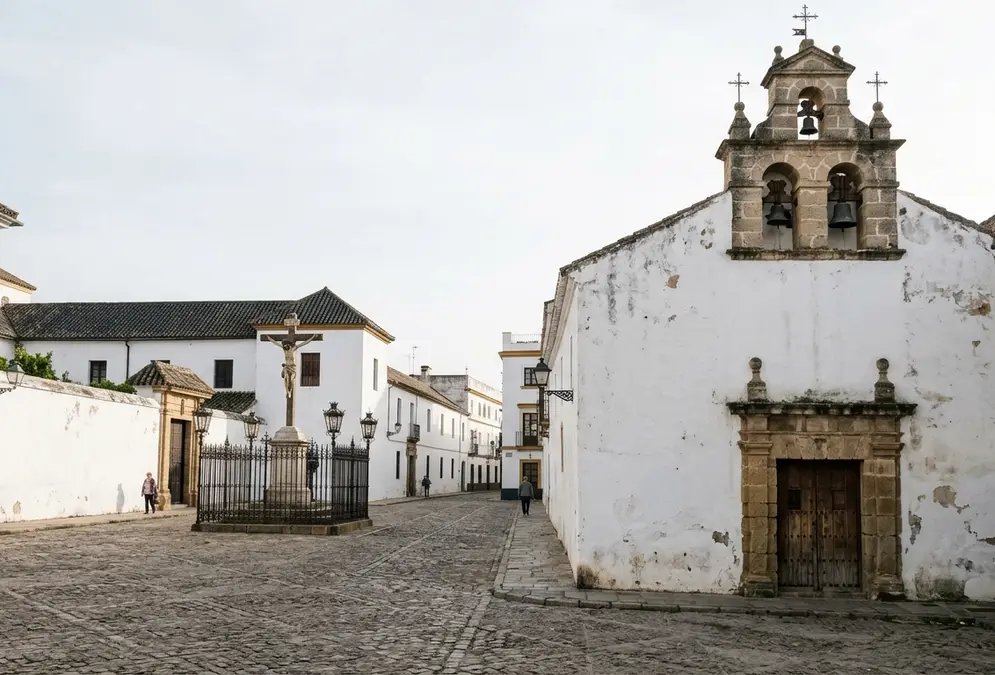
Santo Ángel, the Capuchin convent church on Plaza de Capuchinos in Córdoba: friars arrived 1629, moved into the Armuña houses in 1633, catalogued as MV-33.
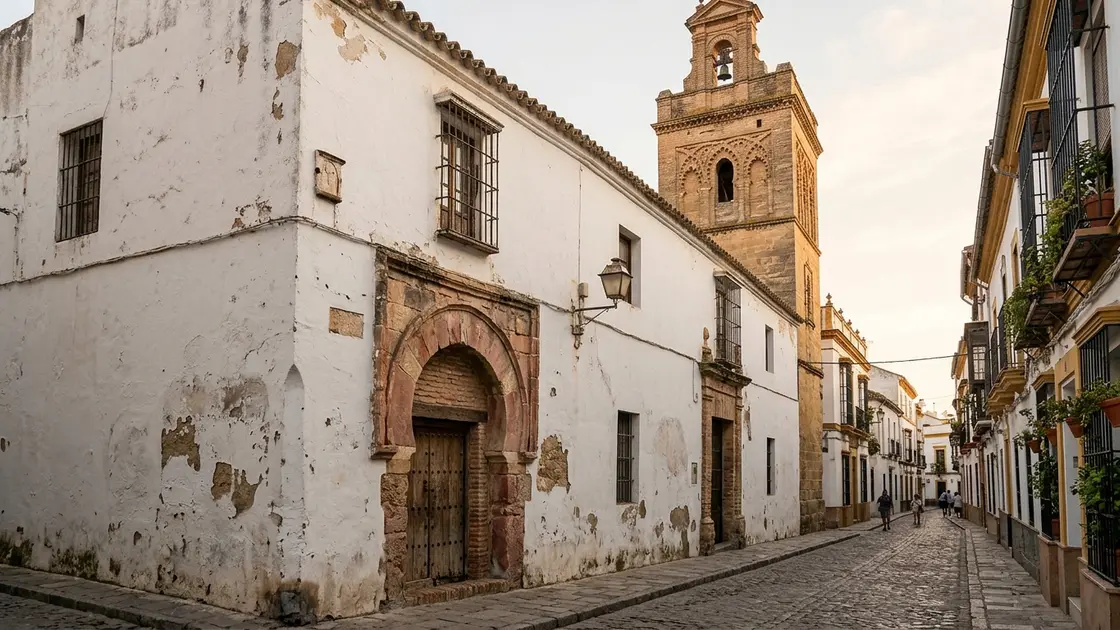
Convento de Santa Clara in Córdoba: a defunct Poor Clares convent built on a 976 mosque, with minaret and horseshoe arch. Under restoration, hours unpublished.
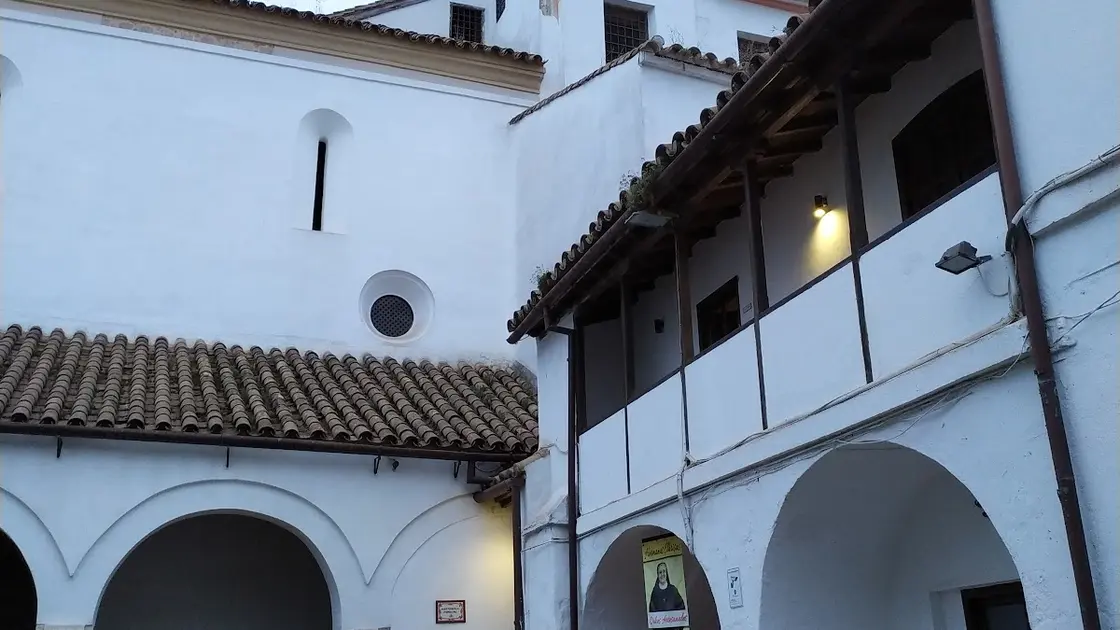
Convento de Santa Cruz in Córdoba's San Pedro quarter: a 15th-century Poor Clares convent and listed BIC monument. No permanent opening hours are published.
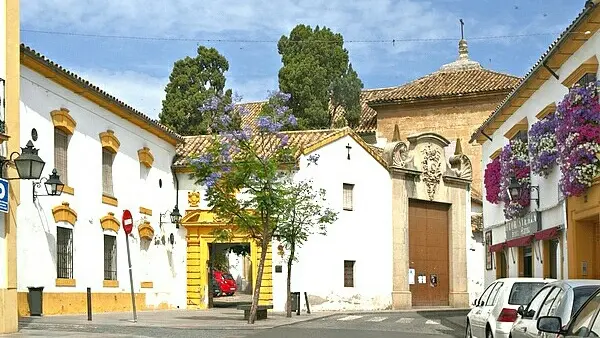
The former Santa Isabel de los Ángeles convent in Córdoba: founded 1491, seven patios, a Pedro Roldán altarpiece, BIC since 2018. Visiting not confirmed.
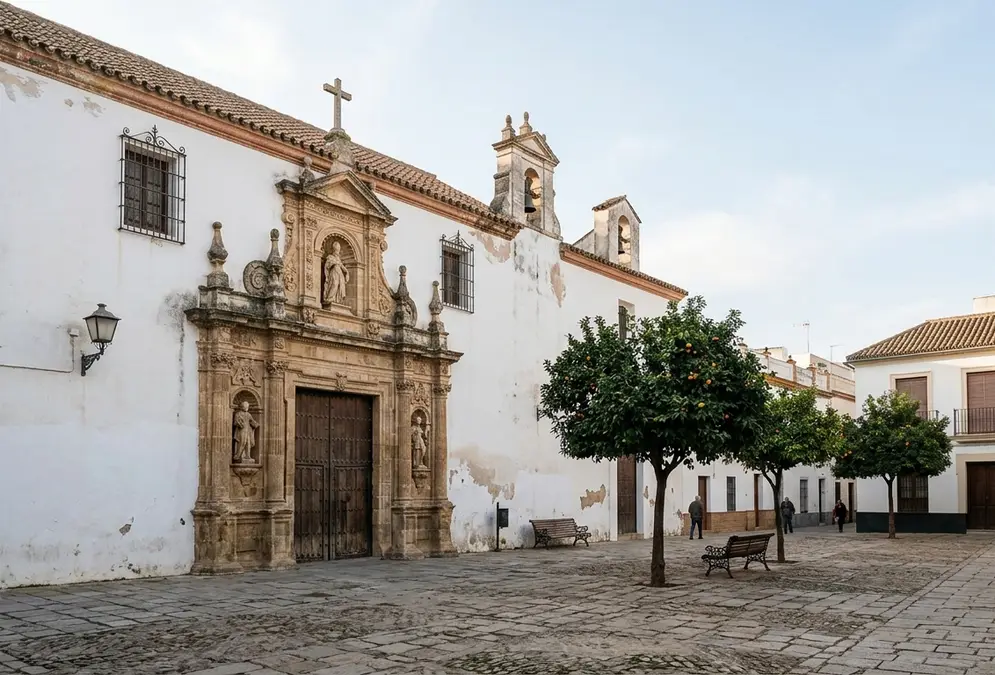
Santa María de Gracia, the Discalced Trinitarian convent church on Plaza del Cristo de Gracia: 1607 licence, 1686 church, and the Christ of Grace since 1618.
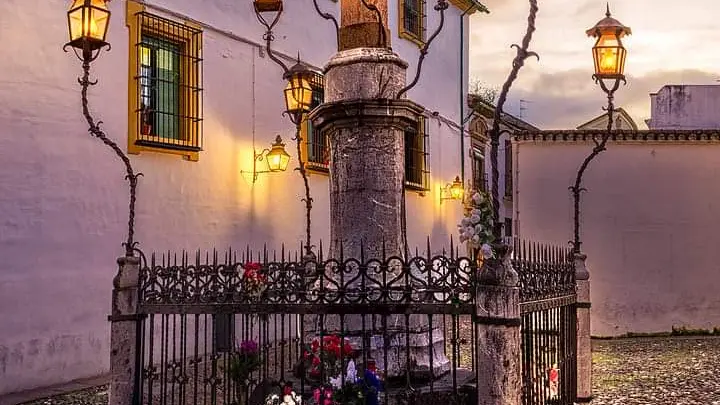
1794 Christ sculpture on Plaza de Capuchinos, encircled by eight wrought-iron lanterns. Most affecting at dusk when they are lit. Free, open 24 hours.
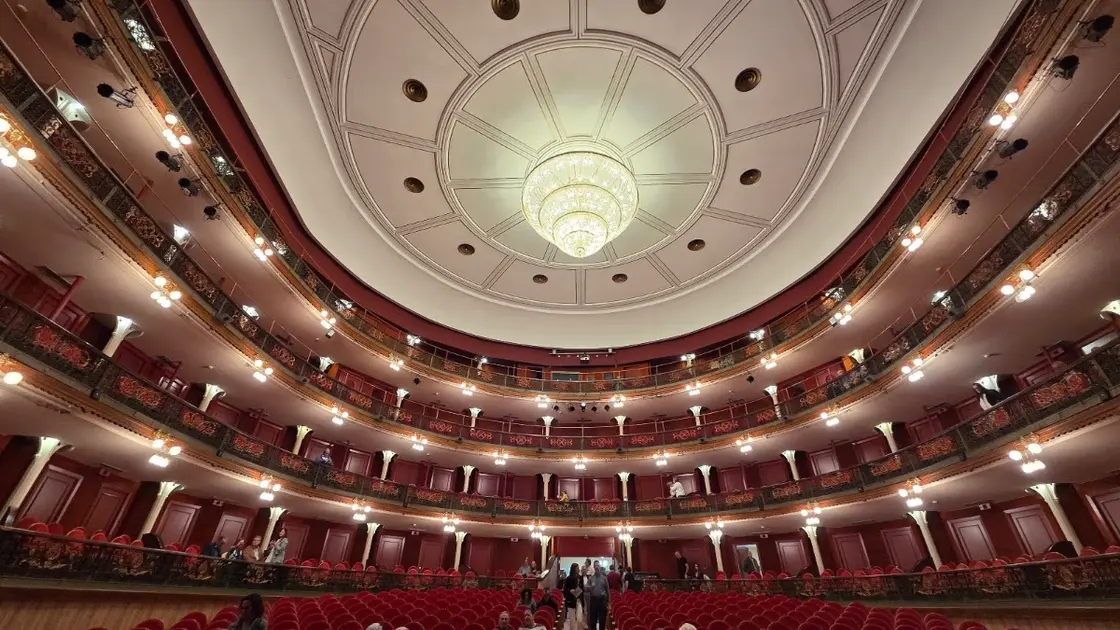
Gran Teatro de Córdoba, the 1873 Italian-style opera house on Avenida del Gran Capitán: history, 946-seat horseshoe hall, programme and how to buy tickets.
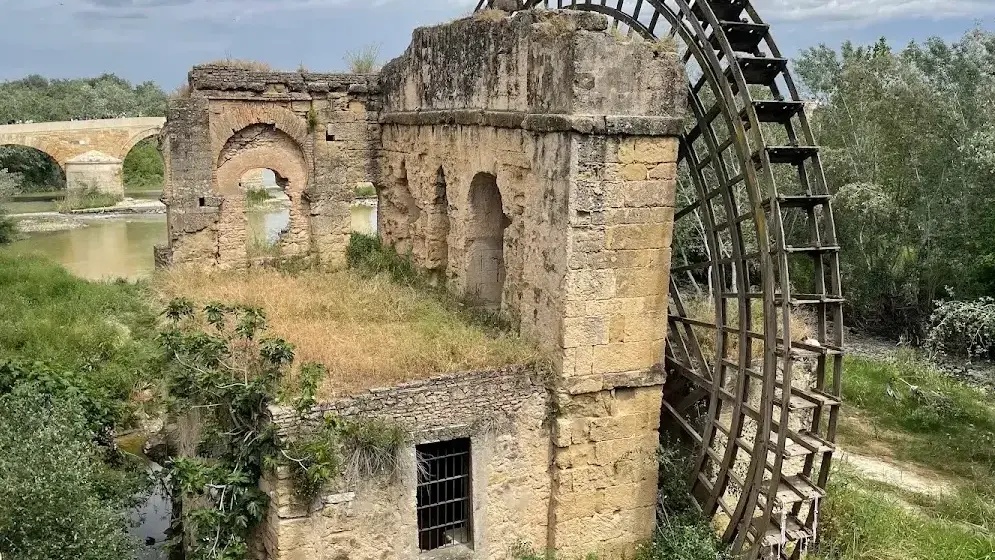
The Albolafia wheel turns again on the Guadalquivir, photographed from the Roman bridge against the Mezquita skyline. What's left of Córdoba's Arab mills.
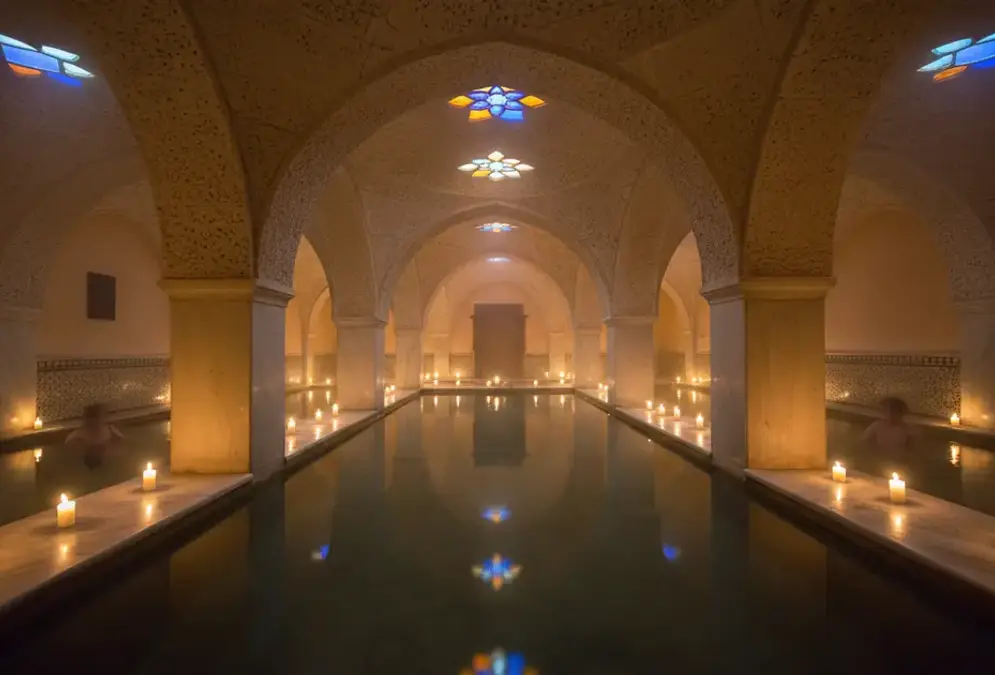
Arab baths in Córdoba's Judería, steps from the Mezquita. Hot, warm and cold pools with optional massages in brick-vaulted, candlelit rooms. From €24.
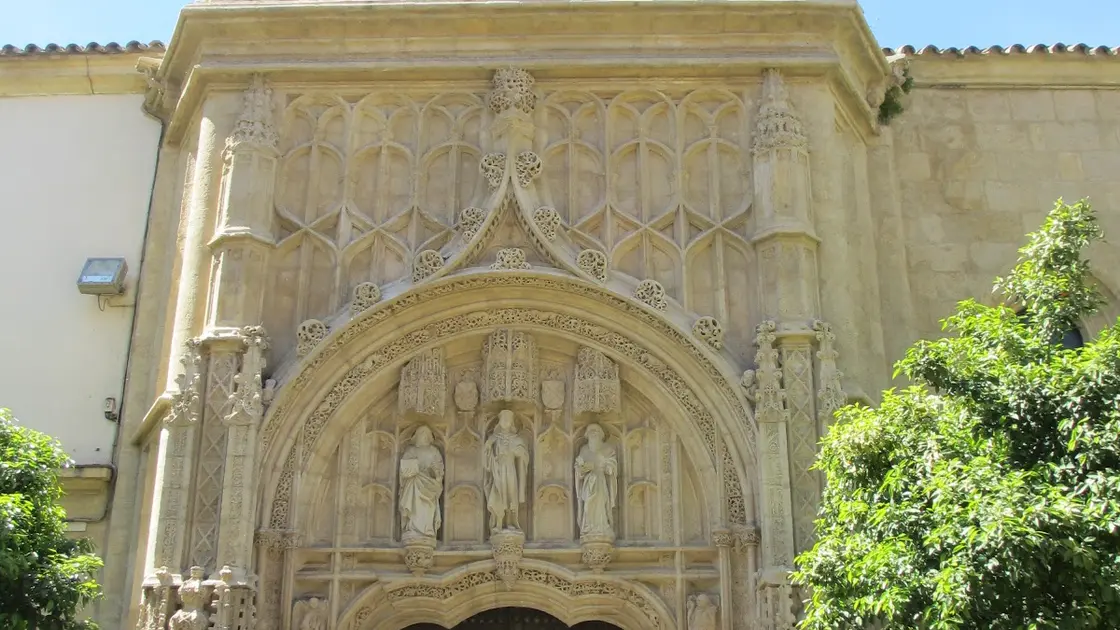
Hospital de San Sebastián in Córdoba: Hernán Ruiz's 1512-1516 hospital opposite the Mezquita, now the congress palace with a Mudéjar cloister and Gothic portal.
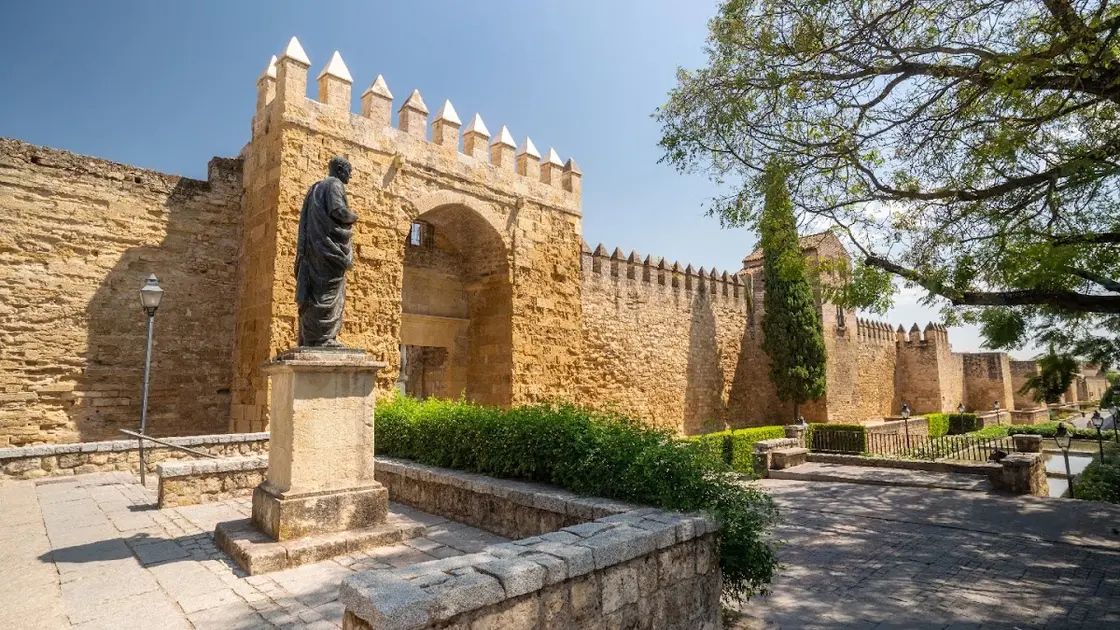
Puerta de Almodóvar in Córdoba: one of three surviving medieval gates, with 10th-century origins, full crenellation and Seneca's statue nearby. Visitor guide.
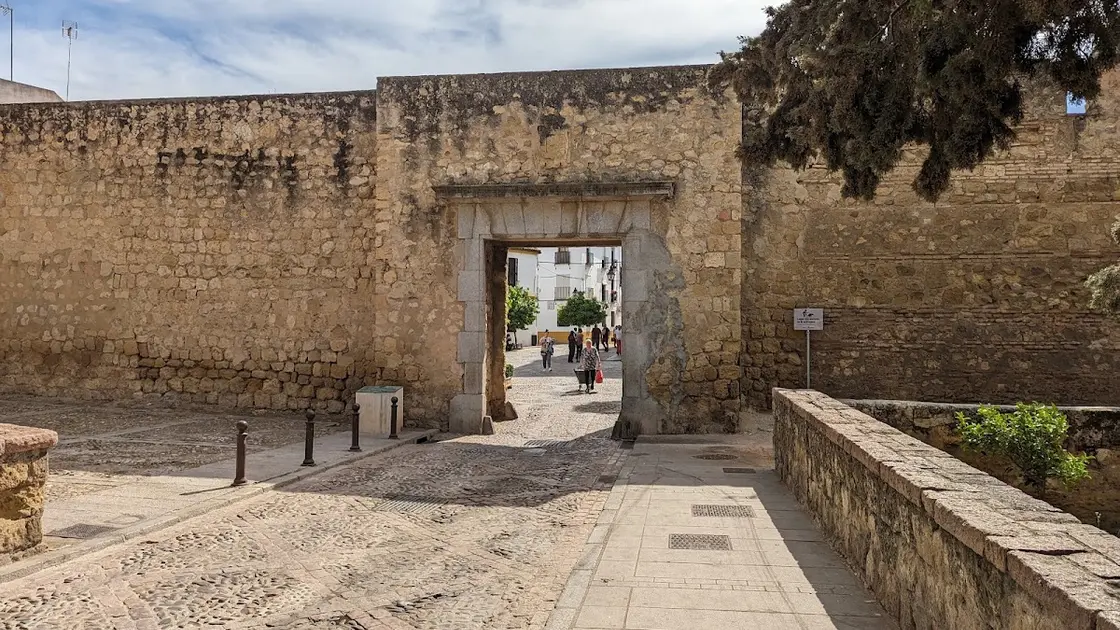
Puerta de Sevilla in Córdoba: a surviving city gate on the western walls, dated to the 14th century by one source and a reconstruction by another. Visit guide.
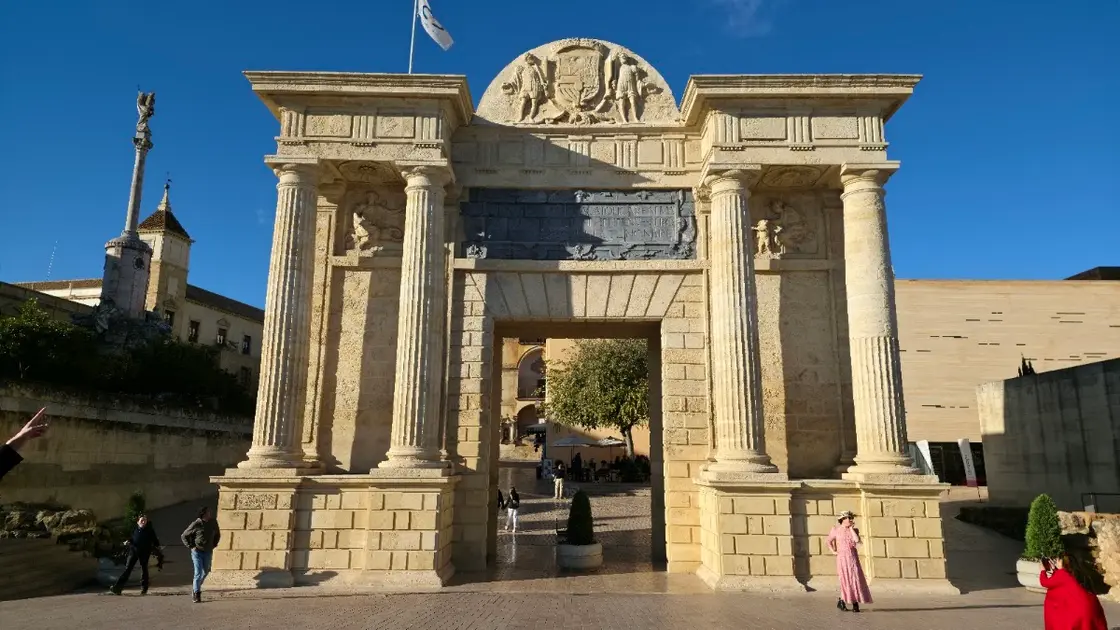
Puerta del Puente in Córdoba: Renaissance gate at the Roman Bridge, redesigned by Hernán Ruiz III for Philip II. Interior listed as temporarily closed.
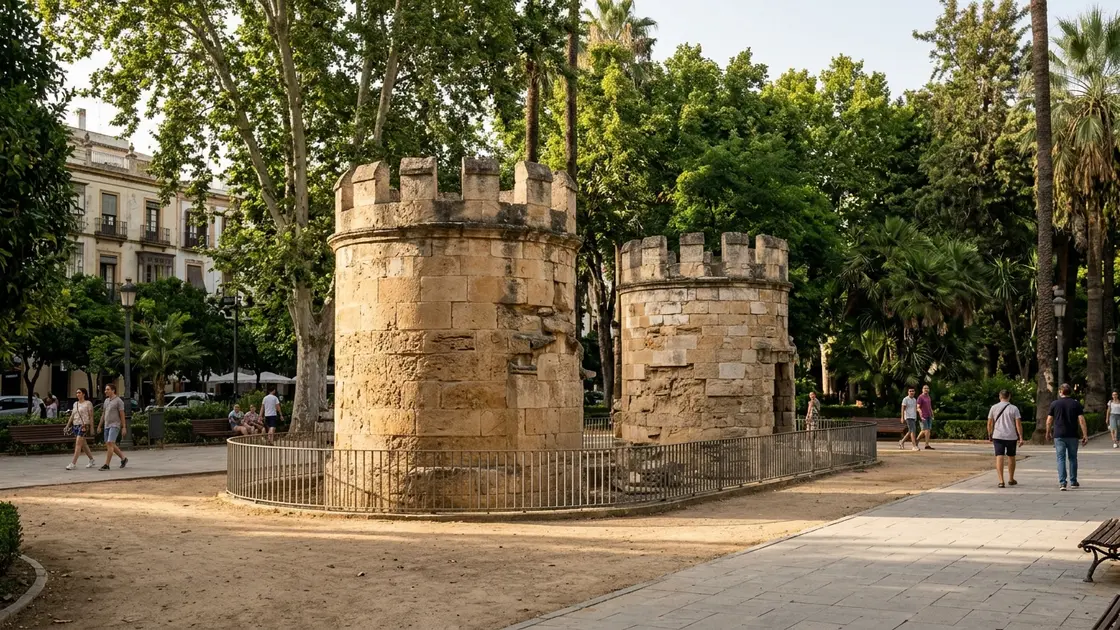
Roman mausoleums of Puerta de Gallegos in Córdoba: two 13 m cylindrical tombs from Tiberius's reign beside the Via Augusta. Visiting status is unconfirmed.
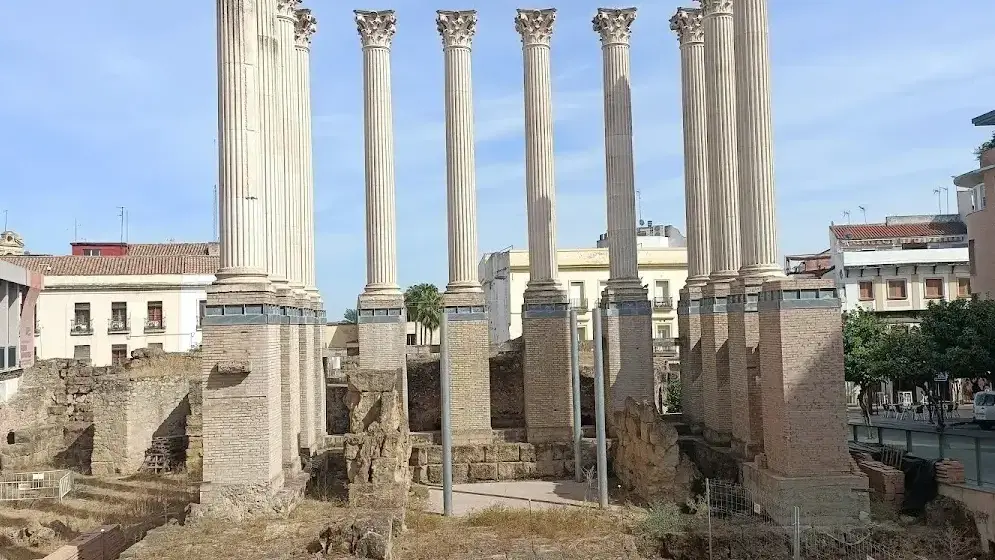
Free open-air Roman temple in central Córdoba, lit up at night. Towering Corinthian columns from ancient Corduba, once capital of Roman Baetica. Open 24 hours.
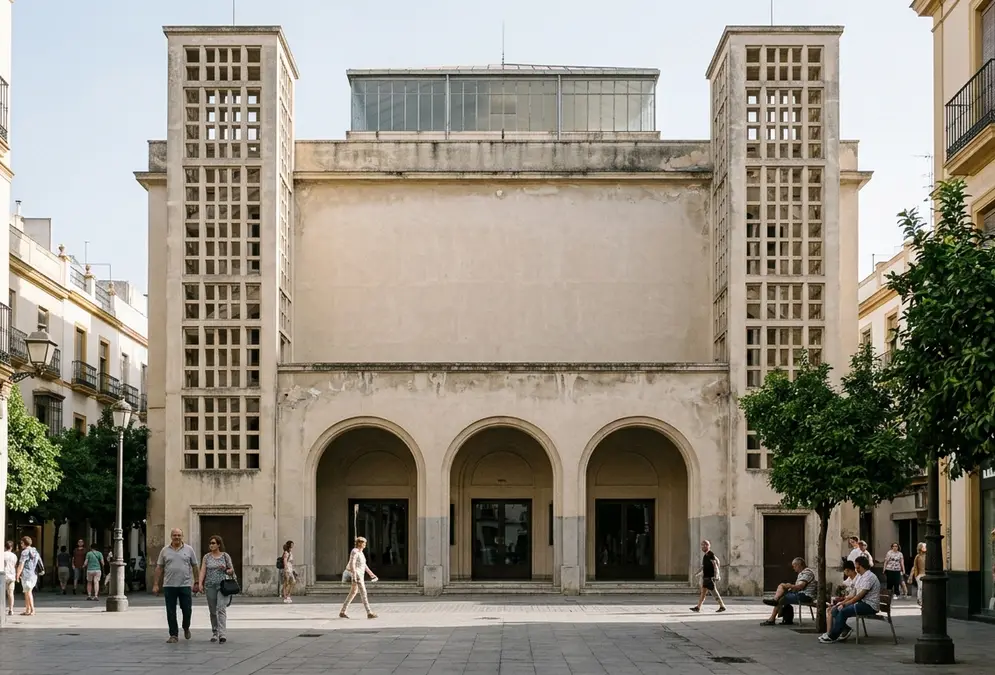
Teatro Góngora in Córdoba: Luis Gutiérrez Soto's 1929-1932 Rationalist cine-teatro with Art Deco interiors, a glass rooftop hall and how to plan a visit.
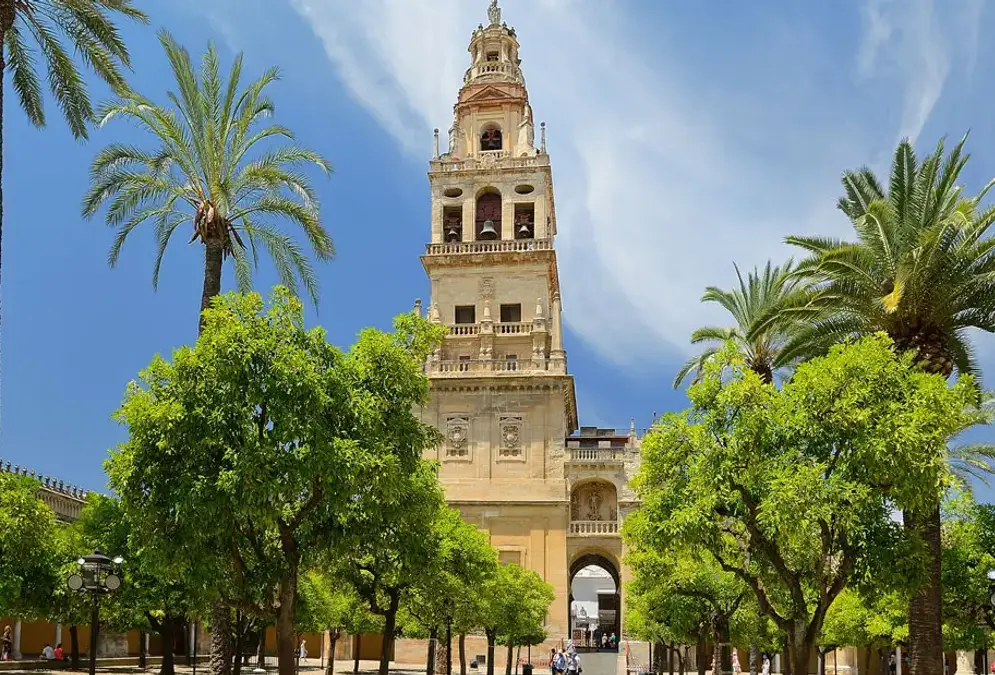
Climb 150 steps up the Mezquita-Catedral's 10th-century minaret-turned-bell-tower for 360-degree views over Córdoba's rooftops, Roman Bridge and Alcázar.
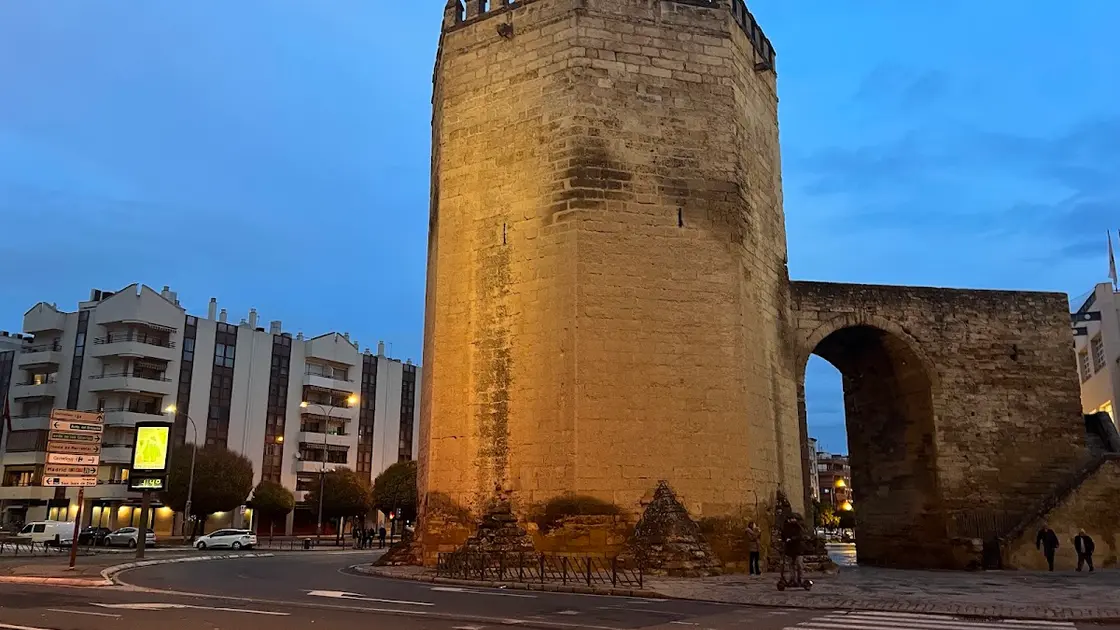
Torre de la Malmuerta in Córdoba: an octagonal albarrana tower built 1406-1408 for Henry III, with its wall arch, legend and no published opening hours.
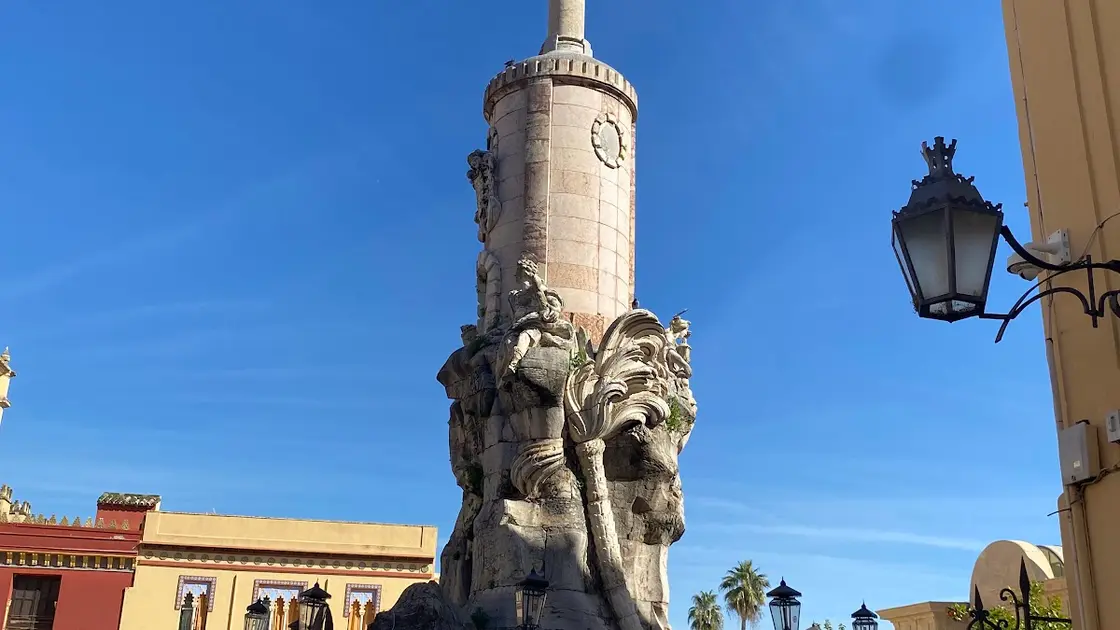
Córdoba's Triunfos de San Rafael: devotional columns to the city's guardian archangel, from the 1651 Roman Bridge statue to the Puerta del Puente triumph.
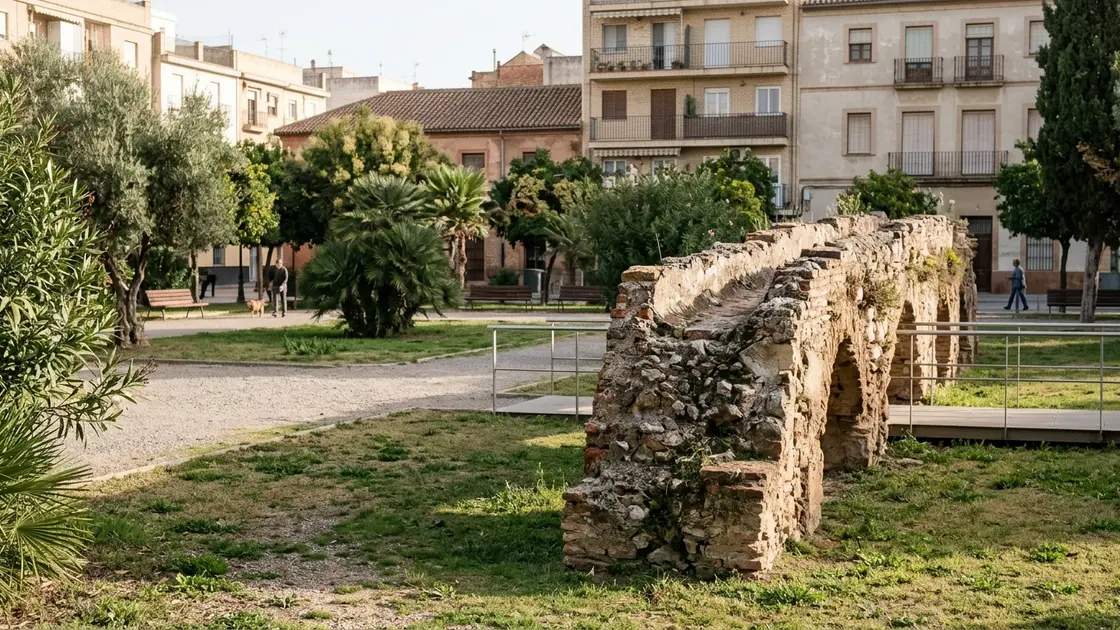
Valdepuentes Aqueduct near Córdoba: a Roman channel reused for Medina Azahara, with a caliphal bridge on private land and a small fragment reportedly shown.
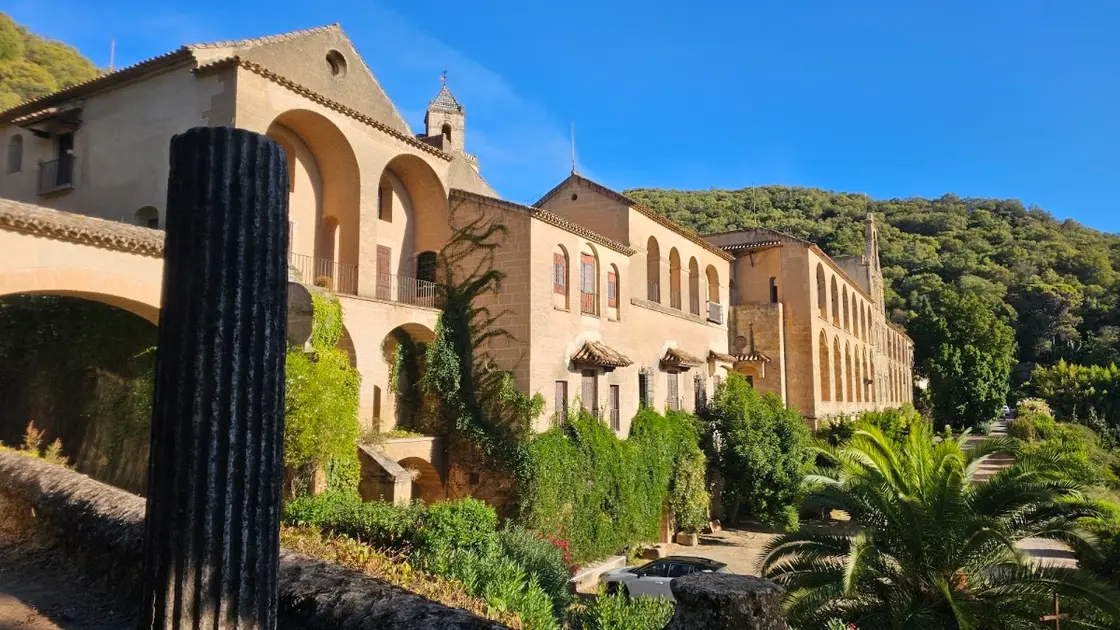
Visit guide to the Real Monasterio de San Jerónimo de Valparaíso near Medina Azahara: Gothic cloister, 1405 foundation, and how its arranged visits work.
Plazas, lanes and courtyards where daily life happens. Some are famous, others reward the curious.
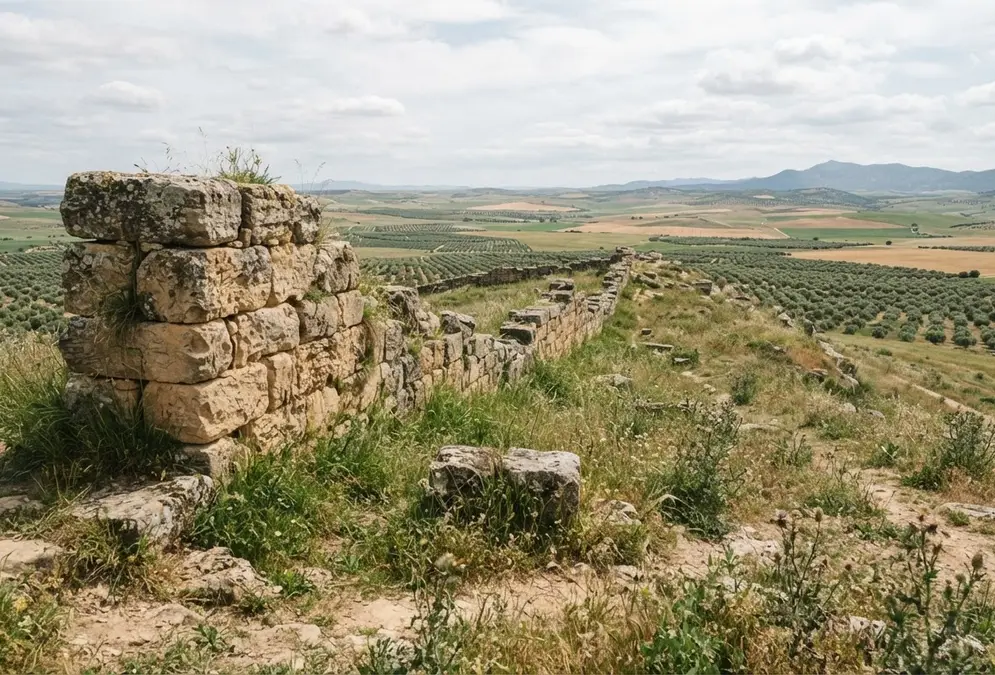
Ategua oppidum near Córdoba: a Bronze Age necropolis, Tartessian wall and Iberian walled town that fell to Caesar in 45 BCE. Visits only under conditions.
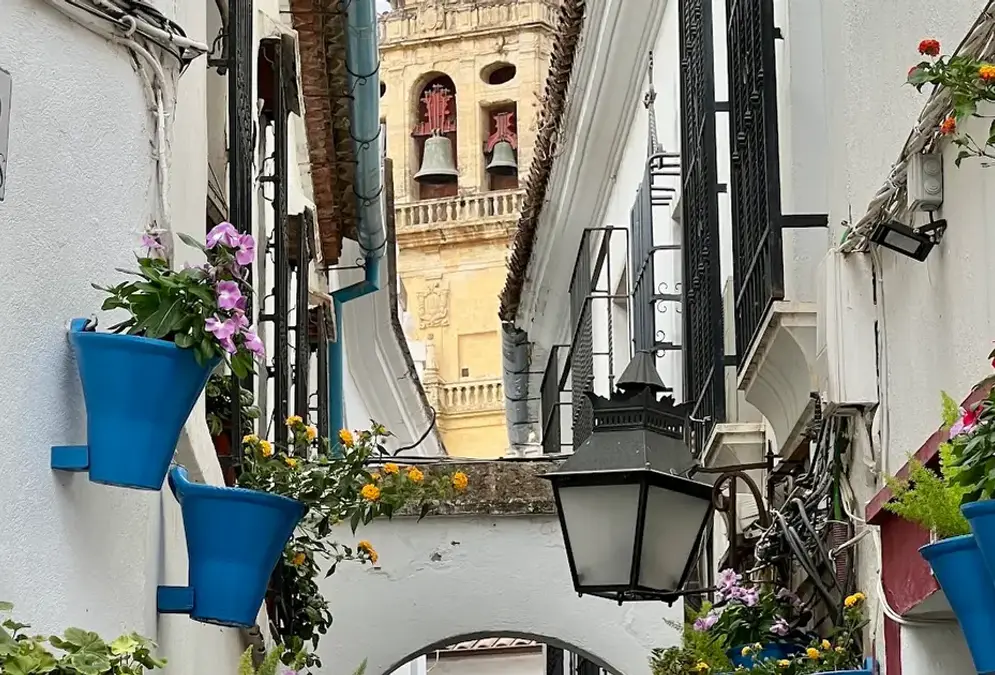
Whitewashed walls and red geraniums framing the Mezquita bell tower. Córdoba's most photographed alley in the Judería. Free, open 24 hours, best before 10am.
Free
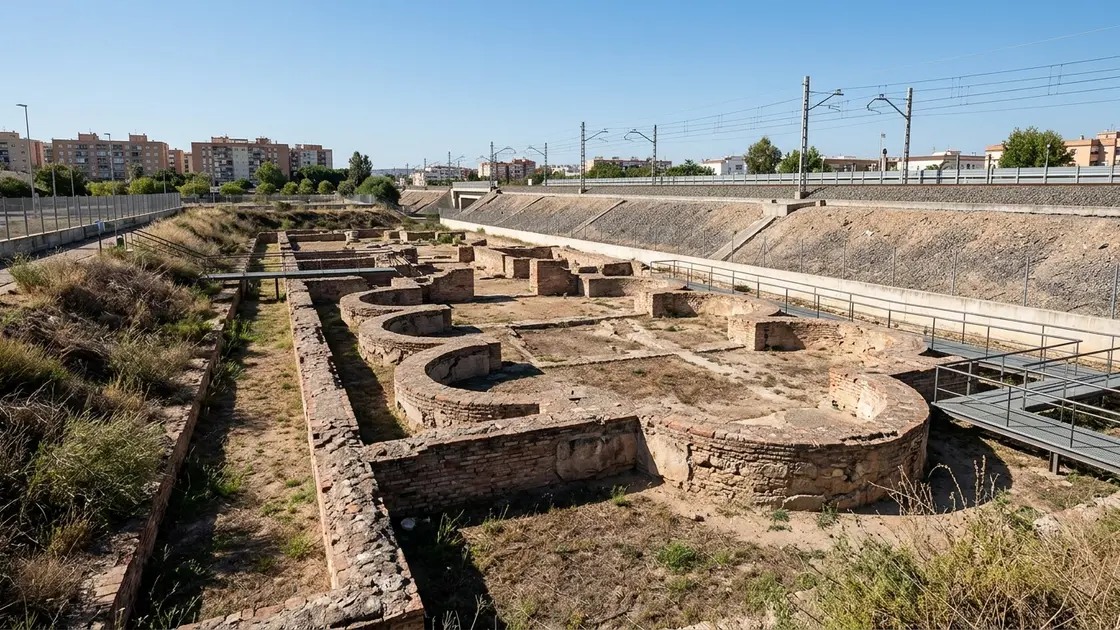
Cercadilla Roman palace in Córdoba: what survives of the tetrarchic complex, which finds sit in the museums, and why access is unconfirmed. Ask locally first.
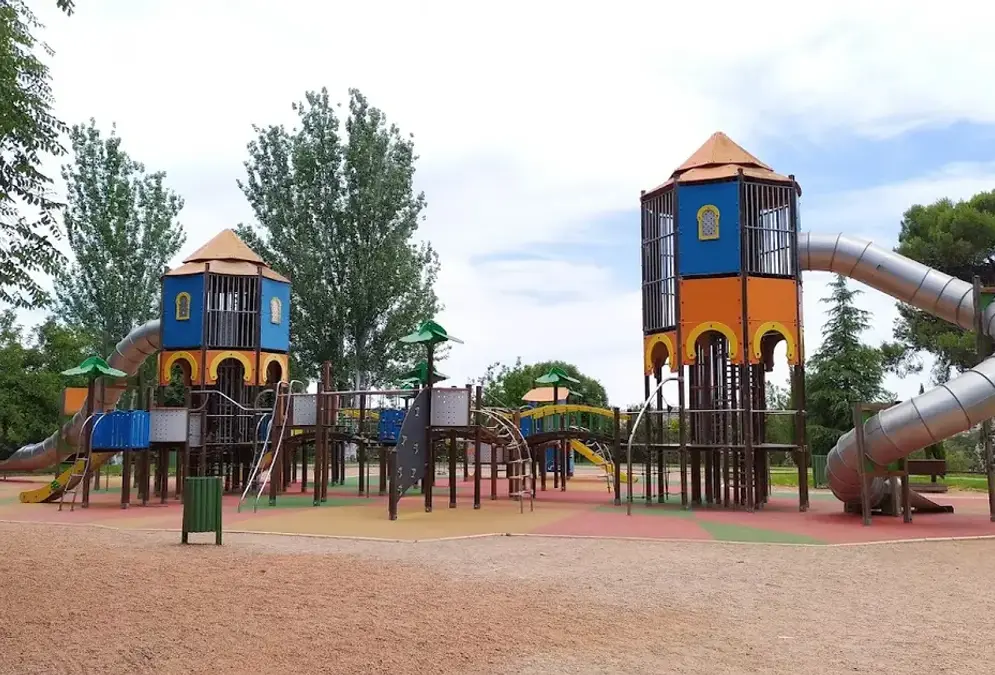
4 hectares of inclusive playground: 30+ structures including a Mezquita-inspired climbing frame, water zone and fully accessible equipment. Tickets €1-2.
Adults 2 EUR
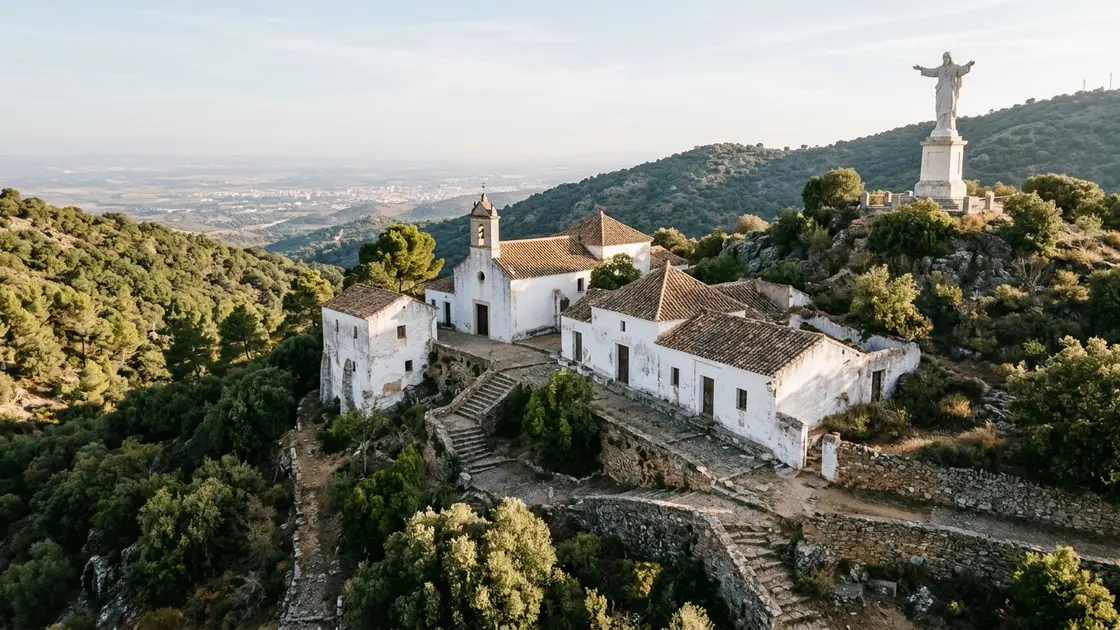
Las Ermitas near Córdoba: a hermit 'desert' on Sierra Morena with a church, the Balcón del Mundo lookout and a 2.7 km trail. No set hours or admission price.
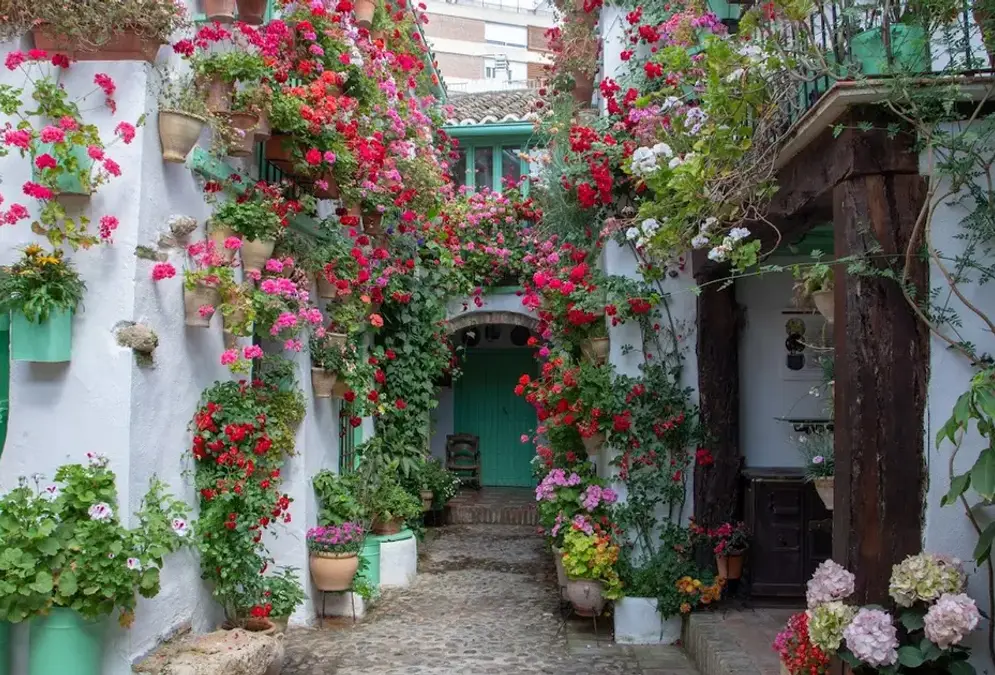
The most concentrated pocket of Córdoba's patio tradition. Flower-draped courtyards in San Basilio open year-round, some free, some ticketed. Best in May.
€6.50
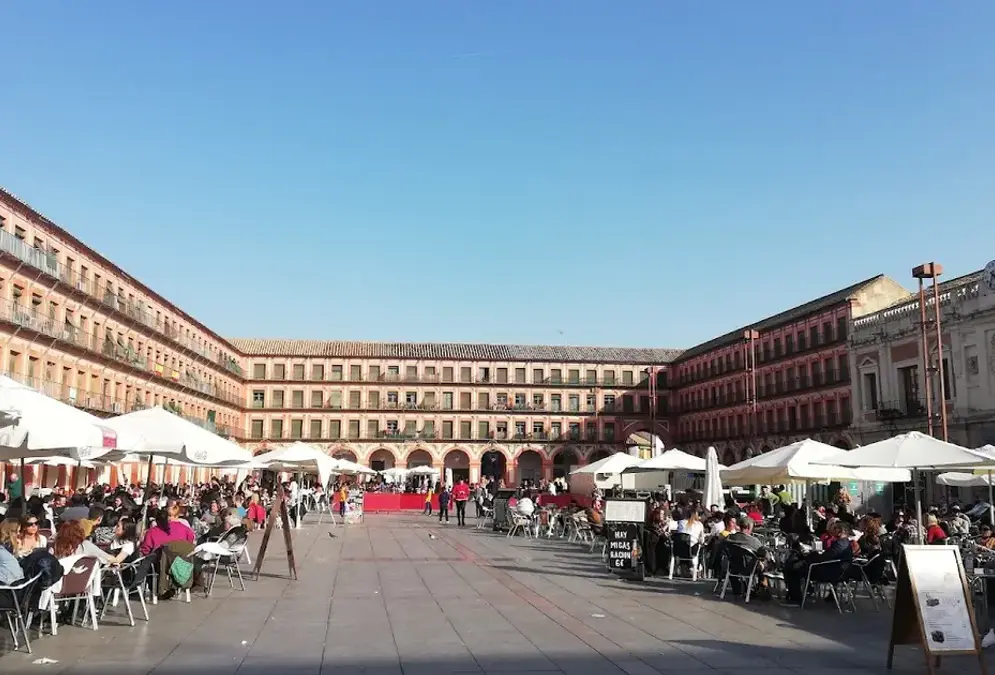
Andalusia's only Castilian arcaded square, built in 1683 over a Roman forum. Once a bullfighting ring, now lined with bar terraces and a Sunday flea market.
Free
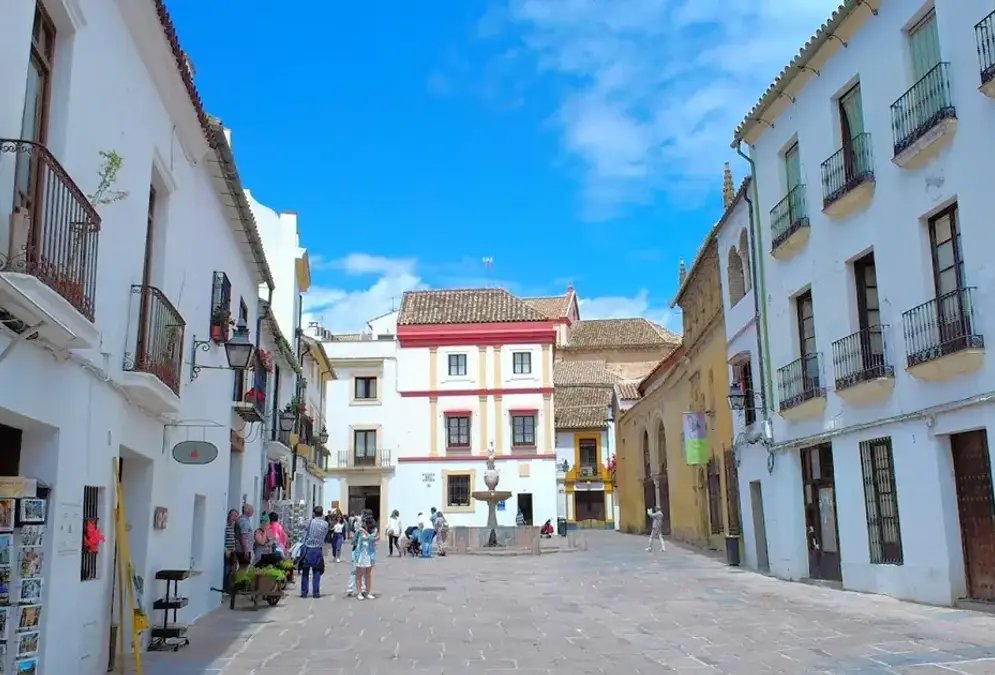
Cited by Cervantes in Don Quixote. The 1577 fountain still stands; the Fine Arts Museum, Fosforito Flamenco Centre and Julio Romero Museum all face the square.
€1.50
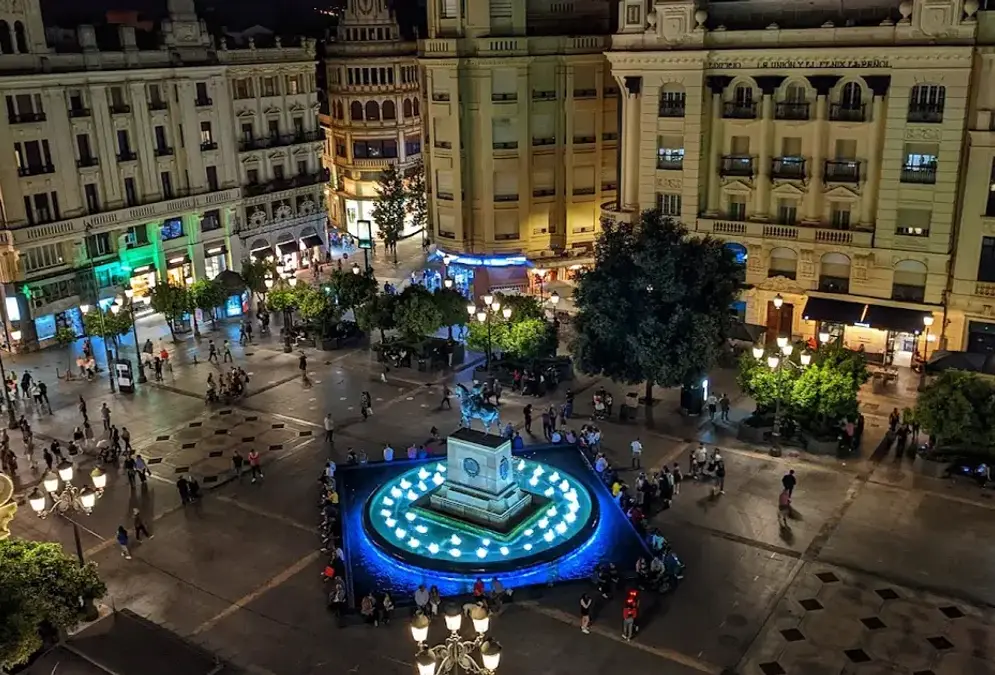
Córdoba's central square, with a clock that chimes guitar chords on the hour. Equestrian statue of El Gran Capitán, terrace cafés and the main shopping streets.
Free
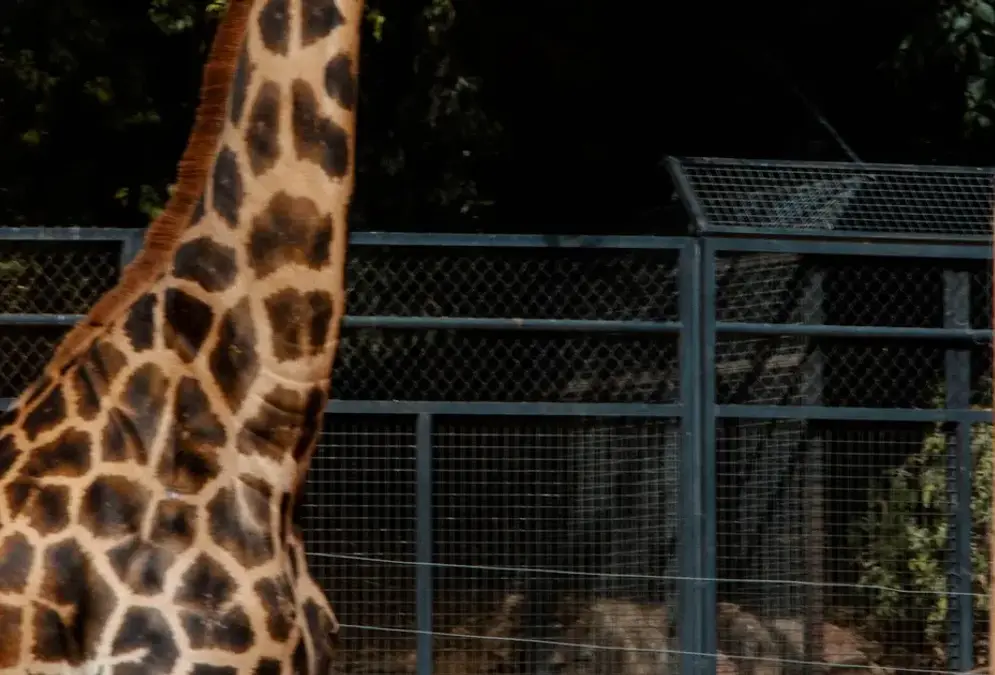
Conservation zoo with 500+ animals from 100 species, European breeding programmes, educational workshops and shaded walkways beside the Guadalquivir. From €3.
€5.50
Botanical gardens and urban parks offering shade, water features, and a break from the stone and heat of the historic centre.
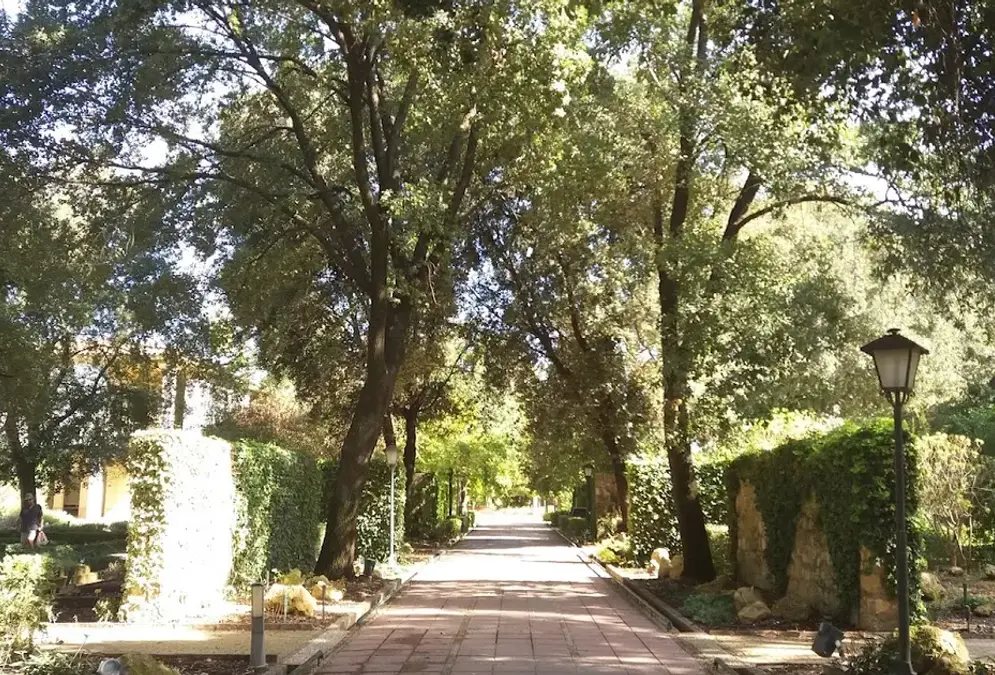
5.5-hectare riverside garden in Córdoba with arboretum, rose garden, exotic glasshouses, ethnobotany museum, and weekend workshops for families. €3 adult entry.
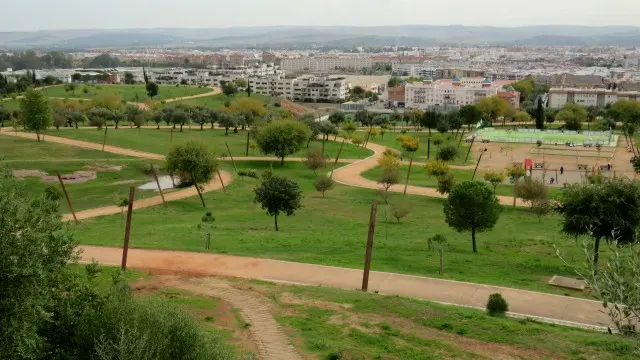
27 hectares of Mediterranean woodland in Córdoba with a hilltop viewpoint, community gardens and play areas. Free year-round, open until 2am in summer.
Dedicated lists by architectural type, travel style and historical period.