Articles · People & legends
Córdoba's people: philosophers, poets and legendary figures
This is where Córdoba's people come first: the philosophers, physicians, poets and rebels who made the city a center of thought, and the legends that grew up around them. For readers curious about who actually lived behind the monuments' facades.
30 articles
People & legends: the big picture

Written by
Sophie Marchand Art history background with eight years writing interpretive content on Córdoba's Caliphal heritage.
Córdoba's history is really a parade of individuals, and the city keeps their memory in bronze more than in plaques. Abd al-Rahman I arrived in 755 CE with nothing but a freedman companion, having spent six years fleeing the massacre that ended his family's rule in Damascus; he went on to found the Emirate of Córdoba and start construction on the Great Mosque in 785. Generations later, Abd al-Rahman III took the caliphal title in 929, making Córdoba the capital of a state that rivalled Baghdad.
The intellectual golden age they built produced figures the city still claims as its own. Averroes, the 12th-century philosopher whose commentaries on Aristotle shaped medieval scholasticism, has a statue near the old Jewish quarter. Al-Hakam II built a library reported to hold hundreds of thousands of volumes, much of it purged by his own chamberlain Almanzor in 978, with what remained lost when the caliphate collapsed into civil war. Not every powerful figure in Córdoba wore a crown: Almanzor, the hajib who ruled from 978 to 1002 without ever claiming the caliphal title himself, effectively governed the state at its military peak.
The three founders and rulers above make a good starting trio if you want the arc of power; branch out from there into the philosophers, poets and painters who filled the centuries in between.
More people & legends articles
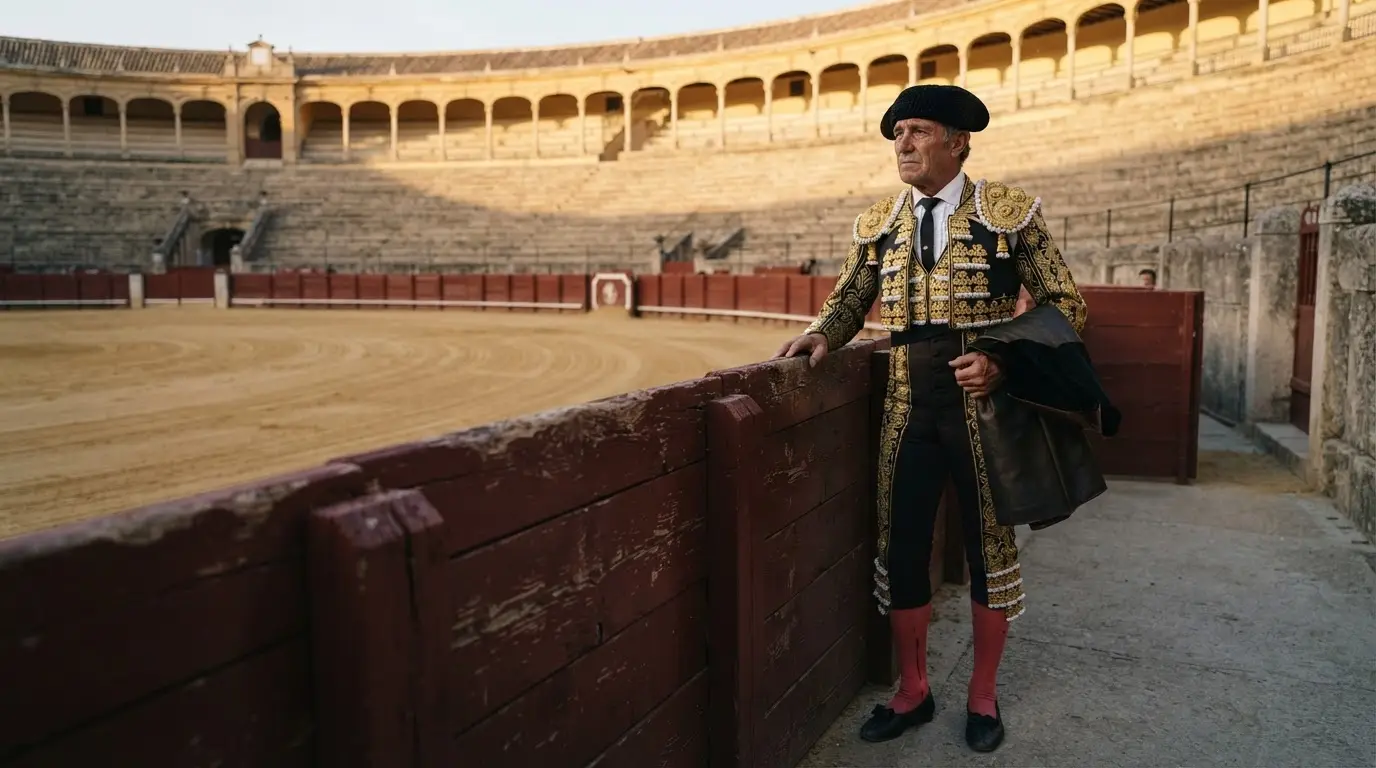
El Cordobes Matador Cordoba: The Fifth Caliph
Sophie Marchand
Meet El Cordobés, the Palma del Río matador named Córdoba's fifth Caliph in 2002, and learn how the city's museum places his public career in context.
Read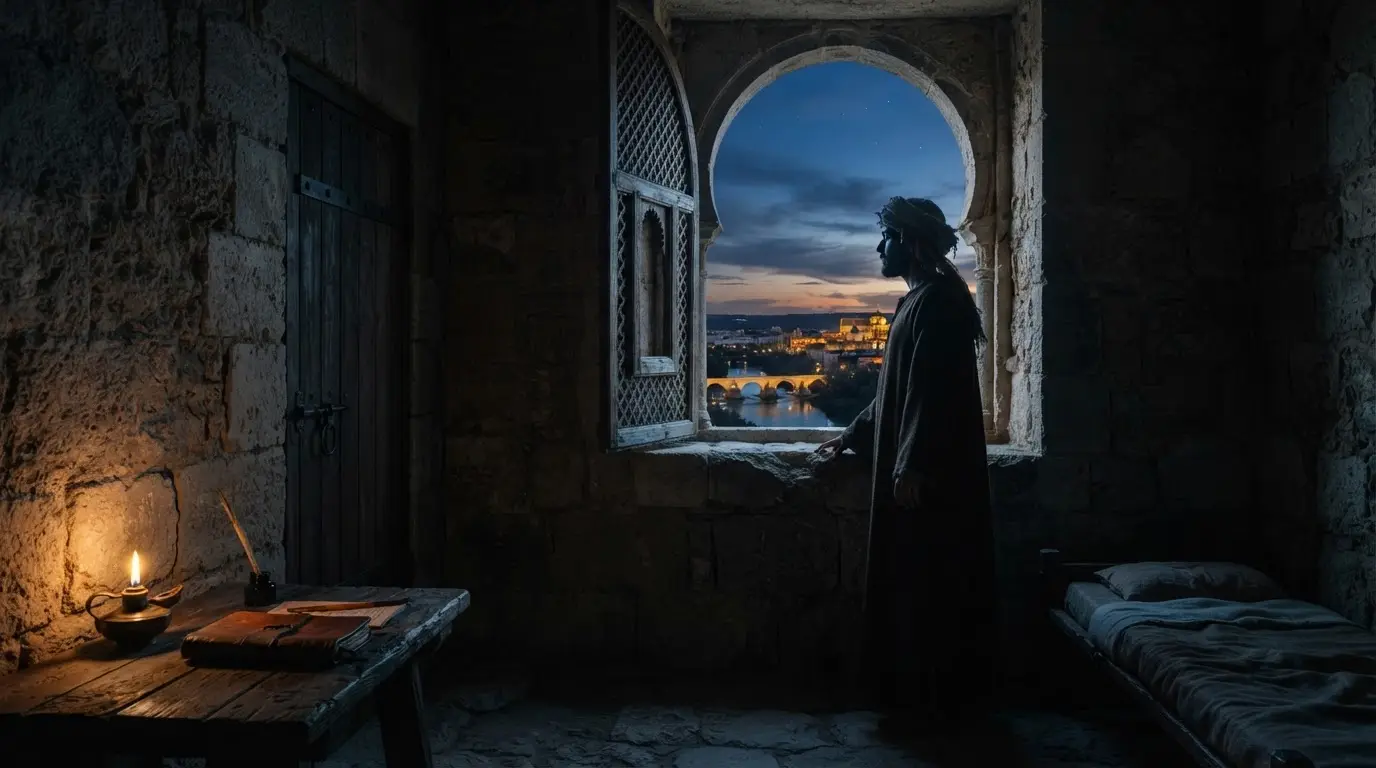
Ibn Zaydún: Córdoba's Exiled Poet Turned Ambassador
Sophie Marchand
Imprisoned in Córdoba, exiled to Seville, and dead as an ambassador by 1071: the political life of poet Ibn Zaydún, distinct from his romance with Wallada.
Read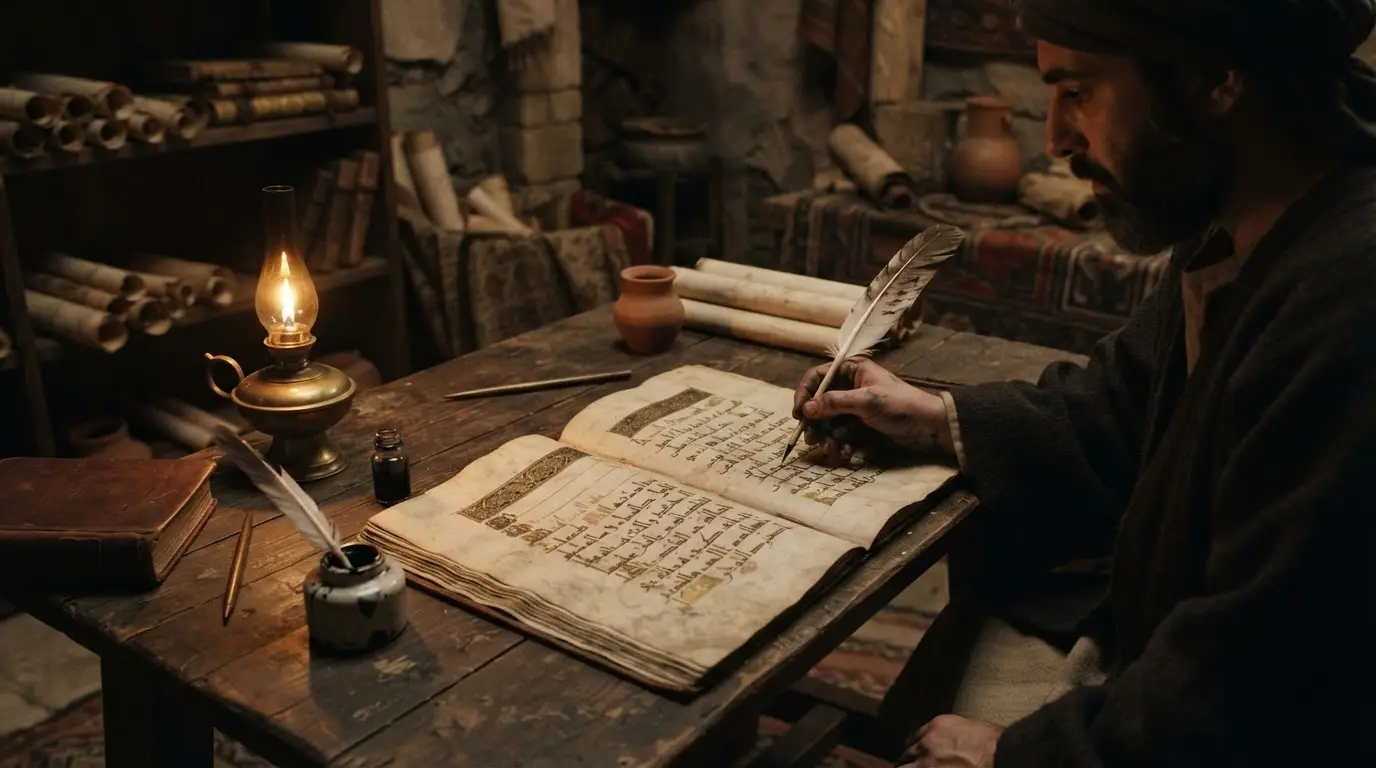
Ibn al-Qutiyya: Córdoba's Historian Called 'the Gothic'
Sophie Marchand
Ibn al-Qutiyya was Córdoba's leading Umayyad court historian, whose name honoured his Gothic royal ancestry and whose account of 711 divides historians still.
Read
Maslama al-Majriti: The Astronomer Who Reset Córdoba's Sky
Sophie Marchand
Maslama al-Majriti adapted al-Khwarizmi's tables to Córdoba, revised Ptolemy's Planisphaerium, and recorded al-Andalus's first known star observation in 979 CE.
Read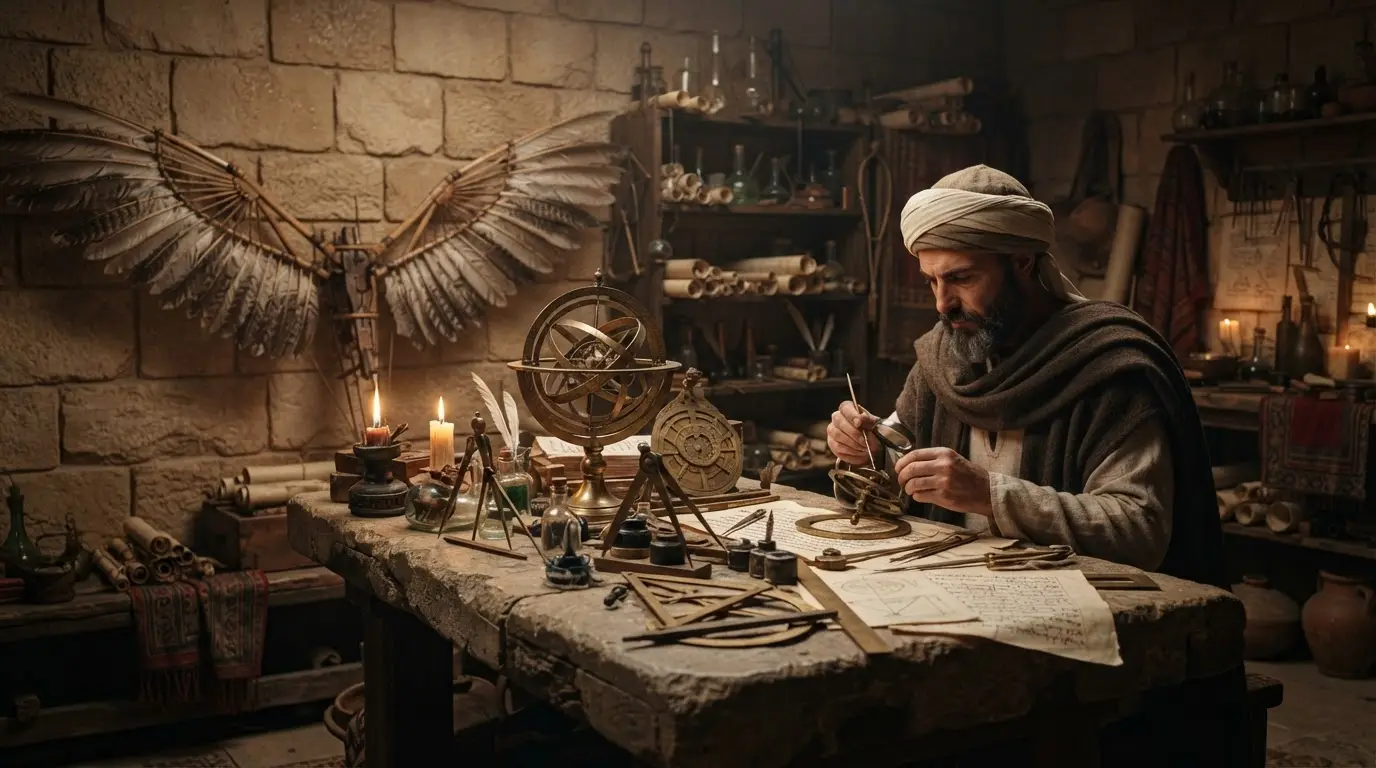
Abbas Ibn Firnas: Córdoba's Polymath Who Dreamed of Flight
Sophie Marchand Updated
Abbas Ibn Firnás built lenses, glass, and astronomical tools in 9th-century Córdoba. His famed flight rests on a single account, written 750 years later.
Read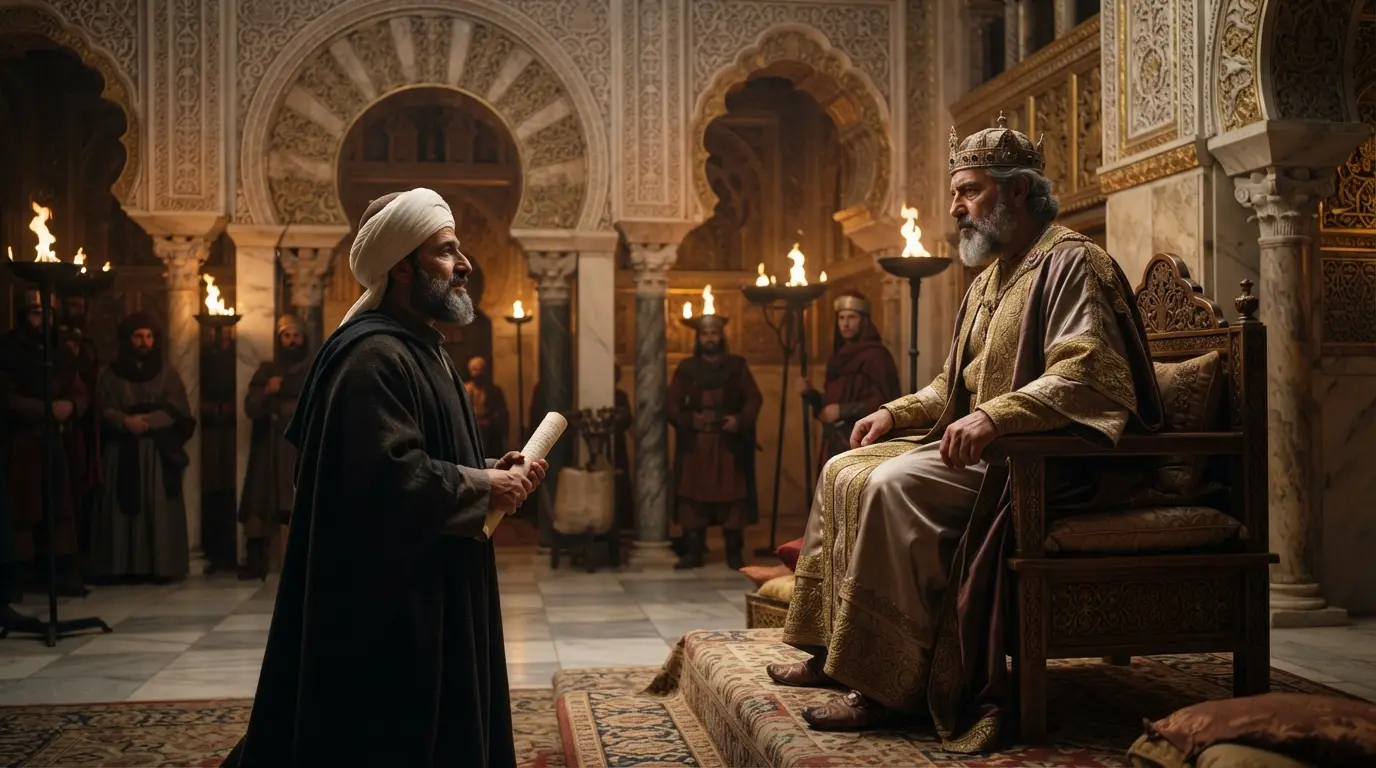
Mundhir al-Ballūṭī: The Judge Who Scolded a Caliph
Sophie Marchand Updated
Mundhir al-Ballūṭī became Córdoba's chief judge in 949 after one oration, then spent decades enforcing Maliki law and once stopped a caliph gilding a ceiling.
Read
Al-Qurtubi: Córdoba's Exiled Scholar and His Enduring Tafsir
Sophie Marchand Updated
Al-Qurtubi fled Córdoba after the 1236 conquest and spent his life in Egypt writing Tafsir al-Qurtubi, a 20-volume Quran commentary still read worldwide.
Read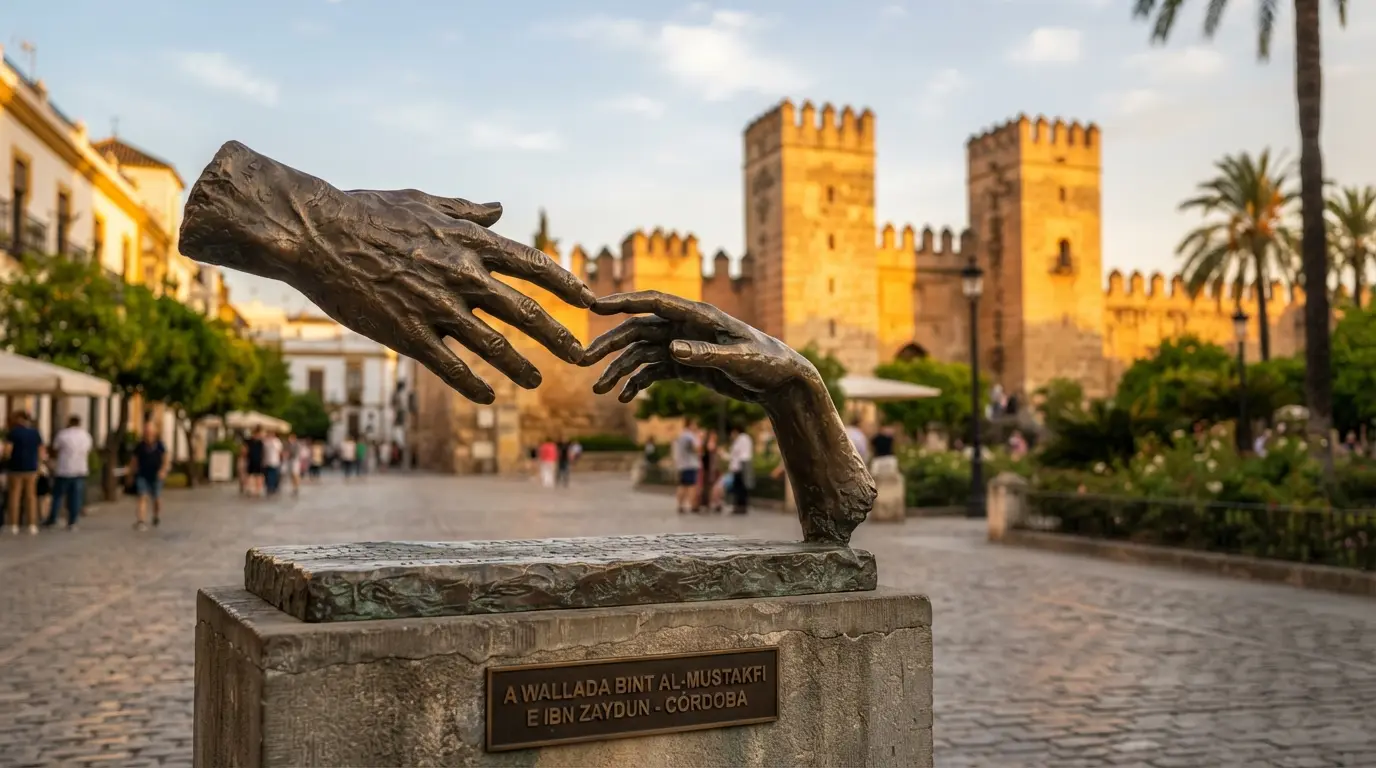
Wallada bint al-Mustakfi: Córdoba's Rebel Poet Princess
Sophie Marchand Updated
Wallada bint al-Mustakfi inherited a caliph's fortune, ran Córdoba's boldest literary salon, and loved men and women openly in an unveiled, defiant life.
Read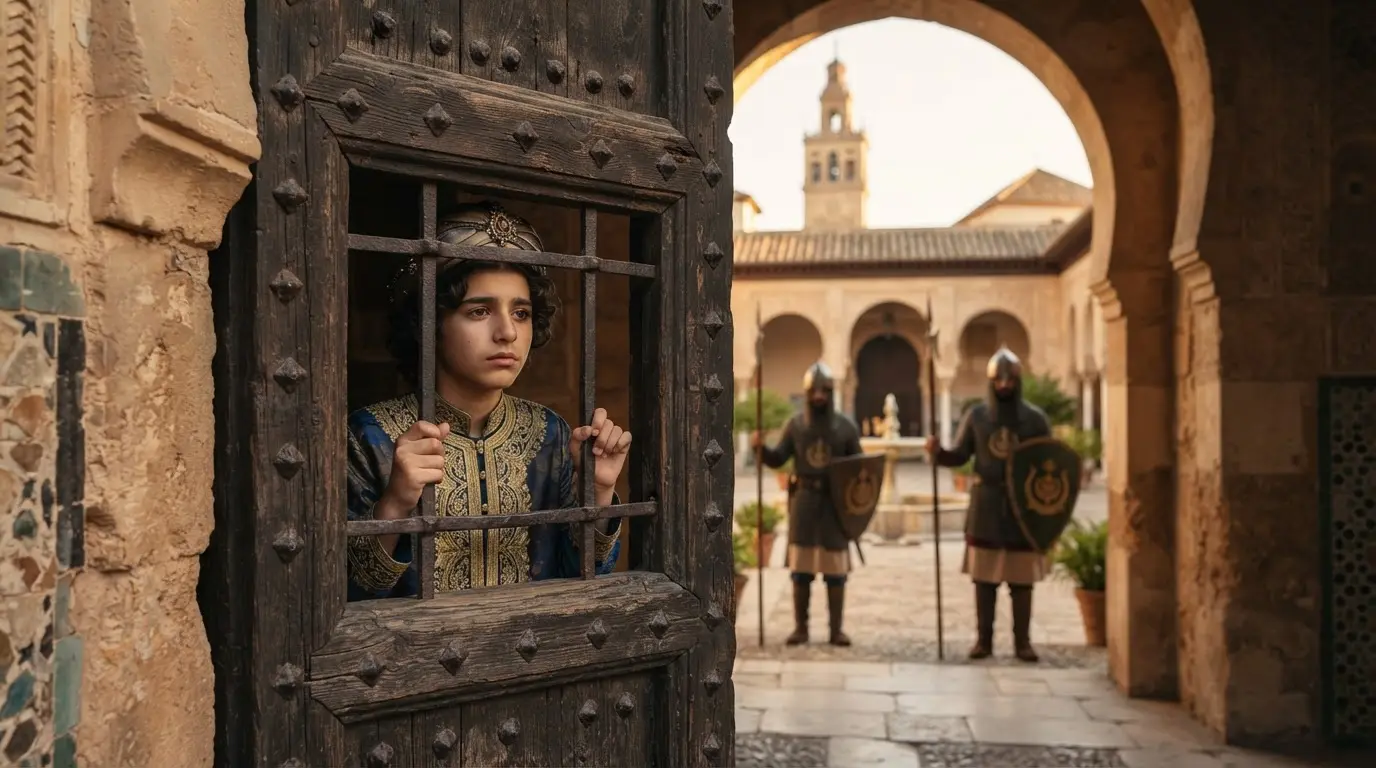
Hisham II of Córdoba: The Boy Caliph Who Lost an Empire
Sophie Marchand Updated
Hisham II became caliph of Córdoba at ten, ruled as a puppet for Almanzor, vanished during the 1013 sack, and taifa kings still invoked his name in 1082.
Read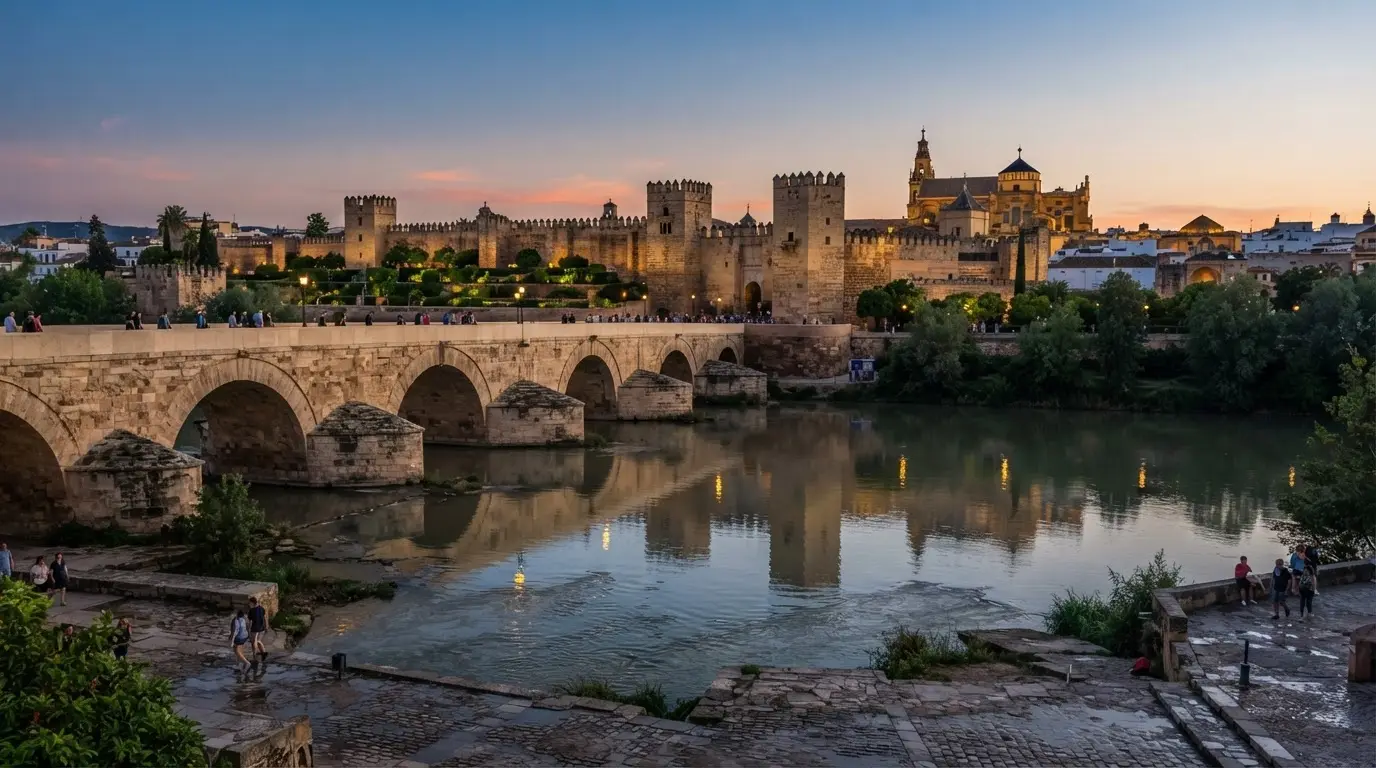
Al-Hakam I: The Emir Who Crucified 72 Nobles
Sophie Marchand Updated
Al-Hakam I ruled Córdoba from 796 to 822 CE. Between the golden narratives lie three events: a banquet massacre, a suburban uprising, and 20,000 exiles.
Read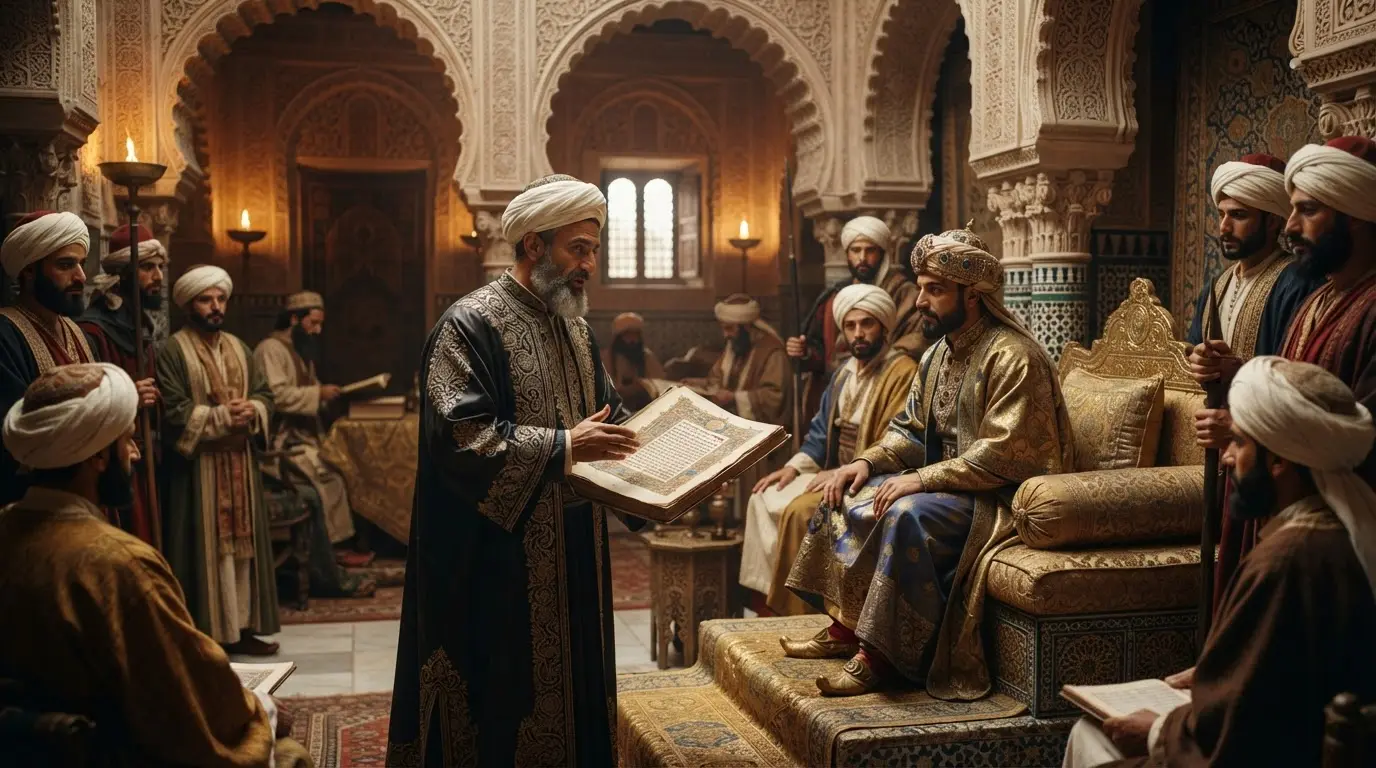
Hasdai ibn Shaprut: Córdoba's Jewish Golden Age Architect
Sophie Marchand Updated
Court physician, diplomat, and Hebrew literary patron: how Hasdai ibn Shaprut turned 10th-century Córdoba into the centre of Jewish intellectual life.
Read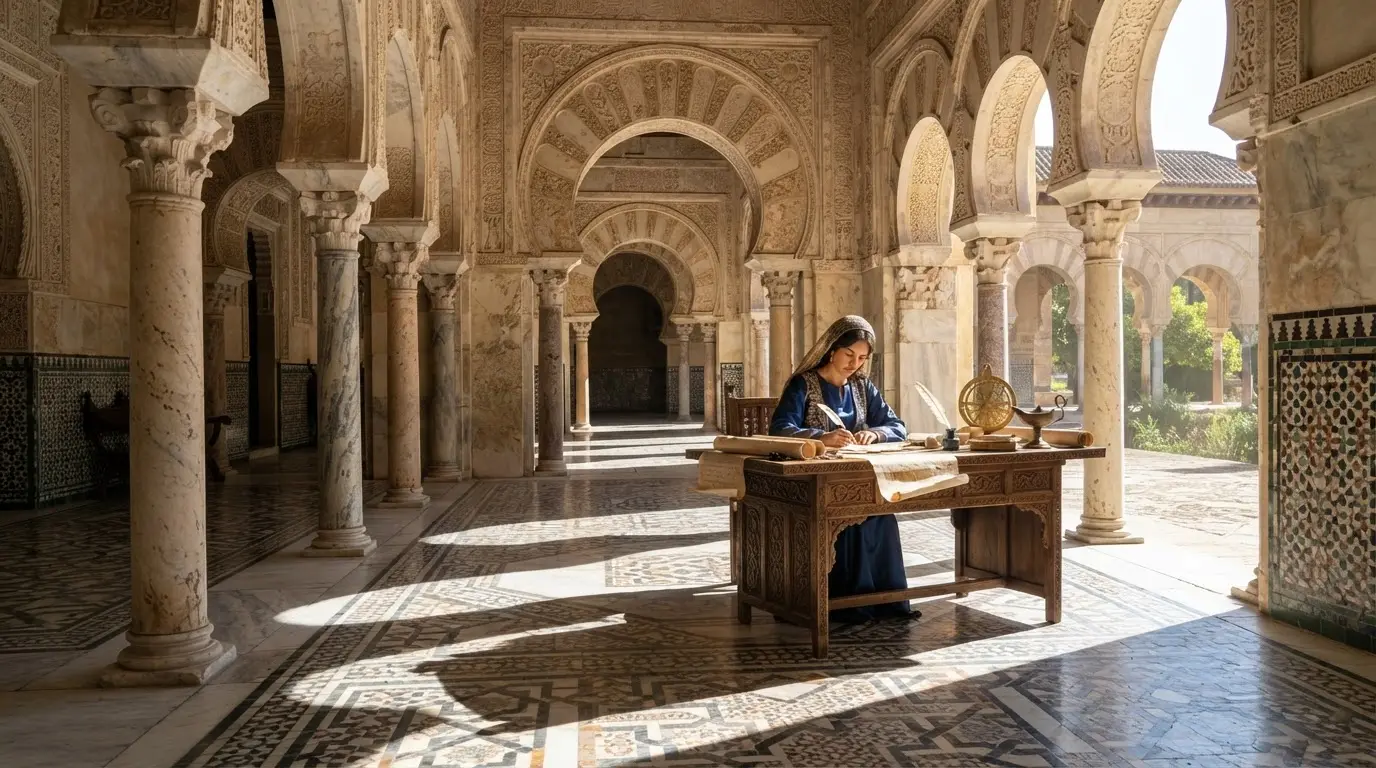
Lubna of Córdoba: the slave who ran a royal library
Sophie Marchand Updated
Lubna of Córdoba was an enslaved mathematician who became secretary to Caliph al-Hakam II and helped build his legendary 600,000-volume palace library.
ReadFrequently asked questions
Who founded Córdoba's Emirate?
Abd al-Rahman I, an Umayyad prince who survived the Abbasid massacre of his family in 750 CE and fled across North Africa for six years. He reached Spain in 755, defeated the region's governor the following year, and founded the Emirate of Córdoba, later starting construction of the Great Mosque in 785.
Who was Averroes and why does Córdoba honour him?
Averroes was a 12th-century philosopher and judge born in Córdoba whose commentaries on Aristotle influenced medieval scholasticism across Europe. A bronze statue of him stands near the historic Jewish quarter, commemorating a thinker whose ideas outlasted the Almohad dynasty he served.
What happened to Al-Hakam II's famous library?
Al-Hakam II, caliph from 961 to 976, built a library reported to hold several hundred thousand volumes, among the largest in the medieval world. Much of it was purged by his own chamberlain Almanzor in 978; what remained was destroyed or scattered during the Fitna, the civil war that tore the caliphate apart in the early 11th century.
Who was Almanzor and did he rule Córdoba?
Almanzor was the hajib, or chamberlain, who effectively controlled the Caliphate of Córdoba from 978 to 1002 without ever claiming the caliphal title. He led dozens of military campaigns and built his own rival palace-city, Medina Alzahira, though nothing of it survives above ground today.
When did Córdoba become the seat of a caliphate?
In 929 CE, when Abd al-Rahman III declared himself caliph, breaking from nominal Abbasid allegiance and elevating Córdoba's Umayyad emirate into the Caliphate of Córdoba. The declaration made the city one of the great capitals of the medieval world.