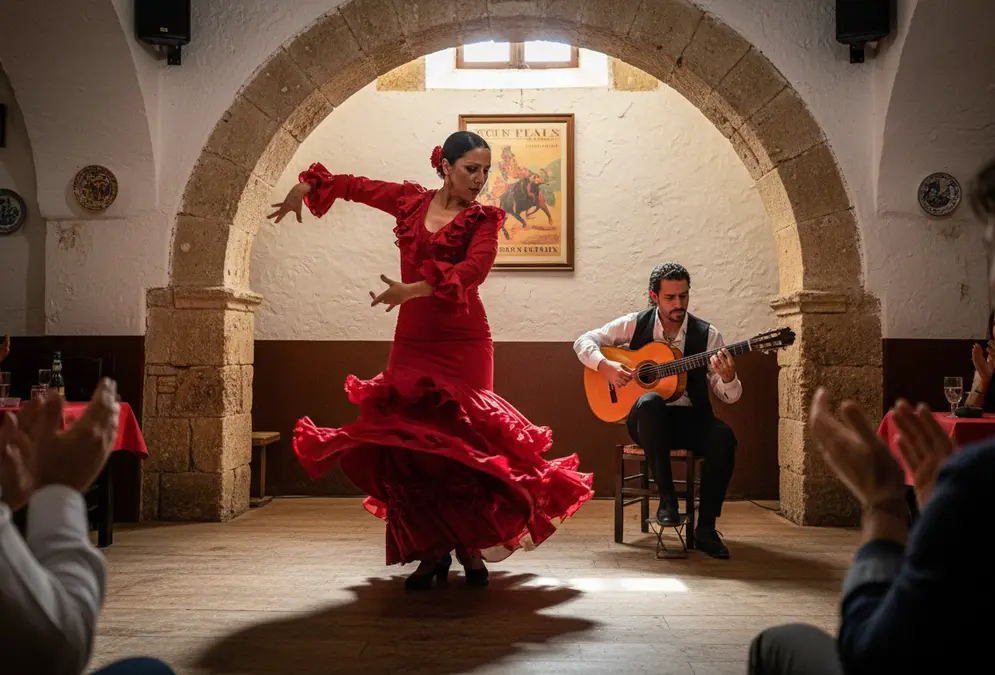
Andalusian Art
Flamenco in Córdoba: Santa Marina, the Palos & the Calendar
Córdoba produced some of the greatest flamenco artists. The Santa Marina neighbourhood is where the genre has its deepest roots — the tablaos bring it to visitors, but the peñas are where it still lives.

Written by
María Fernanda González Ten years covering Córdoba's UNESCO heritage sites, sourcing from Junta de Andalucía documentation.
Updated Published
Flamenco, UNESCO Heritage
Inscribed on UNESCO's intangible cultural heritage list in 2010, flamenco was born in Andalusia from a blend of Romani, Arab, Jewish and Andalusian cultures. Córdoba, with its popular neighbourhoods of Santa Marina and San Lorenzo, is one of its birthplaces.
Flamenco in Córdoba at a glance
- Best tablao
- Tablao El Jaleo — 20m from the Mezquita, nightly at 21:15
- Price range
- €25–30 tablao show (drink included); €44–70 dinner-show; free at peñas
- Show duration
- 60–75 min at tablaos; open-ended at peñas
- Booking
- Book 1–2 days ahead (Mar–Oct); walk-in fine Nov–Feb
- Guitar Festival
- Early July — flamenco, classical and jazz guitar since 1981
- UNESCO heritage
- Flamenco inscribed on the UNESCO intangible heritage list in 2010
In this guide
Jump to a section
Santa Marina: the birthplace of Cordovan flamenco
The Santa Marina neighbourhood is the flamenco heart of Córdoba. A working-class district of narrow streets, it was the birthplace of some of the genre's greatest artists. This is where you will feel the authentic atmosphere of flamenco, far from the tourist shows.
What you will find here
- • Plaza de la Corredera: Historic gathering place of flamenco artists
- • Peñas flamencas: Private clubs where aficionados meet
- • Tapas bars: Spontaneous atmosphere, sometimes with impromptu palos (flamenco styles)
- • Santa Marina Church: 13th-century Fernandine church that gives its name to the neighbourhood
Artists born in Córdoba
- Fosforito (1932–2022) — Born Antonio Fernández Díaz in Puente Genil. Won the first ever Llave de Oro del Cante in 1956. The godfather of modern Cordovan flamenco singing.
- Paco Peña (1942–) — Guitarist who founded the Centre for Flamenco Guitar in Córdoba and spent decades performing internationally. His annual flamenco festival in Córdoba ran for over 30 years.
- Vicente Amigo (1967–) — Guitarist who won a Grammy and two Latin Grammys. His playing incorporates jazz harmony without losing the flamenco pulse.
- Merengue de Córdoba — Dancer known for his footwork speed and the precision of his arm movements. A reference for baile jondo.
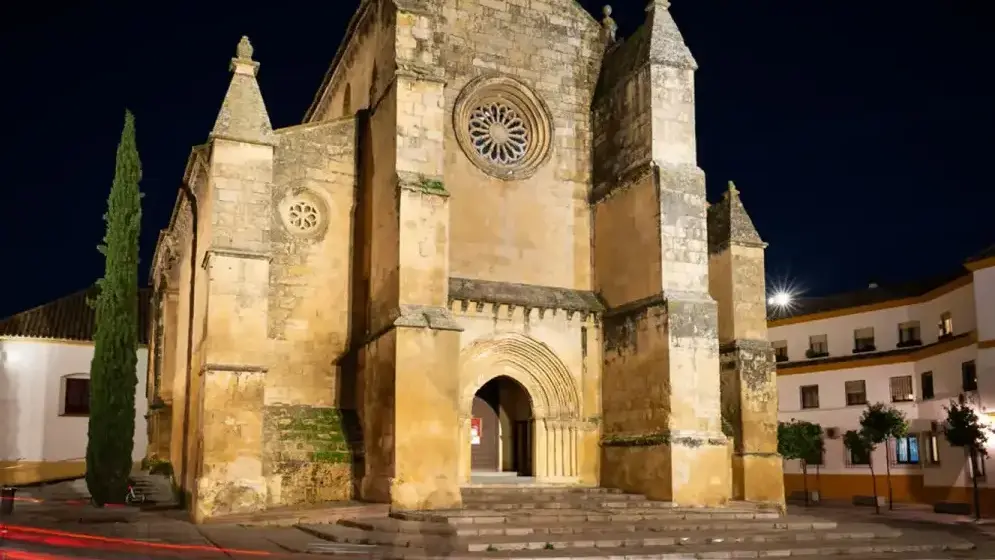
Santa Marina: the working-class neighbourhood where Cordovan flamenco has its deepest roots
“All that has dark sounds has duende.”
The intensity of Cordovan flamenco, heir to centuries of Romani tradition
Understanding flamenco
The Voice
El Cante
The singing, the soul of flamenco. A raw, emotional voice that expresses joy, pain, love or death. The oldest and most demanding styles fall under cante jondo, literally "deep song," built around loss and hardship; lighter forms like alegrías are festive by contrast.
The Guitar
El Toque
The flamenco guitar. Unique techniques: rasgueados (strumming), picados (plucking), alzapúa. Córdoba has produced masters such as Paco Peña and Vicente Amigo.
The Dance
El Baile
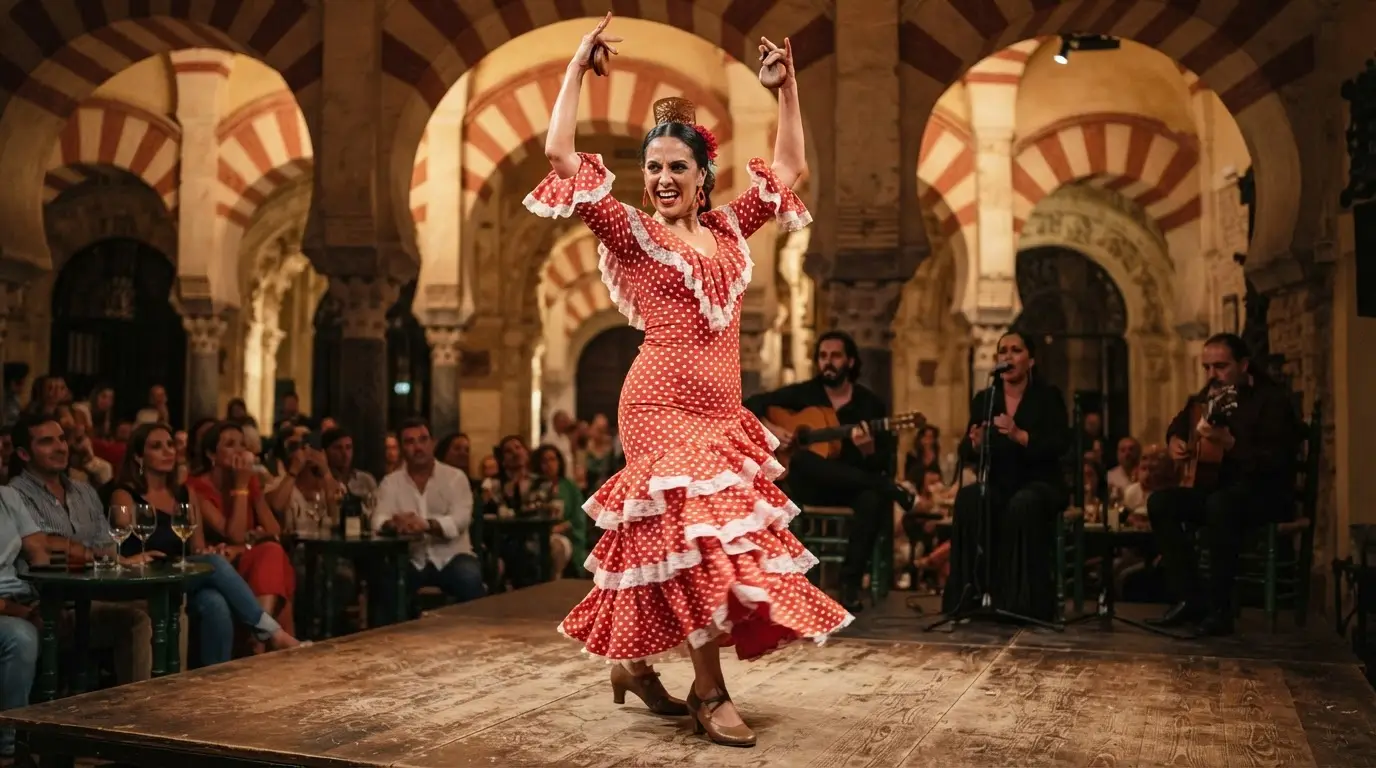
The dance. Zapateado (footwork), arm movements, facial expression. Dancers interpret the music with their entire body.
The palos: flamenco's rhythmic families
A palo is not a song but a structural language: its own compás (rhythmic cycle), its own harmonic mode, its own emotional register. A singer, guitarist or dancer works within a palo the way a jazz musician works within a chord progression, recognisable but with room to improvise inside it. Córdoba's tablaos and peñas draw on dozens of palos, but five recur most often:
- • Soleá: a foundational palo for many singers, slow and weighted, built around solitude and endurance.
- • Bulería: the fastest compás, often played to close a show; light-footed, playful, sometimes mocking in tone.
- • Siguiriya: the darkest and most austere palo, without a fixed dance step in its oldest form, reserved for grief.
- • Alegrías: originally from Cádiz, bright and major-key, the closest thing flamenco has to a celebration.
- • Tangos: not the Argentine dance, a binary-rhythm flamenco form with roots in Andalusian and Afro-Cuban music, danced with more hip movement than most other palos.
Audience etiquette
Flamenco calls for jaleo, the shouted encouragement (¡olé!, ¡eso es!, ¡agua!) that pushes a performer on. Audiences who know the music use it constantly, timed to specific moments in the compás rather than shouted at random. If you don't know when a phrase resolves, a silent nod costs nothing; a shout in the wrong spot lands as a distraction rather than support.
Stay quiet during the sung verses themselves, especially in austere palos like siguiriya, where the room is meant to hold its breath. Save applause and calls for the breaks between verses, the guitar or dance passages, and the end.
Don't clap along to the beat unless you actually know the compás. Flamenco rhythms run in 12-beat or other irregular cycles, and off-beat clapping from the audience competes with the palmas (rhythmic handclaps) the performers are already keeping. If in doubt, listen rather than join in.
Filming is generally tolerated at tablaos if you're discreet: phone down, no flash. At a peña, ask first; you're a guest in someone else's club, and a phone raised mid-performance reads very differently there than at a ticketed show.
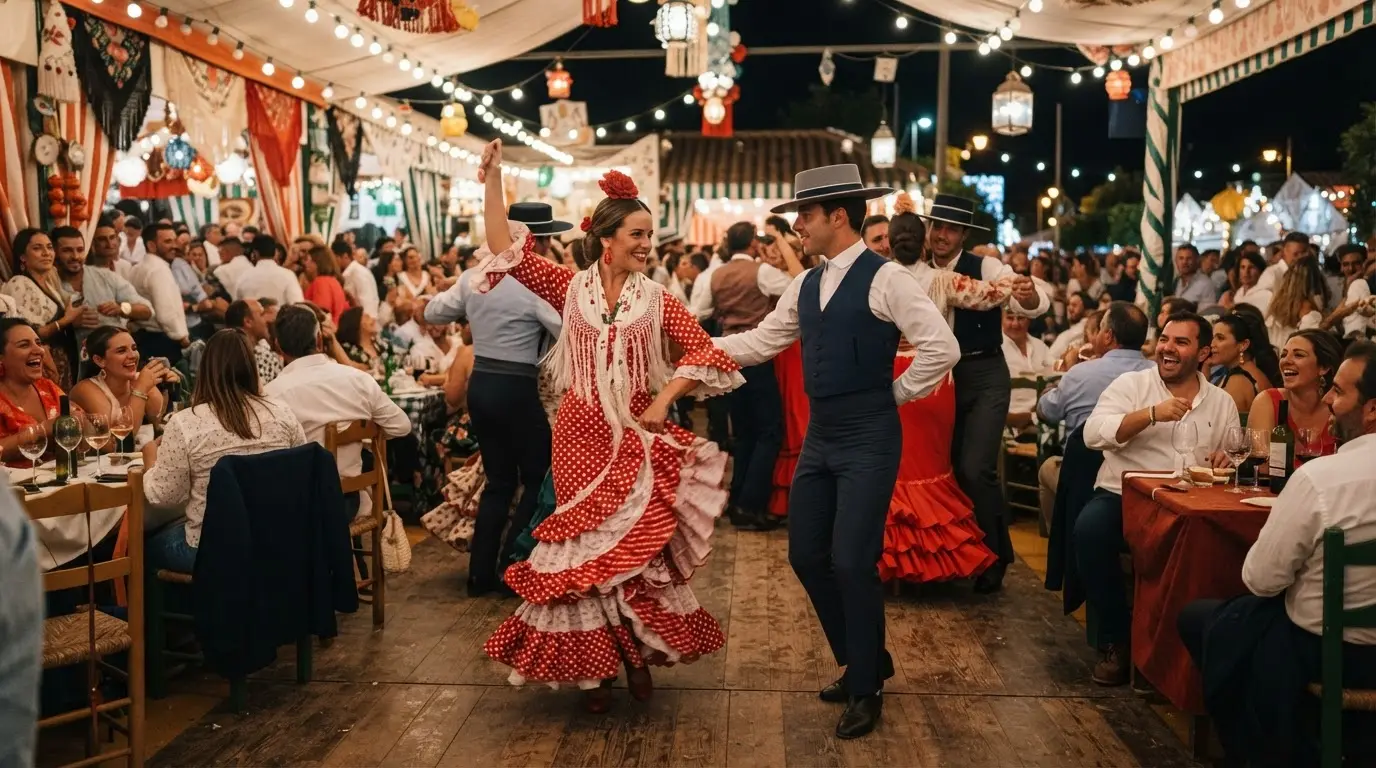
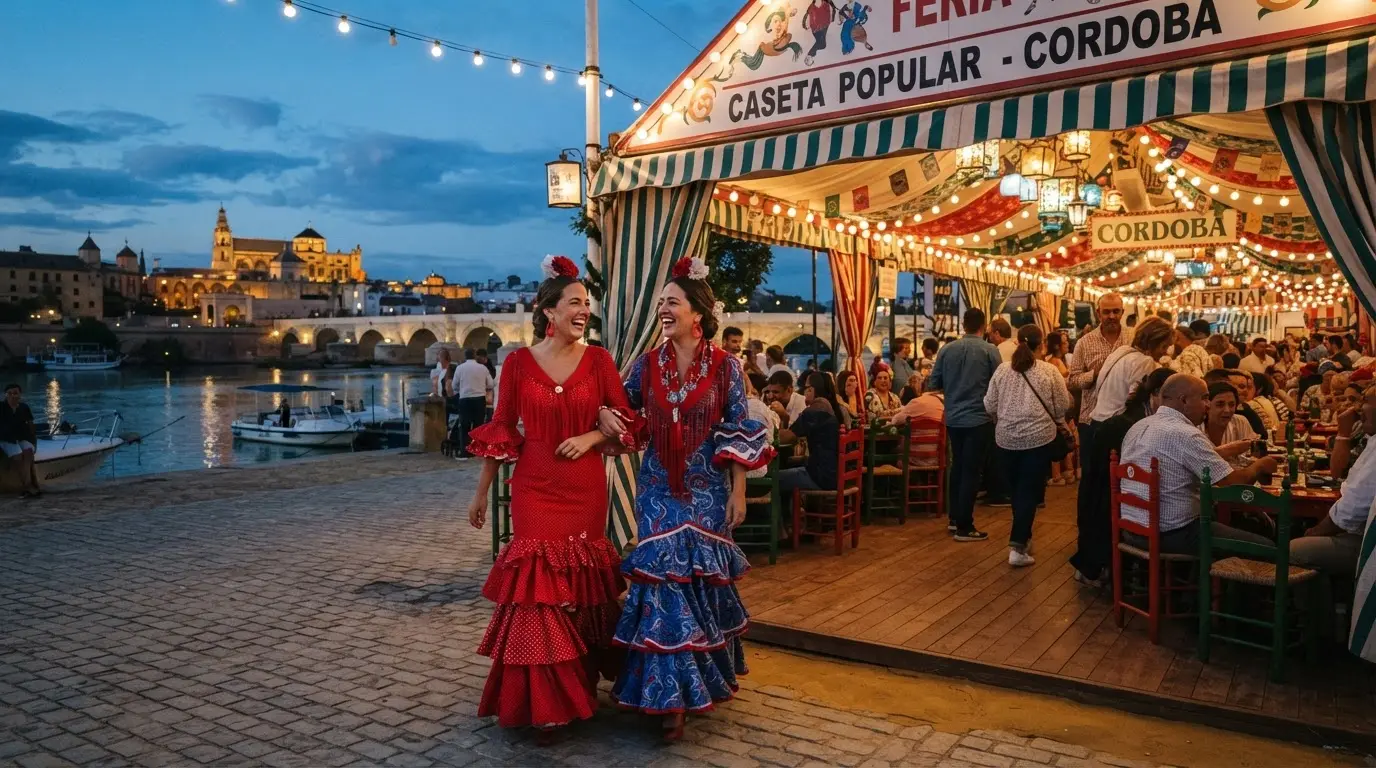
One thing worth knowing before your first show: what you see at the Córdoba feria is sevillanas, not flamenco. The two forms share Andalusian roots but differ in structure, purpose, and training. How sevillanas and flamenco differ is the clearest way to understand what you are watching in each context.
Córdoba's guitar-making tradition
Córdoba has been a centre for guitar lutherie since the 19th century. Workshops in the old town still make flamenco and classical guitars by hand — cypress back and sides, spruce top. Several workshops welcome visitors by appointment, and the Guitar Festival includes exhibitions by local luthiers. Most are within walking distance of the Mezquita, concentrated around the Judería.
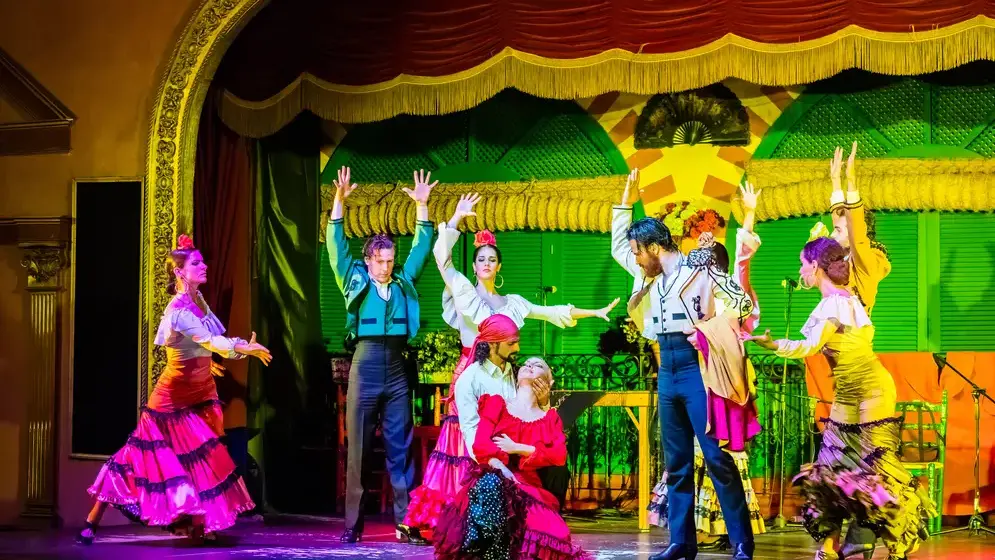
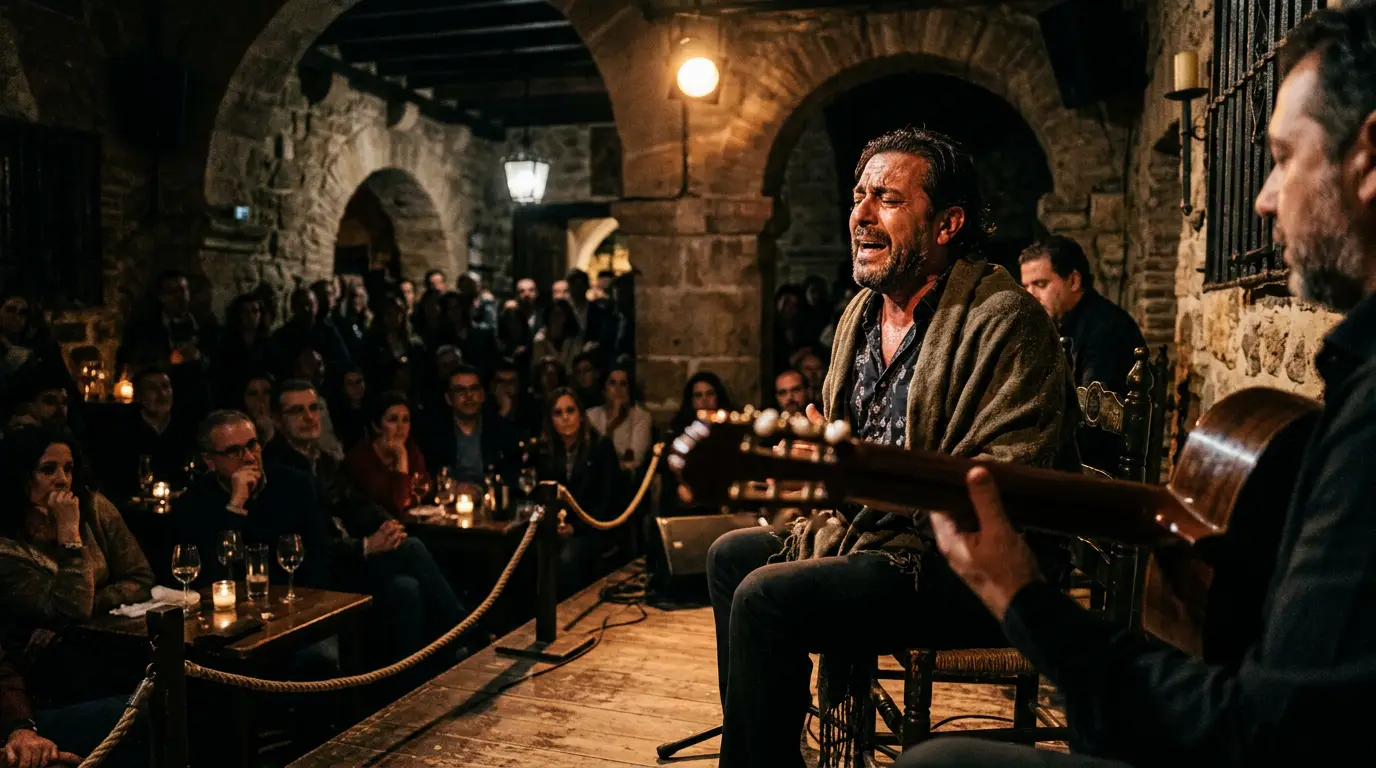
At a tablao, dancers, singers and guitarists share a small stage — close enough to feel the zapateado underfoot
Types of flamenco experiences
Córdoba has four distinct formats. The price, atmosphere and degree of spontaneity differ significantly between them.
Tablao
Professional show in a dedicated venue. Fixed programme: singer, guitarist, dancer.
- • 50–100 seats, ticketed
- • €25–30 per person
- • Daily at 21:15–21:30
- • Drink or dinner included
- • Book ahead in high season
Peña flamenca
Members' club with a local crowd. Performances are often spontaneous and unannounced.
- • 20–40 people, informal
- • No entry fee
- • Evenings, no fixed schedule
- • Pay for drinks only
- • Walk in, check social media
Closest you'll get without a membership: Taberna La Fuenseca
Bar with live flamenco
Tavern with scheduled or semi-regular live music. Food and wine on the same bill as the show.
- • 30–60 seats, relaxed
- • Tickets from €18
- • Two shows daily, 14:30 & 21:30
- • Book ahead
- • Dinner-and-show option available
Museum recital
Free museum performance with historical context. Works well as a first introduction.
- • 30–50 seats, guided
- • Free museum entry
- • Seasonal recital programme — check current dates
- • No booking needed
- • Combined with museum visit
Looking for a specific show to book?
This page covers Cordovan flamenco's history, its palos and its calendar. For a ranked comparison of every venue in the city, with prices, booking windows and which one suits you, see our Best Flamenco Experiences in Córdoba guide.
Where to see flamenco in Córdoba
Tablao El Jaleo, 20 metres from the Mezquita — Córdoba's closest professional tablao to the cathedral
Tablao El Jaleo
Set in Plaza Alhóndiga, 20 metres from the Mezquita, this is the tablao closest to the cathedral. Its resident singer and guitarist have both won National Flamenco Awards, and the small room keeps performers and audience within a few metres of each other.
Tablao El Cardenal
Housed in a 16th-century palace near the Mezquita, this tablao trades the intimacy of a purpose-built stage for the sense of occasion of a converted courtyard, with local artists performing under stone arches.
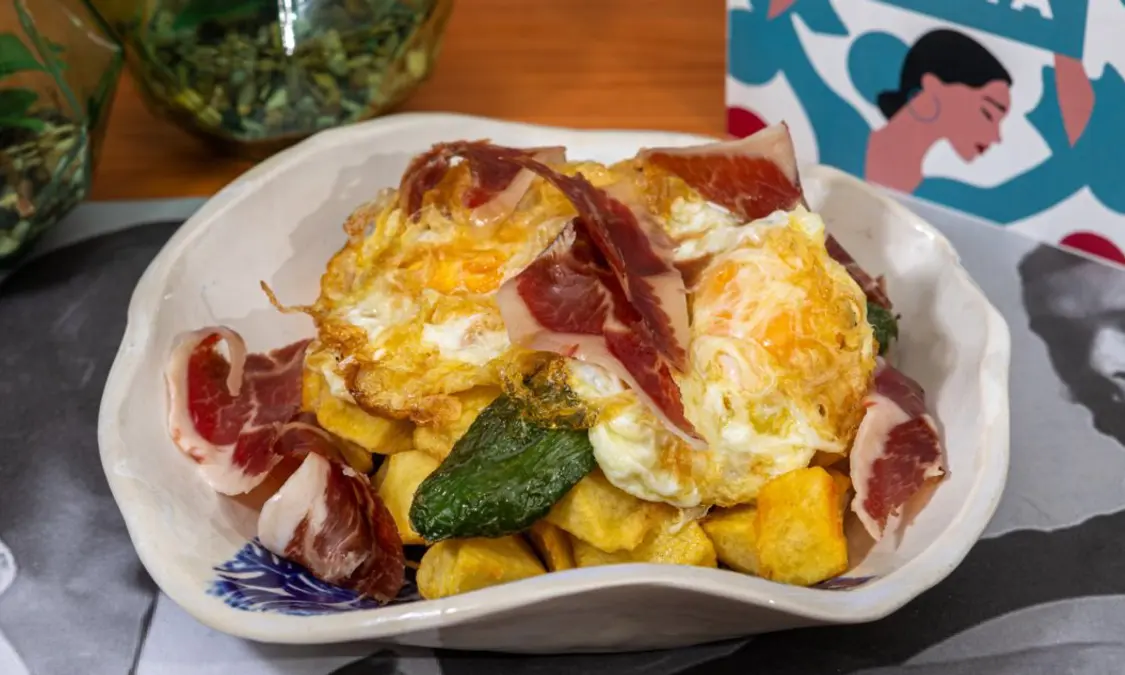
Doble de Cepa: a Judería patio that puts on flamenco alongside its regular bar service
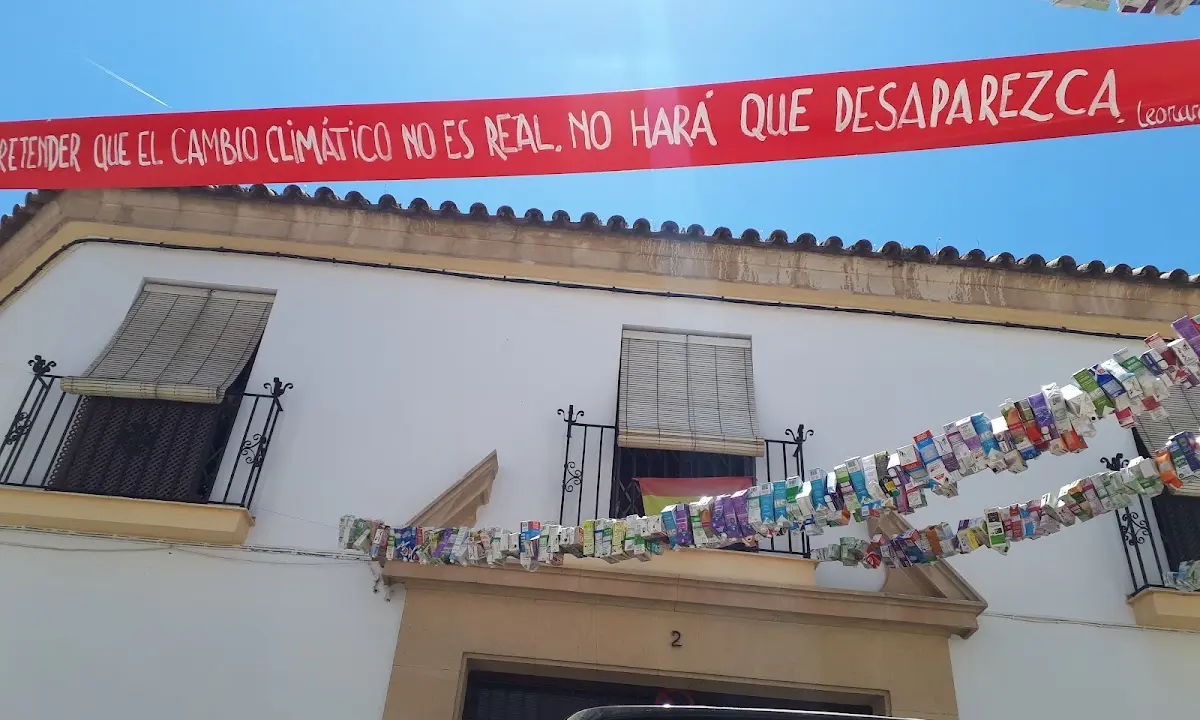
Taberna La Fuenseca, standing since the mid-1800s, the flamenco taberna most visitors can simply walk into
Doble de Cepa
A flamenco tavern in the Judería, steps from the Mezquita, where live guitar and dance share the bill with tapas and wine in an air-conditioned patio. Less formal than a tablao, closer to how flamenco often turns up in Córdoba's bars.
Taberna La Fuenseca
A Córdoba flamenco taberna standing since the mid-1800s, where one of the city's federated peñas flamencas meets. There is no stage and no programme; guitar and singing surface when someone in the room feels moved to perform, over traditional tapas and Montilla-Moriles wine.
Equestrian show at Caballerizas Reales
The Royal Stables, a 16th-century building, stage a show combining Andalusian dressage and haute école riding with flamenco, pairing pure-bred Spanish horses with the same guitar and dance forms found in the city's tablaos.
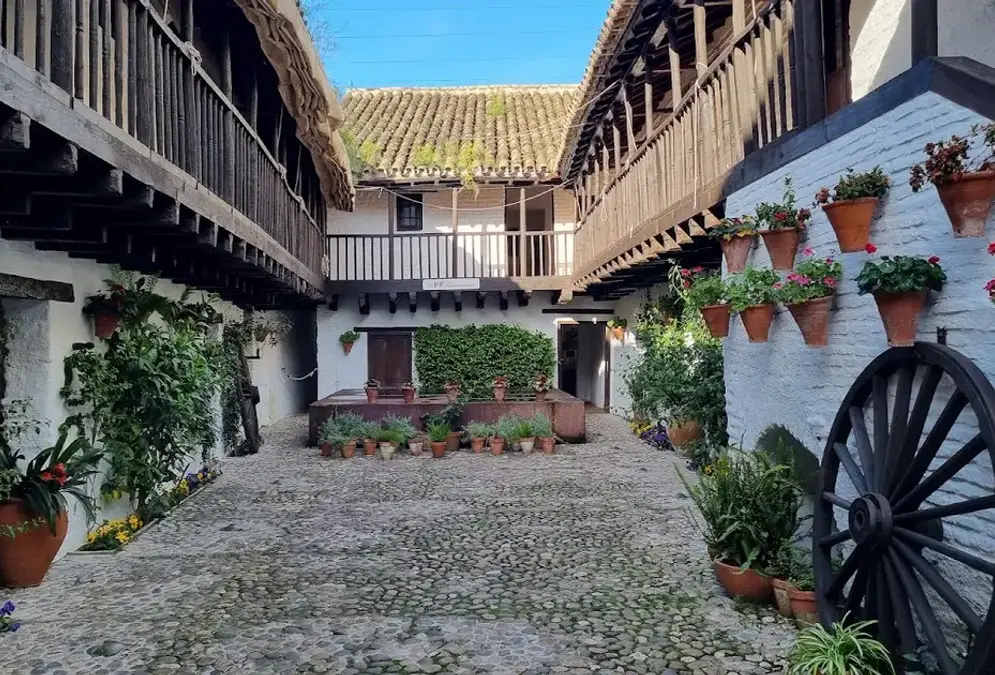
Centro Flamenco Fosforito, the city's flamenco museum, housed in the historic Posada del Potro
Centro Flamenco Fosforito
Córdoba's dedicated flamenco museum, in the historic Posada del Potro on Plaza del Potro, named after Córdoba-born singer Fosforito, winner of Spain's National Flamenco Prize. Interactive exhibits cover the palos, the guitar-making tradition and the genre's great interpreters, alongside a regular recital programme.
Booking and timing
Rule of thumb
If it has a stage and a ticket price, book ahead. If it has a bar counter and no cover charge, just show up.
Semana Santa & peak season: book early
During Semana Santa (Holy Week, March or April), every tablao sells out — book at least 1 week ahead. From March to October generally, book 1–2 days ahead for any ticketed show. Arrive without a reservation during Holy Week and you will not get in.
Book ahead
- • Tablaos (Mar–Oct): At least 1 day ahead, 2–3 days for weekends
- • Dinner-show packages: 2–3 days minimum, seats are limited
- • Guitar Festival concerts: Weeks in advance for headline acts
- • Caballerizas equestrian show: Online booking recommended
- • Semana Santa period: Everything fills up, book 1 week ahead
Walk in
- • Peñas (La Fuenseca): No reservation, just arrive by 21:00
- • Bars (Doble de Cepa): First-come seating, arrive early in summer
- • Fosforito museum: No booking needed for its recital programme
- • Tablaos (Nov–Feb): Walk-in is usually fine on weeknights
- • Noche Blanca: Free, open-air, no tickets
Seasonal timing
High season (Mar–Oct): Shows start at 21:00–21:30. Book tablaos ahead. Bars and peñas get lively from 22:00. Summer shows sometimes push to 22:00 due to heat.
Low season (Nov–Feb): Shows start earlier (20:00–20:30). Walk-in availability at tablaos. Smaller crowds mean a more intimate experience. Some peñas reduce their schedule.
Flamenco evening pairings
Three evenings that combine a show with dinner, a drink or a walk through the neighbourhood.
3–4 hours
Tablao + Judería tapas
Dinner at Patio de la Judería (live flamenco at 20:45, included with your meal), or tapas first at a Judería terrace then Tablao El Jaleo at 21:00. End with a glass of Montilla on the patio of Bodegas Mezquita.
Budget: €50–70 per person
2–3 hours
Peña + Santa Marina walk
Walk through Santa Marina at dusk: quiet streets, flamenco murals, the church. End at Taberna La Fuenseca with a fino and whatever music happens to be playing that night.
Budget: €10–20 per person
2–3 hours
Museum + Plaza del Potro lunch
Check the recital programme at the Centro Flamenco Fosforito, explore the exhibits, then eat on Plaza del Potro, a square Cervantes wrote about, still lined with terraces.
Budget: €15–30 per person
Córdoba Guitar Festival
Every summer (early July), Córdoba hosts the Guitar Festival, one of the most important in the world. Founded in 1981, it celebrates all forms of guitar: classical, flamenco, jazz, rock and world music.
Festival highlights
- • Concerts in patios, gardens and historic monuments
- • Major names in flamenco and classical guitar
- • Masterclasses and talks
- • Festive atmosphere throughout the city
Practical info
- Dates: Early July (2 weeks)
- Price: €10-45 depending on concert
- Free concerts: Some outdoor stages
- Booking: Recommended for headline acts
Flamenco calendar
Tablao shows run year-round. One event is worth planning your entire trip around.
June 20–21, 2026
Noche Blanca del Flamenco
The city's free all-night flamenco festival — 10+ stages across Córdoba's historic centre, from the Judería to the Alcázar gardens. Every tablao, bar and peña opens simultaneously. This is the one night when the entire city becomes a flamenco venue.
The 2026 edition pays homage to Fosforito, Córdoba's greatest flamenco voice. No tickets, no reservations. Show up, walk between stages, stay as long as you like.
At a glance
- When: June 20–21, 2026
- Cost: Free
- Stages: 10+ across the city
- Duration: Dusk until dawn
- Booking: None needed
Other events worth knowing
Mar–Apr
Semana Santa
Saetas sung from balconies along procession routes. Raw, devotional flamenco in the streets.
May
Patios Festival
Flamenco performances sometimes accompany patio visits. Peak tourist season begins.
July
Guitar Festival
July 1–11, 2026 (45th edition). Flamenco guitar alongside classical and jazz. €10–45 per concert.
Sep–Oct
Cante Jondo
Triennial singing competition. One of Spain's most prestigious contests for vocal authenticity.
Nov–Feb
Winter season
Smaller crowds. Tablao shows more intimate. Earlier start times. Walk-in availability.
Saetas: flamenco during Holy Week
During Semana Santa (March or April), a form of flamenco you will not find in any tablao spills into the streets. Saetas are short, unaccompanied devotional songs — sung from balconies or from the crowd as religious processions pass below. The singer locks eyes with the statue being carried and delivers an a cappella lament. Processions stop while the saeta is sung.
The tradition is strongest in the old neighbourhoods — Santa Marina, San Lorenzo, the Judería. No tickets, no stage. You hear a saeta when someone feels moved to sing one. It costs nothing and is unlike anything at a tablao.
Practical details
- When: Semana Santa (March/April)
- Where: Along procession routes in the old town
- Cost: Free (outdoor, public)
- Best spots: Narrow streets where sound carries — Calle de la Feria, around Plaza de la Corredera
Combine flamenco and gastronomy
Most tablaos offer dinner-and-show packages. It's a chance to try Cordovan specialities — salmorejo, flamenquín, Montilla wines — while watching a show. Book in advance for the best seats.
Food guideFrequently asked questions
Where can I see flamenco in Córdoba?
The best options are the tablaos in the Judería (like Tablao El Jaleo and Tablao El Cardenal), the Centro Flamenco Fosforito museum (check its recital programme), and for a more authentic experience, the peñas flamencas in the Santa Marina neighbourhood.
How much does a flamenco show cost in Córdoba?
Prices vary widely by venue and format, from free at the peñas (just pay for your own drinks) to around €70 for a dinner-and-show package at a tablao. See our Best Flamenco Experiences in Córdoba guide for a full price comparison by venue.
What is a tablao?
A tablao is a venue specifically designed for flamenco performances. The word comes from tablado (wooden stage). Unlike concert halls, tablaos are intimate spaces, usually seating 50 to 100 people, where you sit close to the performers. Most tablaos serve drinks or dinner during the show. Córdoba's tablaos are concentrated in the Judería, near the Mezquita.
When is the best time of year to see flamenco in Córdoba?
Flamenco shows run year-round at the tablaos. However, two events stand out: the Noche Blanca del Flamenco (usually in June), a free all-night festival across the city, and the Córdoba Guitar Festival (early July), which features top flamenco guitarists alongside classical and jazz performers.
Do I need to book flamenco shows in advance?
Tablao shows generally benefit from booking a day or more ahead, especially from March to October and during holiday weekends; peñas and bars with informal flamenco don't require reservations. See our Best Flamenco Experiences in Córdoba guide for booking windows by venue.
What's the difference between a tablao and a peña?
The words describe different institutions, not different quality levels. Tablao comes from tablado (wooden stage) and names a commercial venue built for paying audiences, with a fixed nightly programme and professional performers. A peña flamenca is a private members' club, historically founded so local aficionados had a place to practise and preserve their neighbourhood's palos away from commercial pressure. A peña's audience is mostly local, its performances are often unannounced, and there is no entry fee. The tablao formalised, for visitors, what the peña has always kept informal.
Can I see flamenco for free in Córdoba?
Yes. The Noche Blanca del Flamenco (June) is a free all-night festival across the city. Peñas like Taberna La Fuenseca charge no cover, though you're expected to buy a drink. During Semana Santa, saetas (devotional flamenco songs) are sung from balconies along the procession routes, open to anyone on the street. The Centro Flamenco Fosforito charges a small entry fee but runs a regular recital programme as part of the visit.
What should I wear to a flamenco show?
No strict dress code. Smart casual works at tablaos: a collared shirt or summer dress, closed shoes. Skip the shorts and flip-flops at upscale venues like Tablao El Cardenal. At peñas and bar shows, anything goes. In summer, light fabrics matter: smaller venues without air conditioning get warm fast.
Explore Córdoba
Weave flamenco into your exploration of Córdoba.
The full story: feria, crosses and flamenco
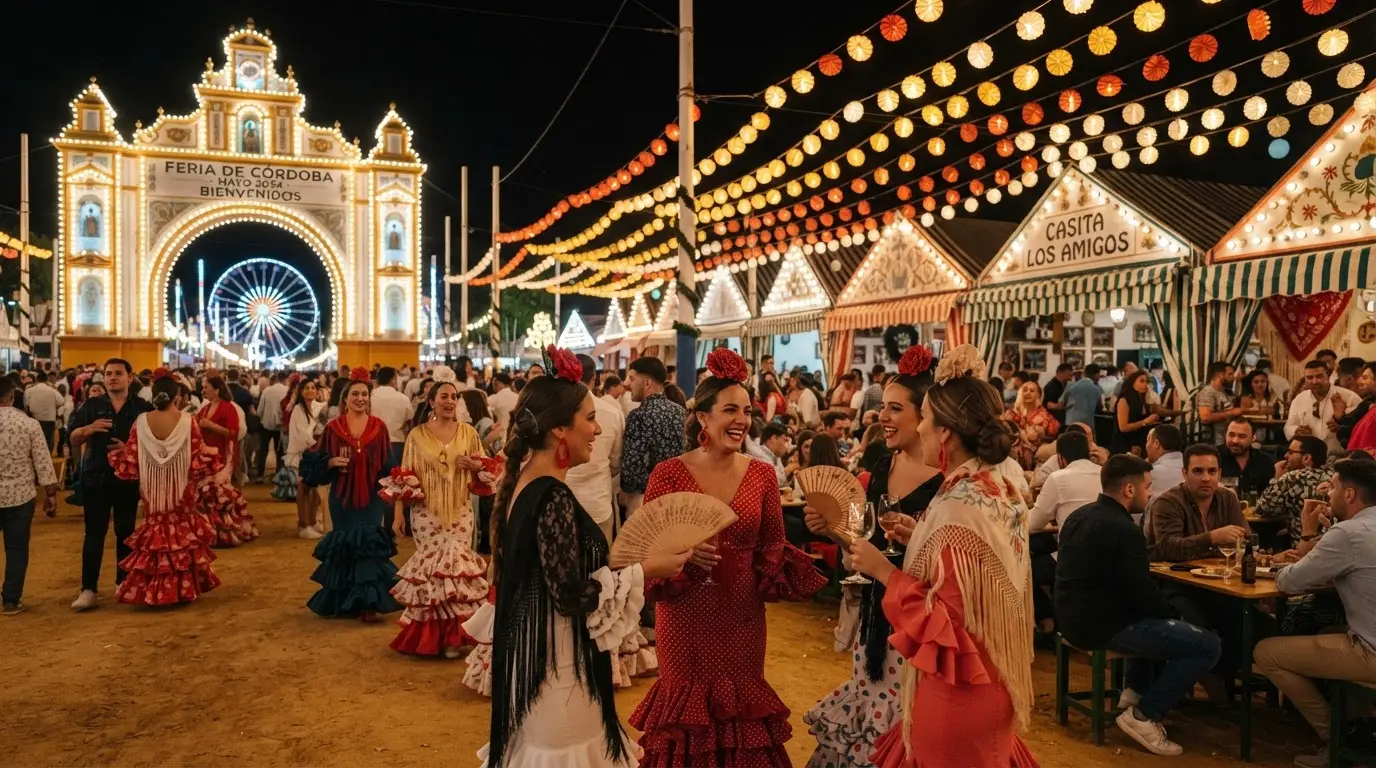
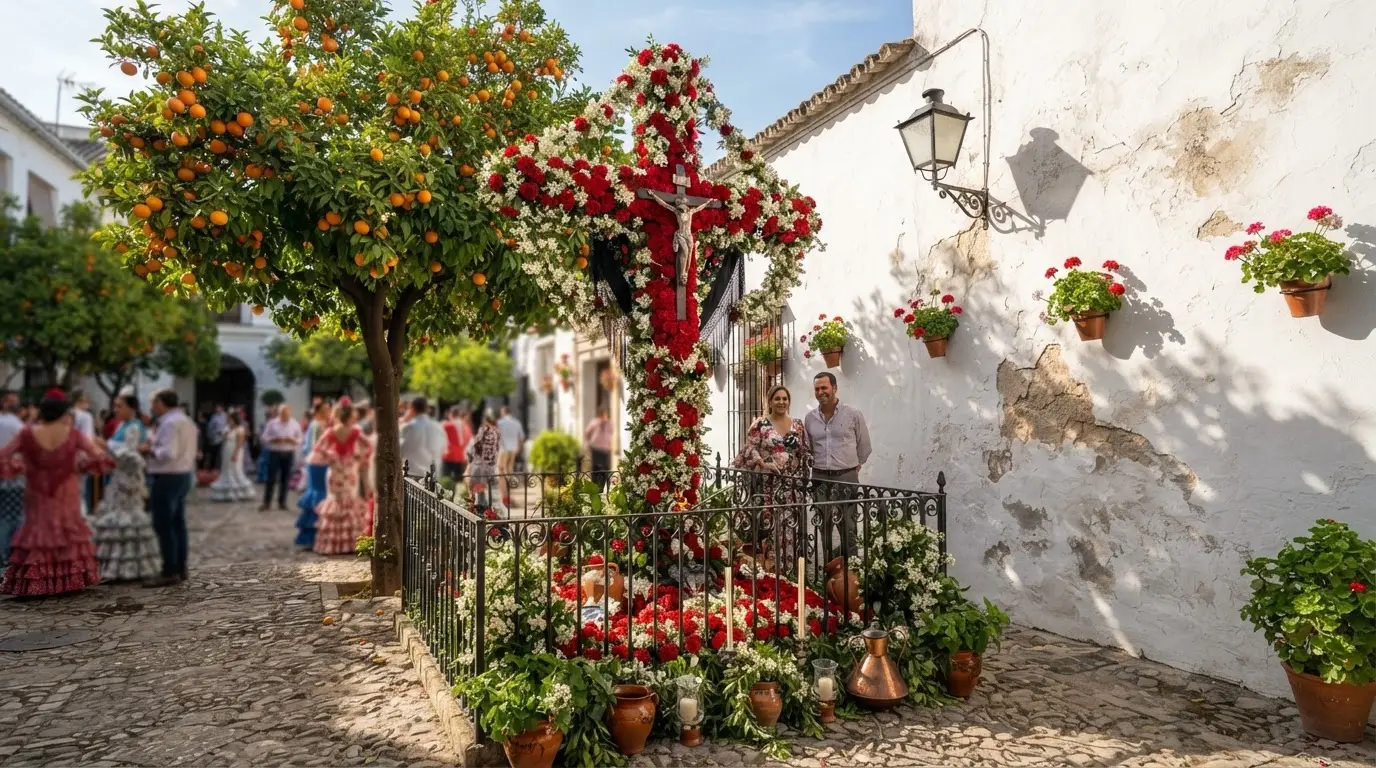
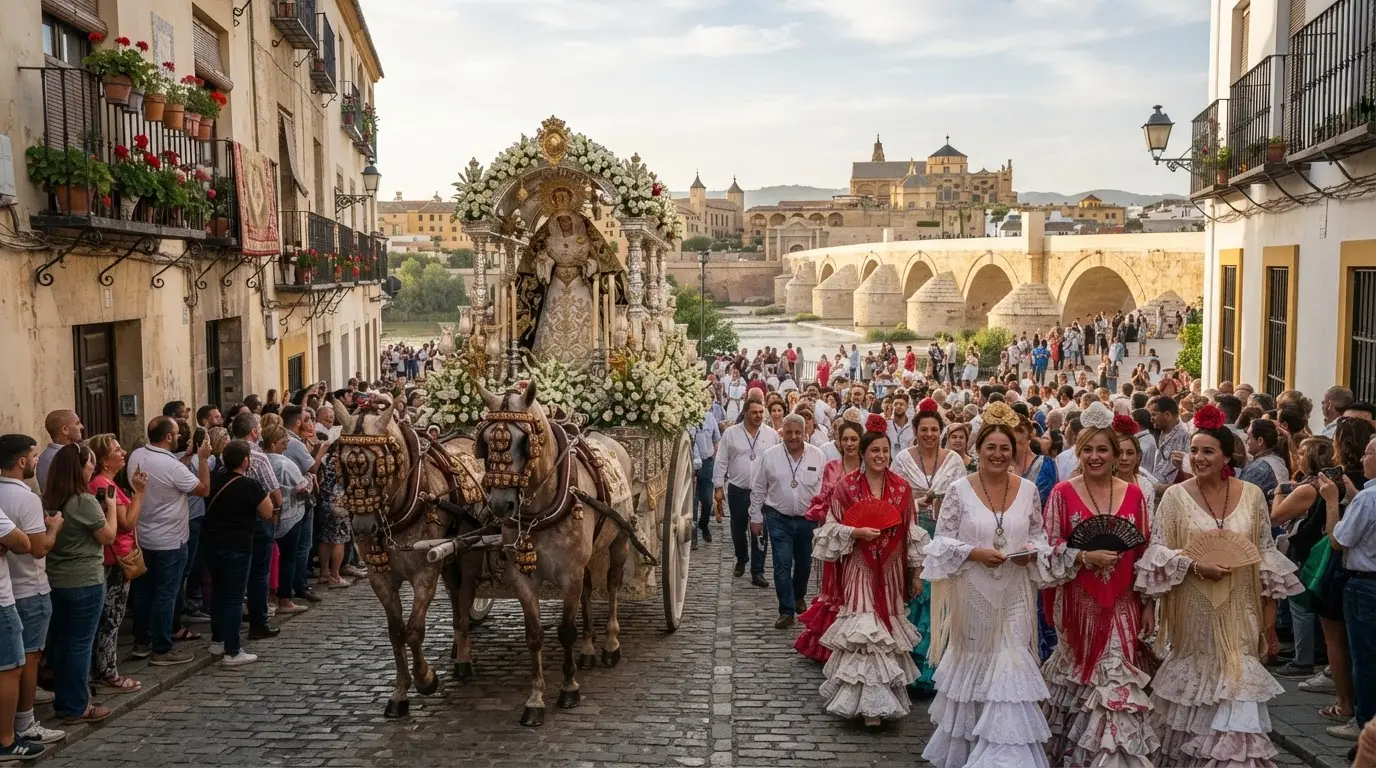
What plays at the Córdoba feria is sevillanas, not flamenco, though the two get mixed up constantly, even by some locals. One article works through exactly where the two forms part ways, in structure, training and purpose. Córdoba's own feria falls later in the calendar than Seville's, in late May rather than April, and another piece traces how the two ended up on separate dates despite sharing the same Andalusian format. The May crosses and Corpus Christi fill out the same crowded stretch of the festival calendar.
Cultural
History
More from this dossier
Further reading
Official sources
4 references Show Hide
- UNESCO - Flamenco (Intangible Heritage) (opens in a new tab)
Inscription of flamenco on the intangible cultural heritage of humanity list
- Centro Flamenco Fosforito (opens in a new tab)
Official flamenco centre of Córdoba, museum and documentation
- Córdoba Tourism Office (opens in a new tab)
Official information on flamenco shows and events
- Spain.info - Flamenco (opens in a new tab)
Official Spanish tourism guide to flamenco
Book a Flamenco Experience
Tours are selected for quality, not commission. We earn a small fee if you book — at no extra cost to you.
Best Seller
Flamenco Show Ticket with Drinks
Experience the passion and drama of authentic Andalusian flamenco at one of Córdoba's premier tablaos. Ticket includes a drink at the bar.
1 hour
From €25
4.8 (1,158 reviews)
Reserve Your Spot
✓ Verified GetYourGuide reviews
Books up weeks ahead in peak season
Flamenco Show at Tablao El Jaleo & Optional Dinner
Experience raw, passionate flamenco at Tablao El Jaleo — one of Córdoba's most celebrated venues. Top artists perform guitar, song and dance in an intimate historic setting. Optional dinner available.
1.5 hours
From €30
4.7 (215 reviews)
Reserve Your Spot
✓ Verified GetYourGuide reviews
Book tours & activities in Córdoba
Tours are selected for quality, not commission. We earn a small fee if you book — at no extra cost to you.
Guided tours, skip-the-line tickets, and bookable experiences — browse everything available in Córdoba.
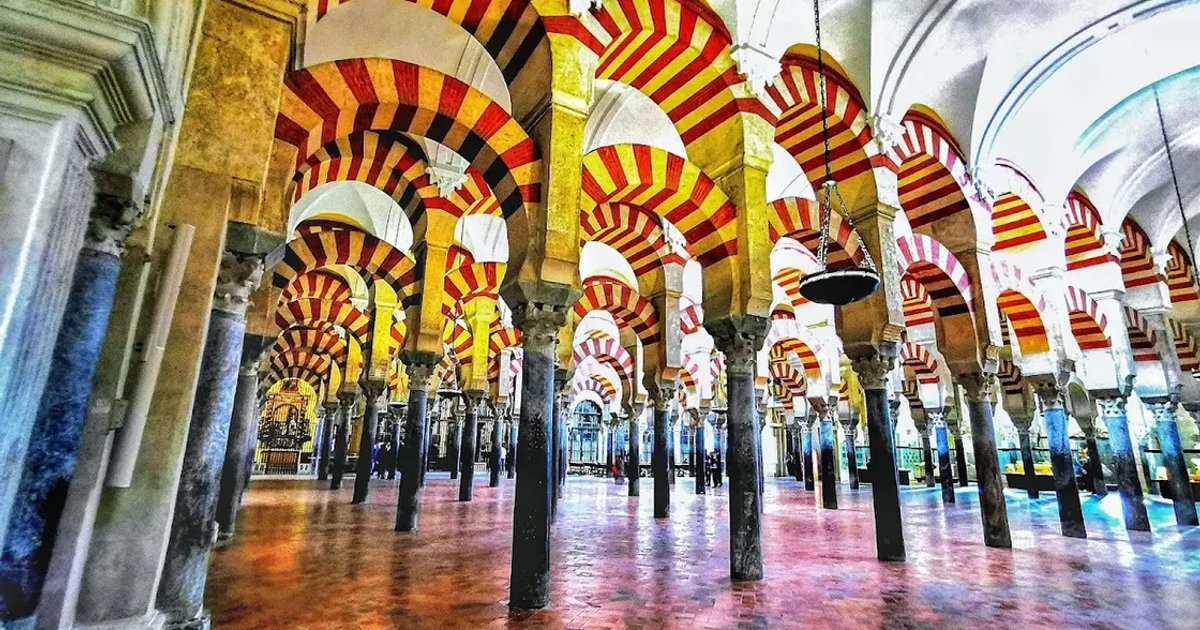 1.5 hours
 Mosque-Cathedral Skip-the-Line Guided Tour
4.7 From €29
Reserve
 1.5 hours
 Mosque-Cathedral Skip-the-Line Guided Tour
4.6 From €28
Reserve
 3 hours
 Jewish Quarter, Mosque & Alcázar Tour
4.6 From €49
Reserve
Self-guided Mosque-Cathedral E-Ticket with Audio Guide
4.2 From €18.50
Reserve
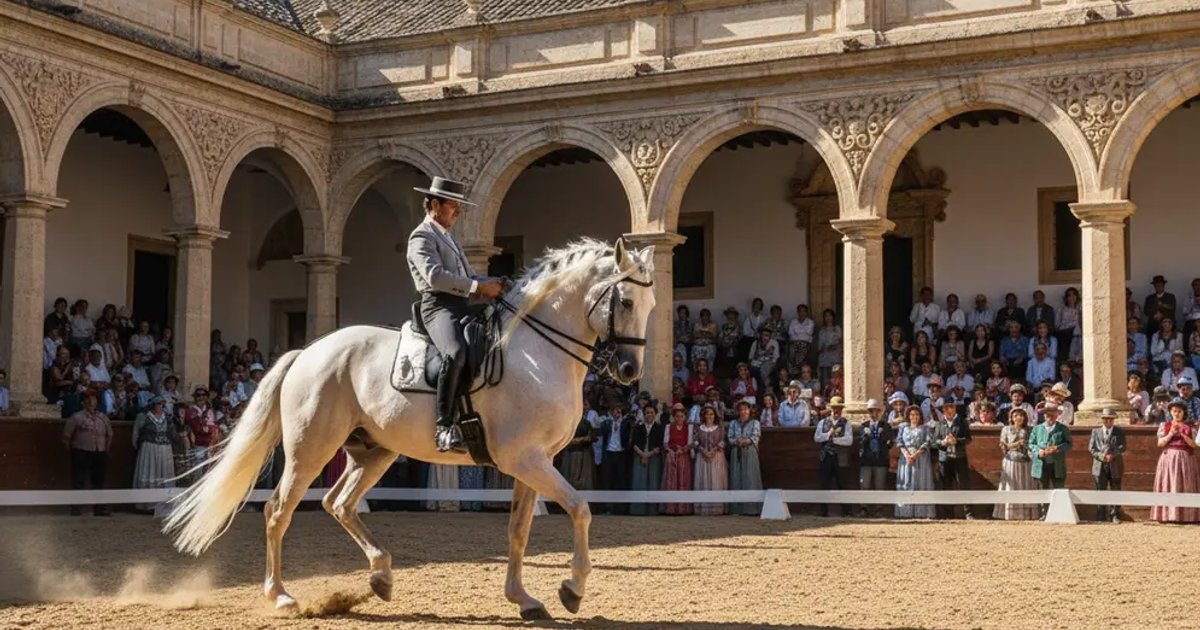 70 minutes
 Caballerizas Reales Equestrian Show
4.5 From €18.50
Reserve
2 hours Mosque & Jewish Quarter Tour with Tickets
4.6 From €35.55
Reserve
3 hours Mosque-Cathedral, Jewish Quarter & Alcázar Tour
4.6 From €49.99
Reserve
 1.5 hours
 Alcazar Guided Tour and Skip-the-Line
4.2 From €19
Reserve