Ancient History
Corduba, the Andalusian Rome
Founded in the 2nd century BC, Corduba was one of the most important cities in Roman Hispania. As capital of the province of Baetica, it received the prestigious title of Colonia Patricia, a mark of its exceptional status.

Written by
María Fernanda González Ten years covering Córdoba's UNESCO heritage sites, sourcing from Junta de Andalucía documentation.
Updated Published
The city of Corduba was founded by the general Claudius Marcellus between 169 and 152 BC, planted at a strategic river crossing on the Guadalquivir that would shape its fortunes for centuries. It was planned from the outset as a Roman city (a grid of streets, a forum, public baths) and it quickly became the administrative and commercial heart of the province of Hispania Ulterior. By the time Augustus reorganised the provinces, Corduba had been elevated to the rank of Colonia Patricia, the most prestigious title a provincial city could hold, marking it as a settlement of pure Roman stock under the direct patronage of the emperor.
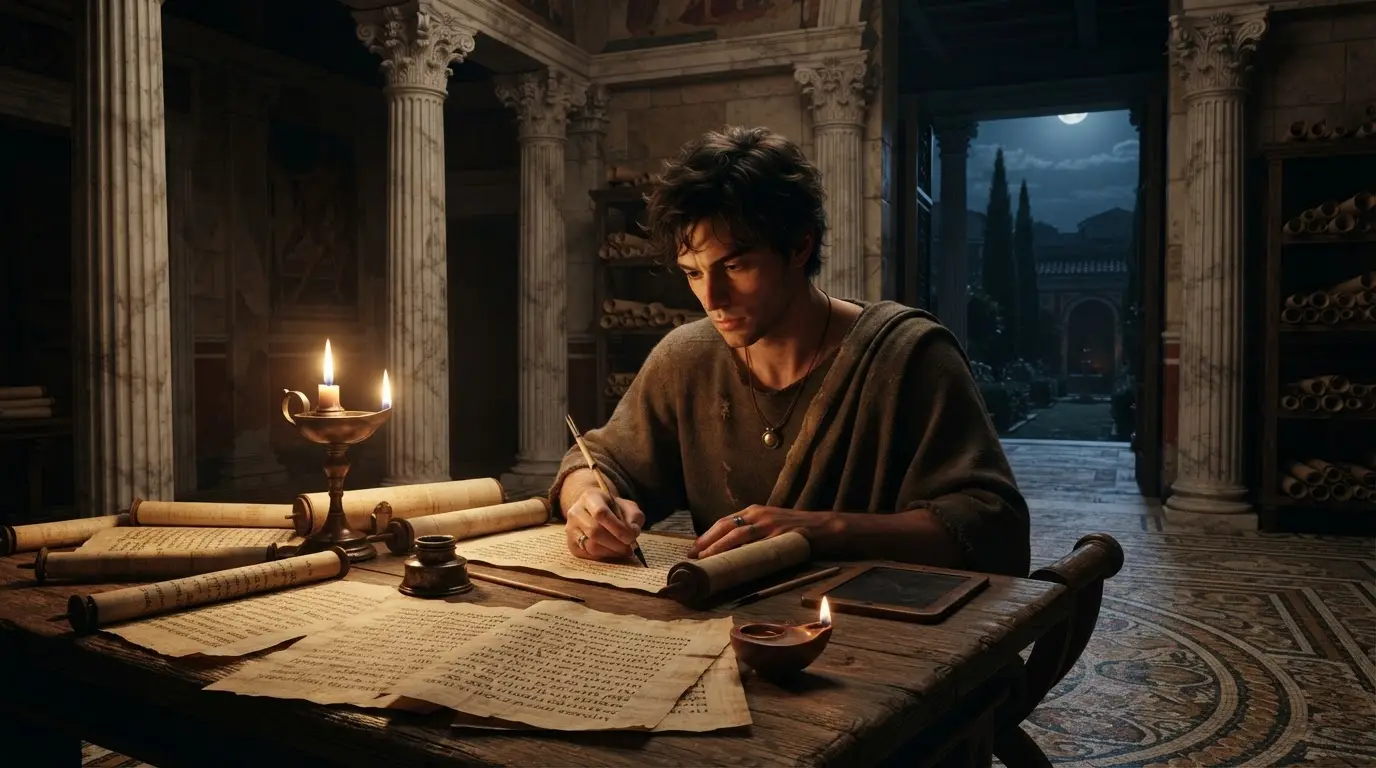
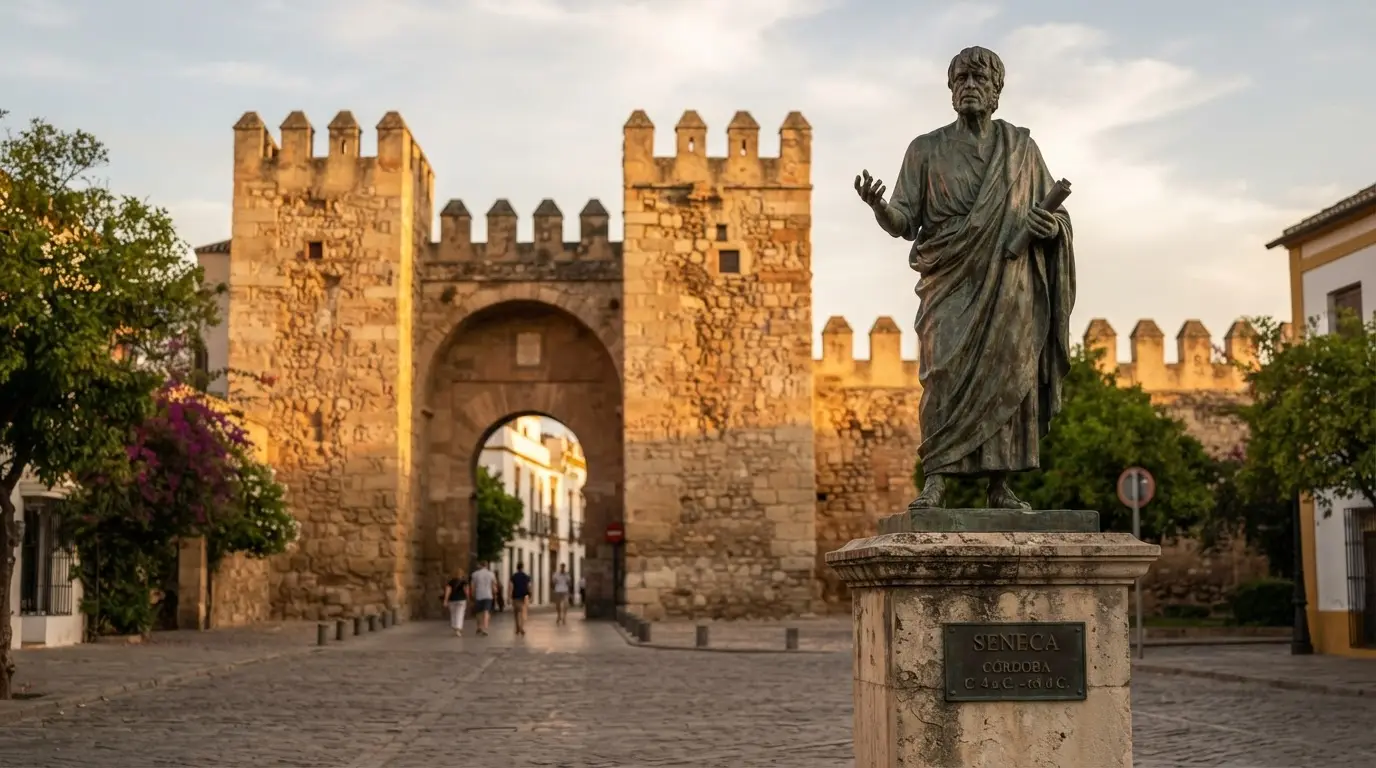
Under the early Empire, Corduba reached its golden age. The city swelled to an estimated population of over 100,000 (enormous for its era) and was adorned with a monumental temple to the imperial cult, a circus, a theatre, and one of the largest amphitheatres in the entire Roman world. It was also a city of ideas: Corduba gave Rome two of its greatest literary minds in Seneca the Elder and Seneca the Younger, and the epic poet Lucan, whose Pharsalia remains a landmark of Latin literature. No other provincial city outside Italy could claim such a concentration of intellectual prestige.
Twenty centuries later, you can still walk the footprint of Corduba. The Roman Temple's soaring columns rise above a modern plaza. The Roman Bridge carries pedestrians across the same river it has spanned since Caesar's legions passed here. The Plaza de la Corredera holds the rectangular ghost of the ancient forum. Explore the sites below, or dive deeper into each landmark through the cluster pages.
At a glance
- Founded
- 169 BC, one of Rome's most important cities
- Roman name
- Corduba, capital of Hispania Ulterior
- Key site
- Roman Temple (1st century AD), free to visit
- Roman bridge
- Puente Romano, 2,000-year-old crossing
- Museum
- Museo Arqueológico, best Roman artifacts
- Entry
- Temple & bridge free; museum €1.50 (EU)
In this guide
Jump to a section
The Roman monuments of Córdoba
The Roman Temple
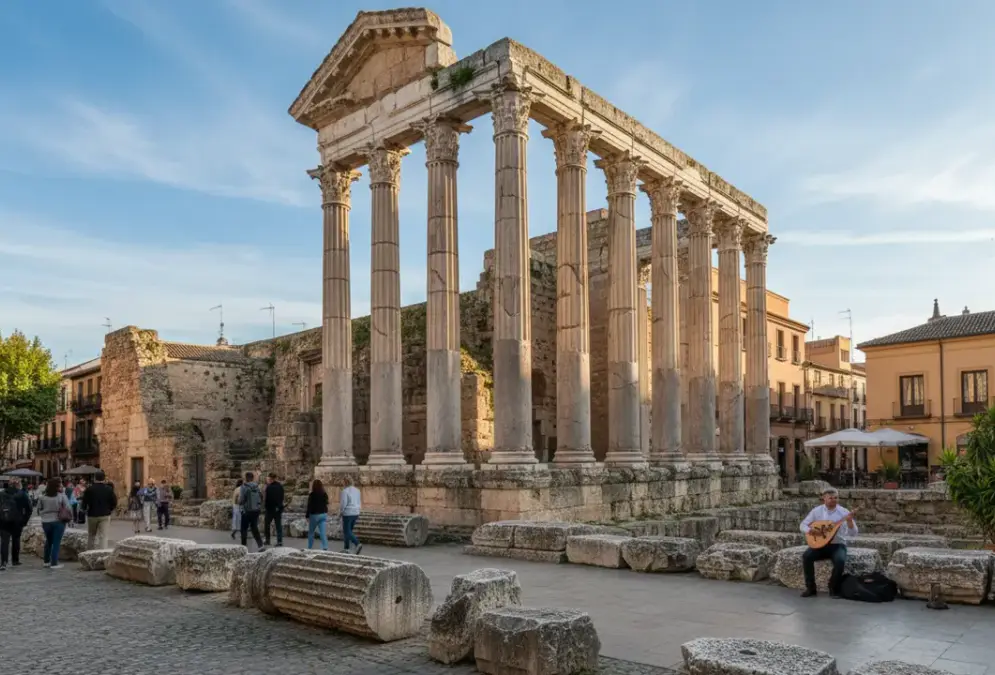
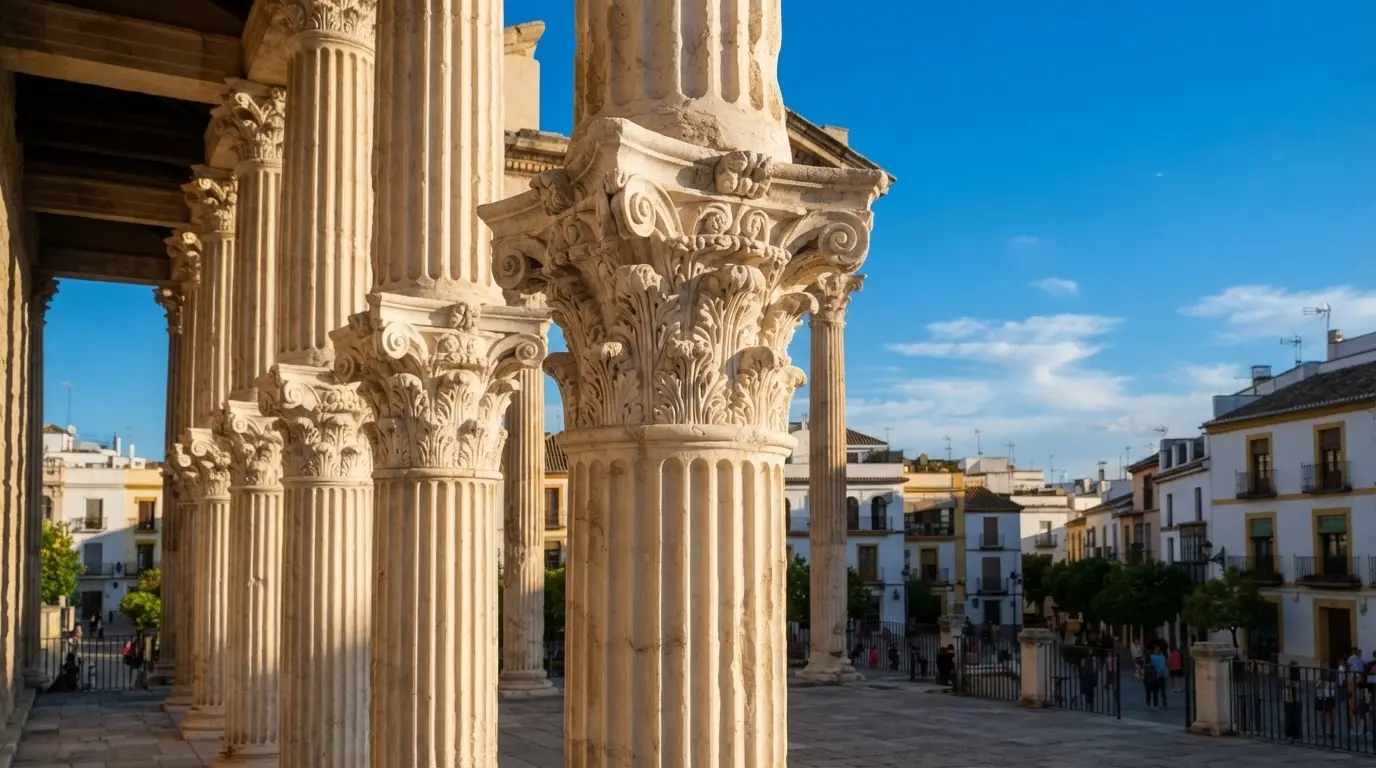
Discovered in 1951 during expansion work on the city hall, this large Corinthian temple from the 1st century AD closely resembles the Maison Carrée in Nîmes. Dedicated to the imperial cult, it formed part of the provincial Forum alongside a circus. Read the full story of its discovery under City Hall and its reconstruction.
- Six Corinthian columns on the façade
- Reconstructed by architect Félix Hernández
- Listed as a Cultural Heritage Site in 2007
Practical info
- Address: Calle Capitulares
- Access: Free, 24/7
- Neighbourhood: Centro
The Roman Bridge
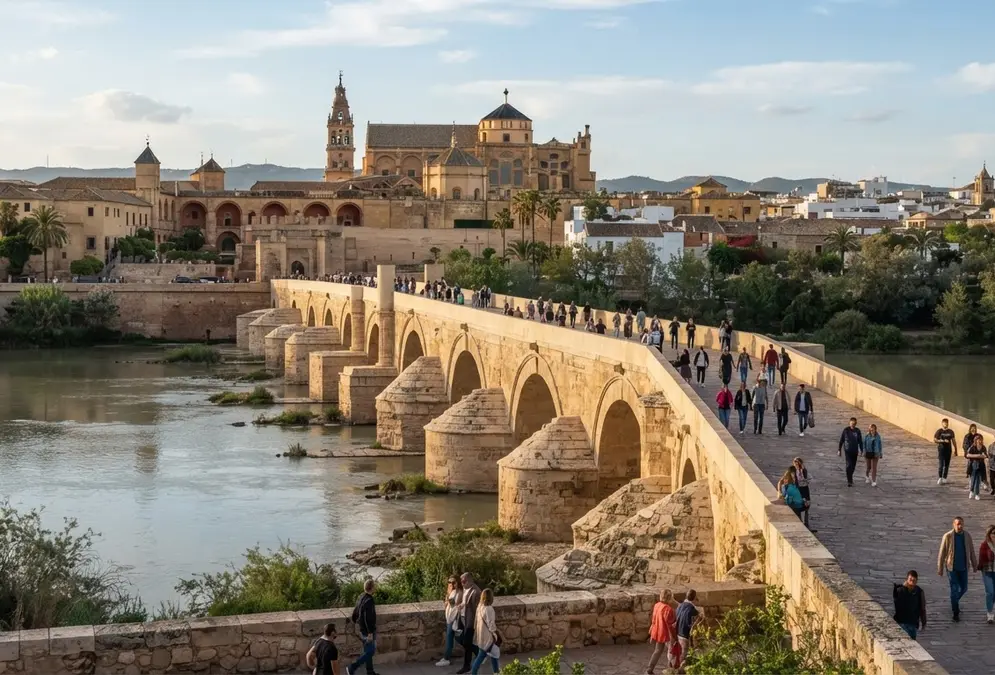
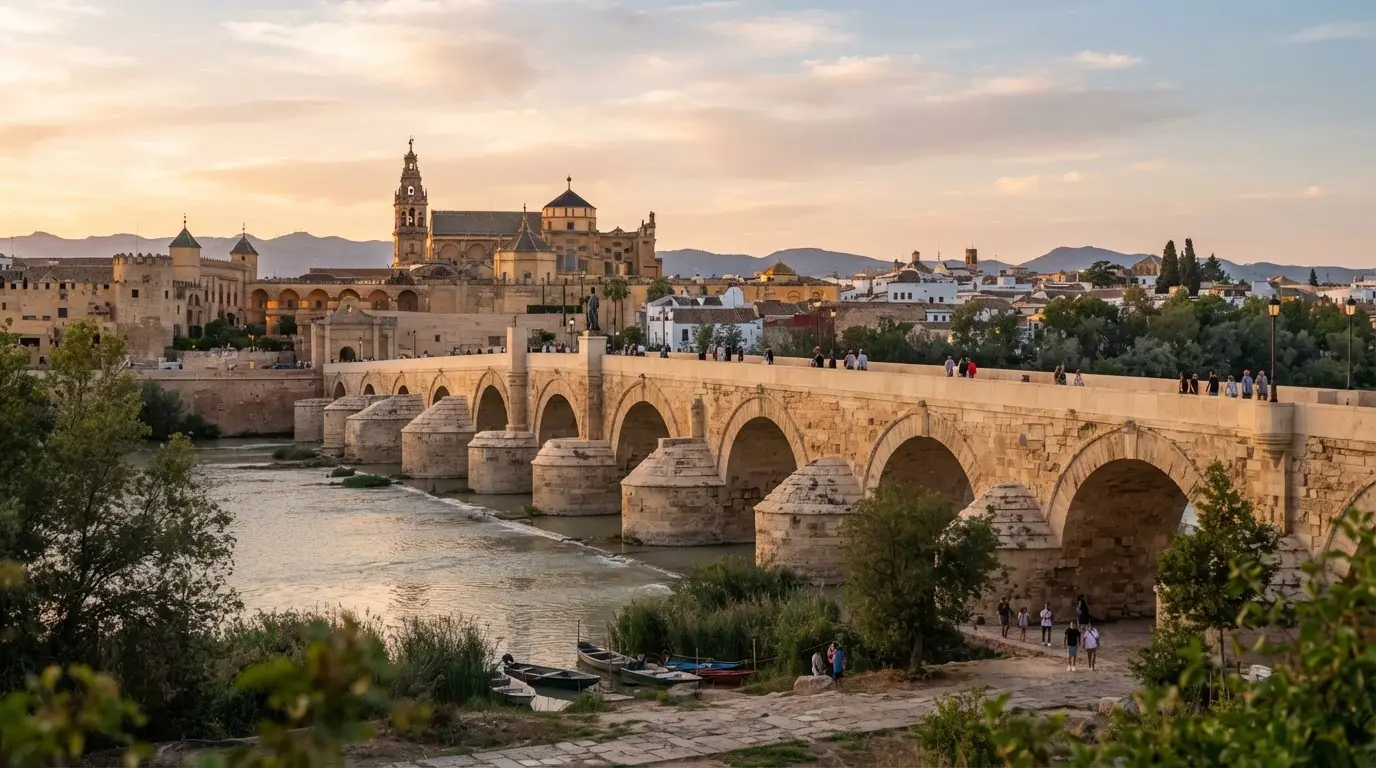
Built in the 1st century BC after the Battle of Munda (45 BC), this bridge was the only crossing of the Guadalquivir for twenty centuries. Its sixteen arches majestically span the river over 331 metres.
- 331 metres long, 16 arches
- UNESCO World Heritage Site since 1994
- Pedestrianised since 2004
Free guided tour
The Córdoba free tour includes crossing the Roman Bridge with historical commentary. Daily departure at 10:30am, free (tips welcome).
Did you know?
The bridge was used as a filming location in Game of Thrones, representing the Long Bridge of Volantis.
Game of Thrones filming locationsSemana Santa
A prime spot to watch the processions with a view of the Mezquita. An unforgettable sight during the Madrugada.
Semana Santa guide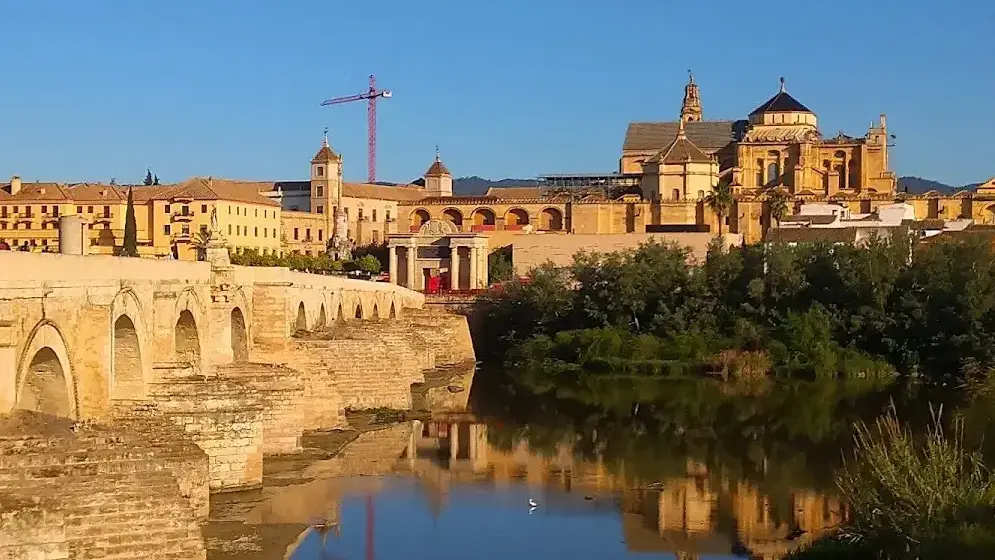
The Roman Bridge, built in the 1st century BC, the only crossing of the Guadalquivir for twenty centuries
Plaza de la Corredera
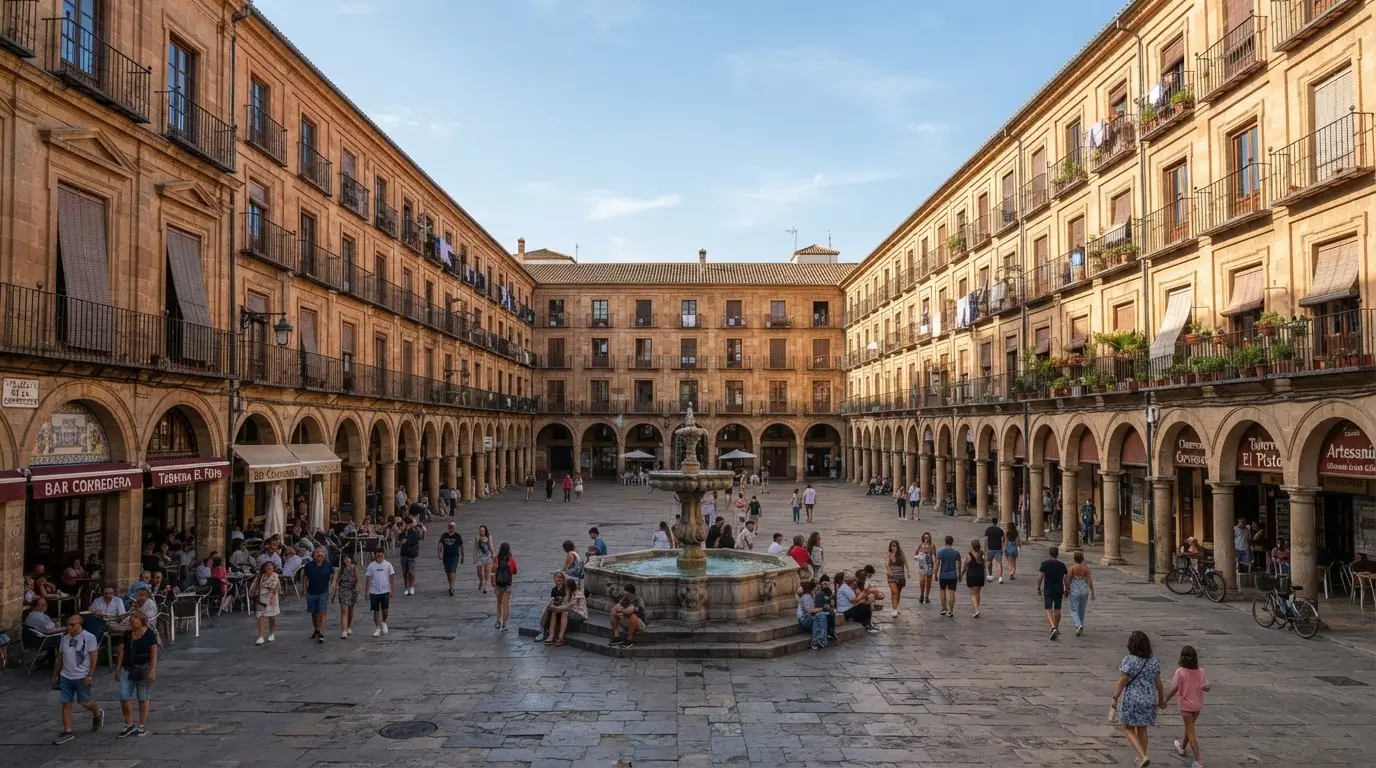
This rectangular square occupies the site of the former Roman forum of Corduba. one of Andalusia's few arcaded squares, it retains the structure of an ancient forum remodelled in the 17th century. The subsoil still holds Roman remains discovered during excavations.
- Site of the Roman forum
- Traditional market every Saturday morning
- 17th-century arcades
Practical info
- Access: Free, 24/7
- Market: Saturday 9am–2pm
- Neighbourhood: Centro
The Guadalquivir Mills
Water mills have lined the Guadalquivir since Roman times. The most iconic, the Albolafia mill, supplied water to the caliphal palace. These hydraulic installations testify to Roman engineering adapted by the Andalusian caliphs.
- Technology of Roman origin
- Visible from the Roman Bridge
- Millennia-old hydraulic system
Viewing
Best view from the Roman Bridge and the banks of the Guadalquivir. Free riverside walk.
The Amphitheatre
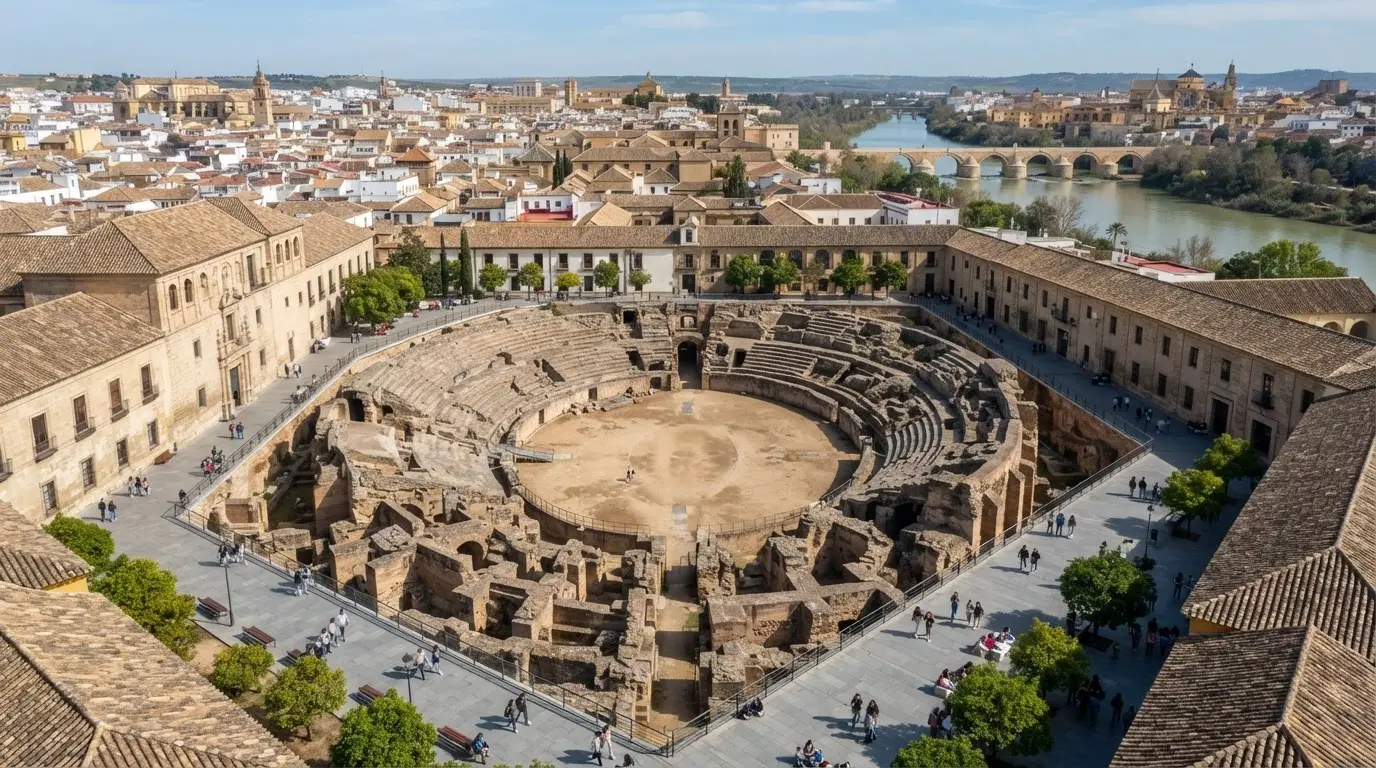
Built in the 1st century, the amphitheatre of Corduba was the largest in Hispania and the third largest in the entire Roman Empire after the Colosseum in Rome and the one in Carthage. Its remains were discovered beneath the current university campus.
- Estimated capacity of 50,000 spectators
- Largest amphitheatre in Hispania
- Remains visible at the Archaeological Museum
Historical context
The amphitheatre hosted gladiatorial combat and venationes (hunts of wild animals).
Hidden gem
The Roman Villa at the Palacio del Bailio
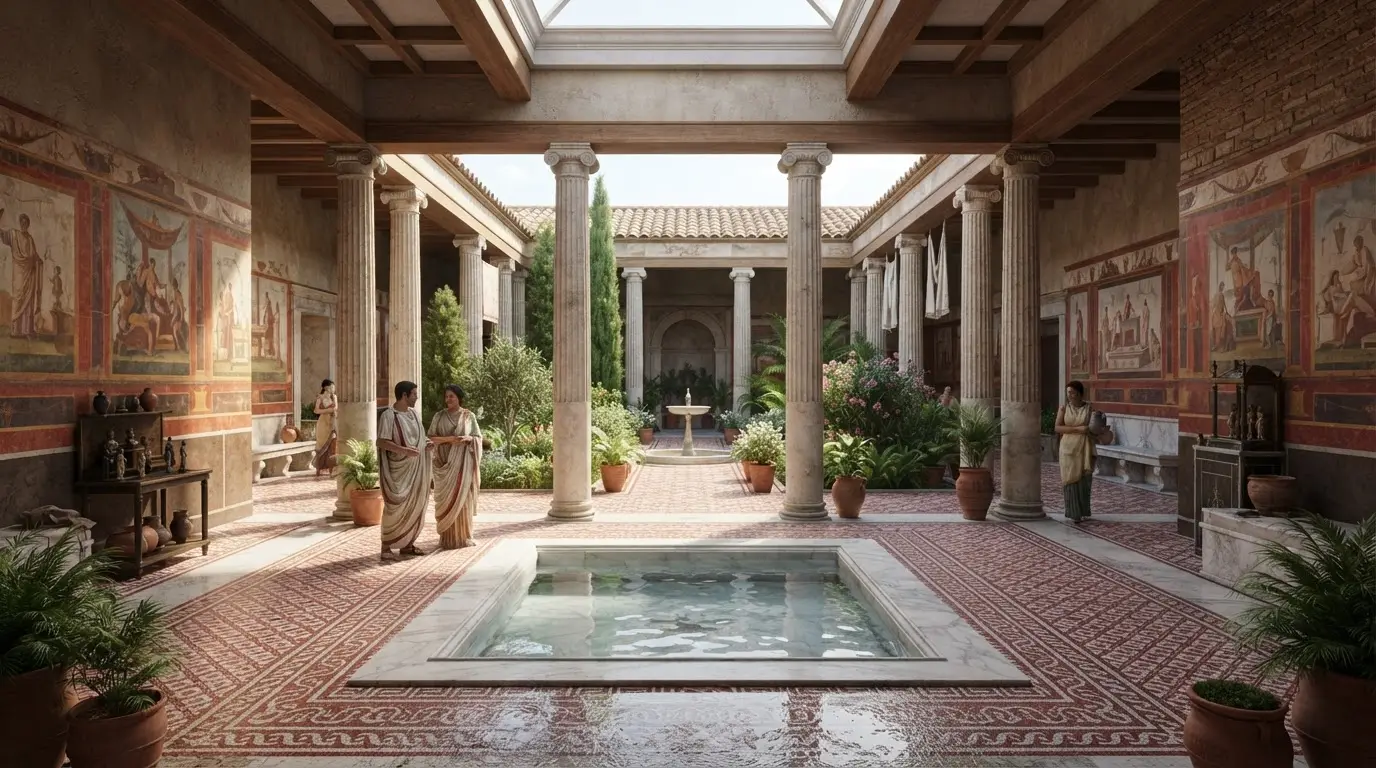
An unexpected discovery at the heart of a luxury hotel: during restoration of the Palacio del Bailio, archaeologists uncovered the remains of a 1st-century Roman domus. Mosaics, Roman baths and ancient streets are visible beneath the restaurant through a glass floor.
- Polychrome mosaics from the 1st century
- Restored Roman baths accessible via the spa
- Original Roman columns incorporated into the palace
Good to know
The Roman remains are visible from the hotel restaurant. Book a table to dine above 2,000 years of history.
Luxury accommodation
5-star hotel, member of Design Hotels. From €218 per night.
Stay Where Rome Still Shows
We earn a small commission if you book a hotel through this search — at no extra cost to you.
The Hospes Palacio del Bailío sits directly above 1st-century Roman mosaics. The Judería and historic centre keep all Roman sites within a 10-minute walk.
Timeline of Corduba
169-152
Foundation
Claudius Marcellus founds Corduba on the banks of the Guadalquivir
45 BC
Civil war
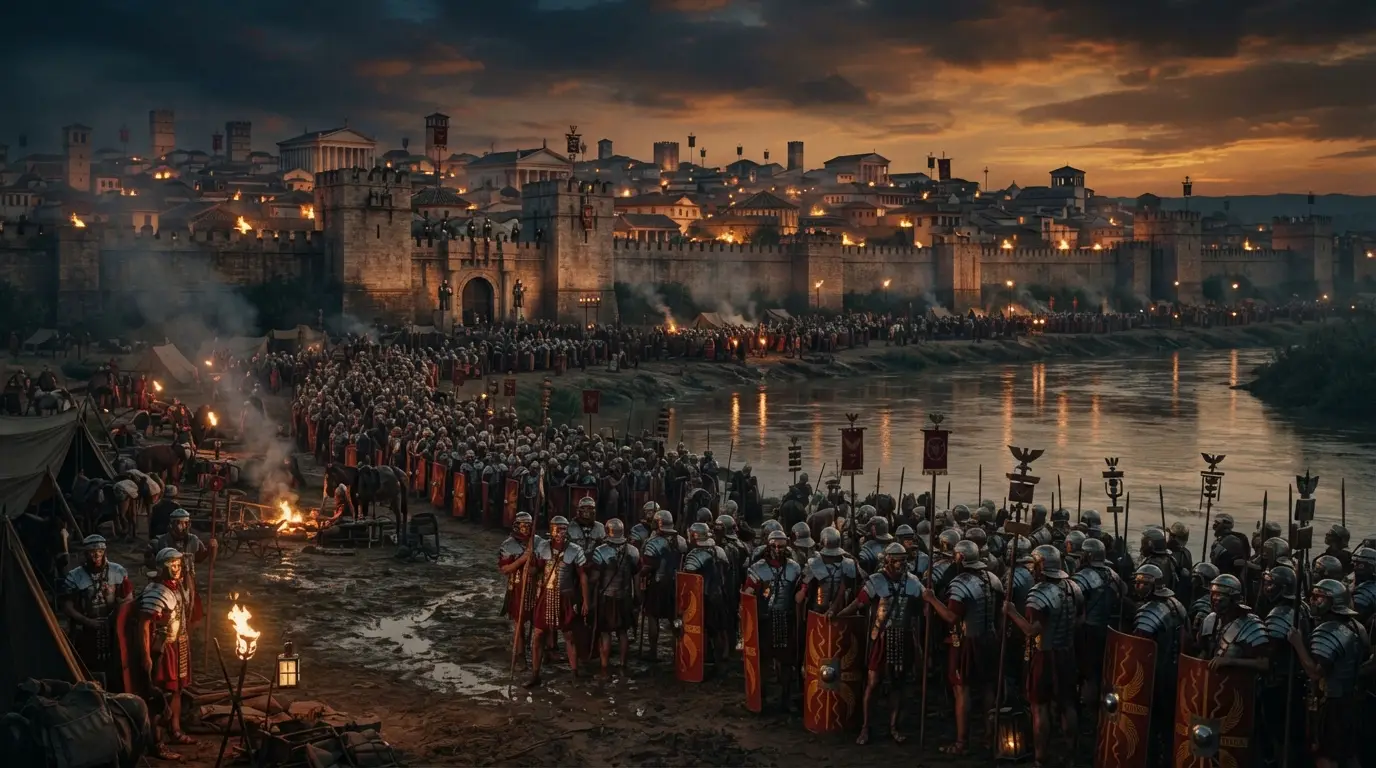
The Pompeian city is taken by Caesar's troops
27 BC
Colonia Patricia
Augustus raises Corduba to the rank of Colonia Patricia
1st c.
Golden age
Construction of the temple, amphitheatre and theatre
Illustrious figures of Corduba
Seneca (4 BC – 65 AD)
The Stoic philosopher and tutor of Nero was born in Corduba. His letters and essays on ethics shaped later European thought for centuries: medieval writers and Renaissance scholars read him directly.
Lucan (39 – 65 AD)
Seneca's nephew, this epic poet authored the Pharsalia on the civil war between Caesar and Pompey. He died at 26, forced to suicide by Nero.
The Fernandine Churches
After the Christian Reconquest by Ferdinand III in 1236, fourteen parish churches were built on the sites of the neighbourhood mosques. These "Fernandine churches" blend Romanesque, Gothic and Mudéjar architecture, marking the cultural transition between Al-Andalus and Christian Córdoba.
San Lorenzo Church
The finest of the Fernandine churches. Romanesque portal, fortified porch tower and magnificent 13th-century Gothic rose window.
San Lorenzo neighbourhoodSan Miguel Church
13th-century Romanesque architecture with Mudéjar influences. Triple nave and richly sculpted side portal.
Centro neighbourhoodSanta Marina Church
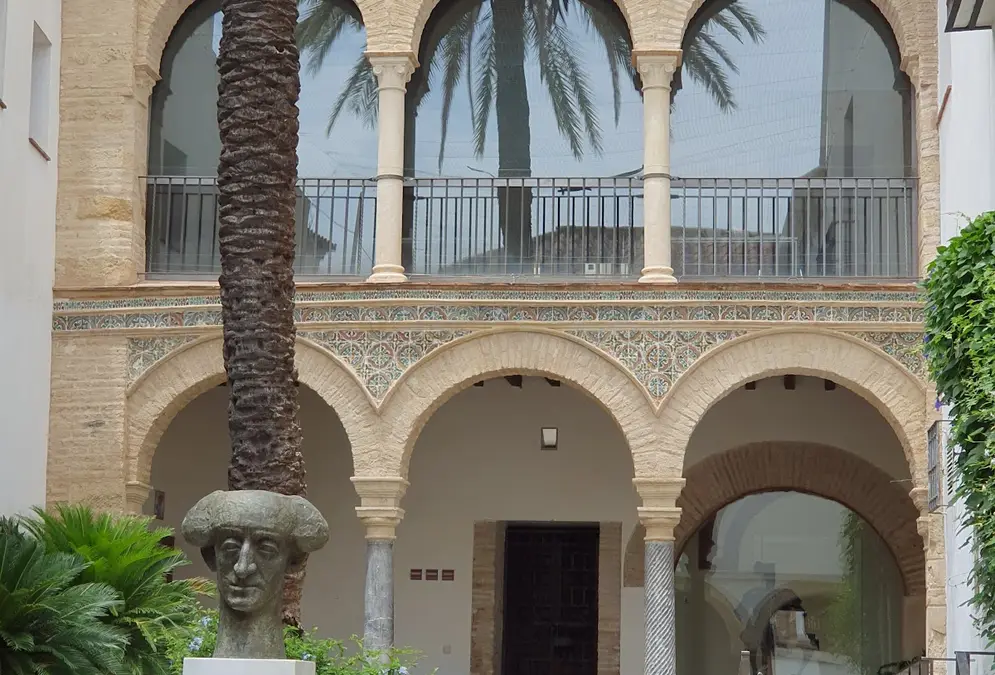
In the historic bullfighting neighbourhood. Imposing bell tower and statue of the celebrated bullfighter Manolete in the forecourt.
Santa Marina neighbourhoodA self-guided tour of all 14 Fernandine churches is available from the tourism office
Three cultures, one city
The Roman city laid foundations the Umayyads would build on. By the 10th century, Córdoba was the largest city in western Europe and home to the most significant Jewish community on the Iberian Peninsula.
More context: UNESCO Heritage · History Hub · Architecture Guide · Best of Córdoba for History Lovers
Roman Cordoba Walking Route
Connect the Roman Temple, bridge, amphitheatre remains and Plaza de la Corredera on a self-guided walking route through ancient Corduba.
View the route
Museums for history enthusiasts
The full story: Roman Corduba
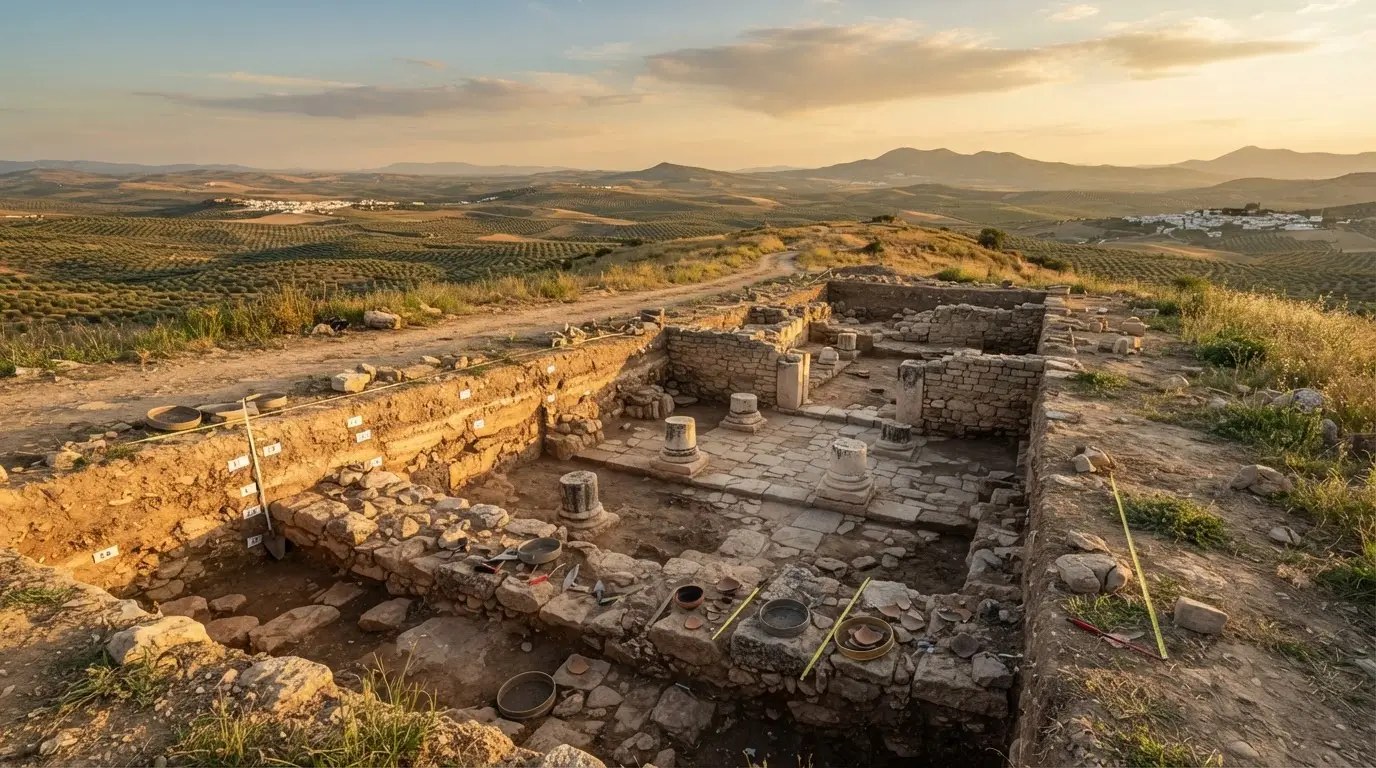
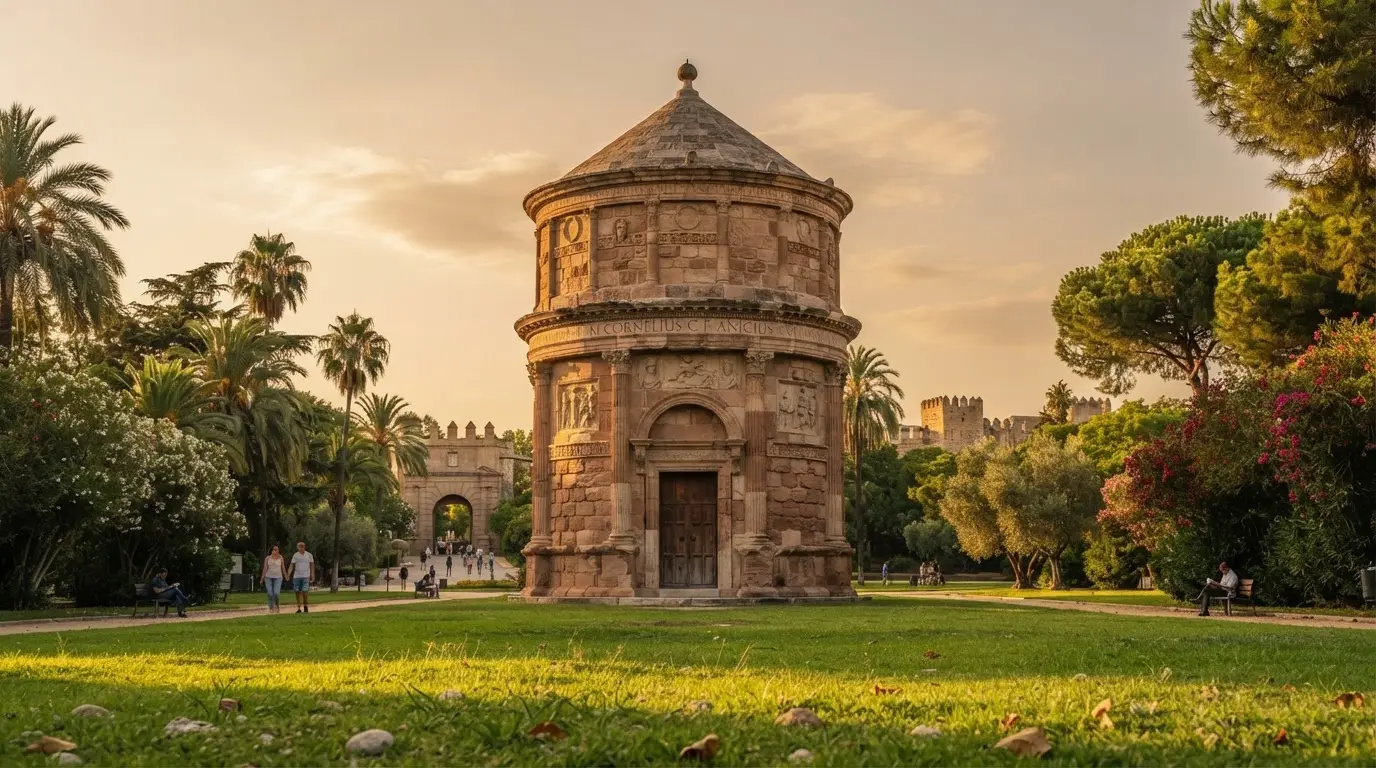
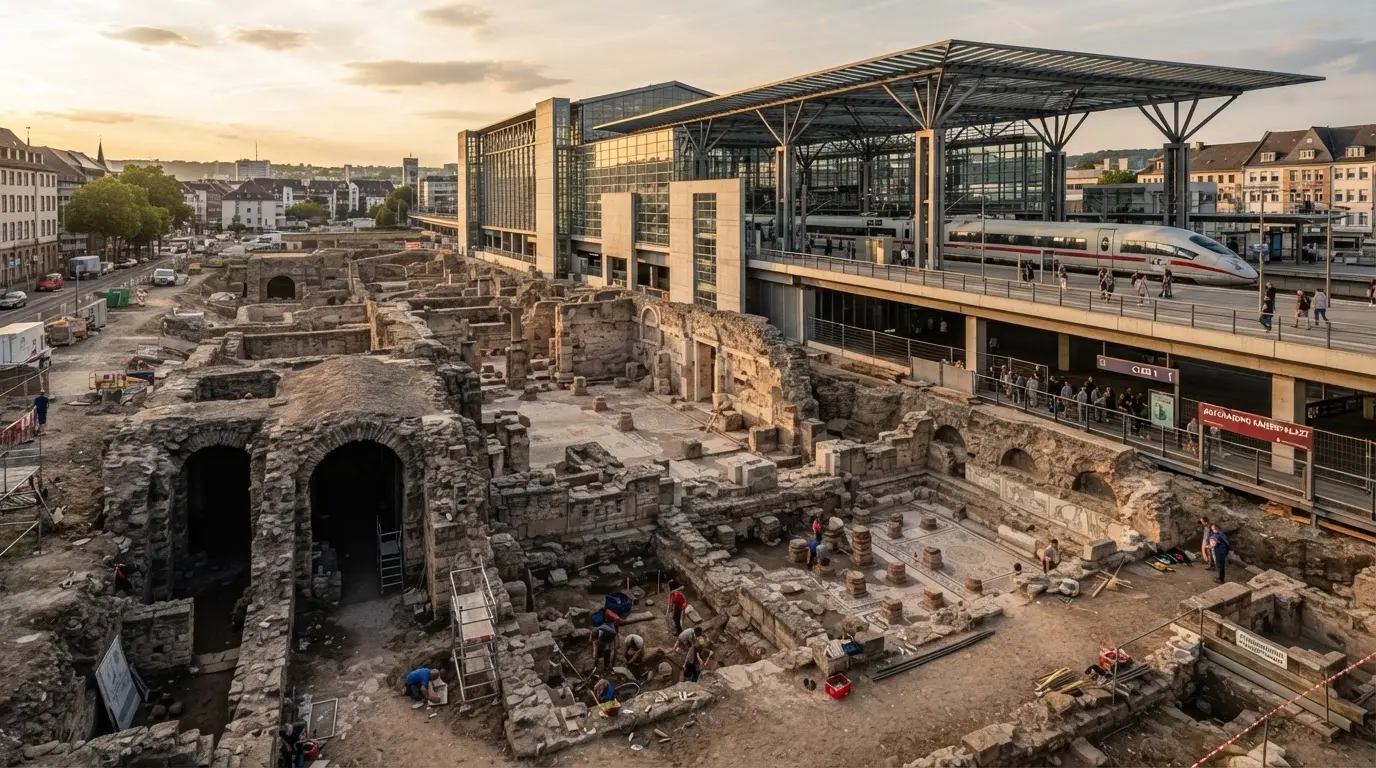
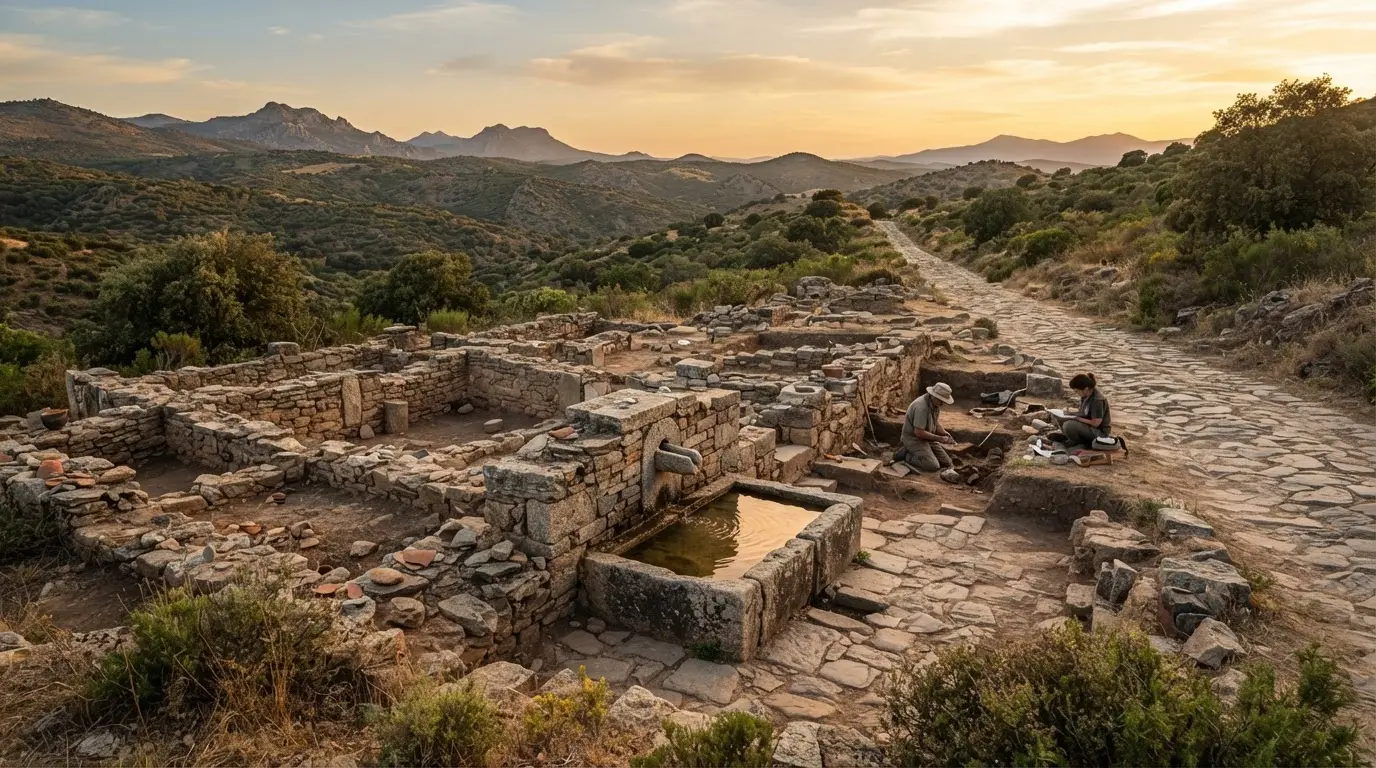
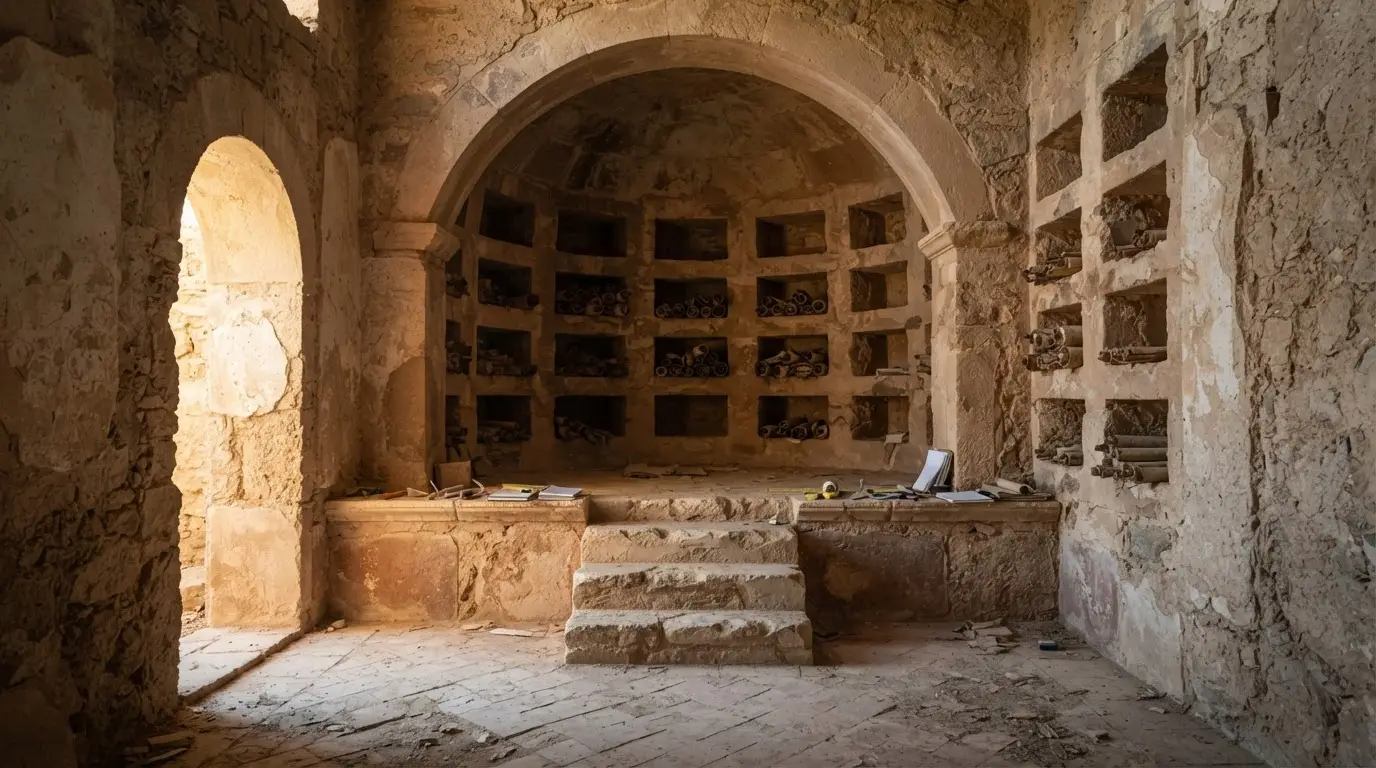
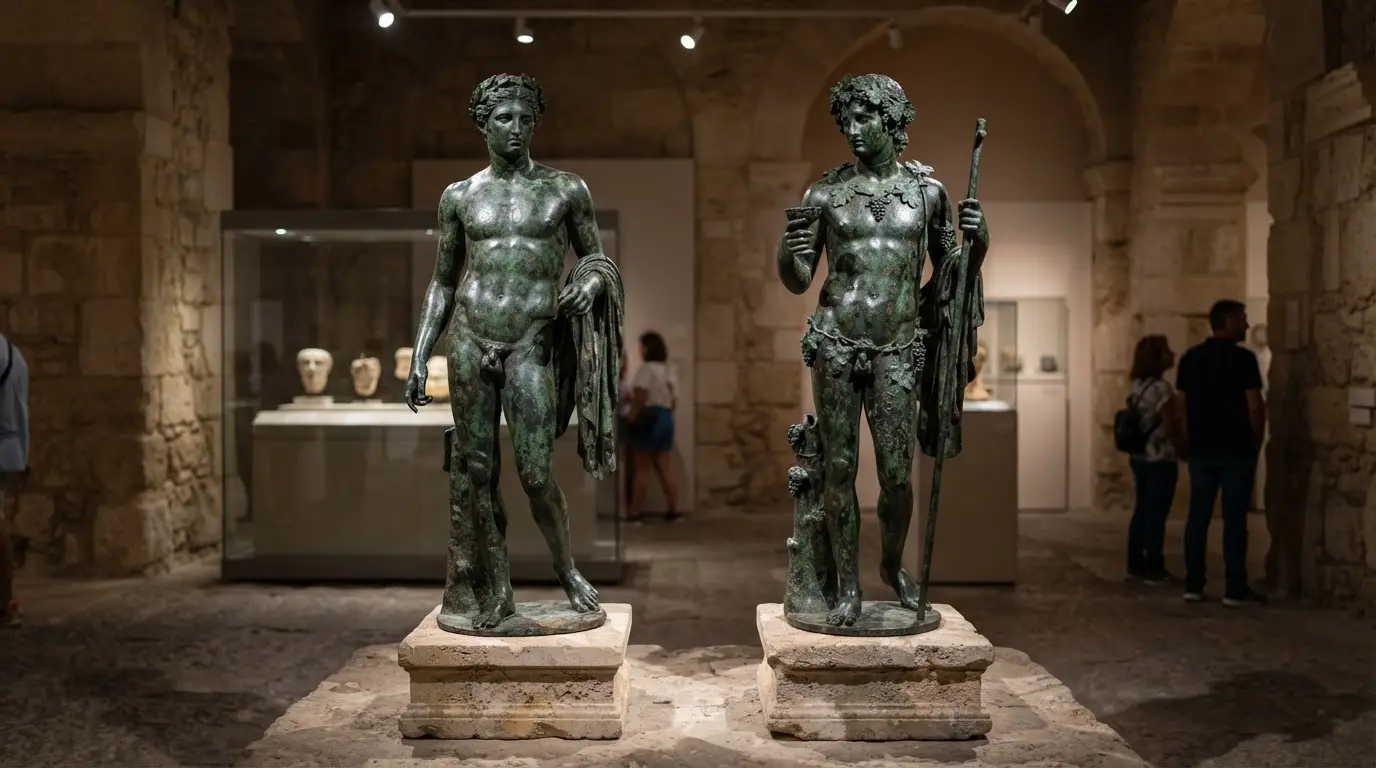
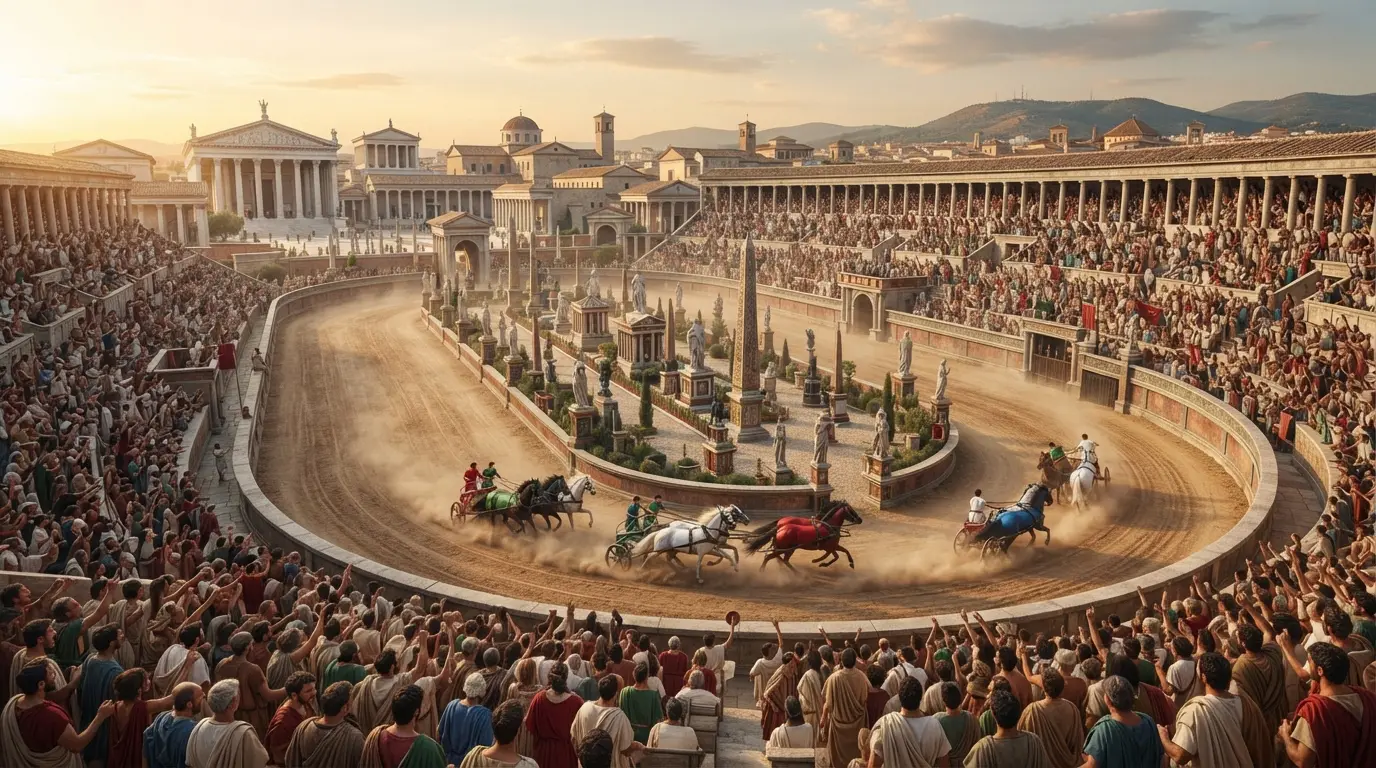
Three centuries of provincial Rome will not fit on a single guide page, so the deeper cuts live in the articles below: the temple's unlikely rediscovery beneath the city hall, the amphitheatre where gladiators fought, the circus where chariots raced, the siege of 45 BC that decided the city's allegiance, and the two Senecas and Lucan, who carried Corduba's name into Latin literature long after the city itself had gone quiet.
Frequently Asked Questions
What survives of Roman Córdoba today?
Several remarkable Roman remains are still visible in the city. The most striking is the Roman Temple on Calle Capitulares, with its eleven reconstructed Corinthian columns. The Roman Bridge still spans the Guadalquivir on its original foundations. The Plaza de la Corredera preserves the rectangular footprint of the ancient forum, while the Palacio del Bailio hotel contains a Roman domus with original mosaics visible through a glass floor. Amphitheatre ruins lie beneath the university campus.
Can you visit the Roman Temple?
The exterior of the Roman Temple is freely accessible 24 hours a day at Calle Capitulares, in the heart of the old town. The eleven Corinthian columns rise dramatically from the archaeological platform. The surrounding excavation area reveals the original Roman street level and building foundations, giving a vivid sense of how elevated the ancient city stood above the medieval one.
Is the Roman Bridge originally Roman?
Its foundations are genuinely Roman: the bridge was first built in the 1st century BC, around the time of Julius Caesar. However, the structure you walk across today has been substantially rebuilt and restored over the centuries, most significantly during the Umayyad caliphate and again in the 20th century. The Roman alignment and scale are preserved, but the stonework is largely medieval. It became a UNESCO World Heritage Site as part of the Historic Centre of Córdoba in 1994.
Who were the famous Romans from Córdoba?
Corduba produced an extraordinary concentration of Latin literary talent. Seneca the Elder (c. 54 BC to c. 39 AD) was a celebrated rhetorician whose works on oratory shaped Roman education. His son, Seneca the Younger (c. 4 BC to 65 AD), became the most influential Stoic philosopher of the imperial age and served as tutor to the emperor Nero. Seneca's nephew Lucan (39 to 65 AD) wrote the Pharsalia, an epic poem on the civil war between Caesar and Pompey, considered one of the masterpieces of Latin literature.
How do I combine the Roman sites in one day?
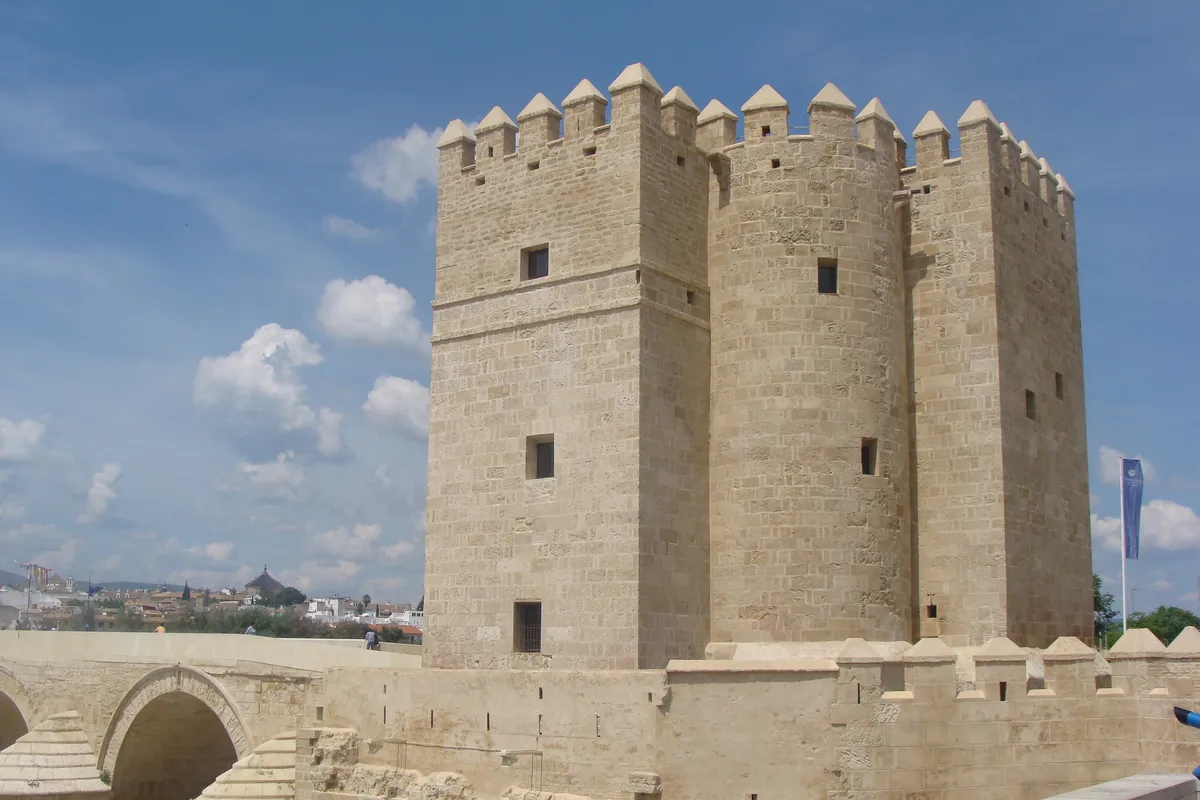
A focused Roman Córdoba loop takes around 2 to 3 hours on foot. Start at the Roman Temple on Calle Capitulares (free, open 24/7). Walk south through the old town to the Roman Bridge and cross it for a panoramic view of the Calahorra Tower and the city skyline. Return north along the river to view the Roman mills, then cut back through the historic centre to the Plaza de la Corredera, site of the ancient forum. Add the Archaeological Museum to see the amphitheatre remains and Roman artefacts in depth.
Where can I learn more about Roman Córdoba?
The Archaeological Museum of Córdoba (Plaza de Jerónimo Páez) is the essential stop: it houses an outstanding collection of Roman sculptures, mosaics, inscriptions and everyday objects from Corduba, and sits directly above the ancient theatre and part of the amphitheatre. For a broader context, the UNESCO World Heritage documentation on the Historic Centre of Córdoba covers the Roman remains in detail. The tourism office on Plaza de las Tendillas also distributes a free walking map of Roman sites.
Further reading
Official sources
3 references Show Hide
- UNESCO - Historic Centre of Córdoba (opens in a new tab)
World Heritage inscription including the Roman remains
- Museo Arqueológico de Córdoba (opens in a new tab)
Official collection of artefacts and information on Roman Corduba
- Córdoba Tourism Office (opens in a new tab)
Official information on the Roman monuments of Córdoba
Explore Roman Córdoba
Tours are selected for quality, not commission. We earn a small fee if you book — at no extra cost to you.
Best Seller
Best Seller
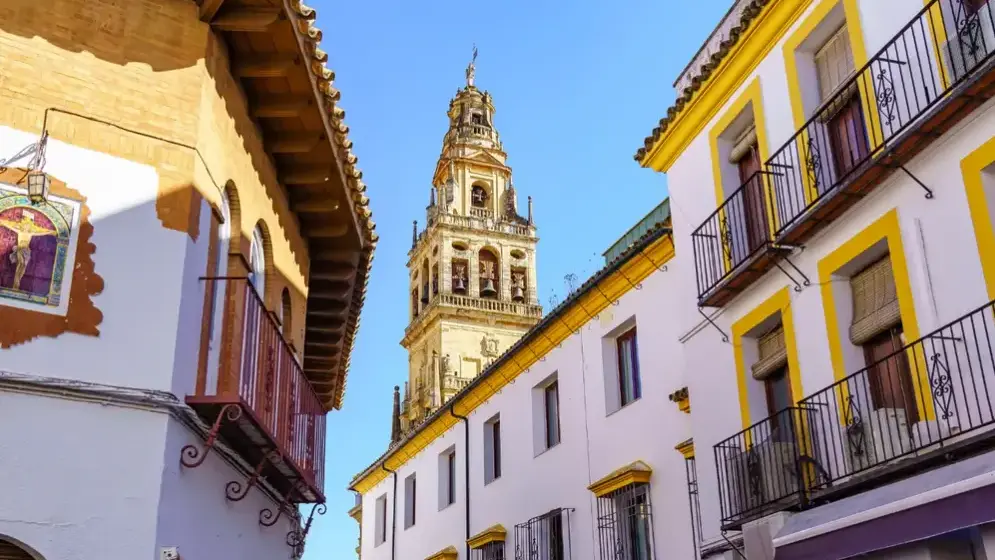
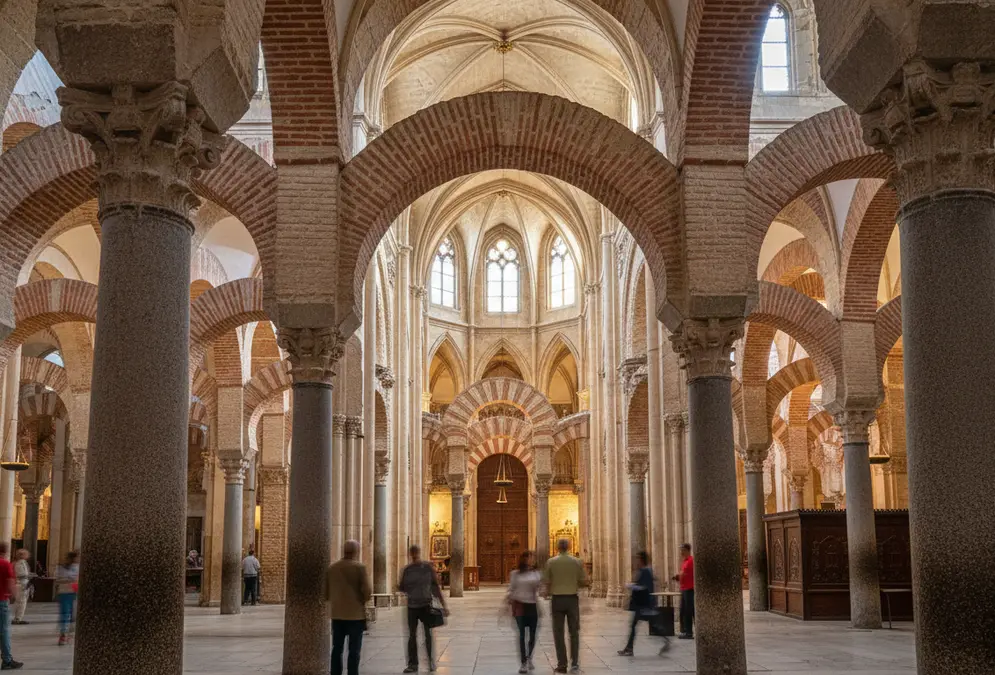
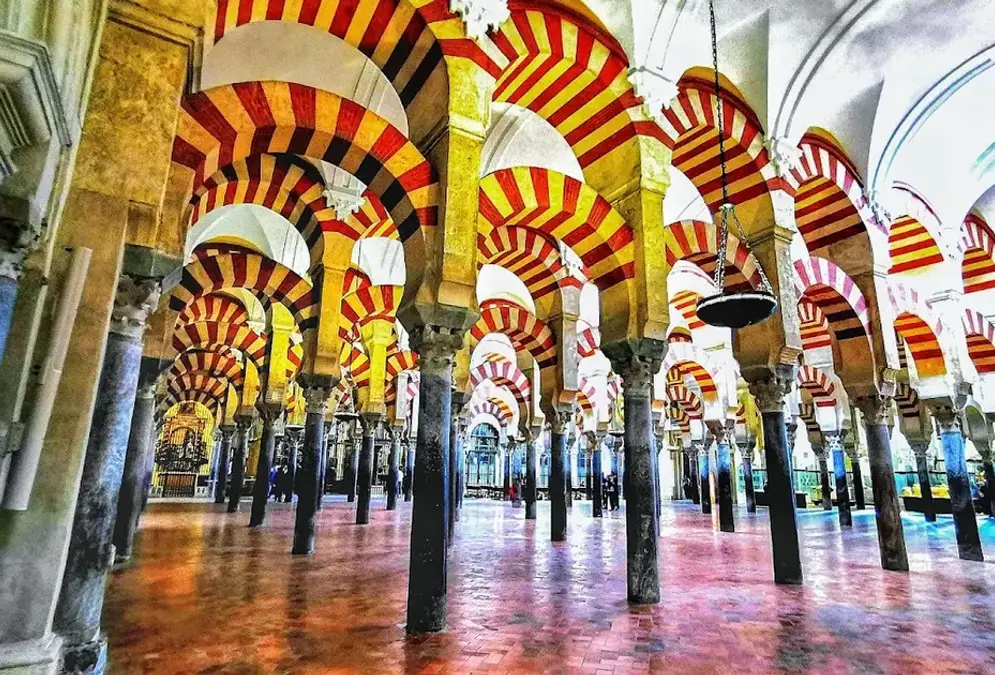
Mosque-Cathedral Skip-the-Line Guided Tour
Skip the queue and explore the Mezquita-Cathedral with a knowledgeable local guide. Discover 13 centuries of layered history in one of Spain's most iconic monuments.
Skip the line 1.5 hours
From €29
4.7 (7,293 reviews)
Reserve Your Spot
✓ Verified GetYourGuide reviews
Books up weeks ahead in peak season
Jewish Quarter, Mosque & Alcázar Tour
A comprehensive guided tour covering Córdoba's three UNESCO-listed highlights: the Mezquita, the medieval Jewish Quarter, and the Alcázar de los Reyes Cristianos.
3 hours
From €49
4.6 (5,547 reviews)
Reserve Your Spot
✓ Verified GetYourGuide reviews
Books up weeks ahead in peak season