
history-buffsarchitecturephotographerscouplesoutdoorfamiliesaccessible
Alcázar de los Reyes Cristianos
Monument €5 adult, €2.50 reduced

Alcázar de los Reyes Cristianos

Tue–Sat: 8:30am–8:45pm, Sun: 8:30am–2:30pm
La Judería
Back to La Judería

On this page

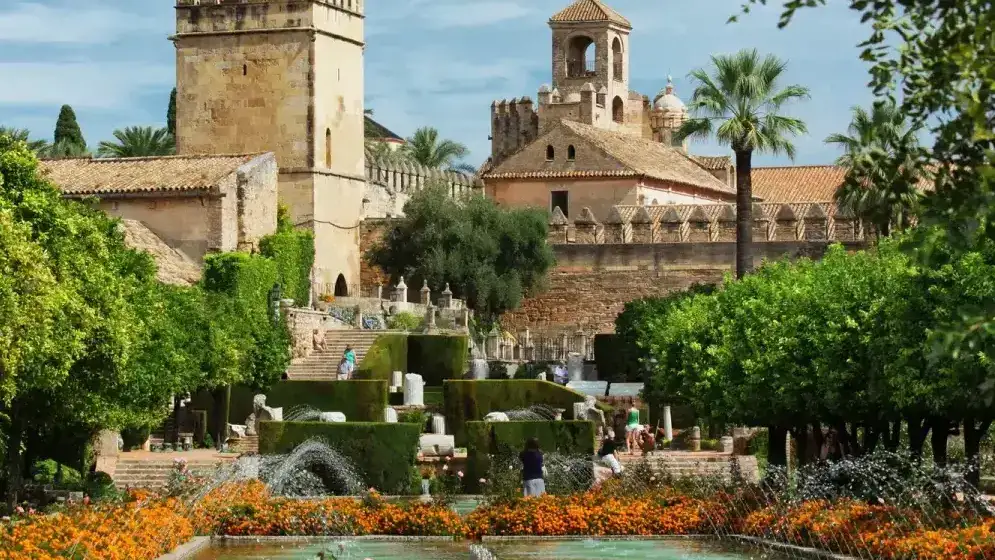
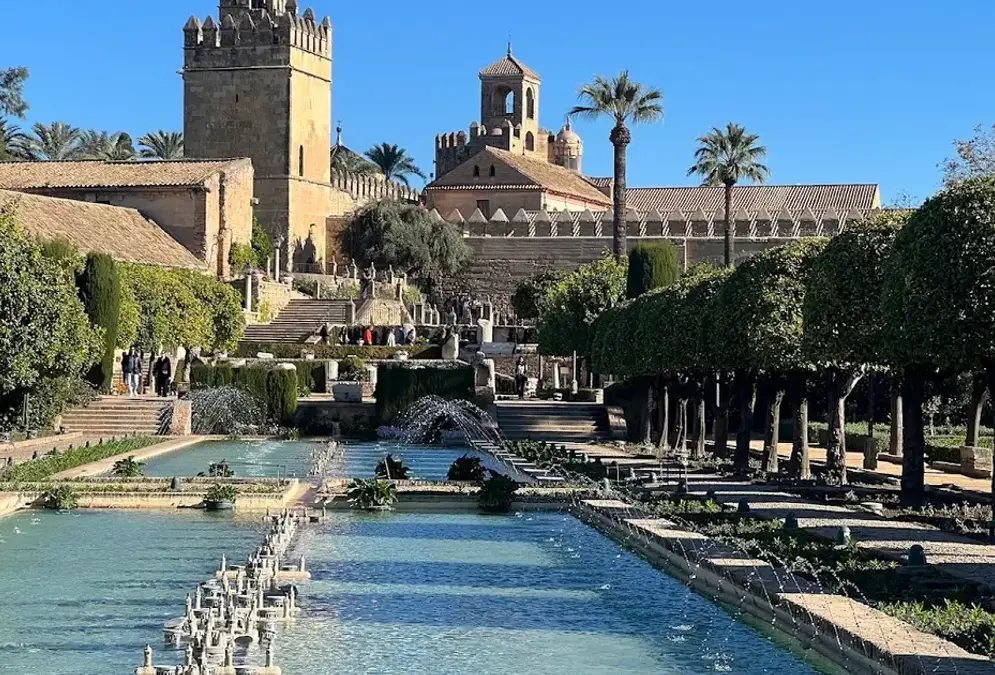
The Alcázar de los Reyes Cristianos is a medieval fortress-palace that combined military function with Andalusian garden design. Its terraced gardens — laid out with pools, fountains, and sculpted cypresses — are among the best-preserved of their kind in the region. A UNESCO World Heritage Site, the monument covers eight centuries of occupation through its towers, halls, and grounds.

A Fortress at the Heart of History

The site's strategic importance dates to the 1236 Reconquista siege, when Ferdinand III used the former Umayyad palace grounds here as his military headquarters after the city surrendered. Built in the 14th century on the orders of Alfonso XI of Castile, the fortress served as the residence of the Catholic Monarchs for eight years as they directed the campaign against Granada. It was here that Christopher Columbus presented his voyage proposal in 1486 — the first of several audiences before Ferdinand and Isabella finally agreed to fund the expedition six years later. The full story of Columbus's years in Córdoba, including his relationship with Beatriz Enríquez de Arana and the birth of his son Ferdinand, unfolded in and around this city. The building later became the seat of the Holy Office (Inquisition) for 330 years — its darkest chapter as Inquisition headquarters in Córdoba, where Diego Rodríguez Lucero prosecuted thousands of conversos between 1482 and 1834 — then a military prison until 1951.

Exploring the Halls and Gardens

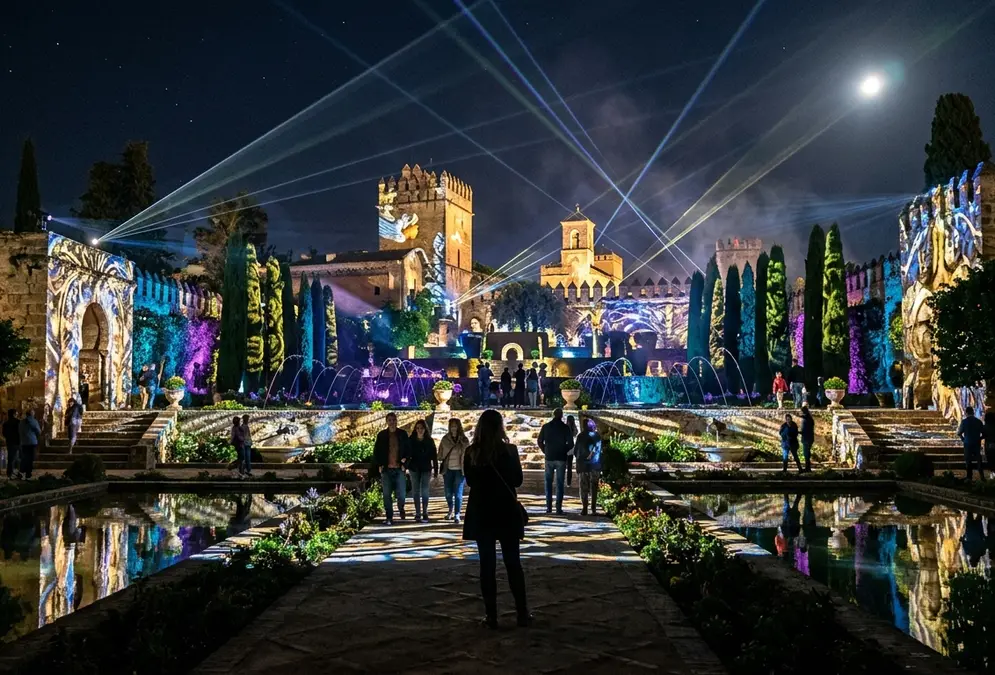
The halls contain Roman mosaics found during excavations beneath the fortress — fragments of Córdoba's earlier life as Colonia Patricia, the same buried Roman city that also concealed a 178-metre amphitheatre under the university Rectorado, not uncovered until 2002. The Alcázar's river-facing slope incorporates Roman wall sections and foundations from the residential quarter that once occupied this ground — for the full story of what elite Roman houses in Colonia Patricia looked like, from atriums to hypocaust heating, the Archaeological Museum holds the city's best collection of domestic Roman material. Climb the four towers for views over the city, the gardens, and the Guadalquivir. The Moorish-inspired gardens follow a geometric plan: rectangular pools and water channels that keep the temperature noticeably cooler in summer. From May 2026, the gardens host Naturaleza Encendida — Navegantes, a nighttime light and video-mapping show recreating Columbus's 1486 meeting with the Catholic Monarchs in the exact gardens where it happened. Tickets from €10; runs until January 2027.
Tips for an Ideal Visit

Allow 1 to 1.5 hours for the fortress and its gardens. Free entry on Tuesdays — though expect larger crowds. For skip-the-line access with a guided tour, book ahead on GetYourGuide from €19. For the full ticket prices, opening hours, and booking tips, see our Alcázar tickets & visit guide. The best time to visit is late afternoon, when the pools reflect the low sun. The site is a 5-minute walk from the Judería.

A Romantic Evening Experience

From May 2026 through January 2027, the gardens host Naturaleza Encendida — Navegantes on Wednesday to Sunday evenings. The light and video-mapping show runs 45–60 minutes through the cypress paths and pools, starting at 8:15 pm (weekdays) or 7 pm (weekends). The scent of orange blossom and lit fountains make this one of the more atmospheric evenings in Córdoba. See our Romantic Córdoba guide for more ideas.

Combining Visits

Immediately adjacent to the Alcázar, beneath the Campo Santo de los Mártires square, lie the Caliphal Baths — a 10th-century Islamic hammam built under Caliph Al-Hakam II for the adjoining palace complex. They are small, unhurried, and almost always missed by visitors who walk straight past without realising what is underfoot. Add 30–45 minutes and €3 to your afternoon.

The Alcázar is a stop on the Jewish Quarter Walk, the Moorish Architecture Tour, and the Three Cultures Route, each covering different aspects of its layered history.

Pair with the Mezquita-Catedral (10 minutes on foot) and the nearby Caballerizas Reales, where you can watch a horse show mixing Andalusian dressage and flamenco. Just next door, the San Basilio quarter has three free patios open year-round and some of the strongest entries in the Patio Festival each May. After your visit, Hammam Al Ándalus runs Arab baths in a 9th-century building a short walk away.

For Medieval Fortress Enthusiasts

If medieval military architecture interests you, Almódovar del Río Castle 22 km from Córdoba is worth the trip. This 8th-century fortress with nine towers is one of the best-preserved in Spain and appeared in Game of Thrones. The Alcázar ranks second in our Top 10 Monuments & Sights in Córdoba and is one of the fifteen highlights featured in the Top Córdoba Highlights guide — both are useful for planning your first day in the city. Coming in from Seville for the day? Our Seville to Córdoba day trip guide maps out the ideal route with train options and a morning-first itinerary starting here.

Book a guided tour

Tours are selected for quality, not commission. We earn a small fee if you book — at no extra cost to you.

When to Visit

Best season

October to May

Quietest hours

Weekdays at opening (8:30) or after 16:00 on Tuesdays

Visit duration

1 – 1.5 hours

Reporter notebook

Insider tips

Best time

Visit on Tuesday afternoon, not Tuesday morning

Free entry on Tuesdays draws big crowds at opening. Arrive after 4 pm instead — the queues thin out, the light over the gardens is better, and you still get in free.

Photo spot

Shoot the gardens from the Torre de los Leones

The Lion Tower gives the best overhead angle on the geometric garden pools. Most visitors climb the first tower they reach and skip this one. The perspective looking south toward the Guadalquivir is worth the extra stairs.

Crowd tip

Do the gardens before the interior halls

Tour groups typically start indoors with the Roman mosaics and work outward. Reverse the order — walk straight to the far end of the gardens first, then loop back through the halls as the groups move outside.

Practical information

Opening hours
Tue–Sat: 8:30am–8:45pm, Sun: 8:30am–2:30pm
Admission
€5 adult, €2.50 reduced
Address
C. Caballerizas Reales, s/n, Centro, 14004 Córdoba, SpainView on Google Maps

Frequently asked questions

What are the opening hours for the Alcázar de los Reyes Cristianos?

Open Tuesday through Saturday 8:30am to 8:45pm, Sunday 8:30am to 2:30pm. Closed Mondays. Entry is free on Tuesdays — expect larger crowds that day, particularly in the morning.

How long does a visit to the Alcázar take?

One to 1.5 hours covers the gardens, Roman mosaics, and all four towers. Go to the far end of the gardens first — tour groups work from the indoor halls outward, so reversing the order gives you the gardens to yourself before they fill up.

Can I combine the Alcázar with the Mezquita in one day?

Yes, easily. They're 10 minutes on foot. The standard route: Alcázar in the morning (free on Tuesdays), walk through the Judería, lunch near the mosque, then the Mezquita in the afternoon. While you're there, the Caliphal Baths beneath Campo Santo de los Mártires square are worth adding — a 10th-century hammam most visitors walk over without realising it's there. Budget an extra 30 minutes.

What is the Naturaleza Encendida light show at the Alcázar?

Naturaleza Encendida — Navegantes runs in the Alcázar gardens from May 2026 through January 2027. The show is 45 to 60 minutes through the cypress paths and lit pools, Wednesday to Sunday. Weekday start time is 8:15pm; weekends start at 7pm. Tickets from €10 at the entrance. It recreates Columbus's 1486 meeting with Ferdinand and Isabella in the actual gardens where it happened.

Is there free entry to the Alcázar?

Yes — Tuesdays are free for everyone. Tuesday mornings draw the biggest crowds. Late afternoon (after 4pm) is the best strategy: queues thin out considerably while free entry still applies.