Search the site

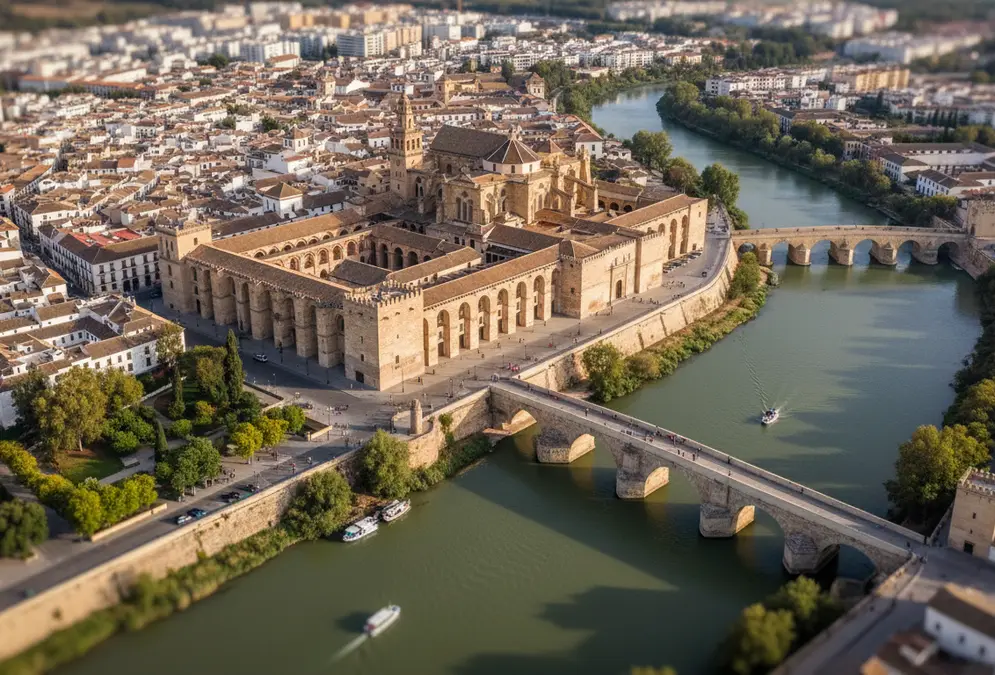
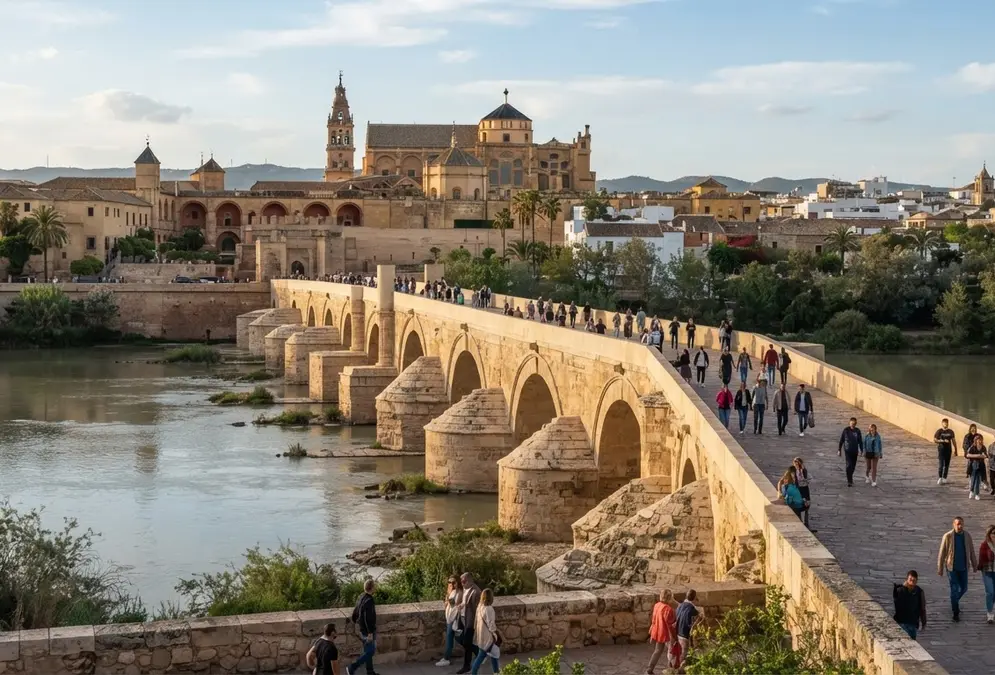
Aerial view of Córdoba's historic center featuring the Mezquita-Catedral and Guadalquivir River

Top 15 Highlights of Córdoba

The 15 essential experiences in Córdoba: monuments, activities, restaurants, dishes, and neighbourhoods that define one of Europe's greatest historic cities.

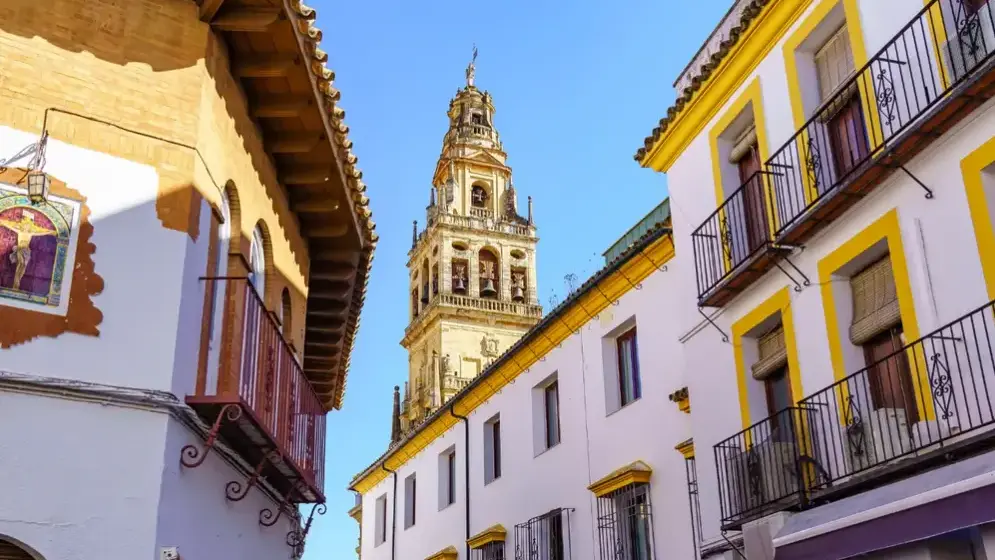
Two or three days in Córdoba, and you want to know what actually matters. Start with the Mezquita — not because every guide says so, but because nothing else in Spain prepares you for the moment you step from Andalusian sun into that forest of 856 columns, your sense of scale dissolving under the red-and-white arches. That experience alone justifies the journey. Then: the Alcázar gardens at dusk, the Roman Bridge at the hour when the bell tower catches the last light, an evening in the hammam that has been running in its 9th-century building since Abd al-Rahman II's Córdoba.

This list covers all 15 experiences worth anchoring your trip around — monuments, food, neighbourhoods, culture. Not ranked by fame but by what they actually deliver. The Mezquita goes first, without hesitation. But the Judería's whitewashed lanes at 8am, before the tour groups arrive. The cold shock of salmorejo on a hot afternoon. A flamenco show in a 16th-century vaulted room where the acoustics do things no microphone can replicate. These are the moments that stay.

The city holds three separate UNESCO World Heritage inscriptions — the Historic Centre (1984), Medina Azahara (2018), and the Patio Festival as Intangible Cultural Heritage (2012). Its flamenco tradition has held UNESCO recognition since 2010. Its food is championed by Spain's Royal Academy of Gastronomy. The depth is real. This list is a framework: use it to plan, adjust to your season and time, and let the city do the rest.

  1. 1
    Mezquita-Catedral de Córdoba

    Mezquita-Catedral de Córdoba

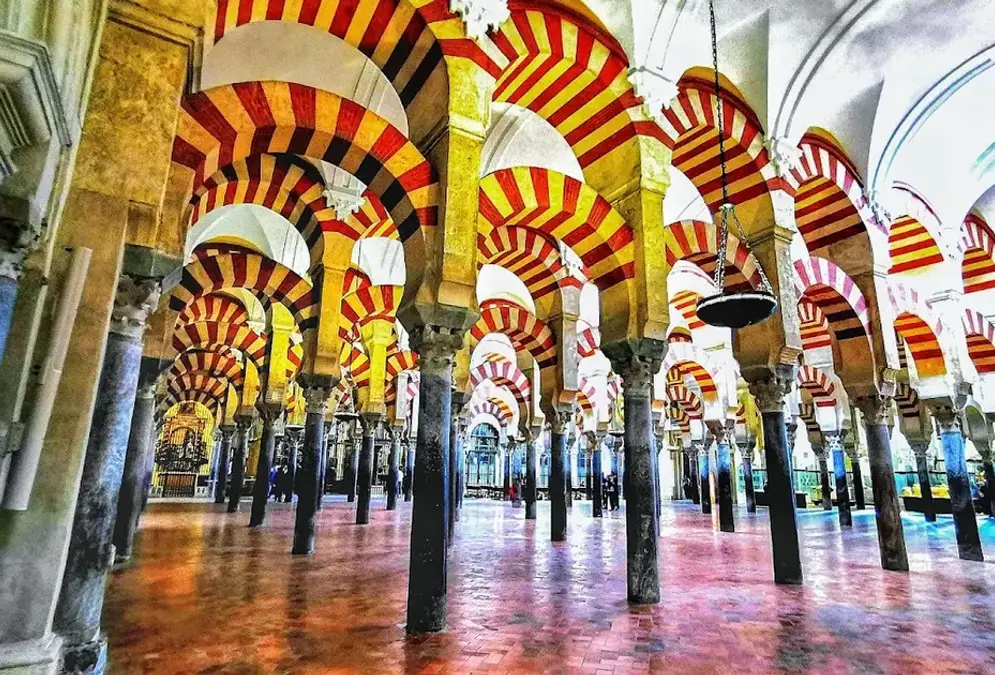
    You step from bright Andalusian sun into sudden cool, and your eyes adjust. Then the columns emerge — 856 of them, jasper and marble, holding up a canopy of red-and-white horseshoe arches that recedes further than the building seems to allow. A Renaissance cathedral was inserted into the heart of the prayer hall in 1523, a collision that still feels unresolved and is all the more extraordinary for it. A UNESCO World Heritage Site that rewards two hours minimum, and repays a guided tour with 1,300 years of layered history made legible.

    Discover
  2. 2
    Alcázar de los Reyes Cristianos

    Alcázar de los Reyes Cristianos

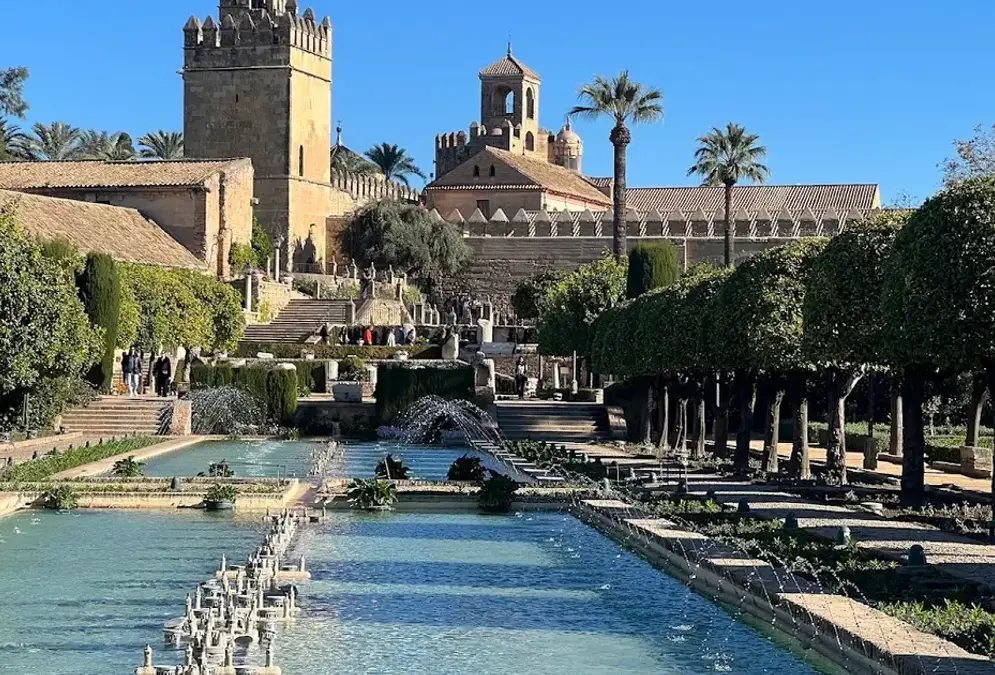
    Built in 1328 as a fortress for Alfonso XI, expanded by successive monarchs, and the place where Columbus laid out his voyage proposal to Ferdinand and Isabella. The building has real presence: four climbable towers, Roman mosaic displays, and terraced gardens on a Moorish geometric plan — geometric pools, clipped hedges, fountains still running on the original hydraulic system. Free on Tuesdays. The summer illuminated night visits transform the gardens into the most atmospheric hour you'll spend in Córdoba.

    Discover
  3. 5
    Patios de San Basilio

    Patios de San Basilio

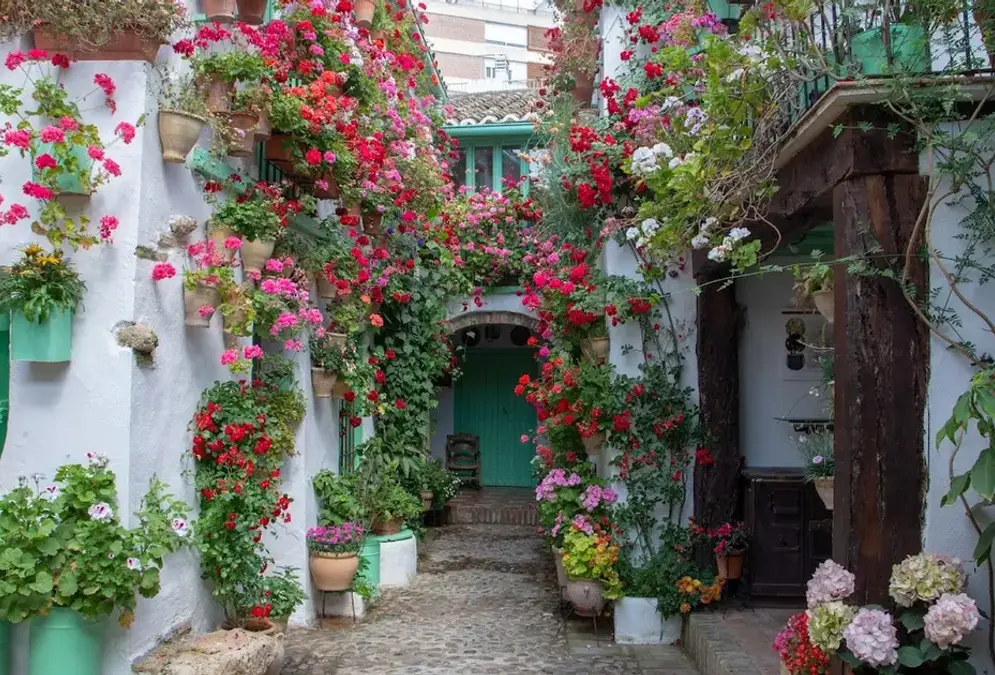
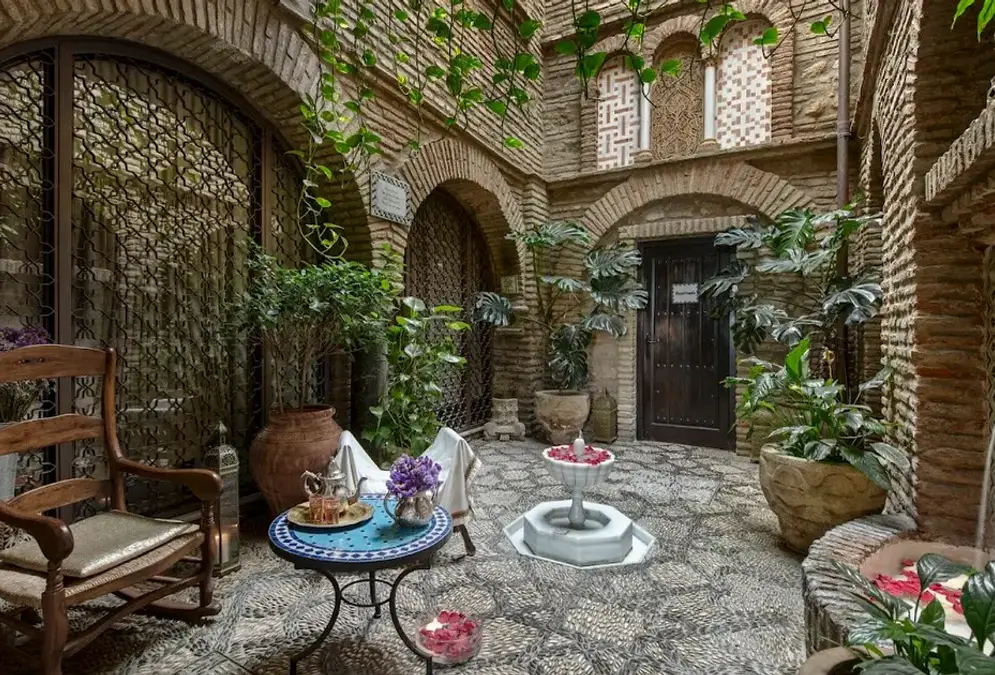
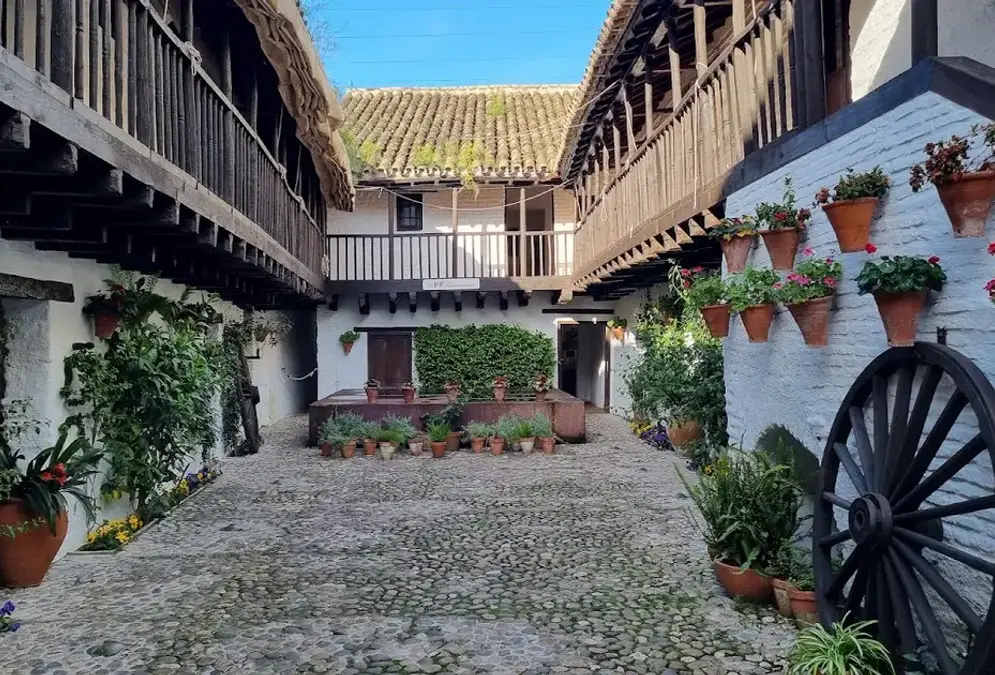
    San Basilio is where the Patio Festival was born — residential lanes off Calle San Basilio where households have maintained flower-filled courtyards for generations, geraniums and jasmine spilling over whitewashed walls. The patios are accessible year-round through the neighbourhood's public lanes, not just in May. Walking here tells you more about what the festival celebrates than any museum display — it shows Córdoba as a city people actually live in. The UNESCO intangible heritage listing confirms what any visitor can see.

    Discover
  4. 7
    Hammam Al Ándalus Arab Baths

    Hammam Al Ándalus Arab Baths

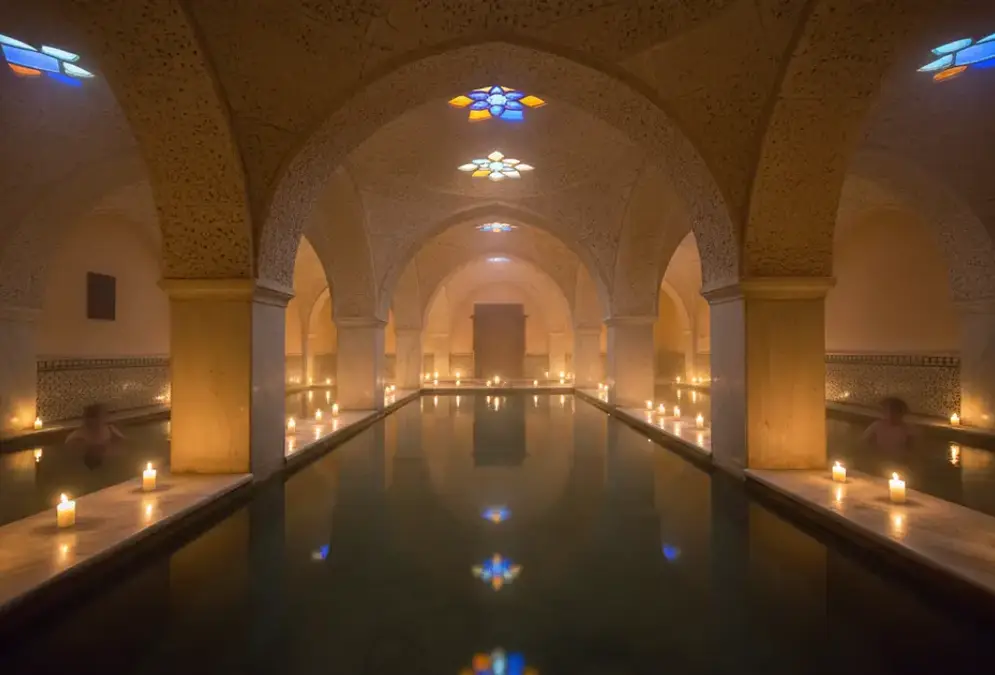
    Europe's largest Arab baths operate in a 9th-century building five minutes from the Mezquita, reviving a tradition that once ran through 600 public bathhouses across Caliphal Córdoba. The 90-minute thermal ritual moves through three pools at different temperatures plus a steam room. Book the late evening session — the last entries run until midnight, the candlelit vaults quiet after the day crowds are gone, and the mint tea in the relaxation room afterwards is a genuinely good end to any day.

    Wellness Discover
  5. 8
    Noor

    Noor

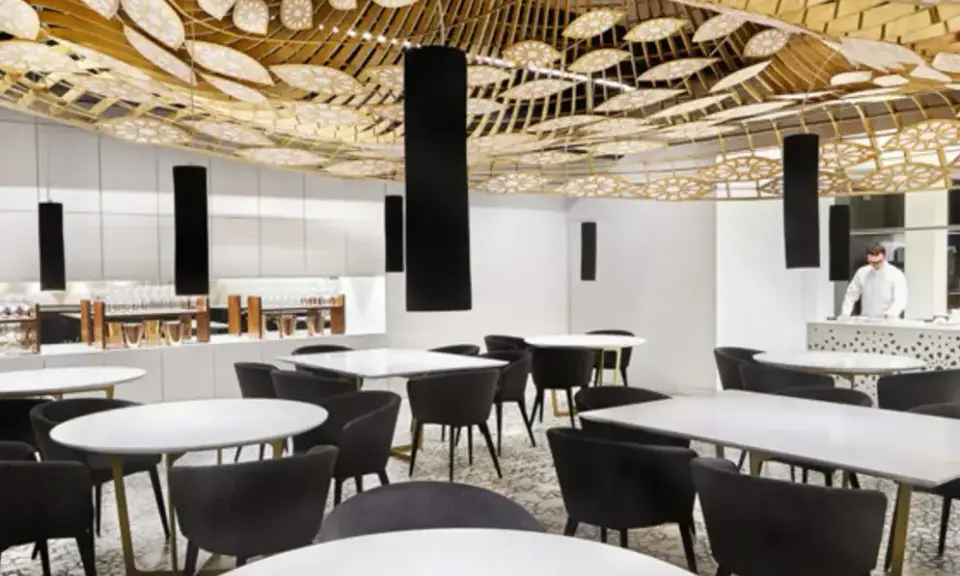
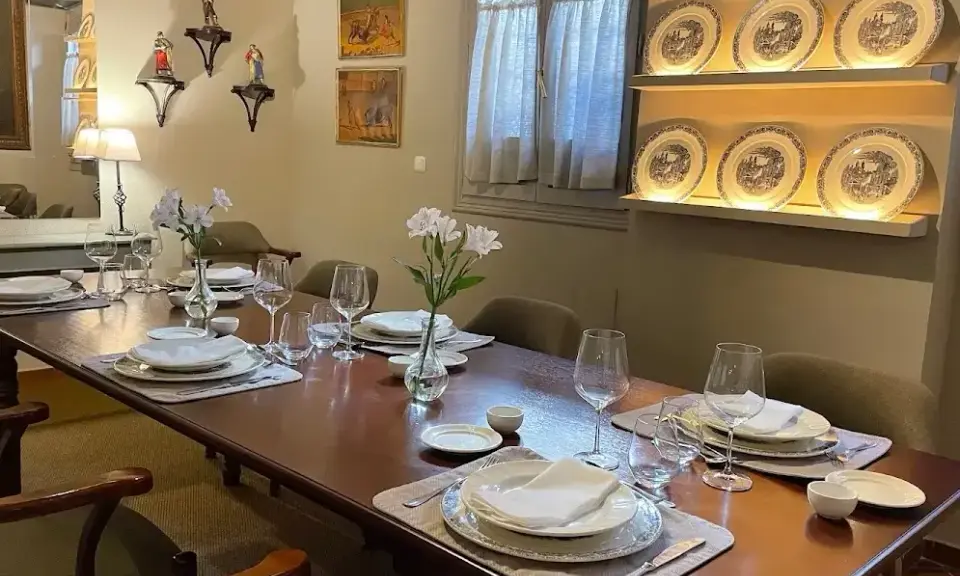
    Paco Morales spent years reconstructing Caliphal cuisine from medieval Arabic manuscripts. The result — 20 courses served under vaulted ceilings, using ingredients like mastic, nard, and sumac that disappeared from European cooking centuries ago — is the most intellectually unusual restaurant experience in Spain. Noor holds three Michelin stars, but the stars miss the point. This is gastroarchaeology, and there is nowhere else in the world doing it at this level.

    Gastronomic Discover
  6. 9
    Salmorejo

    Salmorejo

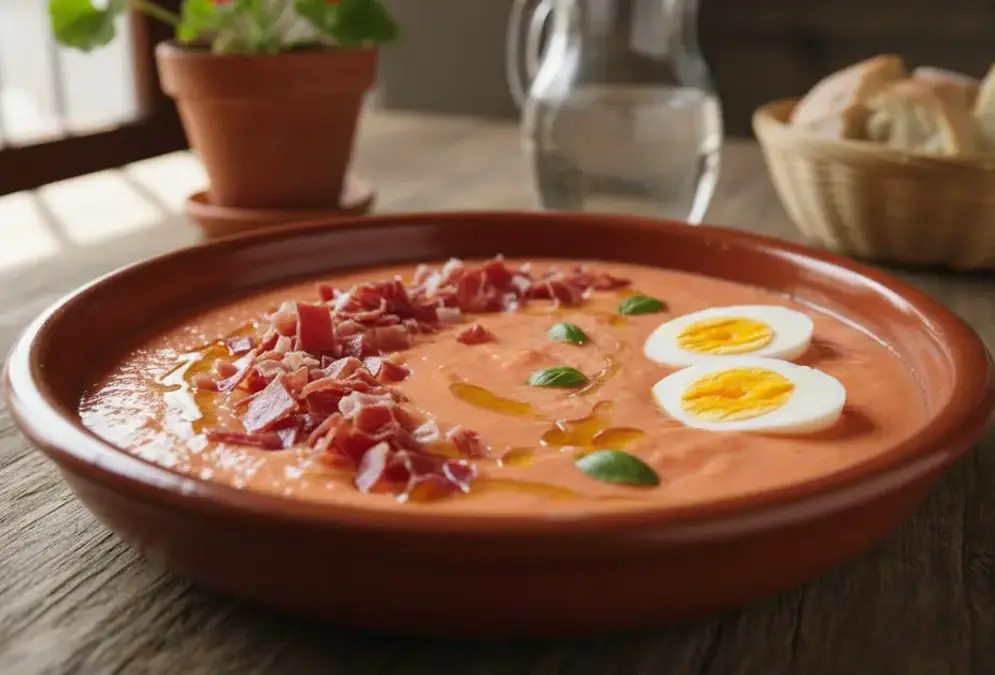
    Salmorejo is not gazpacho. It is thicker — a spoon stands in it — because the recipe uses stale bread to emulsify the purée of Andalusian tomatoes, garlic, and extra-virgin local olive oil. Topped with diced hard-boiled egg and serrano ham. Cold against summer heat. The version at Taberna Salinas or Bodegas Campos, made with in-season tomatoes to the traditional recipe, is one of those dishes where the simplicity turns out to be the point: five ingredients, no shortcuts, nothing to hide behind.

    Tapa Discover
  7. 10
    La Judería

    La Judería

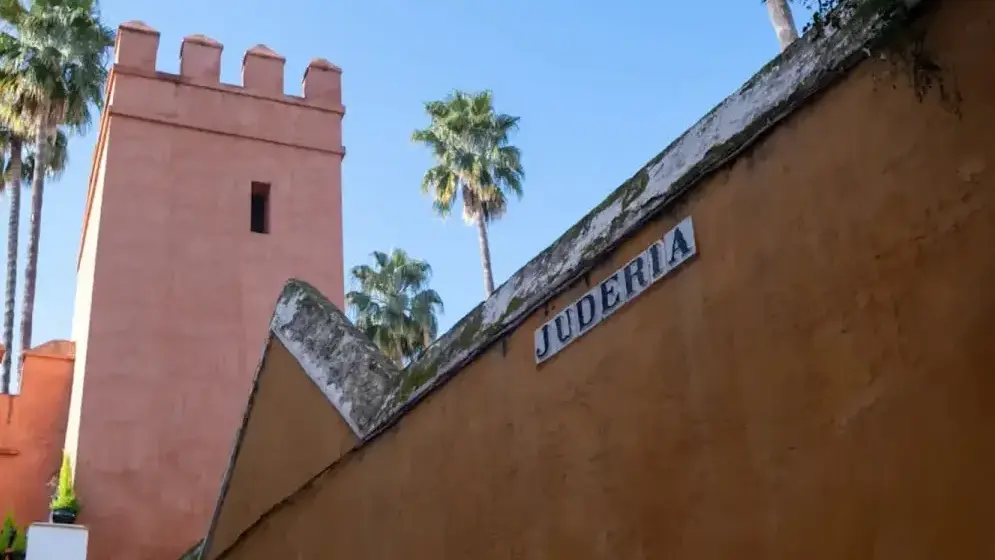
    A few hectares of medieval urban fabric between the Mezquita and the Alcázar: winding lanes, whitewashed walls, window boxes trailing geraniums, and one of only three medieval synagogues surviving in all of Spain. The Judería is the most intact medieval quarter in the country. The instinct is to follow a map; the right move is to put it away. The lanes dead-end and double back and lead you somewhere you weren't expecting, which is exactly how a neighbourhood that has been accumulating character for a thousand years should work.

    A labyrinth of whitewashed lanes and flower-filled patios where the echo of three cultures lingers Discover
  8. 12
    Horse Show at Caballerizas Reales

    Horse Show at Caballerizas Reales

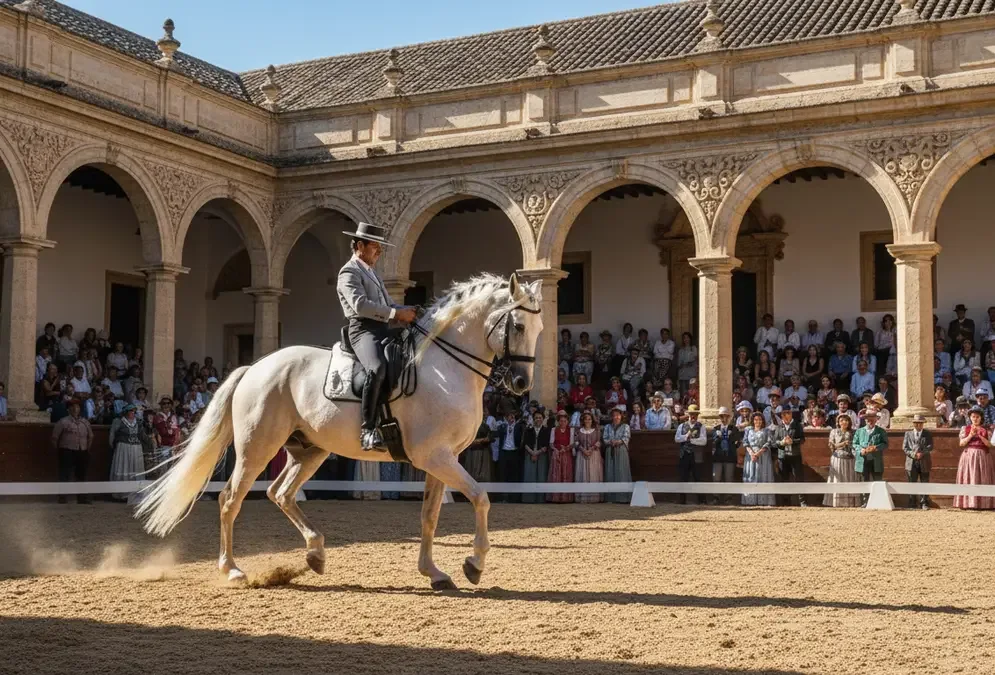
    Philip II built the Caballerizas Reales in the 16th century directly alongside the Alcázar, and the Royal Stables still function today — horses trained, kept, and performed in the same stone-vaulted building. The 45-minute show combines Andalusian dressage with flamenco, two traditions that developed alongside each other in this region. The setting — sand floor, stone arches, working stable smells — adds something that a purpose-built venue simply cannot.

    Show Discover
  9. 13
    Córdoba Food Tour

    Córdoba Food Tour

    Three hours walking the historic tabernas, eating as you go: salmorejo, flamenquín, rabo de toro, berenjenas con miel, Montilla-Moriles wines at each stop. A guided food tour does something a restaurant meal doesn't — the guide distinguishes between the traditional recipe and the tourist-menu shortcut, names the producers behind the olive oil, explains what makes Cordovan cuisine specifically Cordovan rather than generically Andalusian. By the end, you eat differently for the rest of the visit.

    Food & Drink Discover
  10. 15
    Caliphal Baths (Baños del Alcázar Califal)

    Caliphal Baths (Baños del Alcázar Califal)

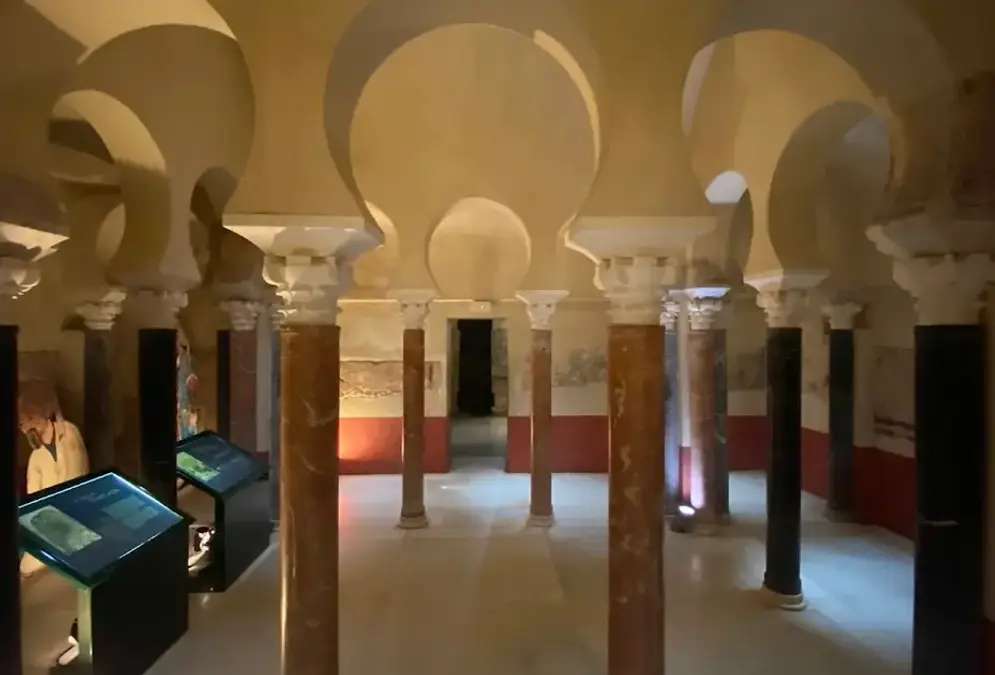
    Under the Campo Santo de los Mártires square, just beside the Alcázar, 10th-century hammam remains sit undisturbed: intact heating channels, marble pools, star-shaped skylights. Caliph Al-Hakam II built them at the peak of Caliphal Córdoba, when the city had 600 public bathhouses. Almost no visitors know this exists — the entrance is easy to miss, the queue is never more than a few people, and the 30 minutes and €3 you add to an Alcázar visit pay off in the most intimate encounter with the Islamic city available anywhere in Córdoba.

    Discover

Reporter notebook

Insider tips

Practical observations gathered the way a local journalist would keep them: short, specific, and more useful than brochure copy.

Best time

The Juderia Before 9am

The Jewish Quarter is a different place before 9am — no tour groups, no souvenir stalls open, just residents watering their patios and the sound of church bells. Walk it early for the atmosphere that centuries of history have deposited there.

Crowd tip

Skip the Mezquita Queue Entirely

Book a guided tour with skip-the-line access rather than buying tickets at the door. In April, May, and October, the general queue can exceed 90 minutes. The guided tour costs an additional 10 euros but saves hours and transforms the visit.

Money tip

The Free Highlights Circuit

Several of Cordoba's best experiences cost nothing: the Roman Bridge at any hour, the San Basilio patios year-round, the Centro Flamenco Fosforito (free entry plus free Sunday recitals), and the Mezquita itself during the free morning window. A full day of world-class heritage for zero euros.

Local custom

Lunch Is the Main Event

In Cordoba, the midday meal between 14:00 and 16:00 is the serious one — larger portions, better value menu del dia deals, and kitchens operating at full power. Dinner is lighter and later. Plan your biggest restaurant experience at lunch, not dinner.

Practical Tips

A visitor who works through Córdoba's highlights in three focused days — monuments in the morning, food and culture in the afternoon, bars and flamenco in the evening — will come away with a genuinely complete picture of one of Europe's most historically dense cities. The practical priorities: book the Mezquita guided tour and Hammam Al-Ándalus before you arrive, reserve Noor or Bodegas Campos for a special meal, and save the Medina Azahara excursion for your clearest morning. The Judería is best experienced at its quietest — before 9am and after 7pm — when the lanes belong to residents and the atmosphere that centuries of history have deposited there is most legible. Everything else on this list fills naturally around those fixed points.

Frequently asked questions

How many days do you need in Córdoba to see the highlights?

Three days is comfortable for the top 15 highlights without rushing. Two days covers the essential five (Mezquita, Alcázar, Roman Bridge, Judería, hammam or flamenco). One day is possible but means choosing — the Mezquita alone deserves two hours minimum with a guide.

What is the single best thing to do in Córdoba?

The Mezquita-Catedral with a guided tour — no other experience in the city combines architectural grandeur, 1,300 years of layered history, and sheer visual impact in the same way. The building is genuinely singular in all of Europe and rewards however much time you give it. Everything else in Córdoba is a complement to this experience.

Is Córdoba worth visiting for just one day from Seville or Granada?

Yes, but prioritise ruthlessly. A day-tripper should focus on the Mezquita (2 hours with guide), the Judería lanes and Calleja de las Flores, the Roman Bridge at sunset, and lunch at a traditional taberna. Skip the Alcázar (save for a return visit) and Medina Azahara (too rushed for a day trip). The high-speed train from Seville takes 45 minutes; from Granada, 1 hour 45 minutes.

What is the best time of year to visit Córdoba?

April, May, October, and November are the ideal months — mild temperatures (18–26°C), full daylight for sightseeing, and the Patio Festival in May (the city at its most extraordinary). July and August are brutally hot (routinely 38–42°C) but accommodation is cheaper and the city quieter mid-afternoon. December through February is cold but uncrowded.

Is Córdoba safe for tourists?

Córdoba is one of the safest cities in Spain. Petty theft in tourist areas (pickpocketing near the Mezquita entrance) is the primary concern — keep bags zipped and phones pocketed in crowds. The Judería and historic centre are generally safe at all hours, including late night. Standard city precautions apply; there are no neighbourhoods visitors need to avoid.