Interesting Facts About Córdoba, Spain Most Visitors Miss
Thirteen facts about Córdoba, Spain beyond the Mezquita: a Roman bridge, a temple under city hall, a caliphal city of unknown size, patios and white soup.
Córdoba is an Andalusian city on the Guadalquivir and the former capital of the Caliphate of Córdoba, with four UNESCO World Heritage designations. Two days cover the essentials; three is the sweet spot. Here is what we think each one is worth.
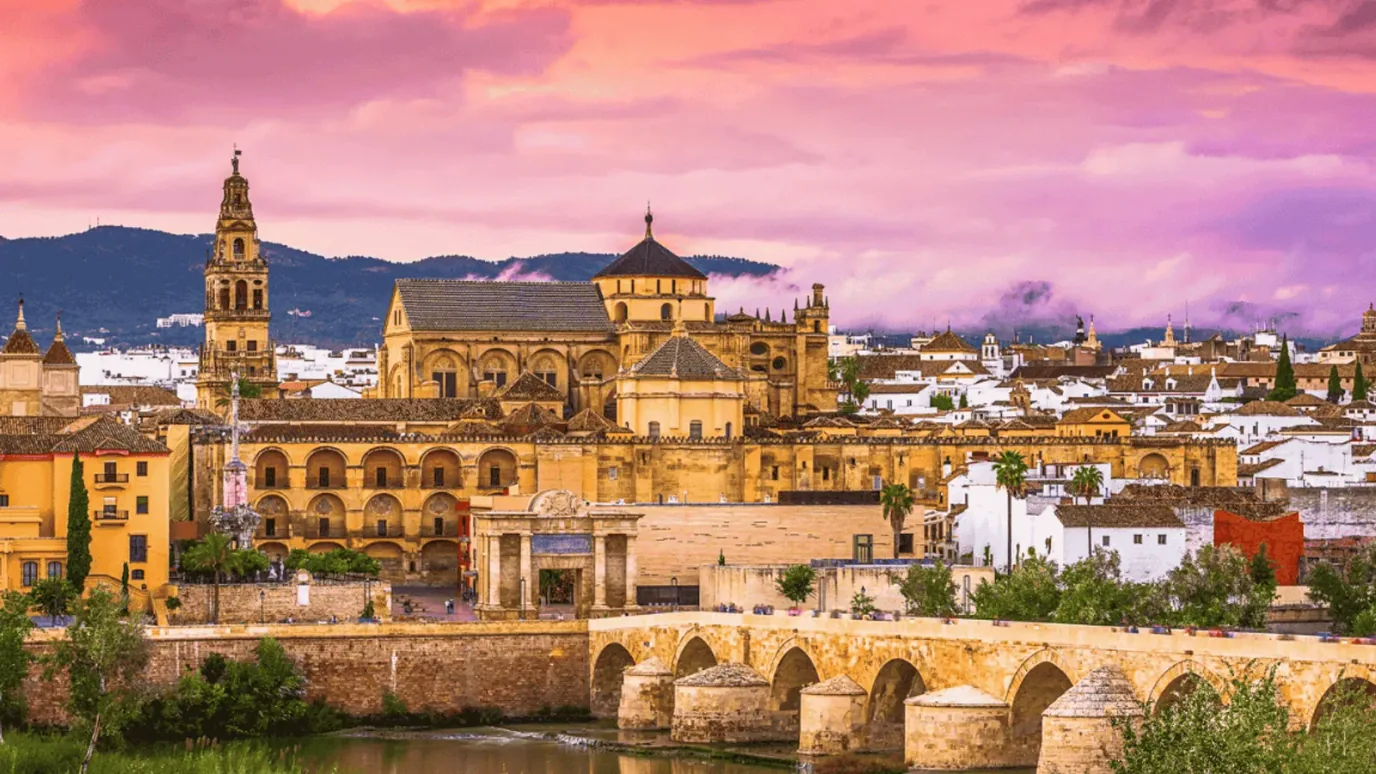
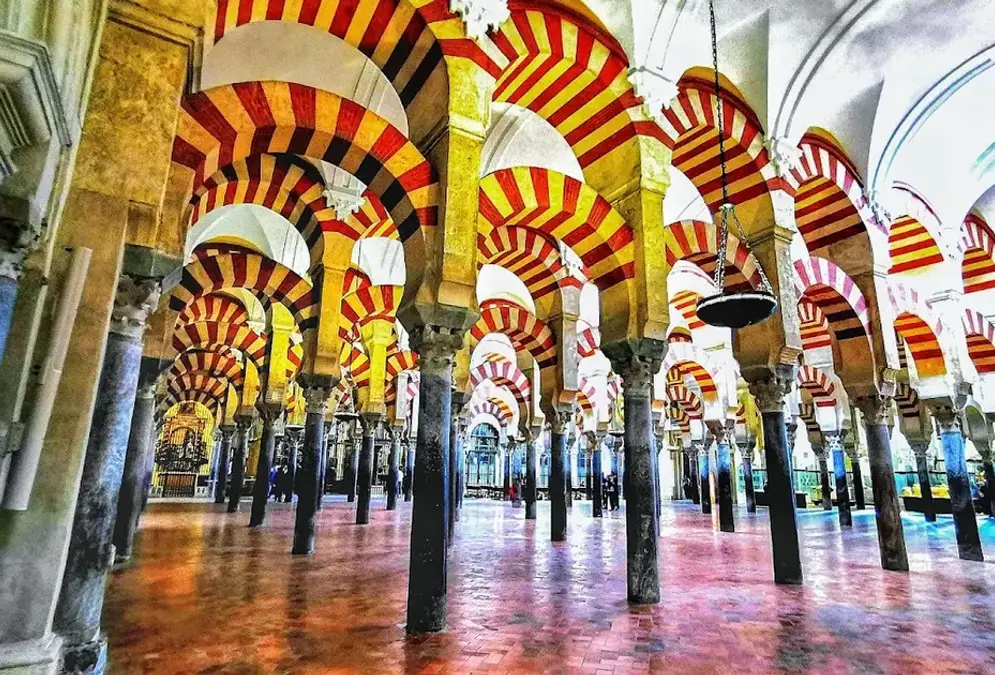
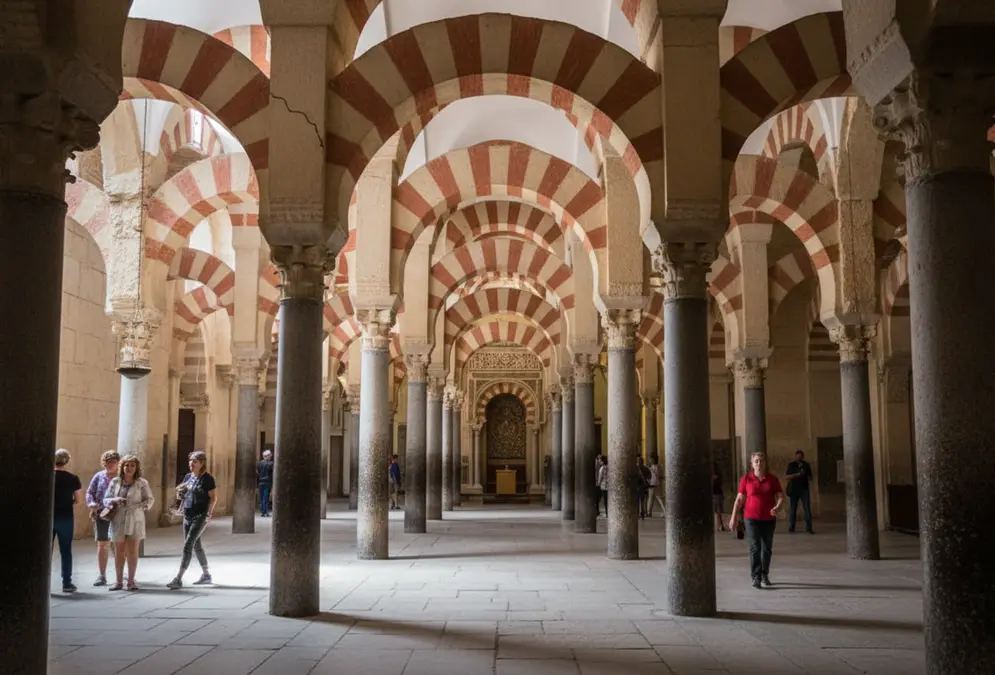
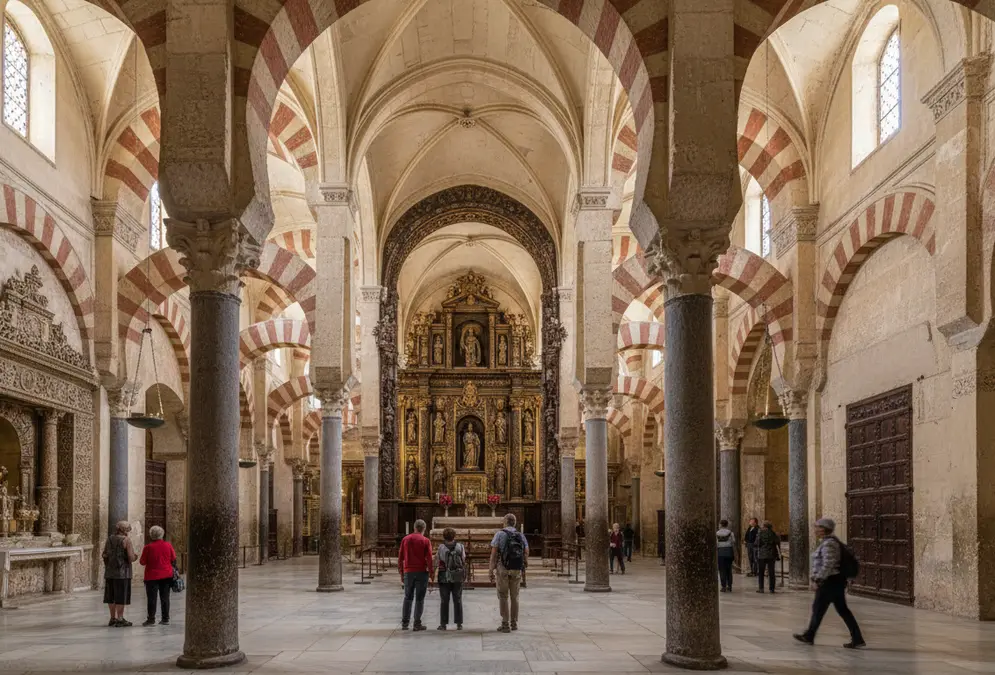
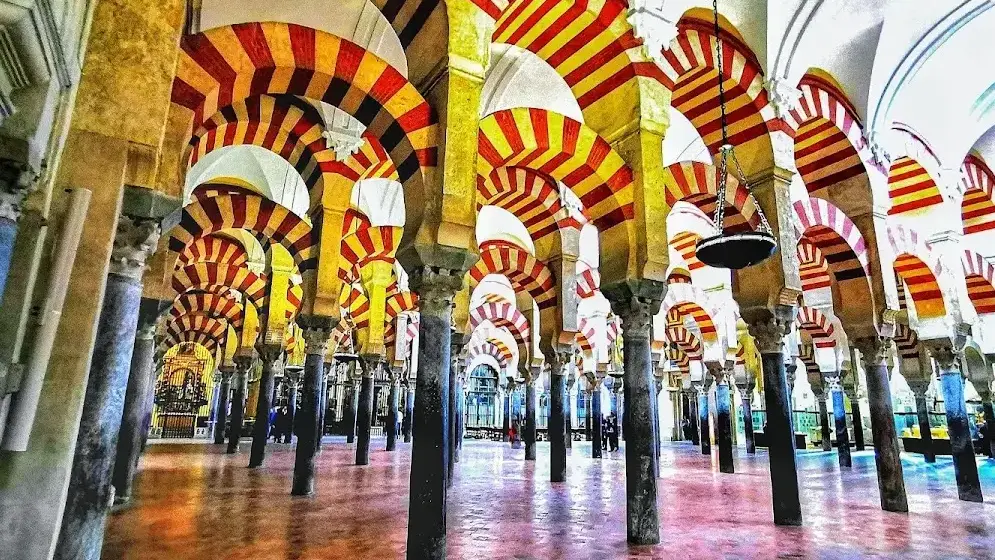
Walk straight into the forest of columns. Save the Patio de los Naranjos and the facade for the end, once the interior has started to thin out.
€15 general. Free Mon to Sat, 8:30 to 9:30 am
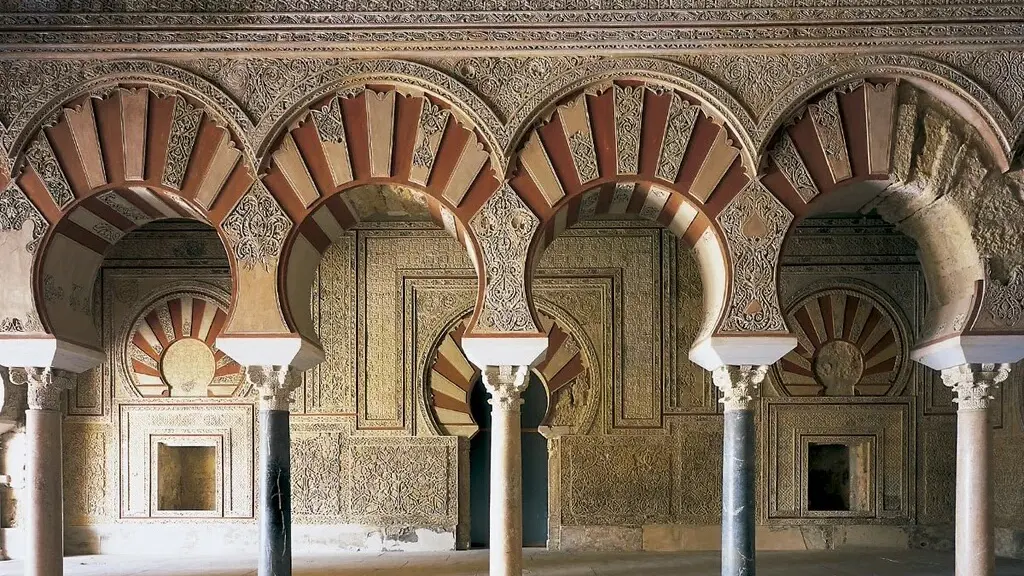
The on-site museum turns the ruins from rubble into architecture. Allow 45 minutes for it, and book the shuttle slot a few days ahead in high season.
8 km west. Free for EU citizens, €1.50 others
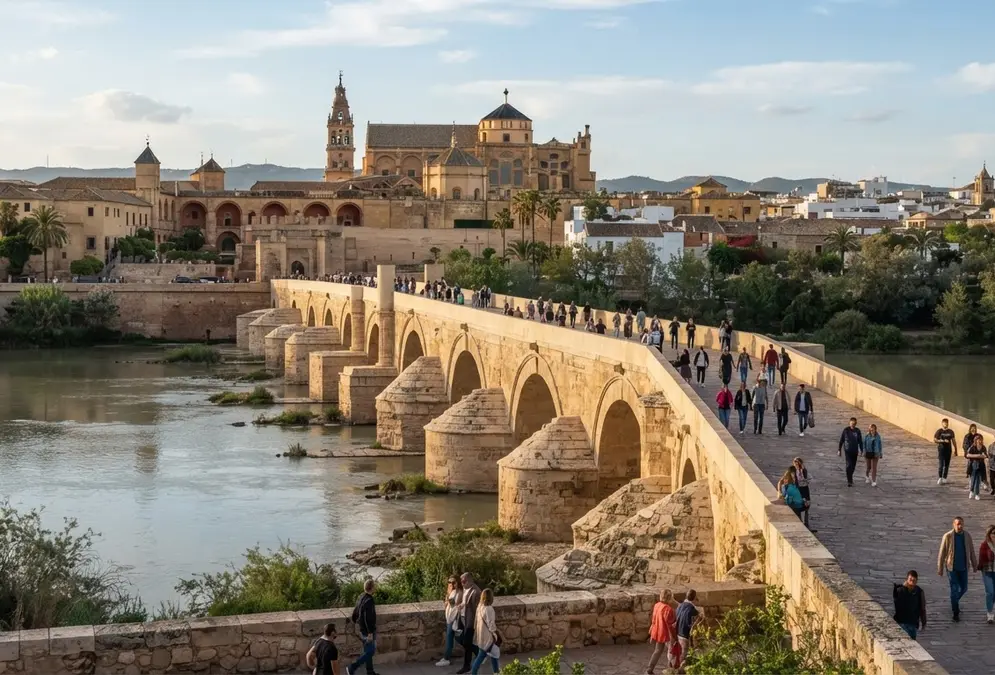
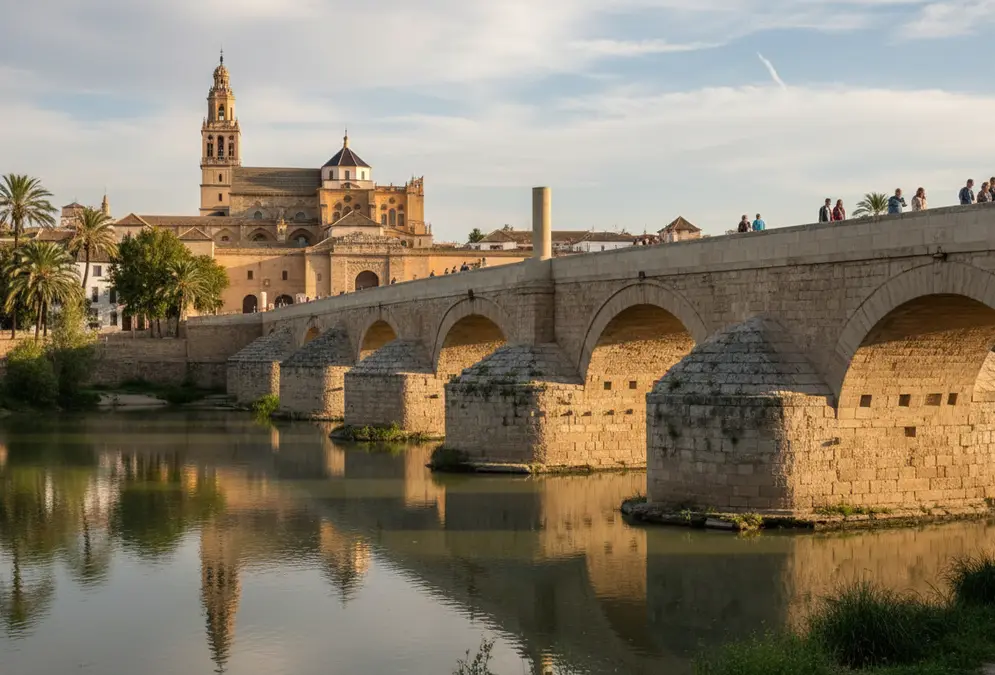
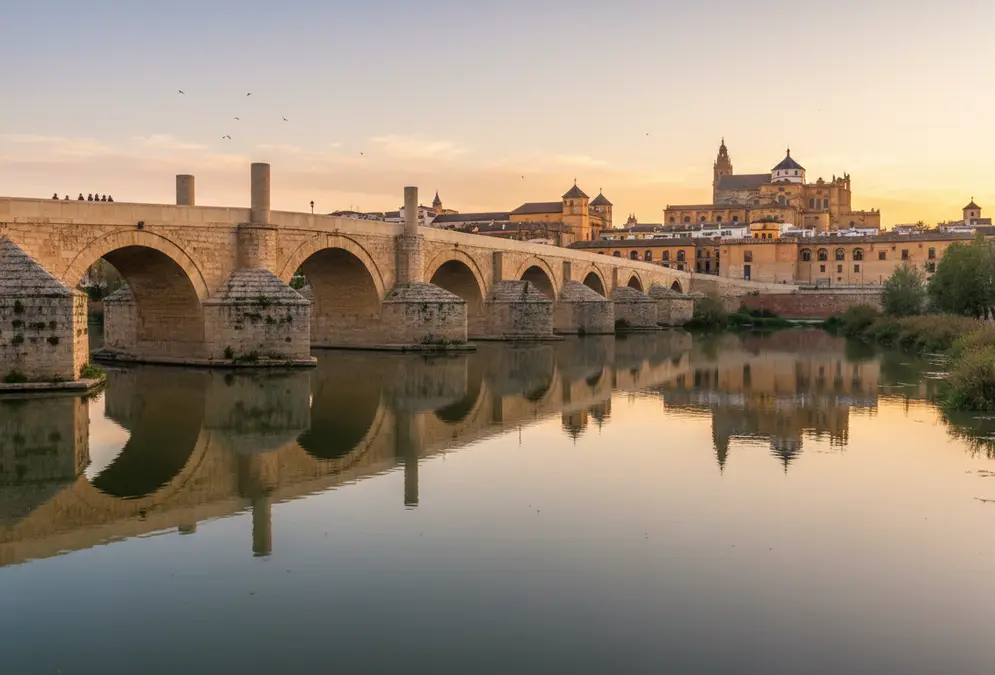
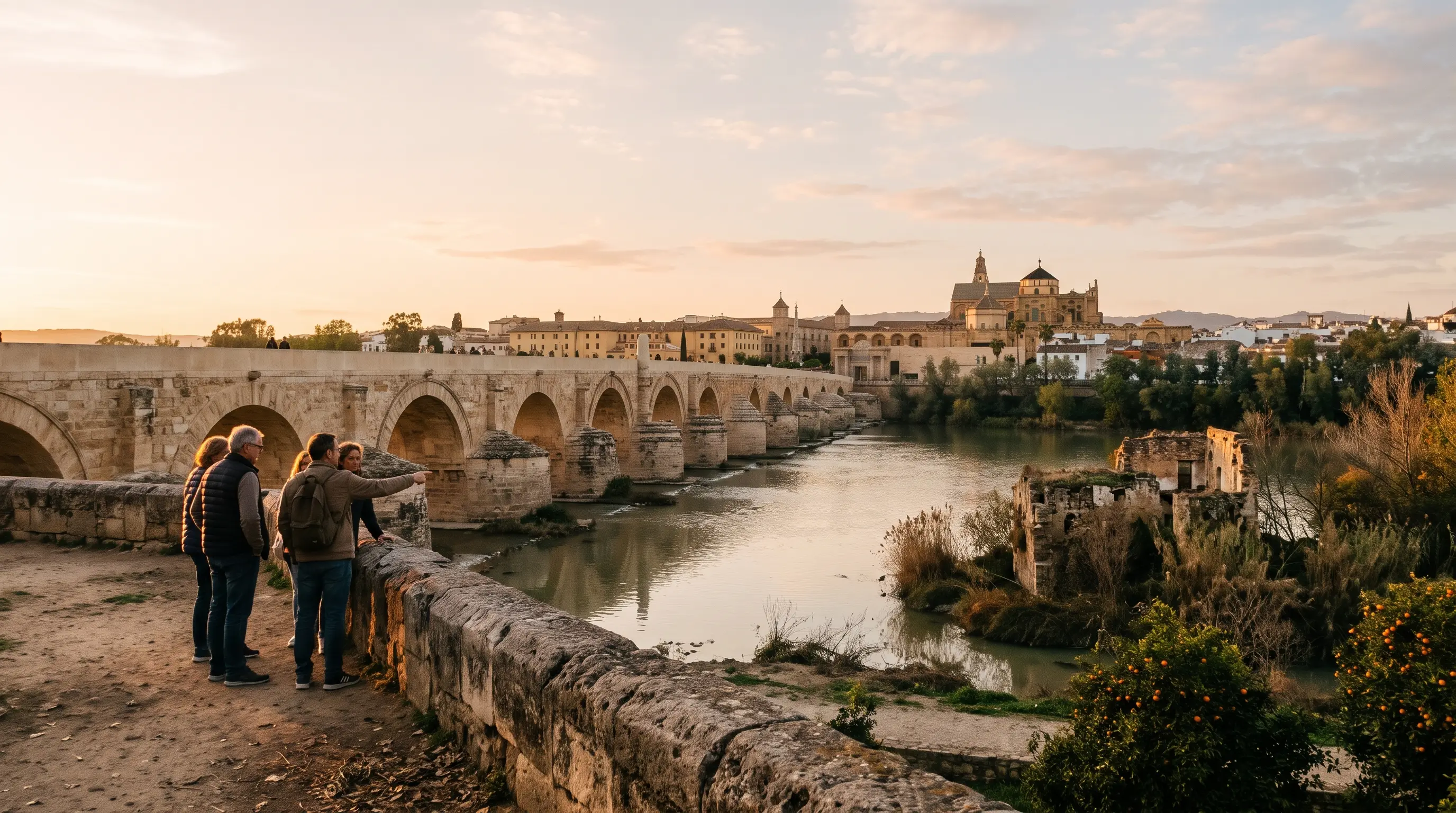
Cross to the Torre de la Calahorra side for the full 16-arch span with the Mezquita behind it, then climb the tower: most visitors miss the rooftop.
Bridge free, 24 hours. Tower €4.50
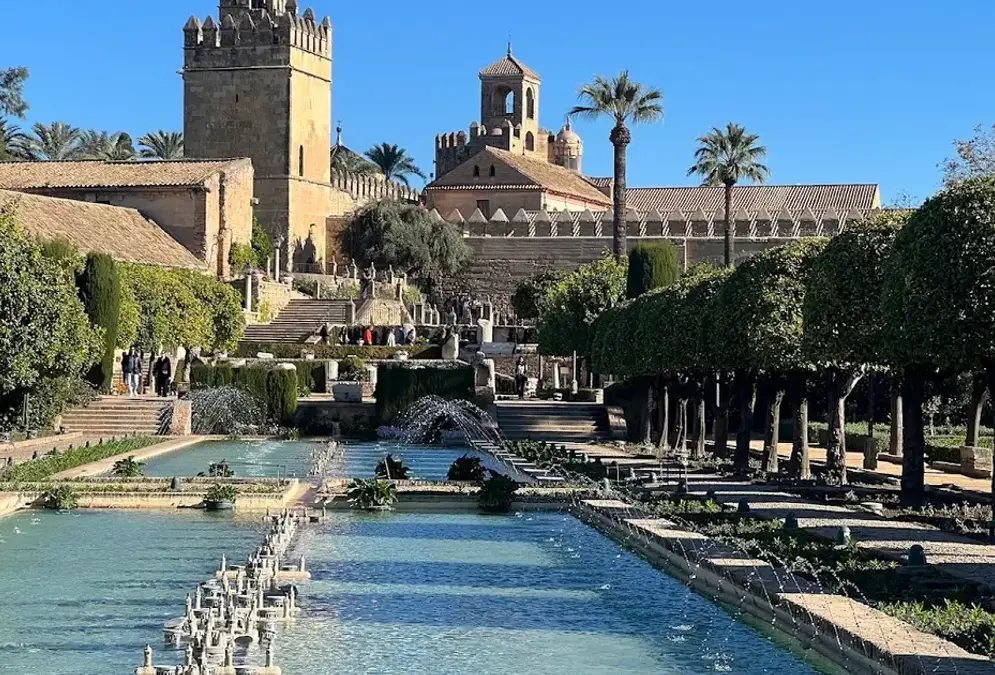
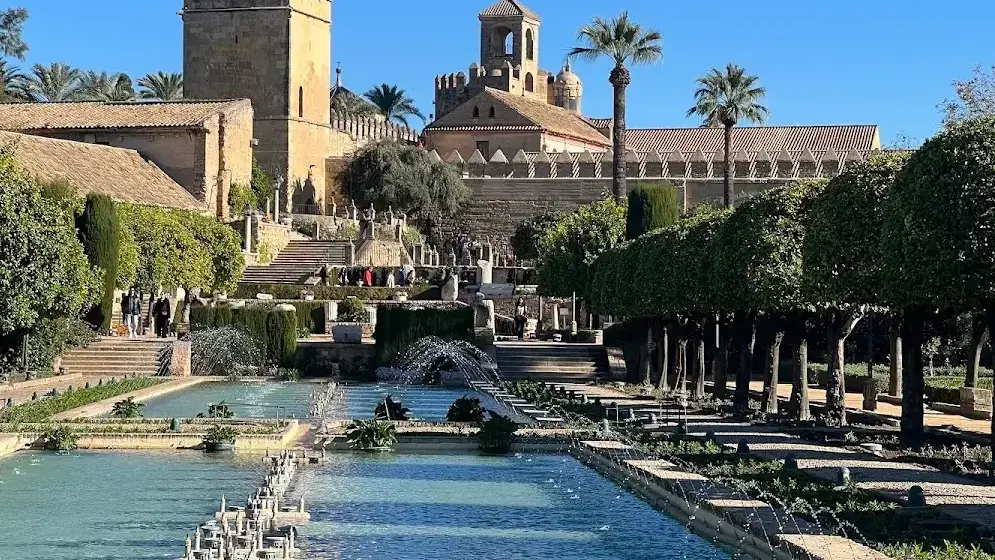
Free Tuesday entry draws big crowds at opening. Come after 4 pm, Tuesday to Friday: the queues thin out and the light over the gardens is better. Saturdays close at 5:30 pm, Sundays at 2:15 pm.
€7 adult. Free on Tuesdays, closed Mondays
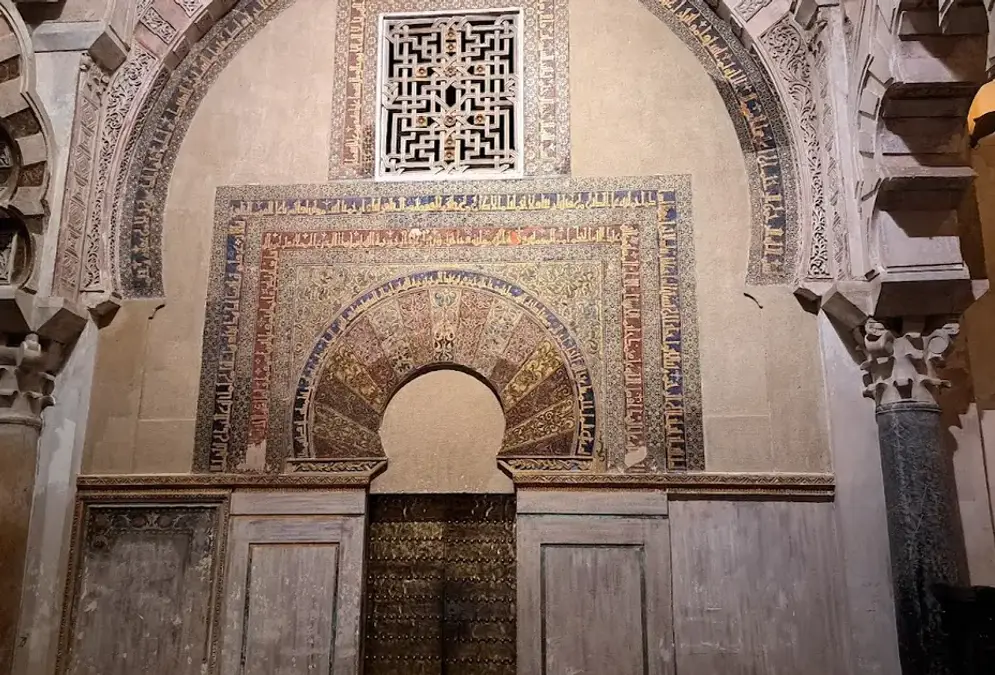
Small enough to appreciate fully in 20 minutes without a guided tour. Between 9 and 11 am the morning light picks out the Mudéjar stucco.
Built 1315. Free for EU citizens, €0.30 others
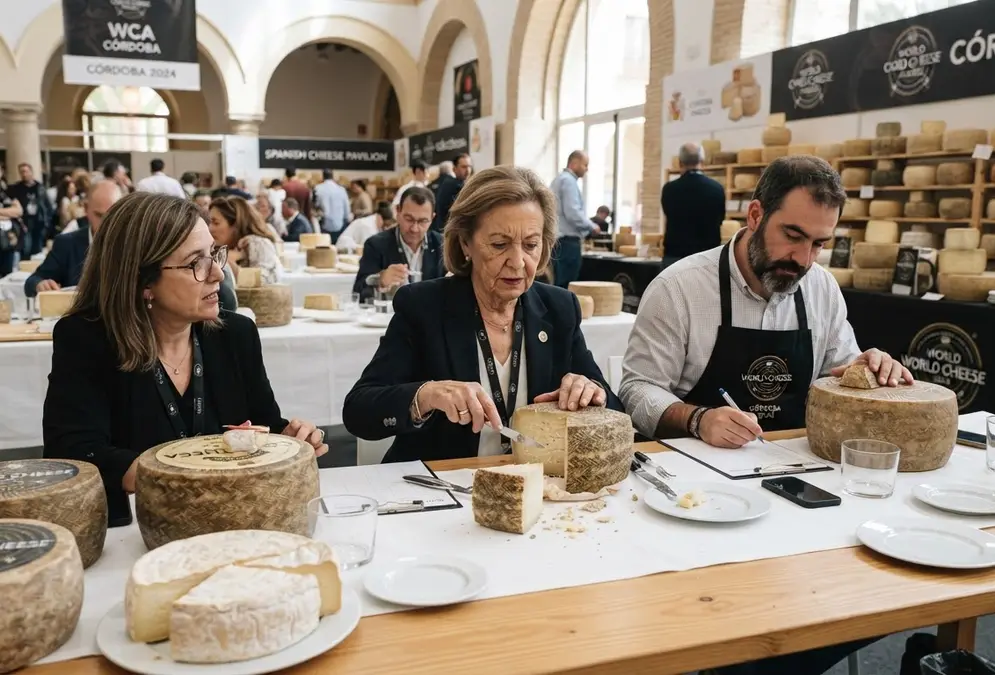
Public Cheese Market, tastings and a dairy forum. Over 5,000 cheeses are judged on day one.
12–15 Nov 2026, Centro de Exposiciones
Tours are selected for quality, not commission. We earn a small fee if you book — at no extra cost to you.
Pick the length of your stay; each plan puts the essentials above in the walking order that works.
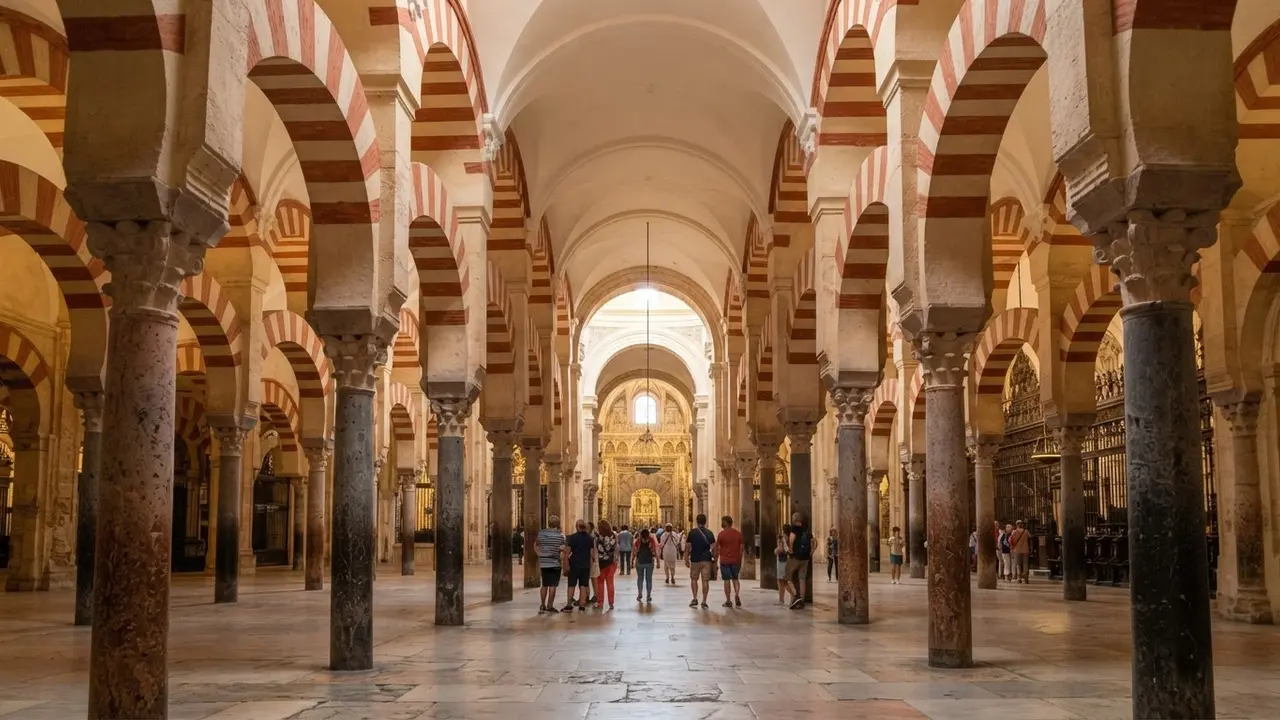
Córdoba's three UNESCO sites sit within 15 minutes on foot. This hour-by-hour plan has you at the Mezquita by 10am, before tour groups crowd the striped arches.
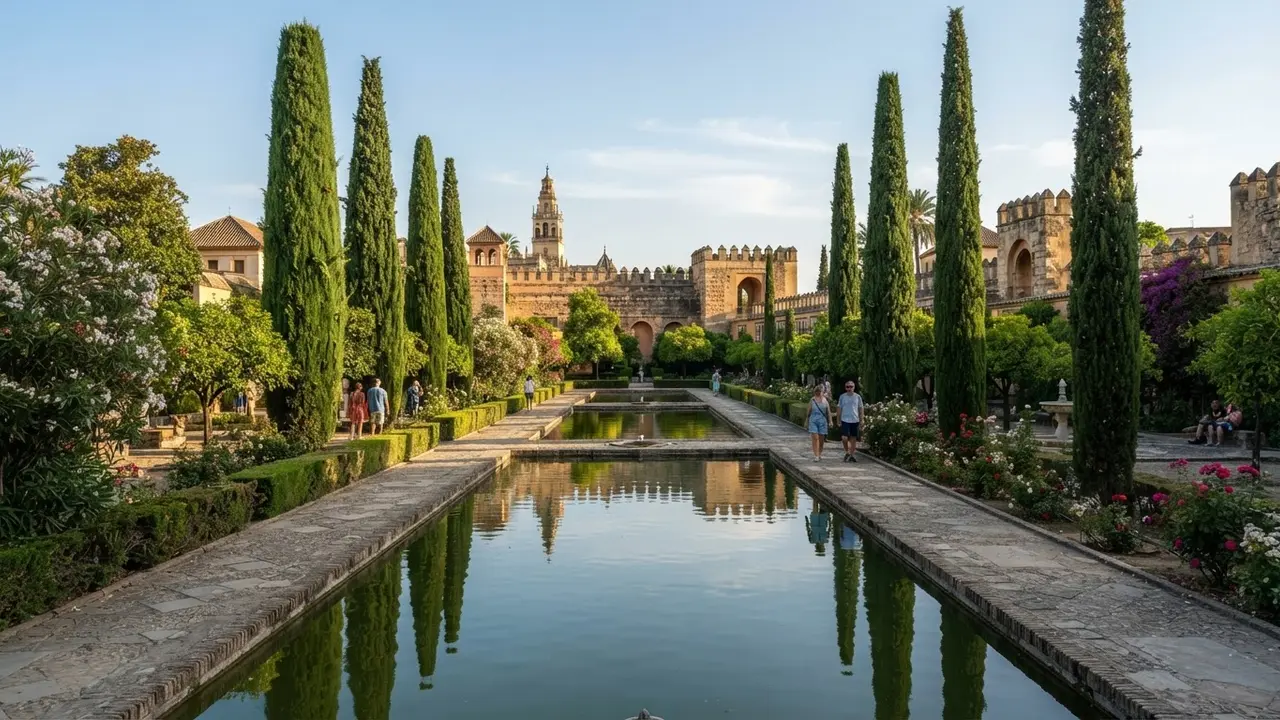
Day 1 covers the historic centre: Mezquita, Judería, and Alcázar. Day 2 pushes out to Medina Azahara and a hammam. All four UNESCO sites, 48 hours, one plan.
Mezquita, Alcázar, Medina Azahara, patios and authentic neighbourhoods. Day-by-day walking programme.
When to come and what to book before you leave home. Still deciding? Read how many days in Córdoba you need, or browse things to do in Córdoba.
April and May bring the Patio Festival and the year's best temperatures; September and October match the weather with thinner crowds. July and August regularly pass 40°C. Winter is quiet season. The month-by-month weather guide
Book ahead, especially in April and May, with a skip-the-line guided tour . Free entry Monday to Saturday from 8:30 to 9:30 am is first come, first served: arrive by 8:00 in high season.
You cannot drive to the ruins. Cars stop at the visitor centre and a shuttle takes you up; book its time slot online.
The AVE takes 1h45 from Madrid and 45 minutes from Seville. The station is a 15-minute walk from the historic centre.
A mid-range day runs €60–120 per person: a central room, the Mezquita and one or two other entries, and two meals out. For less, see Córdoba on a budget.
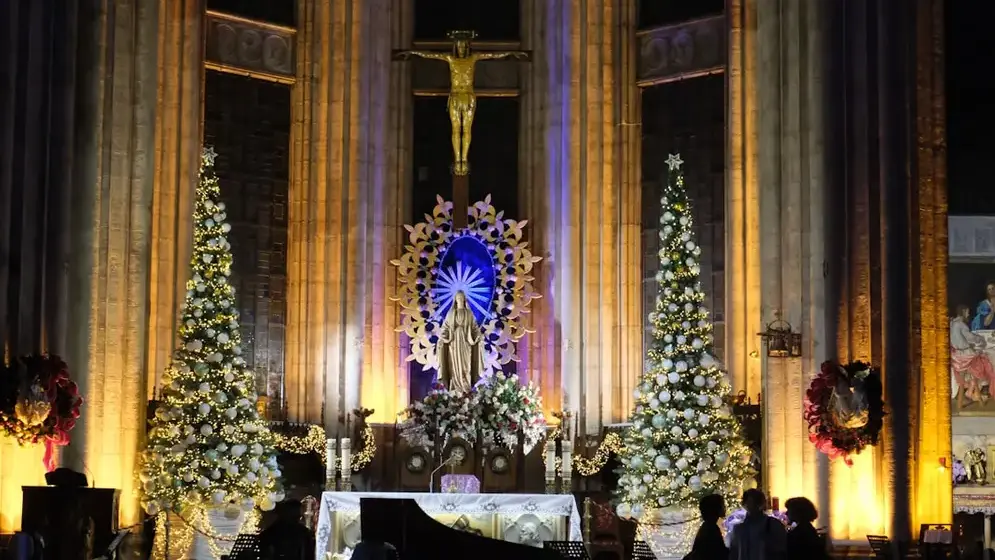
Autumn is the calm high-value season: harvest in the wine country, softer light and easier bookings. Most of what follows is free to attend.
| When | Event | Where | Entry |
|---|---|---|---|
| 1 Dec 2026 – 6 Jan 2027 | Plaza de las Tendillas, historic centre | Free | |
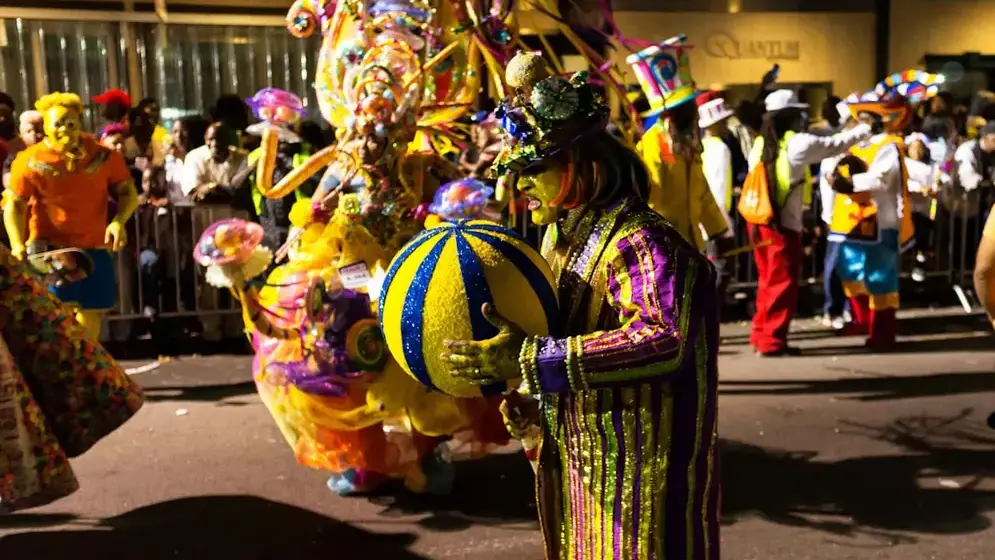
| 26 Jan – 21 Feb 2027 | Gran Teatro, historic centre and neighbourhoods | Free (Gran Teatro contest tickets extra) | |
| 28 Feb 2027 | Plaza de las Tendillas, monuments and city squares | Free | |
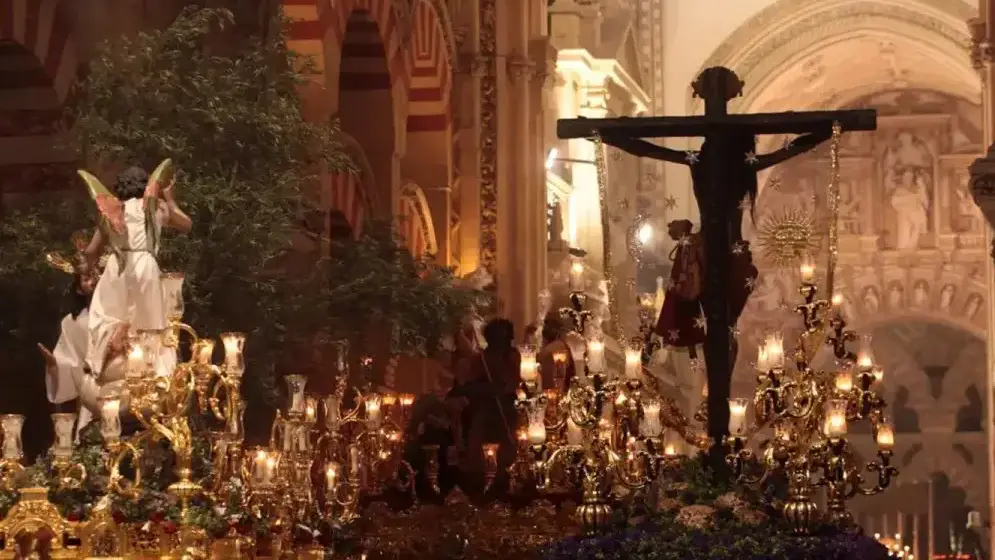
| 21–28 Mar 2027 | Historic centre, Carrera Oficial | Free to watch from the street | |
| 25 Apr 2027 | Paseo de la Victoria and Avenida República Argentina | Free | |
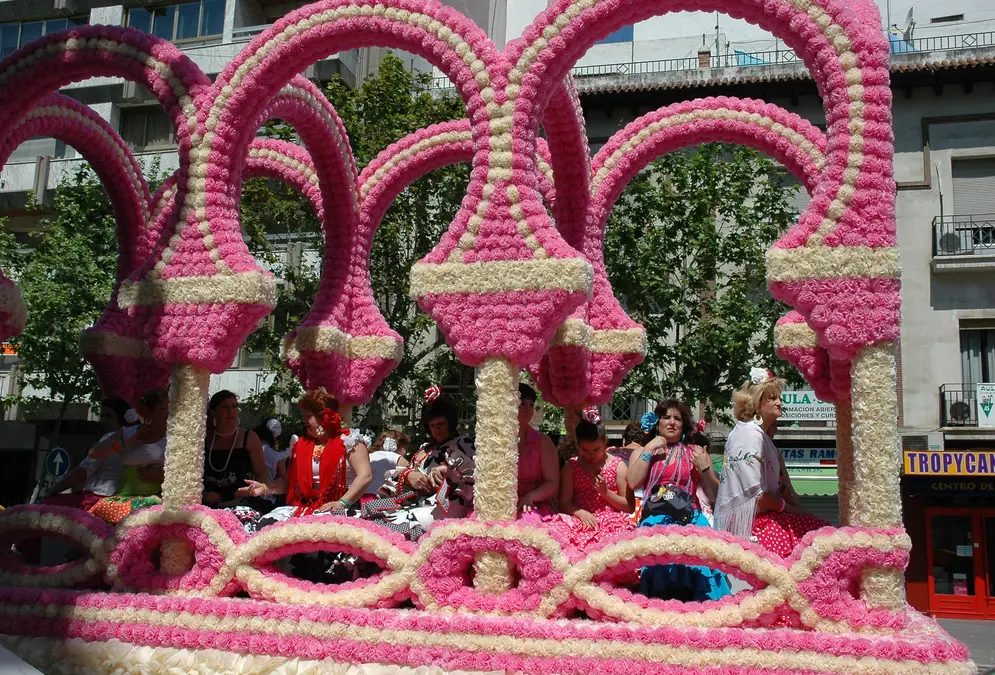
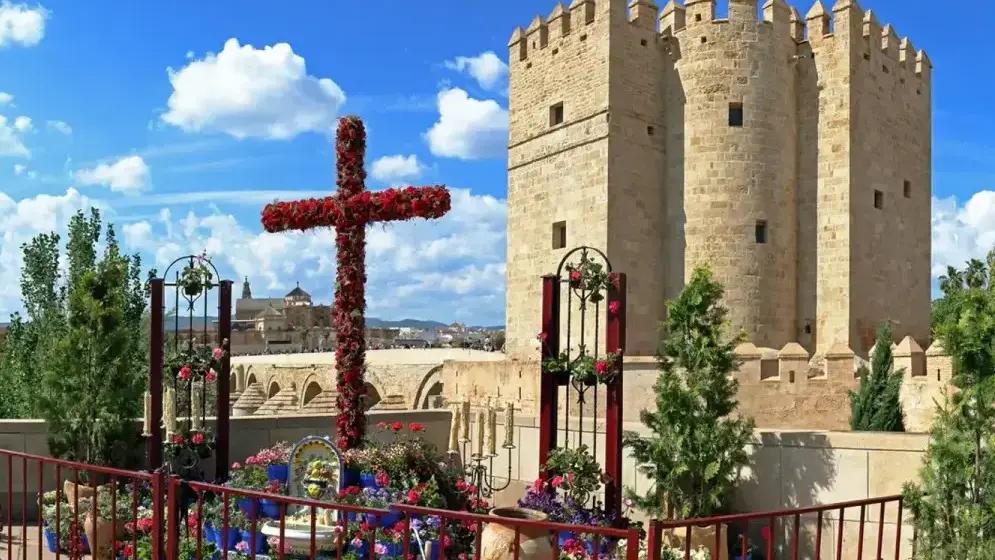
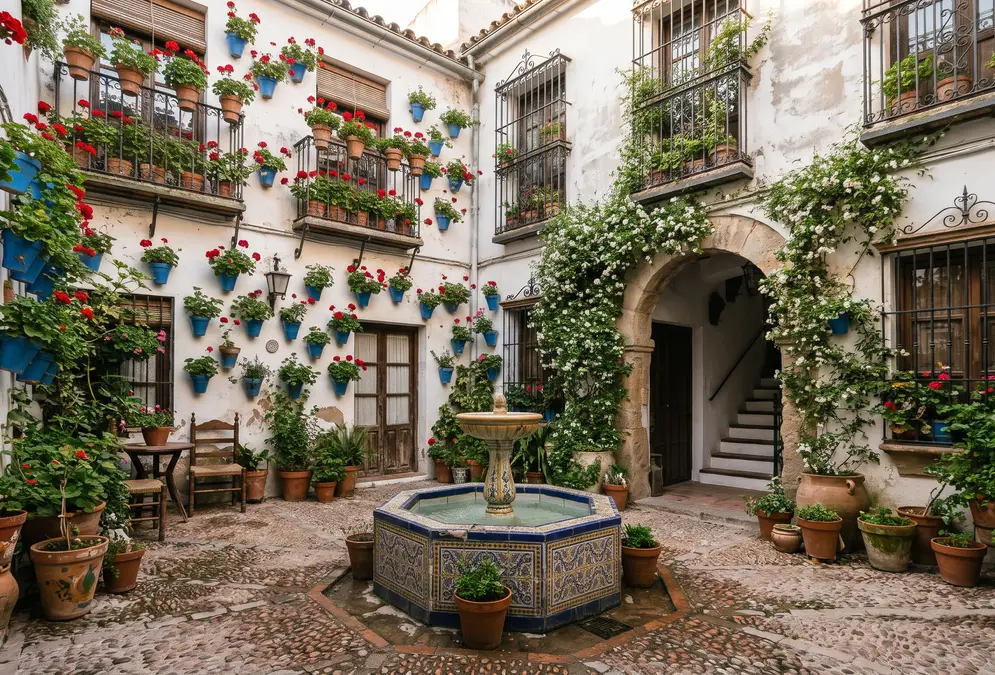
| 28 Apr – 2 May 2027 | Squares and streets in the historic centre and surrounding neighbourhoods | Free | |
| 3–16 May 2027 | Historic quarters | Free | |
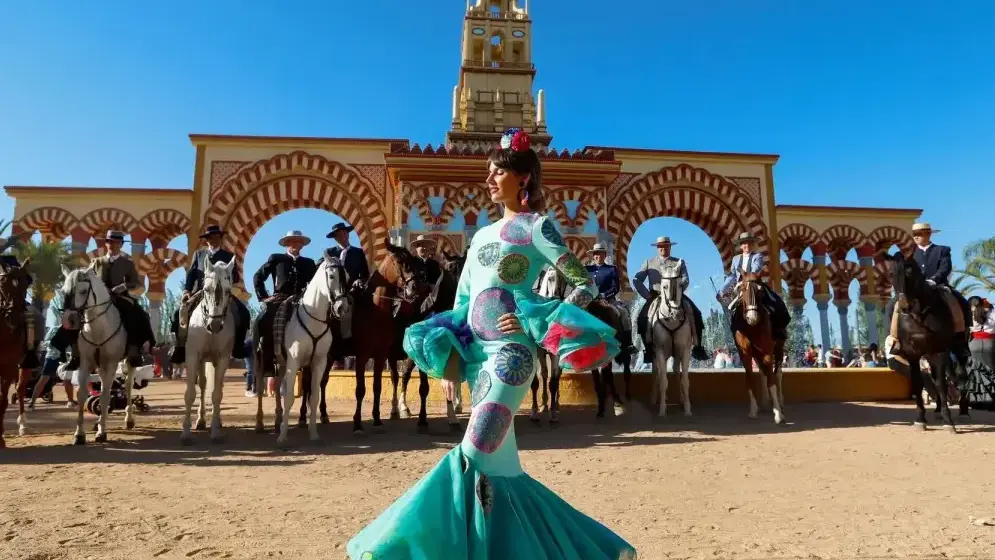
| 22–29 May 2027 | El Arenal, banks of the Guadalquivir | Free entry (public casetas) |
The full festival calendar Holy Week guide Patio Festival guide Where to stay for the May festivals
Long-form pieces on Córdoba's history, food and culture, written by resident correspondents.
Thirteen facts about Córdoba, Spain beyond the Mezquita: a Roman bridge, a temple under city hall, a caliphal city of unknown size, patios and white soup.
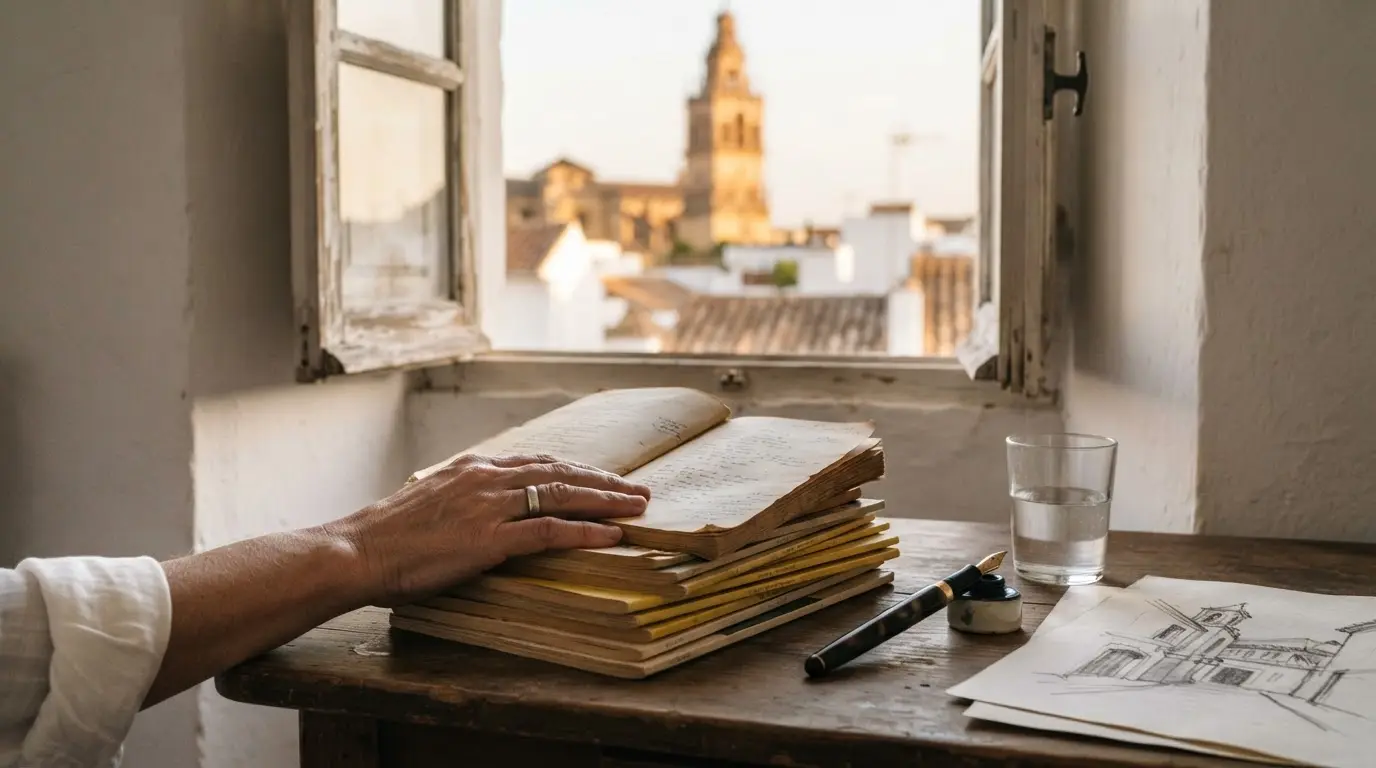
Cántico was a Córdoba poetry magazine of 1947-57 run by García Baena, Molina and Bernier. How it became an island in post-war Spain, then was rediscovered.
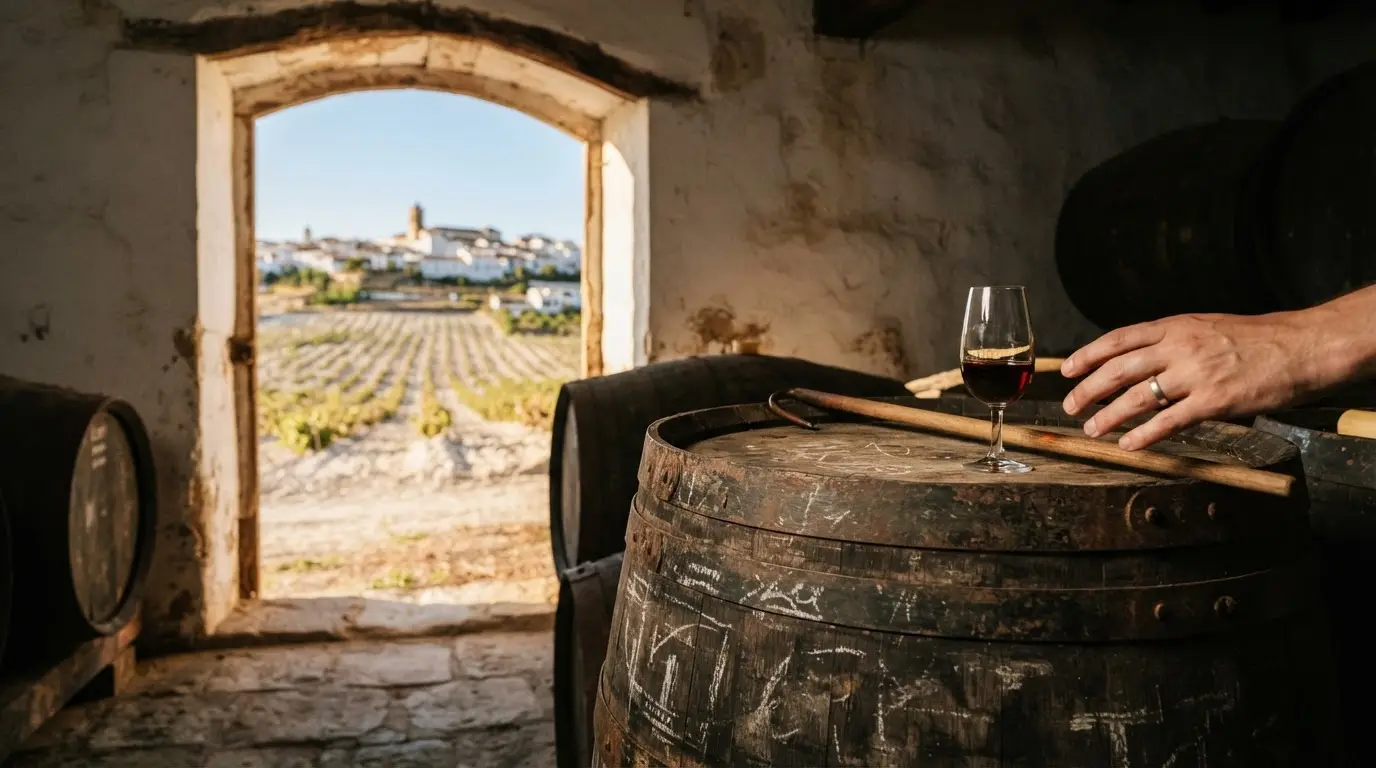
Montilla will be Spain's Ciudad Española del Vino in 2027 after beating Jerez. What the title is, what is confirmed so far, and how to reach it from Córdoba.
The Temple of Janus under the Mezquita traces to a c. 1608 argument and a misread milestone. Here is what the inscriptions and excavations really show.
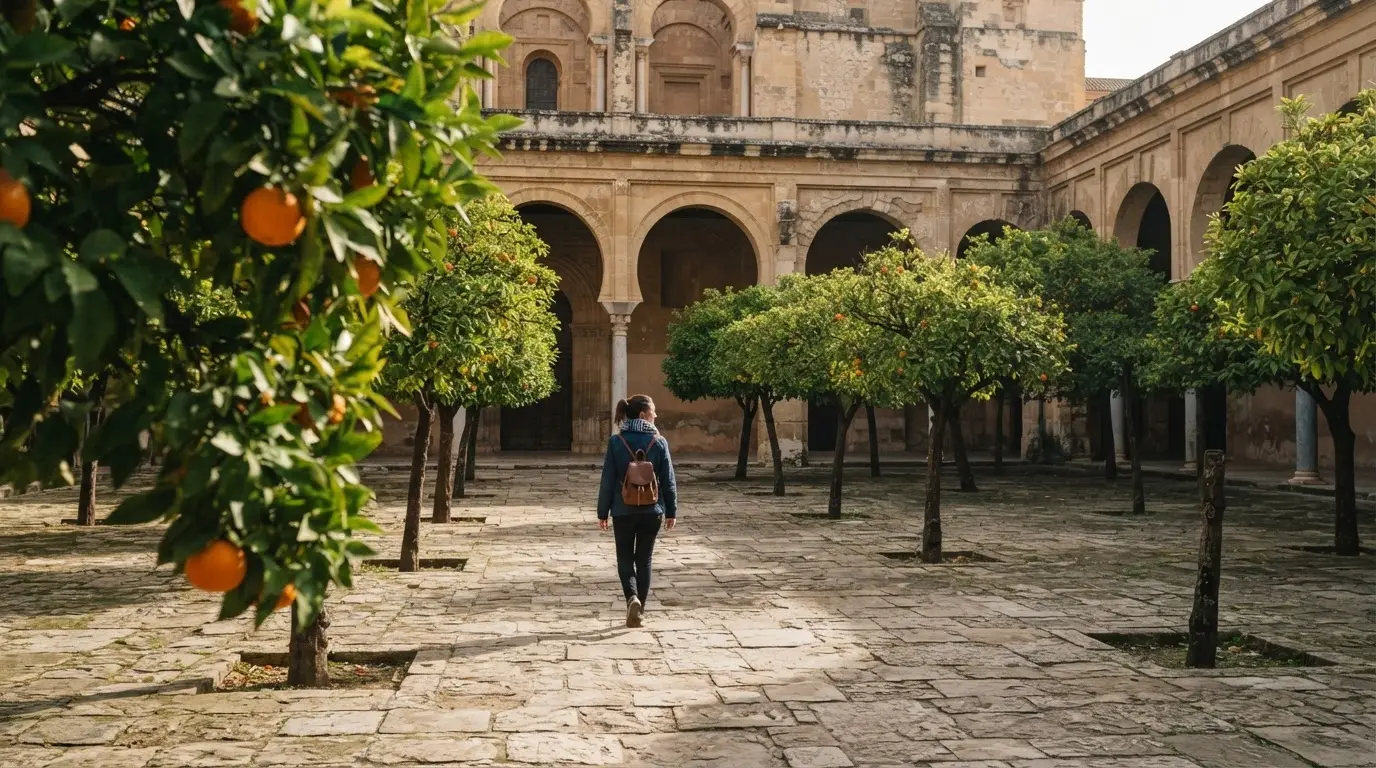
Medina Azahara drank from a Roman channel. How the Valdepuentes aqueduct, a caliphal bridge and 1,800 m of sewers kept the palace-city supplied and drained.
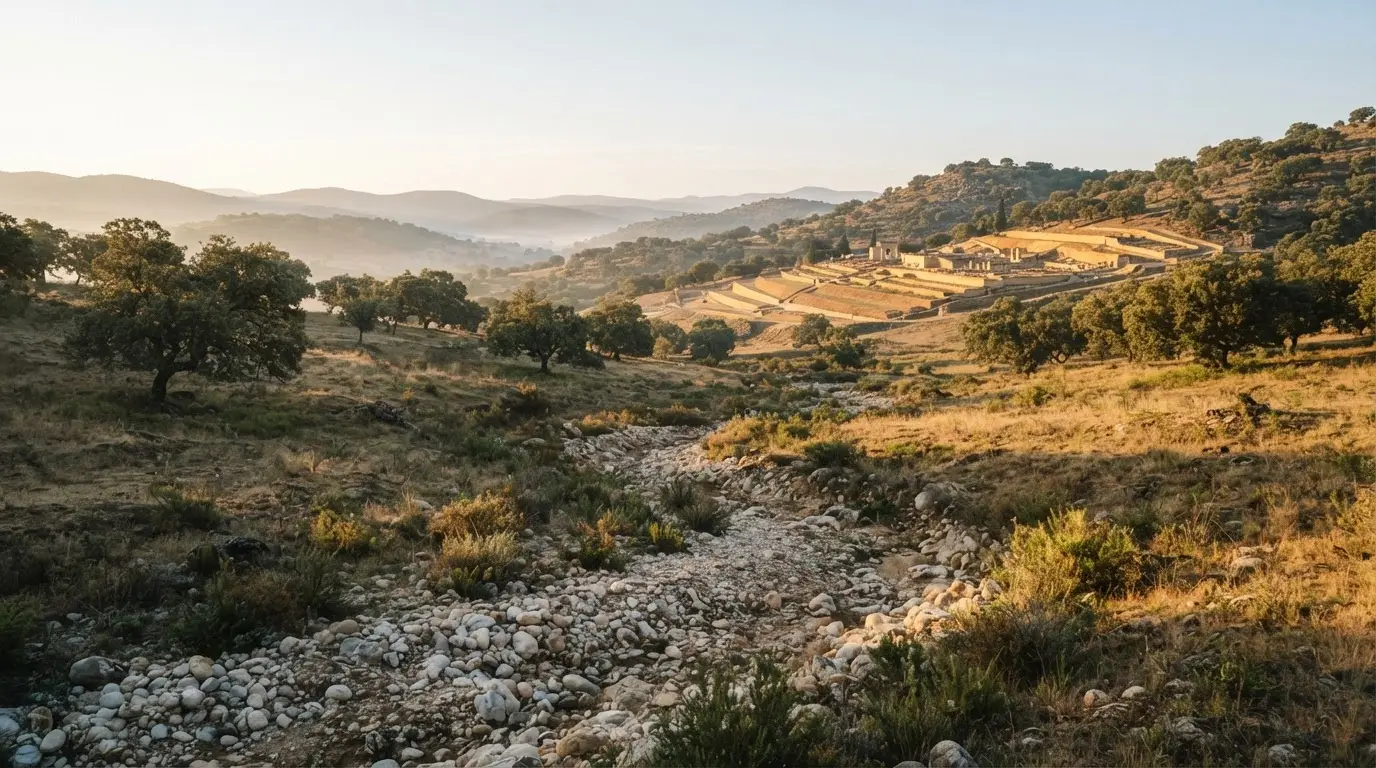
Pablo de Céspedes was a Córdoba prebendary who painted in Rome, then the Santa Cena in the Mezquita-Catedral, and wrote a poem on painting. Where to see him.
 María Fernanda González monuments and UNESCO
  Pedro Del Pozo food and wine
  Sophie Marchand history and heritage
  Carmen Ruiz Montoya hiking and day trips
  Elena Ruiz Montoya day trips and villages
 Past the essentials, these reward a reader who has the time.
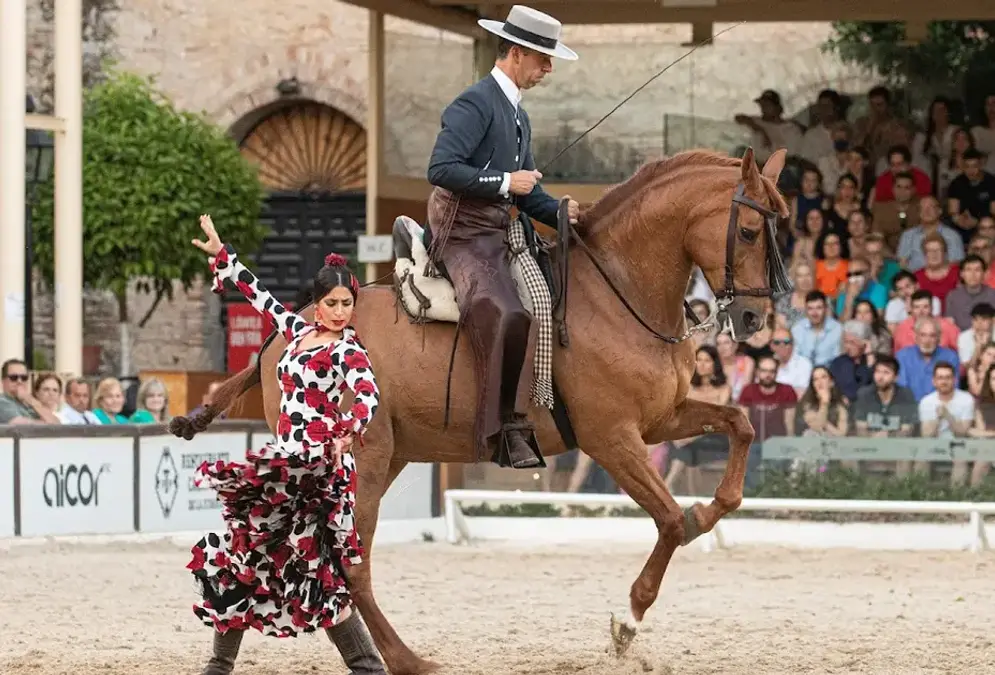
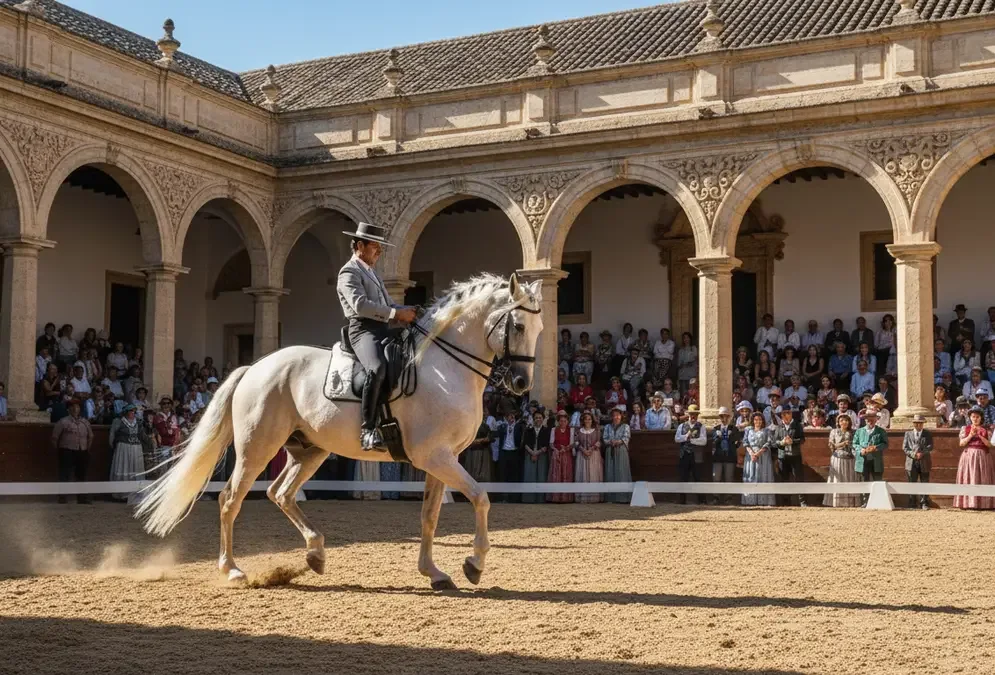
Patios first, then the horses. San Basilio's patios in the late afternoon, then the stables once the light drops and the show takes over.
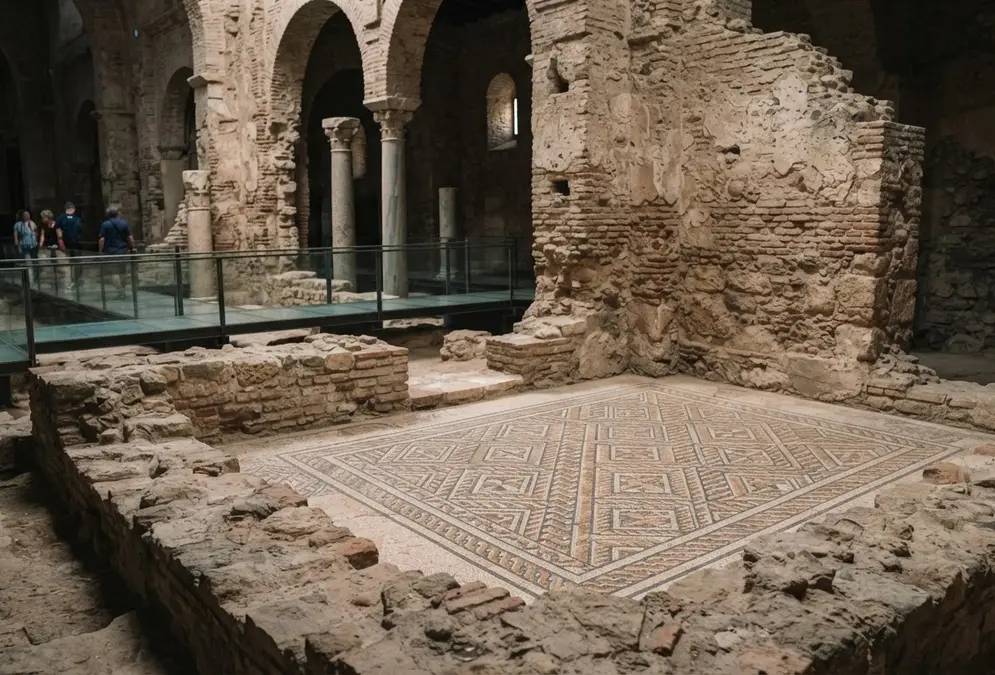
Look for the workshop stamp. The inscription EX OFF[ICINA] LEONTI is what dates the building; most visitors scan for mosaics and miss it.
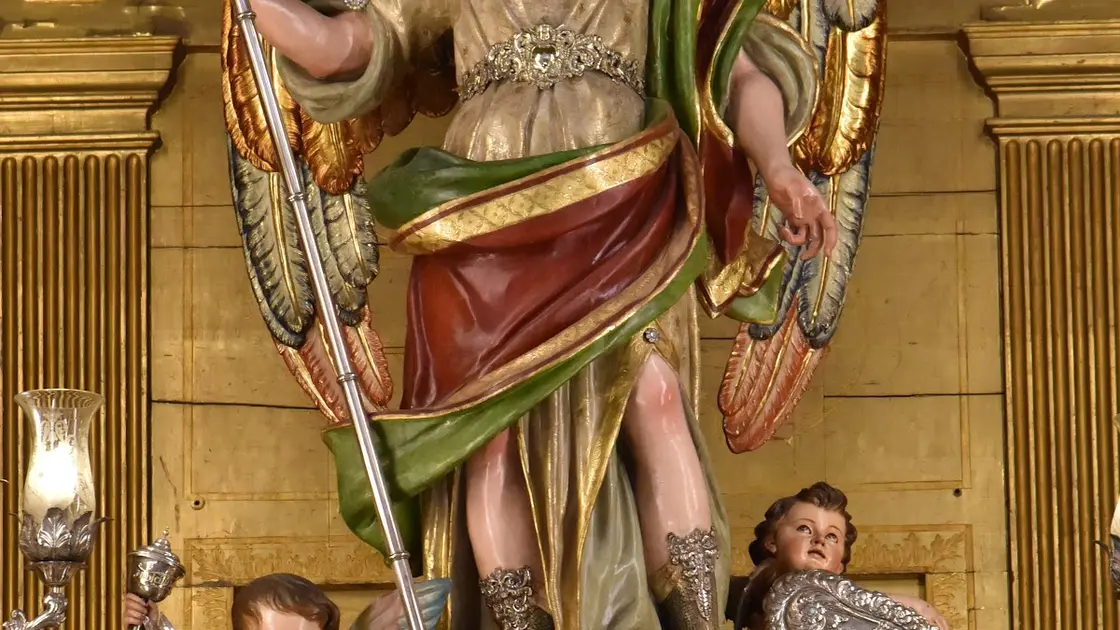
Shoot the pediment from across the street. Raphael, Acisclus and Victoria stand between the two towers. The story behind it: the archangel's oath.
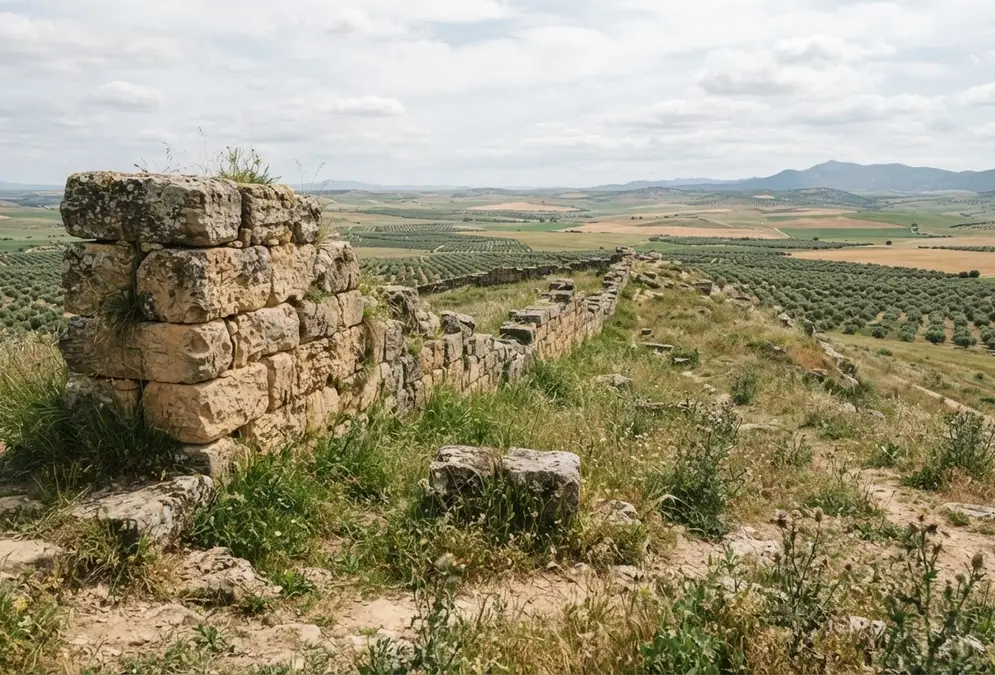
Contact the enclave before you drive out. Confirm access first rather than arriving at a closed gate, and bring water for the gravel tracks.
Nine eras, from the Turdetani town that stood before Rome to the UNESCO listings, with some of the people who lived them.
before 206 BCE
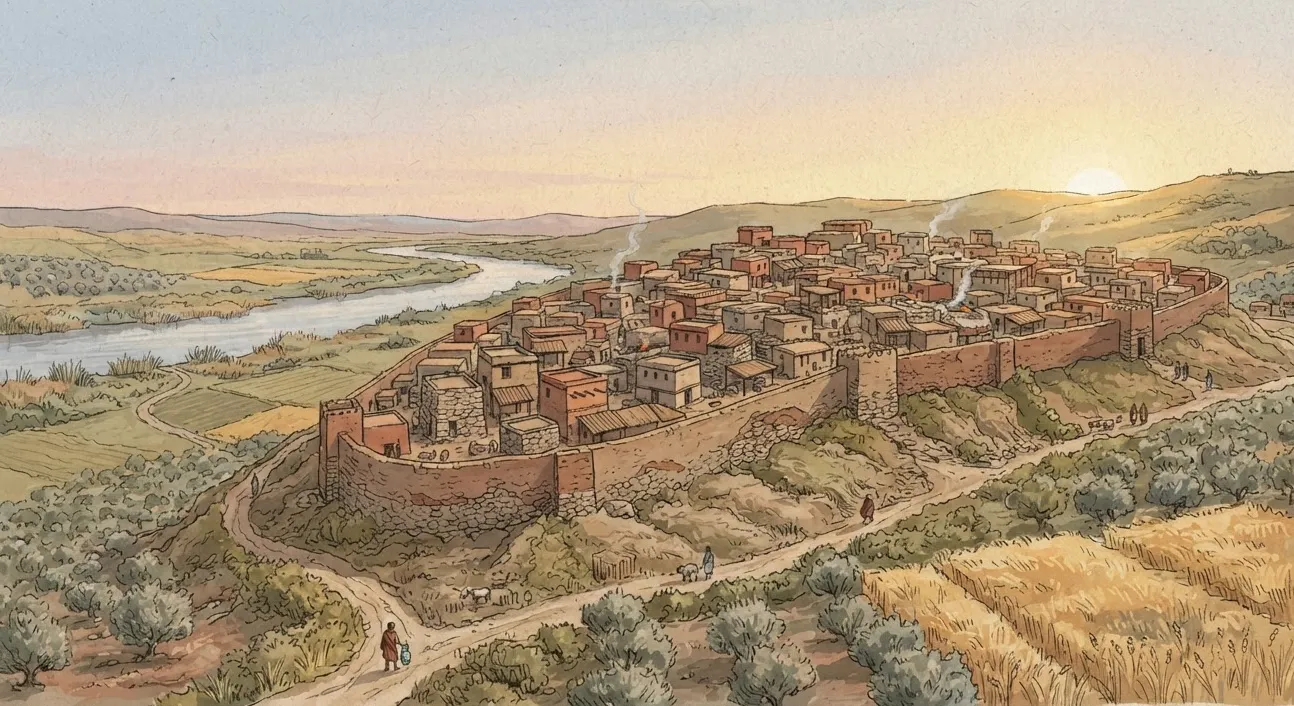
Before Rome arrived, a Turdetani town already stood on the Colina de los Quemados.
206 BCE–572
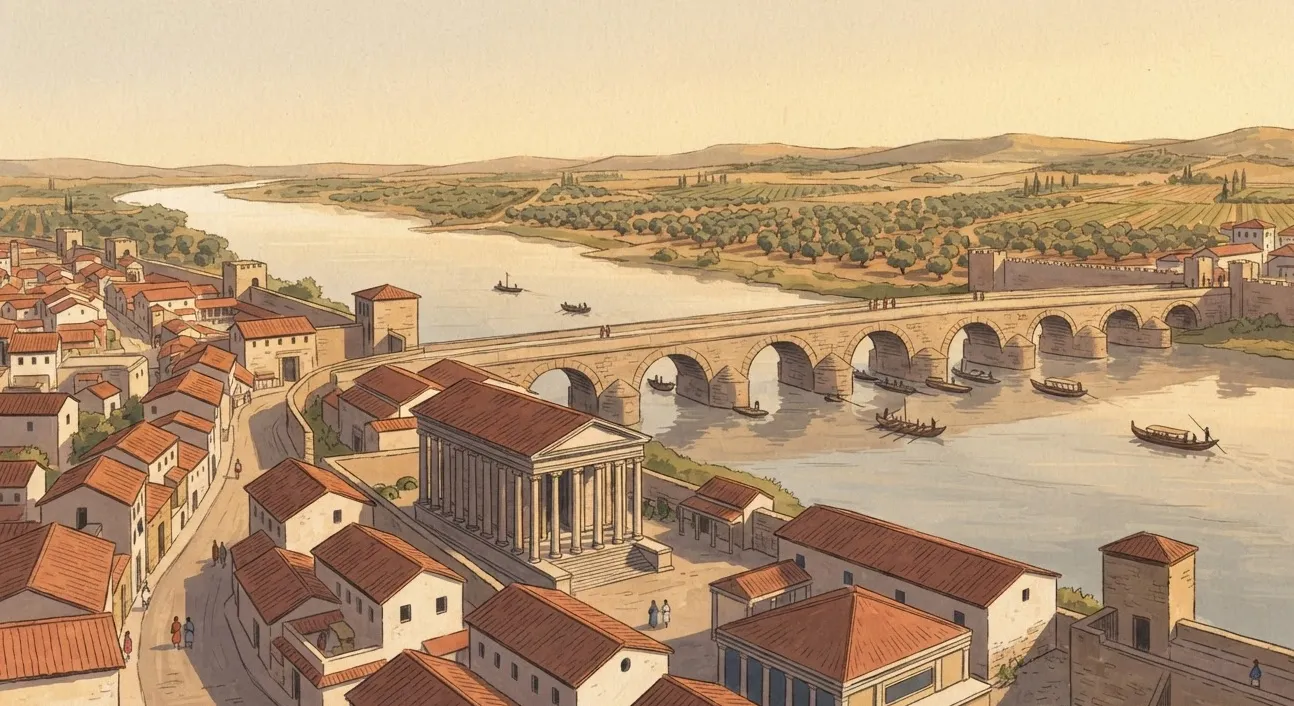
Capital of Baetica, home of Seneca and Lucan, and a bridge you can still walk.
572–711
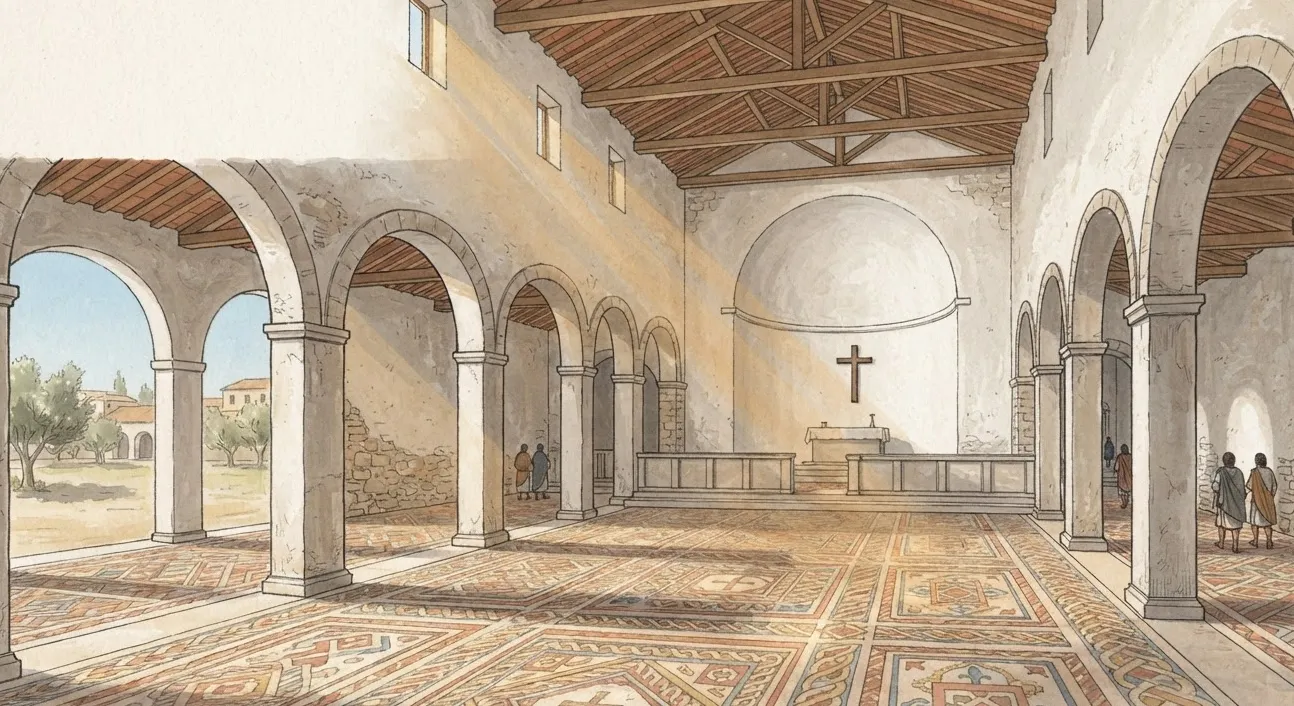
A bishop's city under new rulers, with Christian mosaics still under glass.
Visigothic king who retook rebel Córdoba in about 572.
711–929
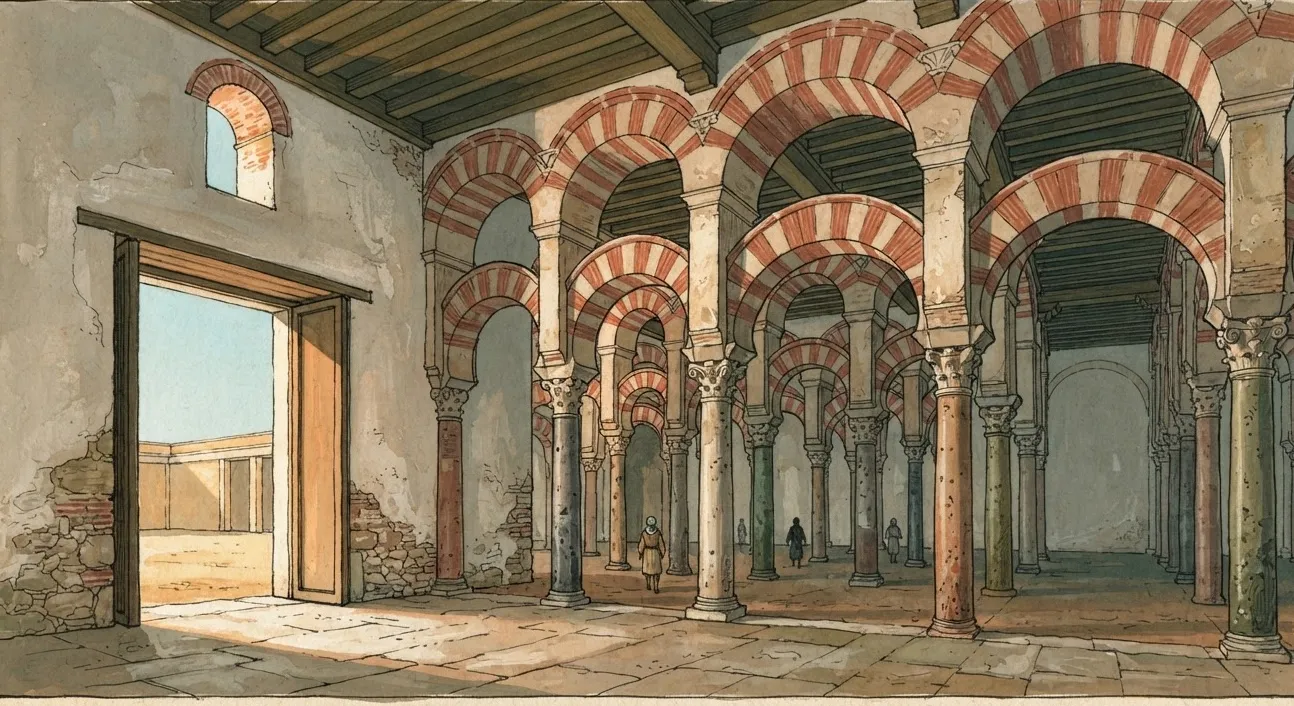
From governors' seat to independent emirate, with the first stones of the Mezquita.
Damascus-born founder of the independent emirate that became a caliphate.
Singer, oud player and composer nicknamed the blackbird.
929–1031
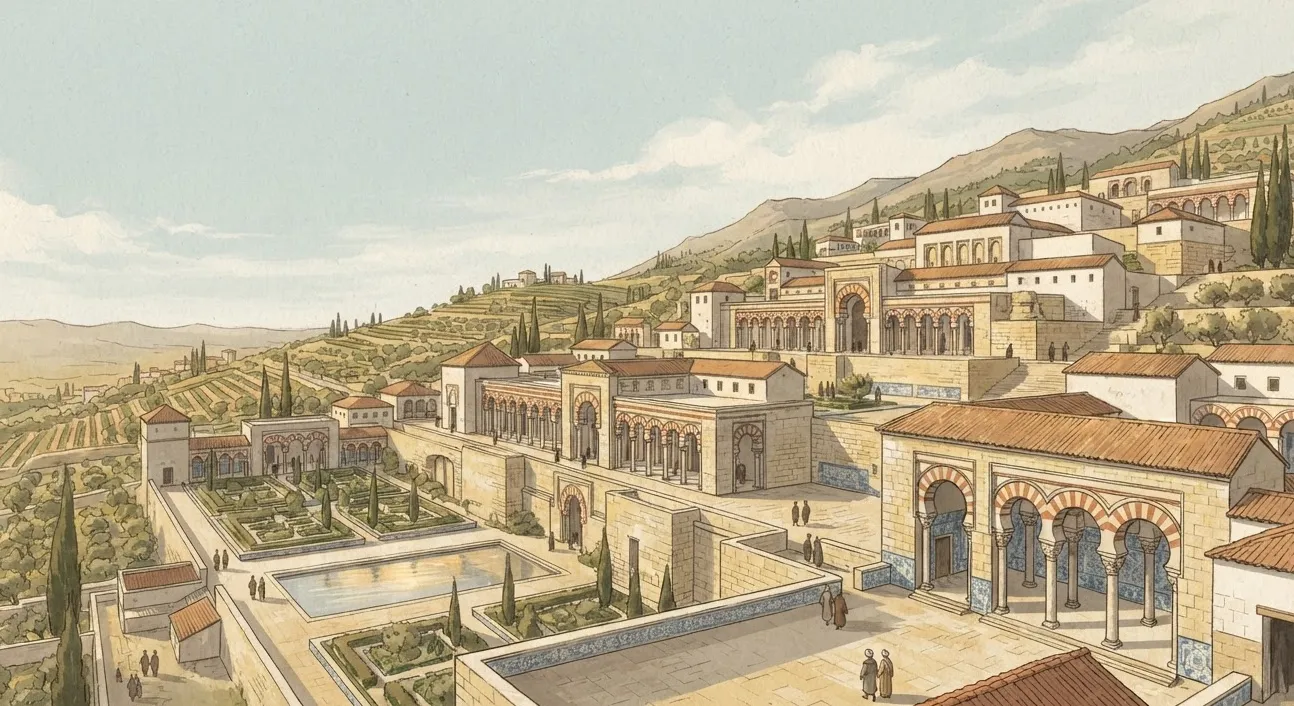
An estimated half a million people, a new palace city, a mosque enlarged twice.
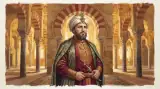
First caliph of Córdoba, who enlarged the mosque courtyard and built its first minaret.
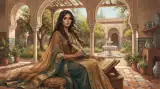
Princess-poet whose salon taught verse to women of every rank.
1031–1236
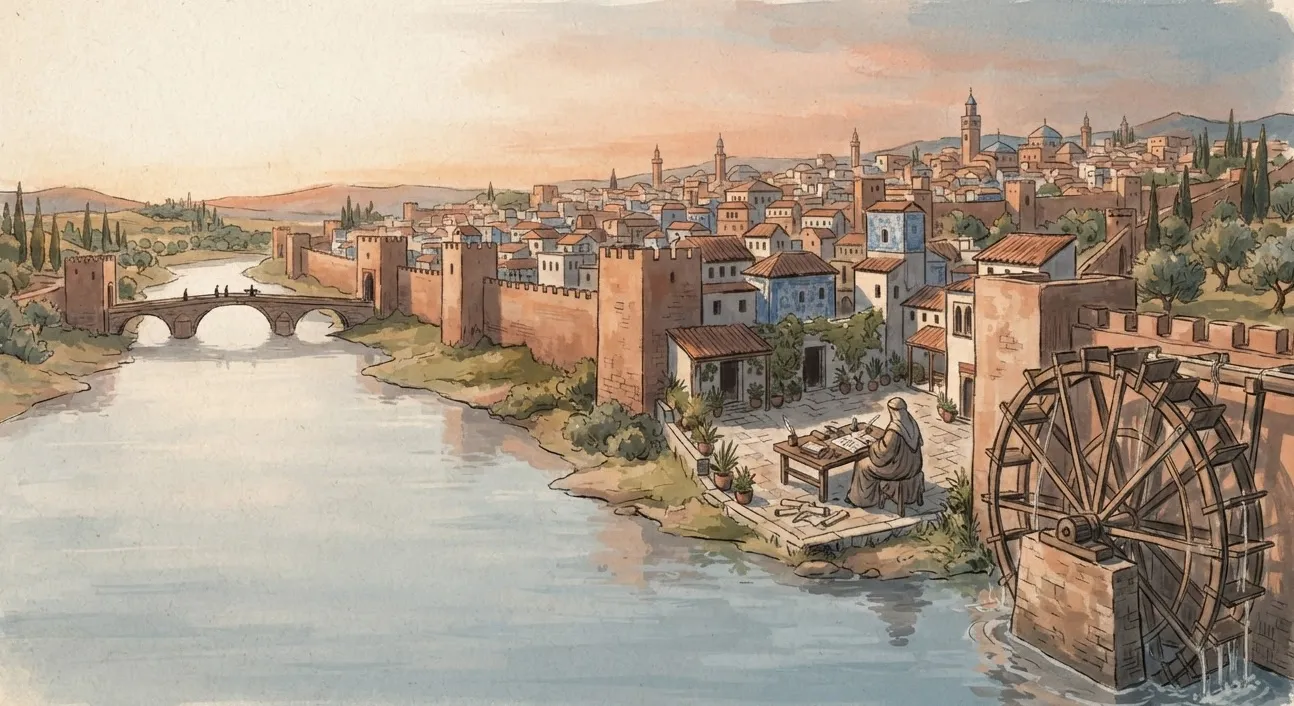
The caliphate splinters, yet Averroes and Maimonides are both born here.
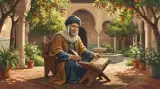
Physician and judge whose teachings were condemned and works burned in 1195.
Jewish philosopher and physician who served as Saladin's personal doctor.
1236–1492
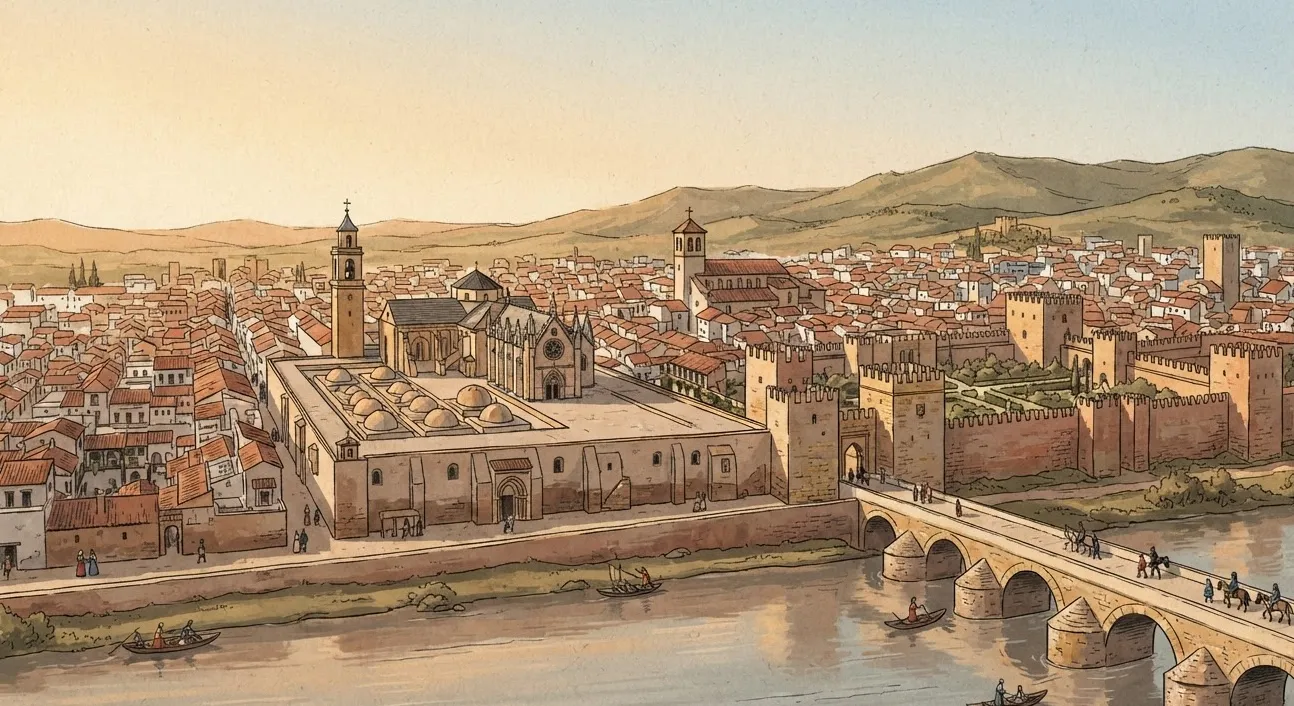
A mosque becomes a cathedral and fourteen new parish churches rise around it.
Castilian king who joined León and Castile for good and was canonized in 1671.
Queen of Castile and León from 1474 who agreed to back Columbus's westward voyage.
1492–1808
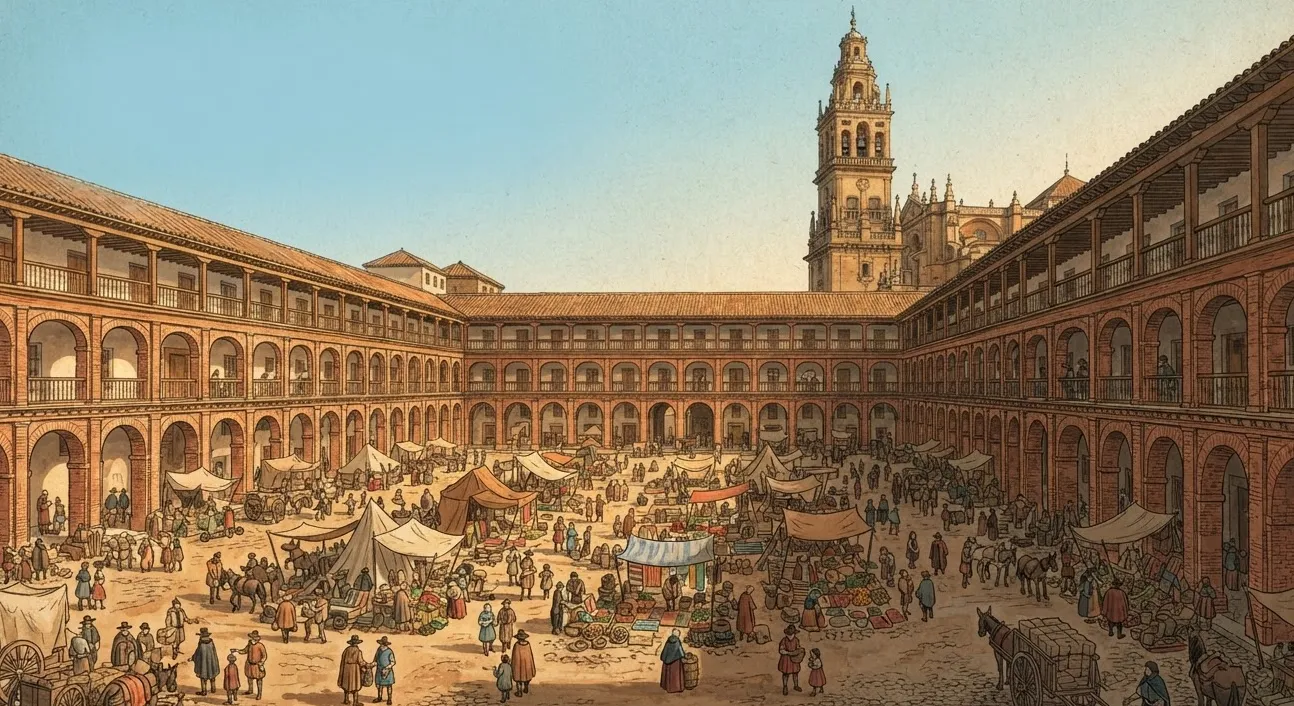
Expelled Jews, a Renaissance nave inside the mosque, and a city settling into quiet.
Priest attached to the cathedral and the great lyric poet of the Spanish Baroque.
1808–today
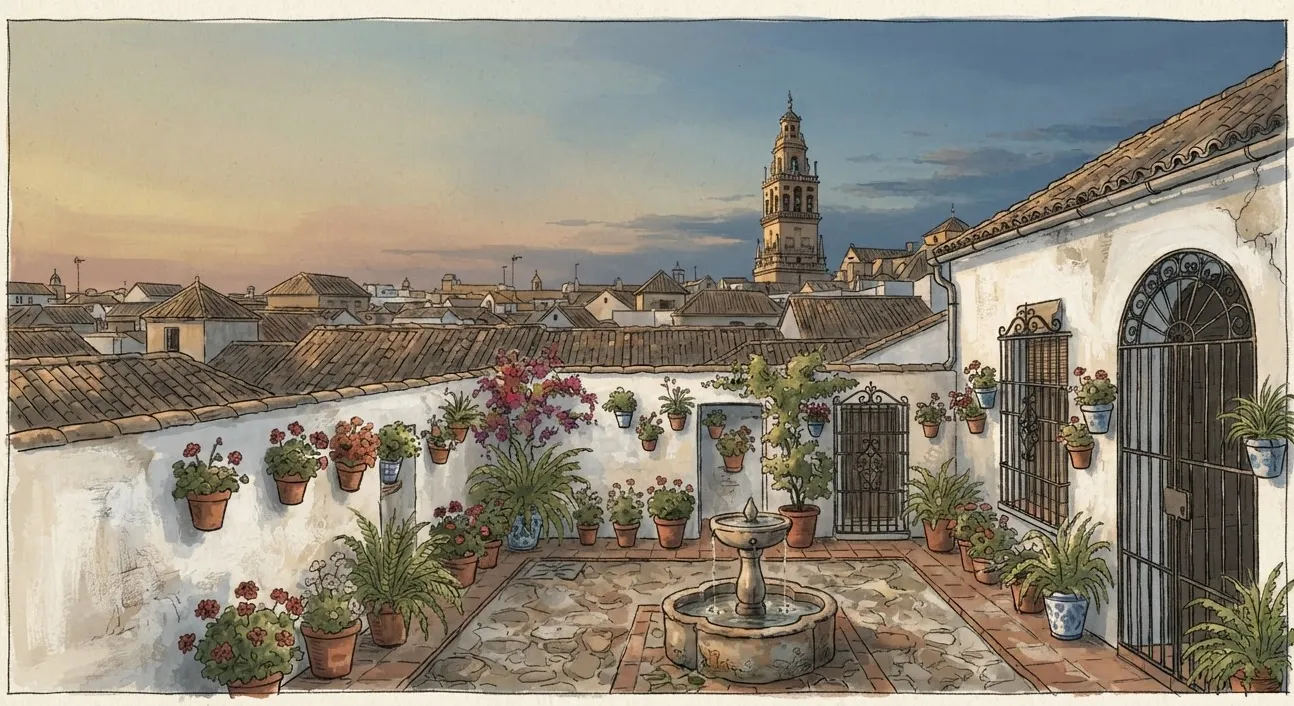
The Civil War in 1936, then a Mezquita and a historic centre both UNESCO-listed.
Regionalist painter whose museum faces the one his father directed.
Bullfighter who fought as many as 100 times a year and was gored 11 times.
From the Turdetani town to the UNESCO listings.
Poets, caliphs, scholars, a painter and a bullfighter.
Why Córdoba holds four UNESCO recognitions.
The clearest history-layer overview before you start walking.
How the caliphate still shapes the city's logic and atmosphere.
Free self-guided routes with stop-by-stop directions, then the day trips the AVE makes easy.
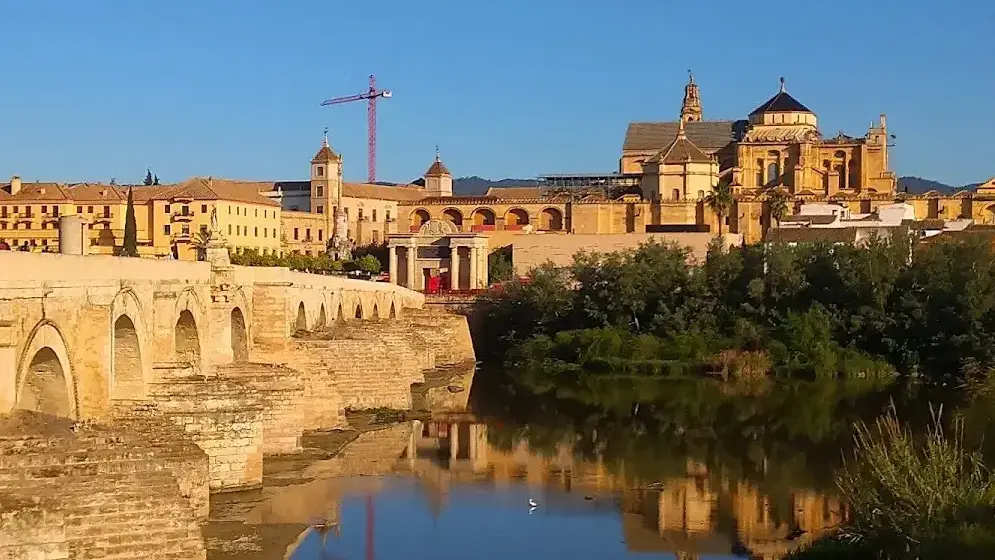
A 45-minute AVE ride: how to fit the Mezquita, the Judería and a long lunch into one day.

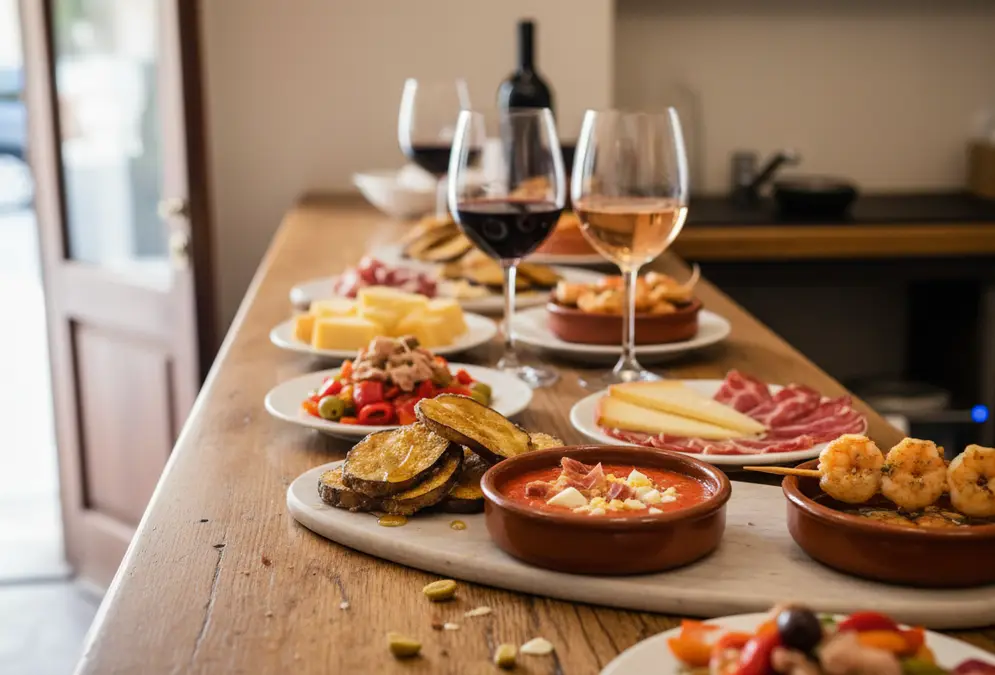
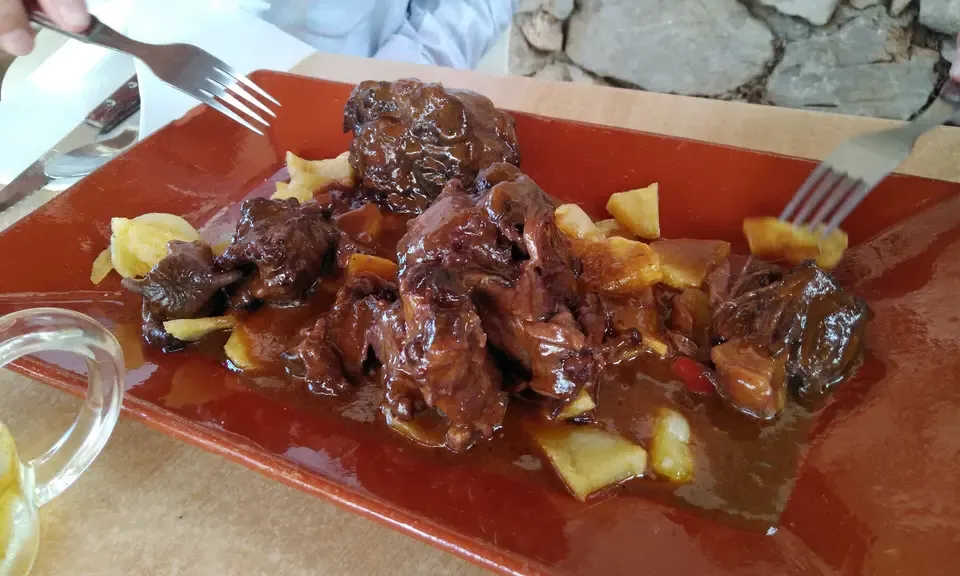
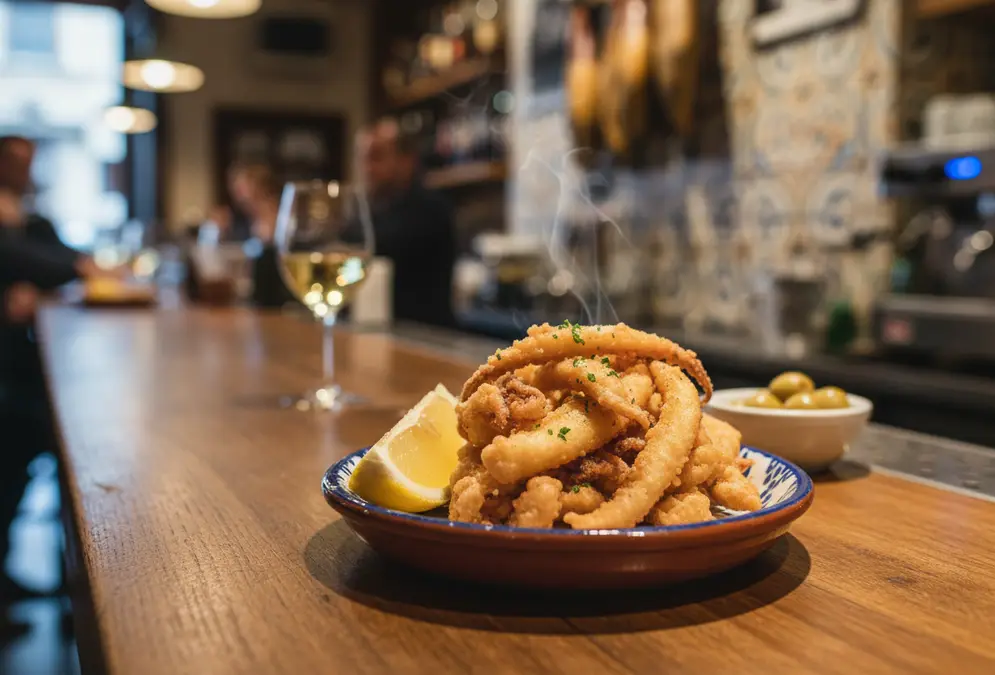
Salmorejo, flamenquín, rabo de toro: the plates that define a Córdoba menu. Pair them with Montilla-Moriles wines. Some of the best only appear in one season.
Eight neighbourhoods, one decision. The quarter shapes the visit more than the hotel does.
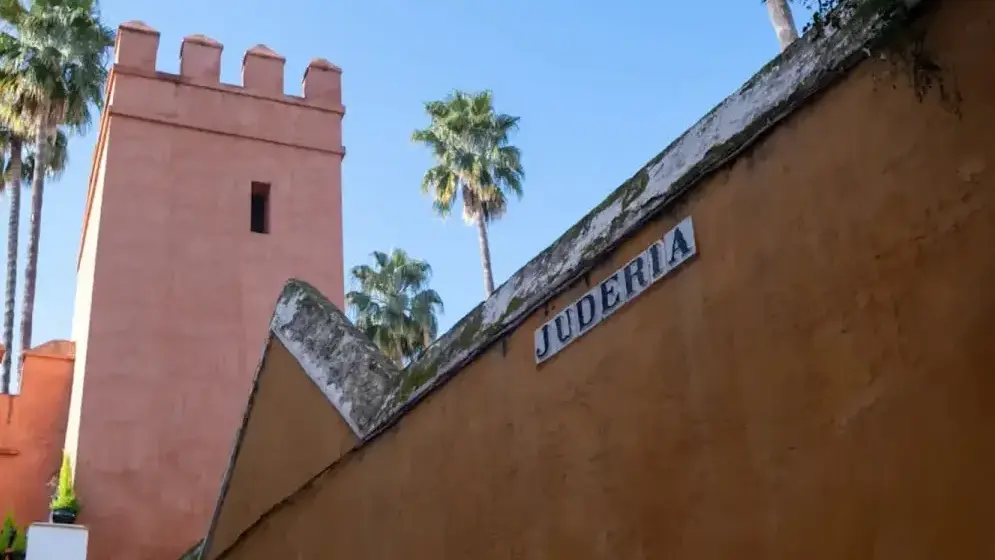
Puts you inside the monuments: whitewashed lanes, a 14th-century synagogue, the Mezquita on the doorstep.
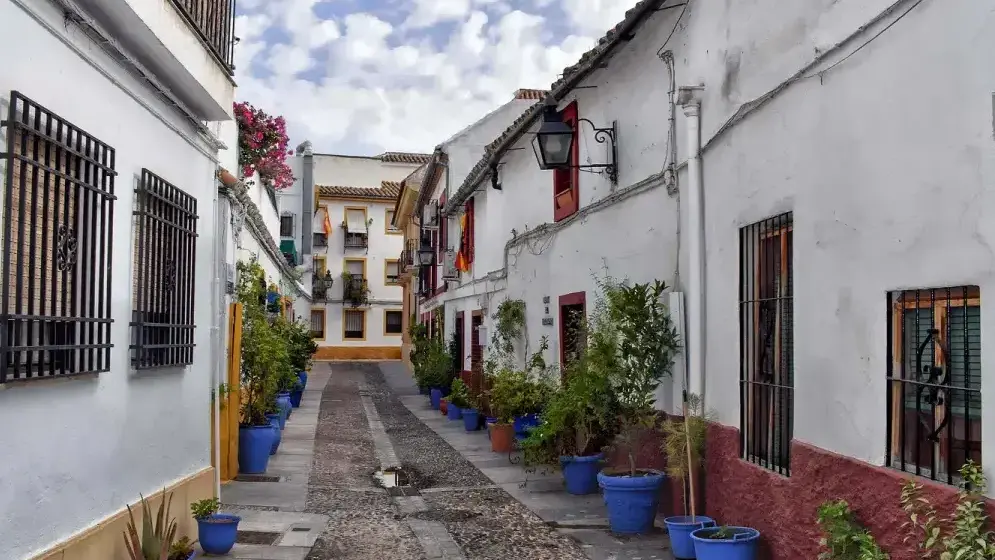
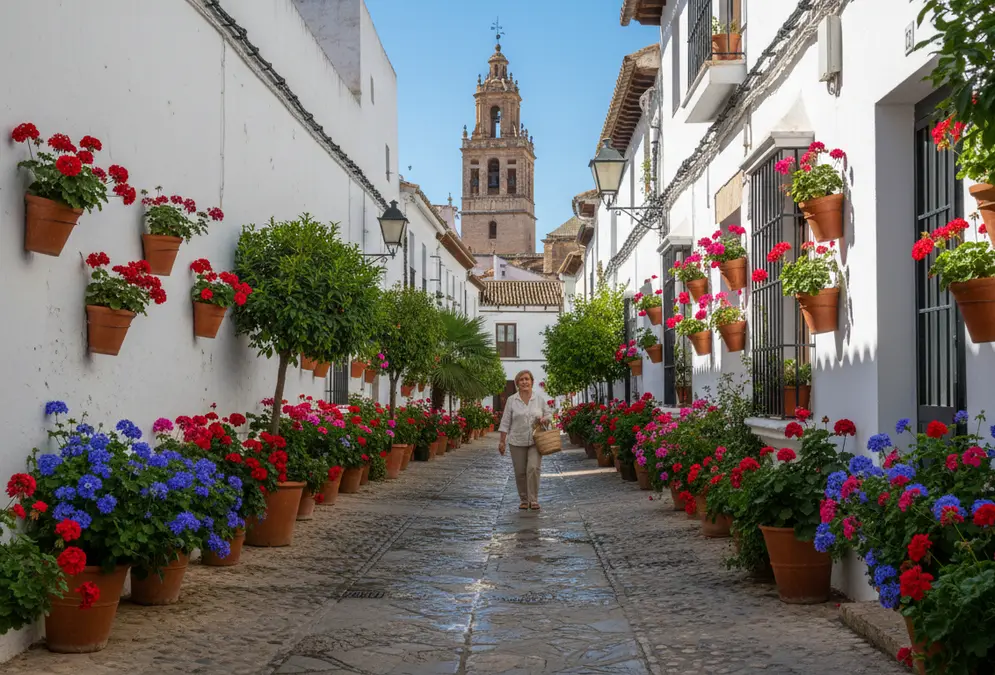
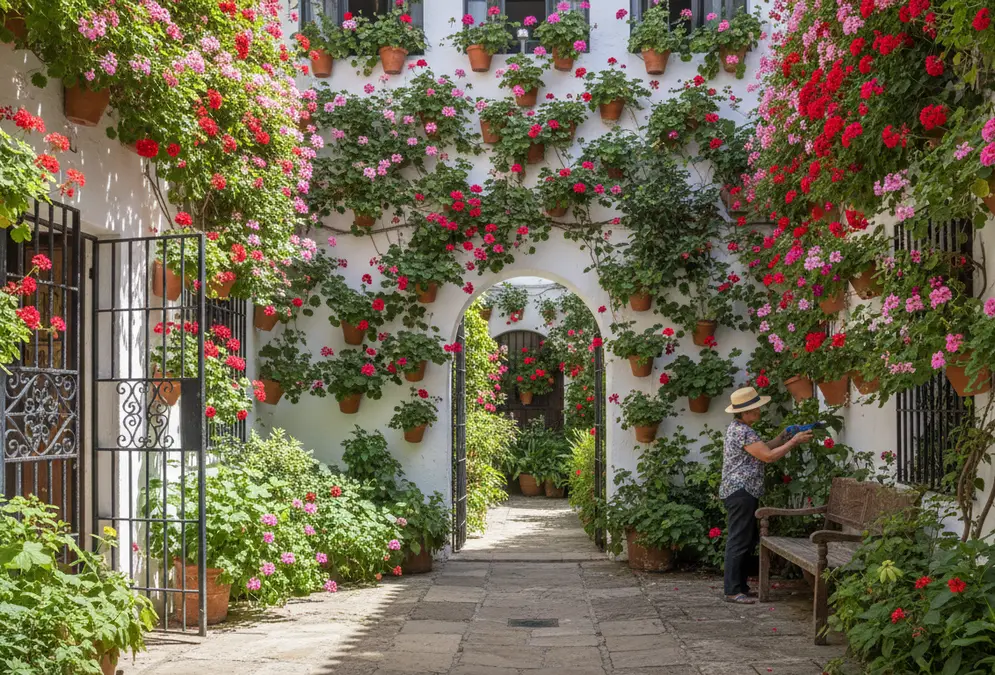
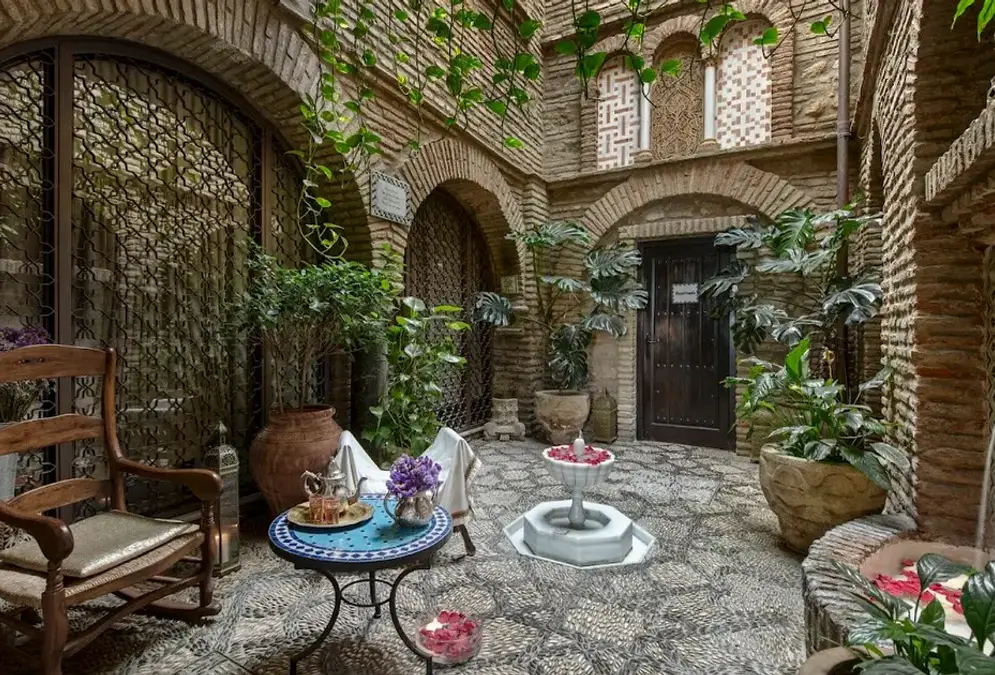
Patio culture without the crowds: the city's most prize-winning patios, near the Alcázar.
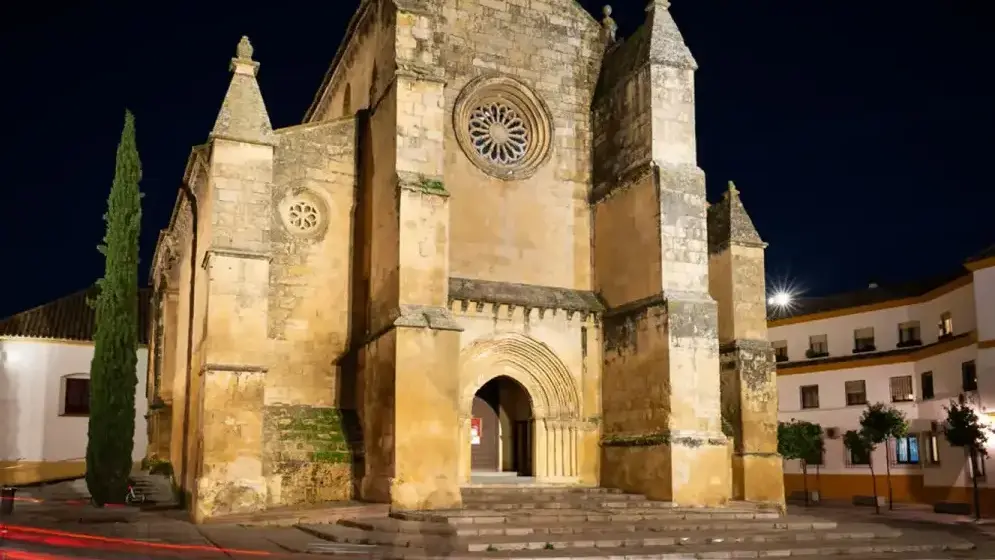
Where locals live: Fernandine churches, prize-winning patios and the 12-courtyard Palacio de Viana.
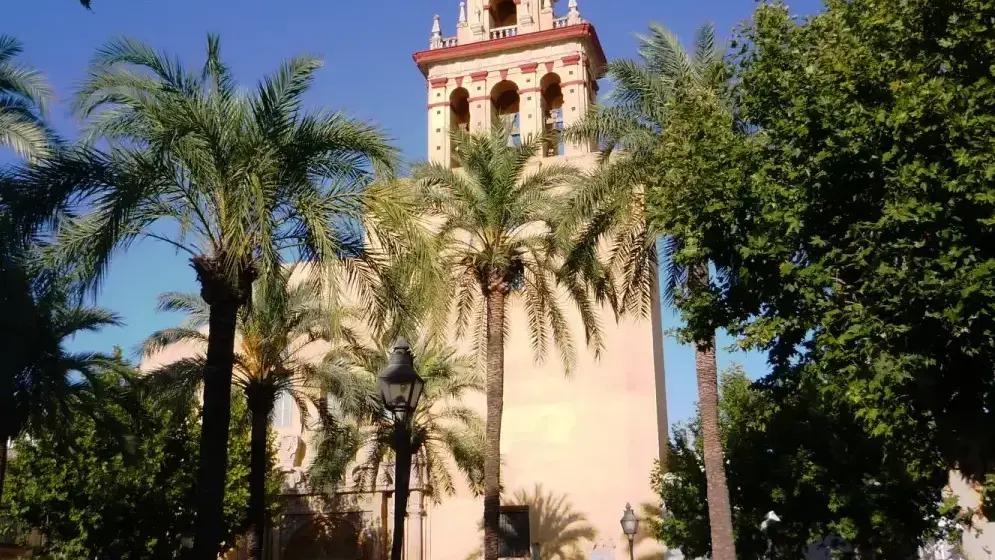
The quiet northern quarter most visitors miss: orange-tree squares and a Gothic Fernandine church.
Also: Arruzafa, Ciudad Jardín, Historic Centre, La Ribera. The full comparison
Where to stay in CórdobaHotel guides: Top 10 hotels · Luxury hotels · All 29 hotels
We've set the search to 14–17 November 2026 as a starting point.
Search on Booking.comFree to search · No sign-up needed · Change dates any time
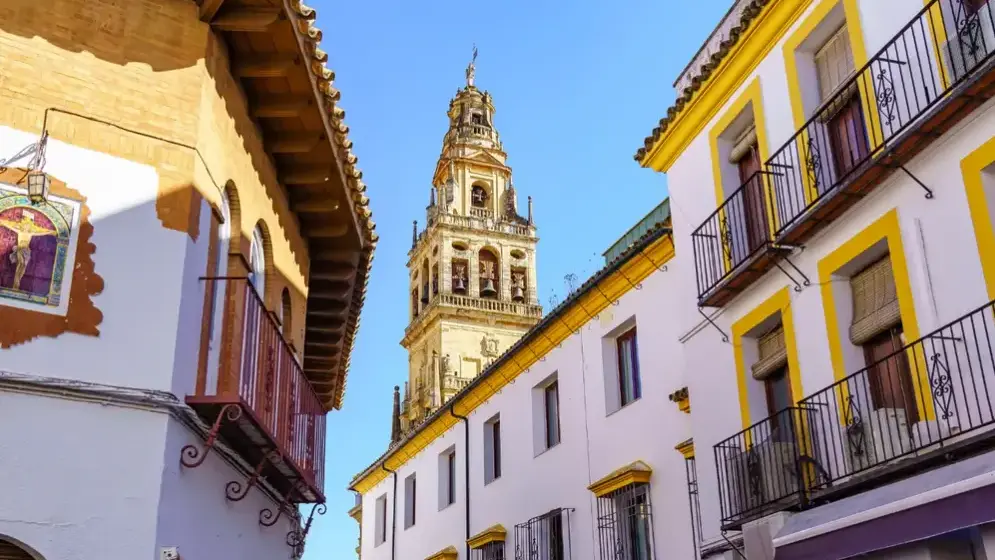
A comprehensive guided tour covering Córdoba's three UNESCO-listed highlights: the Mezquita, the medieval Jewish Quarter, and the Alcázar de los Reyes Cristianos.
From €49
✓ Verified GetYourGuide reviews
Books up weeks ahead in peak season
Reserve Your Spot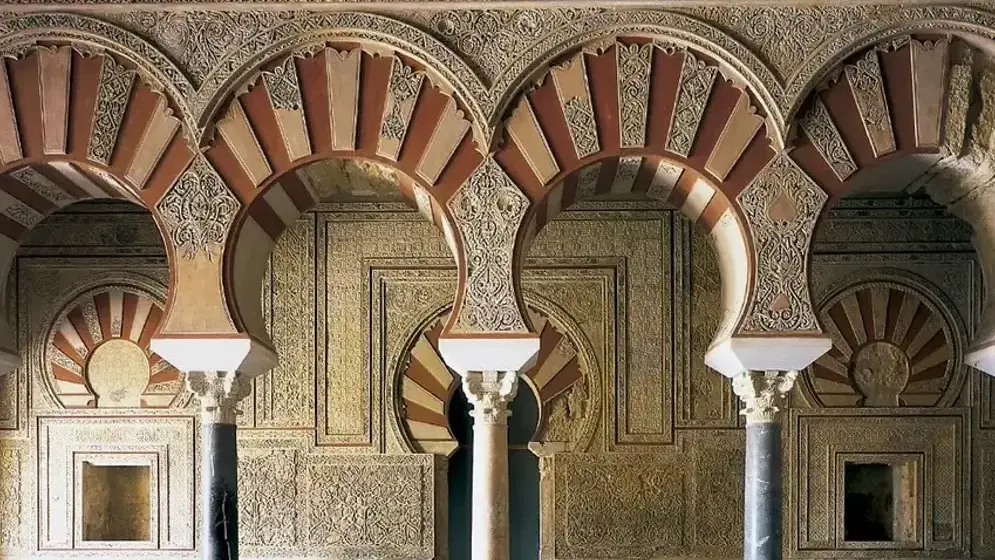
Step back to the 10th century at the ruins of the once-magnificent palace city of Medina Azahara. Includes transport and an expert guide who brings this UNESCO site to life.
From €18
Less than a restaurant lunch
✓ Verified GetYourGuide reviews
Reserve Your SpotExploreCordoba earns a small commission if you book a stay or a tour through this section, at no extra cost to you.