Wine tourism
Montilla-Moriles Wine Route
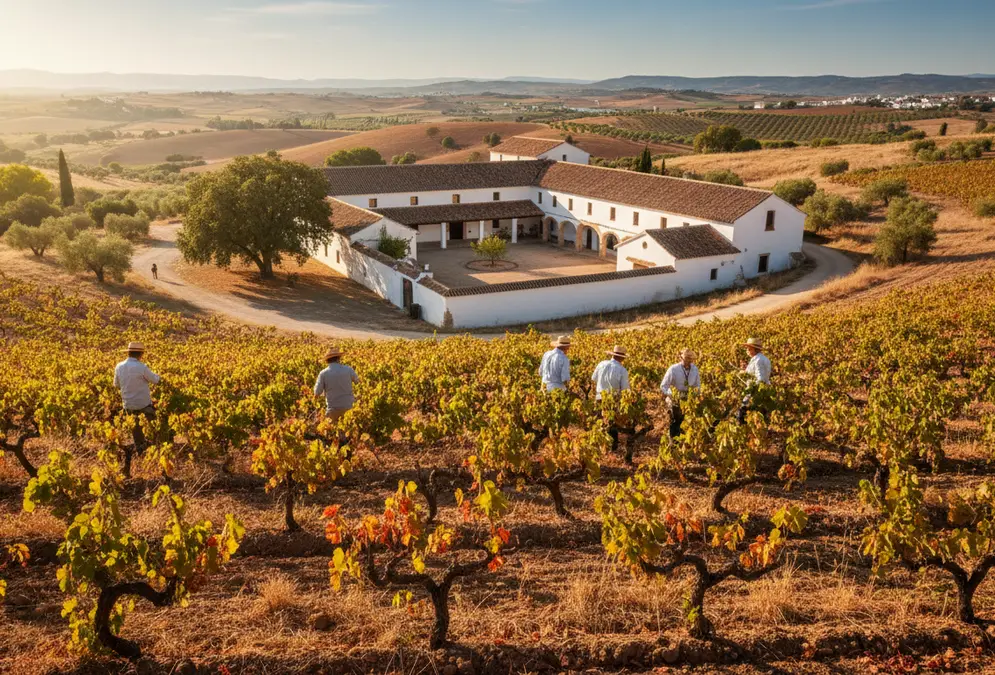
45 minutes south of Córdoba, the Campiña hills hold century-old cellars where some of Spain's finest finos, amontillados and Pedro Ximénez wines slowly age. Seven bodegas, two suggested itineraries, and everything you need to book a day trip from the city.

Written by
Pedro Del Pozo Seven years covering Córdoba's gastronomy, taberna culture, and the Montilla-Moriles DO.
Updated Published
Quick facts
Distance from Córdoba:
49 km (30-40 min by car)
Main route:
N-331 towards Málaga
Recommended duration:
Half-day (4h) or full day (8h)
Tasting budget:
€10-25 per bodega
Signature grape:
Pedro Ximénez (local variety)
Best time:
September (harvest) or spring
Why this route? Montilla-Moriles produces wines comparable to Jerez sherries but far less known — and therefore less expensive. The bodegas are accessible, the welcome genuine, and you will likely leave with a few bottles impossible to find elsewhere.
At a glance
- Region
- 70 km south of Córdoba city
- Grape
- Pedro Ximénez — base for fino & amontillado
- Getting there
- Car recommended; 50 min from Córdoba
- Winery visits
- €8–15 per person including tasting
- Harvest
- September — ideal time to visit bodegas
- Key town
- Montilla — heart of the wine route
In this guide
Jump to a section
The Montilla-Moriles Appellation
Montilla-Moriles is one of those appellations that deserves to be far better known. Located south of Córdoba in the Campiña (the rural hinterland), it produces wines that rival the finest sherries of Jerez — without the global fame and the price tags that go with it. For visitors, this is an advantage: exceptional wines, an unpretentious welcome, and bottles at very reasonable prices.
The key to the terroir is albariza — white chalky soil that reflects sunlight and retains moisture — combined with a continental climate of scorching summers. Pedro Ximénez grapes ripen to exceptional levels here, producing wines that are naturally high in alcohol without needing fortification as in Jerez. That is a point of local pride.
The appellation was officially established in 1945, but the winemaking tradition goes back to Roman times. In the 17th century, Montilla wines were exported to England under the name "sherry" — a confusion that long obscured their identity. The amontillado style even inspired one of the most famous short stories in the English language; the full history is in Montilla-Moriles: The Wine Behind Poe's Amontillado. Today, Montilla-Moriles is asserting its own character, and wine lovers are beginning to discover this hidden treasure.
Did you know? The Pedro Ximénez grape is said to be named after a German soldier, Peter Siemens, who reportedly brought vines from the Rhine in the 16th century. The legend is probably false (genetic studies point to an Iberian origin), but it is part of local folklore.
For more on the wine styles and food pairings, see our dedicated page on Montilla-Moriles wine.
Wine Route Map
1 Alvear
2 Pérez Barquero
3 Robles
4 La Aurora
5 Lagar Blanco
6 Toro Albalá
Wine Styles
The Montilla-Moriles appellation produces five distinct wine styles, all made primarily from the Pedro Ximénez grape. The fino is bone-dry and delicate; the Pedro Ximénez is almost black and thick as honey. Each style suits different occasions and food pairings.
Cured Andalusian cheese is one of the more natural pairings across the range: a fino cuts through the fat, while a Pedro Ximénez plays sweet against a blue. It isn't a coincidence that QuesArte Córdoba, the city's spring artisan cheese fair, lands the same April week as this region's own wine fair.
Fino
A dry, delicate white wine aged under a veil of flor (yeast). Notes of almonds, green apple and a salty edge. The quintessential aperitif — what locals order at a taberna counter with a simple "un fino".
Alcohol: 15% vol.
Serve at: 8-10°C
Pairs with: Jamón ibérico, olives, seafood, salmorejo
Ageing: Biological ageing under flor (3-7 years)
Amontillado
Starts life as a fino, then loses its flor and oxidises. The result: an amber wine with complex aromas of hazelnut, caramel and tobacco. Fuller-bodied, deeper in character — a reward for the curious.
Alcohol: 16-18% vol.
Serve at: 12-14°C
Pairs with: White meats, mushrooms, flamenquín, aged cheeses
Ageing: Biological then oxidative (minimum 5 years)
Oloroso
A powerful wine that has never known flor. Aged in contact with air, it develops aromas of dried fruit, coffee, wood and spice. Deep mahogany in colour with a velvety texture.
Alcohol: 18-22% vol.
Serve at: 14-16°C
Pairs with: Rabo de toro, game, stews, blue cheese
Ageing: Oxidative ageing (minimum 5 years)
Palo Cortado
The rarest and most mysterious style — a happy accident where a fino loses its flor early but retains its finesse. It combines the elegance of amontillado with the power of oloroso. Collectors seek it out.
Alcohol: 17-20% vol.
Serve at: 12-14°C
Pairs with: Foie gras, sheep's cheese, dark chocolate
Ageing: Unpredictable mixed ageing
Pedro Ximénez
Almost black, thick as honey. Made from sun-dried grapes (sun-drying/pasificación), this dessert wine carries aromas of figs, dates and molasses. You can literally pour it over vanilla ice cream.
Alcohol: 15-17% vol.
Serve at: 10-12°C
Pairs with: Desserts, ice cream, chocolate, blue cheese
Ageing: Very long ageing (vintages can exceed 50 years)
Fino vs Sherry: what is the difference?
Montilla-Moriles finos and Jerez sherries are cousins, but not identical. The key difference: Montilla wines reach their alcohol level naturally thanks to the climate, whereas sherries are fortified (alcohol is added). The result? Montilla finos are often rounder, less aggressive, with a more subtle bitterness. Jerez purists may disagree — but that is exactly what makes the comparison interesting.
Bodegas to Visit
Seven bodegas are worth your time. Each has its own character: the century-old grande dame, the organic pioneer, the vast cooperative, the small family estate in the hills. Two or three make for a full and satisfying day.
Bodegas Alvear
Founded 1729The grande dame of Andalusian bodegas, founded nearly three centuries ago. The cellars are a cathedral of wine — rows of American oak barrels stretching seemingly without end. Visits finish with a tasting in a flower-filled patio.
Address:
Av. de María Auxiliadora, 1, 14550 Montilla
Phone:
+34 957 652 939
Tours:
Guided tours with tasting, by reservation
Price:
On request
Languages:
Spanish, English
Website:
Specialities to try:
CB 1927 (premium fino) Solera Fundación (PX) Amontillado Carlos VII
Pérez Barquero
Founded 1905A family bodega that has kept its soul through a century of change. The Gran Barquero amontillado has won several international prizes. The welcome is warm and the atmosphere less formal than at some neighbours.
Address:
Avda. Andalucía, 27, 14550 Montilla
Phone:
+34 957 650 500
Email:
Hours:
09:00-17:00 daily
Tours:
Guided tours, tastings, private events
Languages:
Spanish, English
Website:
Specialities to try:
Gran Barquero Amontillado La Cañada PX Fino Gran Barquero
Toro Albalá
Founded 1922The region's star for collectible Pedro Ximénez. Their Don PX 1946 vintage earned 100 points from Robert Parker. The tour includes underground tunnels, a wine museum, and most remarkably, tastings of aged vintages you won't find anywhere else.
Address:
Avda. Antonio Sánchez, 1, 14920 Aguilar de la Frontera
Phone:
+34 957 66 00 46
Tours:
Underground tunnels, wine museum, vintage tastings
Price:
From €15
Languages:
Spanish, English
Website:
Specialities to try:
Don PX (historic vintages) Convento Selección Marqués de Poley
Bodegas Robles
Founded 1927The pioneer of organic wine in the region — fully certified since 2003. The two-hour visit includes a walk through the vineyards, giving you a real sense of the terroir. The atmosphere is relaxed, almost educational.
Address:
Ctra. Córdoba-Málaga, N-331, Km 47.5, 14550 Montilla
Phone:
+34 957 650 063
Email:
Tours:
120 min: vineyards + cellars + 4 wines
Price:
€23 per person
Languages:
Spanish, English, French/German on request
Website:
Specialities to try:
Piedra Luenga Eco Amontillado Eco PX Viejo Eco
Lagar Blanco
Founded 1960Perched 10 km east of Montilla in the Sierra, this small family bodega offers an intimate experience. Owner Miguel Cruz speaks excellent English and shares his passion generously. The tasting includes local cheese and olives.
Address:
Carretera de Cuesta Blanca, Km. 4.4, 14550 Montilla
Phone:
+34 957 651 145
Email:
Tours:
Tour + tasting + tapas
Price:
€10 per person
Languages:
Spanish, Good English
Website:
Specialities to try:
Fino Lagar Blanco Amontillado Cuesta Blanca
Cooperativa La Aurora
Founded 1964A cooperative of 2,500 growers managing Europe's largest cellar of its kind: 7 million litres. The scale is staggering. Prices are the lowest in the region, making it an ideal starting point if you are new to local wines.
Address:
Avda. de Europa, 7, 14550 Montilla
Phone:
+34 957 650 362
Email:
Hours:
Mon-Fri 09:00-20:00, Sat 09:00-14:00
Tours:
Tour + tasting
Price:
€10-18 depending on group size
Languages:
Spanish, English
Website:
Specialities to try:
Aurora Fino Montillarion PX Aurora
Gracia Hermanos
Founded 1950Although part of the Pérez Barquero group, this bodega preserves its own identity and traditional methods. Less visited by tourists, it offers a more intimate atmosphere and refreshingly crisp finos.
Address:
Av. del Marqués de la Vega de Armijo, 103, 14550 Montilla
Phone:
+34 957 650 162
Tours:
By reservation
Languages:
Spanish
Website:
Specialities to try:
Fino Gracia Amontillado Viejo
Tip: Always book visits in advance, especially in peak season (May, September). A simple email or phone call 48 hours ahead is usually sufficient. Smaller bodegas like Lagar Blanco may sometimes welcome walk-ins, but it is not guaranteed.
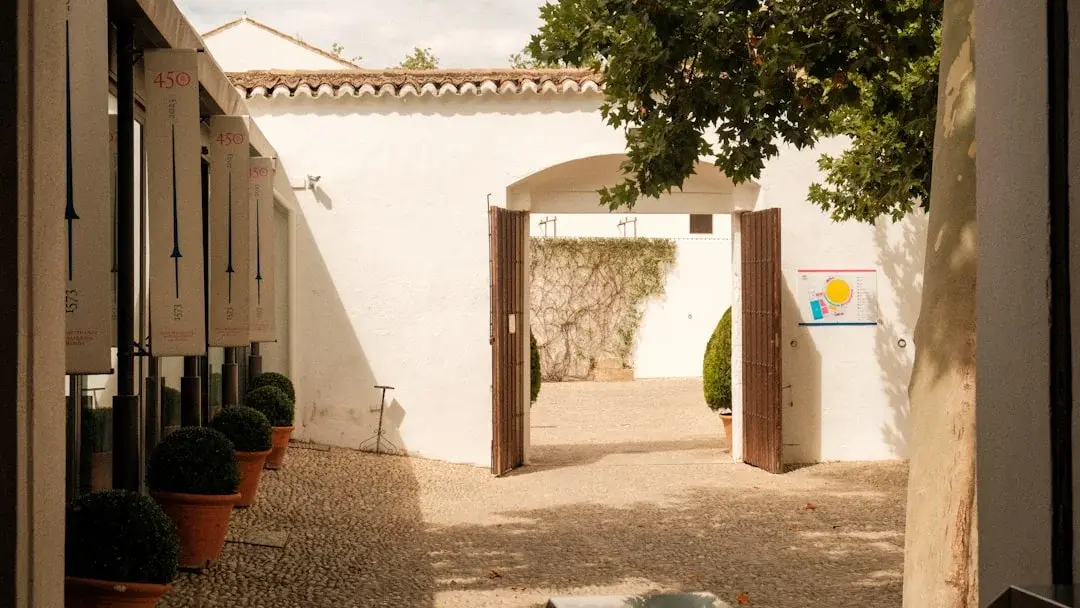
Montilla's bodegas open their doors for authentic tastings in historic cellars
Suggested Itineraries
Half-day (4h)
The essentials for a first visit
2 bodegas
10:00 Depart Córdoba
10:30 Visit Bodegas Alvear (1h30)
12:15 Tasting at Pérez Barquero (1h)
13:30 Lunch in Montilla (optional)
14:30 Return to Córdoba
Our tip: Book Alvear at least 2 days ahead. Start with the historic bodega for context, then finish at Pérez Barquero to compare.
Full day (8h)
Total immersion in the terroir
4 bodegas
09:00 Depart Córdoba
09:30 Visit Bodegas Robles (2h, vineyards included)
12:00 Visit Alvear or Pérez Barquero (1h30)
13:30 Lunch in Montilla (Taberna Las Camachas)
15:30 Drive to Aguilar de la Frontera
16:00 Visit Toro Albalá (1h30, aged PX vintages)
18:00 Stop at Lagar Blanco (30 min, sierra views)
19:00 Return to Córdoba
Our tip: Designate a sober driver or book a tour. The detour to Lagar Blanco at sunset is worth it.
Getting There
By car (recommended)
Route: N-331 towards Málaga
Distance: 49 km
Duration: 30-40 minutes
Parking: Free at most bodegas
Hire a car in Córdoba or from the AVE train station. Major rental companies (Hertz, Avis, Europcar) are all present.
Organised tours
Epicurean Ways
€50 Mezquita visit + lunch + bodega
OnT Descubre Córdoba
€24 4 wines + tapas
Winalist
€20-34 Various tasting options
Drink-driving: The legal limit in Spain is 0.5 g/l (0.3 g/l for new drivers). After several tastings, you will likely exceed this threshold. Designate a sober driver, book a taxi, or join an organised tour. Police checkpoints are common on the N-331.
Tasting Tips
A bodega visit typically includes 3 to 5 wines. Start with the lightest (fino), progress through the more complex styles (amontillado, oloroso), and finish with the sweet Pedro Ximénez. Here are a few keys to getting the most from the experience.
Tasting vocabulary
Solera
The ageing system where young wines are progressively blended with older ones, ensuring consistency of style.
Flor
A veil of yeast that forms on fino wine, protecting it from oxidation and giving those characteristic almond notes.
Criadera
The rows of barrels above the solera where wine ages before being blended down.
Saca
The moment when wine is drawn from the solera for bottling.
Pasificación
Sun-drying of grapes to concentrate sugars — the process used for Pedro Ximénez.
Albariza
The white chalky soil typical of the region, which retains moisture and reflects sunlight onto the vines.
Good habits
- Smell before you taste (the nose reveals a lot)
- Hold the wine in your mouth for a few seconds
- Don't hesitate to spit — it is normal and expected
- Drink water between wines
- Take notes if you are planning to buy
- Ask questions — guides love sharing their knowledge
Avoid
- Wearing strong perfume (it interferes with tasting)
- Arriving after a heavy meal (your palate will be saturated)
- Swallowing every pour — you won't last the tour
- Openly criticising a wine — be diplomatic
- Feeling obliged to buy — it is not expected
The local cocktail: Rebujito
A mix of fino and sparkling lemonade over ice, the rebujito is the drink of Andalusian ferias. Some purists roll their eyes, but it is a perfect refreshment at 40°C. The recipe: two-thirds lemonade, one-third fino, a few fresh mint leaves.
Best Time to Visit
September: the harvest
The ideal time to visit. The harvest is in full swing, and the Fiesta de la Vendimia (5-8 September in Montilla) offers a unique spectacle: traditional grape-treading, street tastings, and a festive atmosphere. The bodegas are buzzing with activity. Book accommodation early.
Spring (March-May)
Pleasant temperatures (20-28°C), green vineyards and fewer crowds than summer. In May, the Patios de Bodega event opens normally private flower-filled patios to visitors. Pairs well with the Patios Festival in Córdoba.
Autumn (October-November)
Post-harvest calm. Bodegas have more time to welcome you without rushing. The landscape takes on golden tones. Mild temperatures (15-22°C).
Summer (July-August): avoid if possible
Extreme heat (35-45°C). The cellars stay cool, but driving and walking between bodegas is exhausting. Some close partially in August for summer holidays.
Events not to miss
Fiesta de la Vendimia
The grape harvest festival. Traditional grape-treading, election of the harvest queen, and free tastings in the streets. The event draws local families and wine lovers in equal measure.
Early September
Montilla
Cata del Vino Montilla-Moriles
Four days of tastings beside the Alcázar: 10 bodegas, free entry, pay per glass. The region comes to the city — no car needed.
Late April (annual)
Córdoba
Patios de Bodega
During the Patios Festival in Córdoba, bodegas exceptionally open their own flower-filled patios. A unique experience combining wine and Andalusian floral tradition.
May
Montilla
Local Food Pairings
Montilla-Moriles wines pair naturally with Córdoban cuisine. Here are the classic combinations and where to find them.
Wine and food pairings
Amontillado + Flamenquín, viandes blanches
Oloroso + Rabo de Toro, gibier
Pedro Ximénez +
Desserts, glaces, chocolat
Where to eat in Montilla
Taberna Las Camachas
Traditional cooking, excellent value. Locals come here regularly.
Restaurante Alfar
More refined setting, impressive local wine list.
Bar Emilio
Generous tapas, local atmosphere, easy on the wallet.
Back in Córdoba
To continue the experience, several Córdoban restaurants and bars carry excellent Montilla-Moriles selections:
For a broader look at local cuisine, see our Córdoba gastronomy guide.
Practical Tips
Bookings
- Book at least 48 hours in advance
- In September, book 1 week ahead
- Email or phone both work well
- Specify if you need an English-speaking guide
Languages
- Spanish: everywhere
- English: at larger bodegas
- Other languages: on request (Robles)
- Lagar Blanco: good English spoken
Budget
Tour + tasting €10-25
Lunch in Montilla €12-20
Bottle (fino/amontillado) €5-15
Bottle (vintage PX) €30-150
What to wear
- Closed-toe shoes (floors can be slippery)
- A light layer (cellars stay cool at 14-16°C)
- Avoid perfume (it interferes with tasting)
- Smart casual is fine everywhere
Buying wine: Bottles are generally cheaper at the bodega than in Córdoba shops. The rarest wines (vintage PX, palo cortado) are sometimes only available at source. Leave room in your luggage.
Ready for the Wine Route?
Book your bodega visits a few days ahead, arrange a sober driver or join a guided tour, and set off down the N-331. The cellars are 45 minutes from Córdoba and the wines are waiting.
Rent a car in Córdoba
We earn a small commission if you book a car through this search — at no extra cost to you.
The wine route is best explored by car. Compare rental rates for pick-up in Córdoba.
Further reading
Official sources
4 references Show Hide
- DO Montilla-Moriles (opens in a new tab)
Official designation of origin for Montilla-Moriles wines
- Bodega Álvear (opens in a new tab)
Oldest family bodega in Andalusia (founded 1729)
- Bodega Pérez Barquero (opens in a new tab)
Historic bodega founded in 1905, a benchmark for the appellation
- Spain.info — Wine Routes (opens in a new tab)
Official Spanish tourism guide to wine routes and regions