
food-lovershistory-buffscouples
Glasses of Montilla-Moriles fino and Pedro Ximénez wines
Drink vin-appellation

Montilla-Moriles: Córdoba's Wine Appellation of Pedro Ximénez Grapes

Córdoba's own wine: Pedro Ximénez grapes on white limestone, producing finos, amontillados and rich sweet wines without fortification. Taste them here.

Back to gastronomy

At a glance

Category
Drink
Origin
Montilla-Moriles wines have been produced in the Córdoba region since Roman times. The Denominación de Origen (DO) was established in 1945 to protect and promote these wines, made principally from the Pedro Ximénez grape grown on the limestone soils of the Campiña cordobesa.
Temperature
Served cold
Season
Year-round, finos especially popular in summer

On this page

Córdoba's wines, in their own right

Montilla-Moriles is the wine appellation of Córdoba province, centred on the towns of Montilla and Moriles, about 40 km south of the city. These wines share DNA with sherry — similar styles, similar methods — but they are not the same thing. The critical difference: the Pedro Ximénez grape grown here on albariza limestone reaches natural sugar levels high enough that the wines don't need alcohol fortification. A fino arrives at 15–17% vol. without a drop of added spirit.

For centuries, Montilla wine was exported to England under the name "sherry," which created lasting confusion. The Denominación de Origen, established in 1945, drew the boundary and gave the region its own identity. The amontillado style even found its way into Poe's short fiction. Read The Wine Behind Poe's Amontillado for the full story.
Why Pedro Ximénez thrives here

The Pedro Ximénez grape is not exclusive to this region, but here it performs differently than anywhere else. The albariza soils — compact white limestone, chalky to the touch — act like a slow-release water tank. They soak up winter rains, seal over in summer heat, and ration moisture to the vine's roots through a 40°C July. This means the grapes ripen under stress, building sugar concentration without irrigation.

The harvest in Montilla-Moriles is one of the earliest in Spain, usually starting in late August. For the Pedro Ximénez sweet wine, the picked grapes go through a stage called asoleo: they are spread on esparto grass mats in the sun for one to two weeks to partially raisin. You walk through the vineyards in September and the air smells of dried fruit and hot stone. By the time the raisined grapes are pressed, the must is so dense with sugar that fermentation stops naturally around 9–10% vol. before being fortified upward.

In Jerez, the dominant grape is Palomino, not Pedro Ximénez. Jerez has historically imported PX must from Montilla to sweeten its blended wines. That trade is the source of the "they're basically the same" misunderstanding locals here find tiresome. They are not the same. Palomino grown in Jerez produces an entirely different wine. The structure, the grape character, the geography — all separate.

The solera system inside Córdoba's bodegas

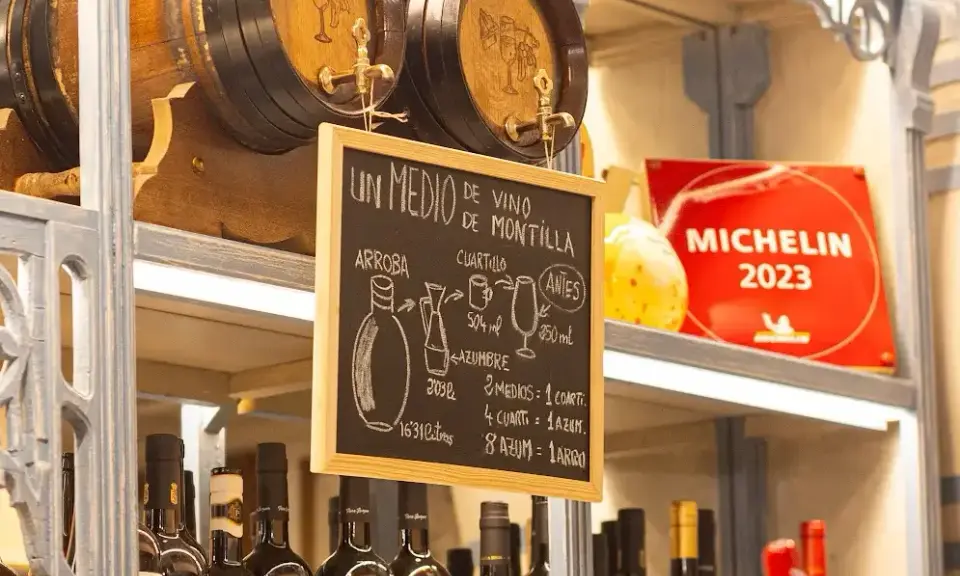
Both regions use the solera system for ageing, which is worth understanding before you taste. A solera is a set of barrels stacked in rows, from young wine at the top (the criaderas) down to the oldest at the bottom. The winemaker draws a portion from the bottom row for bottling, refills it from the row above, and so on up the stack. No barrel is ever completely emptied. The wine at the bottom contains fractions from every vintage since the solera began.

Bodegas in Montilla town run soleras that date back to the early 19th century. Álvear, founded in 1729, is the oldest continuously operating bodega in Andalusia. In the Córdoba city bodegas — Bodegas Campos is the most visited — you can sometimes walk through the nave and see the barrels stacked four-high, the wood dark and seeping slowly, with the yeast layer called flor visible on the surface of the fino barrels. That white film is alive: it protects the wine from oxygen and gives fino its characteristic saline, almost bread-like bite.

The styles: what you'll be offered

All five styles come primarily from Pedro Ximénez:

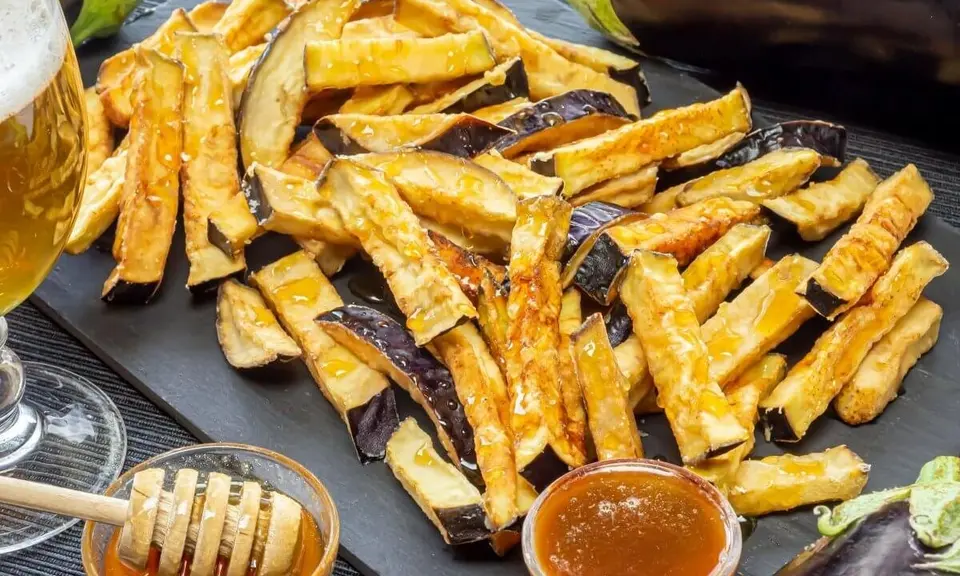
  • Fino: dry, pale gold, with a faint saltiness and a bitter almond finish. The workhorse of Córdoba tabernas. Cold from a copita, it cuts right through the oil in a plate of berenjenas con miel or the richness of salmorejo.
  • Amontillado: aged first under flor (like fino), then exposed to air for further oxidation. Amber, with hazelnut and dried-fruit notes. The right wine alongside flamenquín or a plate of jamón ibérico.
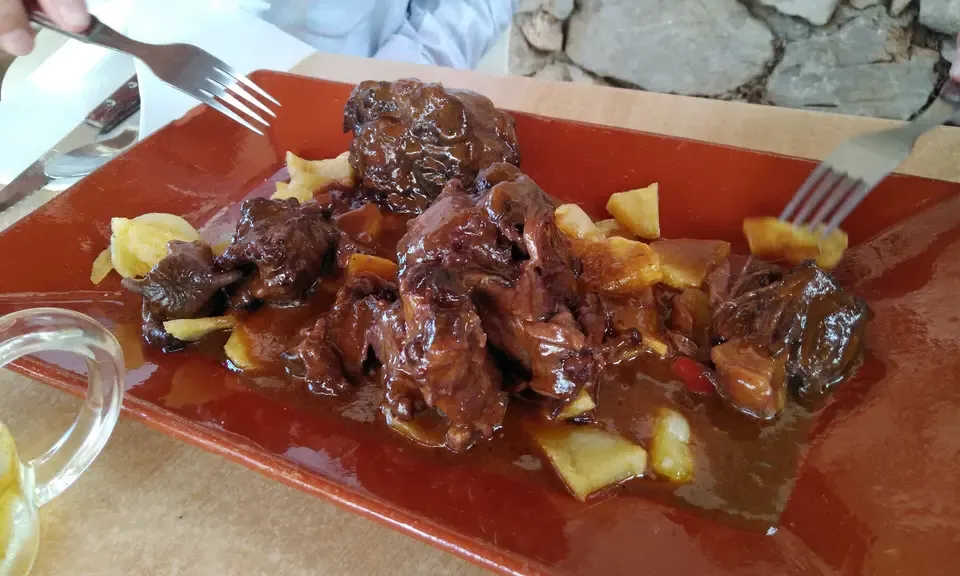
  • Oloroso: aged fully oxidatively, no flor protection, full-bodied and nutty with a dark mahogany colour. The natural match for rabo de toro or a slow-cooked cordero.
  • Palo Cortado: rare, and genuinely interesting. It starts life as a fino but the flor dies or fails to develop properly, and it crosses over into oloroso territory. The flavour sits between the two — saline and nutty at once.
  • Pedro Ximénez: the sweet wine, almost black, with the consistency of thin syrup. The raisined grapes concentrate every molecule of flavour. A small glass beside a slice of pastel cordobés or poured cold over vanilla ice cream is one of the better things you can eat in this city.

What a wine flight looks like in practice

Most Córdoba tabernas don't offer a formal flight, but the better ones will pour you a progression if you ask. The standard informal order is: fino first, then amontillado, oloroso if you want to push further, and Pedro Ximénez last. Ask for "una cata de vinos de Montilla" and most traditional places will know what you mean.

Expect to pay somewhere between €6 and €12 for three pours depending on where you are. The fino portion is large — usually 100 ml or more in a full copita. The Pedro Ximénez arrives in a smaller glass, 50–60 ml at most, because it is dense and very sweet. Drinking them from dry to sweet is essential; going the other way makes the fino taste thin and acidic.

For a more structured tasting, Taberna El Número 10 runs commented Montilla-Moriles sessions with food pairing. The Córdoba gastronomic tour pairs fino, amontillado, and PX with local dishes inside century-old tabernas.

Food pairings specific to Córdoba cuisine

The pairing logic here is straightforward but often misapplied. The error visitors make is ordering a PX with a savory course because it looks impressive. It doesn't work. The pairings below are based on how local chefs and taberna owners actually serve these wines:

  • Fino with salmorejo: the cold, saline bite of a fino cuts the richness of the olive oil and ham in a bowl of salmorejo. This is the most common pairing in Córdoba. Get it right before experimenting.
  • Fino with berenjenas con miel: the sweetness of the honey glaze on the aubergine needs something dry and slightly bitter to balance it. Fino does that.
  • Amontillado with flamenquín or rabo de toro: the nutty oxidative character bridges the fat in both dishes. Oloroso also works with rabo de toro if you want more weight.
  • Oloroso with mature cheeses: Manchego curado or any hard aged cheese. The combination is earthy and long-finishing.
  • Pedro Ximénez with pastel cordobés or mazapán: the richness of the sweet wine actually clarifies the flavour of the candied fruit and almond paste. It sounds too much, but it isn't.

In summer, fino also works as the base in a rebujito — a long drink made with lemon soda. This is primarily a feria drink, but you'll find it at the Cata del Vino Montilla-Moriles every April near the Alcázar.

City bodegas versus visiting Montilla or Moriles

You can drink well-chosen Montilla-Moriles wines in Córdoba all week without leaving the city. But the experience inside the producing towns is different in ways that matter if you care about wine.

In Montilla, the bodegas are built with high ceilings and thick walls to keep the temperature stable year-round. You walk into a nave that smells of slow evaporation and oak. The barrels are old and enormous — traditional botas hold 500 litres. A guide at Álvear walks you through the criaderas, explains the solera system with the actual barrels in front of you, and pours you the same wines you'd find in the city but at the source. The whole visit takes about 90 minutes.

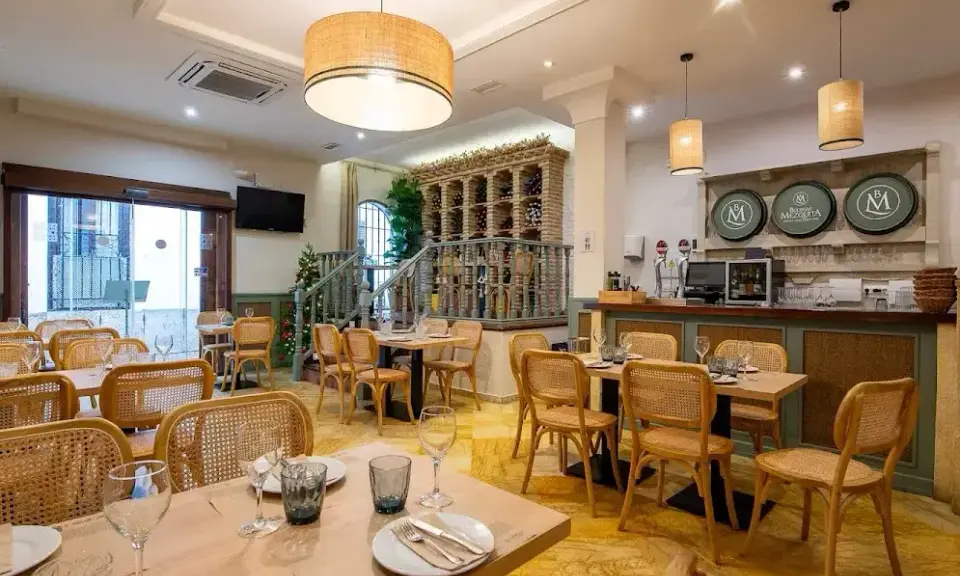
In the city, the advantage is pairing. Bodegas Campos, Taberna Salinas, and Casa Pepe de la Judería serve these wines alongside Córdoba food in their natural context — the old patio, the marble bar, the sound of the city outside. Both experiences are worth having. The day trip to Montilla is more educational; the city tabernas are more pleasurable in the moment.

On the "it's basically sherry" comparison

Locals in Montilla know this one well and it annoys them, reasonably. The method comparison goes like this: both regions use the same grape (or have historically), both age in barrels, both produce fino and amontillado. But the method is not the product. Sherry is made from Palomino grapes fortified with grape spirit. Montilla fino reaches its alcohol content naturally. The taste is different, the grape is different, the intention is different.

The more accurate version: sherry borrowed from Montilla. The English wine trade of the 17th and 18th centuries exported Montilla under the "sherry" name because it was cheaper and more consistent than Jerez production at the time. Jerez then industrialised and marketed more aggressively. Montilla stayed quieter and smaller. Read The Wine Behind Poe's Amontillado for more on that history.

Harvest season

If you visit in late August or September, the region around Montilla changes character. The motorway south from Córdoba runs through vines as far as you can see on both sides. The villages smell of fermenting must. The asoleo mats are visible in the fields from the road: long rows of drying Pedro Ximénez grapes on esparto grass, turning dark under the sun.

In the city, the harvest season is quieter in terms of public events, but the new vintage wines begin appearing in tabernas by October — sharp, young finos with more fruit and less saline depth than the solera wines. Worth trying if you want to understand how the system transforms a wine over time.

Where to drink them in Córdoba

Bodegas Campos, Taberna Salinas, and Casa Pepe de la Judería keep reliable cellars. Taberna El Número 10 runs commented tastings (Michelin selection). The wine tasting at Montilla-Moriles bodegas puts you in historic cellars with a guide.

In late April, the Cata del Vino Montilla-Moriles brings 10 bodegas to the avenue beside the Alcázar for five days — free entry, pay per glass.

The wine route guide covers the DO region in full: which bodegas to book, timing, and day-trip logistics from Córdoba city.

Good for

Food Lovers History Buffs Couples Gastronomy Cultural

Main ingredients

  • Pedro Ximénez (main grape variety)
  • Moscatel (minor grape variety)
  • Airén (minor grape variety)

Allergens: sulphites

Reporter notebook

Insider tips

Pairing tip

Taste from dry to sweet, never the other way round

Start with fino, then move toward amontillado and oloroso, and finish with Pedro Ximénez. If you begin on the sweet end, the drier wines lose their precision — the fino will taste thin and slightly sour against the memory of PX.

Best time

Drink fino in summer, richer styles when it cools down

Locals reach for fino naturally through June, July, and August — it is cold, dry, and low-effort in the heat. From October onward, amontillado and oloroso make more sense alongside heavier dishes. The season shapes what you should order.

Local custom

Ask for "fino de la casa" at traditional bars

Most old-style tabernas in the centro and Judería neighbourhood buy their fino direct from a single bodega and serve it as house wine by the glass. Say "un fino de la casa" and you'll get the local choice, usually cheaper than the labelled bottles on the shelf and often better. In the summer, ask for it well chilled — some bars pour it at the wrong temperature unless you specify.

Frequently asked questions

Where can I taste Montilla-Moriles wines in Córdoba?

Most traditional tabernas stock a good range. Bodegas Campos, Taberna Salinas, and Casa Pepe de la Judería all keep solid cellars. Taberna El Número 10 runs commented Montilla-Moriles tastings. For the full bodega experience, Montilla is 40 km from the city — Álvear (founded 1729), Pérez Barquero, and Toro Albalá are the main names to book.

Is Montilla-Moriles wine the same as sherry?

No. They share production methods but they are different wines from different grapes grown in different places. Montilla-Moriles is built on Pedro Ximénez on limestone soils south of Córdoba. Sherry comes from Palomino grapes in the Jerez region. The practical difference locals point to: Montilla finos reach 15-17% vol. through natural fermentation without added spirit. Sherry is fortified. The Denominación de Origen, established in 1945, formally separated the two regions.

What are the different styles of Montilla-Moriles wine?

The appellation produces five main styles: fino (dry, pale, saline, aged under a protective yeast layer called flor), amontillado (aged first under flor then oxidatively, amber with hazelnut notes), oloroso (fully oxidative ageing, full-bodied and nutty), palo cortado (rare style that starts as fino and crosses into oloroso character), and Pedro Ximénez (sweet, dark, made from sun-dried raisined grapes). Fino is the everyday taberna wine; Pedro Ximénez pairs with desserts or is poured over ice cream.

What food pairs best with Montilla-Moriles wines?

Fino pairs with salmorejo, berenjenas con miel, and cold tapas generally. Its dry, slightly bitter finish cuts through oily or honey-glazed dishes. Amontillado works with flamenquín, cured meats, and jamón. Oloroso suits slow-cooked stews like rabo de toro and aged cheeses. Pedro Ximénez is the natural companion for pastel cordobés, mazapán, or poured cold over vanilla ice cream.

Can I visit Montilla-Moriles bodegas on a day trip from Córdoba?

Yes, and it is worth doing if you have a spare afternoon. Montilla is 40 km south of Córdoba, about 35 minutes by car. Álvear and Pérez Barquero both offer guided visits with tastings, usually lasting 60 to 90 minutes. Book ahead, especially in summer and during harvest season in September. There is also a direct bus from Córdoba's main bus station. The visit adds context that is hard to get from drinking in the city: you walk through the actual solera barrels, smell the flor on the fino casks, and understand the scale of the operation.

How do I bring Montilla-Moriles bottles home?

Check them in your luggage rather than carrying them in a cabin bag. Wrap bottles individually in clothes or use a wine bottle protector sleeve if you have one. Oloroso and Pedro Ximénez travel well because they are oxidative styles already exposed to air during ageing. Fino is more fragile and degrades faster once opened, so drink any opened fino within a few days. Several Montilla bodegas, including Álvear, ship internationally through their online shops if you would prefer to avoid travelling with glass.

Where to taste it in Córdoba

Similar dishes