World Heritage
Córdoba, 4 times a UNESCO World Heritage Site
No other city has four separate UNESCO inscriptions. Two are architectural monuments, one is a living neighbourhood tradition, and one is a buried palace city that archaeologists have barely started to excavate.

Written by
María Fernanda González Ten years covering Córdoba's UNESCO heritage sites, sourcing from Junta de Andalucía documentation.
Updated Published
Romans, Visigoths, Umayyad caliphs, Catholic Monarchs: each civilisation built on what came before rather than erasing it. That accumulated layering is what UNESCO has been recognising since 1984. The four inscriptions span from a great mosque to a flower competition, which tells you something about how broadly the city's heritage is defined.
At a glance
- UNESCO inscriptions
- 4 (1984, 1994, 2012, 2018)
- First inscription
- Historic Centre 1984, first in Andalusia
- Best time to visit
- May: Patio Festival open to visitors, gardens at peak
- Unique listing
- Patios Festival (2012): intangible heritage
- What sets it apart
- Three faiths in one quarter: mosque, synagogue and churches all still standing
- Context
- Spain has more UNESCO sites than any country in the world
In this guide
Jump to a section
1984
1984
The Mosque-Cathedral (Mezquita)
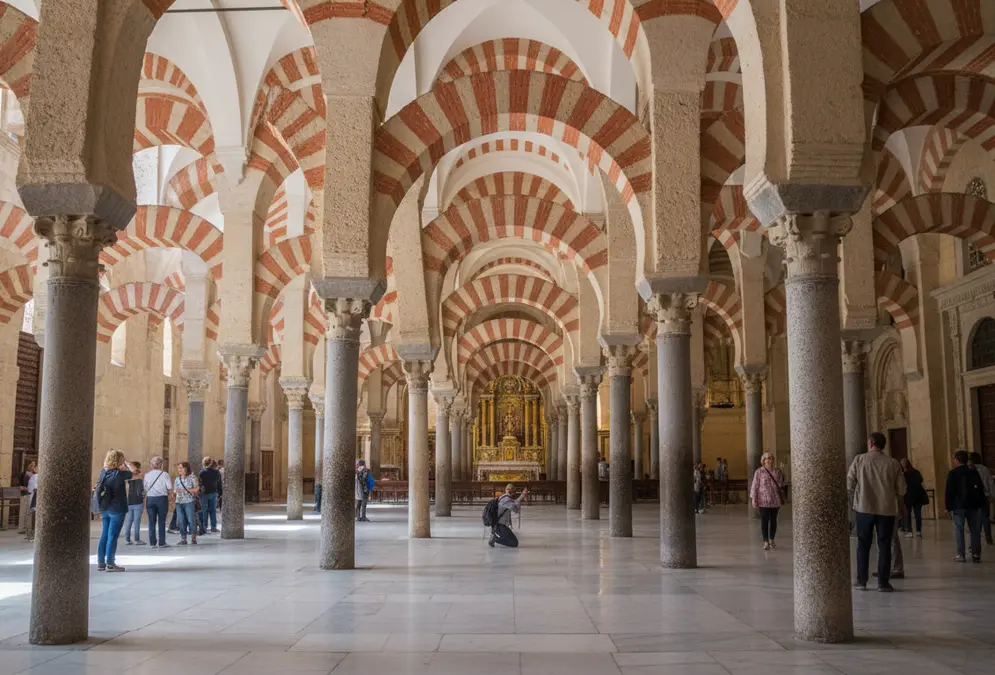
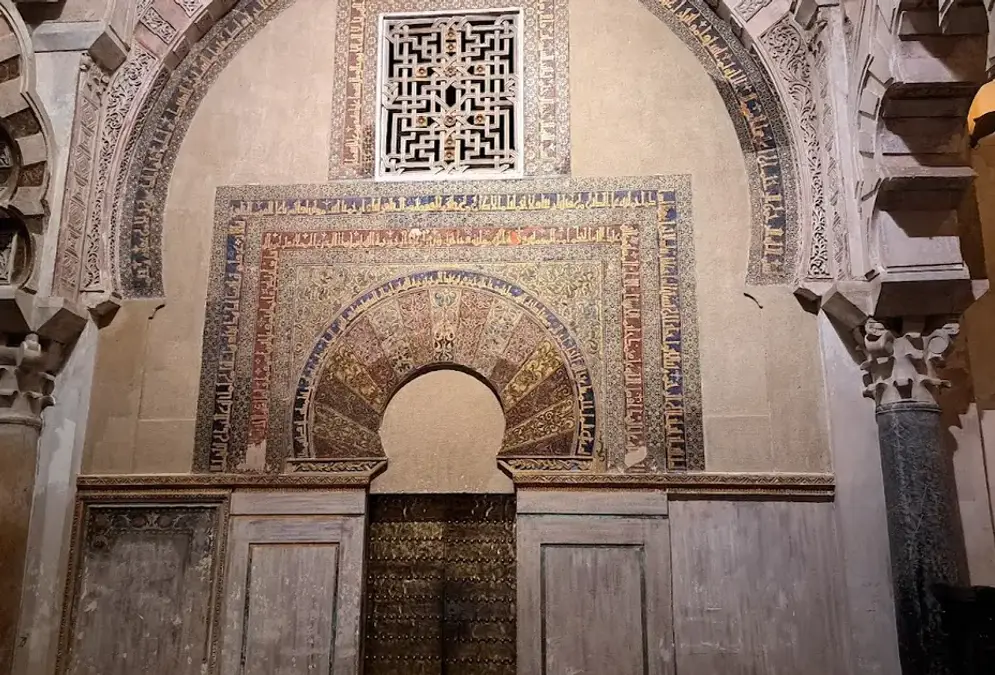
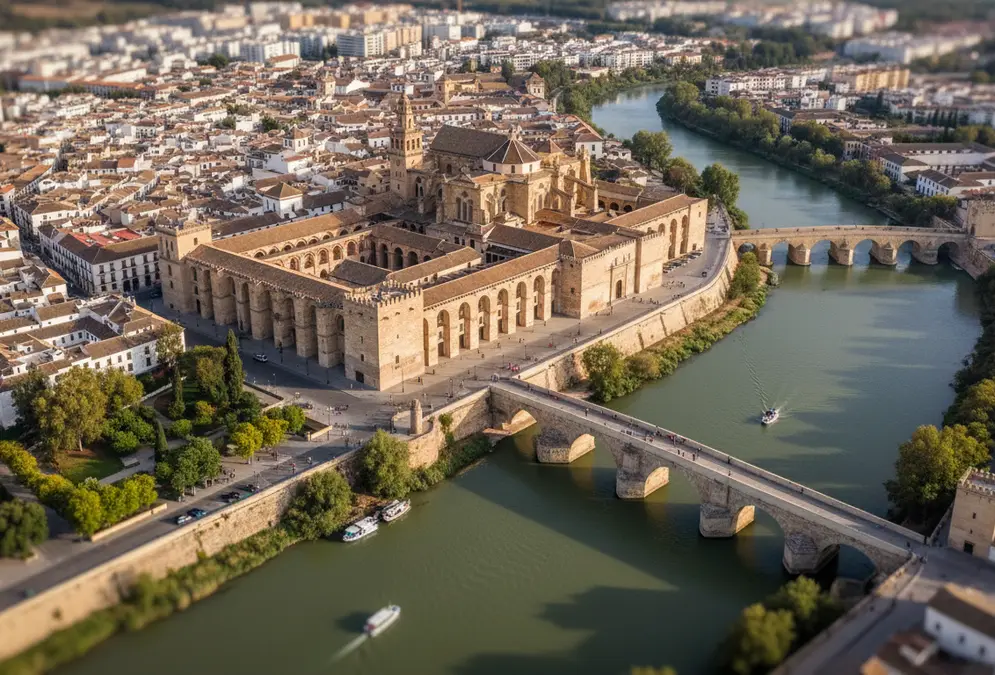
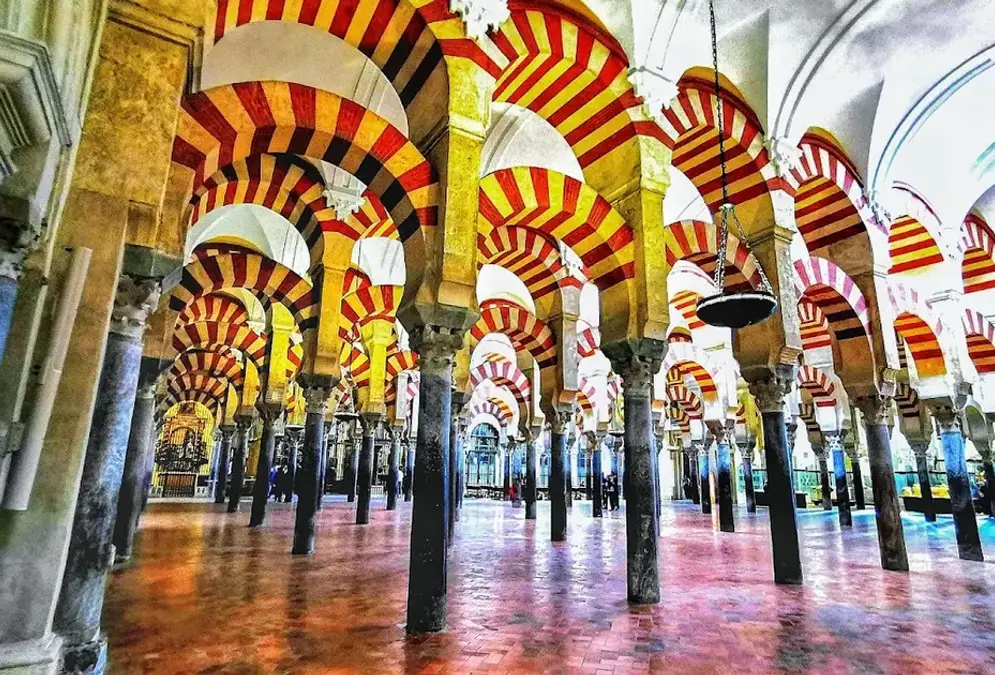
The first Cordovan site to be inscribed, the Mezquita is an 8th-century Umayyad mosque with a 16th-century Renaissance cathedral built inside it (not beside it, but through the middle). The result is a building that has no real parallel anywhere else. It was expanded four times before the Reconquista transformed it in 1236.
856 columns of jasper, marble and granite, supporting the iconic red-and-white horseshoe arches that define the interior
1994
1994
The Historic Centre
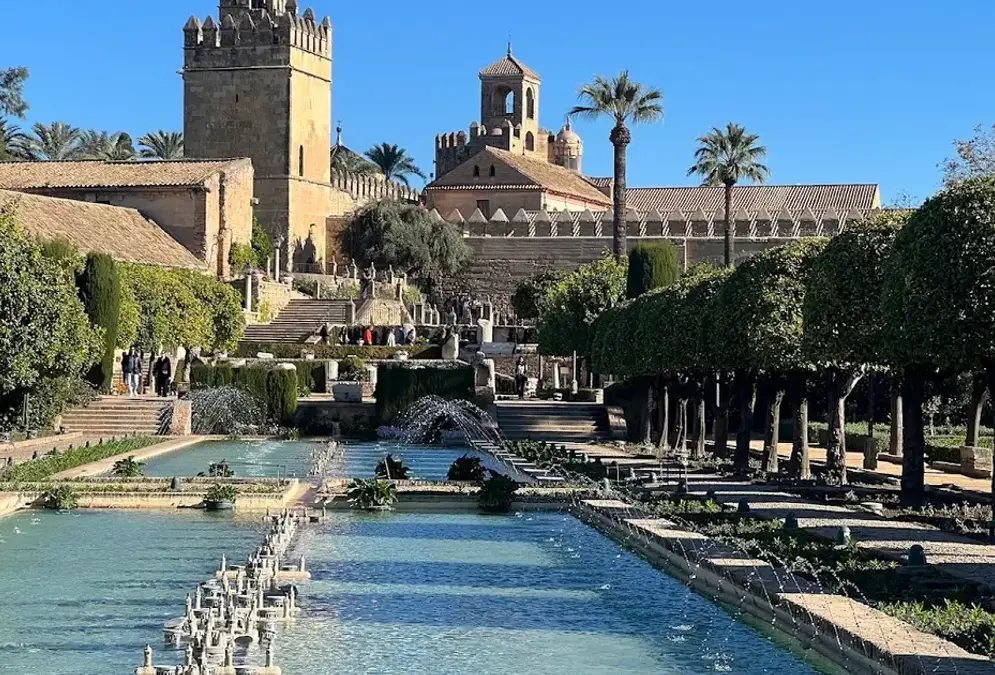
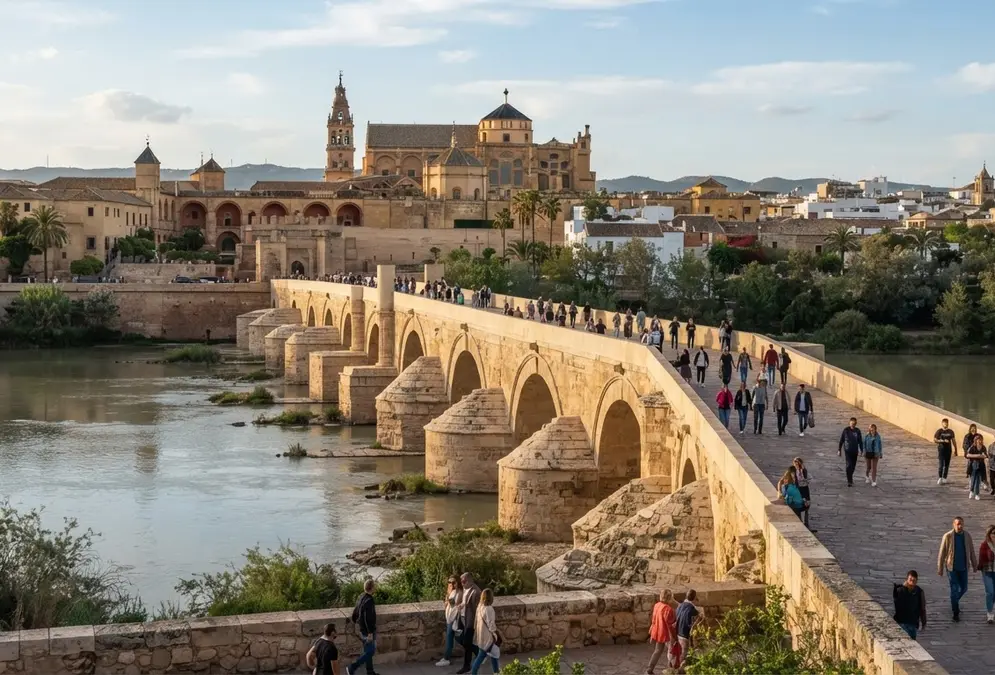
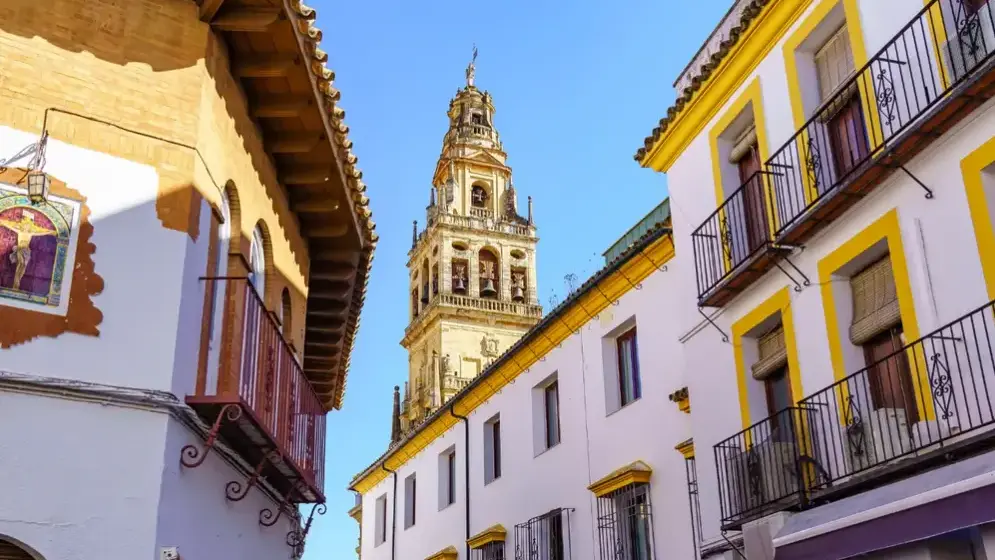
Ten years after the Mezquita, UNESCO extended its protection to the surrounding quarter. The medieval street layout (narrow, winding, often dead-ending at a wall) still follows the plan of the Arab medina. Three communities left their mark here: the Judería (the former Jewish quarter), a synagogue that is one of only three preserved in all of Spain, and the Alcázar of the Christian Monarchs with its terraced gardens.
2012
2012
The Patio Festival
Each May, Córdoba residents open their private patios to the public for a twelve-day competition: UNESCO's intangible heritage category recognises not a building but a living practice. More than 50 patios open across the city, with families spending months preparing their geraniums, jasmine and azulejos for a tradition that has been continuous since the 19th century.
2018
2018
Medina Azahara
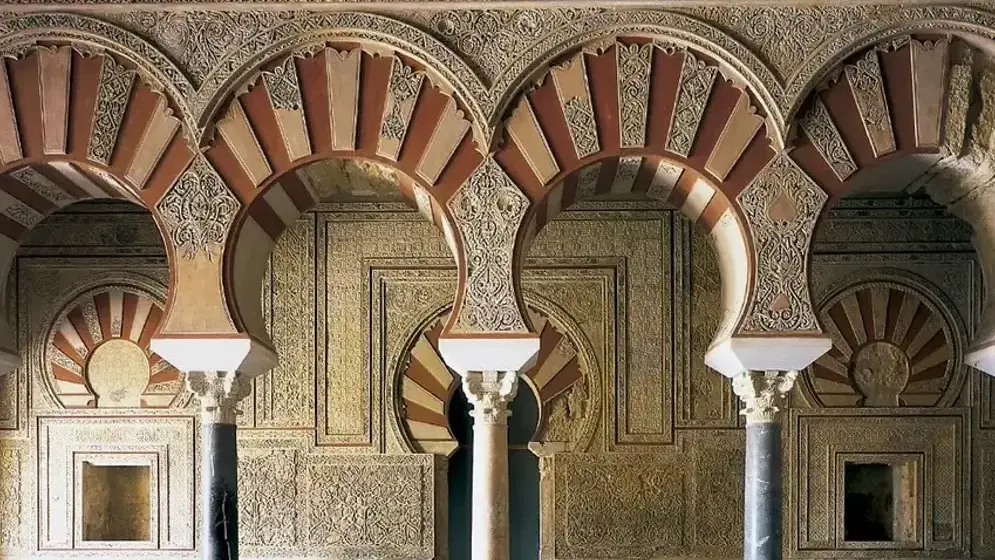
The most recent inscription. Abd al-Rahman III began building this palace city in 936, 8 km west of Córdoba: a seat of government for the Caliphate that was burned to the ground less than a century later during the fitna civil war of 1009–1010. It lay buried until the 20th century.
10% of the site has been excavated: a 10th-century palace city, 90% still underground, accessible by shuttle bus from the city centre
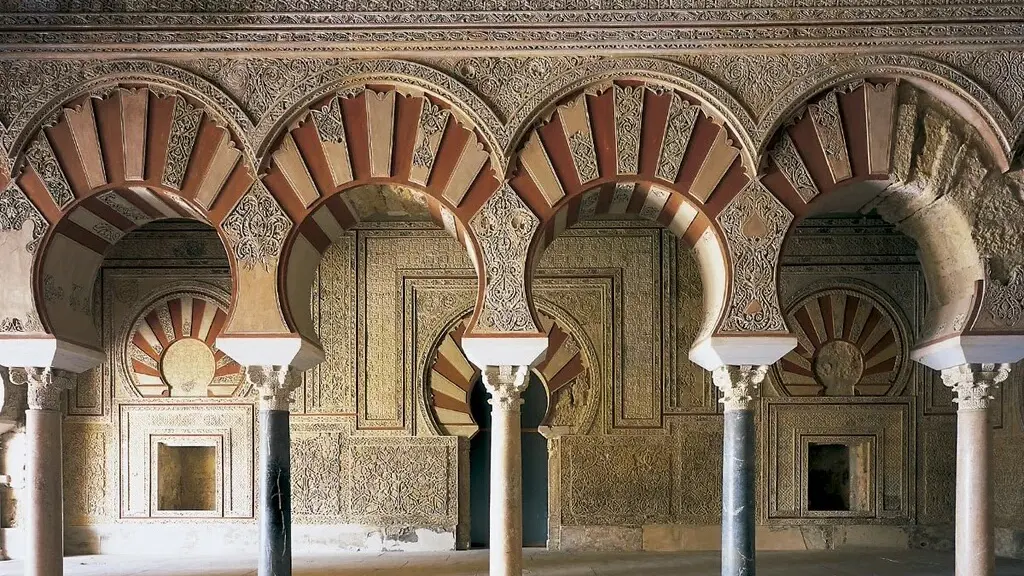
Medina Azahara, Córdoba's most recent UNESCO inscription (2018)
Plan your visit
The 2-hour free tour takes in all 4 UNESCO-listed sites and is a good starting point. For a fuller picture, the 2-day itinerary includes Medina Azahara and the main monuments. A day trip to Granada adds the Alhambra (Nasrid Al-Andalus, also on the UNESCO list).
UNESCO monuments & heritage sites

Tours & guided experiences
Further reading
Official sources
4 references Show Hide
- UNESCO - Historic Centre of Córdoba (opens in a new tab)
World Heritage inscription since 1984
- UNESCO - Medina Azahara (opens in a new tab)
Caliphal palace city inscribed in 2018
- UNESCO - Patios Festival of Córdoba (opens in a new tab)
Intangible cultural heritage inscribed in 2012
- Mezquita-Catedral de Córdoba (opens in a new tab)
Official site of the Mosque-Cathedral of Córdoba
Explore Córdoba's UNESCO Heritage
Tours are selected for quality, not commission. We earn a small fee if you book — at no extra cost to you.
Best Seller
Best Seller
Best Seller
Mosque-Cathedral Skip-the-Line Guided Tour
Skip the queue and explore the Mezquita-Cathedral with a knowledgeable local guide. Discover 13 centuries of layered history in one of Spain's most iconic monuments.
Skip the line 1.5 hours
From €29
4.7 (7,293 reviews)
Reserve Your Spot
✓ Verified GetYourGuide reviews
Books up weeks ahead in peak season
Mosque-Cathedral Skip-the-Line Guided Tour
Beat the crowds with skip-the-line access and enjoy an expert-led tour through the breathtaking arches, mihrab, and cathedral choir of Córdoba's most visited monument.
Skip the line 1.5 hours
From €28
4.6 (5,758 reviews)
Reserve Your Spot
✓ Verified GetYourGuide reviews
Books up weeks ahead in peak season
Jewish Quarter, Mosque & Alcázar Tour
A comprehensive guided tour covering Córdoba's three UNESCO-listed highlights: the Mezquita, the medieval Jewish Quarter, and the Alcázar de los Reyes Cristianos.
3 hours
From €49
4.6 (5,547 reviews)
Reserve Your Spot
✓ Verified GetYourGuide reviews
Books up weeks ahead in peak season