Traditional craftsmanship
What to buy in Córdoba: crafts from the Andalusian masters
The Zoco Municipal on Calle Judíos has housed working artisan workshops since 1956: leather embossers, silversmiths, ceramicists. Spain's oldest craft market, open every day, free entry. This is where to start.

Written by
Pedro Del Pozo Seven years covering Córdoba's gastronomy, taberna culture, and the Montilla-Moriles DO.
Updated Published
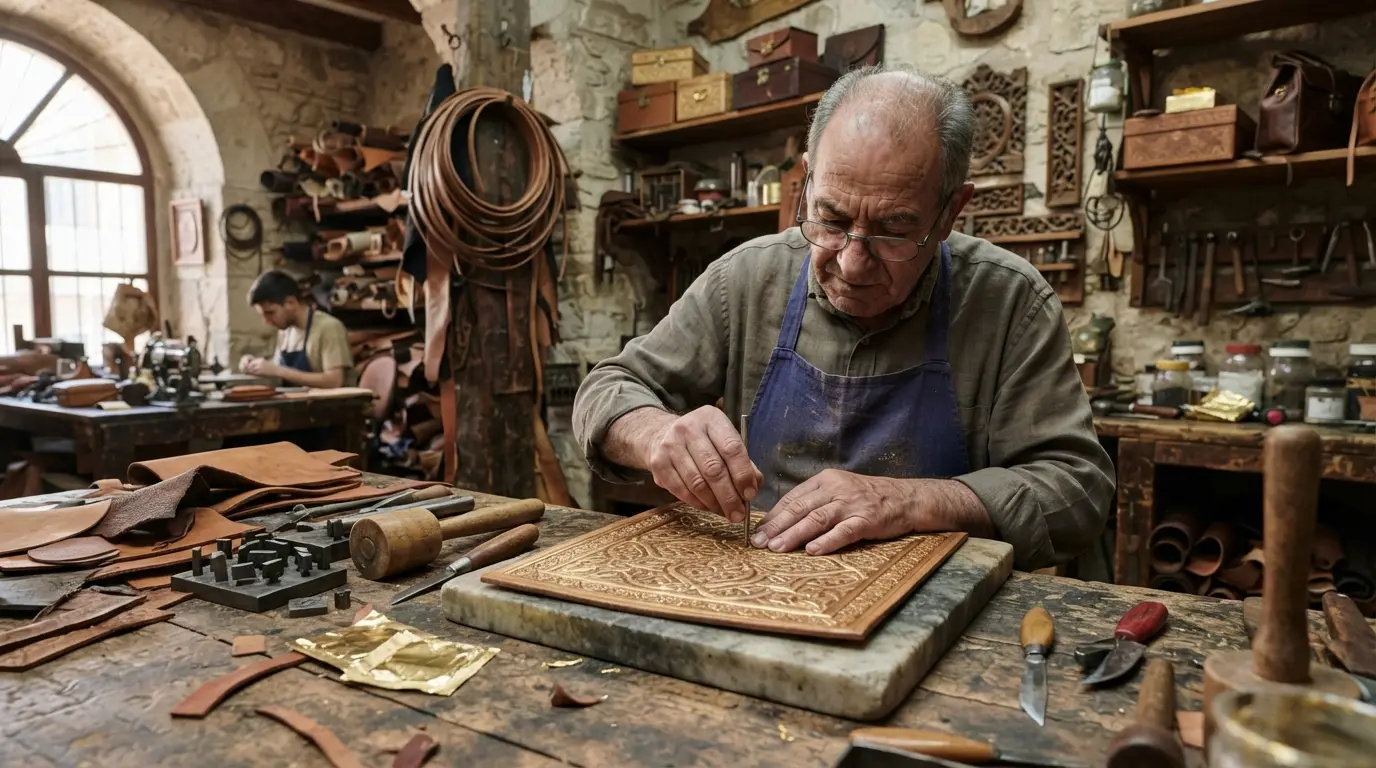
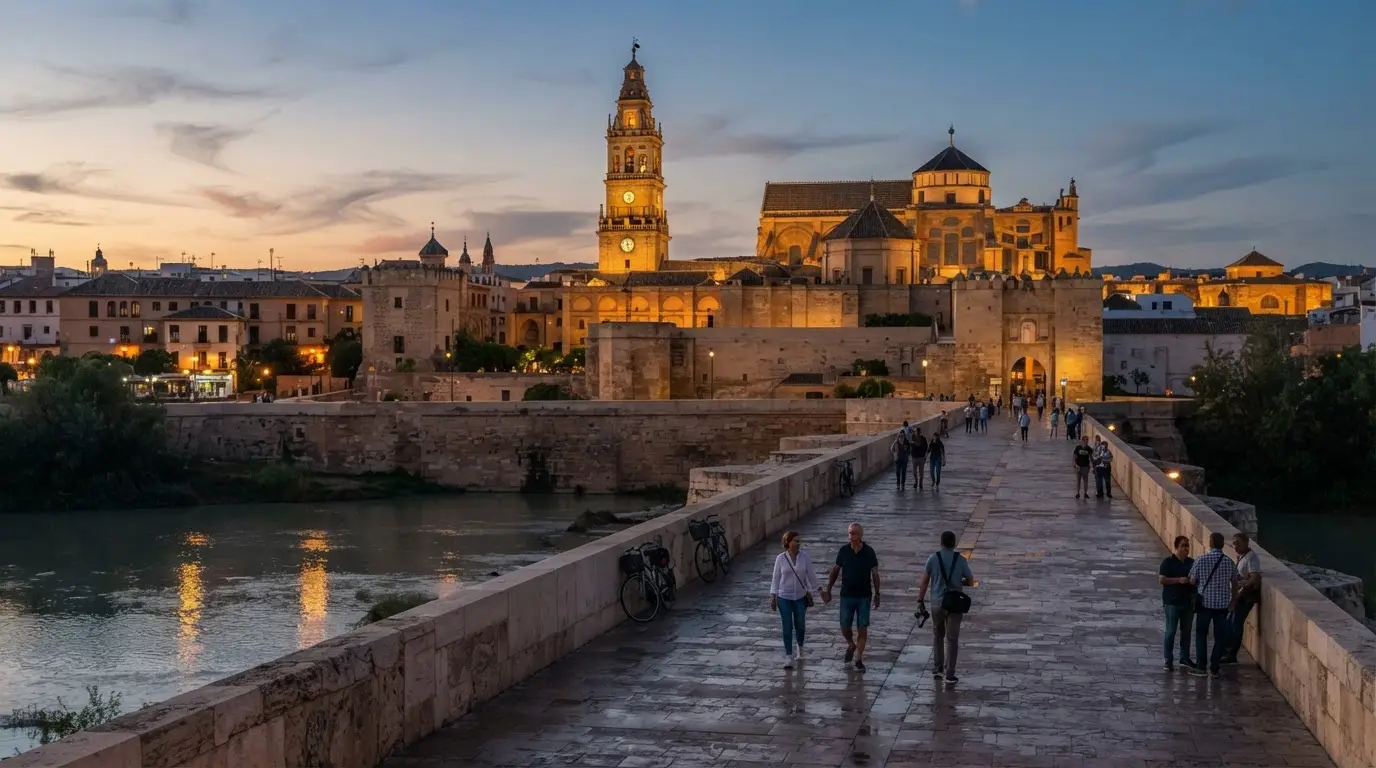
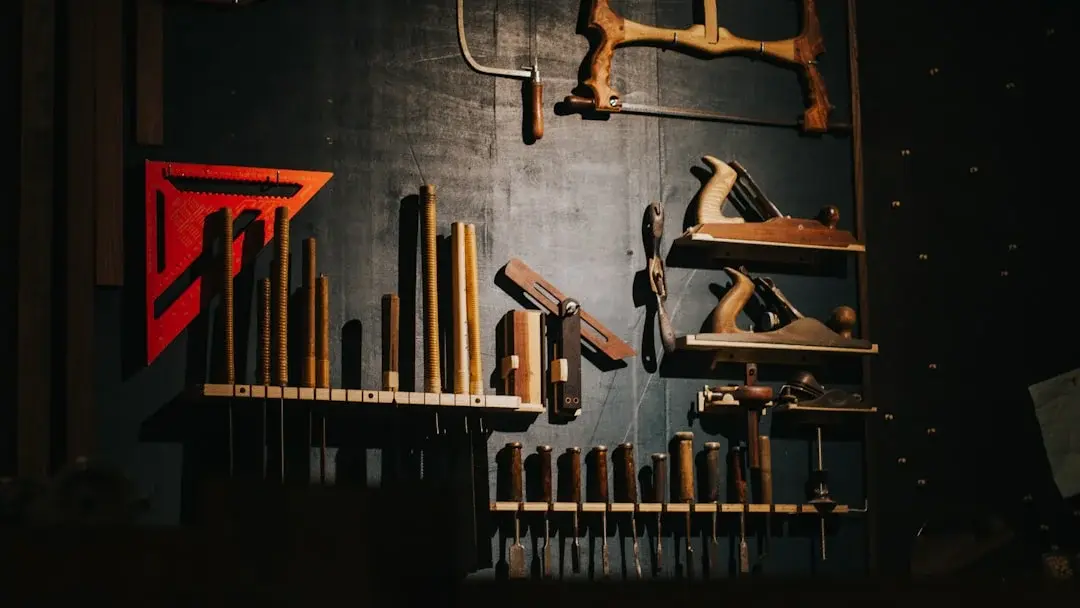
This is the guide to shopping in Córdoba, Spain: what to buy, the best places to shop and which souvenirs are genuinely local. Since the Caliphate era, three materials have defined Córdoba's craft identity: leather, worked using the embossed repujado technique; silver, chiselled into delicate filigree; and clay, shaped into ceramics with Andalusian geometric patterns. The skill stayed in family workshops on the same Judería lanes for over a thousand years.
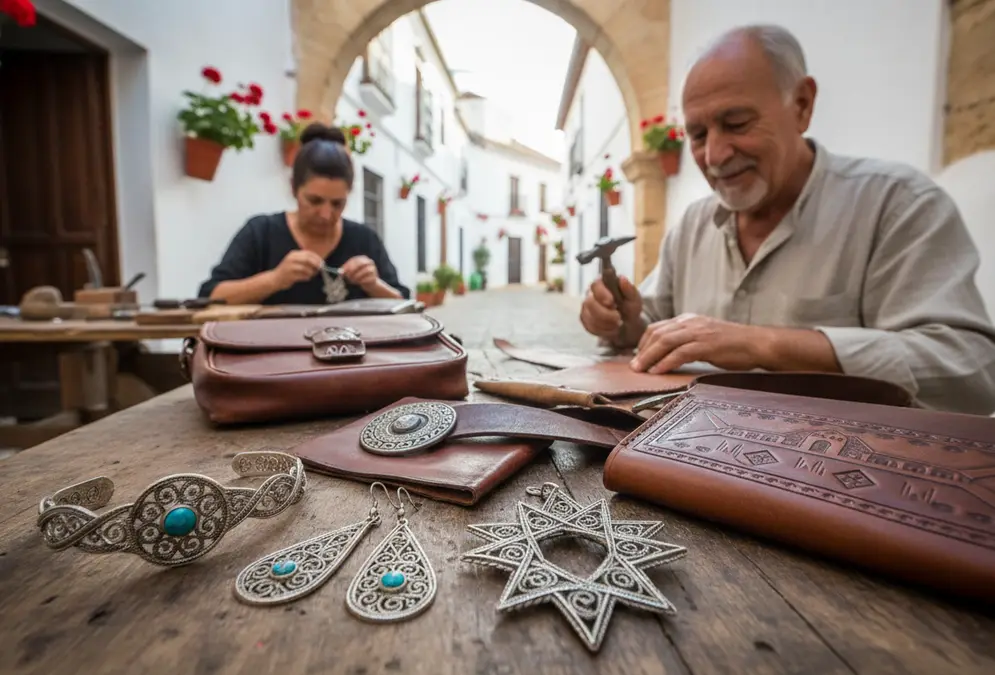
At the Zoco Municipal, a leatherworker engraves with a burin a few steps from a silversmith soldering hair-thin silver threads. The workshops are open to visitors: you can watch, ask questions, and buy souvenirs directly from the maker. Prices and provenance are clear.
Shopping essentials at a glance
- Start here
- Zoco Municipal, Calle Judíos s/n Judería guide
- Zoco hours
- Every day, 10am–8pm
- Budget
- €10–150 (most souvenirs)
- Best buy
- Embossed leather notebook (€15–40)
- Market day
- Sunday (El Rastro, 9am–2pm)
- Workshops
- From €25 (book 2 days ahead)
In this guide
Jump to a section
The three treasures of Córdoba
Since the 10th century
Córdoba leather (guadamecí)
Guadamecí — Córdoba embossed leather — is the direct legacy of Moorish craftsmanship. The technique involves pressing, moulding and polychroming leather with geometric, floral or calligraphic designs. Once exported across Europe to decorate palaces, this rare skill now survives in just a handful of family workshops. The English word "cordovan" still denotes the finest quality leather.
What you'll find:
Notebooks, document wallets, belts, purses, decorative wall panels
Where: Meryan (Zoco Municipal), Calle Judíos
How to spot the real thing: Genuine guadamecí has tooling marks you can feel under your fingertips — each design is slightly irregular. The back is unfinished leather, never a fabric lining. Machine-stamped fakes show perfectly uniform patterns and often have a plastic-coated surface.
Price tiers: Budget €15–40 · Mid-range €50–150 · Collector €200+
Handmade
Caliphal silver work
Córdoba filigree is an art of patience: threads of silver or gold, as fine as hair, are soldered together to form open-work patterns of extreme delicacy. Inherited from the Caliphate's goldsmiths, the technique turns metal into lace. Each piece requires hours of painstaking work. For the full story of this Caliphal art, read our guide to Córdoba's silver filigree tradition.
What you'll find:
Jewellery (earrings, bracelets, brooches), jewellery boxes, picture frames, religious ornaments
Where: Zoco Municipal, Plaza Maymónides
How to spot the real thing: Real filigree is noticeably lightweight because it is hollow wire, not cast metal. Look for the 925 hallmark stamped on the piece and examine joints under good light — hand-soldered work is slightly irregular. Heavy pieces with no hallmark and a chrome-like finish are cast fakes.
Price tiers: Budget €25–60 · Mid-range €70–200 · Collector €250+
Andalusian patterns
Ceramics with Moorish motifs
Córdoban ceramics are distinguished by geometric and floral patterns inspired by the architecture of the Mezquita and the Alcázar. Made from high-quality local clay, they are hand-painted with traditional pigments in tones of azulejo blue, green and ochre.
What you'll find:
Decorative plates, azulejos (tiles), vases, serving dishes, cups
Where: Zoco Municipal, Calleja de las Flores
How to spot the real thing: Hand-painted pieces have slight irregularities — no two are identical, and brushwork up close shows variation in line thickness. Check the back for a potter's signature or kiln mark. Test the glaze with a fingernail: quality glaze does not scratch. Perfect uniform transfers and thin glaze are signs of factory production.
Price tiers: Budget €5–25 · Mid-range €30–80 · Collector €100+
Hands-on workshops: make your own souvenir
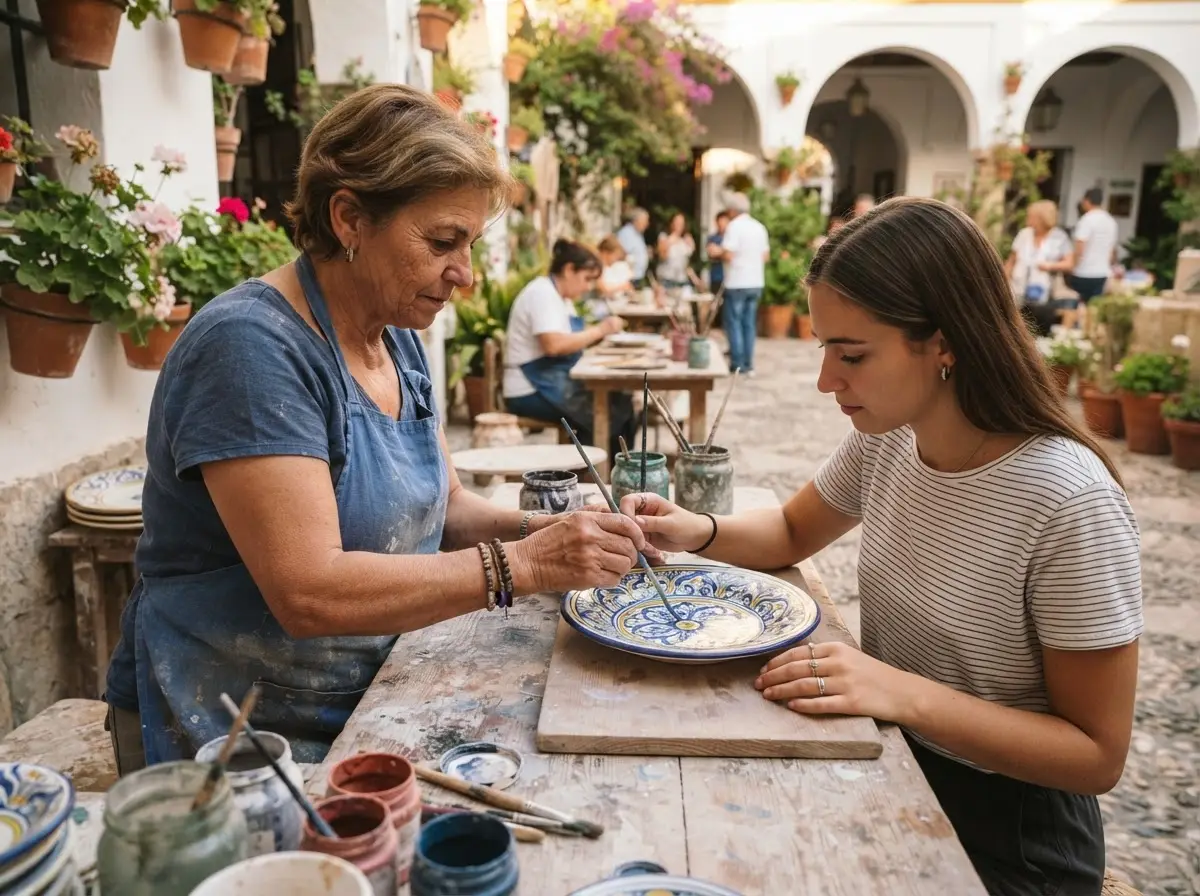
These hands-on sessions offer a unique cultural immersion. You leave with a souvenir you made yourself, a deep appreciation for ancestral techniques, and memories that last far longer than any shop purchase. Perfect for families, couples or solo travellers looking for something beyond standard tourism.
-
Leather embossing workshop
€40-60At Meryan (Zoco Municipal), learn the guadamecí techniques and create your own hand-engraved leather notebook.
2-3 hours · Max 6 people · Booking required (minimum 2 days in advance)
-
Ceramics workshop
€25-40Paint your own plate or azulejo with traditional Andalusian motifs at a Zoco Municipal workshop.
1.5-2 hours · Great for families · Your piece will be fired and ready to collect within 3-5 days
-
Jewellery workshop
€70-100Try your hand at silver filigree and create your own earrings or pendant under the guidance of a goldsmith.
3-4 hours · Max 4 people · Level: Beginners welcome • Materials included
Top-rated Córdoba experiences to book next
Tours are selected for quality, not commission. We earn a small fee if you book — at no extra cost to you.
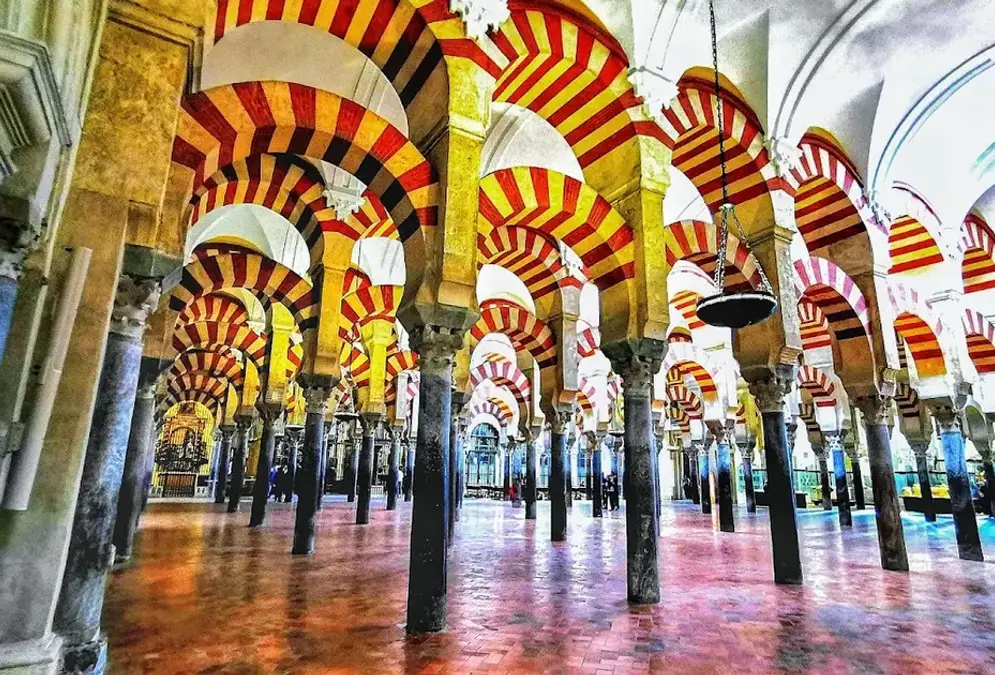
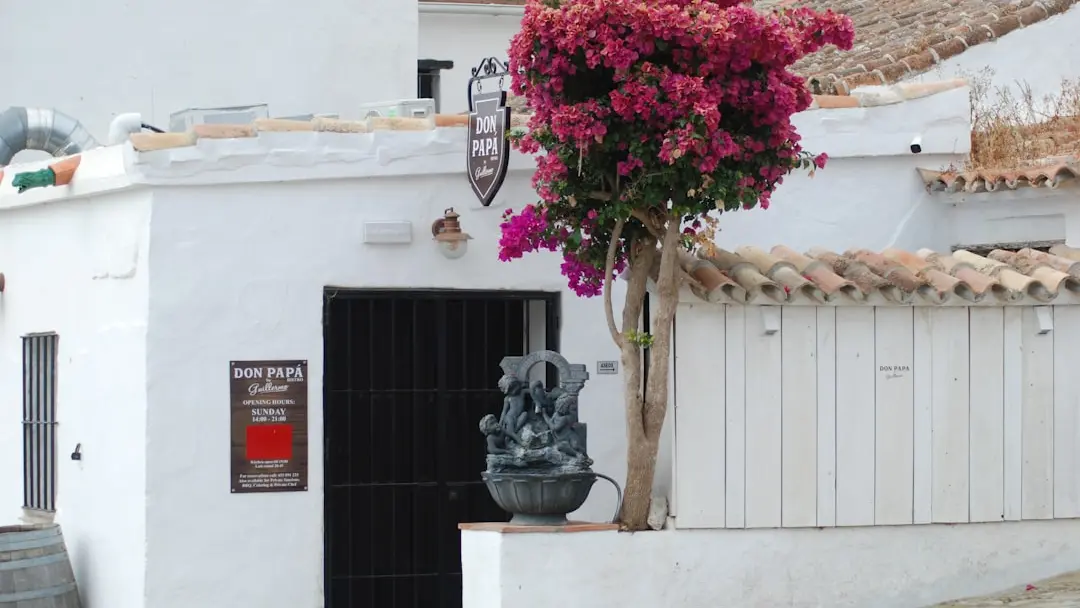
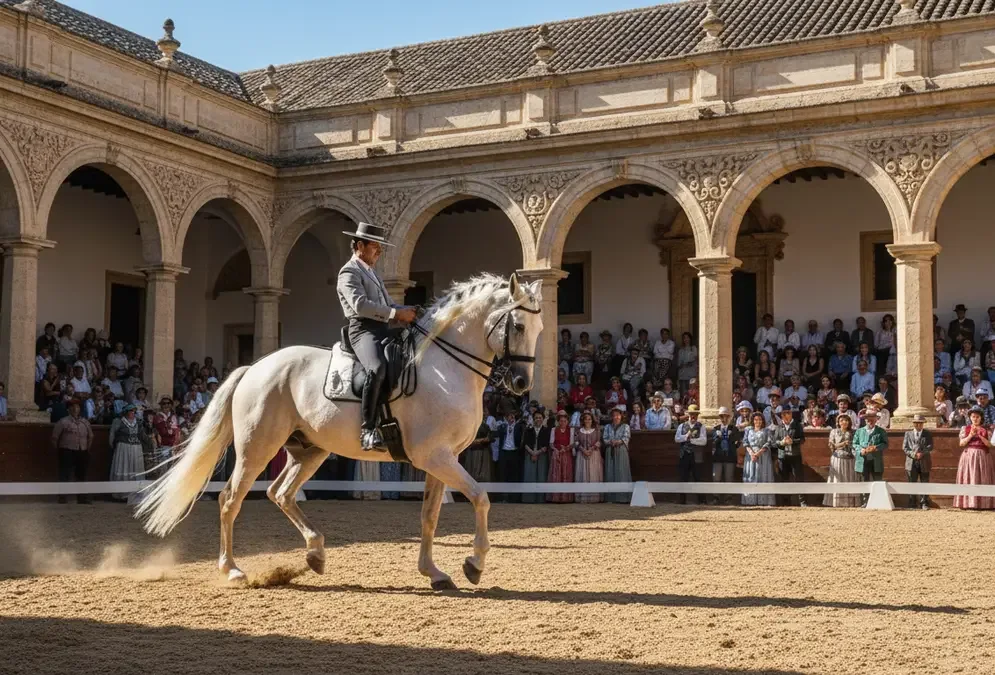
Museo del Guadamecí Omeya
Unique in SpainThis small museum in the Judería is the only one in Spain entirely dedicated to guadamecí — Córdoba's celebrated embossed leather. Housed in a historic building, it traces the history of the technique from the Umayyad period to the present day.
Inside you will find traditional tools, restored antique pieces and live demonstrations by leather craftsmen. An essential stop for understanding why Córdoba leather conquered the courts of medieval Europe. For a deep-dive into the full history — Caliphal origins, technique, European royal demand, and the revival — read our article on guadamecí, Córdoba's most iconic leather craft. And if you want the wider picture, the story behind these crafts starts in the court workshops of the 10th-century caliphs.
Practical information
- Address
- Calle Judíos, Judería
- Hours
- Mon–Sat 10am–2pm, 5pm–7pm
- Admission
- €3 (free for children)
- Duration
- 30–45 minutes
“A hidden gem for anyone passionate about Andalusian craftsmanship. Budget 30–45 minutes and combine it with the Zoco next door.”
The Zoco Municipal: Spain's oldest craft market
Opened in 1956, the Zoco Municipal is Spain's oldest organised craft market. Set in an Andalusian patio between Calle Judíos and Calle Averroes, at the heart of the Judería, it brings together around fifteen workshop-boutiques where artisans work in full view of visitors.
It is the ideal place to watch ancestral techniques at close range: a leatherworker engraving with a burin, a silversmith soldering silver threads, a ceramicist hand-painting Islamic motifs. Every object here has a story, and the artisans take time to explain their craft.
Practical information
- Hours
- Every day, 10am–8pm
- Address
- Calle Judíos s/n, Judería
- Entry
- Free
- Time to allow
- 30–45 minutes
What you'll find: Embossed leather, silver filigree, ceramics, jewellery, leather goods, decorative objects
At the Zoco Municipal, artisans work in the same workshops as in 1956. Almost nothing has changed.
Explore the JuderíaNeighbourhoods and shopping districts
Beyond the Zoco, several neighbourhoods and streets are packed with craft workshops, shopping streets and authentic souvenirs.
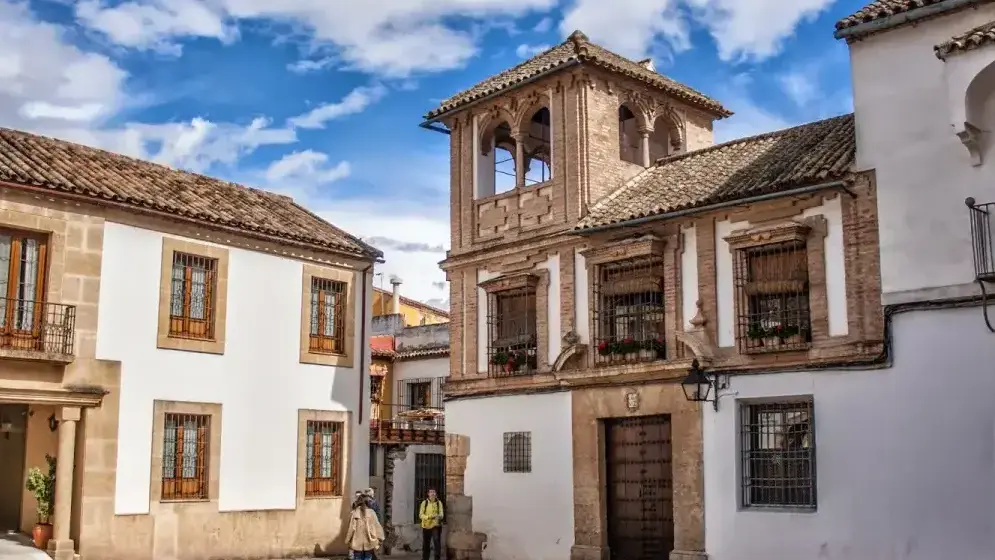
La Judería
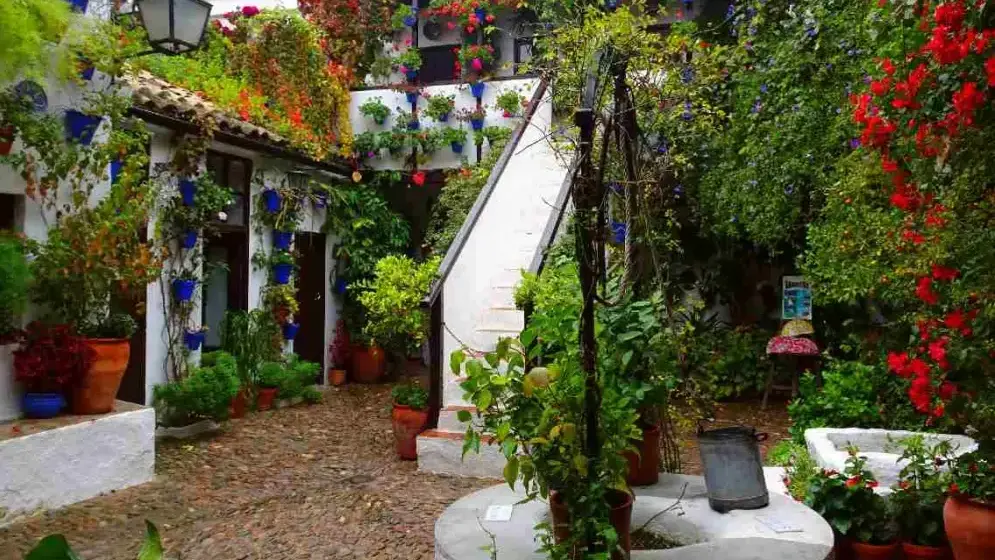
The historic Jewish quarter is home to the majority of craft workshops and souvenir shops. Wander the whitewashed lanes and flower-filled patios and you'll find leather, silverware and ceramics shops at every turn. Don't miss the Calleja de las Flores, an iconic flower-lined alley where boutiques sell hand-painted ceramics and Andalusian lacework.
Key addresses:
- Calle Judíos (traditional crafts)
- Calleja de las Flores (ceramics)
- Plaza Maymónides (silver jewellery)
Centro
For high-street shopping (international brands, department stores, contemporary fashion), head to the modern centre around the Plaza de las Tendillas and Calle Cruz Conde. This is Córdoba's main commercial heart, with familiar high-street names. You will also find specialist guitar shops here.
What you'll find: Fashion, accessories, bookshops, perfumeries, El Corte Inglés, luthiers
Mercado Victoria
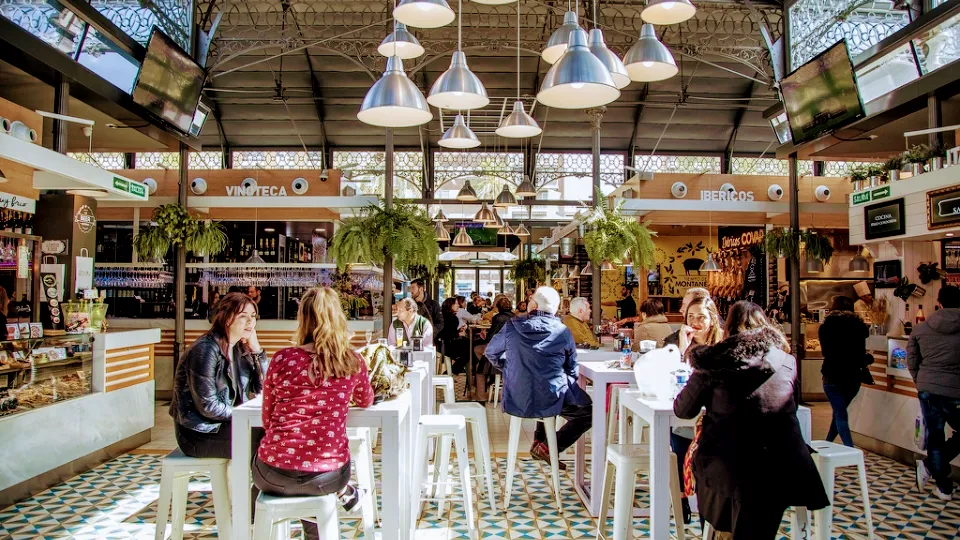
Córdoba's first gourmet market, close to the historic centre, is the perfect place to stock up on local produce: Sierra de Córdoba olive oil, Montilla-Moriles wine, Iberian ham, Andalusian cheeses and spices. A lively, welcoming atmosphere.
Hours: Monday-Sunday, 10am-midnight
Address: Paseo de la Victoria
Learn more
Best places to shop in Córdoba
Six places cover almost all shopping in Córdoba: the Zoco Municipal for leather, silver and ceramics, the Judería lanes around it, Mercado Victoria for oil and wine, the Centro for high-street names and guitars, El Rastro on Sundays and the monthly Ecomercado.
- Zoco Municipal
- Leather (Meryan workshop), silver filigree, ceramics and jewellery, bought from the maker. Calle Judíos s/n, every day 10am–8pm, free entry.
- Judería lanes
- Ceramics on Calleja de las Flores, silver jewellery on Plaza Maymónides, traditional crafts on Calle Judíos. Boutiques close for the siesta, roughly 2pm–5pm.
- Mercado Victoria
- Sierra de Córdoba olive oil, Montilla-Moriles wine, Iberian ham and cheeses. Paseo de la Victoria, daily 10am–midnight.
- Centro
- High-street shopping around Calle Cruz Conde and Plaza de las Tendillas, including El Corte Inglés, plus specialist guitar shops.
- El Rastro
- Vintage clothing, antiques, second-hand books and vinyl. Sunday mornings, 9am–2pm, free entry.
- Ecomercado
- Organic oils, honey, soaps and handmade ceramics on the Bulevar de Gran Capitán. First Saturday of the month, 10:00–15:00.
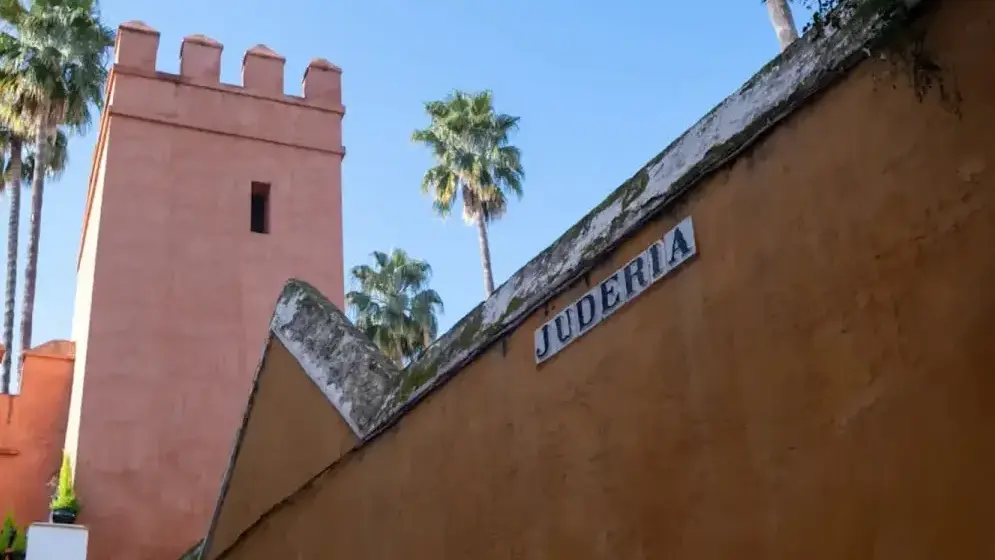
The Judería is the beating heart of Córdoba's craft scene, with workshops and boutiques at every turn
What to buy in Córdoba: authentic souvenirs
Forget generic fridge magnets. Here is what actually makes a worthy Córdoba souvenir.
DOP olive oil from Córdoba province
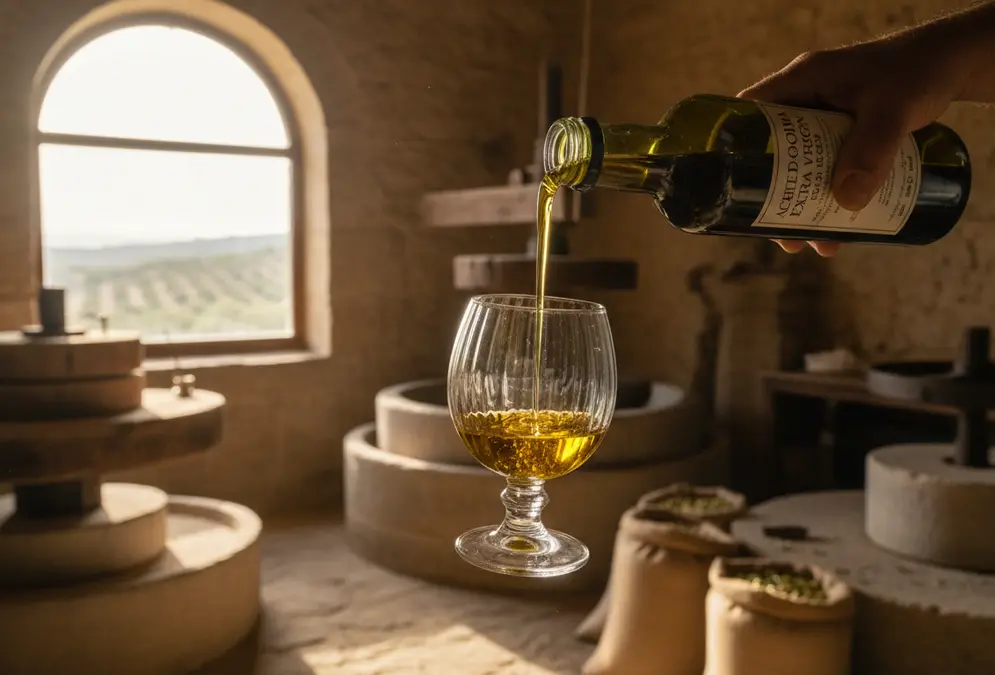
Three DOP denominations worth knowing: Baena (robust, peppery Picual), Priego de Córdoba (delicate Picuda and Hojiblanca, Spain's most awarded DOP), and Lucena (smooth, mild). On the label, check for the harvest date (current season, not older than 18 months), the DOP seal, and the olive variety. Skip anything labelled "light" or "pure" — those are not extra-virgin.
Price: €8–40 Where: Mercado Victoria, delicatessens, mills
Book an expert tasting
Montilla-Moriles wine
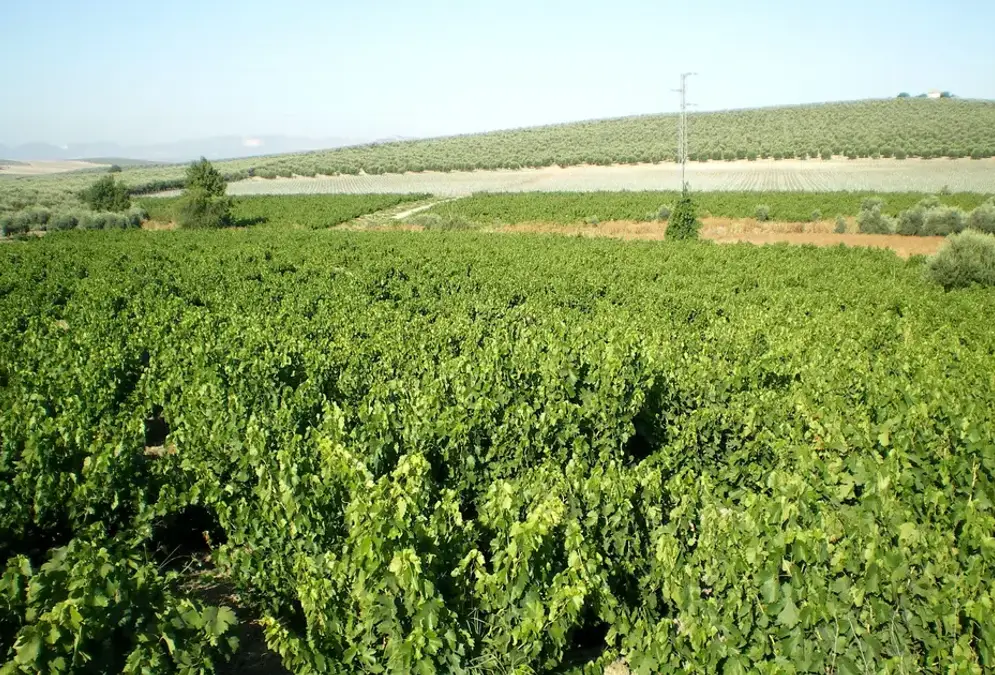
Five styles to know: fino (bone-dry, crisp), amontillado (nutty, amber), oloroso (rich, full-bodied), palo cortado (rare, complex), and Pedro Ximénez (intensely sweet dessert wine). Made 40 km south of Córdoba — similar solera ageing to sherry, but without fortification.
Price: €5–50 Where: Mercado Victoria, wine shops, Montilla bodegas
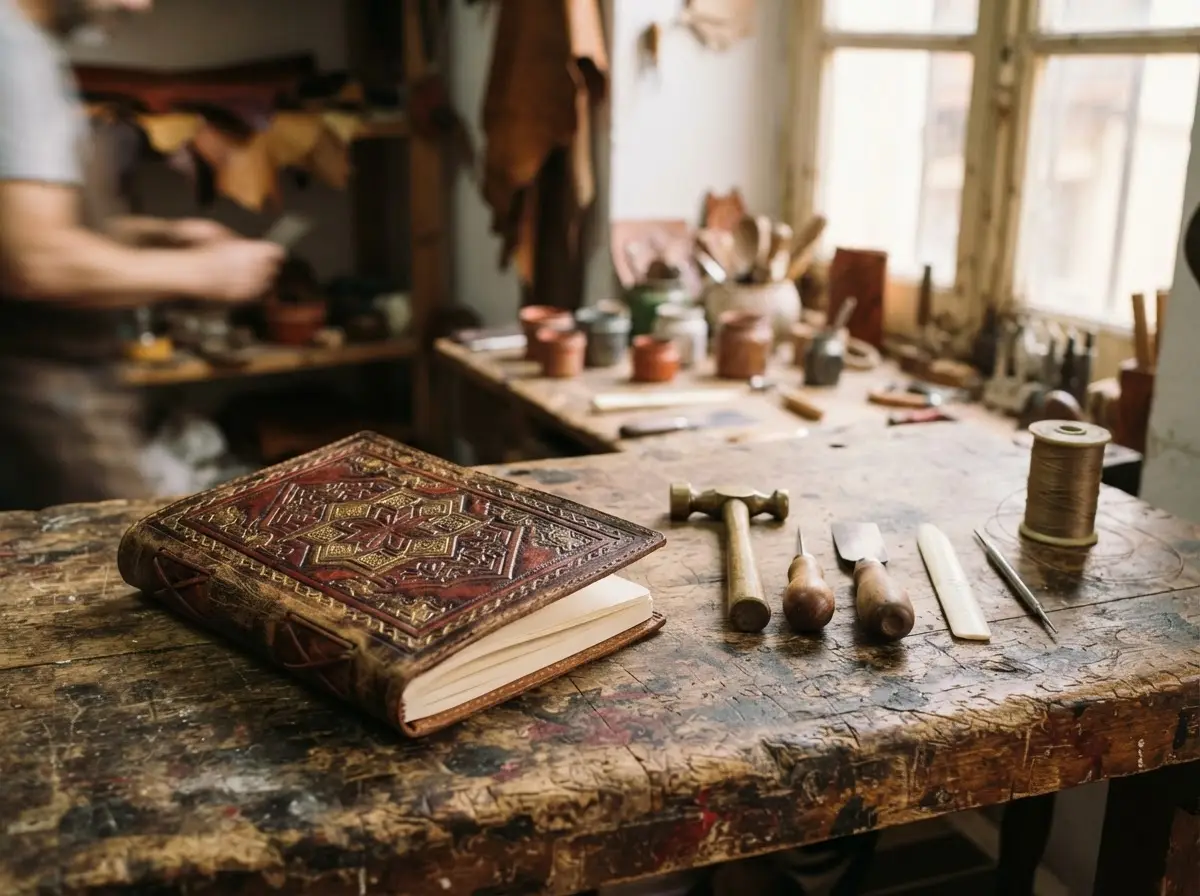
An embossed leather notebook
Made using the ancestral guadamecí technique, with patterns hand-engraved into the leather.
€15–40 Meryan (Zoco), Calle Judíos
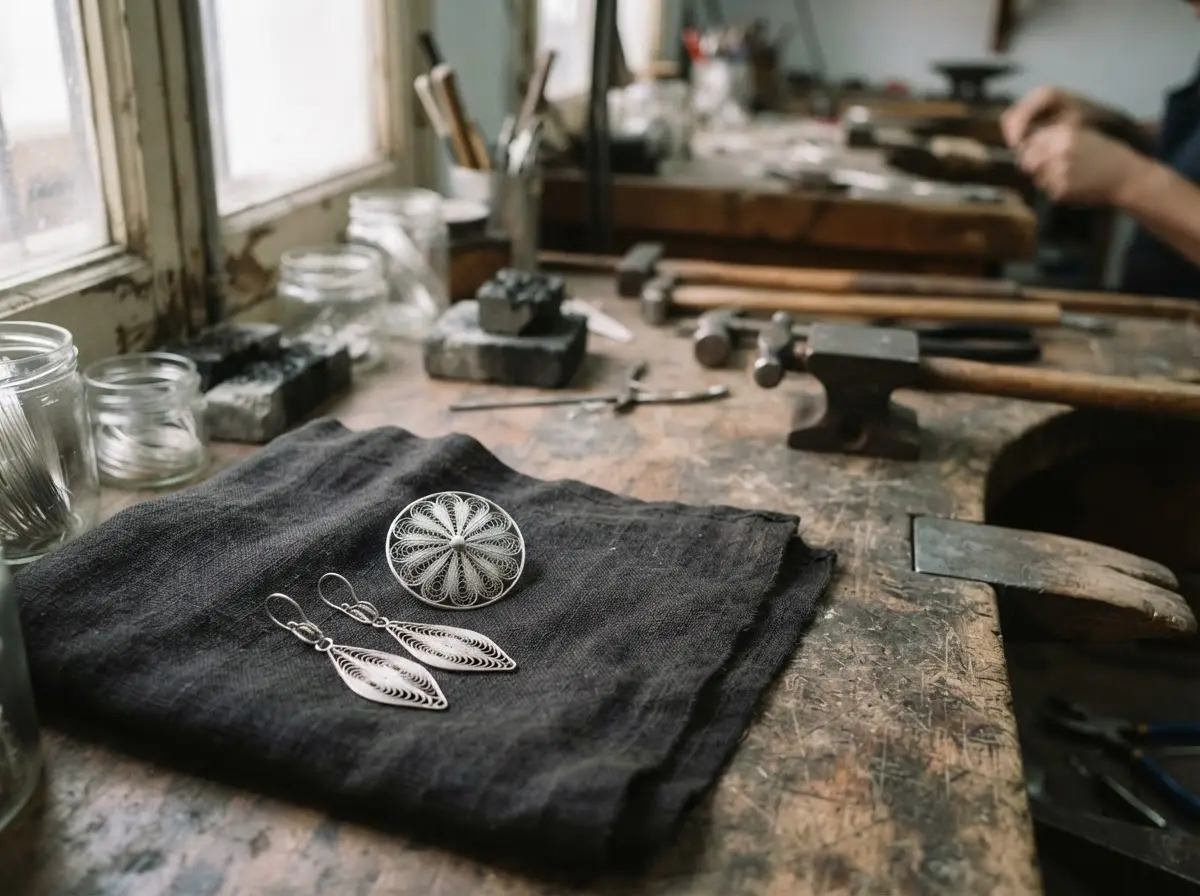
Silver filigree jewellery
Earrings, a bracelet or a brooch hand-chiselled by a Córdoban silversmith.
€25–150 Zoco Municipal, Plaza Maymónides
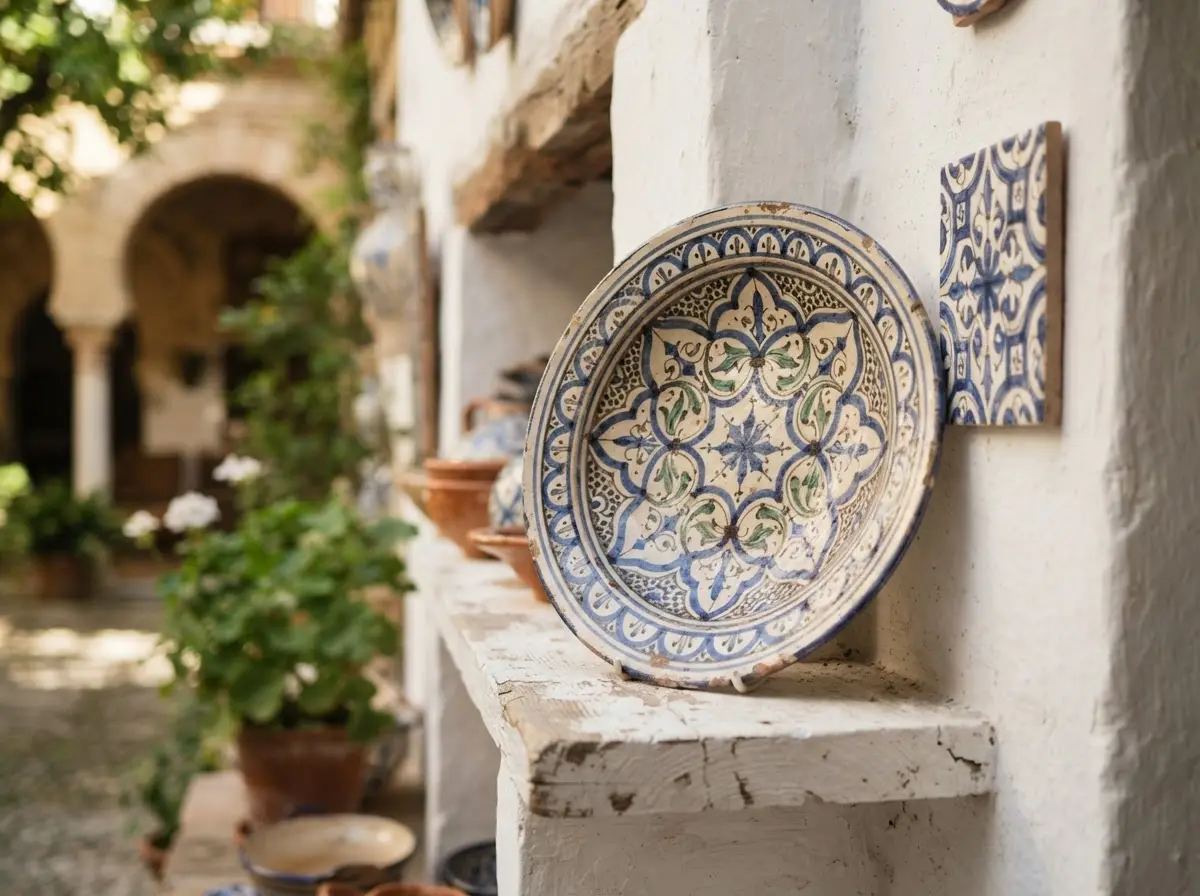
A Caliphal ceramic plate
Hand-painted with geometric or floral motifs inspired by the Mezquita.
€10–50 Zoco Municipal, Calleja de las Flores
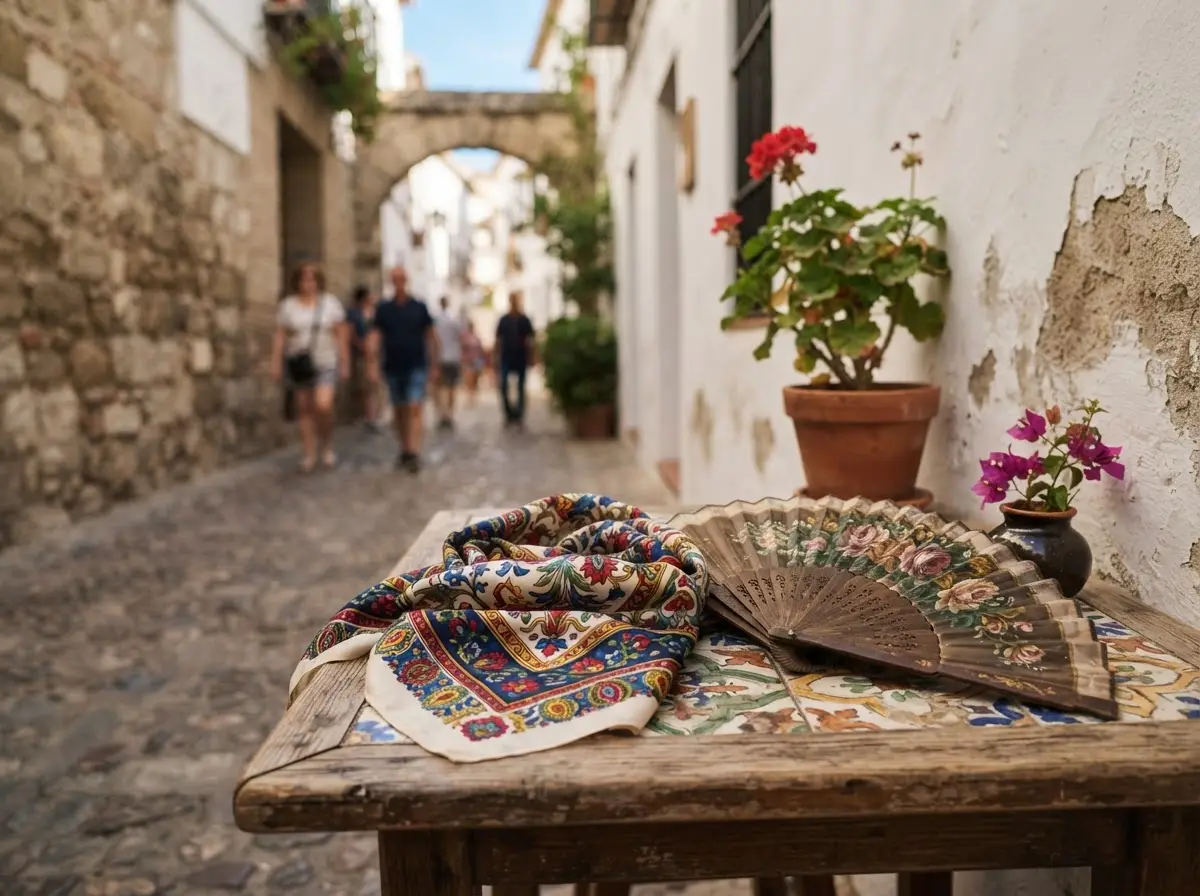
A hand-painted silk scarf
Andalusian patterns on natural silk, made by local artisans.
€20–60 Zoco Municipal, Judería boutiques
A decorative azulejo
A traditional ceramic tile — perfect for displaying on a wall or propping on a shelf at home.
€5–25 Ceramic boutiques, Zoco Municipal
An Andalusian fan
A traditional accessory, practical and elegant, often decorated with floral motifs.
€10–40 Souvenir boutiques in the Judería
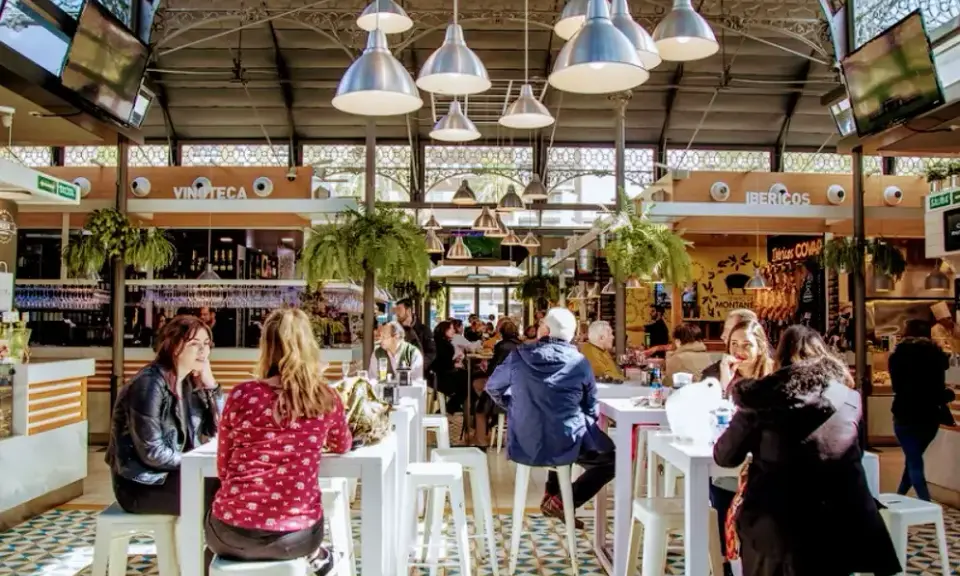
The Mercado Victoria is the perfect place to stock up on olive oil, Montilla-Moriles wines and Andalusian specialities
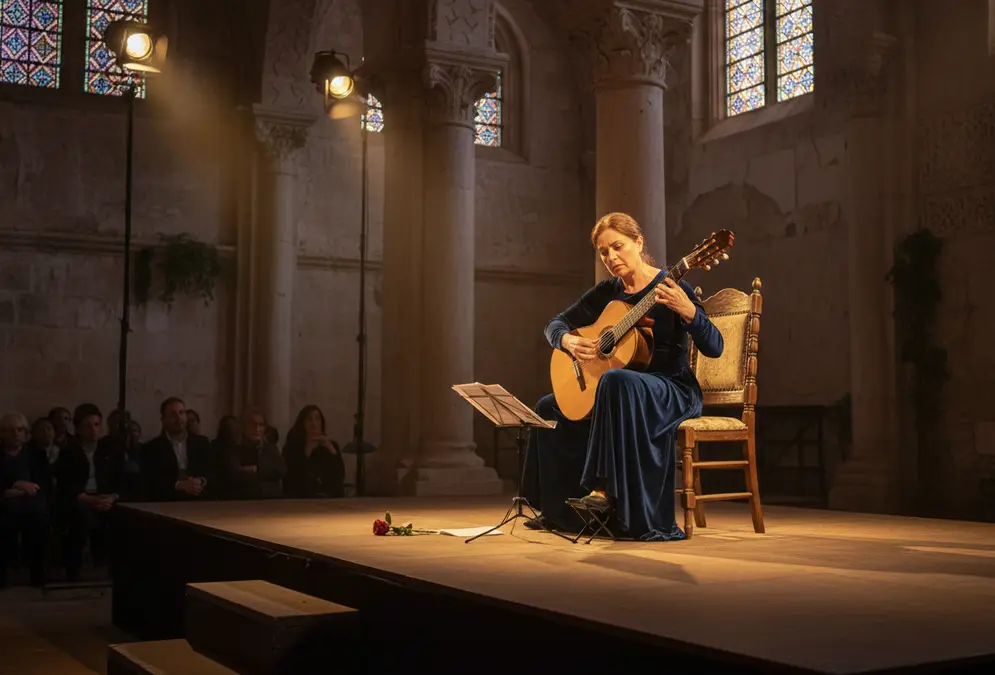
Handmade guitars of Córdoba
Luthier traditionCórdoba has a rich Spanish luthier tradition. For generations, Andalusian guitar-makers have crafted flamenco and classical guitars prized by musicians worldwide. Local tonewoods and artisanal expertise give these instruments a warm, resonant sound.
Legends such as Paco de Lucía brought the Andalusian flamenco guitar to global fame. Today, several Córdoba workshops carry on this tradition, offering handmade instruments at every level, from student models to concert-quality pieces.
Price tiers
- Student guitar
- €200–600 · ideal for beginners
- Professional guitar
- €800–3000 · concert quality
Where to buy: Centro (Calle Cruz Conde), specialist shops near Plaza de las Tendillas. Always ask to play the instrument before purchasing.
Good to know
- Córdoba flamenco guitars have a drier, more percussive tone than classical models
- Budget for a hard case if flying home — essential to protect your investment
- Luthiers often offer custom adjustments — ask about setup for your playing style
- Request a certificate of authenticity for high-end models
Craft markets and flea markets
El Rastro de Córdoba
A flea market every Sunday morning in the Barrio de Nuestra Señora de la Paz. Vintage clothing, antiques, second-hand books, vinyl records. A genuinely local, convivial atmosphere.
Hours: Sundays, 9am-2pm
Entry: Free
Seasonal craft markets
During festivals (Christmas, Semana Santa, Feria de Mayo, Festival de los Patios), temporary craft and souvenir stalls set up on the main squares (Plaza de las Tendillas, Plaza de la Corredera).
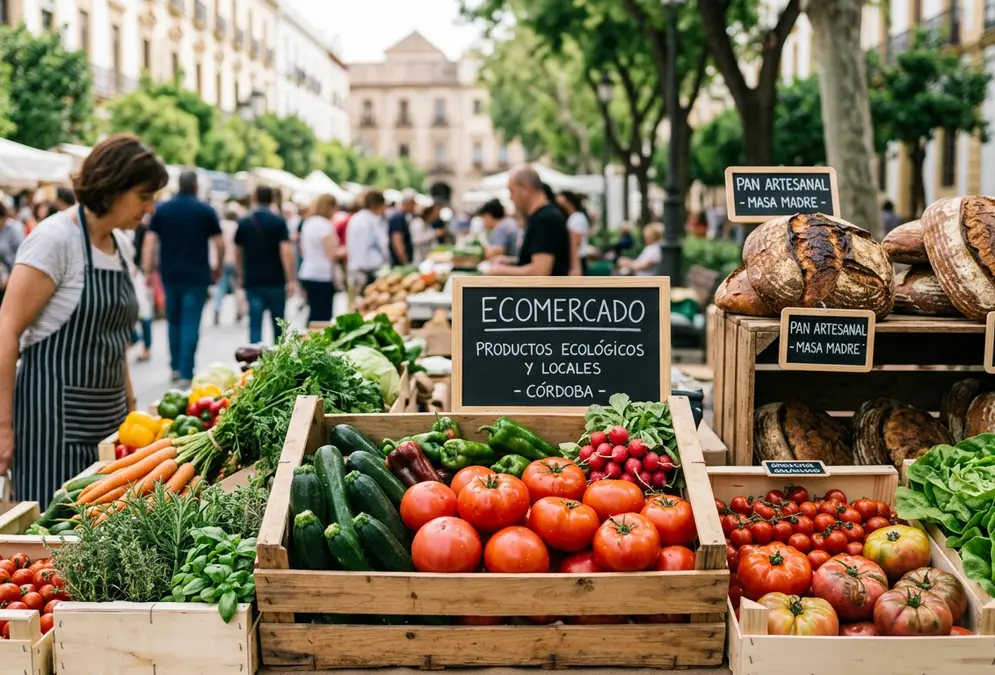
Ecomercado — organic market on Gran Capitán
On the first Saturday of each month, the Bulevar de Gran Capitán hosts Córdoba's first certified organic market. Over 40 stalls sell cold-pressed olive oils, raw honeys, artisan sourdough, natural soaps, handmade ceramics, and fair-trade goods — all from verified organic producers. Free entry. Open 10:00 to 15:00.
Best for: Organic food, natural cosmetics, artisan goods at producer prices
Buying tips by product
Authentic artisan souvenir
- Bought from a Zoco Municipal or Judería workshop where you can see the maker at work
- Visible hand-tooling, slight irregularities, a signature or 925 hallmark
- The artisan can name who made it and explain the technique
- Price reflects hours of handwork: leather €15–40+, filigree €25–150+, ceramics €10–50+
Tourist-grade import
- Sold in generic souvenir shops clustered around the Mezquita with no workshop in sight
- Perfectly uniform machine patterns, plastic-coated backs, no hallmark
- Staff can't tell you who made it or where
- Suspiciously cheap and identical to pieces in ten other shops — often made abroad
The rule of thumb: if you can watch it being made, it's the real thing. Below, the specific tells by material.
Leather
Feel the surface — genuine guadamecí has tooling marks you can detect with your fingertips. Turn the piece over: the back should be unfinished leather, never a fabric lining or plastic coating. Ask if it was made on the premises. Request a certificate for pieces over €50.
Silver
Real filigree is lightweight — it is hollow wire, not cast metal. Look for the 925 sterling silver hallmark on the piece. Examine the joints under good light: hand-soldered work shows slight irregularities. Ask the seller which silversmith made it — genuine workshops name their artisans.
Ceramics
Hand-painted pieces have slight irregularities in the brushwork — no two are identical. Check the back for a potter's signature or kiln mark. Test the glaze with a fingernail: quality glaze does not scratch. Perfect uniform patterns and thin glaze signal factory production.
Olive oil
Check the harvest date first — olive oil older than 18 months is past its best. Look for a DOP seal (Baena, Priego de Córdoba or Lucena). Skip anything labelled "light", "pure" or "100% olive oil" — none of those are extra-virgin. If you can, buy directly from a mill or a deli that sources locally.
Opening hours & siesta
Most Judería boutiques close between 2pm and 5pm for the siesta. Plan your visits in the morning (10am–2pm) or late afternoon (5pm–8pm). The Zoco Municipal is the exception — it stays open straight through, every day, 10am to 8pm.
Packing & shipping
Ask the artisan to wrap fragile items — they do this for travellers daily. For larger purchases, most Zoco workshops arrange shipping via DHL or Correos. The main Correos office is on Calle Cruz Conde. Budget €15–30 for a standard parcel to the EU, €30–60 worldwide.
Frequently asked questions
What should I bring back from Córdoba?
The most authentic souvenirs from Córdoba include: an embossed leather notebook made using the guadamecí technique (€15–40), hand-crafted silver filigree jewellery (€25–150), a hand-painted Caliphal ceramic plate (€10–50), a bottle of Montilla-Moriles wine (€5–50), Sierra de Córdoba DOP olive oil (€8–40), or a handmade guitar for musicians (€200–3000). Head to the Zoco Municipal and the Judería workshops for genuinely authentic crafts.
How much do handmade souvenirs cost in Córdoba?
Prices vary by craft type: leather notebooks (€15–40), silver jewellery (€25–150), ceramics (€10–50), fans (€10–40), silk scarves (€20–60). For exceptional pieces such as a handmade guitar, expect €200–3000. The Zoco Municipal workshops offer fair prices for quality handmade work.
Where can I buy authentic crafts in Córdoba?
The Zoco Municipal (Calle Judíos s/n) is Spain's oldest organised craft market, open every day from 10am to 8pm — free entry. In the Judería, explore Calle Judíos, Calleja de las Flores and Plaza Maymónides. The Meryan workshop is the go-to address for traditional embossed leather. Avoid tourist shops selling mass-produced goods made abroad.
What are the opening hours of shops in Córdoba?
The Zoco Municipal is open every day from 10am to 8pm. Judería boutiques generally follow Spanish hours: open mornings (10am–2pm) and late afternoon (5pm–8pm), closed during siesta. Mercado Victoria (food market) is open Monday to Sunday 10am to midnight. Sunday morning, visit El Rastro de Córdoba (flea market, 9am–2pm).
How can I tell if a Córdoba leather product is genuine?
Genuine guadamecí leather has visible hand-tooling marks you can feel under your fingertips — each piece is slightly different. Turn the item over: the back should be unfinished leather, not a fabric lining or plastic coating. Machine-stamped fakes show perfectly uniform patterns. For a reliable benchmark, visit the Museo del Guadamecí Omeya in the Judería, then head to the Meryan workshop at the Zoco Municipal — their pieces are the gold standard.
Is it worth taking an artisan workshop in Córdoba?
Yes. Workshops at the Zoco Municipal and nearby ateliers let you try leather embossing (guadamecí), ceramics painting, or silver filigree jewellery under a master artisan's guidance. Sessions run 1.5–4 hours and cost €25–100 depending on the craft. Book at least two days ahead. You leave with a handmade souvenir and a genuine understanding of techniques that date back to the Caliphate.
Can I ship fragile souvenirs home from Córdoba?
Most Zoco workshops arrange shipping via Correos (Spanish post) or DHL for fragile pieces. For self-shipping, the main Correos office is on Calle Cruz Conde in the Centro. Budget roughly €15–30 for a standard parcel to the EU and €30–60 worldwide. Ask the artisan to wrap the item securely — they do this for travellers daily and know how to protect ceramics and silver for transit.
Take a piece of Córdoba home
An embossed leather notebook or a silver filigree brooch will outlast any airport souvenir by decades. By buying directly from the Zoco workshops, you are also supporting the artisans who have kept these techniques alive for generations.
Further reading
Official sources
3 references Show Hide
- Sociedad de Plateros de Córdoba (opens in a new tab)
Córdoba's silversmiths' association — guardian of the silver filigree tradition
- Córdoba Tourism Office (opens in a new tab)
Official information on Córdoba's crafts, the Zoco Municipal and artisan workshops
- Spain.info - Andalusian crafts (opens in a new tab)
Official Spanish tourism guide to traditional crafts and artisanal heritage