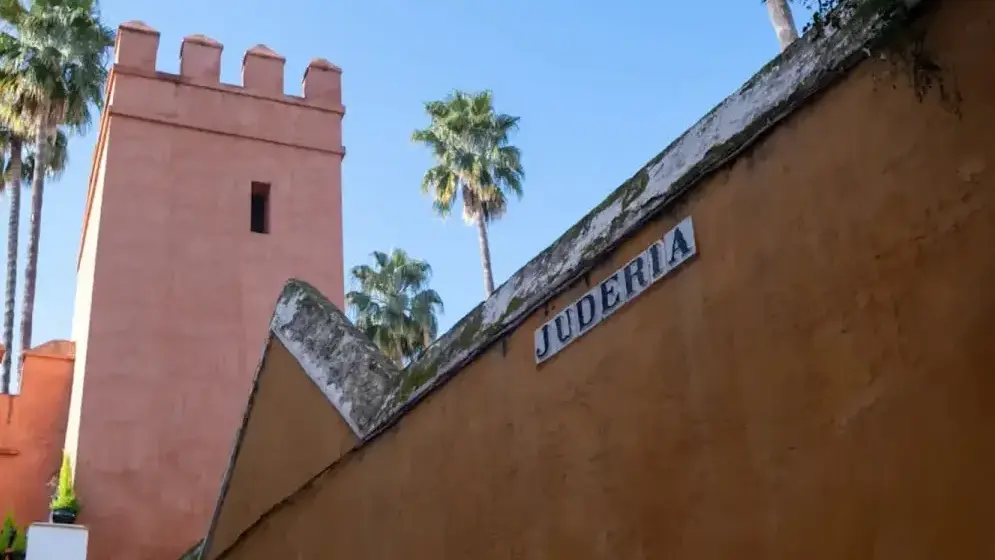

The lanes narrow until two people can barely pass. Limestone walls press close on both sides, still cool at ten in the morning. Somewhere ahead, water drips into a stone basin you can't yet see. La Judería — Córdoba's former Jewish quarter — has been laid out like this since the 10th century: a web of lanes designed to slow you down, turn you around, and occasionally stop you dead at a blank whitewashed wall that turns out to be a dead end. That disorientation is deliberate. Welcome to it.
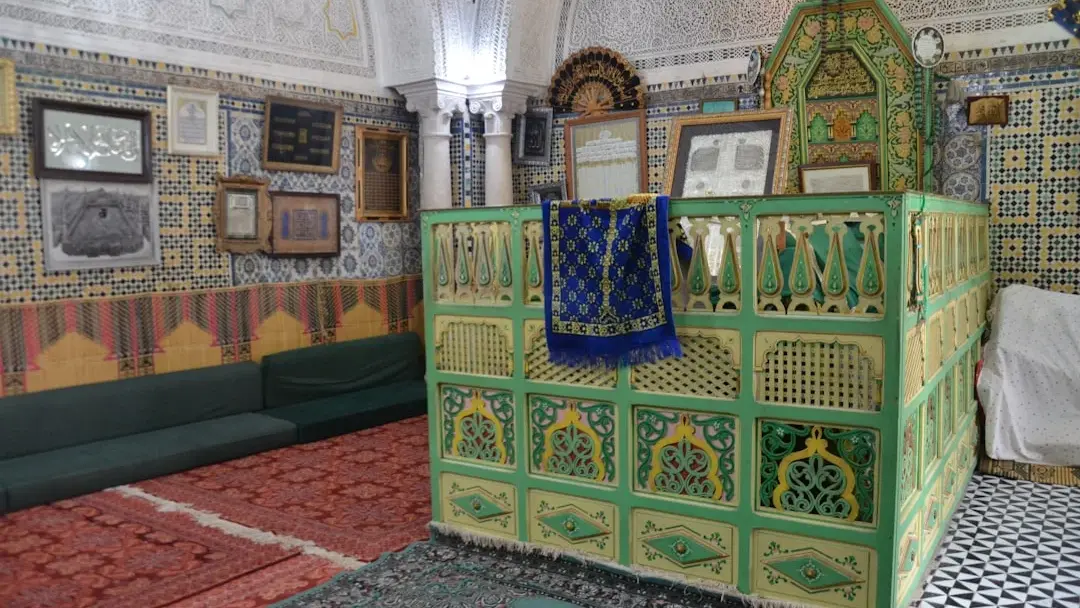
This tight knot of medieval streets, listed as UNESCO World Heritage, contains more significant monuments per square metre than anywhere else in the city. The 14th-century Synagogue on Calle Judíos — one of only three medieval synagogues still standing in Spain — sits so quietly behind its ochre doorway that many visitors walk straight past it. Admission is €0.30. Step inside: the Mudejar stucco work covering the upper gallery is some of the finest in Andalusia. The Casa de Sefarad, connected to the Synagogue by an underground passage, traces seven centuries of Sephardic Jewish life through nine thematic rooms in a 14th-century house. A few steps further along Calle Judíos, the Casa Andalusí & Al-Iksir Alchemy Museum occupies a restored Andalusian house and explores the science, perfumery, and daily life of Al-Andalus — a compact but rewarding stop for anyone interested in the Islamic intellectual tradition. For the full story of the Jewish community that made this quarter one of medieval Europe's great centres of scholarship, the Jewish Heritage in Córdoba guide covers it properly.
A labyrinth without a grid
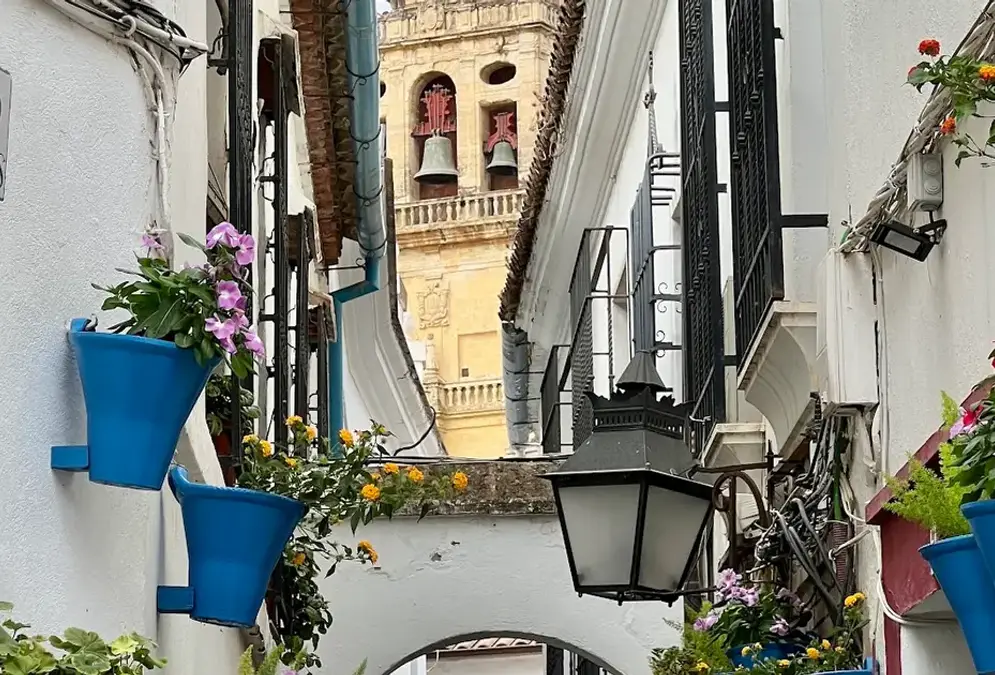
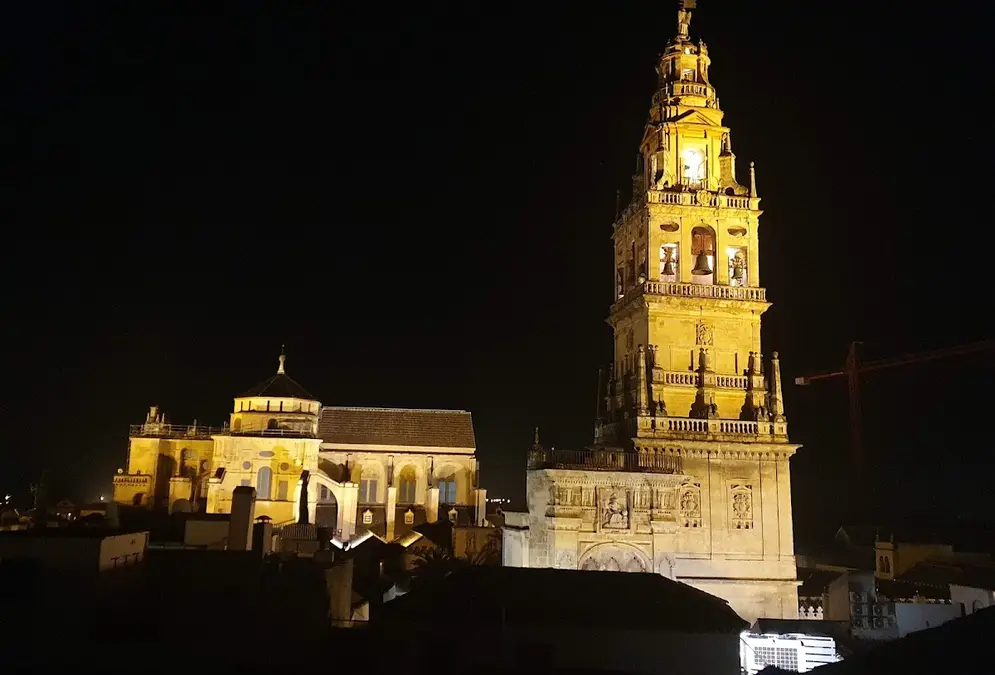
The quarter was never planned from above — it accumulated over centuries, shaped by property lines, religious boundaries, and the logic of shade. Getting briefly lost is less a risk than a feature. The Calleja de las Flores is the most photographed corner in Córdoba: a short dead-end lane where terracotta pots of geraniums frame the Mezquita's bell tower at the far end. Take the photo, then keep moving. The lanes behind it, toward the Synagogue and along Calle Averroes, are where the neighbourhood stops performing for cameras.
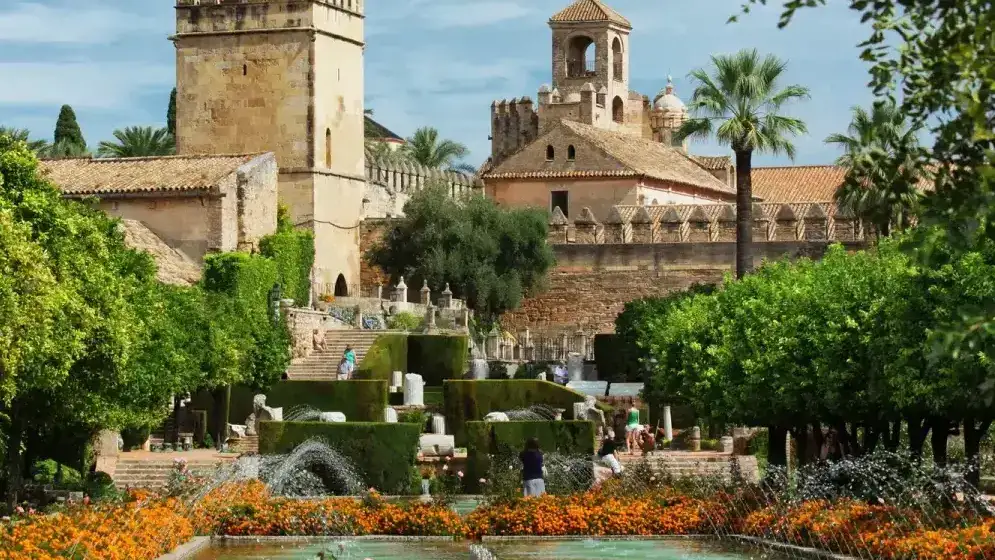
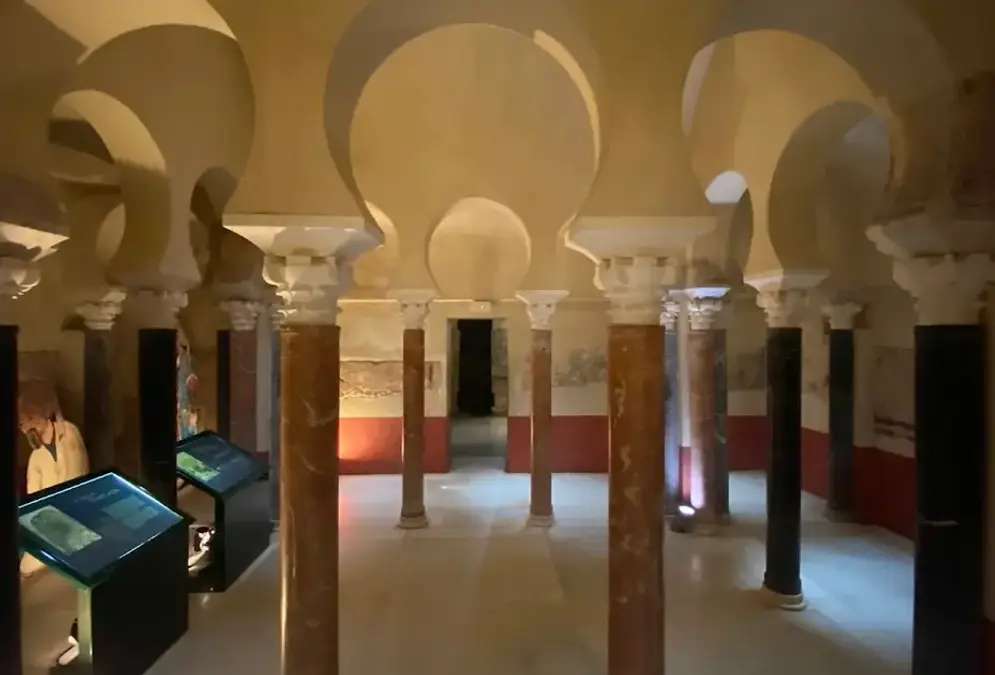
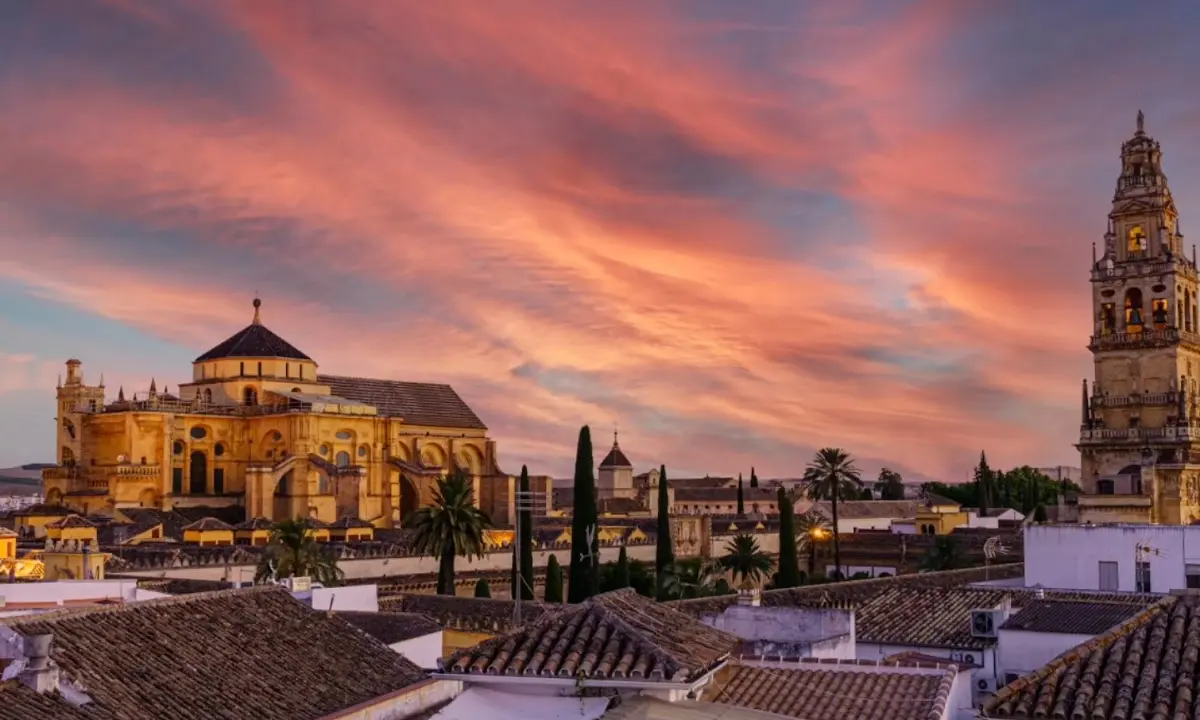
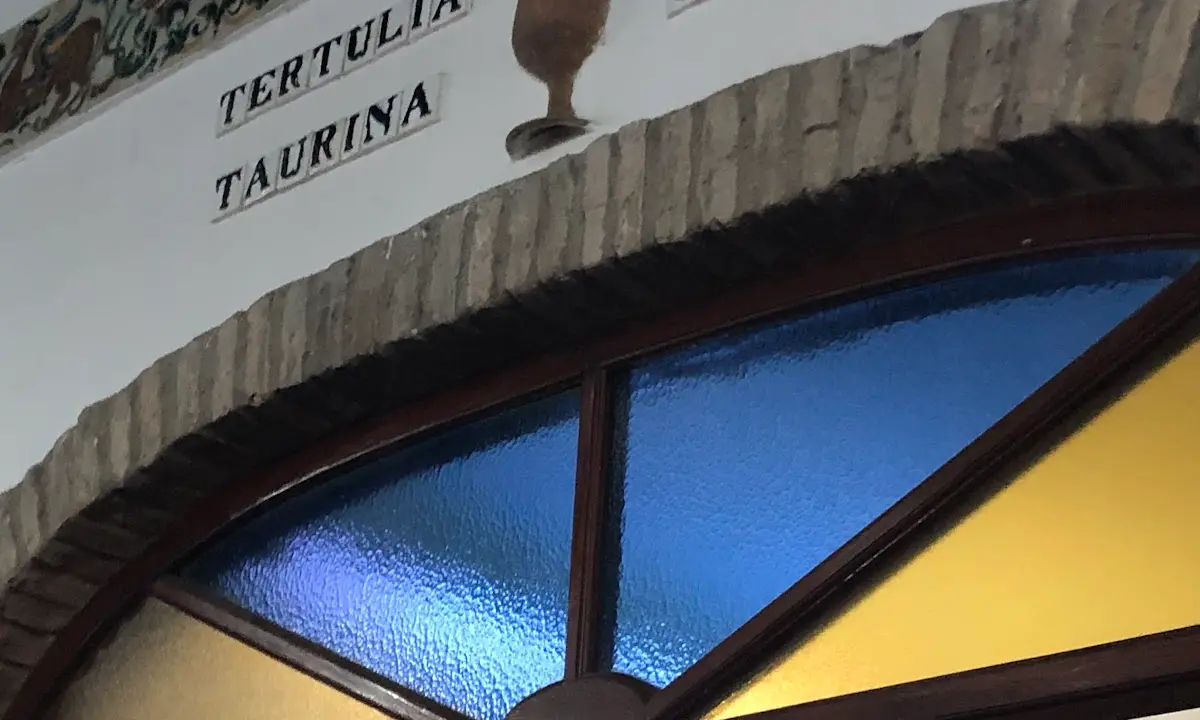
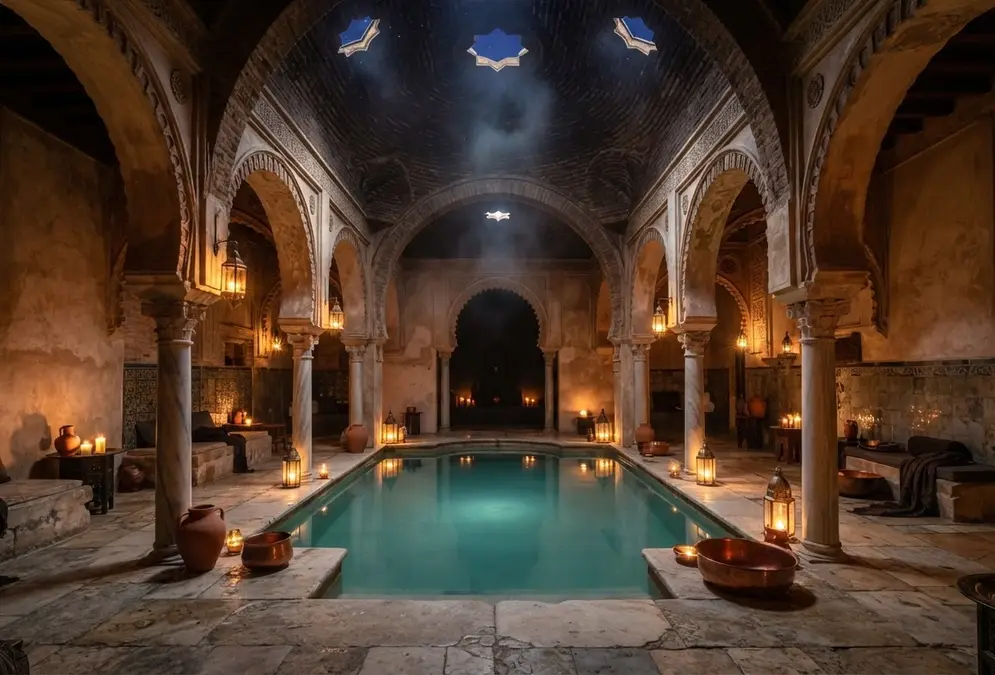
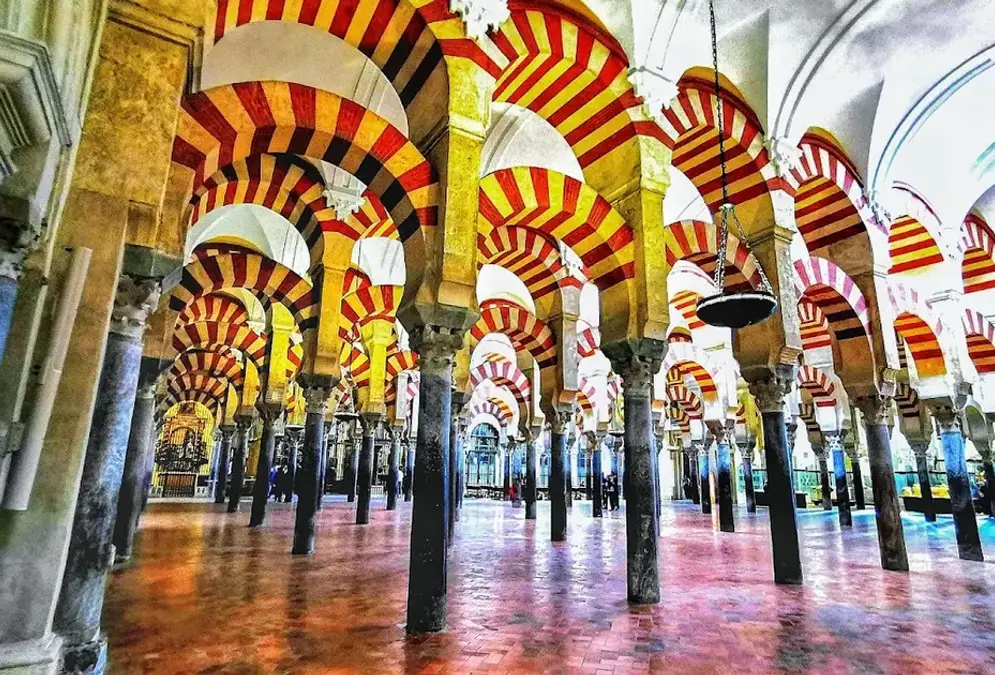
On Calle Averroes — named after the 12th-century philosopher born a few streets away — the Gothic-Mudéjar chapel is a late 14th-century Gothic-Mudéjar chapel with exceptional plasterwork that blends Christian and Islamic decorative traditions. It sits inside the University of Córdoba now, which keeps the crowds small. Just south of the Alcázar, beneath the Campo Santo de los Mártires square, the Islamic-era bathhouse preserves the best-intact 10th-century Islamic hammam in Spain — a short detour most visitors overlook entirely. On Plaza de Maimónides — one of the quarter's quieter squares — the Bullfighting Museum traces the history of tauromaquia through Córdoba's celebrated toreros and their equipment. The Mezquita-Catedral, the Alcázar de los Reyes Cristianos, and the Episcopal Palace all sit within a few minutes' walk, making this the densest concentration of historic monuments in Córdoba. For the Mezquita itself, a skip-the-line guided tour is the most practical way to get through 1,300 years of layered history without spending half that time in a queue.
Evenings in the Judería
After the tour groups thin out around 6pm, the quarter changes register. The late afternoon light hits the whitewashed walls at an angle that makes them glow amber. The smell shifts — orange blossom in April, jasmine from June onwards, wood smoke from restaurant kitchens in winter. This is when the tablaos open for business.
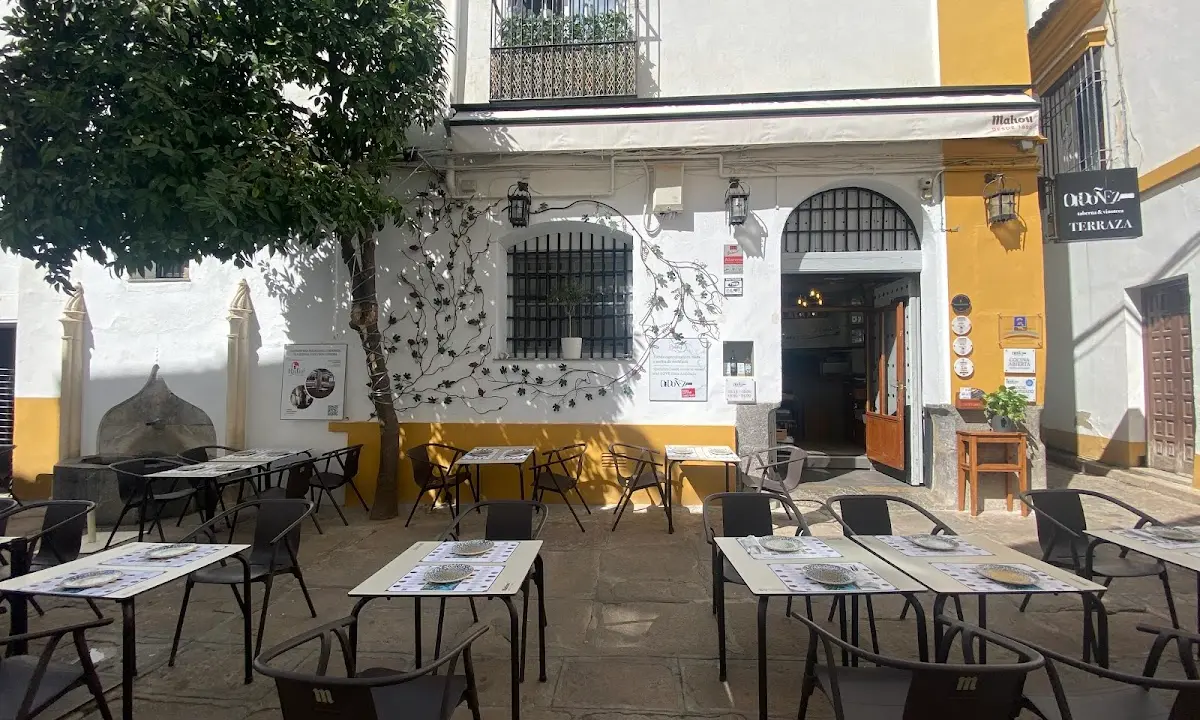
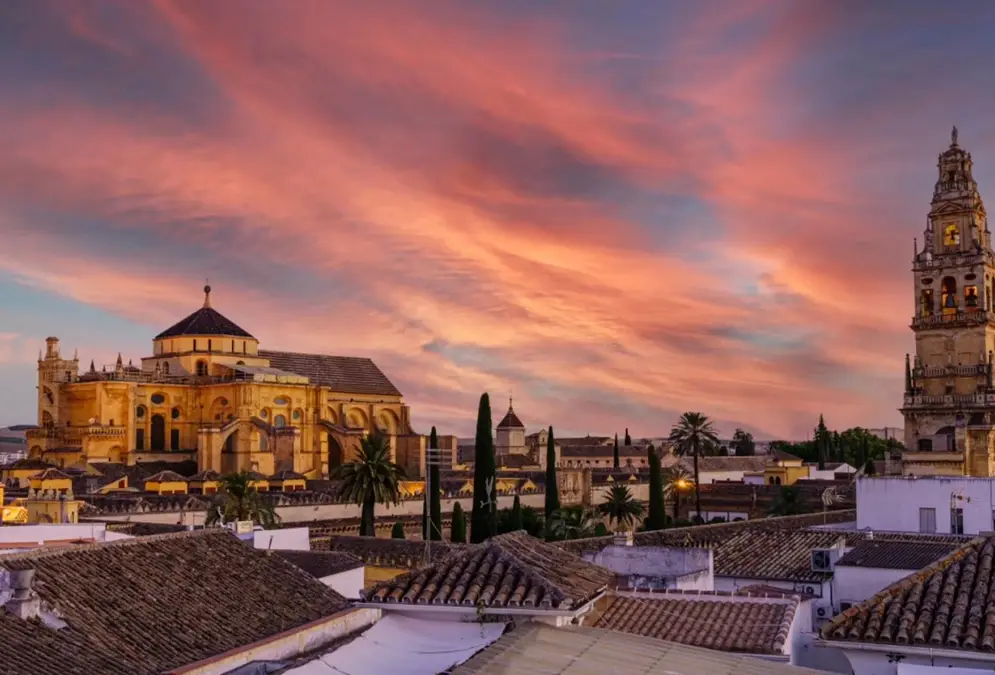
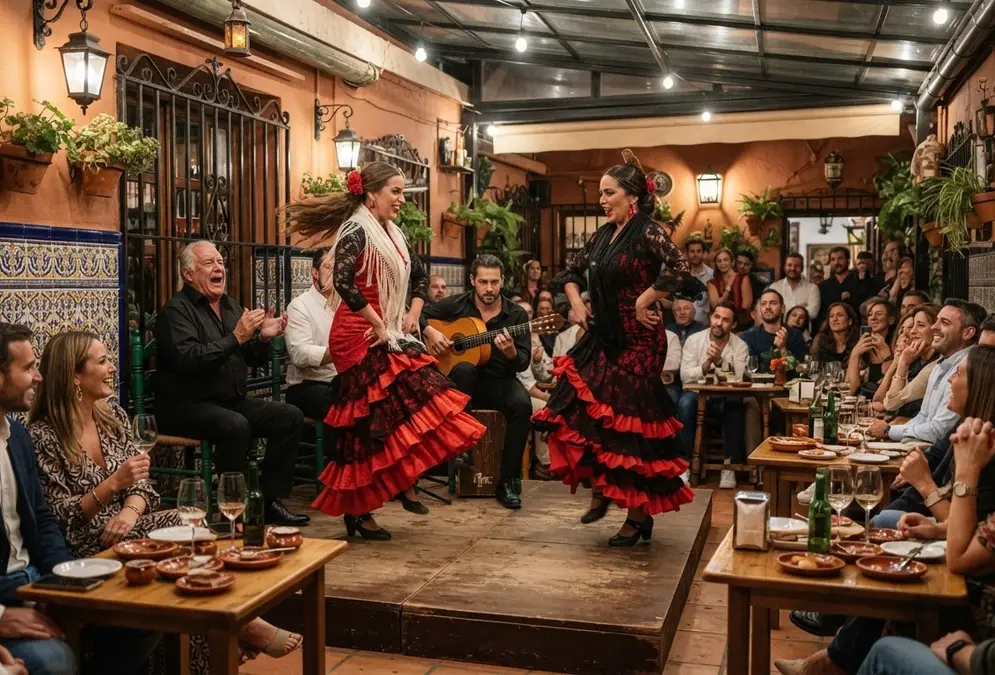
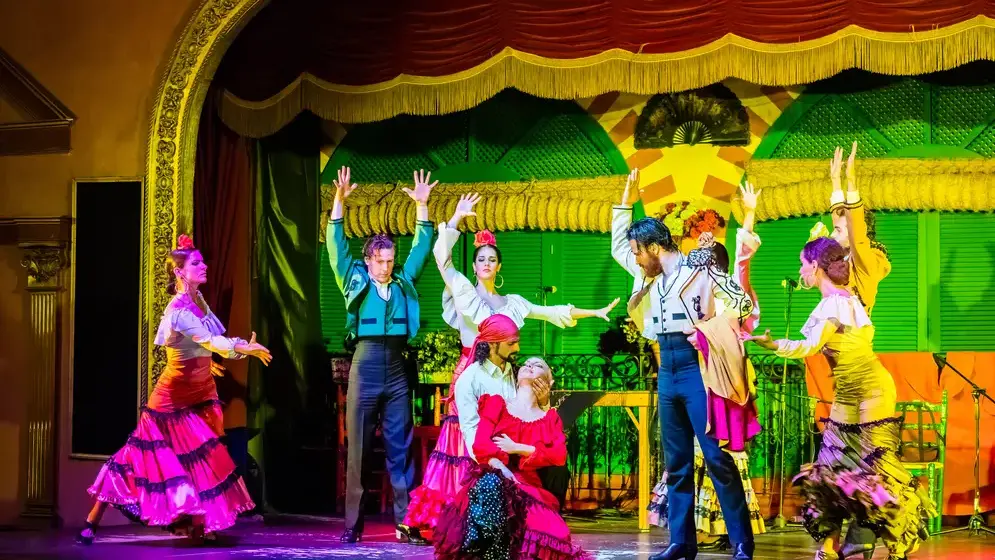
The Judería's flamenco venues run shows in 16th-century buildings — small rooms where you can hear a dancer's footwork hit the boards three metres away, and where the guitar isn't amplified. Tablao El Jaleo in Plaza Alhóndiga is 20 metres from the Mezquita entrance, with national award-winning artists and nightly shows at 21:00 from €30. For drinks before or after, Vinoteca Ordóñez occupies an 18th-century wine cellar with Mezquita views and over 100 Spanish wines by the glass. Bodega Guzmán has been pouring Montilla-Moriles on tap for more than a century — the bar barely fits eight people and the fino comes in a small glass that costs less than a euro. For a rooftop perspective, Balcón de Córdoba Rooftop serves cocktails and tapas from its 17th-century hotel terrace, open to non-guests. And for the most direct way to understand how people actually lived in Caliphal Córdoba, the Hammam Al Ándalus runs Arab baths in a building steps from the Mezquita — one of only a handful of functioning hammams in Spain. A second, unrelated hammam, Baños Árabes de Córdoba on Calle Almanzor, runs its own self-paced circuit a few lanes away.
Getting around the Judería
On foot is the only way that works. The lanes are too narrow and too irregular for anything else. A free walking tour covers the quarter with a local guide in 2 hours — pay at the end what you think it was worth. To compare operators and see a self-guided alternative, check the guide to Córdoba's free walking tours. The cycling tour adds the Fernandine churches beyond the old walls that walking tours never reach (€29). Horse-drawn carriage tours move through the quarter at a pace slow enough to see the details above doorway height. For a view from above — the only way to understand how the lane system actually works — the hop-on hop-off bus stops at the Alcázar and the Blue Route passes the Mezquita and Judería from a raised angle that ground level never gives you.
Several guided walks use the Judería as their backbone. The Jewish Quarter Walk moves methodically through the medieval lanes, Synagogue, and Casa de Sefarad, connecting the dots between monuments that are easy to miss solo. The Three Cultures Route traces the coexistence of Muslim, Jewish, and Christian Córdoba across the quarter and beyond — the most historically layered of the walking routes. For evenings, the Tapas Trail covers the best tabernas in the Judería and neighbouring Centro.
During the Patios Festival in May, around ten private patios in the medieval lanes open to the public. The complete Patios Festival guide has timings, itineraries, and practical advice on avoiding the worst of the crowds. In March and April, Semana Santa brings Andalusia's most atmospheric processions through these lanes — the Good Friday Madrugada, moving in silence through the Judería at midnight, stops conversation. In December, the narrow illuminated streets and the zambomba flamenco evenings in the peñas during Christmas in Córdoba create something that feels nothing like the summer tourist season.
Where to stay in the Judería
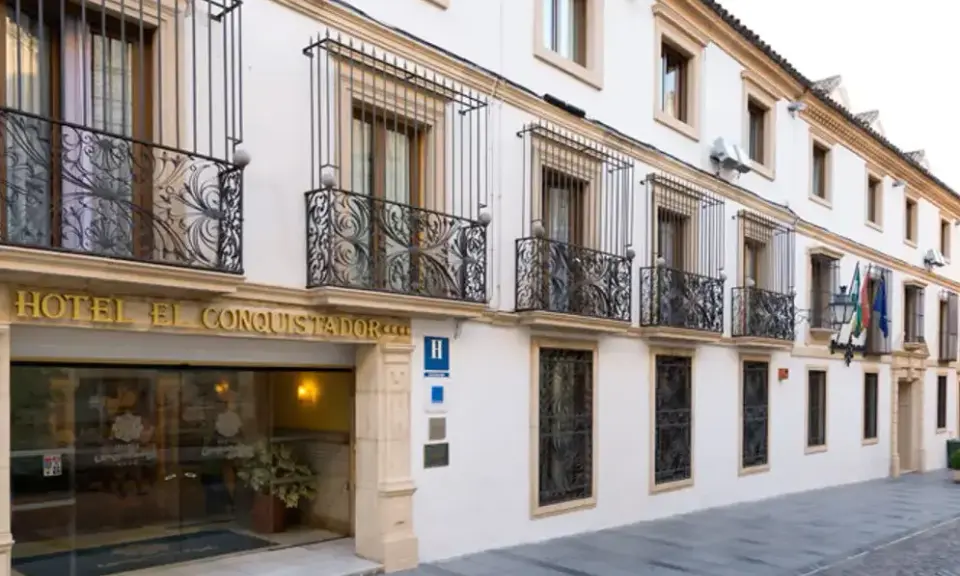
The Judería has Córdoba's most concentrated boutique accommodation. Las Casas de la Judería connects five 15th-century palaces through internal passages and flower-filled patios — it functions more like a small village than a hotel. Balcón de Córdoba, 20 metres from the Mezquita, has the best rooftop view in the city. Patio del Posadero is adults-only with a gastronomic restaurant. La Ermita Suites — the only Monument Hotel in Andalusia — occupies a building from 1412 with Mezquita views. Apartamentos Calleja de la Hoguera has a panoramic terrace and original artwork 200 m from the Mezquita. On a budget, Hotel Mezquita sits opposite the cathedral from €47/night — the location-to-price ratio is hard to beat. The guide to where to stay in Córdoba covers all the options.
Eating and drinking
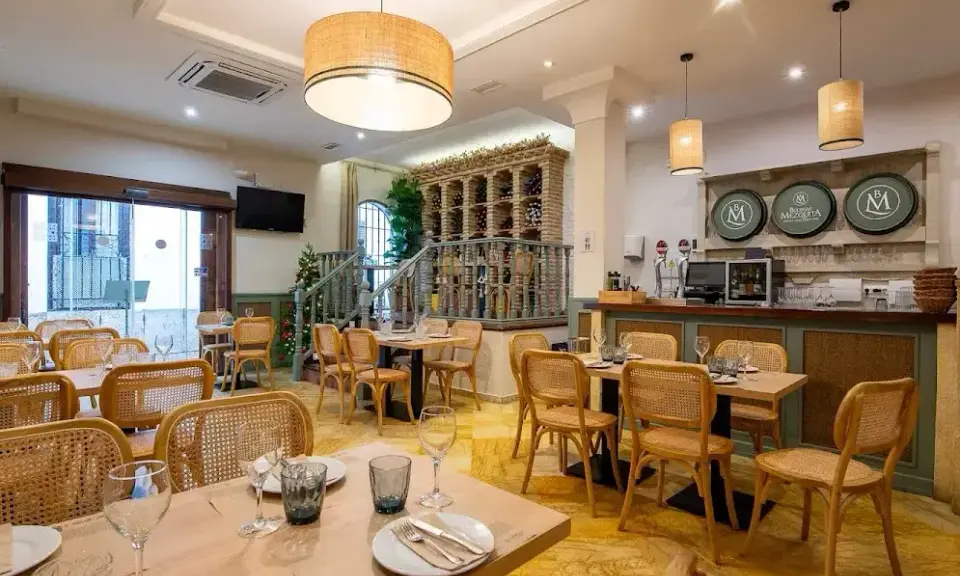
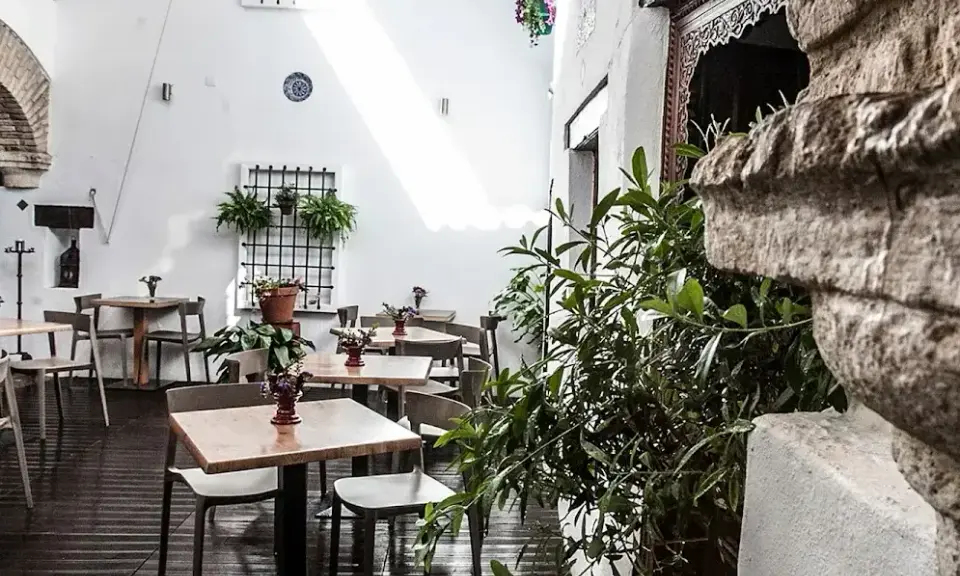
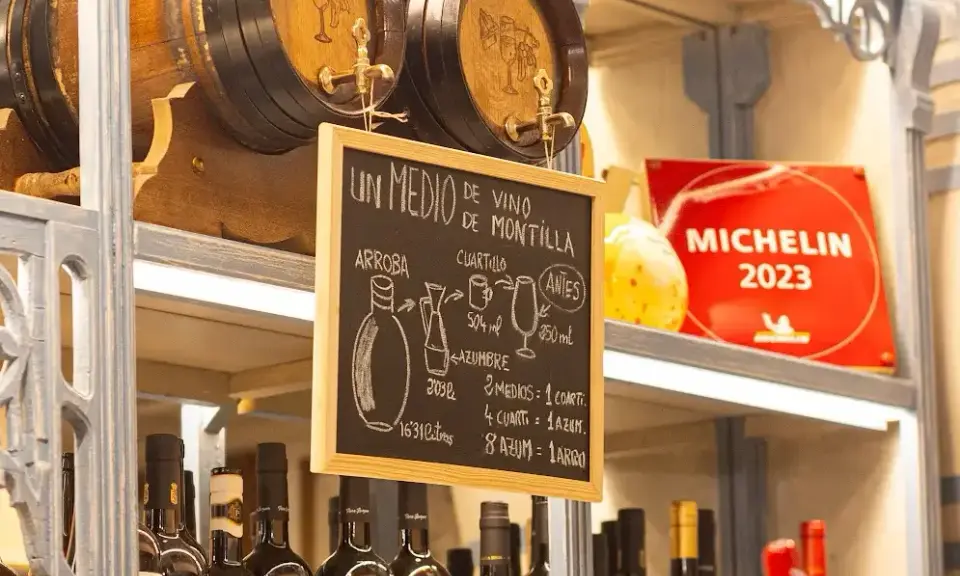
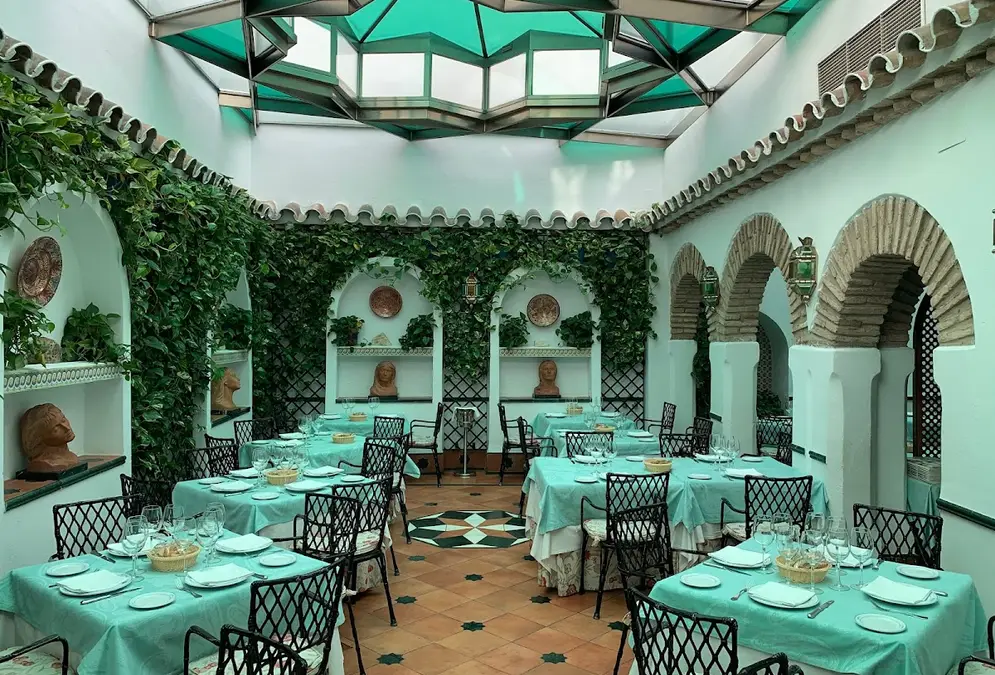
The Judería has the highest concentration of tapas bars in the city, and quality varies sharply. Casa Mazal serves Sephardic cuisine — dishes rooted in the food culture of the community that lived here before 1492. Casa Pepe de la Judería has been an institution since 1928. Bodegas Mezquita does solid Cordoban tapas. Taberna El Número 10 is the reference for Montilla-Moriles wines, with commented tastings (Michelin selection). Voltereta Toscana does something entirely different: artisan Italian cooking in an 18th-century palace — fresh pasta daily, wood-fired pizza. For breakfast before the monuments open, Veca Café has good coffee, house-made pastries, and a relaxed patio. For a post-monuments treat, Piacerino on Calle Historiador Díaz del Moral — a few minutes' walk from the Mezquita — is a 100% artisan gelateria that opened in 2025 with seasonal sorbets, natural-ingredient gelato, and artisan chocolate. Eurostars Maimonides offers reliable four-star comforts in the quarter, and Hotel Marisa has comfortable budget rooms with views directly onto the Mezquita facade. The complete tapas guide has the full rundown.
The Judería features in the Best Restaurants in the Judería guide and the Top 15 Highlights of Córdoba — two good references for getting the most out of the historic quarter.