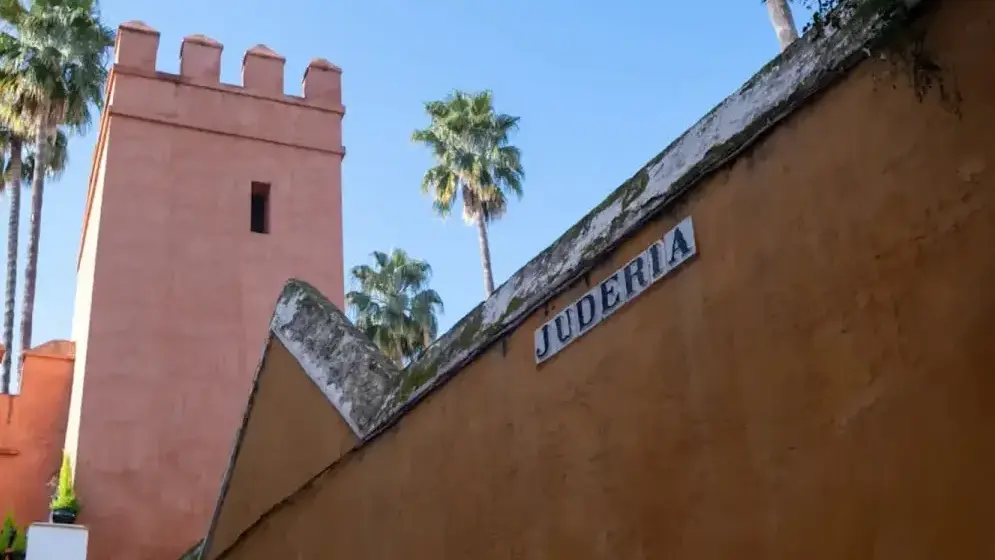
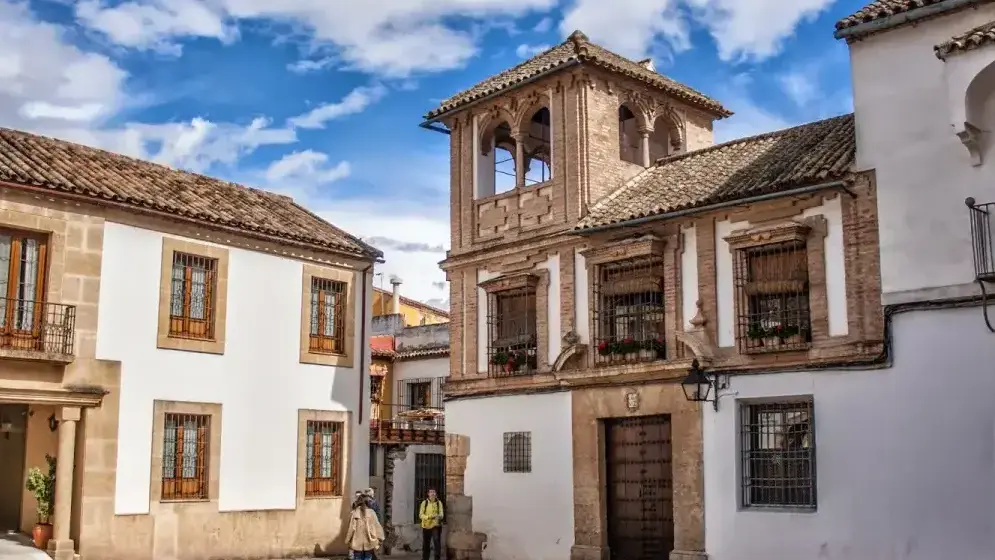
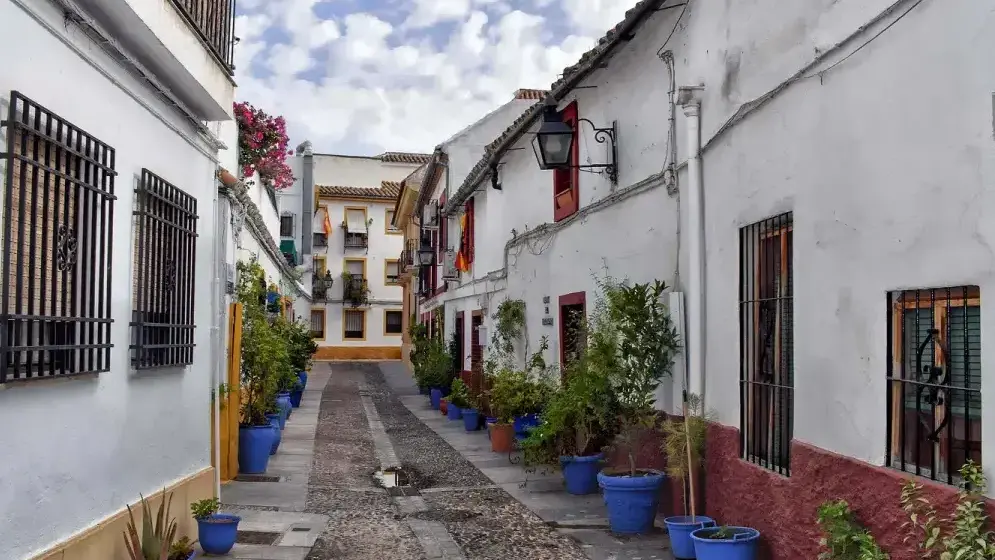
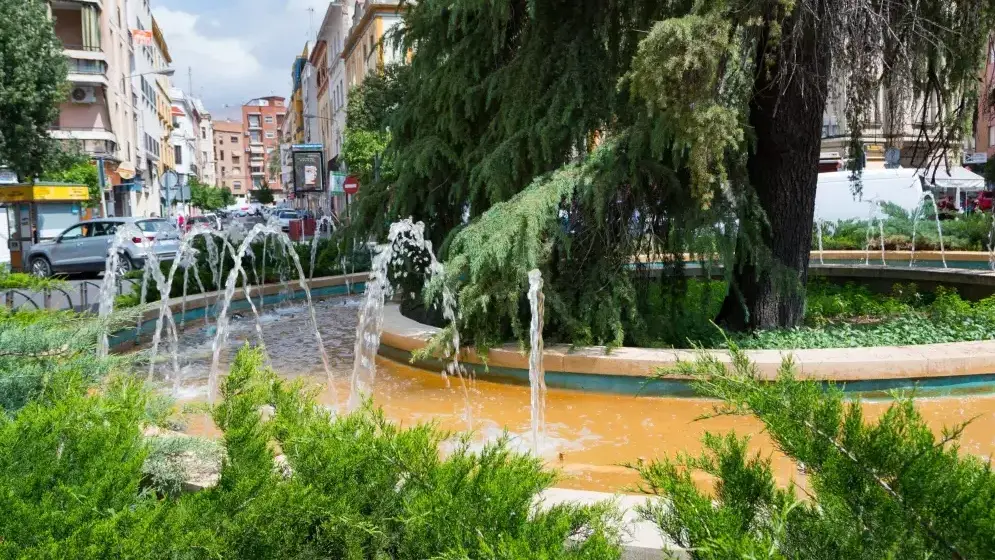
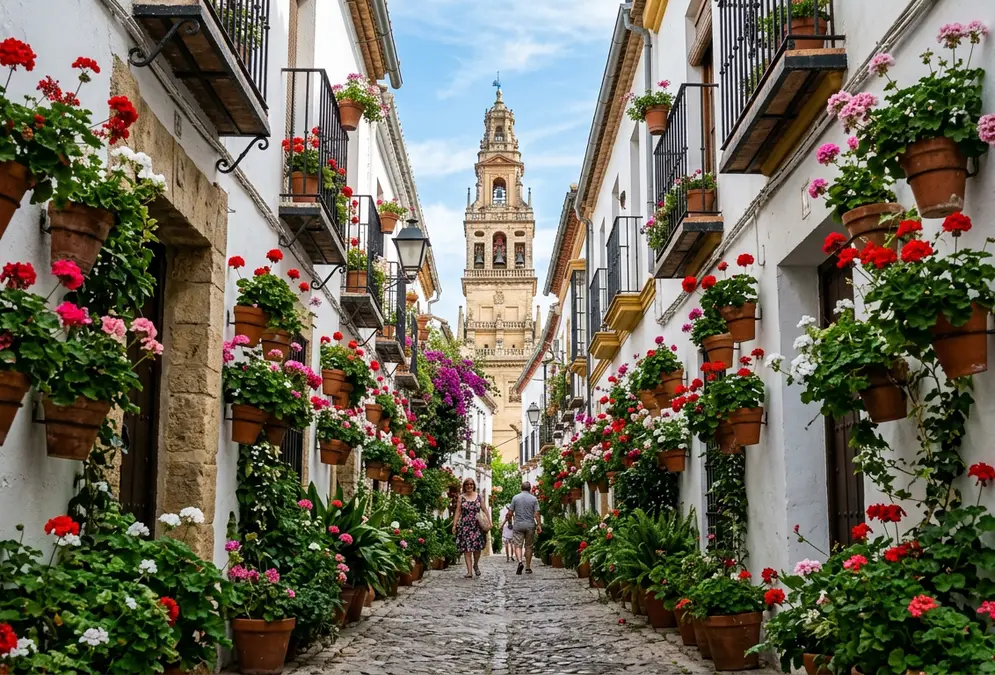
Best neighborhoods in Córdoba — whitewashed lane in the Judería with geranium-filled terracotta pots and the Mezquita bell tower visible at the end of the street

Best Neighborhoods in Córdoba

Eight neighborhoods, one decision: Judería puts you inside the monuments, San Basilio offers patio culture without crowds, Santa Marina is where locals live.

Eight neighborhoods ranked for a first visit to Córdoba — **Judería** at the top, ten minutes from the Mezquita and home to the best boutique hotels in the city; **San Basilio** for patio culture without tour groups; **Santa Marina** for the version of Córdoba where locals actually live. The decision criteria are straightforward: proximity to the monuments, noise level at night, and whether your accommodation budget holds up. All eight neighborhoods are walkable from each other; what differs is the atmosphere you wake up in.

The city's historic core is compact enough that neighborhood choice rarely costs you access. It costs you atmosphere. The Judería at 7am, before the first tour groups arrive, smells of orange blossom and damp stone. San Basilio on a Tuesday in March is as quiet as a convent. Santa Marina's **Plaza de Santa Marina** fills on Friday evenings with people who aren't tourists, drinking around Manolete's statue in the square where flamenco singer Fosforito grew up. These are different cities, technically within walking distance of each other.

For a first visit, the [Judería](/neighborhood/juderia) makes the most logistical sense: you are inside the monument zone, everything is within reach on foot, and Córdoba's best hotels are concentrated here. For a second visit, or for anyone who found the Judería too loud at night, [San Basilio](/neighborhood/san-basilio) solves the problem: quieter streets, year-round patios open without a queue, and the **Alcázar gardens** seven minutes on foot. Centro works for visitors who want a working city around them rather than a heritage district, with both Michelin-starred restaurants (Choco and ReComiendo) and century-old tapas bars like Bodegas Campos (open since 1908) on their doorstep.

Ribera and Arruzafa serve specific purposes rather than general ones: Ribera for the riverfront sunset and Roman Bridge views, Arruzafa for the quiet of the hills above the city when the summer heat in the old town becomes too much. **San Lorenzo** rewards serious food travelers: La Cuchara de San Lorenzo, the Bib Gourmand restaurant on the main square, is reason enough to walk fifteen minutes north of the Mezquita. Ciudad Jardín is the practical choice for budget travelers who want local bar culture rather than tourist infrastructure.

Ranked list

How we chose

The places on this list were selected against the following editorial criteria.

  • Proximity to monuments: walking distance to the Mezquita, Alcázar, and Roman Bridge
  • Accommodation quality and range: hotel and apartment options at different price points
  • Atmosphere and local character: how the neighbourhood feels to stay in, not just visit
  • Value: price relative to location and access
  • Walkability: whether all main sights are reachable on foot without transport

Reporter notebook

Insider tips

Booking tip

Book Judería and San Basilio accommodation by February for May

Patios Festival weekends in early May fill the historic quarter completely, sometimes 3 to 4 months in advance. If you are traveling in May and have not yet booked, check availability in San Lorenzo or Ciudad Jardín first. Both are under 20 minutes on foot from the festival patios and tend to have rooms when the Judería is sold out.

Crowd tip

Choose Santa Marina over San Basilio if May crowds concern you

Santa Marina enters the Patios Festival competition with consistently strong patios but draws fewer visitors than San Basilio during peak festival weekends. You get the same quality of courtyards with less time spent queueing. The neighbourhood also has a more genuine local feel year-round, not just during the festival.

Top picks

La Judería

The Judería is the obvious choice for a first visit, and obvious for good reason. The Mezquita-Catedral is a ten-minute walk from anywhere in the quarter; the 14th-century Synagogue on Calle Judíos costs €0.30 to enter. The lanes are narrow and occasionally crowded, particularly around the Calleja de las Flores and the Mezquita entrance from late morning onwards. By early evening, after 6pm, the lanes empty and the whitewashed walls go amber in the last light. Córdoba's best boutique hotels cluster here: Las Casas de la Judería occupies five connected 15th-century palaces; Balcón de Córdoba sits 20 metres from the Mezquita with a rooftop view worth staying for. The noise level near the main streets is real. If that matters to you, look at San Basilio instead.

Historic Centre

The historic centre around Plaza de las Tendillas is where Córdoba actually functions as a city: shops, offices, the century-old Taberna Salinas (1879) and Bodegas Campos (1908), and both Michelin-starred restaurants in the province, Choco and ReComiendo. The Roman Temple on Calle Claudio Marcelo and the Plaza de la Corredera (Andalusia's only Castilian arcaded square) sit in the middle of the working city. Accommodation here is slightly less concentrated than in the Judería but broader in range: the 5-star Hospes Palacio del Bailio has Roman ruins visible under the restaurant floor; Cats Hostel serves budget travelers in a converted historic building. Good base for anyone who wants a full city around them rather than a preserved quarter.

San Basilio

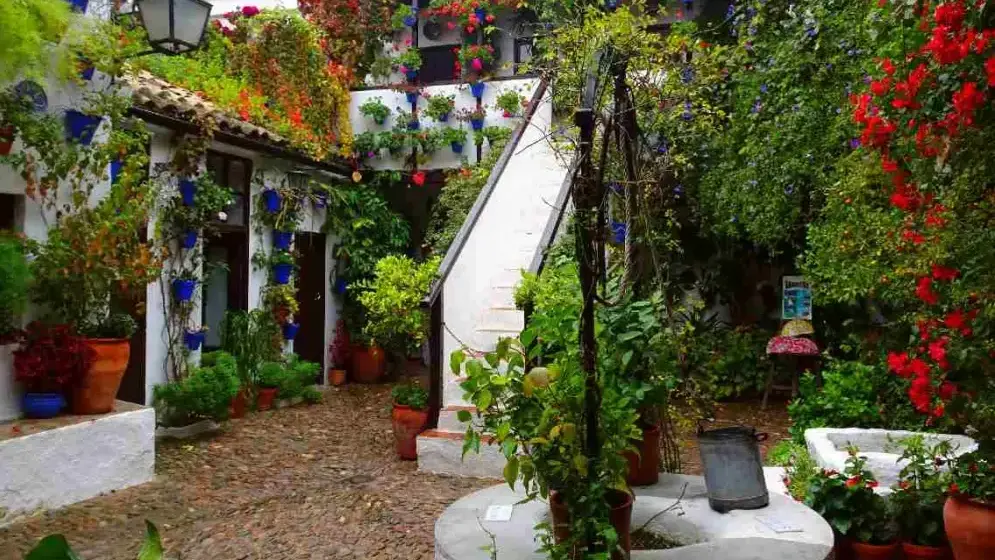
San Basilio, also called Alcázar Viejo, sits southwest of the old town between the Judería and the Alcázar. Its reputation comes from the award-winning patios: private courtyards that collect more Patios Festival prizes year on year than any other district. Outside May, the lanes on Calle San Basilio are notably quieter than the Judería, and the patios at numbers 17, 20, and 44 open year-round free of charge. The Royal Stables are five minutes away; the Alcázar gardens seven. For visitors who want to be close to the historic centre without the evening noise, this is the most practical alternative to the Judería. Hostal Alcázar provides clean budget rooms in the quarter itself.

8 places

Historic Core: UNESCO Monuments on Your Doorstep

  1. La Judería

    La Judería

    The Judería is the obvious choice for a first visit, and obvious for good reason. The Mezquita-Catedral is a ten-minute walk from anywhere in the quarter; the 14th-century Synagogue on Calle Judíos costs €0.30 to enter. The lanes are narrow and occasionally crowded, particularly around the Calleja de las Flores and the Mezquita entrance from late morning onwards. By early evening, after 6pm, the lanes empty and the whitewashed walls go amber in the last light. Córdoba's best boutique hotels cluster here: Las Casas de la Judería occupies five connected 15th-century palaces; Balcón de Córdoba sits 20 metres from the Mezquita with a rooftop view worth staying for. The noise level near the main streets is real. If that matters to you, look at San Basilio instead.

    A labyrinth of whitewashed lanes and flower-filled patios where the echo of three cultures lingers
  2. San Basilio

    San Basilio

    San Basilio, also called Alcázar Viejo, sits southwest of the old town between the Judería and the Alcázar. Its reputation comes from the award-winning patios: private courtyards that collect more Patios Festival prizes year on year than any other district. Outside May, the lanes on Calle San Basilio are notably quieter than the Judería, and the patios at numbers 17, 20, and 44 open year-round free of charge. The Royal Stables are five minutes away; the Alcázar gardens seven. For visitors who want to be close to the historic centre without the evening noise, this is the most practical alternative to the Judería. Hostal Alcázar provides clean budget rooms in the quarter itself.

    Peaceful and flower-filled, the very essence of Cordoban living

City Life and Culture: Restaurants, Markets, and Working Córdoba

  1. Historic Centre

    Historic Centre

    The historic centre around Plaza de las Tendillas is where Córdoba actually functions as a city: shops, offices, the century-old Taberna Salinas (1879) and Bodegas Campos (1908), and both Michelin-starred restaurants in the province, Choco and ReComiendo. The Roman Temple on Calle Claudio Marcelo and the Plaza de la Corredera (Andalusia's only Castilian arcaded square) sit in the middle of the working city. Accommodation here is slightly less concentrated than in the Judería but broader in range: the 5-star Hospes Palacio del Bailio has Roman ruins visible under the restaurant floor; Cats Hostel serves budget travelers in a converted historic building. Good base for anyone who wants a full city around them rather than a preserved quarter.

    Active and layered, with historic squares, good shops, and occupied terraces
  2. San Lorenzo

    San Lorenzo

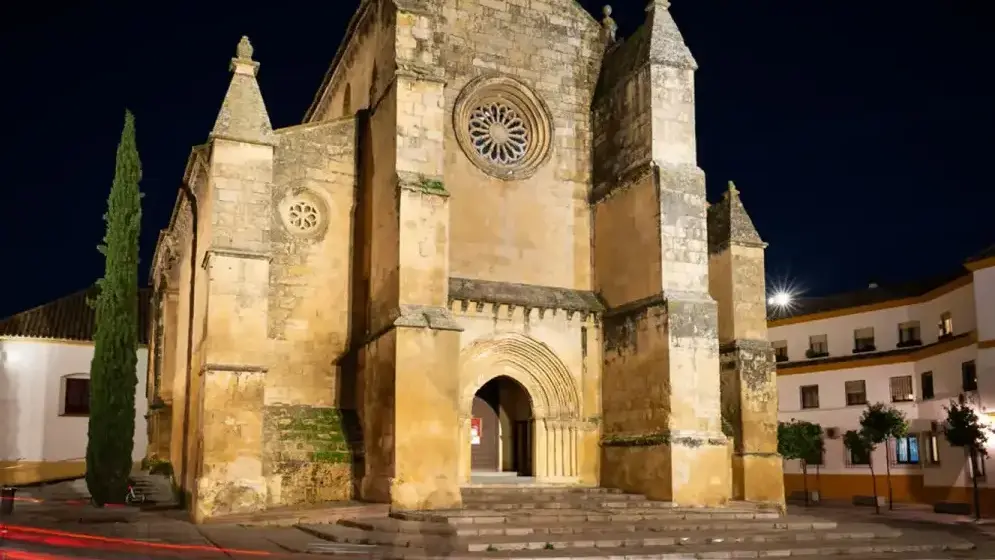
    San Lorenzo sits north of the historic centre and off the main tourist route. Its orange-tree-shaded squares and Gothic Fernandine church are reason enough to walk up, but the real draw is La Cuchara de San Lorenzo, a Michelin Bib Gourmand restaurant with thirty covers and a kitchen built around the morning market. Order the mazamorra cordobesa (a cold almond soup that predates the tomato in Andalusian cooking) and the rabo de toro; book at least three days ahead. The Church of San Lorenzo itself, with its Gothic rose window, triple-arch portico, and asymmetrical tower, is one of the finest Fernandine Gothic buildings in Córdoba. The neighbourhood has an unhurried working-class quality that the historic core lost years ago.

    Authentic and lively, the working-class heart of Córdoba

Authentic Local: Where Córdobans Actually Live

  1. Santa Marina

    Santa Marina

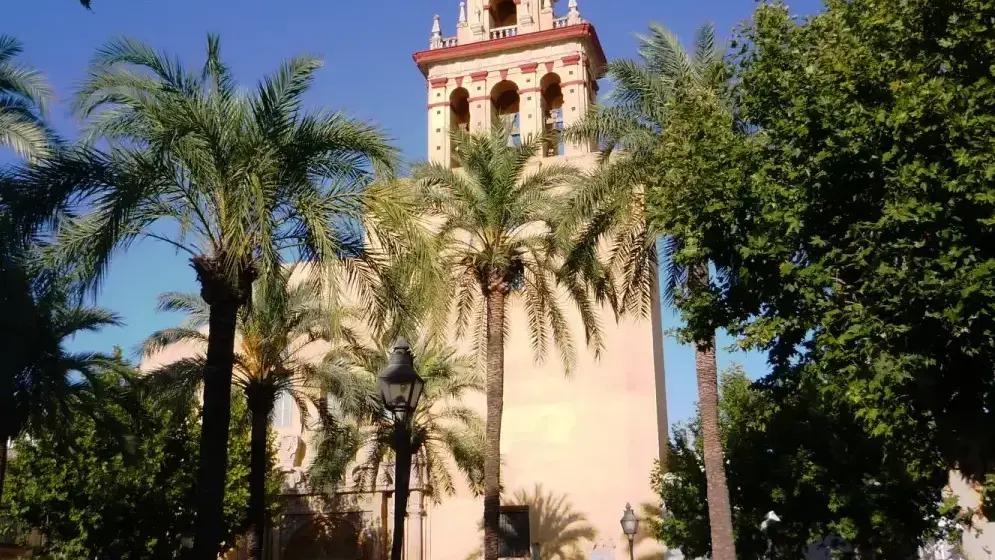
    Santa Marina is where Manolete was born and where Fosforito's flamenco was forged. The statue of Manolete stands in the main square; on weekend evenings, the terraces around it fill with people who live in the neighbourhood. This is not a restored heritage display. It is how the quarter works. The Palacio de Viana's 12 individually designed patios are the main architectural draw; visit in the morning when the light in the courtyards is better. During the May Patios Festival, Santa Marina draws fewer crowds than San Basilio, which makes it a smarter choice for patio visitors who prioritise access over convenience. The Church of Santa Marina de Aguas Santas, Romanesque-Gothic with a bell tower converted from a minaret, faces a square where children still play football against the old stones.

    Passionate and traditional, the soul of flamenco and bullfighting culture
  2. Ciudad Jardín

    Ciudad Jardín

    Ciudad Jardín was planned in the 19th century with broad tree-lined avenues and houses set back from the street. Ten minutes on foot from the historic centre, the tourist infrastructure thins out fast. The social spine is Avenida del Gran Capitán, where bar terraces fill on Thursday and Friday evenings with students and local residents. The partial ruins of a Roman amphitheatre in Parque Juan Carlos I are easy to miss. Look for the exposed stone seating in the southeast corner of the park. Budget accommodation here costs noticeably less than equivalent options in the Judería for a fifteen-minute difference in walking time. The neighbourhood also gives access to Mercado Victoria, a 19th-century iron pavilion converted into a food hall, at its northern edge.

    Young and lively, the heart of Córdoba's student and nightlife scene

Riverside and Hills: Views, Quiet, and a Different Pace

  1. La Ribera

    La Ribera

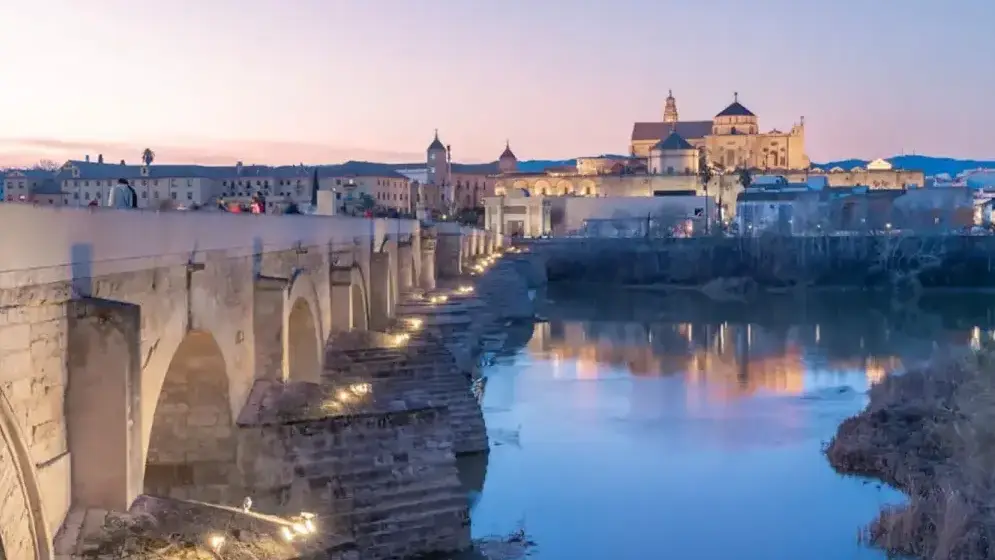
    La Ribera follows the south bank of the Guadalquivir, and its main purpose is the river walk. The Paseo de la Ribera gives unobstructed views of the Roman Bridge, the Torre de la Calahorra, and the stone mass of the Mezquita above the medieval wall. Walk it at dusk: the light changes every five minutes and the bridge illuminations come on before the sky goes dark. Sojo Ribera's rooftop terrace catches all of it with a cocktail in hand, though you should book ahead in summer. The neighbourhood is thin, a strip of embankment rather than a dense urban quarter, but as a base it puts you five minutes from the Roman Bridge and fifteen minutes from the Mezquita entrance, with riverside bar terraces on the doorstep.

    Peaceful and open, good for sunset walks along the river
  2. Arruzafa

    Arruzafa

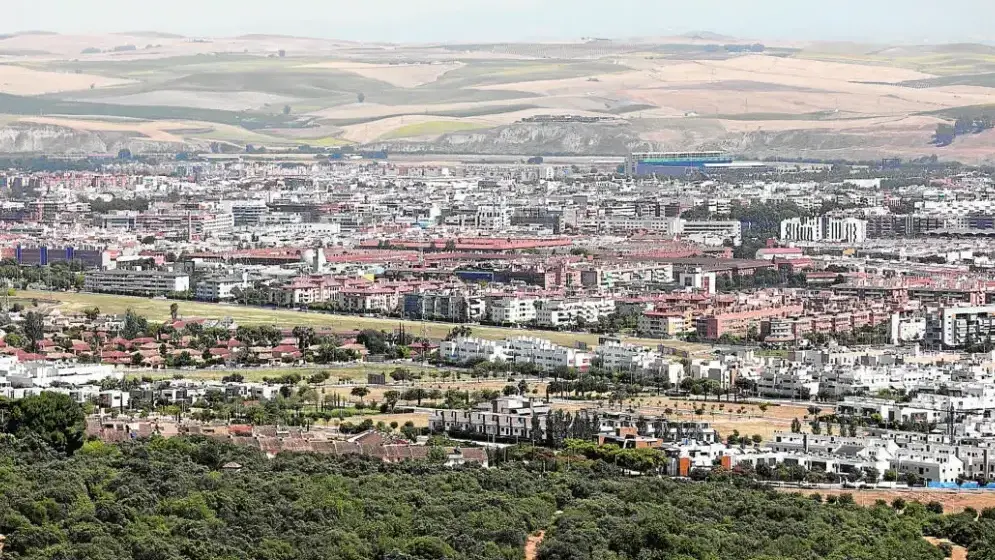
    Arruzafa takes its name from the Arabic al-Rusafa. The Umayyad caliphs built their summer residences on these hills in the 10th century; the Parador de Córdoba now sits on the ruins of Abd al-Rahman I's palace. The neighbourhood is 4 km from the old town, a €7 taxi ride or 15 minutes by bus from Plaza de Colón. The appeal is practical: hilltop air, genuine quiet after dark, a few degrees cooler than the old town in summer, and valley views from the terrace. The Parque de la Asomadilla covers 27 hectares of Mediterranean woodland on the western edge. Most visitors who stay here take taxis into the centre for evenings and return to the silence of the hill. Best suited to visitors who want to avoid the noise that bleeds from the Judería lanes after midnight.

    Residential and peaceful, with panoramic views and a relaxed resort character

For a first visit, the Judería is the right base: you pay a premium for proximity, but the convenience of walking to the Mezquita before the tour groups arrive at 10am is real. Book Judería accommodation 3 to 4 months ahead if your visit overlaps with the **Patios Festival in May** or **Semana Santa**: both events fill the historic quarters completely. San Basilio books similarly for May. For Holy Week, 2 to 3 months lead time is usually sufficient outside the Judería itself.

Hotel versus apartment: hotels work better for first-timers who want a concierge, breakfast included, and staff who can point them to the right door. Apartments make sense for repeat visitors or stays of four nights or more. Apartamentos Calleja de la Hoguera has a panoramic terrace 200 metres from the Mezquita; Casa de las Comedias occupies a converted 17th-century theatre in the historic centre with nine individually named apartments.

Repeat visitors often move neighborhoods on their second trip, and almost always report the switch was worth it. The Judería is Córdoba at its most concentrated and accessible; San Basilio and Santa Marina are Córdoba at its most local. San Lorenzo and Ciudad Jardín are for visitors who have already done the monuments and want a different kind of day.

Frequently asked questions about Best Neighborhoods in Córdoba

What is the best neighborhood to stay in Córdoba for a first visit?

The Judería (Jewish Quarter) is the most practical base for a first visit. The Mezquita is a ten-minute walk from anywhere in the quarter, the Alcázar is fifteen minutes, and the Roman Bridge is twelve. Córdoba's best boutique hotels are concentrated here, including Las Casas de la Judería and Balcón de Córdoba. Note that the lanes nearest the Mezquita entrance stay busy until late. If noise is a concern, look for accommodation on Calle Averroes or toward the southern end of the quarter, or consider San Basilio as an alternative.

Is the Judería noisy at night?

Parts of it, yes. The streets immediately around the Mezquita entrance and along Calle Judíos see evening restaurant and bar traffic until around midnight. The lanes toward Calle Averroes and the southern end near the Alcázar walls are significantly quieter. If you are a light sleeper, ask specifically about room position when booking, or choose San Basilio for the same proximity to the monuments with noticeably less evening noise.

Which Córdoba neighborhood has the best budget hotels?

Ciudad Jardín and the edges of the historic centre (Centro) offer the best value accommodation. Ciudad Jardín is 10 to 15 minutes on foot from the Mezquita, and budget options there cost noticeably less than equivalent rooms in the Judería. In the historic centre, Cats Hostel provides social hostel accommodation in a converted historic building at good-value rates. Hotel Mezquita in the Judería itself starts from around €47 per night and has the best location-to-price ratio of the budget options inside the monument zone.

Which neighborhood is best for restaurants and food in Córdoba?

The historic centre (Centro) has the widest range: both Michelin-starred restaurants in the province (Choco and ReComiendo), century-old tabernas like Bodegas Campos (open since 1908) and Taberna Salinas (since 1879), and the Mercado Victoria food hall. For a single unmissable dinner, head to San Lorenzo for La Cuchara de San Lorenzo (Michelin Bib Gourmand, thirty covers, book three days ahead). The Judería has the highest concentration of tapas bars but quality varies sharply; our tapas guide covers the ones worth choosing.

Can you walk between Córdoba's main neighborhoods?

Yes, with one exception. The Judería, Centro, San Basilio, Ribera, Santa Marina, and San Lorenzo are all within 15 to 20 minutes of each other on foot through the historic city. The distances between monuments are short enough that most visitors move between neighborhoods naturally during the day without needing transport. The exception is Arruzafa, which sits 4 km north of the old town on a hill: take a taxi (around €7) or the bus from Plaza de Colón rather than walking in summer heat.

When should I book accommodation for the Córdoba Patios Festival?

The Patios Festival in May is the busiest period of the year for Córdoba accommodation. Hotels and apartments in the Judería and San Basilio typically fill 3 to 4 months in advance for festival weekends. If your travel dates overlap with the festival (usually the first two weeks of May), book by February at the latest. Semana Santa accommodation in the Judería fills similarly and should be booked 2 to 3 months ahead. Outside these two periods, accommodation in most neighborhoods is available with a few weeks' notice, except in high summer (July and August) when the city fills with domestic tourism.