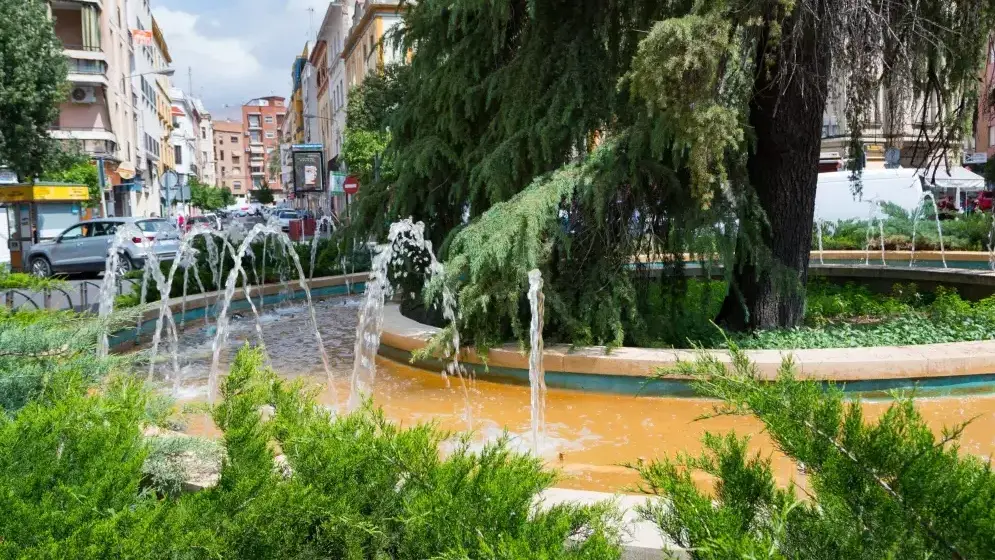

Ciudad Jardín — literally 'Garden City' — was planned in the 19th century with broad tree-lined avenues and houses set back from the street. It runs largely on local life: university students, families, and working residents. 10 minutes on foot from the historic centre, the tourist infrastructure thins out fast once you cross into it. Do not confuse it with the garden-city workers' estate of Electromecánicas, which SECEM built for its employees.
Vibe and character
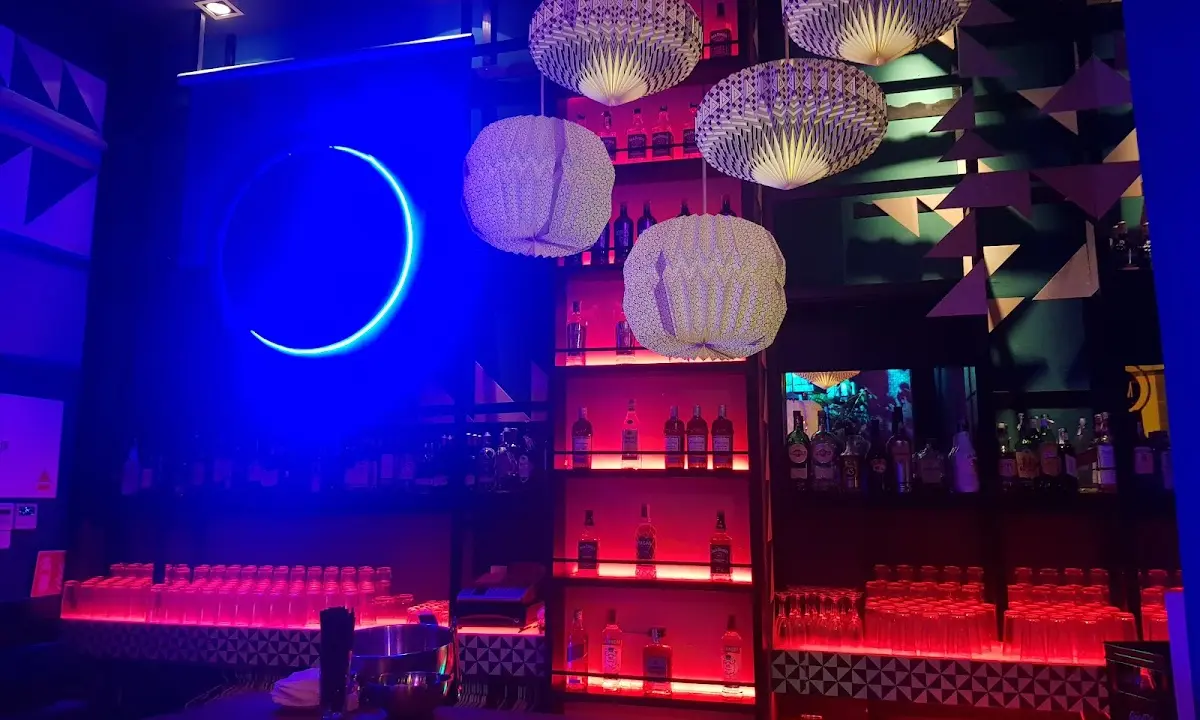
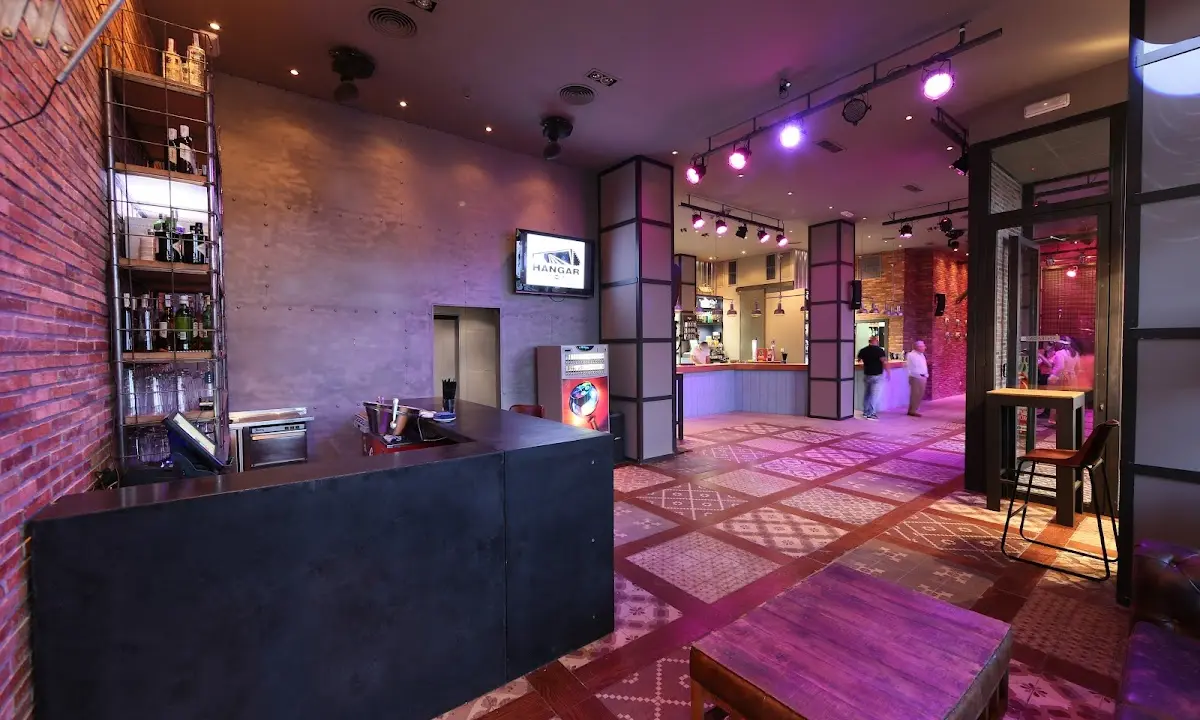
This is where younger Córdoba lives. The wide avenues were designed for a different era of city planning — there's breathing room here that the tightly packed Judería never has. During the day the neighbourhood moves at an unhurried pace. Students head to class, families run errands, café terraces fill with people who have no monuments to visit and no schedule to keep. After dark it shifts register entirely.
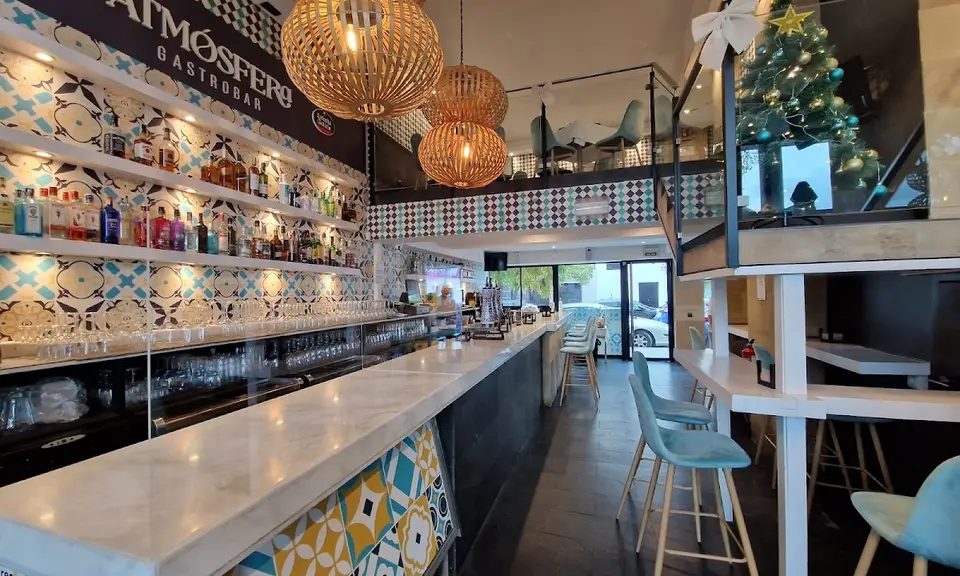
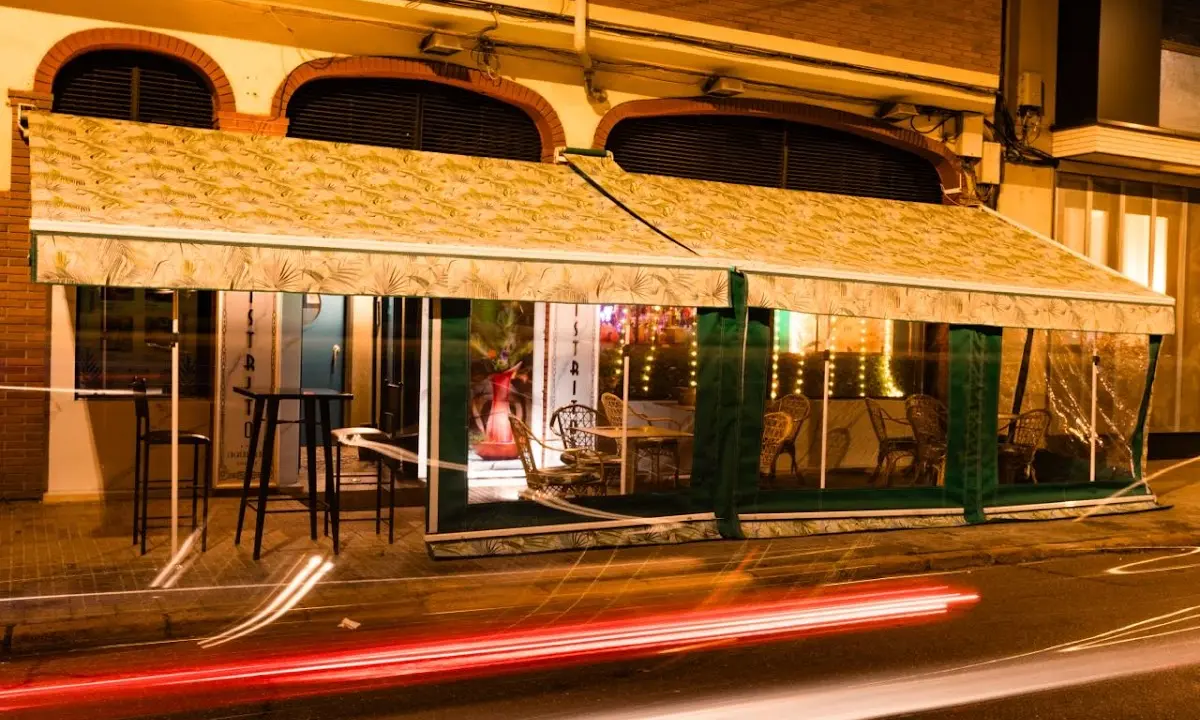
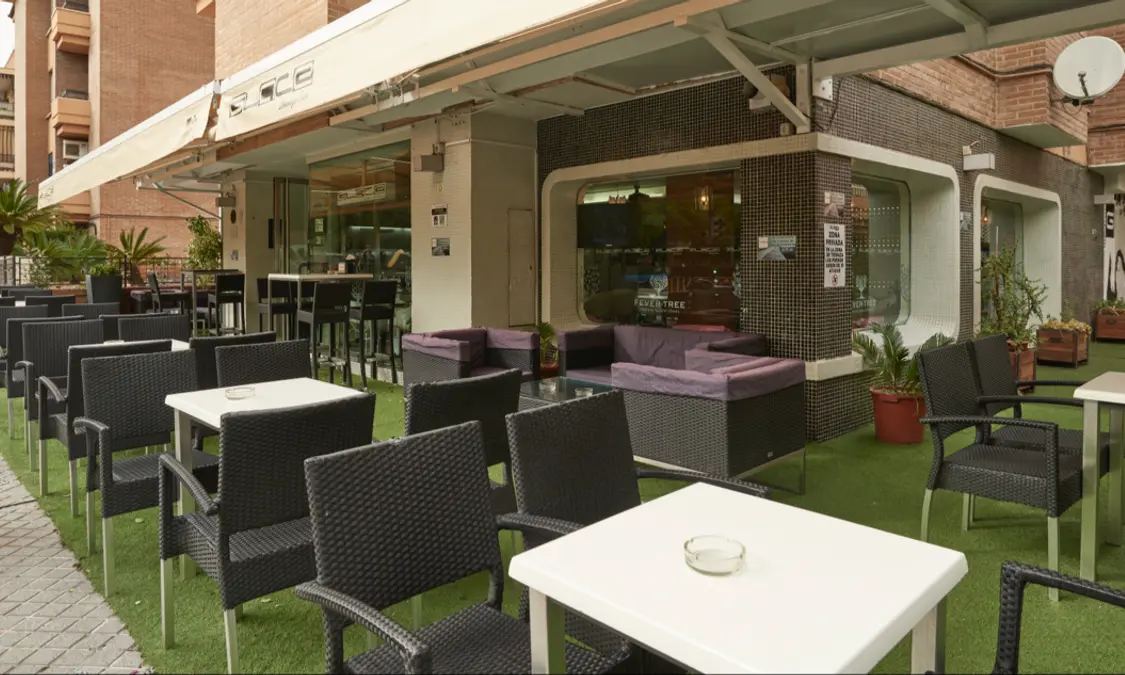
Avenida del Gran Capitán is the social spine. In the evenings, the terraces spread across the pavement and the neighbourhood takes on the animated, unhurried character that typifies Córdoba nightlife at its most local. This is where you go to see how the city actually drinks.
Parks, Roman ruins, and family options
Parque Juan Carlos I contains partial ruins of a Roman amphitheatre — understated compared to the Roman Temple in the centre, but genuinely impressive when you find the exposed stone seating and imagine the scale of the original structure. The park itself is well-maintained and busy at weekends.
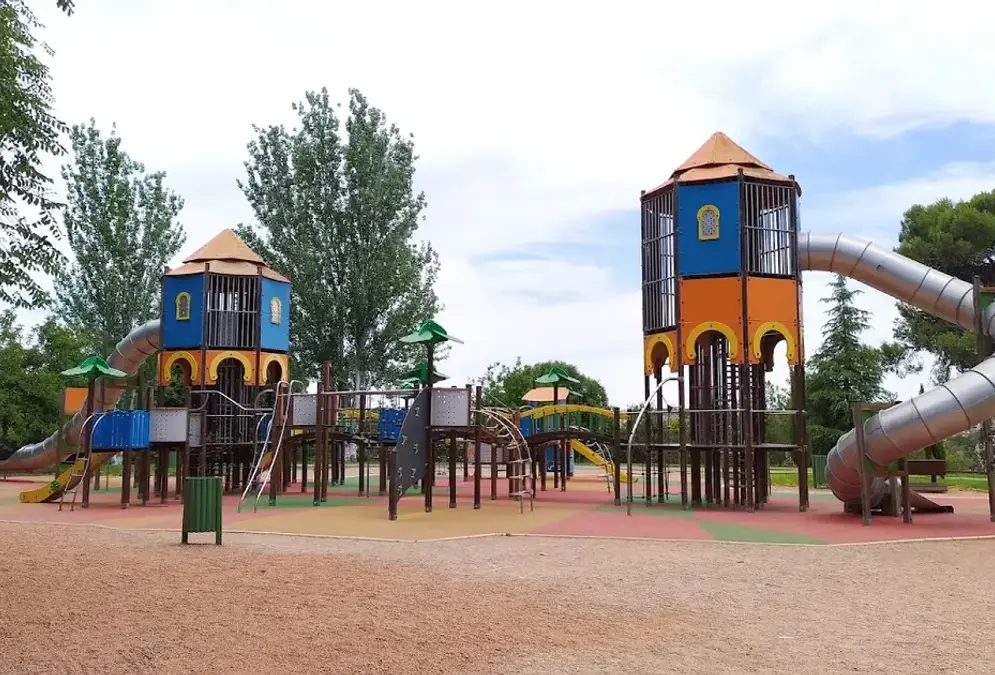
Parque de la Asomadilla, the largest urban park in Córdoba, is within easy walking distance — 27 hectares of Mediterranean woodland good for morning walks before the heat sets in. The Córdoba Zoo and the Children's City sit near the neighbourhood's edge and make the area practical for families with young children who need scheduled structure in a day of sightseeing.