75 editorial guides Updated 12 October 2026
Discover Córdoba by theme
Browse every editorial guide we publish, organised by theme. Pick what matches your trip to Córdoba and skip the rest.
Autumn visitor? Wine route, Autumn guide and Hidden gems
Who are you travelling with?
Personalised guides for every type of traveller
Families Kid-friendly activities & tips Couples Romantic spots & dining Solo travellers Easy solo experiences Food lovers Gastronomy & culinary trails Photographers Iconic & hidden photo spots History buffs Heritage & archaeology Architecture Styles, sites & self-guided walks Wellness Hammam, spa hotels & natural pools
Jump by theme
Jump to a section
Start here
The essentials
Most first-time visitors arrive with questions about the Mezquita and leave wishing they had known about everything around it. These four guides build the full picture first.
Featured
Popular
What to do in Córdoba
The broadest starting point: monuments, patios, food, flamenco, hammams and classic first-trip choices.
Featured
First-Time Visitor Tips
Free Mezquita entry, siesta hours, which ATMs to avoid, managing 40°C heat: the practical side most guides skip.
Featured
UNESCO Heritage
Understand the four UNESCO listings that define Córdoba’s global cultural weight.
Featured
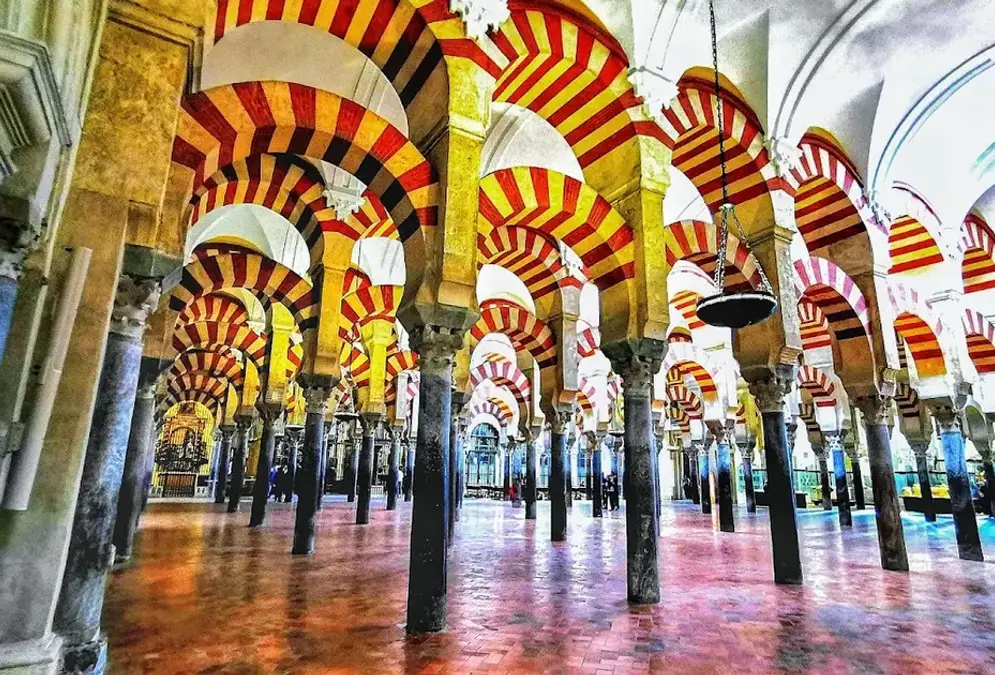
Córdoba, Granada or Seville?
Compare the three Andalusian capitals by atmosphere, budget, monuments and trip length.
Featured
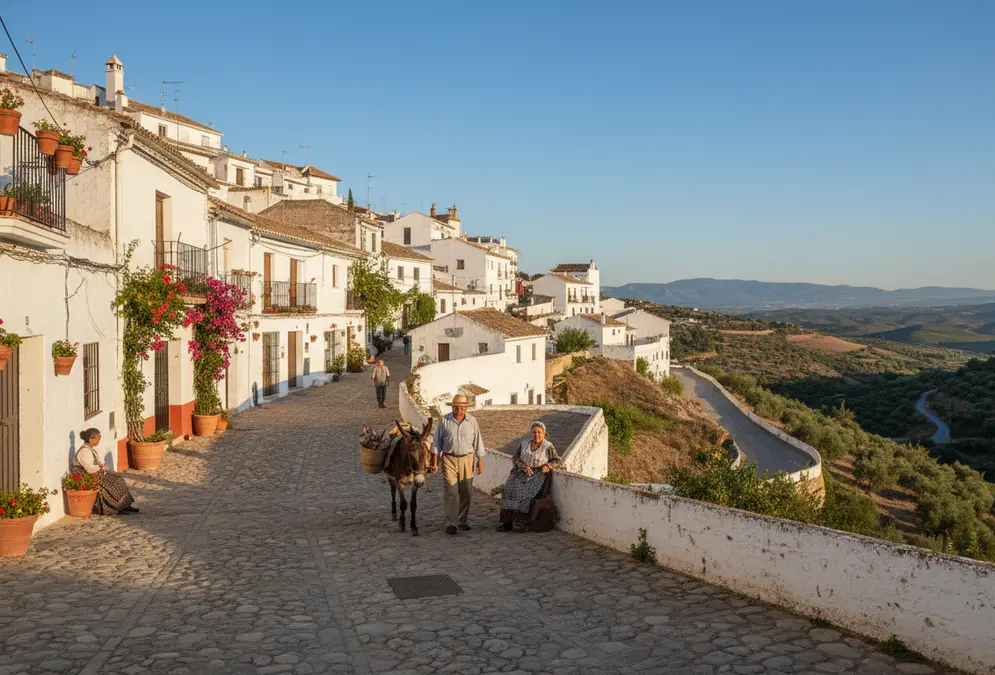
Pueblos Blancos
White-village day trips into the Subbética for dramatic views, quieter streets and rural Andalusia.
Córdoba vs Granada
Mezquita vs Alhambra, atmosphere, budget, and how to combine both cities.
Read guideCórdoba vs Seville
Two AVE-connected cities compared: monuments, cost, nightlife and which to visit first.
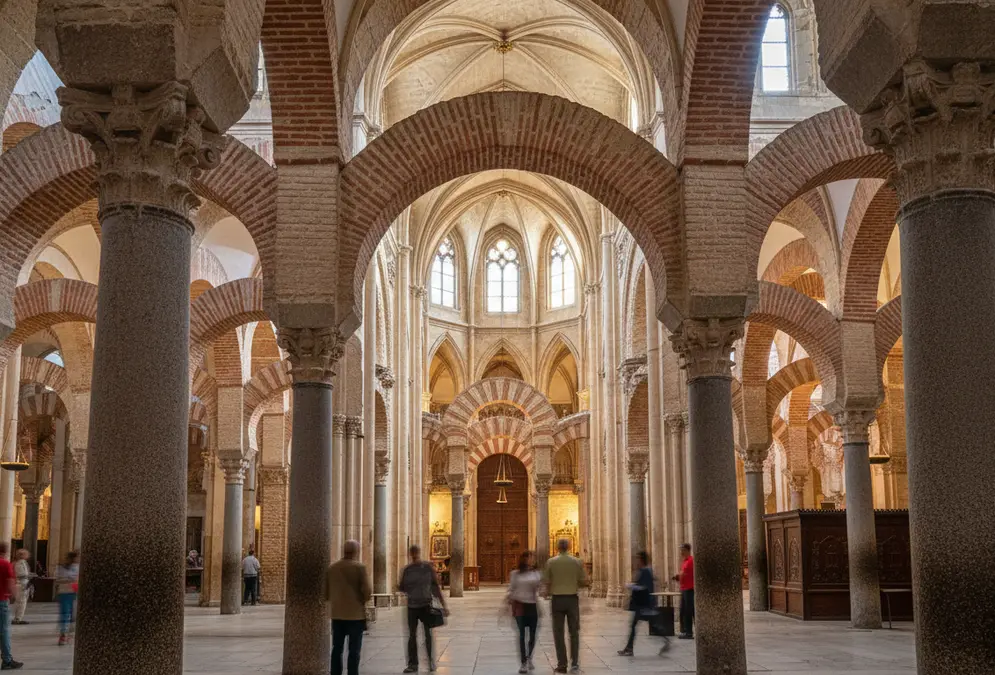
Read guideCórdoba vs Toledo
Which day trip from Madrid is worth the longer train, and why Córdoba usually wins.
Read guideCórdoba vs Málaga
Inland heritage or Mediterranean coast? The 50-minute AVE makes it easy to do both.
Read guideCórdoba vs Cádiz
Moorish monuments vs Atlantic beaches: how the two most distinct Andalusian cities compare.
Read guideDay Trip or Overnight?
What a day-tripper misses, and a practical itinerary for 1, 2 and 3-day stays.
Read guideIs Córdoba Worth Visiting?
An honest assessment: who loves Córdoba, who finds it too quiet, and how it compares to Seville and Granada.
Read guideIs Córdoba a Tourist Trap?
The honest verdict on crowds, souvenir shops and authenticity — and how to see the 70% of the city day-trippers miss.
Read guideHow Many Days in Córdoba?
Two days is the honest minimum, three the sweet spot. Decision matrix and hour-by-hour plans for each option.
Read guideIs Córdoba Affected by Overtourism?
Barcelona, the Balearics and the Canaries face 2026 protests and new visitor taxes. Here’s why Córdoba isn’t part of that crisis, with the numbers.
Read guideCórdoba gastronomy
The food here is more interesting than its reputation outside Spain suggests, and easy to miss if you default to the tourist menus near the Mezquita.
Local flavours
The dishes, wines and food culture that define Córdoba’s table.
Tapas Culture
How tapeo works here, what to order and where the bar-hopping rhythm makes sense.
Wine Route
Montilla-Moriles day trips, bodegas and the fortified wines most visitors overlook.
Street Food
Outdoor stands, caracoles in spring, chocos fritos and the city's best casual bites.
Food Markets
Mercado Victoria, covered markets and where locals shop for produce and tapas.
Vegetarian
The strongest vegetarian-friendly addresses and what they do best.
Gluten-Free
Certified addresses, safe planning tips and the best low-risk restaurant choices.
Cooking Classes & Food Experiences
Hands-on culinary experiences in Córdoba: cooking classes, guided food tours, olive oil tastings, wine evenings, and day trips to the Subbética.
Rooftop Terraces Córdoba
Mezquita views from Balcón de Córdoba, riverside terraces on the Guadalquivir, and practical tips on reservations and sunset timing.
Heritage and history
2,000 years of Roman, Moorish and Christian rule compressed into one square kilometre. These guides explain what each layer left behind and where to find it.
Featured
Mezquita-Cathedral: Complete Visitor Guide
Tickets, timings, route planning and the key details that shape the city’s most important visit.
Featured
Three Cultures of Córdoba
A single guide to the Muslim, Jewish and Christian layers that define Córdoba’s historic centre.
Alcázar Tickets & Visit Guide
Prices, booking, skip-the-line tips and seasonal hours for the Alcázar de los Reyes Cristianos.
Read guideMezquita vs Alhambra
Spain's two greatest Moorish monuments: tickets, crowds, architecture and which to see first.
Read guideChristian Córdoba
The Christian story in stone: Ferdinand III’s 1236 reconquest, the Fernandine churches, and the Alcázar’s Inquisition years.
Read guideRoman Córdoba
Temple remains, bridges, mosaics and the Roman foundations still visible in the city.
Read guideMoorish Córdoba
The caliphate legacy, urban fabric and architectural logic that still structure the city.
Read guideJewish Heritage
The Judéria, synagogue, Sephardic memory and the city’s Jewish intellectual legacy.
Read guideJudéria Solo Morning Walk
A self-guided 600m circuit through the Jewish Quarter: Calleja de las Flores, the Sinagoga (€0.30), and the Zoco. Best 8–10am, before the tour buses arrive.
Read guideArchitecture Guide
How to read 2,000 years of Córdoba's architectural history in stone: Roman foundations, Umayyad arches, Mudéjar churches and the contemporary C3A.
Read guideIs Medina Azahara Worth It?
Is the half-day trip from Córdoba worth it? What a 10%-excavated UNESCO ruin actually shows you, how to read the foundations, and who it disappoints.
Read guideSelf-Guided Walks
Seven free walking routes through 2,000 years of Córdoba: Jewish Quarter, Moorish arches, Roman ruins, flower patios, tapas bars and the riverside.
Read guideMezquita at Sunrise: Photography Guide
Where to stand on the Roman Bridge, when the tower catches the first light (a 15-minute golden window), and how to shoot the interior handheld during the free 8:30–9:30am entry slot.
Read guideIslamic Golden Age
Averroes, Maimonides, Al-Zahrawi and Ziryab: the scholars who made 10th-century Córdoba the intellectual capital of the medieval world.
Read guideCórdoba History Guide
2,200 years in one sweep: Roman foundations, Umayyad caliphate, Jewish intellectual life and the Christian reconquest.
Read guideWhen to visit Córdoba
Spring is the obvious answer. Summer is survivable with the right timetable; autumn is underrated; winter is best for monuments, not patios.
Córdoba in Spring
PopularPatios, orange blossom, Holy Week and the city’s highest-energy season.
Córdoba in Summer
How to handle the heat, plan cooler hours and still make summer work well.
Córdoba in Autumn
A strong balance of good weather, manageable crowds and easier hotel prices.
Córdoba in Winter
Quiet streets, lower rates and a different rhythm for museums and heritage visits.
Turn your season into a concrete plan
Once you know when you are coming, move straight into itinerary, hotel and event choices.
Major events
The festival calendar is denser than most visitors expect. Come in the wrong week and you miss an emptier city; come in the right one and the streets transform completely.
Featured
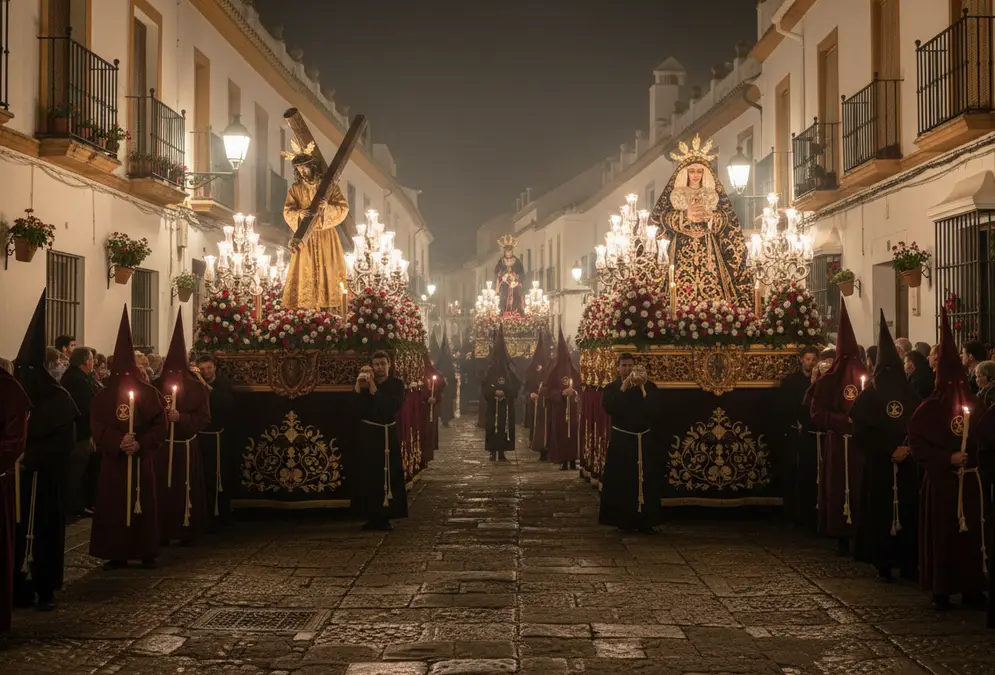
Holy Week
Routes, timings, photography advice and how to position yourself for the most atmospheric processions.
Featured
UNESCO
Patio Festival
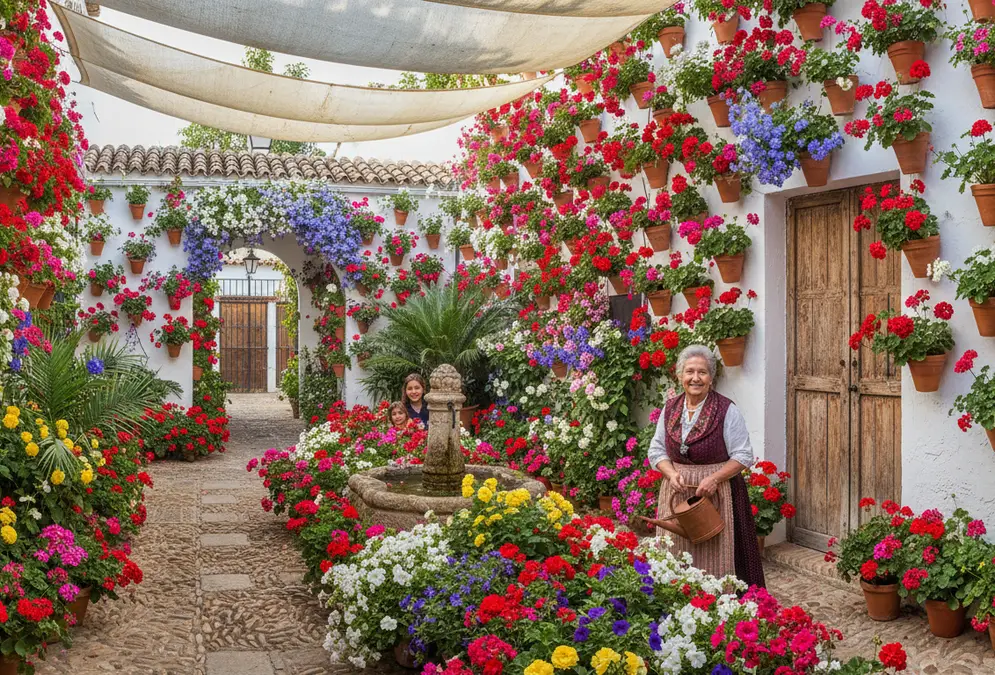
The city’s signature festival: routes, strategy, queues and how to plan the UNESCO-listed event properly.
Carnival
Costumes, satire, street performances and the lighter pre-spring energy of the city.
Read guideFeria de Córdoba
Casetas, horse parades, timing and how Feria differs from Seville’s version.
Read guideCrosses of May
Five days of flower-covered crosses, evening sevillanas and free entry across five neighbourhoods, the prelude to the Patio Festival.
Read guideGuitar Festival
How to use the programme if you want more than one concert or want free outdoor performances.
Read guideFLORA Festival: Visitor Planning Guide
Five international artists fill Córdoba's historic patios with floral installations every October. Free exhibition across all five venues; plan a 2–3 hour walking circuit.
Read guideCosmopoética: Visitor Guide & Planning Tips
Nine days of poetry, talks and music across Córdoba's historic centre, with a 2026 tribute to Borges. Which day to pick, what a reading feels like, and whether Cosmopeque suits your family.
Read guideNoche Blanca del Flamenco
One June night, eight hours of free flamenco across the historic centre. Which stages to hit first and when to arrive.
Read guideCabalcor Horse Fair
Five autumn weeks at the Royal Stables: purebred Spanish horse and doma vaquera contests, plus daily art exhibits in the Main Stalls.
Read guideWorld Cheese Awards Córdoba 2026
The world’s largest cheese-only competition makes Córdoba its one-off 2026 host city: 5,000+ cheeses, 300+ judges, a public market and tastings.
Read guideCulture and lifestyle
Once the headline monuments are covered, most visitors run out of plan. These guides cover what makes Córdoba worth staying for past the first day.
Museums
A practical sweep of Córdoba’s major museums, collections and exhibition stops.
Read guideFlamenco
Where flamenco fits in Córdoba, from tablaos to festival-scale nights.
Read guideShopping & Crafts
Ceramics, leather, food souvenirs and the addresses worth carrying home.
Read guideCaliphal Crafts of Córdoba
The story behind the crafts: guadamecí leather, filigree, tiraz silk and caliphal ivory.
Read guideGame of Thrones
A niche but fun angle on Córdoba’s visual drama and how it connects to screen fantasy.
Read guideCórdoba at Night
Rooftops, evening walks, bars and how the city changes after dark.
Read guideAlcázar at Night: Naturaleza Encendida
Light installations and video-mapping transform the Alcázar gardens from May to January. Self-paced 45–60 min circuit across three garden zones. Tickets from €10, Wed–Sun.
Read guideCórdoba for Couples
The city’s softer rhythm: patios, rooftop drinks, hammams and romantic walks.
Read guideLGBTQ+ Guide
Useful local context, friendly venues and a clearer sense of how the city feels on the ground.
Read guideSolo Travel in Córdoba
Safety, budget, walkability, dining alone and accommodation tips for solo travellers.
Read guideDigital Nomads in Córdoba
Coworking spaces, monthly budget, best neighborhoods, SIM cards and the Spain digital nomad visa.
Read guideHidden Gems of Córdoba
Lower-profile places, side streets and quiet detours once the headline sights are covered.
Read guideWith Family
Parks, low-friction attractions and the parts of Córdoba that work best with children.
Read guideAccessible Córdoba
Mobility, route-planning and practical accessibility advice gathered in the planning section.
Read guideSenior Travel in Córdoba
Accessible monuments, flat routes, pacing advice and the best season to visit at a relaxed pace.
Read guideInstagram Photo Spots
Angles, timing and the places that photograph best across the historic centre.
Read guideHiking & Nature
Sierra Morena, Subbética and the greener edge of a trip that starts in the old city.
Read guideArt Lovers' Guide
Museums, guadamecí craft, flamenco, and the contemporary C3A scene — the full art itinerary.
Read guideHammam Guide
Arab baths, circuit guide & booking tips
Read guideWellness in Córdoba
Hammam Al Ándalus, Sierra Morena natural pools, spa hotels and the quiet Judería gardens.
Read guideTravelling with a Pet
Verified pet-friendly hotels, parks, terrace dining, leash laws and emergency vets.
Read guideFAQ about visiting Córdoba
How many days do you need in Córdoba?
Two days covers the Mezquita, the Judería and the Alcázar without rushing; three lets you add Medina Azahara and a proper evening rhythm of patios and tapas. Day-trippers can tick the highlights, but the city is at its best after the coaches leave.
Is Córdoba worth visiting?
Yes. It holds four UNESCO inscriptions, one of the largest medieval historic centres in Europe, and the Mezquita-Cathedral. It is also quieter and cheaper than Seville or Granada, which is either a drawback or a selling point depending on what you want.
What is Córdoba famous for?
The Mezquita-Cathedral above all, then the flower-filled patios (UNESCO-listed festival each May), the Judería quarter, salmorejo and the Roman bridge. At its 10th-century caliphal peak, Córdoba was the largest city in western Europe.
When is the best time to visit Córdoba?
April to mid-June, with May the standout month for the Patio Festival, the Crosses of May and the Feria. September and October are a quieter second-best. July and August regularly pass 40°C.
What is there to do beyond the Mezquita?
Quite a lot. The Alcázar gardens, Medina Azahara (8 km west, palace city of the caliphs), the Palacio de Viana’s twelve patios, hammam baths, flamenco tablaos and the Montilla-Moriles wine route are the obvious next stops. The food markets are better than most visitors expect.
Is Córdoba walkable?
Very. The historic centre is compact and mostly flat, and most visits never need transport beyond the walk from the station. Comfortable shoes matter more than a bus map since the lanes are cobbled.
Build the rest of your Córdoba trip
Use the listing pages once you are ready to narrow down what to book, eat and visit.