Digital Nomad Guide
Córdoba for digital nomads
Córdoba costs half what you'd pay in Barcelona, sits inside a UNESCO World Heritage city, and has an official program that hands remote workers free coworking access and restaurant discounts on arrival. Average WiFi outside coworking spaces runs around 12 Mbps, the English-speaking community is small, and the nightlife is genuinely local rather than international. That's a trade-off, not a dealbreaker.

Written by
María Fernanda González Ten years covering Córdoba's UNESCO heritage sites, sourcing from Junta de Andalucía documentation.
Updated Published
Remote work in Córdoba makes financial sense before it makes any other kind. A one-bedroom apartment runs €500–700/month, the menú del día is €10–12, and a coworking day pass costs €25–35. Compare that to Barcelona (€1,200+ for the same flat) or even Seville (20–30% more across the board), and the arithmetic is immediate. The city sweetens the deal further with an official Córdoba Digital Nomads Program: register as a remote worker, and you get free coworking access, accommodation discounts, and an instant social network.
The honest caveats: café Wi-Fi averages around 12 Mbps on Nomads.com, which is fine for async work but limiting for back-to-back video calls. The city ranks #57 globally, not #7. The English-speaking nomad scene is real but modest, and if you need the infrastructure density of a capital city, Córdoba will disappoint. If you want to live well in Andalusia for under €2,000/month while the old town is on your doorstep, it won't.
This guide covers everything for remote workers considering Córdoba: coworking spaces and prices, café options, monthly cost breakdown, neighborhoods, SIM cards, the visa situation for non-EU workers, and the Beckham Law tax regime. Practical details only.
In this guide
Jump to a section
Córdoba at a glance
- Internet speed
- ~12 Mbps avg (fiber in coworking)
- Coworking day pass
- €25–35 / day
- Monthly budget
- €1,400–2,000 (incl. rent)
- Timezone
- CET (UTC+1) / CEST (UTC+2)
- Best working months
- Oct–Apr (mild, quiet)
- Nomad visa available
- Yes: Spain DNV (non-EU)
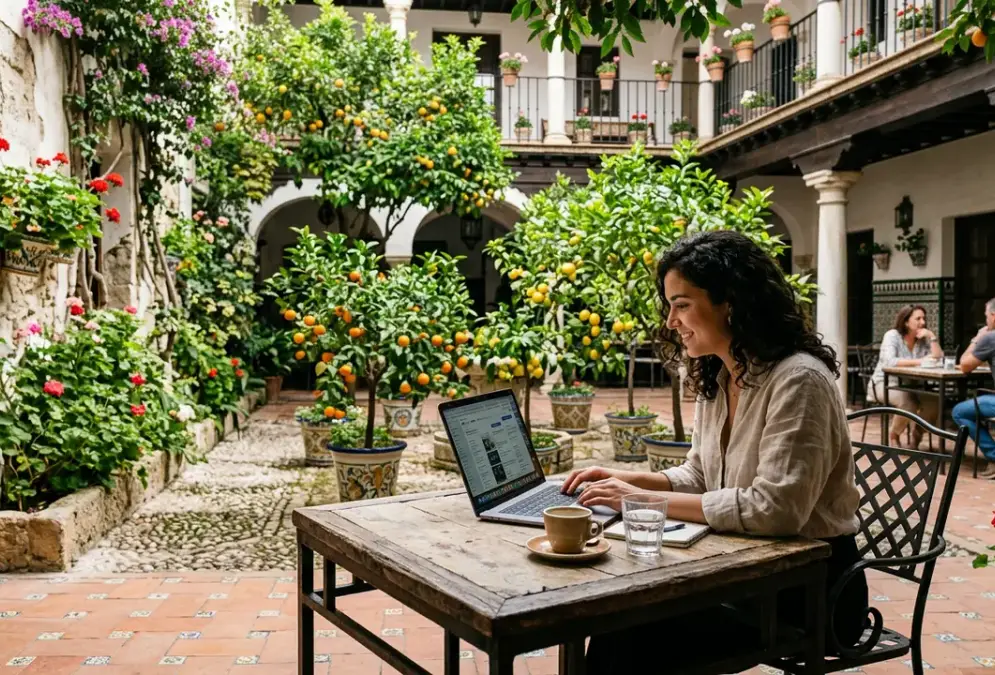
Quick verdict
Is Córdoba worth choosing as a nomad base? Here's the short answer:
Cost: €1,400–2,000/month for a comfortable life. ~25% cheaper than Seville or Málaga.
Internet: 12 Mbps avg in cafés; fiber in coworking spaces. Plan around it.
Community: Small but growing. Official nomad program gives you an instant entry point.
Visa: Spain's Digital Nomad Visa (2023) covers non-EU workers. Requirements are clear.
Best months: October to April. Summer heat (40°C+) makes outdoor productivity genuinely hard.
Best for: Async workers, writers, designers. Poor fit for daily multi-party video calls in cafés.
Internet & coworking
Córdoba has five open coworking spaces spread across the city centre, plus the city's official nomad program which provides free access at partner venues.
Coworking spaces
laZona
Calle Secretario Carretero 7. Flexible desk €110/month; fixed desk €150/month; 40-hour pack €50. Fiber Wi-Fi, meeting rooms, printing, community events. The most nomad-friendly setup in the city centre.
lazona.co/esCoRab21
Plaza de las Doblas s/n — monthly from €95. Also has a second location at the Rabanales21 science park. Professional-focused, quieter atmosphere suited to concentrated work.
corab21.comCECOworking
Avenida Gran Capitán 12. One of the longest-running spaces in the city. Dedicated desk ~€135/month, virtual office ~€20/month. 24h access, meeting rooms, printing.
cecoinstalaciones.es/cecoworkingInvepat
Av. Ronda de los Tejares 27. Entrepreneurship incubator open to freelancers and nomads — the most affordable day pass in Córdoba at €15. 26 workstations, 5-star rated.
incubadorainvepat.comCoworking El Patio
Calle Rodríguez Sánchez 7. The most atmospheric option — set in a traditional Andalusian patio. Pricing on request. Good for those who want character over corporate uniformity.
coworking-elpatio.comPractical notes on connectivity
Coworking: Fiber connections run 100–300 Mbps across the main spaces. Sufficient for any remote work including large file transfers and simultaneous video calls.
Café Wi-Fi: Averages 12 Mbps. Adequate for email and async tasks. Use a personal hotspot or coworking for video calls.
Apartment fiber: Modern apartments in Centro and Guadalquivir riverside often include fiber in the rent. Ask specifically when booking — it's worth the upgrade.
Power outlets: Spanish two-pin plug (Type F). Cafés have outlets at most seats, but don't rely on it during peak hours.
Apply to the Córdoba Digital Nomads Program
The city runs an official program for registered remote workers: free coworking access at partner spaces, accommodation discounts at participating hotels, and regular social events. Apply through the Turismo de Córdoba website before you arrive. It costs nothing and gives you an immediate community on day one.
Best cafés to work from
Spain has genuinely good café Wi-Fi culture. Most cafés expect you to stay for an hour with one coffee, and nobody will rush you. Ask ¿Tienes contraseña WiFi? (do you have the Wi-Fi password?) at any counter.
Where to work
Guadalquivir riverfront cafés
Best ambiance for working. The light is good in the morning, there's usually outdoor seating with shade, and it's quieter than the Judería. Slightly slower Wi-Fi but calmer environment.
Centro coffee shops
Student crowd, affordable (€1.50–2.50 for a cortado), and generally better Wi-Fi than tourist-zone cafés. More background noise, which some people prefer.
Judería quarter boutique cafés
Quieter, slower, more expensive (€3–4 for coffee). Interior patios are pleasant for morning sessions before tourist traffic builds up.
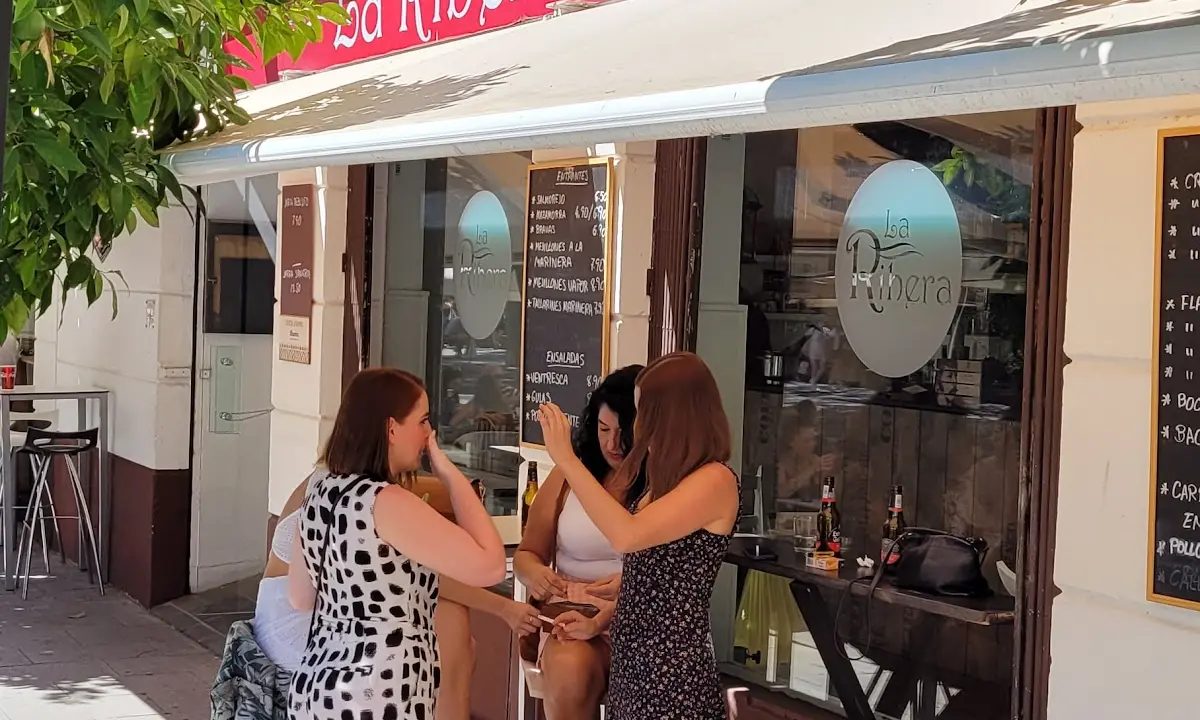
Where to eat

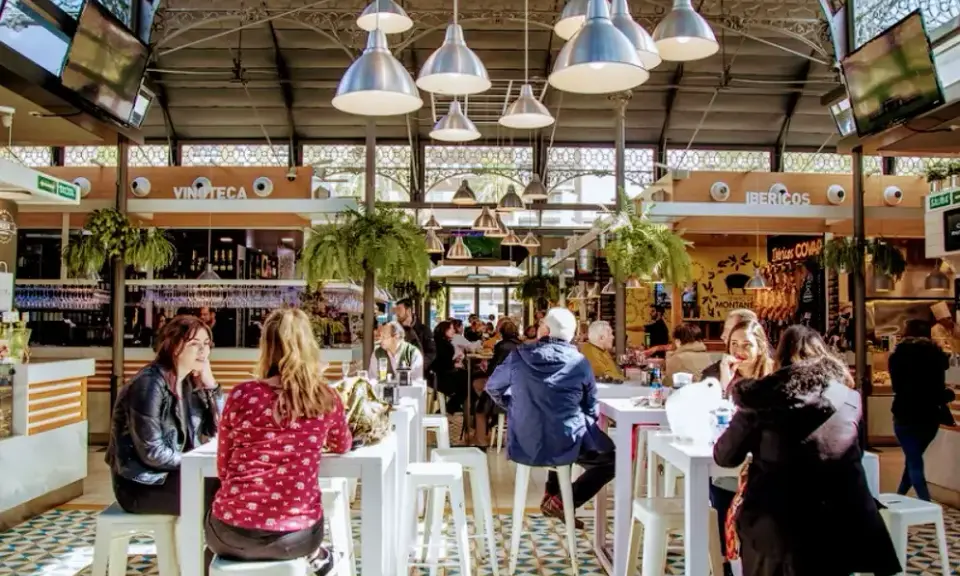
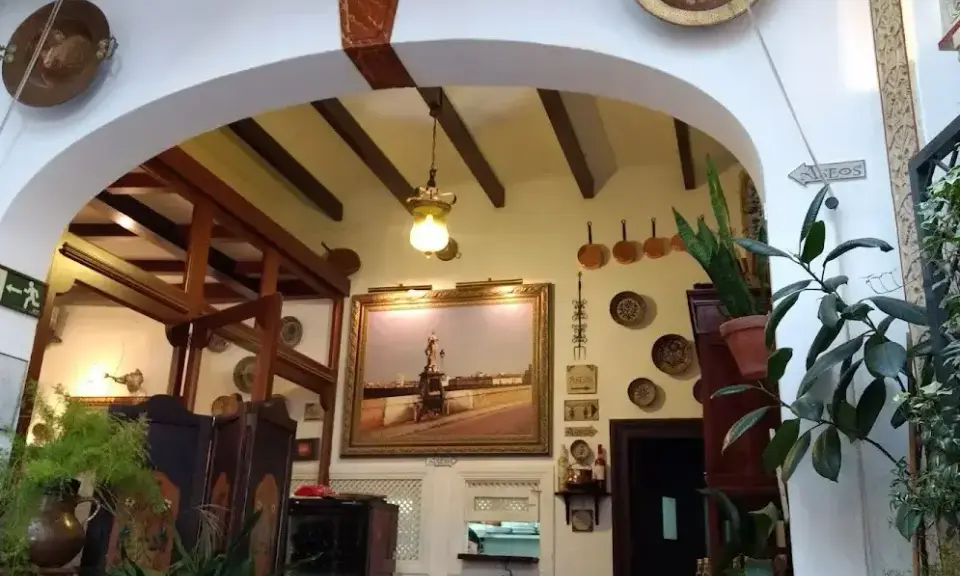
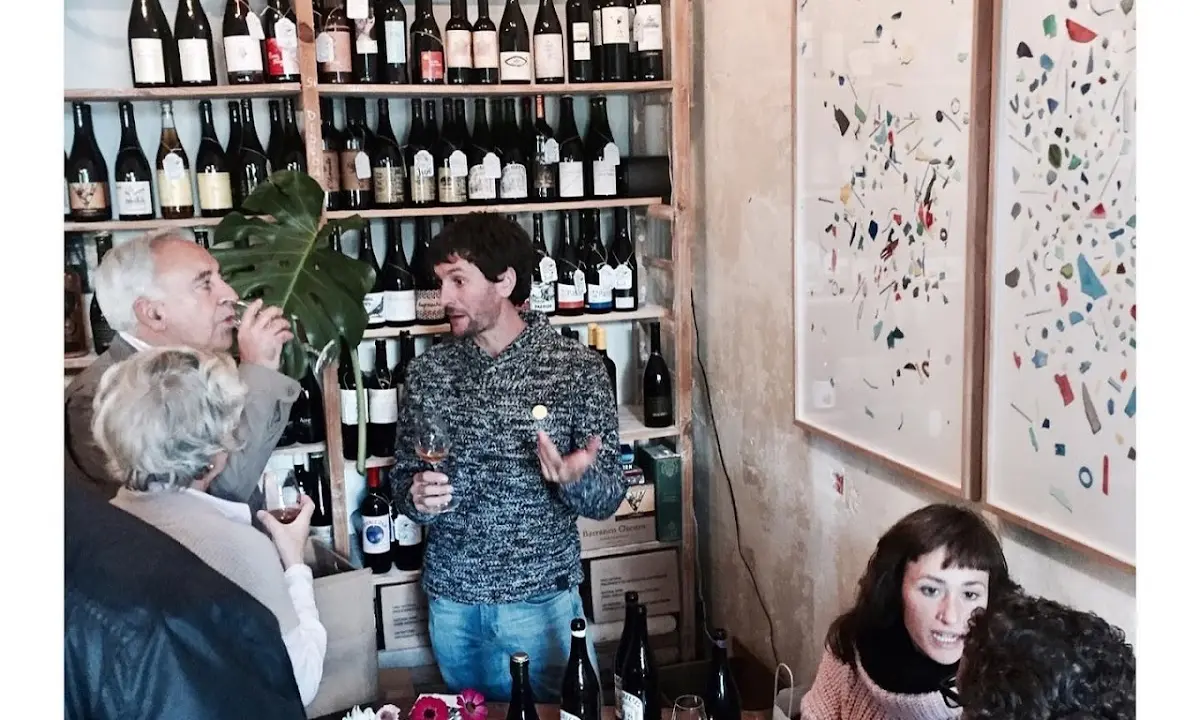
Where to unwind after work
Monthly budget
Córdoba runs 20–30% cheaper than Seville or Málaga and significantly cheaper than any coastal resort. These figures reflect an honest mid-range lifestyle: a private apartment, daily café sessions, and eating out several times a week.
Monthly cost breakdown
- Room (shared apt)
- €300–500 / month
- 1-bedroom apartment
- €500–700 / month
- Coworking (full-time)
- €100–150 / month
- Groceries
- €150–250 / month
- Eating out (mixed)
- €200–300 / month
- Utilities
- €40–60 / month
- Transport (bus card)
- €35–45 / month
- Total (mid-range)
- €1,400–2,000 / month
Budget nomad (€1,000–1,200)
Shared apartment or room
Cooking most meals at home
Free coworking via Nomad Program
Bus card instead of taxis
Comfortable nomad (€1,600–2,000)
Private 1-bedroom in Centro or Judería
Daily coworking or dedicated desk
Regular restaurant meals, weekend day trips
A language class or cultural activity
Cost-saving moves locals know
- Eat the menú del día: €10–12 for a three-course lunch with wine. The best value in Spain, available at almost every restaurant weekdays until 4pm.
- Buy from Mercadona or Lidl, not tourist-area shops. The price difference for basics is 30–40%.
- Get a AUCORSA monthly bus card (€35–45): covers the whole city and the Medina Azahara shuttle.
- Book monthly rent directly with landlords on Idealista or Fotocasa, not through short-let platforms. Price difference: 40–60%.
- Use the free Mezquita entry window (Monday–Saturday 8:30–9:30am) on your first week — save the €15 entry for the best-light days.
Renting long-term vs. visiting short-term
A one-bedroom monthly rental at €500–700 works out to roughly €17–23 a night, a fraction of the €40–70/night Airbnb rate or the €70–120/night boutique hotel rate covered in the where to stay section below. That gap is the real case for staying rather than visiting: the same city, the same walk to the Mezquita, at a third of the nightly cost once you commit to a month or more.
What a resident pays that a visitor never sees: a deposit (commonly one to two months' rent) plus the first month up front before you get keys, utilities billed separately from rent (budget the €40–60/month above on top of the headline figure), and the residency registration (Padrón, NIE) covered in the visa & legal section for longer stays. None of that shows up in a nightly hotel rate, and it's the part first-time movers tend to underestimate.
For exact per-neighborhood rent ranges, see best neighborhoods for nomads below. For what a short trip costs instead, the Córdoba travel cost guide prices a visit (per-day tiers, entry fees, tourist tax); this guide prices a stay.
Best neighborhoods for nomads
Where you live shapes the day. These are the four neighborhoods worth considering, in order of nomad practicality.
Centro
Best for: first-timers Rent: €600–900/month
The most practical choice for a first stay. Good café density, access to tapas bars, student energy without the tourist crush of the Judería. Plaza de las Tendillas anchors the area and gives you a central meeting point. Apartment stock is sparse, so book early.
Main downside: fewer available apartments than El Arenal. Competition is real.
El Arenal
Best for: long stays Rent: €450–650/month
The residential choice for nomads settling in for a month or more. Authentic local atmosphere, flamenco heritage, significantly more affordable than the tourist core. Supermarkets and pharmacies within easy reach, with a 15-minute walk to the Mezquita.
Main downside: fewer cafés with nomad-friendly setups. You'll need a coworking space or good apartment Wi-Fi.
Guadalquivir riverside
Best for: creative types Rent: €500–750/month
Modern coworking concentration, artsy character, riverside morning walks. The density of digital infrastructure here is the best in the city. Quieter evenings than Centro but still within 10 minutes of the historic core on foot.
La Judería
Best for: short stays Rent: €700–1,000/month
Premium price for the UNESCO setting. Walking distance to the Mezquita, full of restaurants and bars, active at night. The tourist density makes café working harder than it looks. Worth it for a two-week stint; less compelling at €900/month for a month.
For a broader look at each area, see our complete neighborhood guide.
SIM cards & mobile connectivity
4G covers Córdoba comprehensively. 5G is expanding in the central areas. Bring your passport to buy a SIM card at any carrier store or the airport.
Movistar
Best rural/inland coverage
40 GB €10
80 GB €15
140 GB €20
Orange
28-day validity
80 GB €10
260 GB €15
320 GB €20
Vodafone
28-day validity
270 GB €15
330 GB €20
380 GB €30
Buying tips: SIM cards available at Madrid-Barajas Airport on arrival and at carrier retail stores throughout Córdoba. Bring your passport. For stays under a month, eSIM options like Holafly work well and save the store visit. For stays of a month or more, a local physical SIM gives better prices and easier top-ups.
Things to do when not working
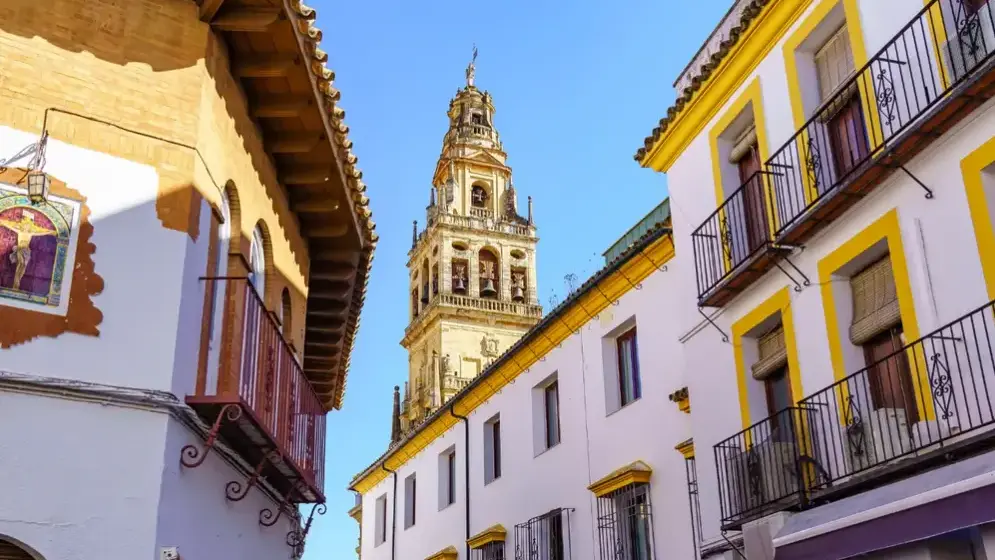
The afternoon break is a genuine institution in Córdoba. From 2pm until around 5pm, the heat (and siesta culture) slows the city down. Use it: walk to the Mezquita, sit in a patio, visit a museum. The tourist sites are emptier and the light is at its best.
Weekday afternoon options
Mezquita-Catedral (10am–5pm; quietest 2–4pm)
Alcázar gardens (free Tuesday–Sunday mornings)
Palacio de Viana: 12 patios, 45-minute circuit
Medina Azahara ruins (C3 bus, €1.30 each way)
Evening wind-down
Tapas circuit in the Judería from 8pm
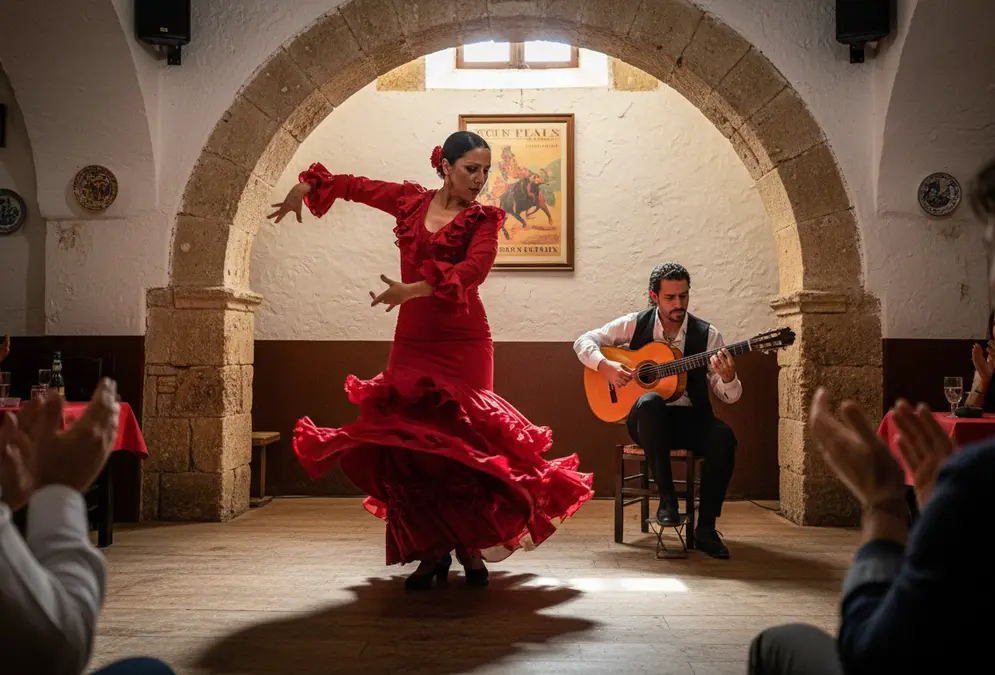
Tablao flamenco shows from 9pm (€20–25 with drink)
Riverside walk along Paseo de la Ribera at dusk
Rooftop bars: city lights over the Mezquita
Activities for digital nomads


Where to stay
For stays of one week or more, a self-catering apartment makes more sense than a hotel. You get a kitchen (menú del día only covers lunch), a desk, and usually a washing machine. Idealista and Fotocasa list monthly rentals. Airbnb works for shorter stints.
Apartamentos vs hotels for nomads
Monthly rental (Idealista): €500–700 for a 1-bedroom, bills usually extra. Best value. Direct landlord contact means more flexibility on lease length.
Short-let apartment (Airbnb): €40–70/night, bills included. Good for testing the city for 1–2 weeks before committing to a monthly rental.
Boutique hotels: €70–120/night. Fine for conference trips or client visits. Not practical for more than 2 weeks if you're working and need a real desk setup.
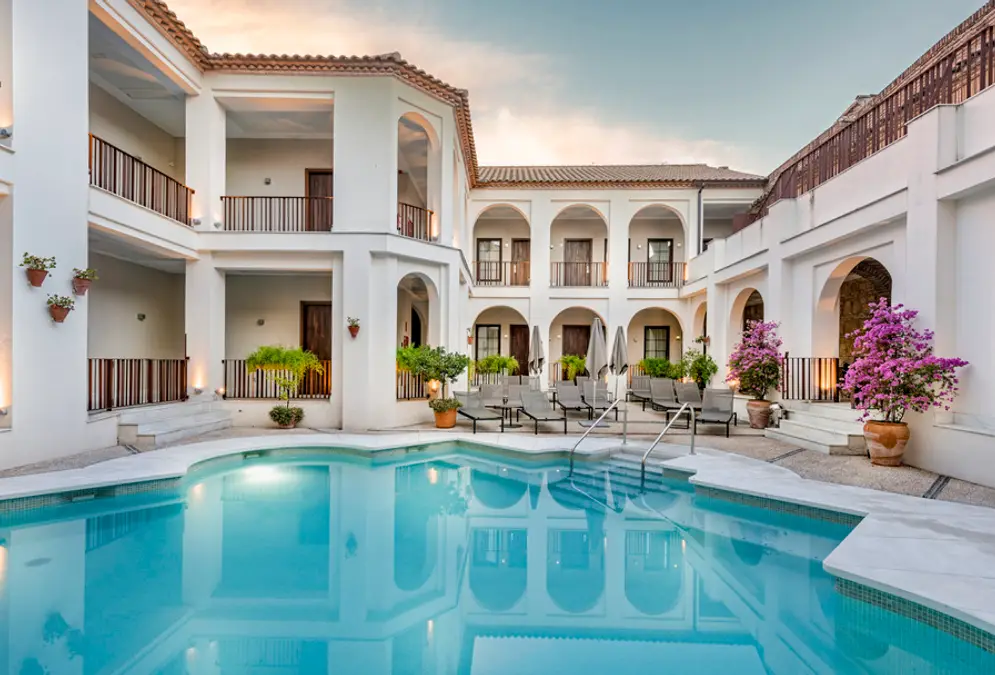
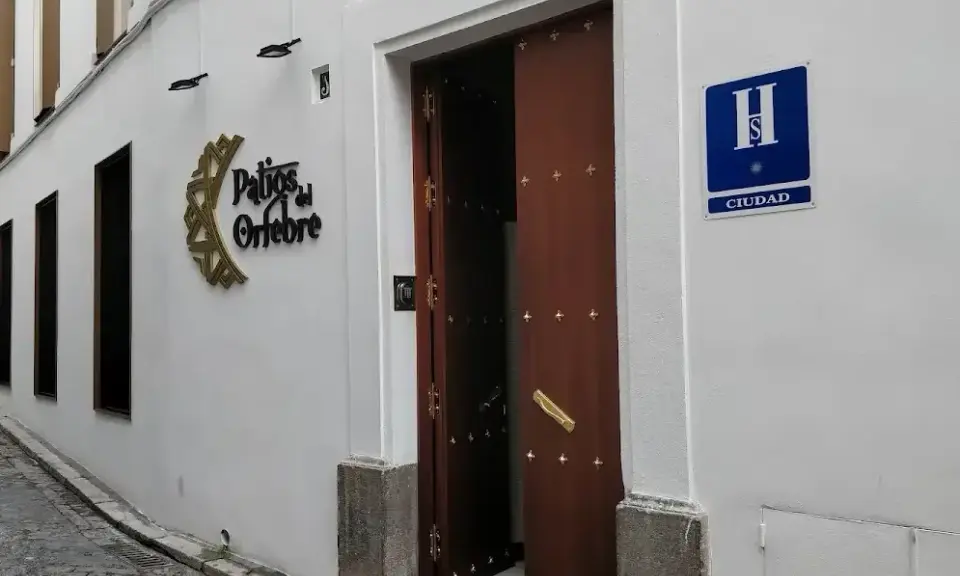
Nomad-friendly accommodation
Cultural breaks nearby
Community & meetups
Córdoba's nomad community is real but small. Nomads.com estimates around 1,350 remote workers based here, and the city scores 3.57/5 globally (#57). That's enough people to build a social life; not enough to avoid making an effort.
Where to connect
Córdoba Digital Nomads Program (official)
The city-run program organizes regular networking events alongside the free coworking access. This is your fastest route into the local nomad scene. Most participants speak English.
Facebook: "Digital Nomads Spain"
A Spain-wide group with an active Córdoba thread. Post when you arrive, ask for café recommendations, find people for coworking sessions.
Meetup.com
Check for Córdoba tech meetups and language exchange events. The language exchange scene is active (Spanish/English swaps) and a good way to meet locals working in tech.
Internations
The nearest confirmed hubs are in Seville and Málaga, but Córdoba members do exist. Worth joining before you arrive.
LGBTQ+ nomads: Nomads.com rates Córdoba as LGBTQ+ friendly and safe for solo female travelers. The city has an active LGBTQ+ scene, particularly in the Centro area. See our LGBT-friendly Córdoba guide for venues and events.
Visa & legal
The rules differ significantly depending on your citizenship. Get this right before you book anything beyond a short trip. For visa-free travellers planning a short stay, our 90-day entry rules guide covers the 90-day limit and the border checks you'll clear on arrival.
EU/EEA citizens
No visa needed. EU and EEA citizens can live and work remotely in Spain indefinitely. If you stay more than 3 months, you're technically required to register on the Padrón (municipal register) and obtain an NIE (foreigner identity number). In practice, most short-to-medium stays go unregistered without consequence, but registration is straightforward and opens access to local services.
Non-EU citizens: Spain Digital Nomad Visa
Launched in January 2023 under the Ley de Startups. Specifically designed for remote workers employed by or contracting with non-Spanish companies.
Income requirement: €2,850/month minimum (200% of Spain's minimum wage, updated annually).
Work requirement: Valid remote work contract, or self-employed with active contracts. Maximum 20% of your income can come from Spanish clients.
Duration: 1 year if applied from your home country via Spanish Embassy; 3 years if applied in Spain before your 90-day tourist allowance expires.
Renewal: 2-year increments, up to 5 years total before long-term residency eligibility.
Processing time: 15–45 business days via consulate; approximately 20 working days in Spain.
Beckham Law: flat tax for nomads
Non-EU nomads who qualify for the Digital Nomad Visa may also apply for Spain's "Beckham Law" tax regime (officially: Régimen Especial para Trabajadores Desplazados).
Tax rate: Flat 24% on Spanish-sourced income (vs standard progressive rates up to 47%). Foreign income is generally untaxed in Spain under this regime.
Duration: Up to 6 years.
How to apply: File Form 149 within 6 months of your Social Security registration in Spain. It is not automatic; you must actively opt in.
Tax registration: Nomads earning more than €22,000/year from Spanish sources must register as autónomo (self-employed) regardless of the Beckham Law status.
Get professional tax advice
The Beckham Law has strict eligibility rules and the application window is short. A Spanish tax advisor (gestor) can file the paperwork for €200–400 and prevent costly mistakes. Don't rely solely on online summaries, including this one: rules change, and individual situations vary.
Digital nomad FAQ
Is Córdoba a good base for digital nomads?
Yes, for the right type of nomad. Córdoba offers a very affordable cost of living (around €1,400–2,000/month including rent) in a UNESCO World Heritage city with genuine Andalusian character. The trade-off is a smaller nomad infrastructure than Barcelona or Seville: internet speeds average 12 Mbps (though coworking spaces have fiber), and the English-speaking community is limited. For nomads who want cultural depth, low costs, and a slower pace without sacrificing European connectivity, it's an excellent choice.
What coworking spaces are available in Córdoba?
Córdoba has five open coworking spaces: laZona (Calle Secretario Carretero 7, flexible desk €110/month, 40h pack €50), CoRab21 (Plaza de las Doblas, from €95/month), CECOworking (Av. Gran Capitán 12, dedicated desk ~€135/month), Invepat (cheapest day pass at €15, 26 workstations), and Coworking El Patio (a traditional Andalusian patio space, pricing on request). Fiber connections run 100–300 Mbps at the main spaces. The city also runs an official Córdoba Digital Nomads Program giving registered remote workers free coworking access, accommodation discounts, and networking events.
How fast is the internet in Córdoba?
The Nomads.com average is 12 Mbps, which reflects café and apartment Wi-Fi. Coworking spaces and modern apartments with fiber connections are significantly faster (typically 100–500 Mbps). If reliable high-speed internet is critical for your work (video calls, large file uploads), use a coworking space rather than relying on café Wi-Fi.
What is the cost of living in Córdoba for a digital nomad?
A comfortable mid-range lifestyle runs €1,400–2,000/month total. Breakdown: rent €500–700 (1-bedroom), coworking €100–150 (if full-time), food €350–450 (mix of eating out and cooking), utilities €40–60, transport €35–45. Córdoba is significantly cheaper than Seville, Málaga, or Granada, and comparable to Valencia. Budget nomads can manage on €1,000–1,200 by sharing apartments and cooking more.
How much does it cost to rent an apartment in Córdoba long-term?
A one-bedroom apartment runs €500–700/month on a direct-landlord lease (Idealista or Fotocasa), or €300–500/month for a shared room. By neighborhood: El Arenal €450–650, Guadalquivir riverside €500–750, Centro €600–900, La Judería €700–1,000. Expect a deposit of one to two months' rent plus the first month up front, and utilities billed separately (budget an extra €40–60/month). That works out to roughly €17–23 a night for the mid-range option, well below the €40–70/night a short-let apartment costs for a visit.
Do I need a visa to work remotely from Córdoba?
EU/EEA citizens can work remotely from Spain indefinitely. Non-EU citizens can stay up to 90 days visa-free (Schengen rules), after which they need Spain's Digital Nomad Visa (Ley de Startups, 2023). Requirements: minimum €2,850/month income, valid remote work contract or self-employment. The visa grants 1 year (applied from abroad) or 3 years (applied in Spain), renewable. Non-EU nomads who qualify may also apply for the Beckham Law tax regime: flat 24% tax on Spanish-sourced income, with foreign income generally untaxed, for up to 6 years.
Which neighborhood should a digital nomad stay in?
For walkability and café access: Centro (student-heavy, lots of bars and restaurants, best for social nomads). For the full Córdoba experience at a premium: La Judería (UNESCO streets, close to the Mezquita, tourist-heavy). For a quieter creative feel: the Guadalquivir riverside area (modern coworking density, artsy character). For the most affordable residential living: El Arenal (less touristy, authentic local atmosphere, best value for monthly rentals). Most nomads settle in Centro or the historic core.
Córdoba won't make sense for every nomad. If you need fast café Wi-Fi everywhere, a large English-speaking community, or the startup density of a capital city, Seville or Málaga will serve you better. If you want an affordable, walkable base in a genuinely historic city, with a government that actually built a program to welcome you, Córdoba is harder to argue against.
Plan your remote stint in Córdoba
Budget guides, neighborhood info, and practical planning resources.
Further reading
Sources and further reading
3 references Show Hide
- Oficina de Turismo de Córdoba (opens in a new tab)
Official city tourism site with the Córdoba Digital Nomads Program application and partner coworking spaces
- Spain Digital Nomad Visa (Consejería de Trabajo) (opens in a new tab)
Official Spanish government page for the Digital Nomad Visa requirements and application process
- Nomads.com — Córdoba, Spain (opens in a new tab)
Community-sourced data on internet speeds, cost of living, and nomad ratings for Córdoba