
Córdoba's first craft brewery
Cervecería Califa opened in 2013, which in craft beer terms makes it ancient history in Spain. Nobody else was doing this in Córdoba at the time. The brewery still operates on-site, which means when you pull up a stool at the taproom bar, the tanks are behind you and the person pouring your pint probably had a hand in making it.
House-brewed craft beers
The tap list runs the full Califa range: a hoppy IPA with a proper bitter finish and a floral nose, a clean blonde lager built for warm Córdoban afternoons, an amber ale with a biscuity sweetness that works well with food, and a robust stout dark enough to stand a spoon in. Batches vary. Limited editions and seasonal experiments rotate in when the brewers feel like it. If something catches your eye on the board, order it; it won't be there next week. Bottles are sold to take away, and it makes a better gift than a magnet.
For tapas to go alongside: the kitchen sends out classic Cordovan fare: croquetas, local cheeses, charcuterie, and montaditos that pair well with a cold amber. Nothing fancy, everything honest.
What you can see from the bar
Most breweries keep the tanks behind a door or across town. Califa keeps them in the room. The fermentation vessels are visible through a glass partition at the back of the taproom. On a busy Saturday afternoon, when someone next to you at the bar is drinking the IPA that came out of those exact tanks two weeks ago, the connection is harder to ignore than at somewhere serving branded bottles from a warehouse.
If you want to understand what you are drinking, ask the bar staff. They know the grain bill, the hop varieties, and why the seasonal batch tastes different from the regular one. The conversations that happen at the bar here are genuinely about beer, not just around it.
Food pairings that actually work
The amber ale is the food beer. Its biscuity malt base handles the saline, fatty notes in cured meats better than the IPA does, and it does not overwhelm a plate of cheese the way the stout can. Order the charcuterie board with a half-pint of amber and you have lunch sorted for under €12.
The IPA goes best with something acidic or fried: croquetas, patatas bravas, a sharp pickled vegetable if they have one on the board that day. The blonde lager is the neutral option, which is not a criticism. A good blonde lager pairs with everything because it argues with nothing.
The taproom atmosphere
The atmosphere is relaxed and honest in the way that real taprooms tend to be. Beer people talk to each other here. The staff know their recipes and are not shy about discussing them. Califa has become the gathering point for Córdoba's craft beer crowd. A distinction it holds partly because it got there first, and partly because the beer is still worth drinking.
Weekday lunchtimes draw a local office crowd. Evenings go younger, louder and more convivial. Friday and Saturday are when you want to arrive early to claim a seat. The terrace is small but gets used.
Taking bottles home
Califa sells bottles at the taproom, and it is worth buying a few before you leave. The amber and the stout travel well. The IPA is best drunk fresh, within a week or two of bottling, which means drinking it here rather than carrying it home. If you are buying for a gift or a last-night treat back at the hotel, ask which batch is freshest. Staff at the counter will point you to the right shelf.
Bottles run €3–4 each at the taproom. The same beers appear occasionally in Córdoba's specialist bottle shops at slightly higher prices. You will not find them reliably in supermarkets.
Califa and Córdoba's craft scene
Cervecería Califa did not just open a brewery. It gave Córdoba's beer drinkers a reference point. When the city's handful of other craft operations arrived in subsequent years, they arrived into a market where people had already learned what house-brewed beer could taste like. That context matters. Califa is not coasting on being first; the beers have kept pace with what a maturing Spanish craft scene expects. But the fact that it opened in 2013, before most of this conversation was happening in Andalusia, is part of what makes the taproom feel earned rather than imported.
When to go and practical info
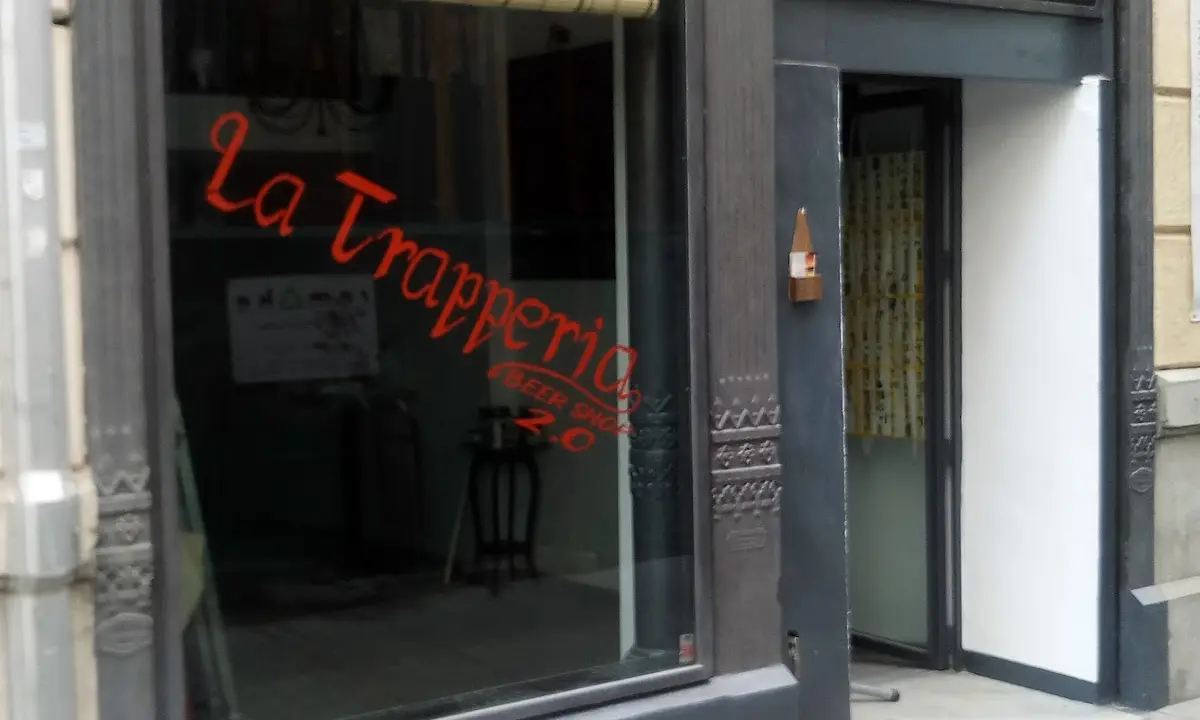
Open from midday through late evening on most days. Budget €3–6 per pint, excellent value for the quality. No reservation needed. Located on Calle Juan Valera in the historic center, walkable from the main monuments. CEPA Craftbeer & Wine is on the same street if you want to compare house-brewed Córdoban beer against imported European craft. For a wider selection of imported Belgian and international beers, La Trapperia is a few streets away. For everything that comes after a Califa evening, see our guide to Córdoba after dark.