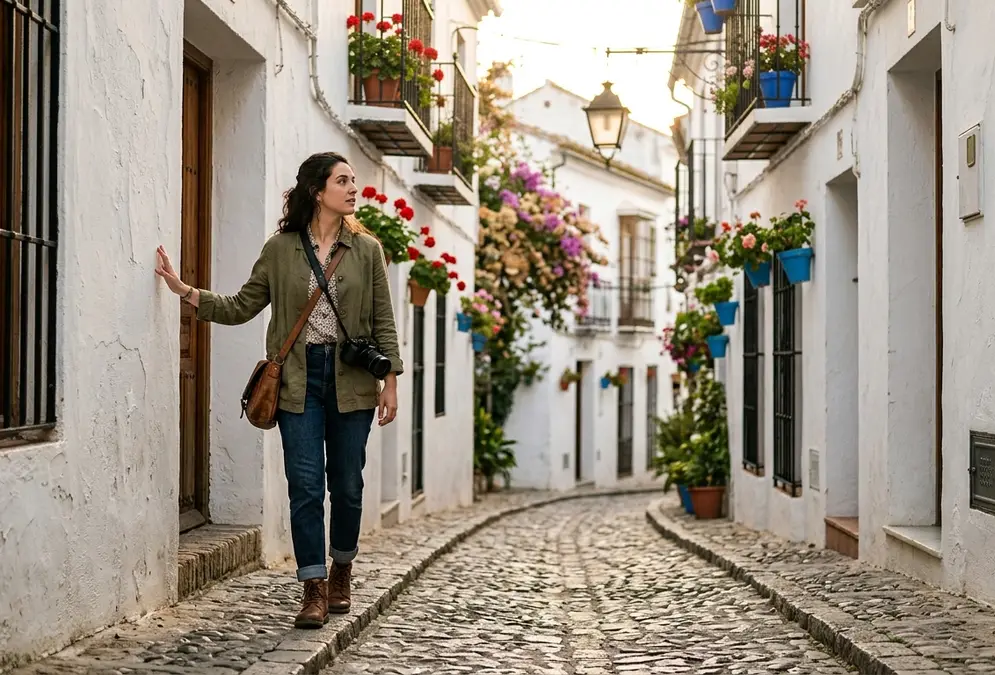
Solo Travel Guide
Solo travel in Córdoba
A compact, walkable city where tapas bars welcome solo diners, the historic centre fits inside a 20-minute walk, and your biggest safety concern is sunburn in July. Córdoba is a better solo destination than it gets credit for: cheaper than Seville, quieter than Granada, and easier to navigate alone than almost anywhere in Andalusia.

Written by
María Fernanda González Ten years covering Córdoba's UNESCO heritage sites, sourcing from Junta de Andalucía documentation.
Updated Published
Solo travel in Córdoba works precisely because the city is small. While Seville draws the big crowds and Granada fills up on weekends, Córdoba runs at a different pace: compact, calmer, and significantly cheaper. The UNESCO-listed historic centre covers about 2 km end to end, so you're never far from something worth seeing, never dependent on buses or taxis, and never stuck managing logistics when you'd rather just be walking. For anyone planning solo travel in Spain, Córdoba delivers the Andalusian experience without the scale that makes other cities hard work on your own.
The city is easy to navigate alone. The Judería and the streets around the Mezquita-Catedral are well-lit at night and active with locals until late. Spanish bar culture does the rest: pull up a stool at any counter in the old town, order a caña and a plate of salmorejo, and you fit in immediately. Nobody asks if you're waiting for someone. Half the people at the bar are eating alone too. That's just how it works here.
This guide covers what solo travelers want to know before booking: how safe Córdoba really is, what a day actually costs (€45–60 on a budget), where to sleep without feeling isolated, and which parts of the city are worth your limited time.
In this guide
Jump to a section
Free walking tour: no booking needed
Free walking tours of the historic centre depart from Plaza de las Tendillas daily at 10:30am. Just show up. They run on tips (€5–10 is the norm), last around two hours, and are an easy way to get oriented on your first morning — and to meet other solo travelers before you go your separate ways.
Quick verdict
Córdoba is excellent for solo travel. Here's why in 30 seconds:
Safety: Very safe. Low crime, well-lit centre, no-go areas essentially don't exist for tourists.
Walkability: Everything in the old town is within a 20-minute walk. No car needed, ever.
Budget: €45–60/day on a budget. Significantly cheaper than Seville, Granada, or the coast.
Solo dining: Tapas bar culture means eating alone is normal. Locals do it every day.
Social scene: Hostels and free walking tours make it easy to meet other travelers.
Best for: History, food, slow travel. 2–3 nights is ideal; day-trippable from Seville.
Safety overview
Violent crime against tourists is virtually unheard of in the historic centre. Petty theft near the Mezquita is the main concern, the same as in any European city with heavy tourist traffic.
General safety
The historic centre is well-patrolled, well-lit at night, and populated with locals until late. Policia Local and Policia Nacional have a visible presence around the Mezquita and Judería. Pickpocketing near the Mezquita-Catedral peaks during April–June when cruise groups flood in. Keep your phone in a front pocket and you'll be fine.
The areas solo travelers frequent (the Juderia, Centro, San Basilio, the riverfront) are all safe to walk alone after dark. Córdoba's nightlife runs late (locals eat dinner at 10pm), so streets stay active well past midnight.
Women traveling solo
The compact old town and active street life mean you're rarely alone on a street, even late at night. Catcalling is uncommon by Mediterranean standards, and the tourist zones stay busy until well past midnight.
Standard precautions apply: stick to lit streets after midnight, keep your phone charged, let someone know your rough plans. Nothing specific to Córdoba, the same judgment you'd apply anywhere in Europe.
Summer heat, solo: With nobody to remind you to drink water, July and August in Córdoba need a bit of self-discipline. Carry a bottle, plan sightseeing before 11am or after 6pm, and treat the 2–5pm stretch as a break rather than a schedule failure; most locals are indoors too.
More detail: Our Córdoba safety tips page covers emergency numbers, pharmacy locations, hospital info, and neighbourhood-by-neighbourhood advice.
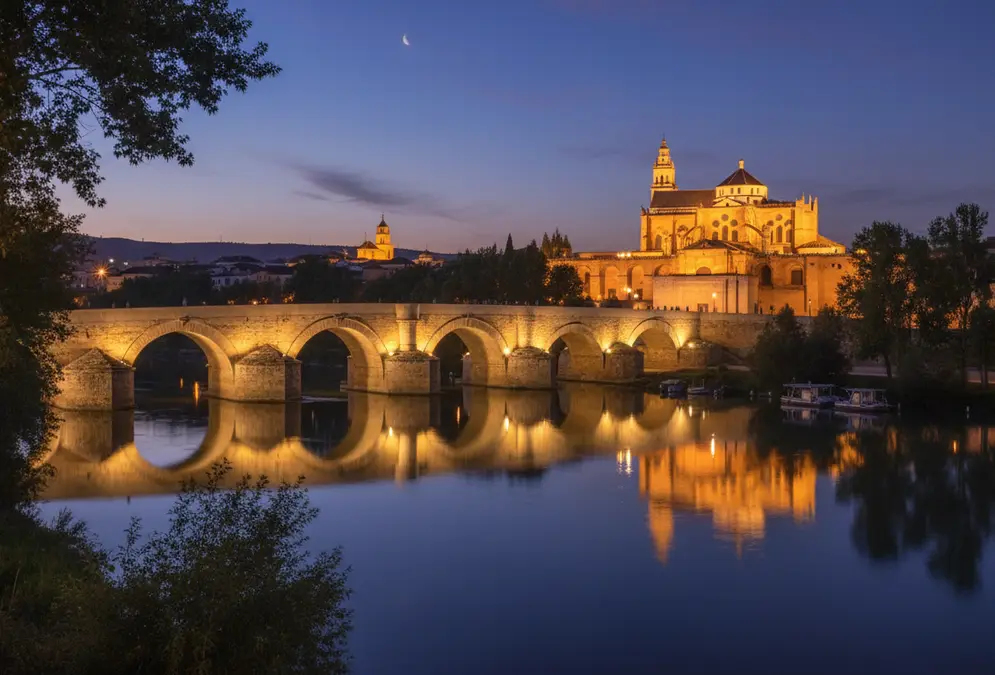
Córdoba's historic centre stays active well past midnight. Locals eat dinner at 10pm, so the streets never feel empty or unsafe after dark.
Six things solo travelers should know before arriving
- Arrive Tuesday–Thursday: fewer cruise groups at the Mezquita, easier entry without queuing
- Eat at the bar counter: locals always do, and bartenders will often strike up a conversation
- Book the equestrian show at the Royal Stables for a Thursday evening: small venue, no group pressure
- Download offline maps before you arrive. The old town's narrow alleys get patchy mobile signal
- The Mezquita is free Monday–Saturday 8:30–9:30am: arrive at 8:25 for 35 minutes of near-solitude inside
- Carry small change: many traditional tapas bars in the Judería still prefer cash for small orders
Getting around alone
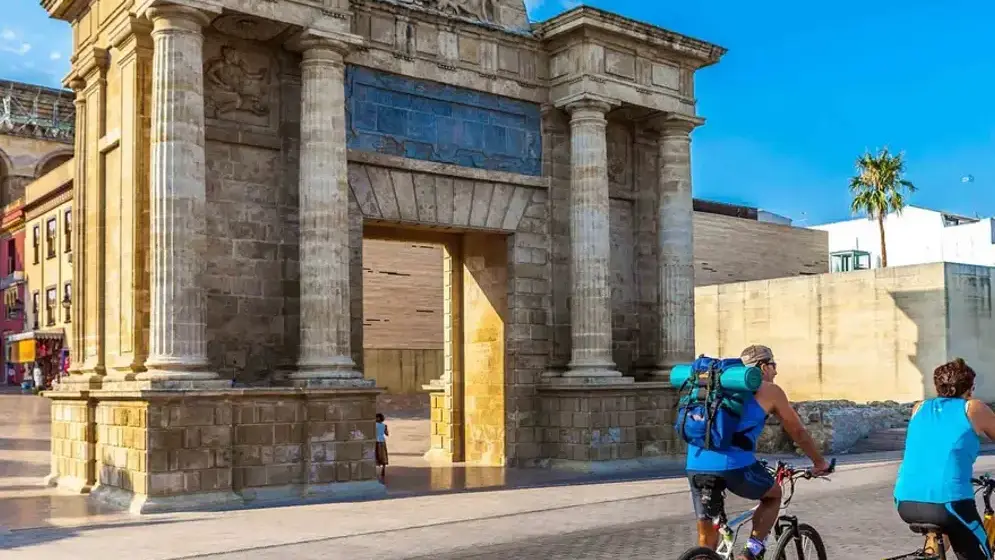
The historic centre is small enough that you can walk from the Mezquita to the Roman Temple in 12 minutes. You do not need any transport to see Córdoba's main attractions.
Walking distances
Mezquita to Roman Temple 12 min
Mezquita to Alcázar 5 min
Judería to Palacio de Viana 18 min
Train station to Mezquita 15 min
Old town end to end 20 min
Transport you won't need
Car: Most of the centre is pedestrianised. Parking is expensive and stressful. Skip it entirely.
Taxi: Only useful for the train station with heavy luggage, or getting to Medina Azahara (8 km west).
Bus: AUCORSA city buses exist but you won't need them unless staying far from the centre.
Córdoba rewards aimless wandering. The self-guided walking routes are designed for exactly this: structured enough to find the good stuff, loose enough to let you stop when something catches your eye.
Solo dining culture
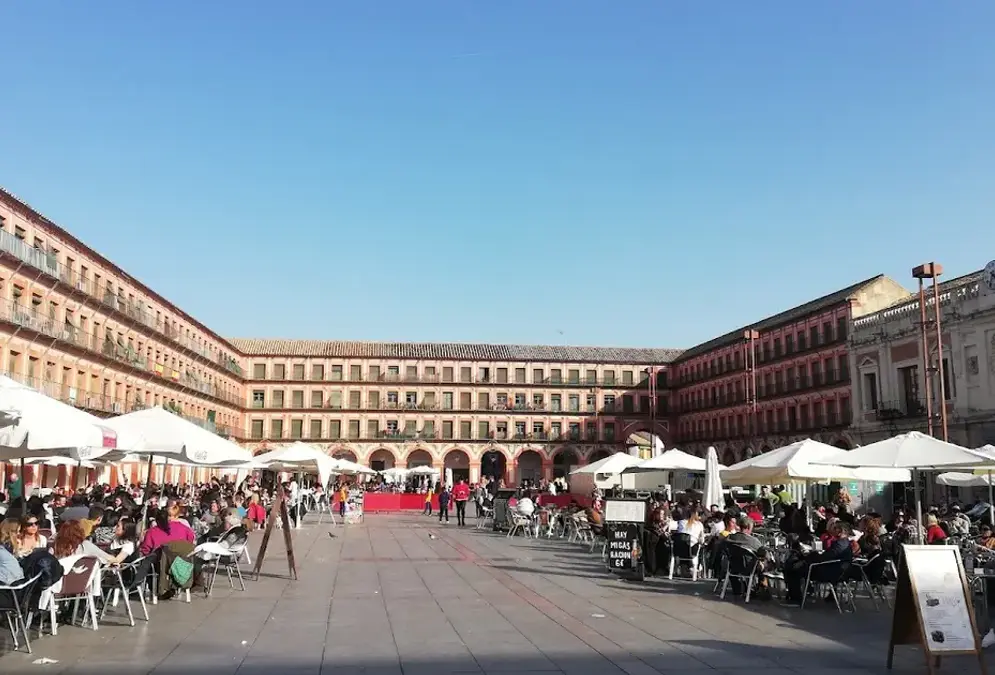
In Córdoba, eating alone at a bar counter is what locals do every day. The tapas format takes care of everything else.
How it works
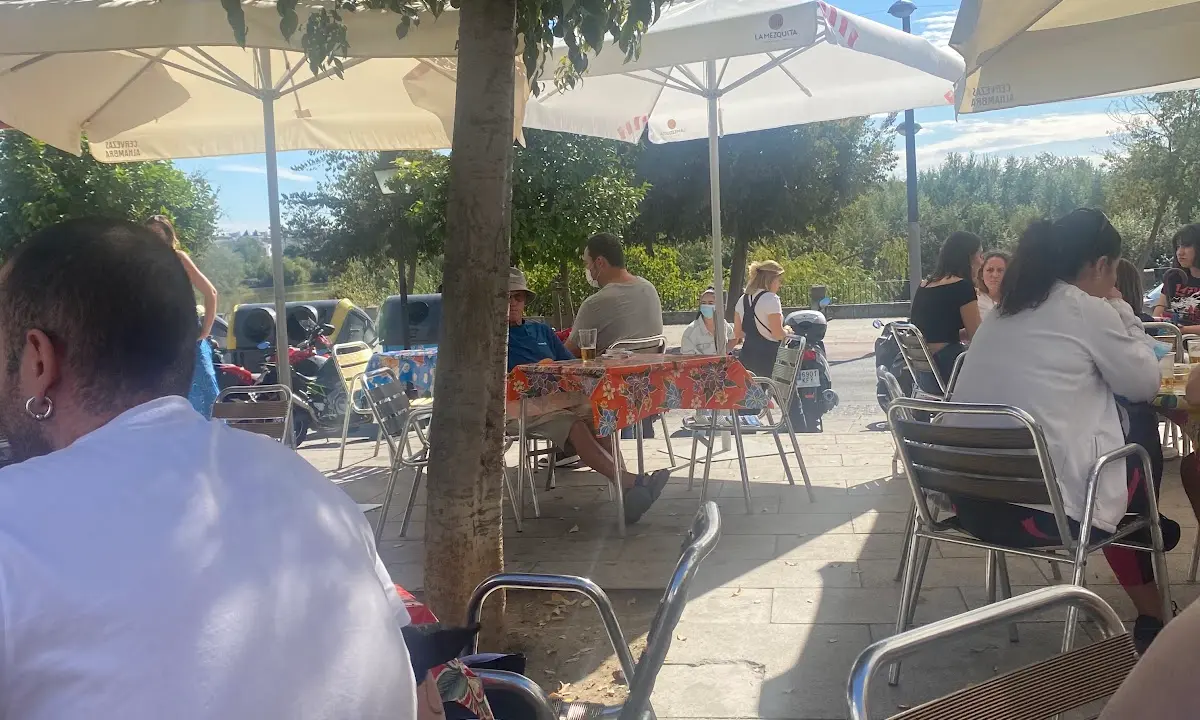
Walk into any tapas bar, take a spot at the counter, order a caña (small draft beer, about €1.50) and point at whatever looks good behind the glass. Nobody will look at you sideways. Half the people sitting at the bar are alone. This is how locals eat, not a workaround for solo travelers.
Small plates, no commitment, easy to move between venues. A typical solo evening: two or three tapas at one bar, then five minutes' walk to another for a different specialty. It's completely normal in Córdoba.
Where to eat solo
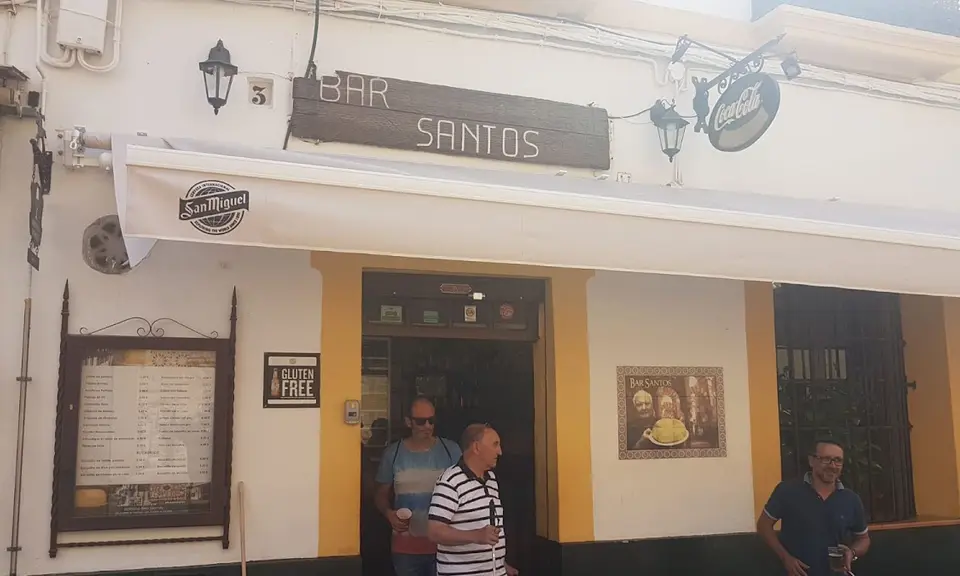
Bar Santos
Famous for its tortilla (Spanish omelette). Stand at the counter, order a slice and a beer. Total: under €4. The bar has been serving the same recipe since 1966.
Taberna Salinas
Traditional Cordoban tavern with a long bar counter. Try the salmorejo (chilled tomato soup) and berenjenas con miel (fried aubergine with honey). The barman will talk to you if you let him.
Mercado Victoria
A covered food market with multiple stalls. Grab a stool, order from different vendors, watch the world go by. Solo lunches work well here: no waitstaff pressure, no table-for-one choreography.
Casa Pepe de la Judería
The bar area serves the same food as the restaurant at lower prices. Sit at the counter for rabo de toro (oxtail stew) without needing a reservation.
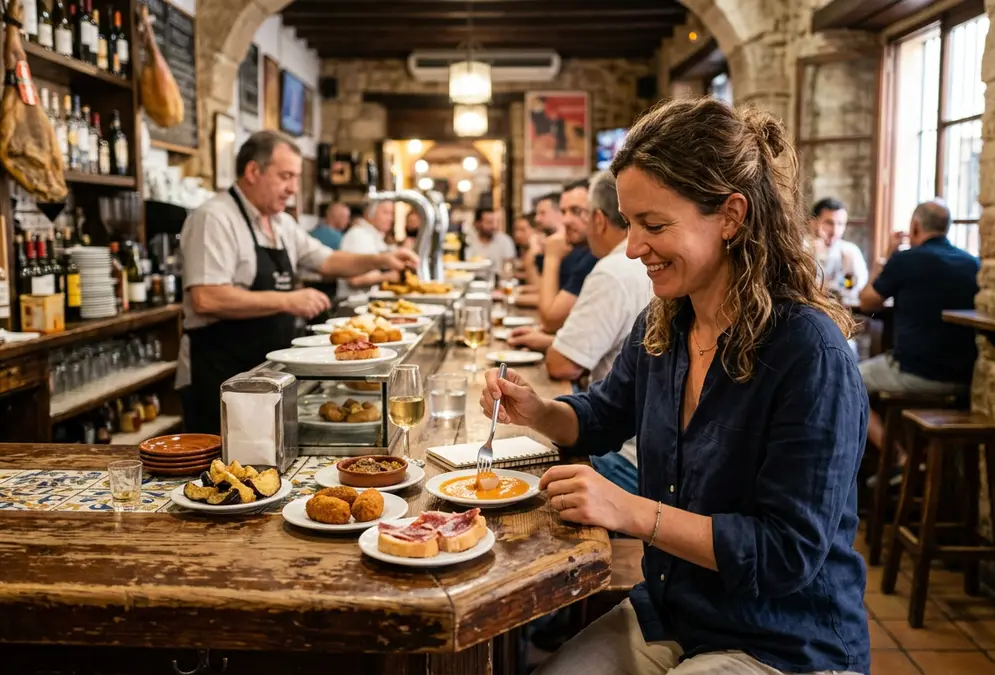
Standing or sitting at the bar counter is the default in Córdoba, not a workaround. Most traditional bars have a run of stools along the counter where locals eat alone every day.
Budget breakdown
Córdoba runs cheaper than Seville, Granada, or the coast. Here's what a solo traveler can expect to spend.
Daily costs for a solo traveler
- Hostel dorm
- €15–22 / night
- Budget hotel (private)
- €45–80 / night
- Tapas lunch (bar)
- €6–10
- Dinner (restaurant)
- €12–20
- Mezquita entry
- €15
- Alcázar entry
- €7
- Coffee + pastry
- €2.50–3.50
- Daily budget total
- €45–130
Budget solo (€45–60/day)
Hostel dorm bed in the Judería
Tapas and market food for meals
Free walking tour + 1 paid sight
Caña at a bar in the evening
Mid-range solo (€90–130/day)
Private room in a boutique hotel
Sit-down lunch + tapas dinner
2–3 paid sights or activities
Cocktail or wine tasting in the evening
Money-saving tip: Many monuments are free or discounted for EU citizens. The Mezquita has a free entry window on weekday mornings (8:30–9:30am). Several churches and the Roman Temple are always free. See our free things to do in Córdoba guide and budget guide for the complete list.
Where to stay solo
For solo travelers, location matters more than luxury. Stay in the Judería or Centro and you can walk everywhere, with no late-night taxi anxiety.
Best neighborhoods for solo travelers
Judería (Jewish Quarter)
The obvious choice. Walking distance to the Mezquita, full of restaurants, safe at night. Most hostels and budget hotels cluster here. The downside: it's the most touristic area, so prices are slightly higher and the atmosphere can feel curated.
Centro
Just east of the Judería. More local, slightly cheaper, with good bar and restaurant options. Plaza de las Tendillas anchors the area. A 5-minute walk to the main sights but with a more lived-in feel.
San Basilio
South of the Alcázar. Quiet, residential, full of patio houses. Fewer tourists, but still a short walk to everything. Good for travelers who want calm evenings after busy days of sightseeing.
Hostel picks for solo travelers
Cats Hostel
The social hostel. Set in a converted 16th-century palace with a patio, nightly events, and a rooftop terrace. Dorm beds from €15. The common areas make it easy to meet people without trying. Central location near the Mezquita.
Be Hostel
Smaller and quieter than Cats, with a rooftop terrace overlooking the city. Clean, well-designed rooms. Good for solo travelers who want the hostel price point without the party atmosphere. Dorms from €18.
Budget hotels with character
Hotel Mezquita
Directly opposite the Mosque-Cathedral. Simple rooms, fantastic location. Singles from €50/night. You're paying for the address. It's worth it for the convenience of stepping out your door and being there.
La Llave de la Judería
A boutique option with 12 individually decorated rooms around a traditional patio. From €65/night. Small enough that the staff remember your name, which matters when you're traveling alone.
Travelling solo with a dog?
If you're bringing a pet, accommodation choices narrow considerably. Our pet-friendly Córdoba guide covers the two hotels with published policies, parks for morning walks, and what to know about Andalusia's leash rules before you arrive.
Browse solo-friendly accommodation
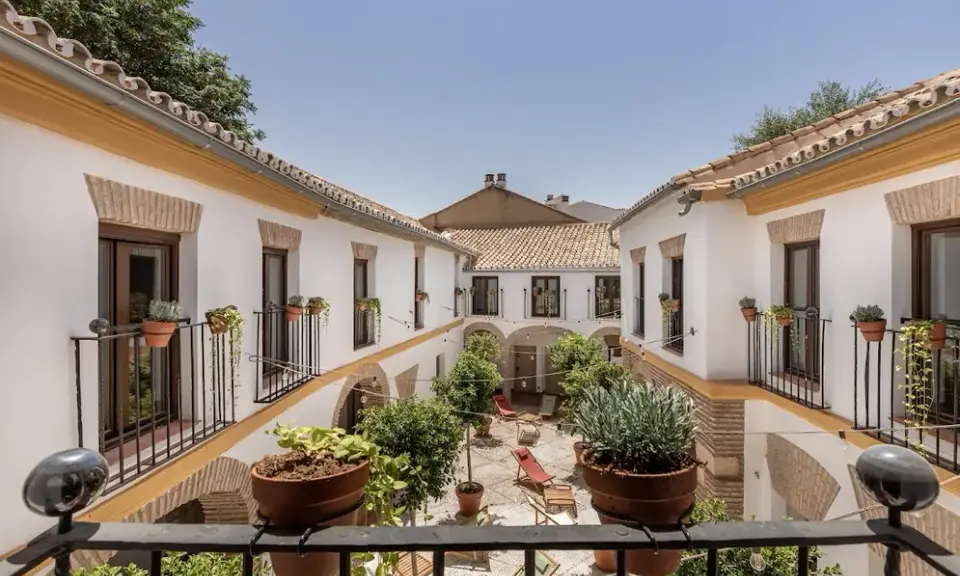
These hotels suit solo travelers: walkable locations in the historic centre, and good value on single rooms.
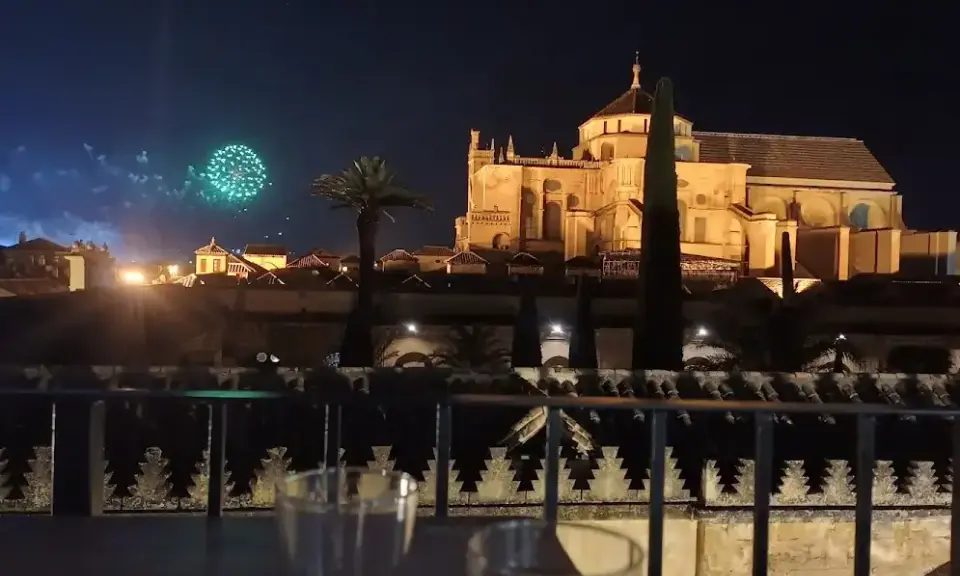
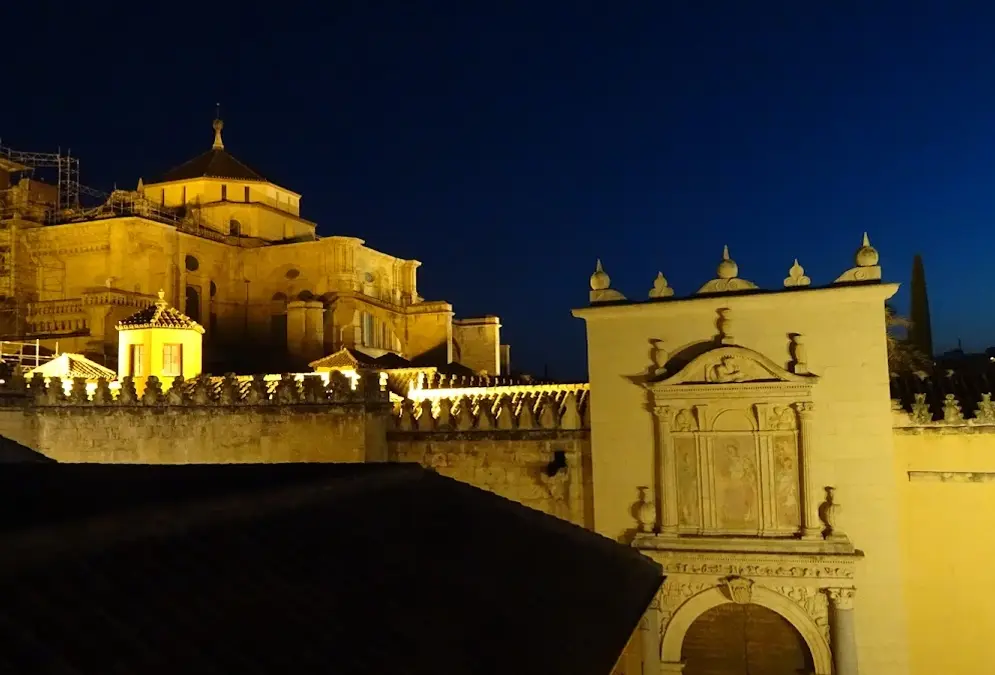
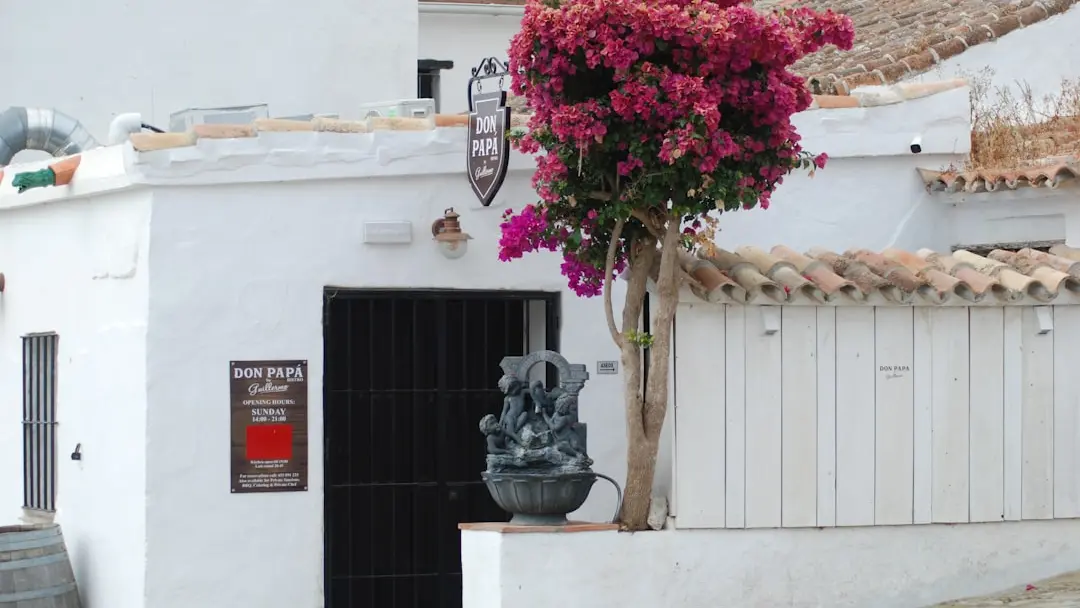
Best activities for solo travelers
Córdoba's size makes it ideal for spontaneous solo exploration. These activities work especially well on your own.
Walking tours
Free walking tours run daily from Plaza de las Tendillas. You'll meet other solo travelers, get oriented in the city, and learn the history from a local guide. Tip-based, so budget €5–10.
Walking routes →Mezquita at opening time
Arrive when the doors open (10am, or 8:30am for free entry Mon–Sat). The early slots are quieter, and the light inside the forest of columns is at its best. Solo visitors can linger as long as they want, with no group schedule and no one pulling you away.
Flamenco shows
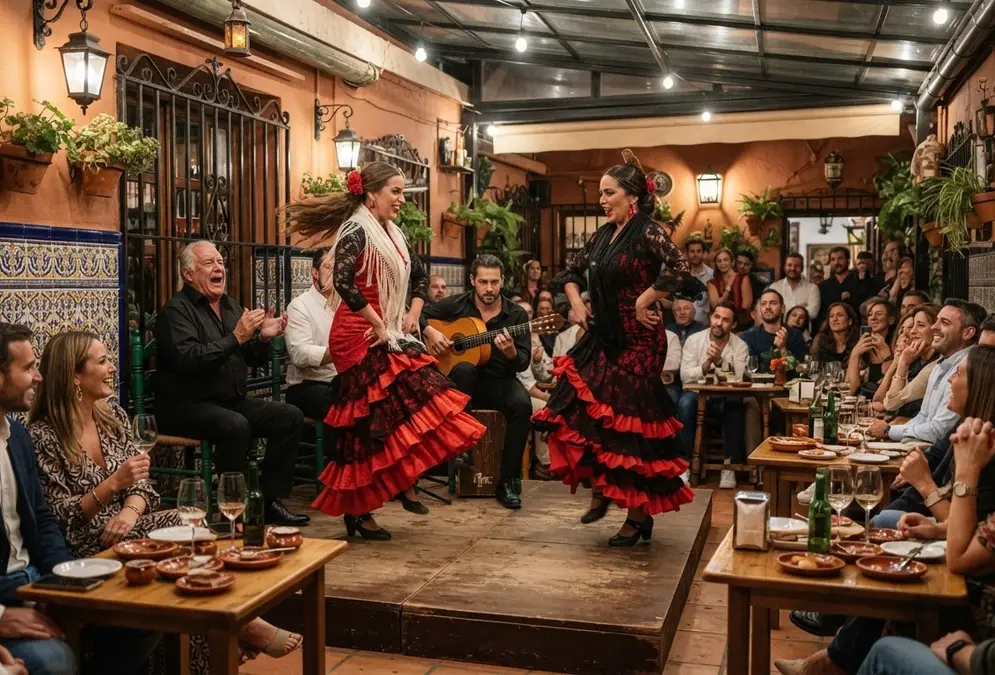
Tablao flamenco venues seat solo visitors without any fuss. Shows typically last 60–90 minutes. Book for a weeknight to get a better seat. Expect €20–25 including a drink.
Cooking classes
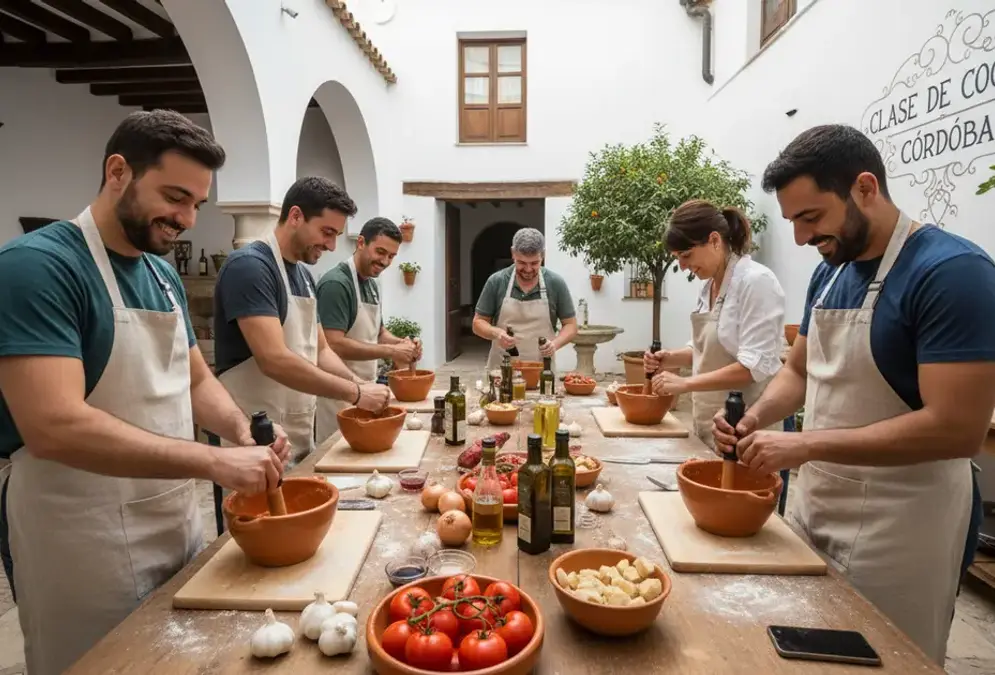
Several local companies run half-day cooking classes (salmorejo, flamenquín, tortilla). Group format means you'll cook alongside other travelers. From €45. A good activity for a solo afternoon.
Museum hopping
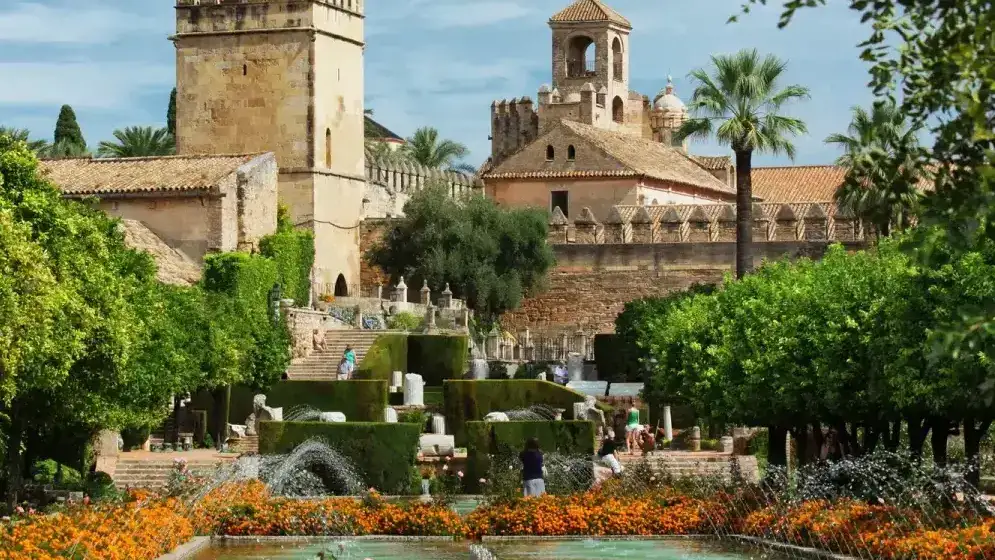
The Alcázar, Palacio de Viana (12 patios), Julio Romero de Torres museum, and the Archaeological Museum are all solo-friendly. Most take 1–2 hours. No group pacing, no waiting. Spend an extra 20 minutes in a room you love and nobody notices.
Day trip to Medina Azahara
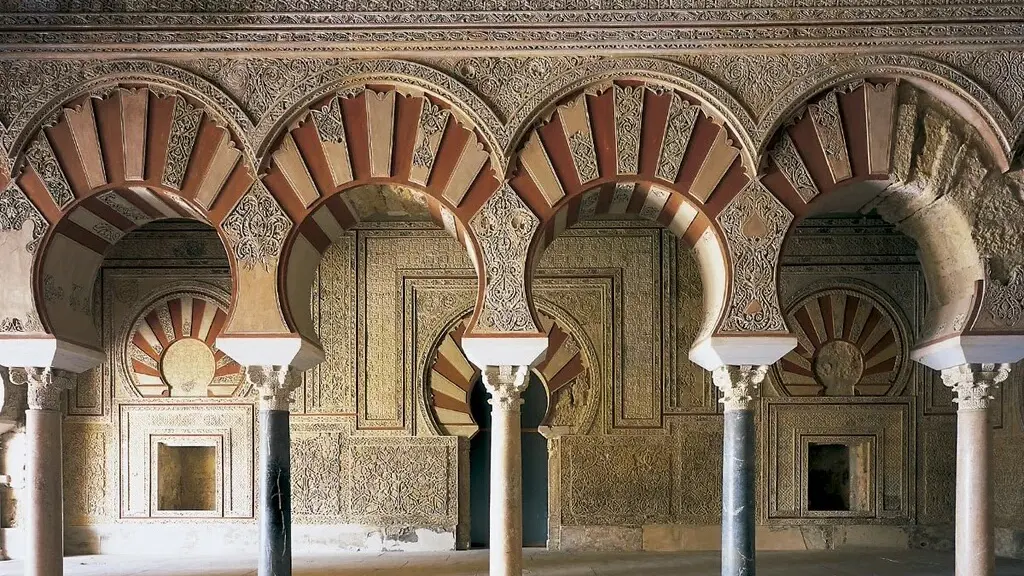
A ruined 10th-century palace-city 8 km from town. Bus C3 runs from the centre (€1.30). Allow 2–3 hours. Go in the afternoon for fewer crowds and better light on the ruins. Straightforward to do independently, no tour group required.
Tablao flamenco venues are intimate by design. A solo seat at a side table puts you close to the stage, with nothing between you and the performance.
Tapas Trail: Self-Guided Food Walk
Córdoba's tapas culture is built for solo eaters. This route takes you through six traditional bars in the Judería and Centro at your own pace. Stop when you like, linger as long as you want, no booking and no group required.
View the routeMeeting other travelers
Córdoba's backpacker scene is small, which works in your favour. In a compact city, you see the same people twice. The free walking tours and hostel common rooms do the rest.
- Hostels: Cats Hostel runs nightly events (pub crawls, flamenco nights, communal dinners). The bar is open to non-guests and draws a sociable crowd.
- Free walking tours: the easiest way to meet other travelers. Tours draw 10–20 people, many of them solo, and groups often continue to a bar afterwards.
- Tapas tours: guided evening tours (€30–40) through 3–4 bars with food and wine. The shared eating format breaks the ice faster than most organised activities.
- Bar counters: in smaller traditional bars, bartenders often introduce solo customers to each other. It happens naturally.
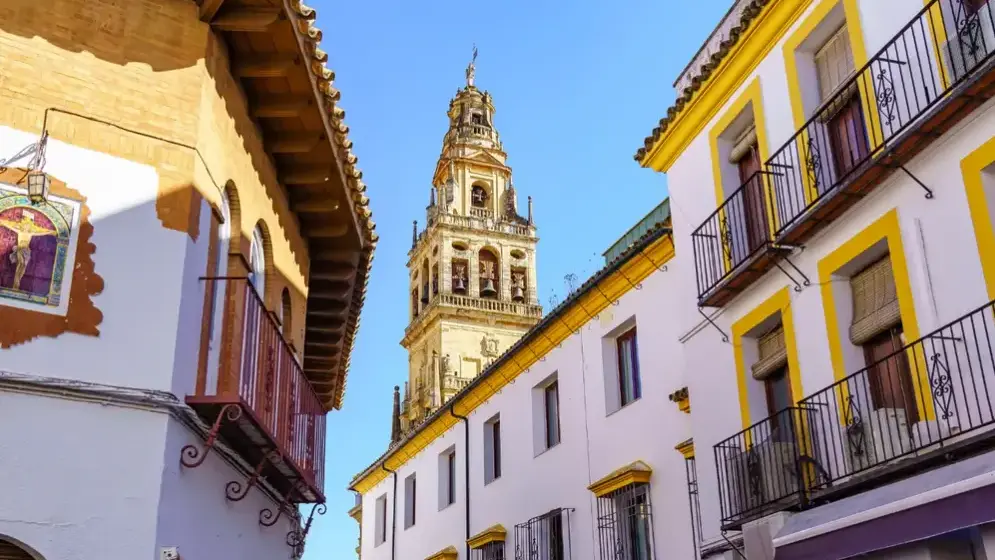
Free walking tours leave from Plaza de las Tendillas daily at 10:30am. No booking, tip-based (€5–10 is the norm), and a reliable way to meet other solo travelers before you go your separate ways.
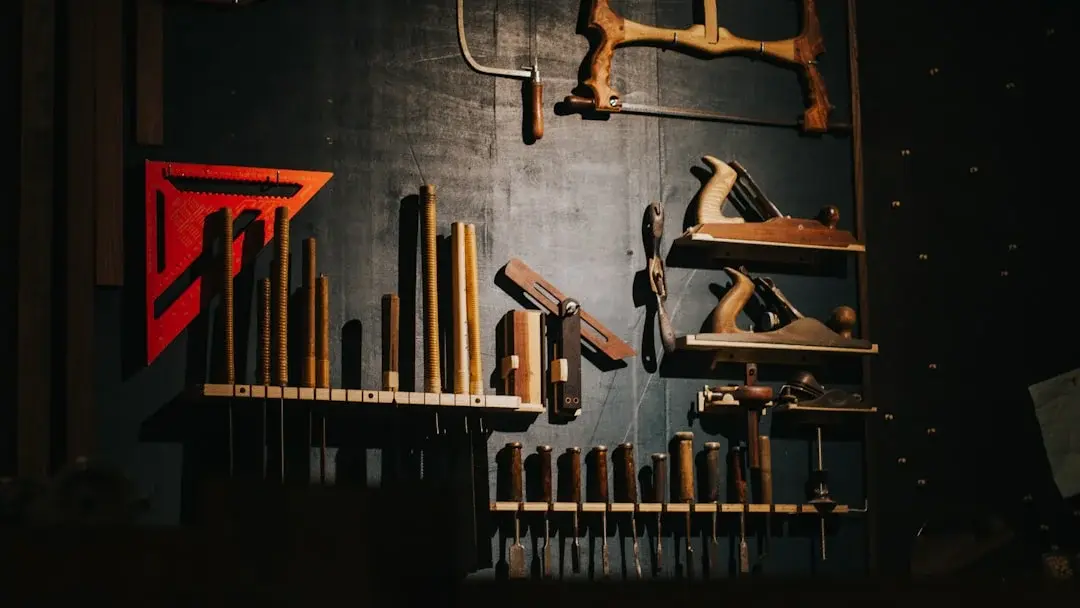
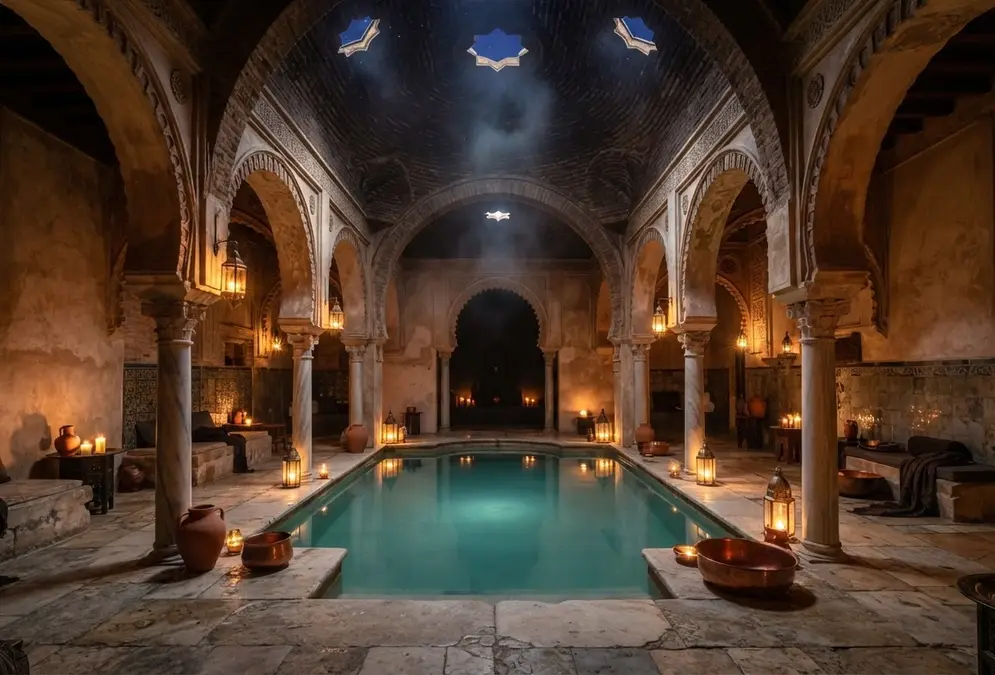
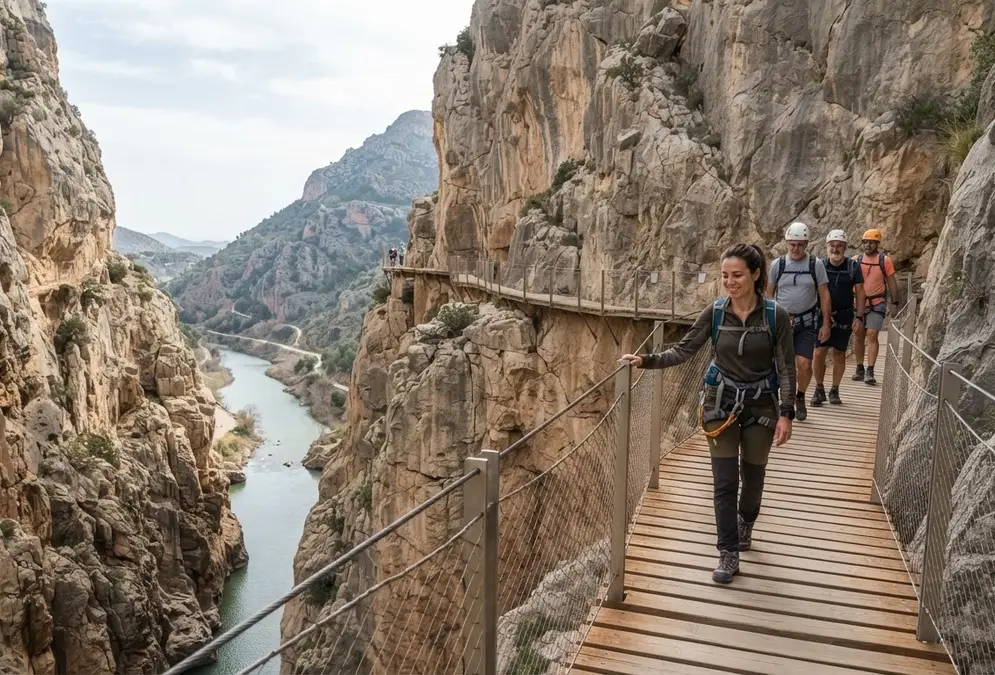
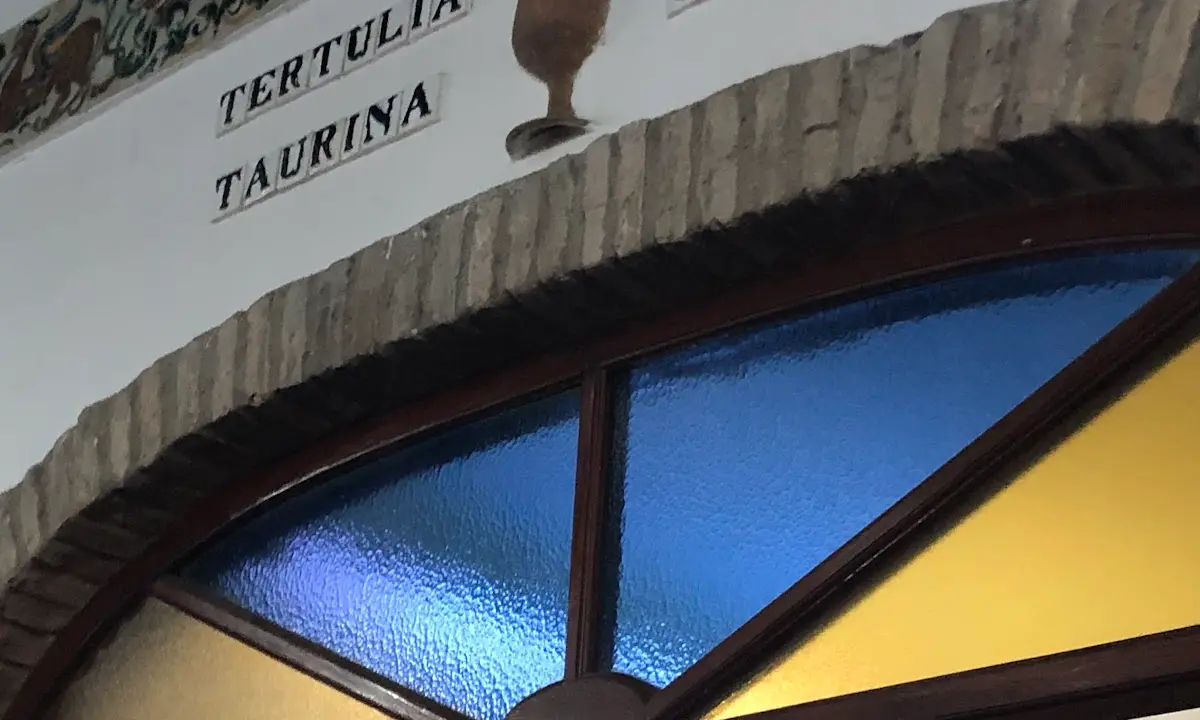
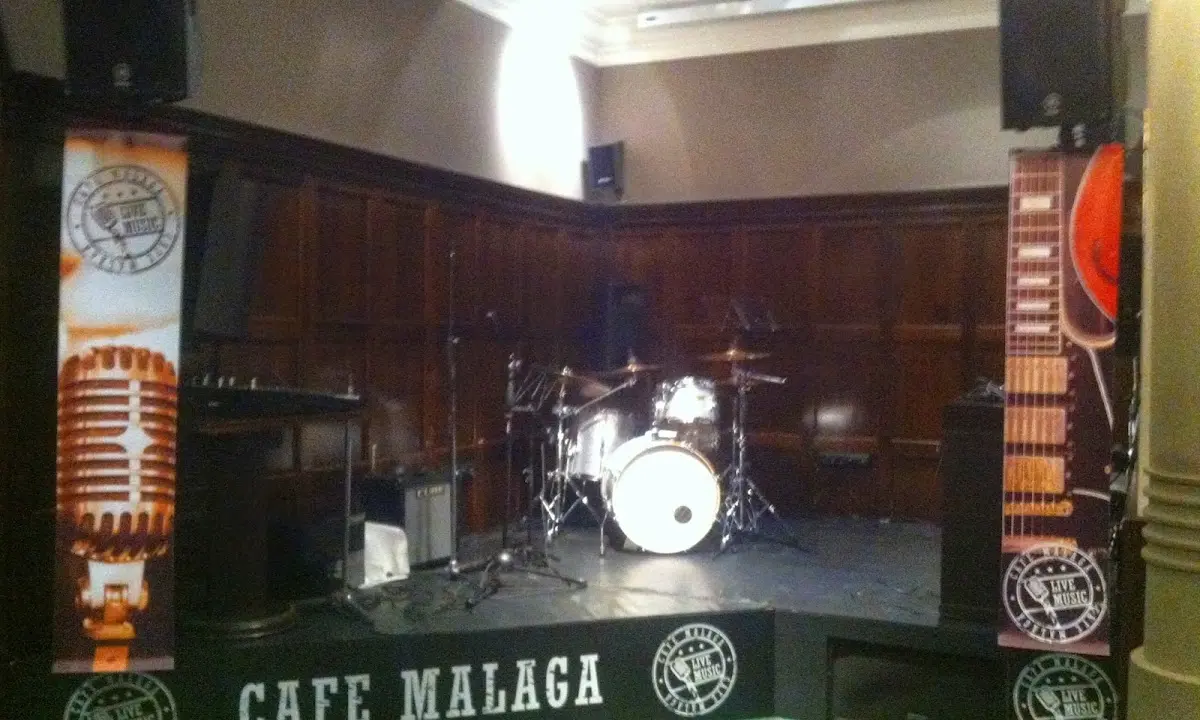
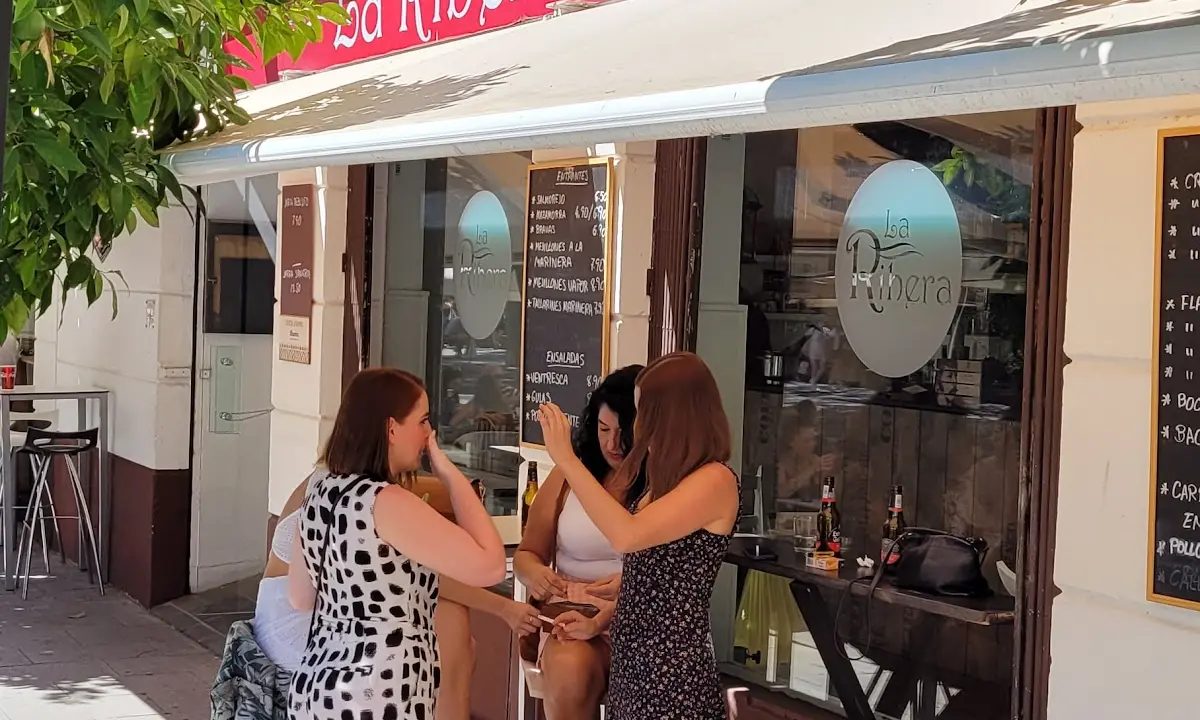
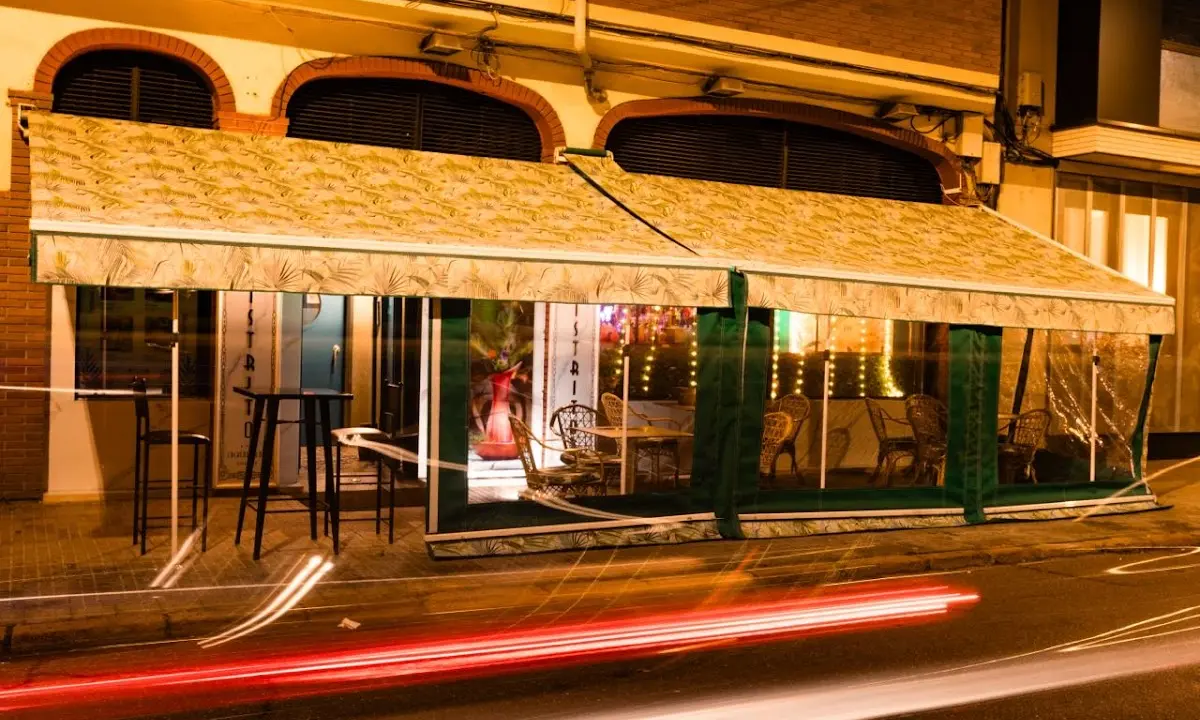
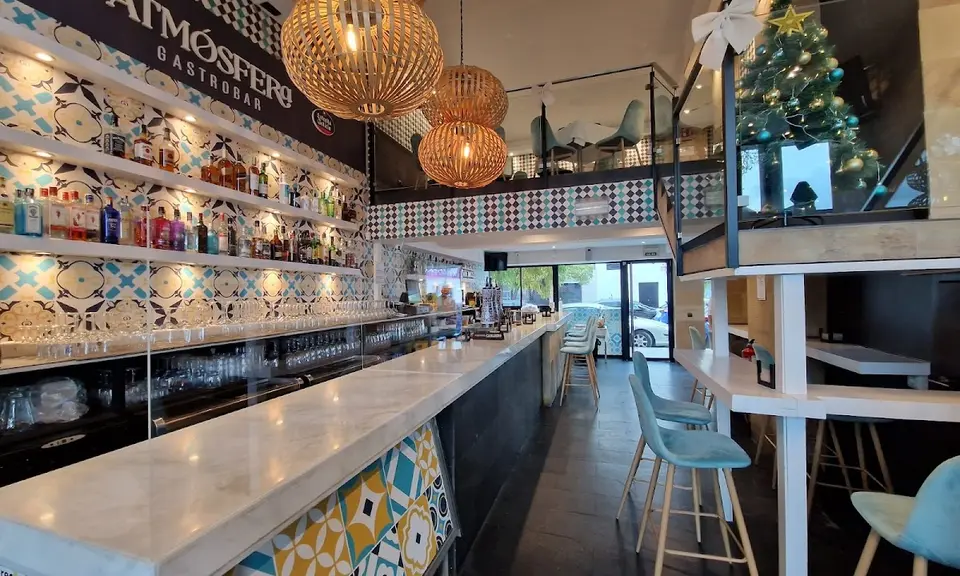
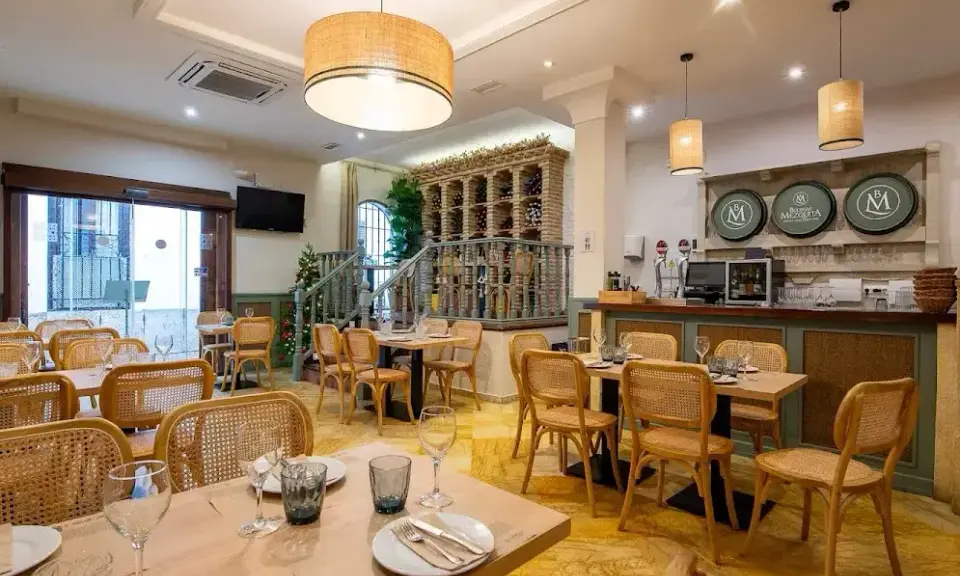
Bars easy to visit solo


Solo travel FAQ
Is Cordoba safe for solo travelers?
Yes. Violent crime is extremely rare in the historic centre, and the compact old town means you're rarely far from other people, even late at night. The main concern is pickpocketing near the Mezquita during peak season (April–June), the same as in any heavily visited European city. For more detail, see our Córdoba safety tips guide.
What are the best things to do alone in Cordoba?
The historic centre covers about 2 km end to end, so you can wander without a plan and still find what you came for. Worth prioritising: the Mezquita at opening time (fewer crowds), a free walking tour to get oriented and meet other travelers, tapas at the bar in the Judería, and a self-guided walking route through the whitewashed streets. During May, the Patio Festival opens private courtyards that are normally closed. See our things to do guide for the full list.
How much does a solo trip to Cordoba cost per day?
A budget solo traveler can get by on €45–60 per day: hostel dorm (€15–22), meals from tapas bars and markets (€15–20), and sights (€5–12, many are free). A mid-range solo trip runs €90–130 per day with a private hotel room, sit-down restaurants, and paid activities. Córdoba is significantly cheaper than Barcelona, Madrid, or Seville. Our budget guide has a full breakdown.
Is Cordoba easy to get around without a car?
Yes. The entire historic centre measures about 2 km end to end. You can walk from the Mezquita to the Roman Temple in 12 minutes, and from the train station to the old town in 15. Buses cover the modern city if you need them, but most of the centre is pedestrianised. A car is a hindrance, not a help.
Is it awkward to eat alone in Cordoba?
Not at all. Most tapas bars have a counter where locals eat alone every day. Order a caña (small beer) and a couple of tapas, chat with the bartender, move to the next place. Nobody's counting your table of one. See our tapas guide for where to start.
Where should a solo traveler stay in Cordoba?
The Judería (Jewish Quarter) is the practical choice: walkable to everything, active at night, full of restaurants and bars. Budget travelers should look at Cats Hostel or Be Hostel for a social atmosphere. For a private room, small hotels near the Mezquita offer good value at €50–80/night. See our accommodation guide for specific picks.
Córdoba's size works in your favour when you're traveling alone. You cover the whole historic centre in two days, spend less than in Seville, and leave with time to sit at a bar counter long enough for a conversation to start.
Plan your solo trip
Get practical details on budget, safety, and things to do in Córdoba.
Further reading
Sources and further reading
3 references Show Hide
- Turismo de Córdoba — Official Tourism Site (opens in a new tab)
Official Córdoba tourism information including safety, transport, opening hours, and visitor guidance
- Spain.info — Córdoba Travel Guide (opens in a new tab)
Spain's national tourism board with practical visitor information for Córdoba
- AUCORSA — Córdoba City Bus (opens in a new tab)
Municipal bus operator with routes, fares, and the Medina Azahara shuttle service