Andalusian tradition
Tapas Culture in Córdoba
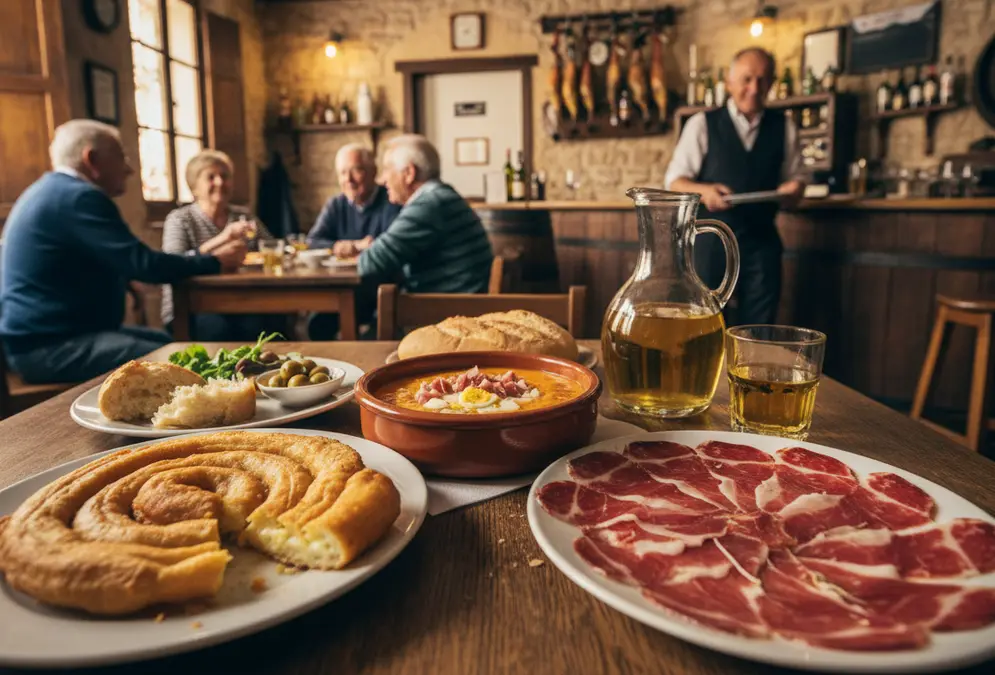
It is 13:00. The alleyways of the Judería are stirring to life. The doors of the tavernas creak open, releasing the aroma of grilled jamón and vinegar. You order a fino and scan the menu for tapas. Welcome to the art of tapeo cordobés — an age-old Andalusian tradition of sharing small plates and even smaller moments of joy.

Written by
Pedro Del Pozo Seven years covering Córdoba's gastronomy, taberna culture, and the Montilla-Moriles DO.
Updated Published
At a glance
- Tapa price
- €1.50–3 with a drink; free in some bars
- Best area
- Tendillas, Judería & Barrio Cruz Conde
- Tapas hours
- Lunch 1–3:30pm; evening from 8–9pm
- Must-try
- Flamenquín, salmorejo, rabo de toro
- Local wine
- Pair with Montilla-Moriles fino or amontillado
- Tapas route
- Old Town circuit: 4–6 bars in 2–3 hours
In this guide
Jump to a section
Tapeo Etiquette and Culture
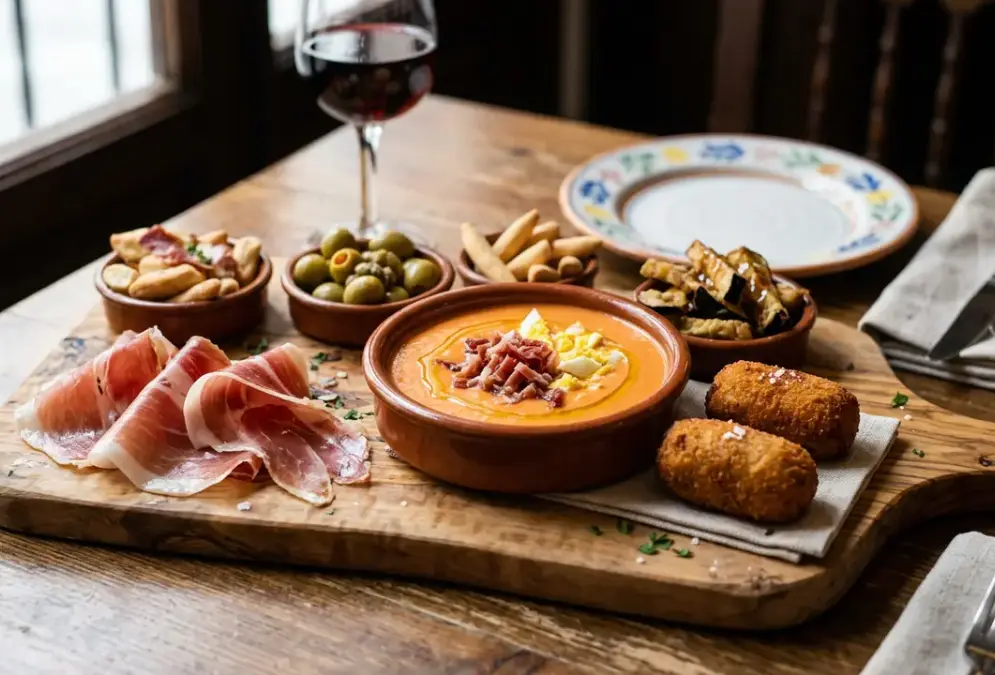
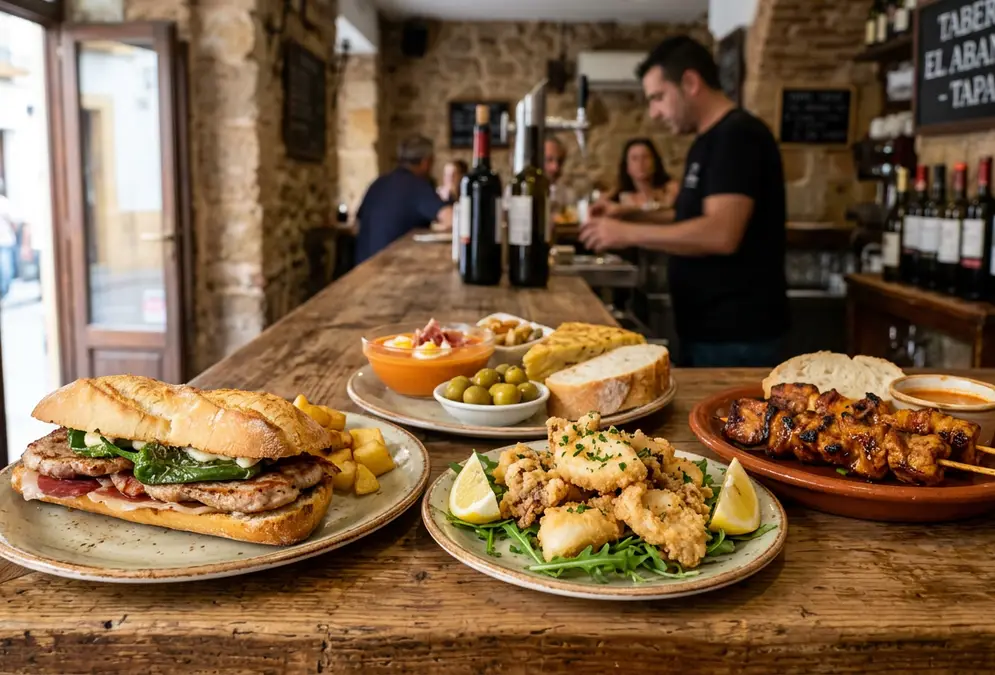
Tapeo in Córdoba runs on unspoken rules. Stand at the bar, not at a table. Order one or two things, eat slowly, then move on. Nobody has a reservation. Nobody rushes. The Judería and the Historic Centre are where this plays out best — here is what you need to know to do it right.
1
Sharing is sacred
Tapas are NEVER ordered just for yourself. This is social eating by design. Order several different dishes, share them, taste everything, and swap recommendations. Ordering a ración just for yourself is considered poor form.
2
Pace yourself, don't rush
Don't order all your tapas at once. The art of tapeo is to order 2-3 dishes, savour them, then order again. Let the experience unfold, breathe, talk.
3
Bar hopping is normal
Nobody stays in one bar all evening. The tradition is to move from bar to bar (ir de tapas) — one tapa and a drink here, two tapas there. That is how you discover the city.
4
Serve yourself properly
Tapas arrive on shared plates. Transfer your portion to your own plate rather than picking straight from the serving dish. It is a matter of respect and hygiene.
5
Timing is everything
13:00 for lunch (local atmosphere), 20:00-22:00 for the evening (festive atmosphere). Avoid 15:00-20:00 — that is siesta time and most kitchens are closed.
6
Bar vs table prices
Standing at the bar (de pie) costs 10-15% less than sitting at a table. Locals know this and stand. Tables are for longer sit-down meals, not for a quick tapeo stop.
7
Rounds belong to the group
Friends take turns buying rounds — called a ronda. One person orders for the whole group, and at the next bar, someone else steps up. Keeping mental tally of who owes what is considered petty.
Insider tip
If you are on your own, sit at the bar counter rather than a table. That is where Córdobans gather, chat with the staff, and spontaneously share their tapas with strangers.
“Tapeo is not a meal — it is a way of being together. You eat standing up, you talk to strangers, you move on when the mood takes you.”
The 6 Essential Tapas of Córdoba
Salmorejo Cordobés Cold soup
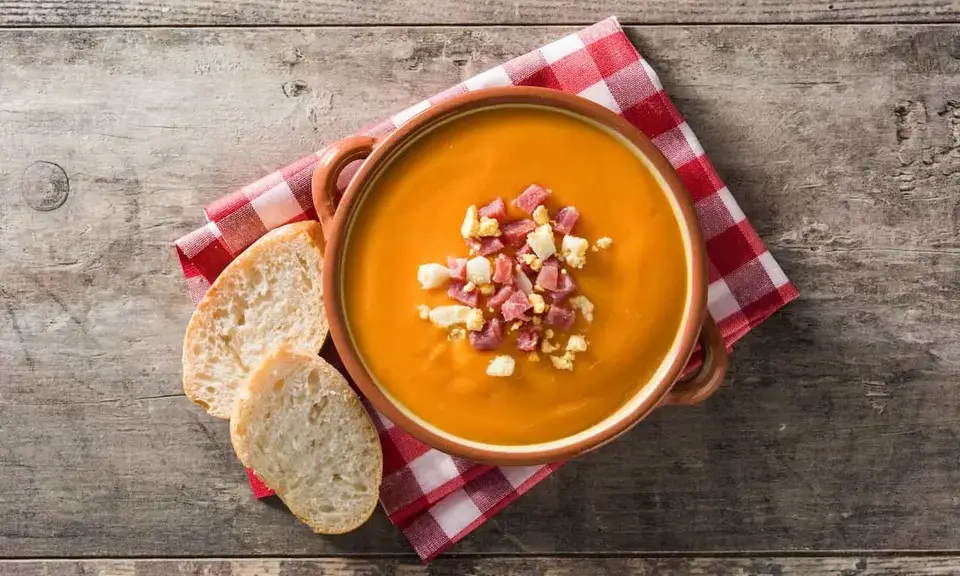
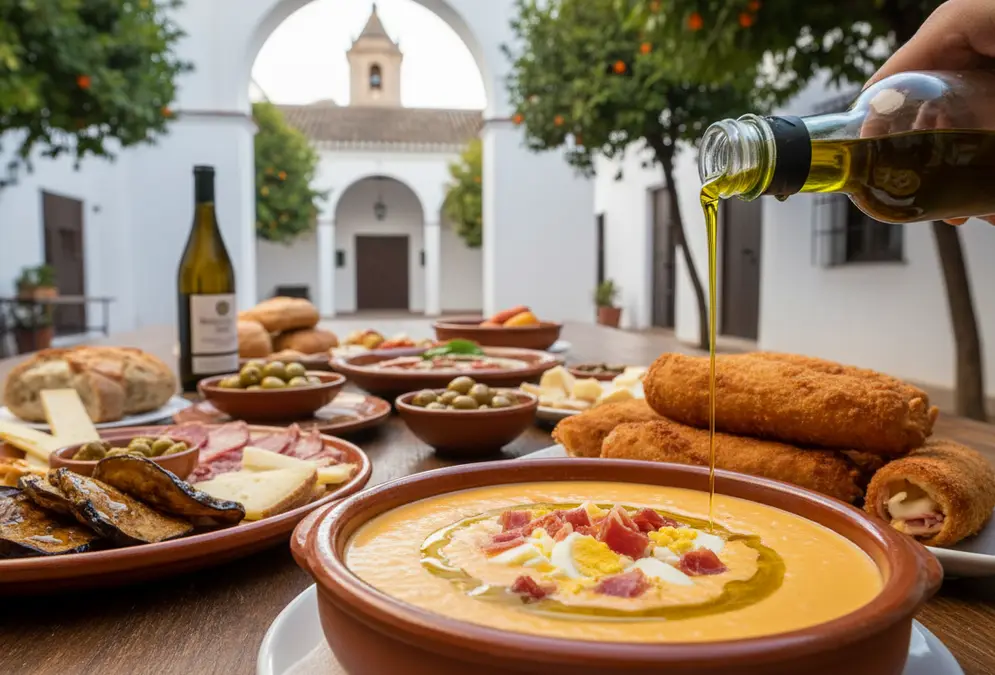
Córdoba's signature dish. A thick, velvety cold soup made from ripe tomatoes, garlic, day-old bread, olive oil, and vinegar. Creamier than gazpacho thanks to the bread, which gives it an almost silky texture.
Toppings: Topped with diced ibérico ham and crumbled hard-boiled egg
Season: A summer staple
Pairing: Fino de Montilla
Price: €3–5 tapa / €8–12 ración
Best in Córdoba: Taberna Salinas — The benchmark version in the city — silky, topped with jamón from the carving block.
Flamenquín Fried dish
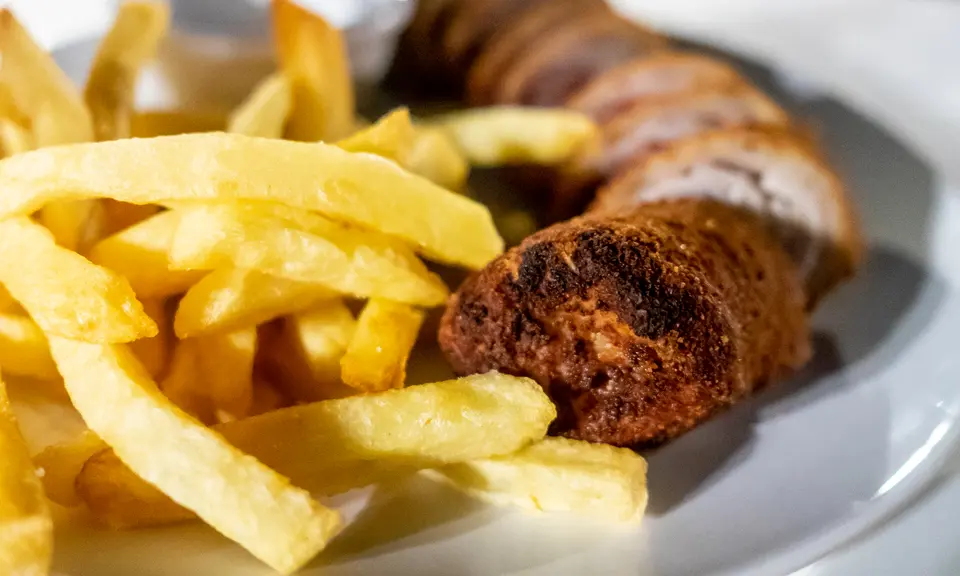
A 100% Córdoban invention: pork loin rolled around ham and cheese, breaded, and fried until golden and crispy. The name is said to come from the blonde colour reminiscent of the Flemish soldiers in Charles V's army.
Toppings: Served with chips or salad
Season: Year-round
Pairing: Ice-cold cerveza
Price: €6–8 tapa
Best in Córdoba: Sociedad de Plateros — Generous portions, golden and crackling — the go-to address for Córdoba's defining fried dish.
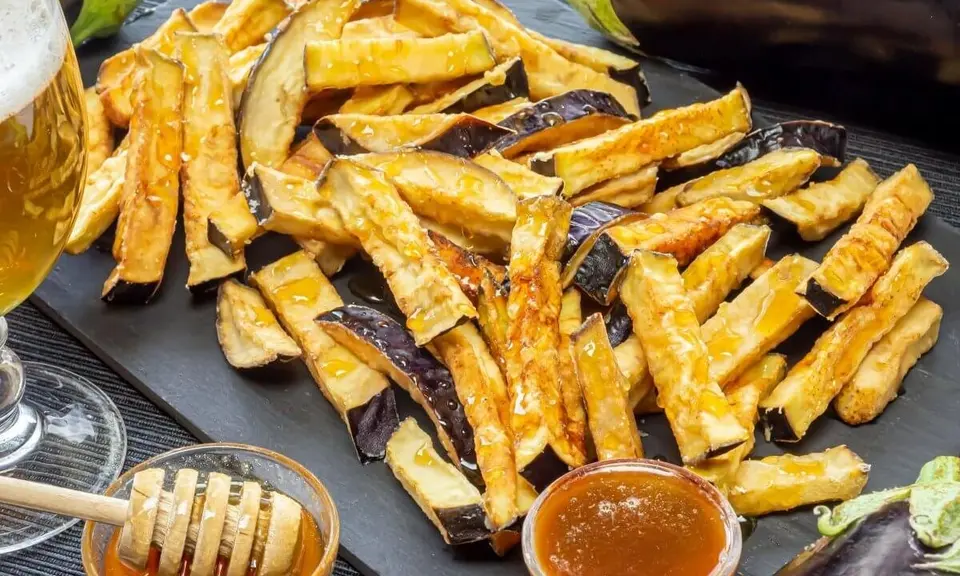
Berenjenas con Miel Vegetable tapa
Thinly sliced aubergines fried in olive oil until crispy, then drizzled with cane honey (molasses). A sweet-savoury contrast that is quintessentially Andalusian — surprising on first bite and immediately addictive.
Toppings: Cane honey (molasses)
Season: Summer
Pairing: Fino or rebujito
Price: €5–7 tapa
Best in Córdoba: Taberna El Número 10 — Michelin-recognised kitchen, traditional preparation, paired with house Montilla-Moriles.
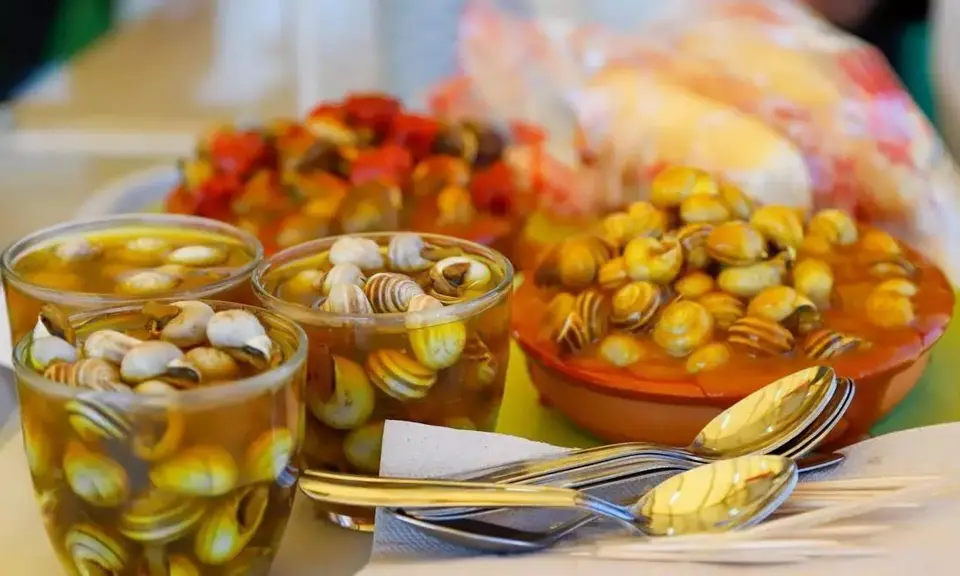
Caracoles Seasonal speciality
Snails are a major spring tradition in Córdoba. More than 35 pop-up stalls appear across the city from February to May, selling these little creatures simmered in steaming hot pots with herbs and spices.
Toppings: Spiced broth, herbs
Season: February to May
Pairing: Cerveza or fino
Price: €7–12 (Feb–June only)
Best in Córdoba: Caracoles Los Patos — The mythic snail stand on Avenida Cervantes, open February to June. Queue early.
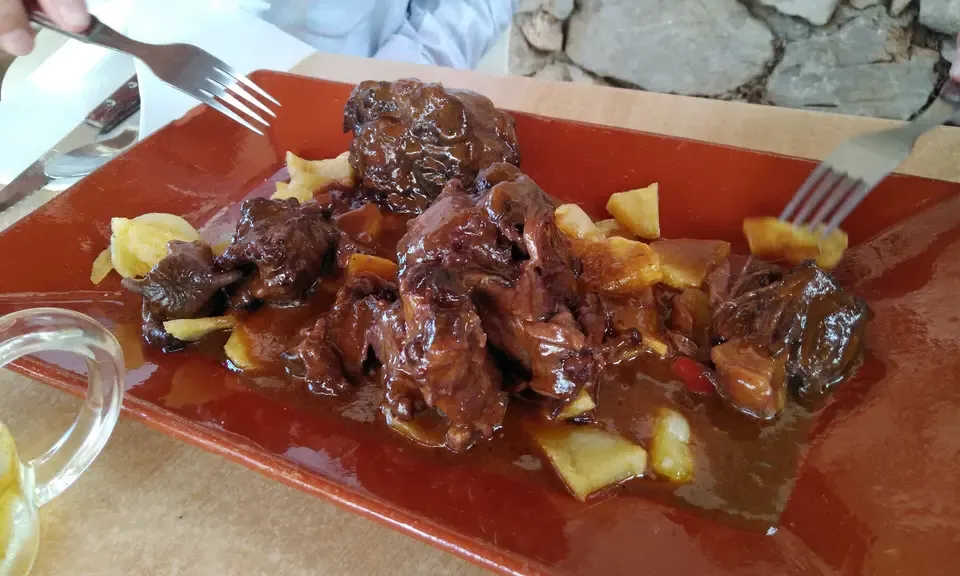
Rabo de Toro Braised dish
Oxtail slow-braised for hours with red wine, vegetables, and spices. A dish rooted in Córdoba's bullfighting tradition, with a silky sauce and melt-off-the-bone tender meat.
Toppings: Red wine sauce
Season: Year-round
Pairing: Vino tinto
Price: €14–18 ración
Best in Córdoba: Bodegas Campos — Century-old recipe, slow-braised in the cellars of a historic palace bodega.
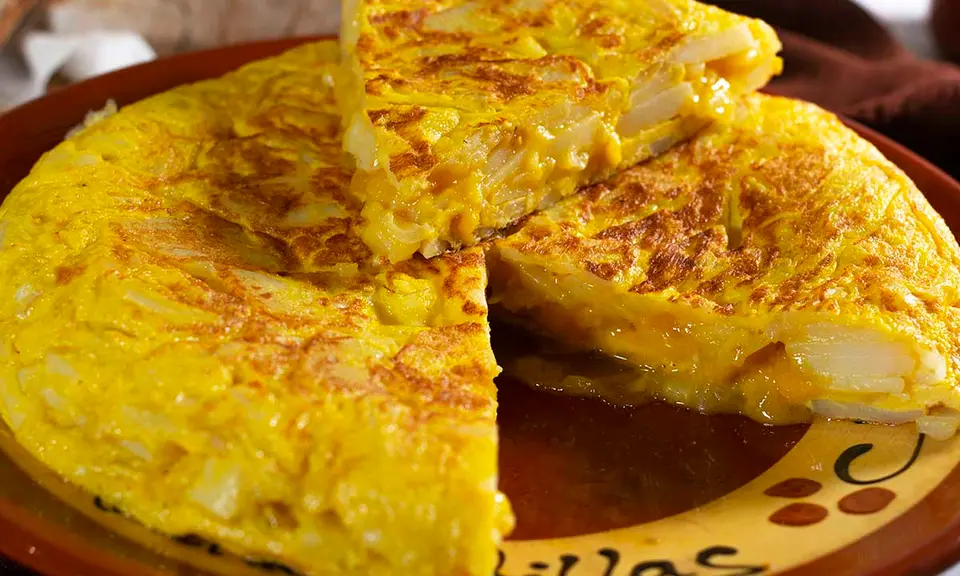
Tortilla Española Classic
The Spanish potato omelette. The one at Bar Santos (near the Mezquita-Catedral) is considered one of the best in Spain: thick, gloriously juicy in the centre, golden on the outside.
Toppings: Potato and onion
Season: Year-round
Pairing: Cerveza or tinto de verano
Price: €2–4 tapa
Best in Córdoba: Bar Santos — The most argued-over tortilla in the city: thick, trembling in the centre, two inches deep.
Portions and vocabulary
Tapa: Individual portion (€2-5, often free with a drink)
Media ración: Medium portion for 2-3 people (€5-10)
Ración: Full portion for 3-4 people (€8-15)
Important: NEVER order a ración just for yourself. It is considered selfish and goes against the spirit of sharing.
The Tapas Neighbourhoods of Córdoba
La Judería
Historic & authenticThe medieval Jewish quarter with winding alleyways. The atmosphere is intimate, historic taverns open onto cobblestone courtyards. This is the traditional heartbeat of Córdoban tapas culture.
Our recommendation: Start your tapeo in the Judería in the late afternoon, then make your way down to the Centro for the evening. That is the classic route Córdobans take at weekends.
Centro
Lively & accessibleThe historic centre hums with tradition and modernity. Around Plaza de las Tendillas and the Mezquita-Catedral, tapas bars welcome locals and visitors alike in a relaxed atmosphere.
Beyond the Centre
Local & away from crowdsSan Basilio and San Andrés are the residential neighbourhoods Córdobans retreat to when they want to eat without performing for tourists. Tabernas here are family-run, prices gentle, and complimentary tapas with your drink are still the norm. The atmosphere is relaxed in the way only genuinely local neighbourhoods are.
Every one of these quarters has its own handful of tabernas worth seeking out — some a century old, some opened last year but running the same recipes. We keep the ranked, address-by-address list separate: our guide to the best tapas bars in Córdoba covers ten of them, tested and ordered.
Planning Your Tapas Route
The classic Córdoban evening follows a loose circuit: start in La Judería as the stone streets cool down after sunset, then drift through the Centro toward Plaza de la Corredera or along Calle Cruz Conde as the night fills out. No reservations, no fixed itinerary. The route is a suggestion, not a timetable.
A typical tapeo covers 4 to 6 bars over 2 to 3 hours. At each stop: one or two tapas, one drink, a short conversation, then move. The discipline is knowing when to leave. Córdobans read the room — if a bar is buzzing and the plates keep coming, they stay a little longer. If it has gone quiet, they pay and go. Follow that instinct.
Friday night from 20:00 is the most electric window in the week. The Judería fills with groups finishing work, the tabernas crank up, and the hum carries into the street. Saturday has the same energy but draws more visitors. For a genuinely local atmosphere, Friday is the night. Weekends 20:00 to 23:00 are peak in every neighbourhood; arrive early to claim a spot at the bar counter rather than waiting for a table.
Suggested circuit
- 1 La Judería
Start in one of the historic tavernas lining the alleyways — salmorejo and a fino straight from the barrel
- 2 Around the Mezquita
A stop for tortilla — stand at the zinc counter, order a caña, and eat fast
- 3 Centro (Plaza de las Tendillas)
Flamenquín and a glass of Montilla-Moriles, wherever the counter is busiest
- 4 Calle Cruz Conde
End the circuit here — this is where Córdobans finish their Friday nights, bar to bar along the pedestrian street
Want the actual addresses for each stop? Our ranked guide to Córdoba's best tapas bars names ten, in order, with what to order at each.
Local timing
Arrive at your first bar between 20:00 and 20:30. By 22:00 the prime spots at the bar counter will be taken. Come early, stay light, move often.
Signature Drinks and Pairings
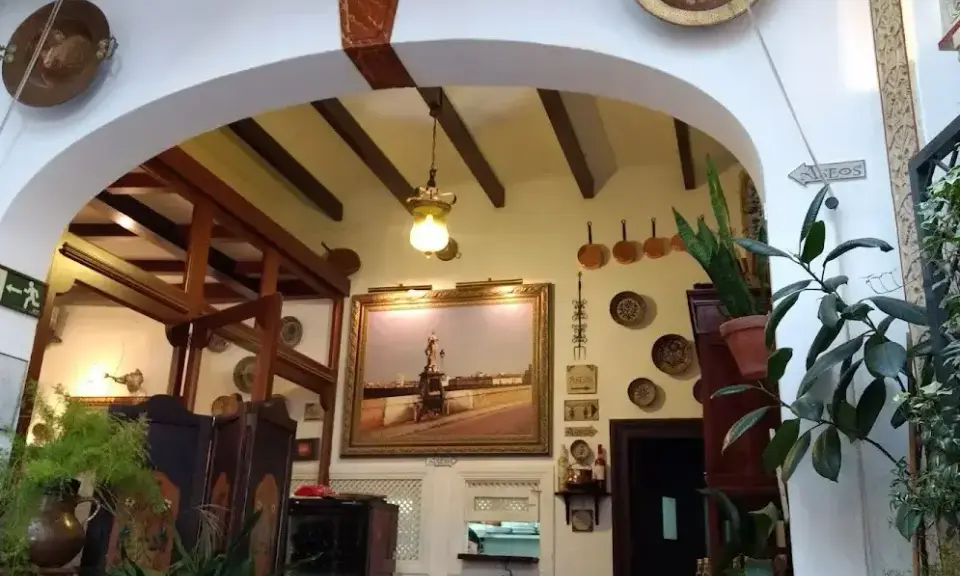
Tapas and drinks are inseparable. In Córdoba, four drinks dominate the bar counters of the tabernas. The rebujito, a mix of fino and lemonade, is especially popular during the Feria de Córdoba. Each has its moment, its character, its history. To discover the wines of Montilla-Moriles at their source, explore our wine route guide with the best bodegas in the region.
Fino de Montilla-Moriles
15% ABV
The region's iconic dry white wine. Made in the countryside around Córdoba from the Pedro Ximénez grape, it ages under a layer of yeast known as 'flor'. Bone dry, crisp, and faintly saline.
Perfect pairing: Jamón ibérico, seafood, salmorejo
Rebujito
7-9% ABV
THE cocktail of Andalusian festivals: fino mixed with sparkling lemonade, served over ice with a sprig of fresh mint. Refreshing, deceptively drinkable, and utterly essential in summer.
Perfect pairing: Light tapas, salmorejo, tortilla
Cerveza (Cruzcampo)
5% ABV
The quintessential Andalusian beer. Ordered as a 'caña' (small draught glass), it is the default drink at tapas bars. Cold, light, and thirst-quenching.
Perfect pairing: All fried tapas
Fitifiti (Fifty-Fifty)
10-12% ABV
THE secret drink of Córdobans: half dry white wine, half sweet white wine. A unique blend you will only find here. Ask for it by name and watch the bartender's impressed smile.
Perfect pairing: Mixed tapas
How to order
"Un fino, por favor" → A glass of fino please
"Una caña" → A small draught beer
"¿Tienen fitifiti?" → Do you have fitifiti? (guaranteed to impress!)
"Otra ronda" → Another round
When to Go for Tapas?
Andalusian mealtimes
13:00-16:00 : Lunch
The main meal of the day for Spaniards. By 13:00 sharp, bars fill with Córdobans doing their midday tapeo. This is the genuine local atmosphere — animated conversation, packed counters. If you want to experience tapas like a local, this is your window.
15:00-20:00 : Siesta
Most kitchens close. Bars stay open for drinks, but do not expect to find fresh tapas. This is the time to visit monuments or rest at your hotel.
20:00-23:00 : Evening tapeo
Bars reopen their kitchens around 20:00. The atmosphere is more festive and relaxed than at lunch. Groups of friends do their rounds, moving from bar to bar. This is the ideal moment for a full bar-hopping circuit.
Seasonality
Spring (Feb-Apr)
- Caracoles (snails) everywhere
- Fresh asparagus
- Mild temperatures
Summer (May-Sept)
- Salmorejo takes centre stage
- Rebujito is essential
- Packed terraces
Autumn/Winter
- Stews and hearty hot dishes
- Rabo de toro
- Red wines
Year-round
- Jamón ibérico
- Tortilla española
- Croquettes
Budget and Practical Tips
Price examples
1 drink + 1 tapa €4-6
Tapeo for 2 (3 bars, 2 drinks + tapas per bar) €30-40
Full lunch for 1 (menu del día) €11-15
Shared ración (3-4 people) €8-15
Gastronomic dinner (upscale restaurant) €50-60
Ways to save money
- Lunch on the menu del día (€11-15 for a full meal)
- Avoid terraces near the Mezquita (30% more expensive)
- Head to local neighbourhoods (San Basilio, San Andrés)
- Order raciones to share in a group
- Bar hopping lets you taste more dishes for less
Traps to avoid
- Assuming "tapas = cheap" (the bill adds up fast)
- Ordering a ración just for yourself
- Eating before 20:30 in the evening (kitchens closed)
- Staying in one bar all evening
- Sitting at tourist terraces near the Mezquita
Realistic budget
Count on €30-40 per person for a full evening tapeo (3-4 bars, 2 drinks and tapas per bar). That is more than a restaurant, but the social experience and discovery are well worth it.
Travelling on a tight budget?
Read our complete guide to visiting Córdoba on a budget — tips for accommodation, sightseeing, and affordable meals.
Vegetarian and Vegan Options
Traditional Córdoban cooking is heavily meat and seafood-focused, but plant-based options exist and are often delicious. The San Basilio neighbourhood offers a more local, family-oriented atmosphere for discovering these alternatives. Here is how to navigate.
Naturally vegan tapas
- Salmorejo (ask for it without ham or egg)
- Berenjenas con miel (fried aubergines with honey)
- Pisto a la Cordobesa (vegetable stew)
- Cogollitos (baby gem lettuce salad)
- Olives and almonds
Warning
Ham appears in many dishes, including some that look vegetarian (salmorejo, croquettes, pisto). Always ask: "¿Lleva jamón?" (Does it contain ham?).
History and Origins of Tapas
The exact origins of tapas remain shrouded in mystery. Several legends compete for authenticity: King Alfonso XIII who supposedly enjoyed a slice of cheese placed on his wine glass, King Alfonso X the Wise ordering inns to serve small portions to slow alcohol absorption, or rural labourers developing the tradition to sustain themselves through long working days.
What is certain is that the word "tapa" comes from the verb tapar (to cover). Historically, pieces of bread, cheese, or ham were placed on top of glasses to protect the drink from insects and dust. That cover gradually evolved into a culinary accompaniment, then a full gastronomic art form. This tradition is an integral part of Córdoban gastronomy, heir to Roman, Arab, and Jewish food cultures.
Córdoba, an authentic tapas stronghold
Córdoba is one of Spain's major authentic tapas destinations, alongside Granada, Madrid, Seville, and San Sebastián. What sets Córdoba apart is its historic tavernas, preserved local atmosphere, and unique Córdoban cuisine (salmorejo, flamenquín, rabo de toro).
Unlike heavily touristy areas, Córdoba's tapas bars maintain an authentic atmosphere where locals come every single day. It is an age-old cultural code, a principle of Andalusian hospitality that refuses to surrender to tourism.
Frequently asked questions
What time do people eat tapas in Córdoba?
Lunch tapeo starts at 13:00 and runs until about 16:00 — this is when you will find the most local atmosphere. Evening tapeo picks up around 20:00 and goes until 23:00. Avoid 15:00-20:00: most kitchens close for siesta.
How much do tapas cost in Córdoba?
Individual tapas cost €2-5, and in some bars a small tapa comes free with your drink. A media ración (half portion to share) is €5-10, and a full ración is €8-15. Budget roughly €30-40 per person for a full evening tapeo covering 3-4 bars.
What is the best area for tapas in Córdoba?
The Judería (Jewish quarter) is the heart of traditional tapas culture — historic tavernas in cobblestone alleyways. The Centro around Plaza de las Tendillas is more lively and varied. For a truly local experience away from tourists, head to San Basilio or San Andrés.
Is tipping expected at tapas bars?
Tipping is not mandatory in Spain, but leaving small change (rounding up or leaving €0.50-1 per round) is appreciated at bar counters. For a sit-down meal, 5-10% is generous. Never feel pressured — service charge is already included in prices.
Are there vegetarian tapas options in Córdoba?
Yes. Several traditional tapas are naturally vegetarian or vegan: berenjenas con miel (fried aubergines with honey), salmorejo (ask without ham/egg toppings), pisto (vegetable stew), and cogollitos (baby gem lettuce salad). Be aware that ham appears in many dishes — always ask "¿Lleva jamón?" (Does it contain ham?).
What is the difference between a tapa, media ración, and ración?
A tapa is a small individual portion (sometimes free with a drink). A media ración is a half portion designed for 2-3 people to share. A ración is a full portion for 3-4 people. The tradition is to order several different dishes to share — never order a full ración just for yourself.
Where can I find the best individual tapas in Córdoba?
For salmorejo, go to Taberna Salinas — the creamy, ham-topped version there is the city benchmark. Flamenquín is best at Sociedad de Plateros, which serves the generous, properly golden version locals measure all others against. Rabo de toro belongs at Bodegas Campos, where the century-old recipe is braised in the cellars of a historic palace. For the most argued-over tortilla in the city, Bar Santos near the Mezquita-Catedral is the answer.
How do I plan a tapas route in Córdoba?
Start in La Judería in the late afternoon and work your way toward the Centro as the evening fills out, ending near Plaza de la Corredera or along Calle Cruz Conde. Plan for 4 to 6 bars over 2 to 3 hours, with one or two tapas and a drink at each stop. Friday night from 20:00 is the most local and electric session of the week. Don't plan too rigidly — follow the noise, and leave a bar when the energy drops.
Tapas Trail: Self-Guided Food Walk
Follow a curated walking route through Cordoba's best tapas neighbourhoods, with bar-by-bar stops from the Juderia to Plaza de la Corredera.
View the routeReady for your Tapeo?
Tapas culture in Córdoba is a sensory, social, and deeply Andalusian experience. Start in the Judería at 13:00 or 20:00, order a fino, and let the aromas and encounters guide you. Tapeo is not a list of restaurants to tick off — it is a rhythm, a way of wandering, an art of living.
Further reading
Official sources
3 references Show Hide
- Michelin Guide Córdoba (opens in a new tab)
Starred restaurants and official gastronomic recommendations
- Córdoba Tourism Office (opens in a new tab)
Official website of Córdoba's municipal tourism office
- Spain.info — Andalusian gastronomy (opens in a new tab)
Official Spanish tourism portal for gastronomy
Book tours & activities in Córdoba
Tours are selected for quality, not commission. We earn a small fee if you book — at no extra cost to you.
Guided tours, skip-the-line tickets, and bookable experiences — browse everything available in Córdoba.
 1.5 hours
 Mosque-Cathedral Skip-the-Line Guided Tour
4.7 From €29
Reserve
 1.5 hours
 Mosque-Cathedral Skip-the-Line Guided Tour
4.6 From €28
Reserve
 3 hours
 Jewish Quarter, Mosque & Alcázar Tour
4.6 From €49
Reserve
Self-guided Mosque-Cathedral E-Ticket with Audio Guide
4.2 From €18.50
Reserve
 70 minutes
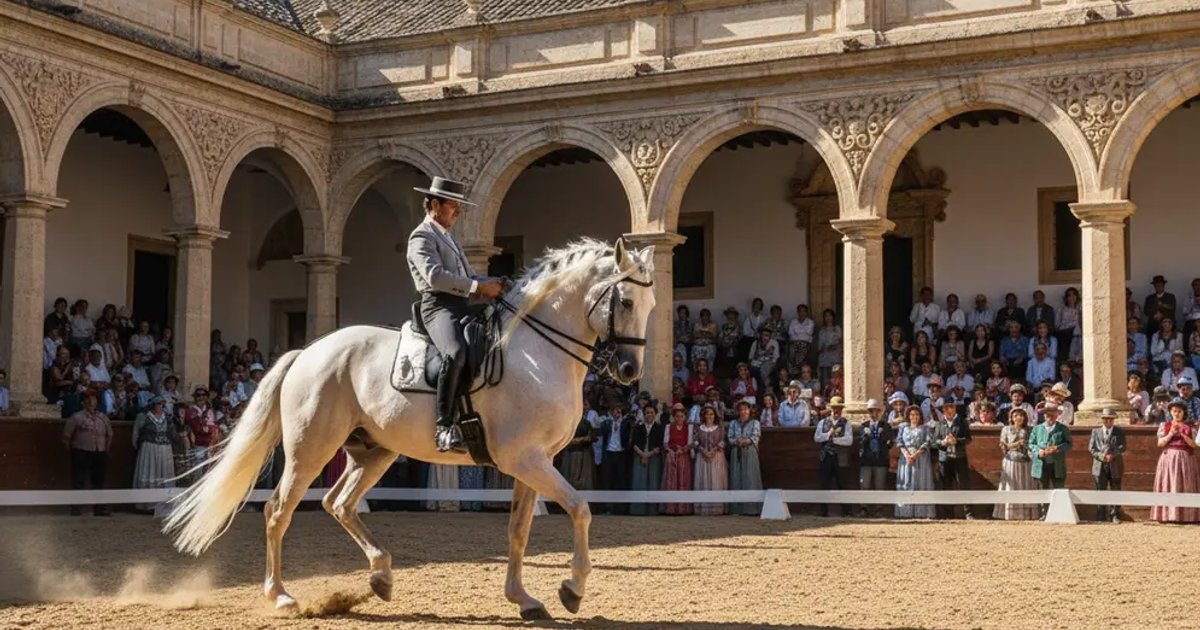
 Caballerizas Reales Equestrian Show
4.5 From €18.50
Reserve
2 hours Mosque & Jewish Quarter Tour with Tickets
4.6 From €35.55
Reserve
3 hours Mosque-Cathedral, Jewish Quarter & Alcázar Tour
4.6 From €49.99
Reserve
 1.5 hours
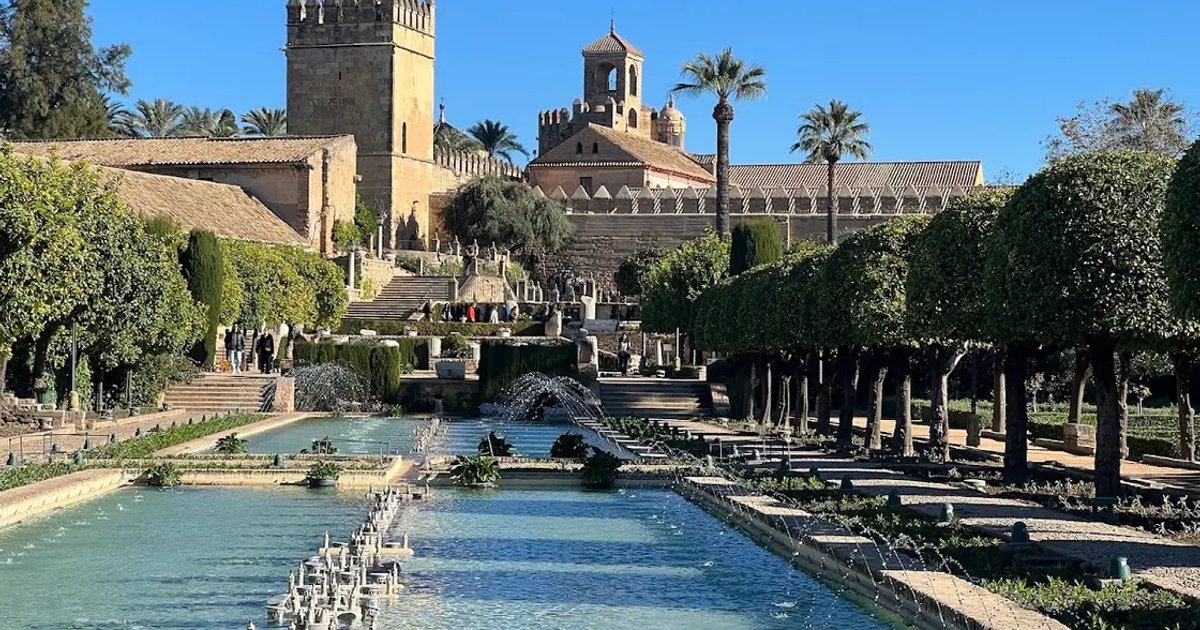
 Alcazar Guided Tour and Skip-the-Line
4.2 From €19
Reserve