
Two ingredients, one drink
Rebujito has no complicated recipe. Pour chilled Montilla-Moriles fino into a glass full of ice, top with sparkling lemonade at roughly two-thirds to one-third. The fino first — it dissolves better into the bubbles that way. The result is light, golden, around 4–6% alcohol, and cold enough to cut through an Andalusian summer afternoon.
The name probably comes from the verb rebujarse — to mix, to mingle. Which is also what it's for: it's a social drink, not a sipping drink.

The feria glass
In the festival casetas, rebujito doesn't arrive in a wine glass. It comes in a large white plastic pitcher — the kind you share with five people at a table. Seville's Feria de Abril made it famous, but Córdoba's Feria de Mayo runs on the same fuel. Walk into any caseta in May and the pitchers are already on the tables before you've found a seat.
Outside the feria, it's found year-round in traditional tapas bars across the city. Some places add fresh mint or a slice of lime. Purists don't.
When to drink it
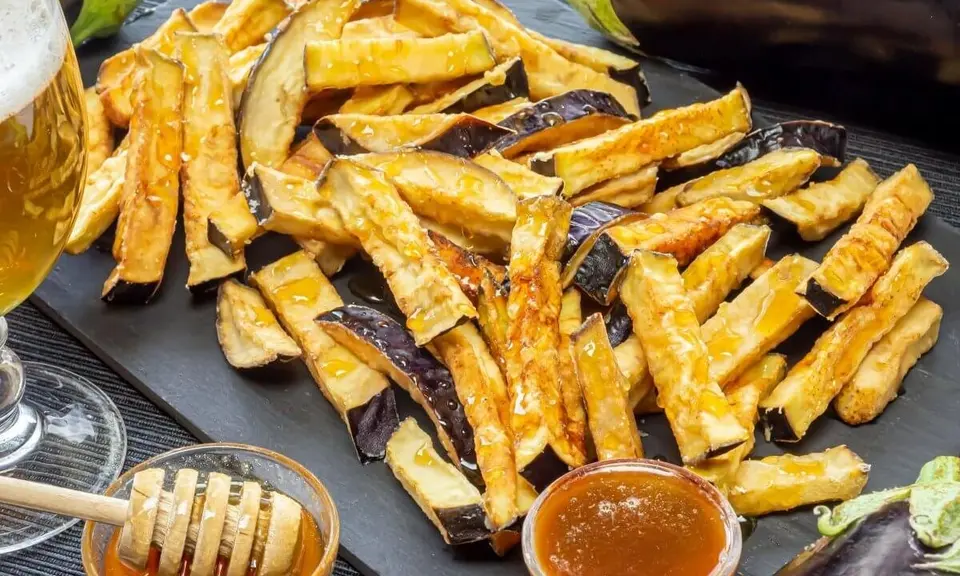
Spring and summer are when it makes sense — especially during the feria season from April through September. It pairs naturally with cold tapas: salmorejo, berenjenas con miel, light cheeses, and charcuterie. Heavy dishes fight the drink's lightness.
Bodegas Campos and Taberna Salinas serve versions made with quality finos — the base wine matters more than most people realise. A fino made from cheap grapes tastes thin in the mix; a decent fino holds its own.
To understand where the fino comes from, the Montilla-Moriles wine route guide covers the bodegas that produce it.
More than a drink
Andalusians are convinced the best rebujito is in Córdoba or Seville — not because the recipe is different, but because the context is right. At three in the afternoon in a canvas tent while a band plays sevillanas, it's exactly what the day calls for. Ordering one in a Madrid cocktail bar is technically possible but misses the point by some distance.