
What makes Córdoba's salmorejo different
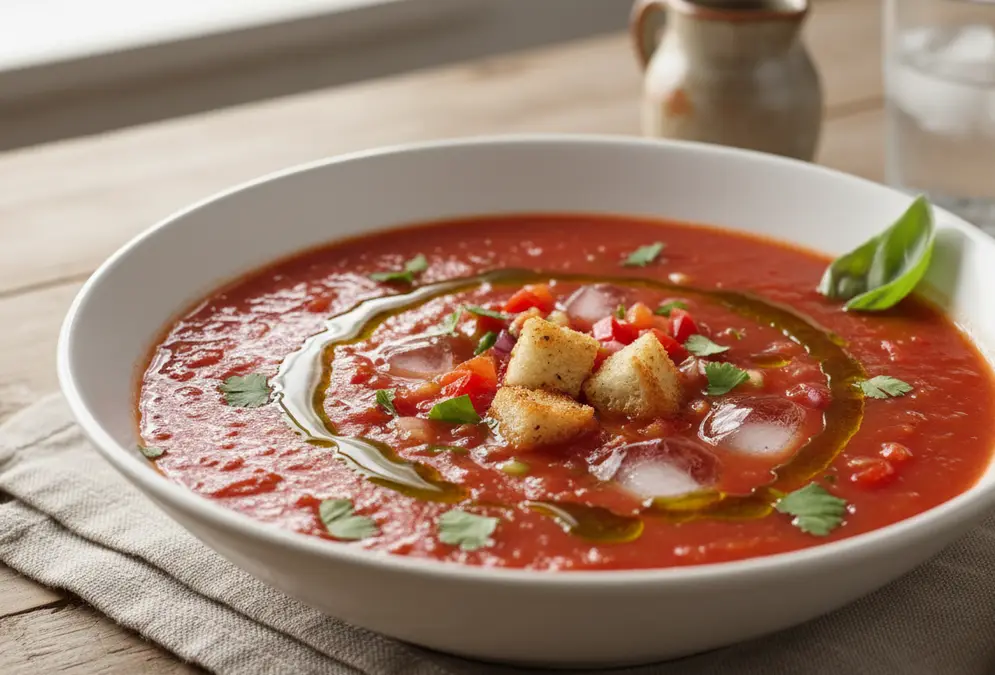
Salmorejo is not gazpacho. The texture is closer to a cold purée than a soup — so thick that a spoon stands in it. Five ingredients: ripe tomatoes, stale white bread, garlic, extra-virgin olive oil, and salt. No peppers, no cucumber. The classic finish is diced hard-boiled egg and shaved serrano ham on top, which adds crunch and salt against the smooth base.
This is the dish locals order first. If a bar gets the salmorejo wrong, nothing else on the menu inspires confidence.

A Córdoba original
The recipe traces back to Al-Andalus kitchens, where day-old bread was blended with local produce to make cold, filling preparations. Tomatoes arrived from the Americas in the 16th century and transformed the dish entirely. What had been a peasant staple became something specific to Córdoba — distinct from Seville's gazpacho, different from Antequera's porra, and not replicated well anywhere else.
When and how to eat it
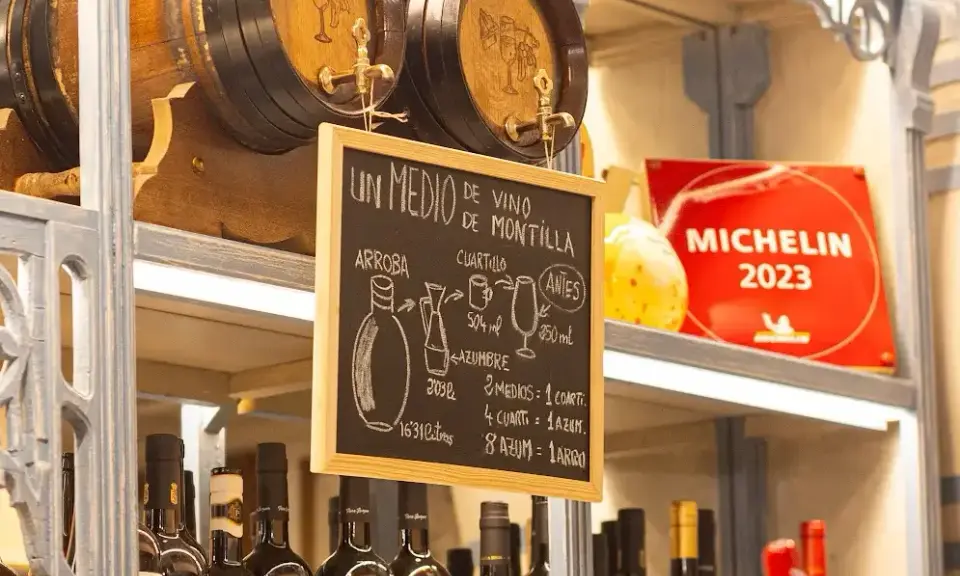
Order it between May and September when Andalusian tomatoes are at their peak. Served at 8–10°C, ideally in an earthenware bowl. It pairs cleanly with a chilled Montilla-Moriles fino — the dryness cuts the oil without overwhelming the tomato. A rebujito works at festivals. Skip it in the dead of winter when off-season tomatoes flatten the flavour.
Where to order it in Córdoba
Practically every bar in the city serves salmorejo, but quality varies significantly. Taberna Salinas and Bodegas Campos make versions close to the traditional recipe without shortcuts. Even Michelin-starred restaurants like Noor put it on the menu — sometimes with a contemporary twist, always with respect for the original.
The Córdoba gastronomic tour includes a guided tasting with commentary on what distinguishes a proper salmorejo from the tourist-trap version.