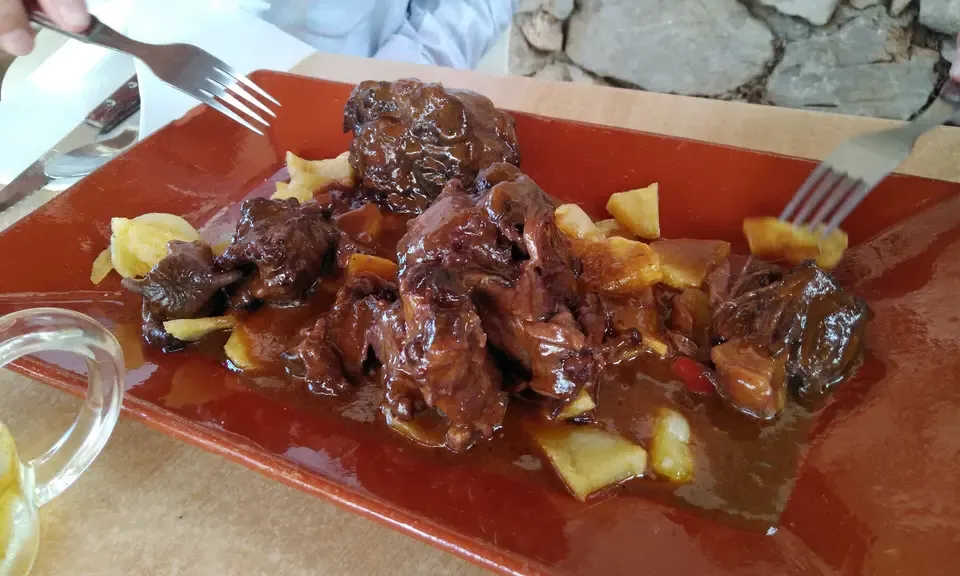

A dish that takes time
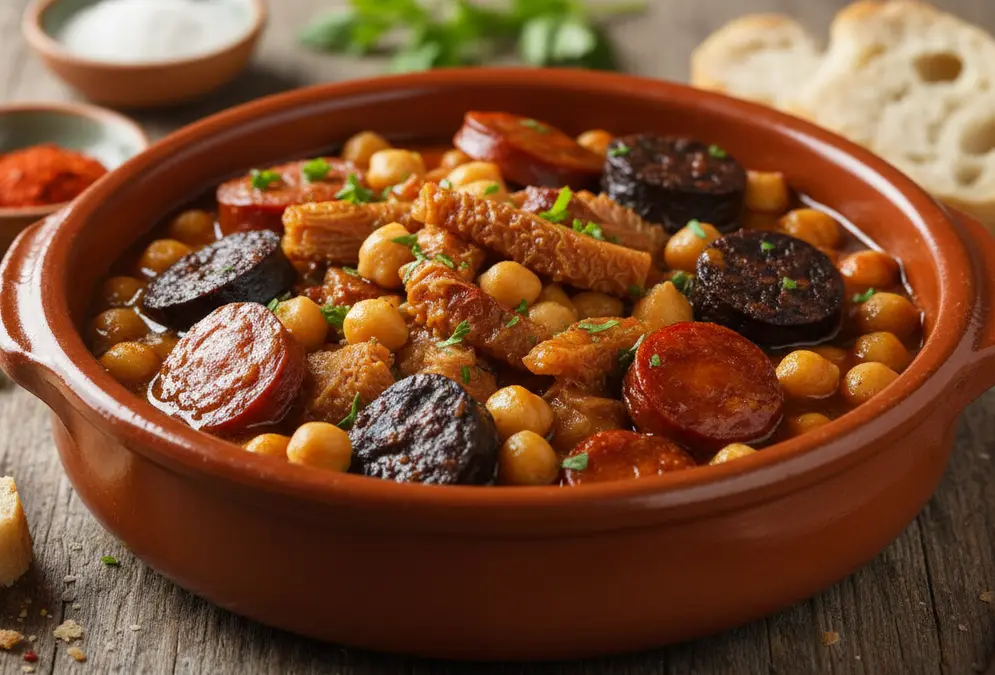
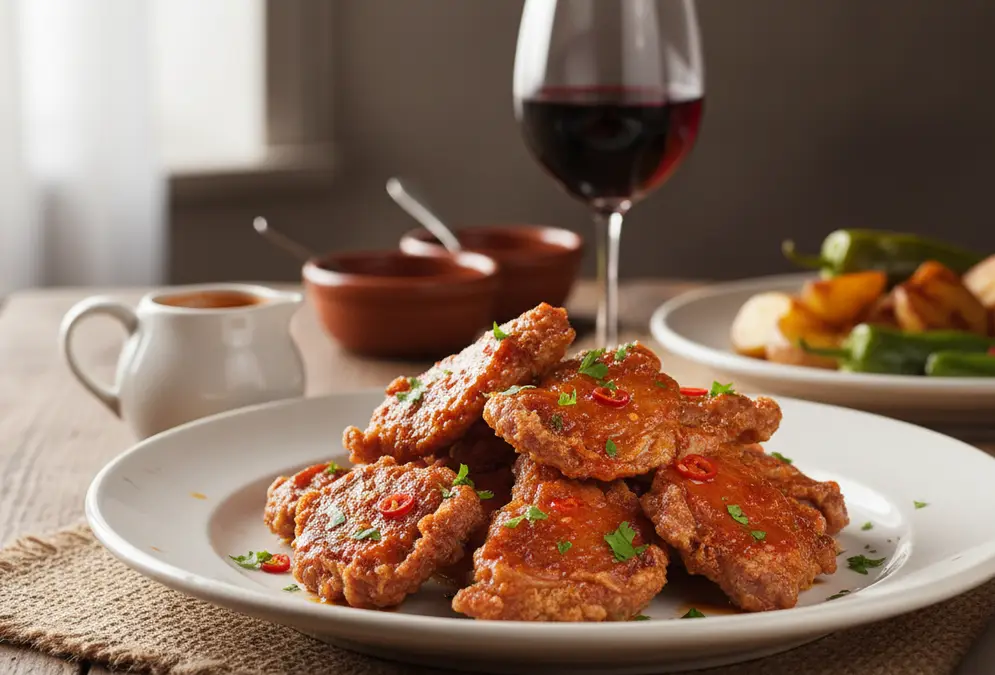
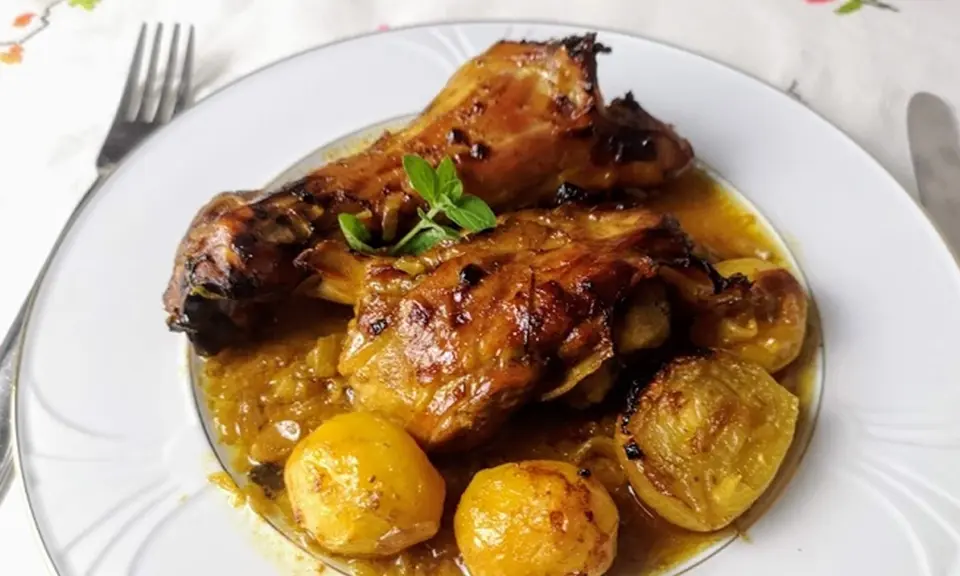
Rabo de toro is not a quick kitchen exercise. The oxtail pieces are browned hard in olive oil first, then submerged in red wine with carrots, onions, garlic, tomatoes, and bay. Three to four hours at a low simmer, until the collagen breaks down, the meat falls off the bone without any encouragement, and the braising liquid reduces to a sauce thick enough to coat the back of a spoon.
Some cooks add a splash of Pedro Ximénez at the end. The sweet wine dissolves into the sauce and adds a depth that you notice but can't quite identify until someone tells you what it is.
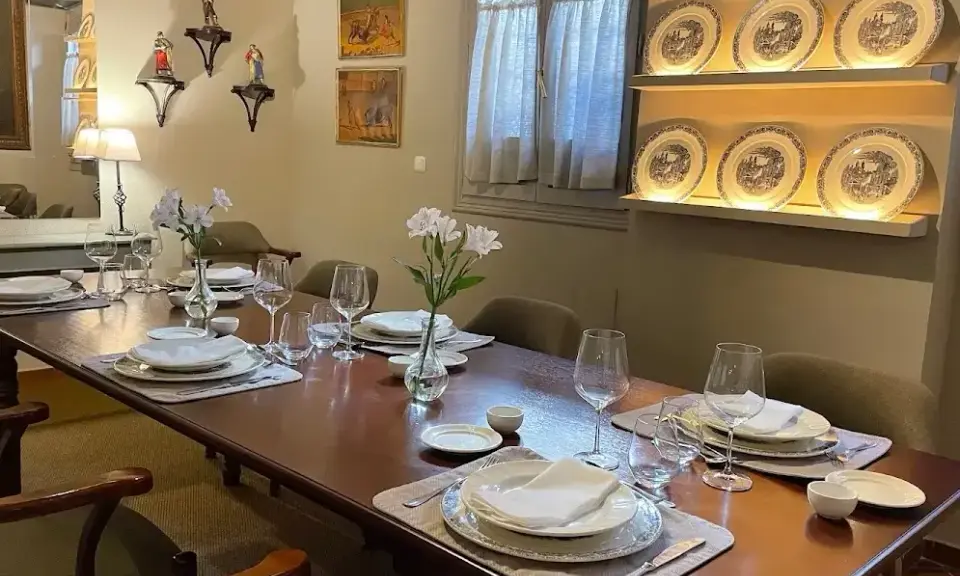
Rooted in the bullring
The dish comes directly from Córdoba's bullfighting tradition. After the corridas, the bull's tail went to the kitchen. What began as resourceful cooking — using every part of the animal — became one of the city's defining recipes. The connection to the bullring is not decorative; it's the actual origin.
When to eat it
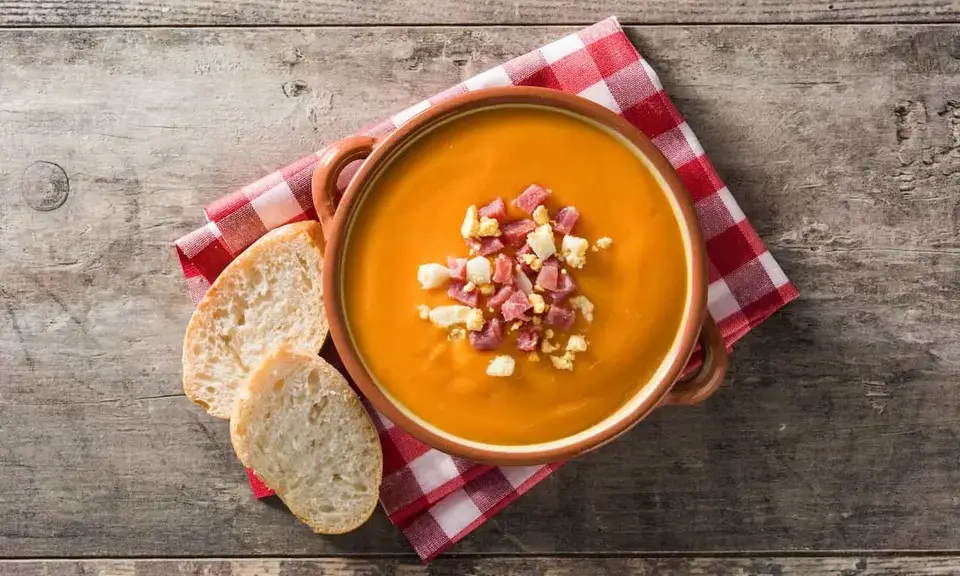
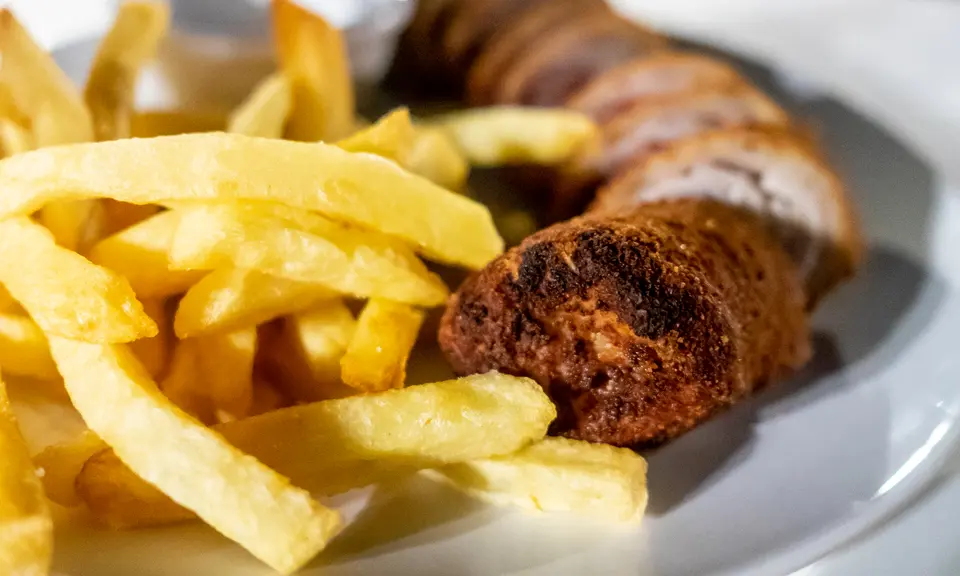
Rabo de toro is available year-round, but autumn and winter are when it makes full sense. On a warm May evening, a light salmorejo fits better. On a cold November afternoon, this is exactly what you want. Steamed potatoes or chips on the side to soak up the sauce.
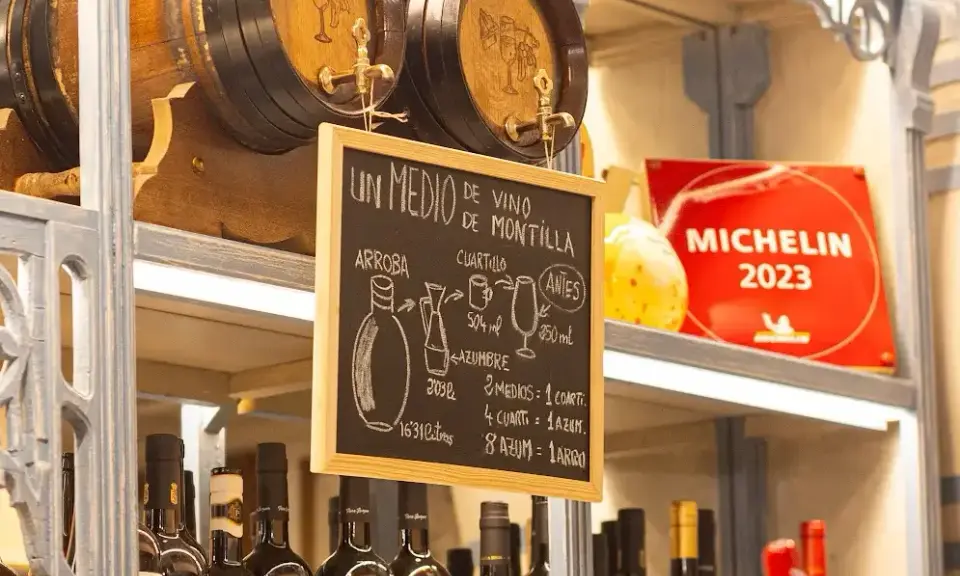
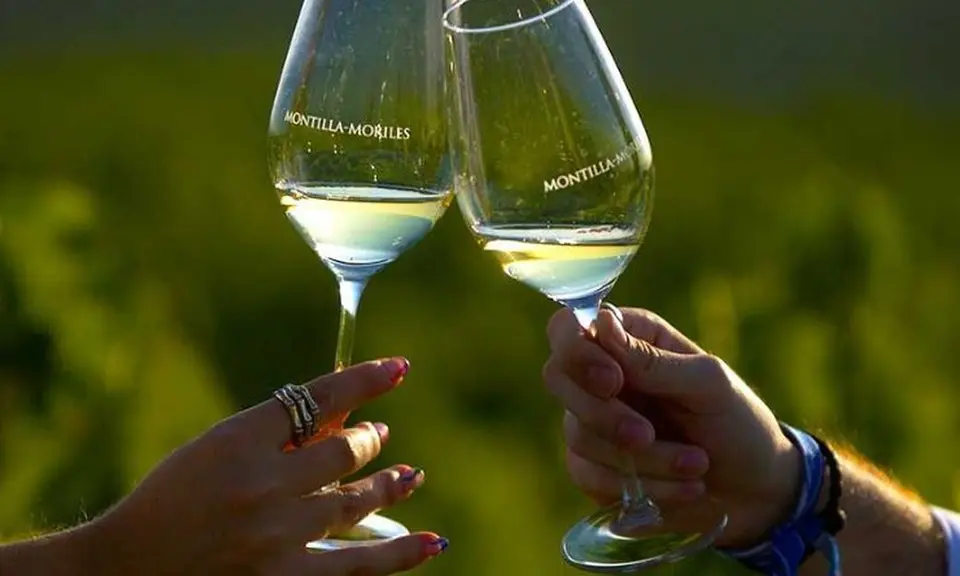
The natural pairing is a Montilla-Moriles Pedro Ximénez or a full-bodied red — something with enough structure to hold against the richness of the stew. Start with a chilled salmorejo for a complete contrast.
Where to find it
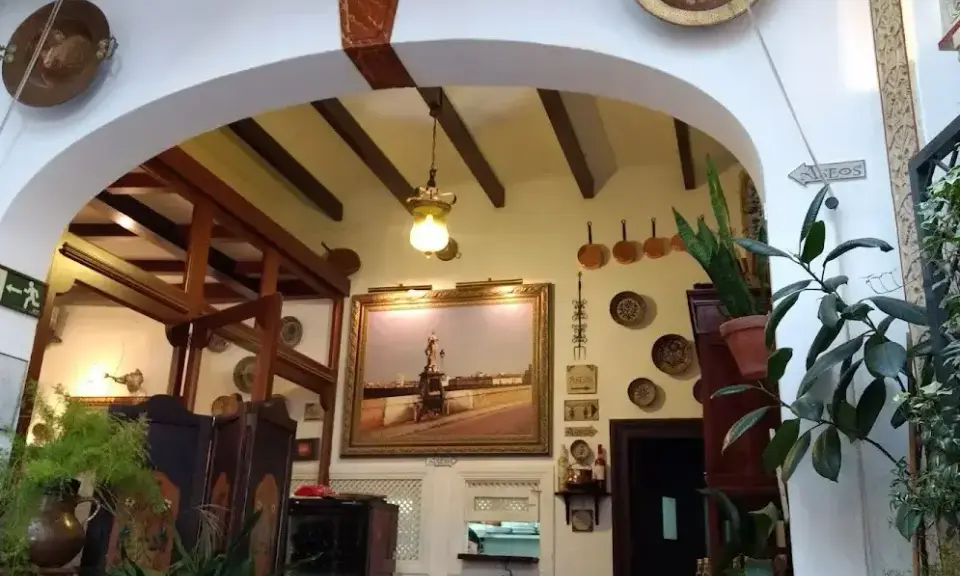
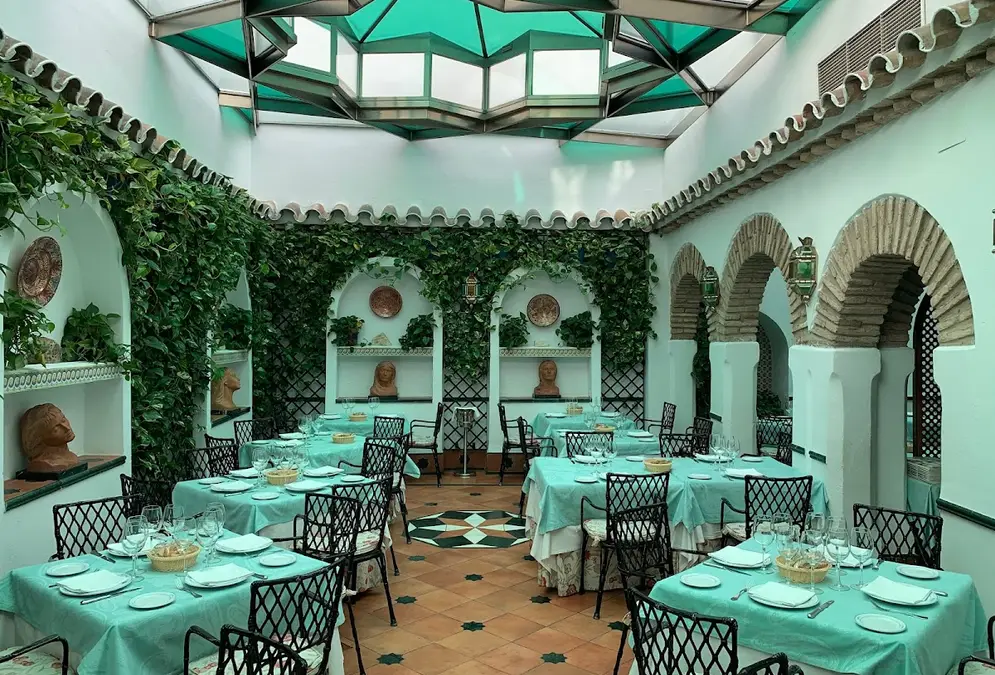
Bodegas Campos serves a definitive version in its century-old bodega. Taberna Salinas and Restaurante El Caballo Rojo do strong traditional interpretations. In the Judería, Casa Pepe serves a generous version that regulars come back for.
The gastronomic tour covers rabo de toro alongside other Córdoba classics in a three-hour circuit of historic tabernas.