
The tapa that catches people off guard
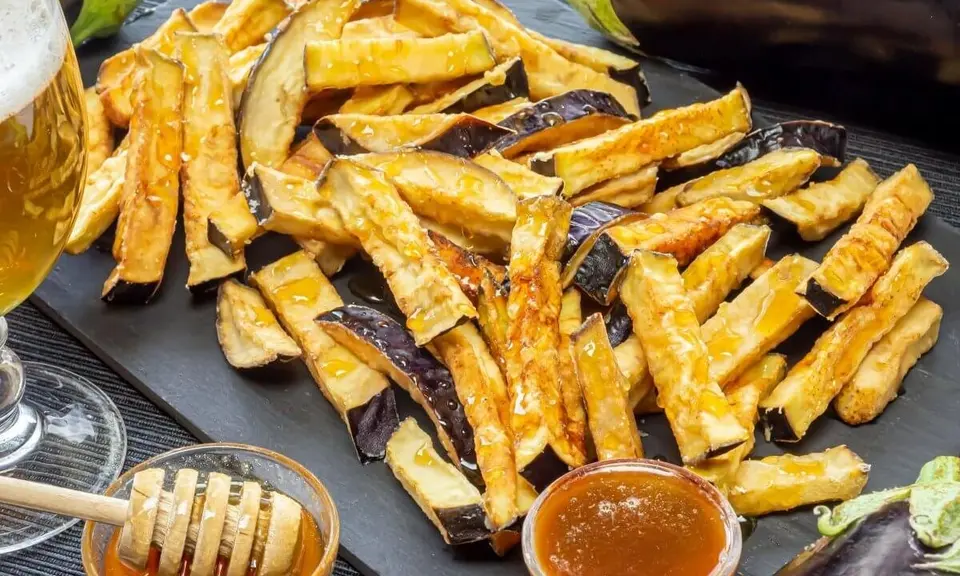
Order berenjenas con miel in a Córdoba bar and what arrives looks deceptively simple: golden rounds of fried aubergine, glistening with honey. The first bite lands differently than expected. The crust shatters, the inside is soft, and the honey — slightly warm, slightly floral — hits after the salt of the fry. It's one of those combinations that sounds strange on paper and makes complete sense in the mouth.
This is not a heavy tapa. Done well, it's light and immediate — the kind of thing you finish before you've decided whether you wanted more. It's also the tapa that most often stops visitors mid-conversation: the sweet-savoury contrast is unexpected enough that people want to know what they're eating before they finish it.
From the caliphate's kitchens
The pairing of honey with fried vegetables traces back to Al-Andalus. In the caliphate period, Córdoba sat at the centre of the most sophisticated culinary culture in medieval Europe. Aubergines, brought to the Iberian Peninsula by Arab agronomists, grew across the Guadalquivir valley and appeared in dishes alongside honey, cumin, and vinegar. The honey in question was miel de caña — a thick, dark sugarcane syrup that bears little resemblance to what fills jars today. It was sharp, intensely sweet, and produced widely in Andalusia's river plains.
When sugarcane cultivation declined after the Reconquista, bee honey replaced it. What's interesting is that the taste logic of the dish survived the ingredient change intact. The new honey did the same job: it cut the oiliness of the fry, added sweetness to balance the slight bitterness of aubergine, and left an aromatic finish. Medieval cookbooks of the Andalusian tradition, including texts compiled in 13th-century Al-Andalus, describe sweet-savoury fry preparations that follow this exact logic. The combination was deliberate culinary logic, not folk experimentation.
Today, most bars use orange-blossom honey from Córdoba's surrounding sierra, or eucalyptus honey from the foothills of the Subbética. These are single-flower honeys with clearly defined aromatics: orange-blossom runs light and floral, eucalyptus runs darker and medicinal. Some kitchens blend them with a cheaper wildflower base to moderate cost. The difference is noticeable on a good version of the dish. When the honey is orange-blossom from the Priego de Córdoba area (a region better known for olive oil but with serious apiculture), the finish carries a distinct citrus note that lingers after the aubergine is gone.
Aubergine matters more than most bars admit
The aubergine itself is not a fixed variable. Córdoba's markets in summer and early autumn carry several varieties, ranging from the large purple-black Italian type to smaller, more elongated Andalusian varieties with thinner skins and less bitter flesh. The smaller ones fry faster and absorb less oil. The thinner skins crisp more cleanly. Professional kitchens tend to use whichever is cheapest out of season — which in winter often means a larger, denser Spanish commercial variety that needs longer in the oil and produces a heavier, greasier result.
When you eat berenjenas con miel between July and October, the aubergines are local and the dish is at its best. In January or February, bars are working with imported or greenhouse produce and the texture is noticeably different. This is not a dish that transcends its ingredients.
One step that good bars do and bad bars skip: salting the sliced aubergine and leaving it for twenty minutes before frying. The salt draws out bitter moisture and changes the texture of the flesh. Rounds that haven't been salted absorb more oil in the fryer and taste heavier. It's hard to know from the outside whether a kitchen has done this, but you can taste the difference.
The fry: how it should work
The technique is simple and unforgiving in equal measure. Aubergine rounds are sliced thin, roughly half a centimetre, salted, patted dry, dusted with flour, and dropped into olive oil at high heat. The flour coating is minimal: enough to create a thin shell that seals the moisture in, not a thick batter. Bars that batter their berenjenas heavily are compensating for something, usually oil temperature control.
The oil matters. A Córdoba DOP extra-virgin, pressed from Picual or Hojiblanca olives, handles high heat better than cheaper refined oils and adds a faint grassy note that works with the honey. The olive oil tastings at local mills cover this in more depth, but the short version is that Córdoba sits inside a DOP zone and the oil quality in most traditional bars reflects it.
Temperature control is the real skill. Too cool and the rounds absorb oil; too hot and they colour before the centre cooks. A good fry takes ninety seconds to two minutes per batch. The rounds come out properly golden (not pale, not brown) and go onto paper immediately. Then, while still hot, the honey. Applied cold from the jar, it doesn't integrate with the crust. Warmed first, it runs into every gap and the sweet-savoury contrast lands properly. Some kitchens finish with a scatter of toasted sesame seeds, which add a third layer of texture and a nutty note that bridges the honey and the oil.
Tapas bar versus restaurant — not the same dish
This tapa exists in two registers, and they are genuinely different experiences.
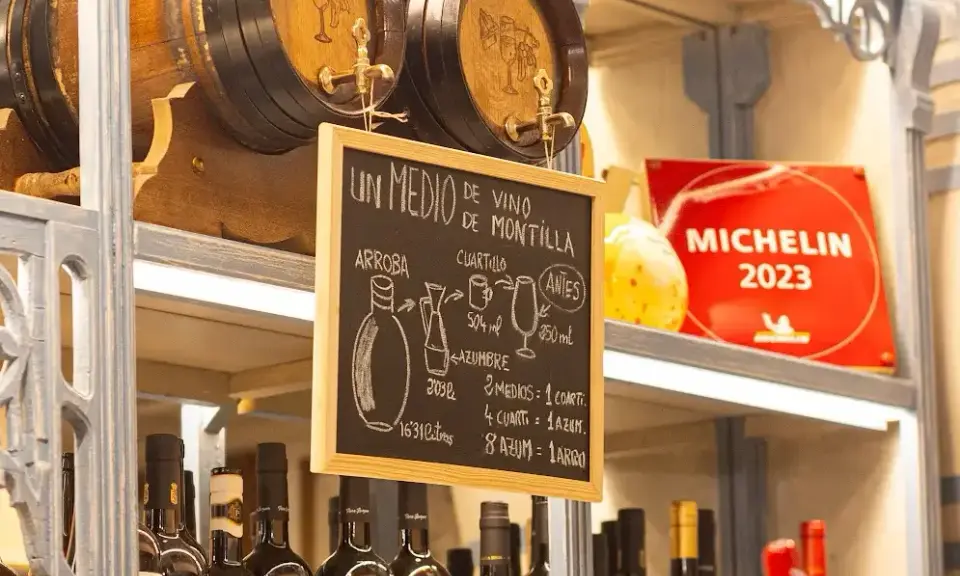
In a tapas bar (marble counters, barrels on the back wall, a TV showing football), berenjenas con miel arrives as a shared plate: five or six rounds on a small earthenware dish, drizzled immediately before being brought out, eaten standing or squeezed onto a tiny stool. The speed is part of the dish. There is no presentation, no garnish, no ceremony. The bar is probably loud. You order another drink while you eat.
In a restaurant, the same preparation gets plated properly, often with a reduction of Pedro Ximénez drizzled alongside the honey, sometimes with fresh herbs or a dusting of sea salt. The texture is usually better, with more attention to oil temperature and drainage, and the honey is likely to be single-flower rather than blended. The trade-off is cost and rhythm: restaurant berenjenas are calmer but lose something in the translation.
Locals eat both versions. The bar version is the everyday one: ordered because it's there, because it costs two euros, because the fryer is running. The restaurant version is ordered because someone at the table has never had them before, or because the menu lists the honey's origin.
For a first encounter, the tapas bar is the better introduction. The noise and the informality are part of the experience. A food tour of the city will almost certainly include them at a traditional bar rather than a restaurant, and that's the right call.
How to eat them
Stand at the bar if you can. Reach for a round while the honey is still warm and slightly runny. This is not a dish that benefits from cutlery and deliberation. The crust is the whole point; fork-and-knife destroys it. A paper napkin in the other hand handles the honey drip.
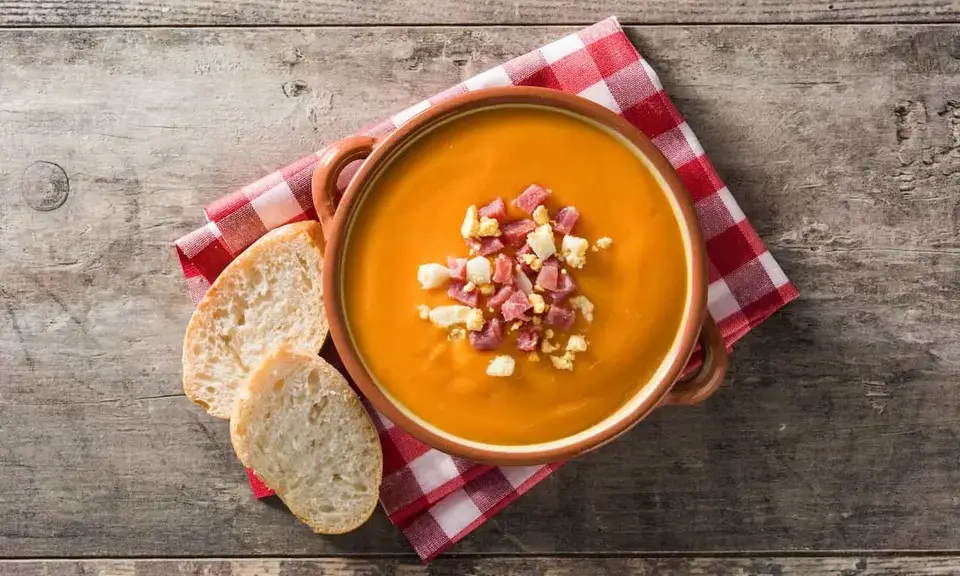
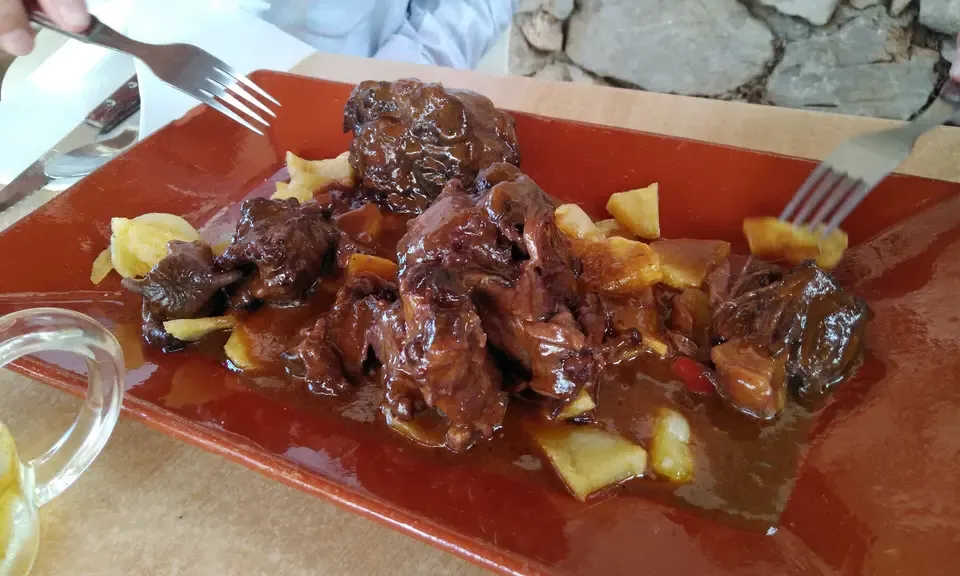
The standard Córdoba sequence: berenjenas con miel early, before the heavier plates. They work alongside salmorejo and cold tapas, or as the first hot thing before a main of rabo de toro. Ordering them after rich meat dishes is technically possible, but the lightness of a good fry gets buried.
Pairing
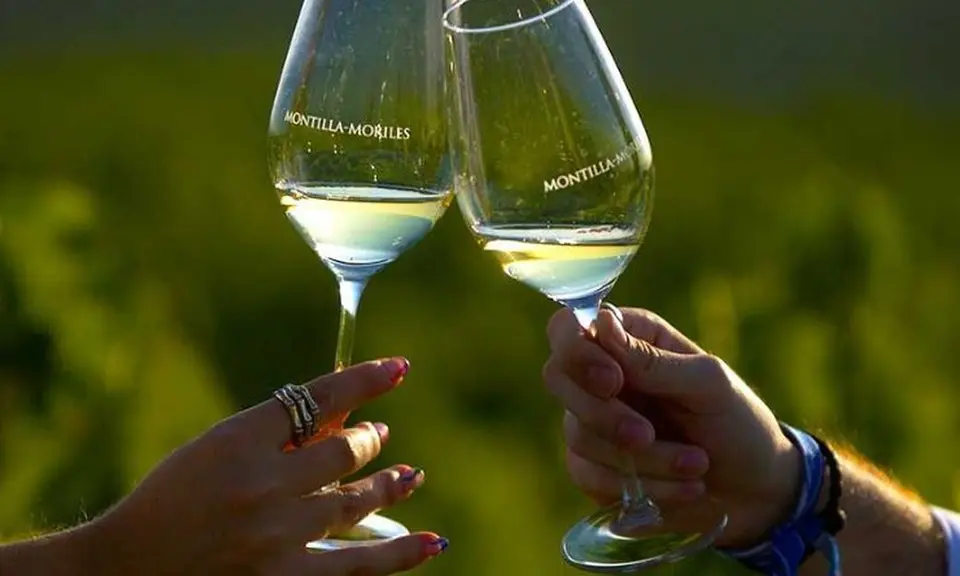
Eat them hot. The crunch-soft contrast degrades fast, so this is not a tapa for the middle of the table while everyone orders. A chilled Montilla-Moriles fino is the local match. Its dryness and slight bitterness balance the sweetness without fighting it. Amontillado, if the bar has one open, works even better: the extra depth mirrors the honey's floral notes.
Vermouth is the pairing most locals actually choose at midday, especially in summer. A house vermouth over ice, made from Montilla-Moriles base wine, has enough acidity and bitterness to reset the palate between rounds. It is possibly more common than fino as a lunchtime accompaniment to berenjenas, though you would not know this from tourist recommendations.
Rebujito at festival time, when the feria mood makes the sweet notes feel right. Pedro Ximénez if you want to push the sweetness further and lean into the Moorish heritage of the combination — at that point you are intentionally building a dessert register out of a tapa.
Where to find them in Córdoba
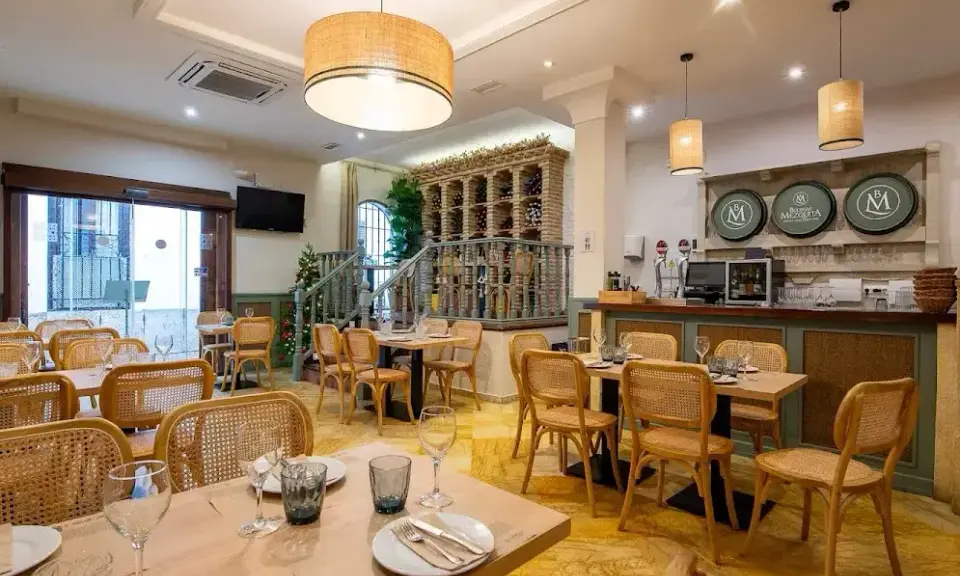
Most traditional tapas bars in the city serve them. In the Judería, Casa Pepe de la Judería and Bodegas Mezquita do reliable versions. Taberna Salinas follows an older recipe that keeps the honey light. Garum 21 occasionally offers a contemporary take that adds a PX reduction alongside the standard honey, two sweetnesses with different characters on the same plate.
For the most direct version (marble counter, olive oil fumes, no pretension), the small bars around the Mercado de la Corredera and in the San Basilio neighbourhood serve them as part of a working lunch crowd's rota, and the output is consistently honest.
Berenjenas con miel ranks fourth in our Must-Try Dishes in Córdoba guide, which covers the full range of dishes that define Cordovan cuisine. If you want to learn the technique, cooking classes in Córdoba often include them — it's one of the dishes that demonstrates early and clearly why olive oil temperature matters.