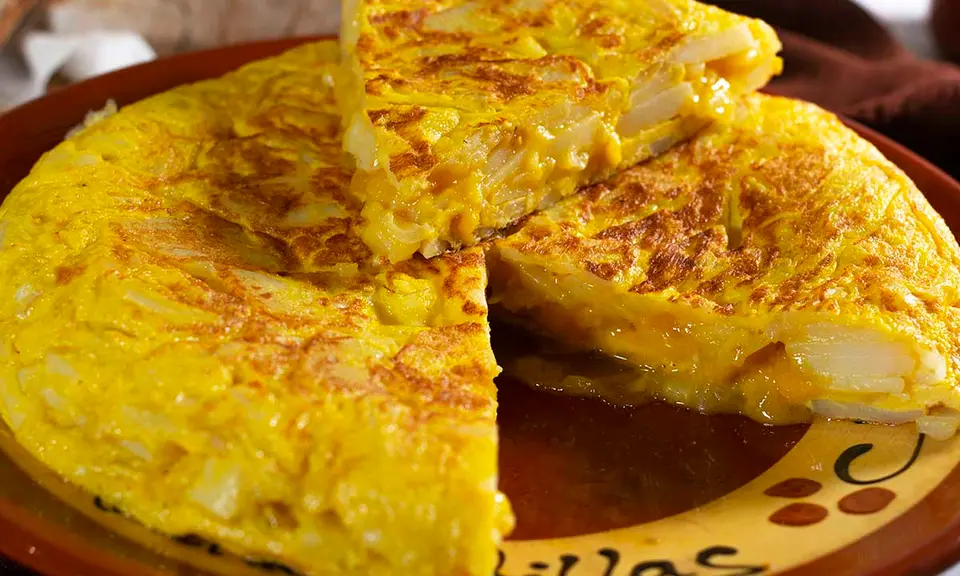

The dish with no off-season
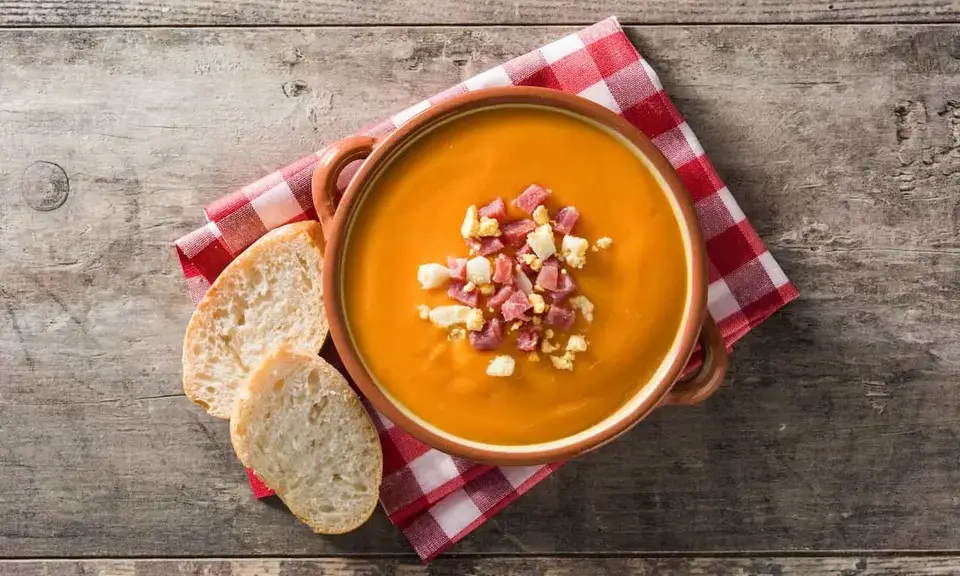
Tortilla de patatas shows up at breakfast, lunch, and midnight. It's on the bar top as a tapa, on the restaurant menu as a racion, and in the supermarket fridge as a last resort. In Córdoba it's as fundamental as salmorejo — one of those dishes where every bar has an opinion about how to do it right, and regulars form loyalty based on texture alone.
Three ingredients: potatoes, eggs, and olive oil. The onion question is genuinely divisive. Ask for con cebolla or sin cebolla and the bartender will have a view.
What the recipe actually requires
The potatoes are sliced thin and confited slowly in olive oil — not fried hard, but cooked gently until soft. They get salted, then combined with beaten eggs. The mix goes into a hot pan, the sides set, then comes the flip. A good tortilla is creamy at the centre — not raw, but not fully set either. The outside should be lightly golden, not brown.
This is harder than it sounds. The flip is where most home cooks lose it. The best bars in Córdoba make them fresh throughout the day, so the one you eat at 1pm is not the same one that went in the case at 10am.
Where to eat it
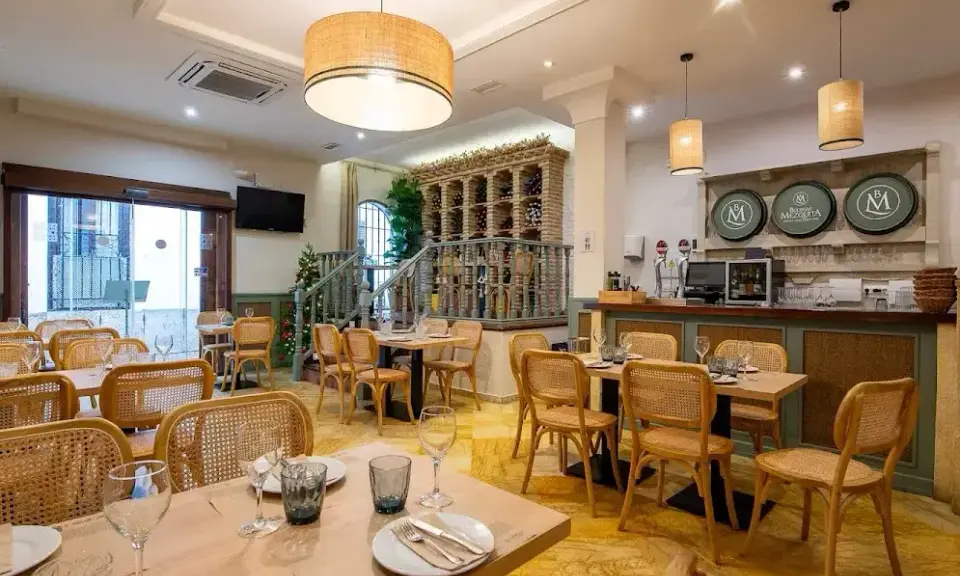
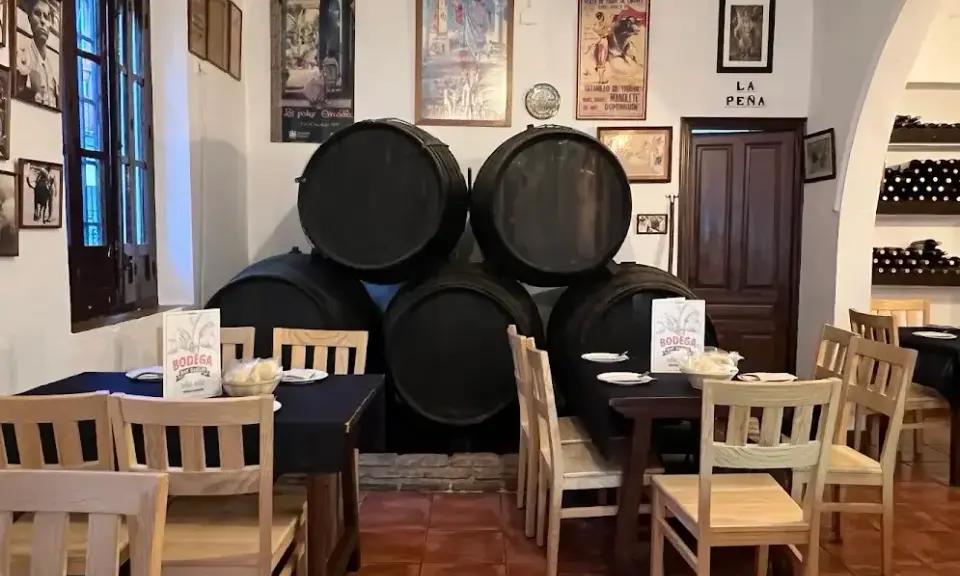
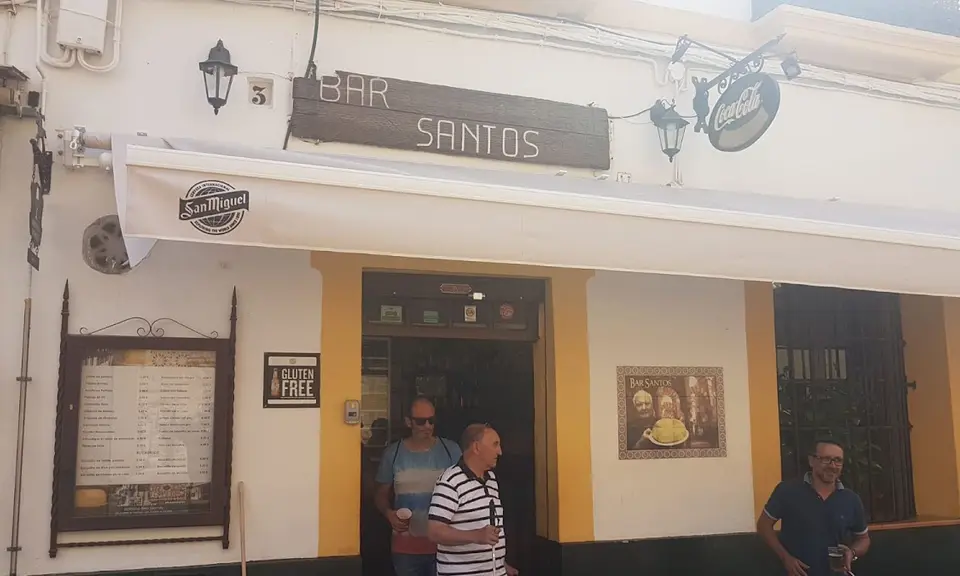
Bar Santos and Taberna Salinas are the reference addresses in Córdoba. Casa Pepe de la Judería and Bodegas Campos make generous versions that follow the classic recipe. In the popular neighbourhoods, local bars make fresh tortillas every morning — the best option for an early lunch.
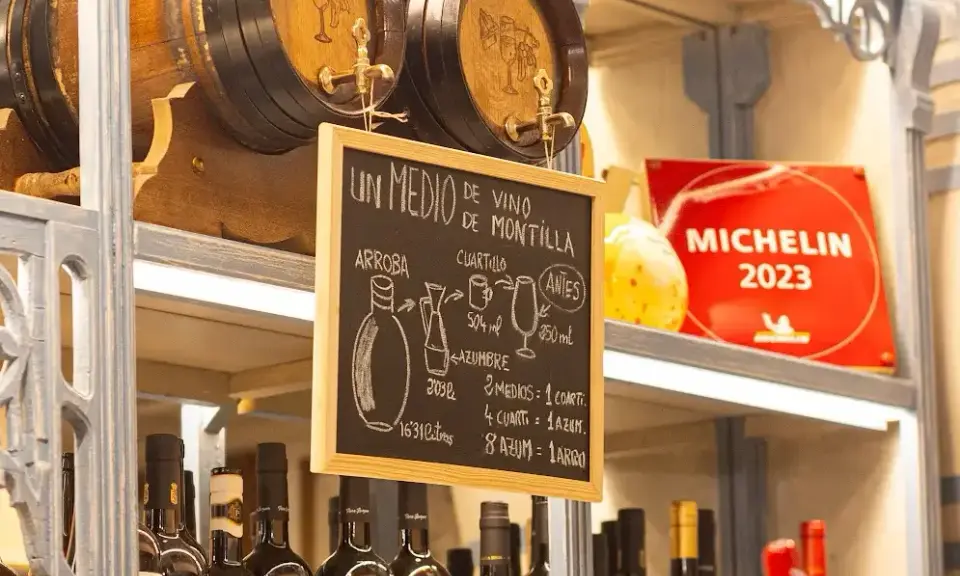
The natural drink is a chilled Montilla-Moriles fino. The dryness and slight bitterness of the wine work against the richness of the eggs and oil without overwhelming the potato flavour.
A note on history
Tortilla de patatas appears in written records from the early 19th century, after the potato had established itself in Spanish cooking. Its precise origin is contested — multiple regions claim it — but it settled into a genuinely universal symbol of Spanish bar food fast enough that the argument about who invented it has mostly stopped mattering.