Wellness Guide
Wellness in Córdoba
Córdoba rewards those who slow down. Arab baths restored from the 10th century, natural pools in the Sierra Morena, spa hotels with Roman pools, and gardens where the city noise simply stops.

Written by
María Fernanda González Ten years covering Córdoba's UNESCO heritage sites, sourcing from Junta de Andalucía documentation.
Updated Published
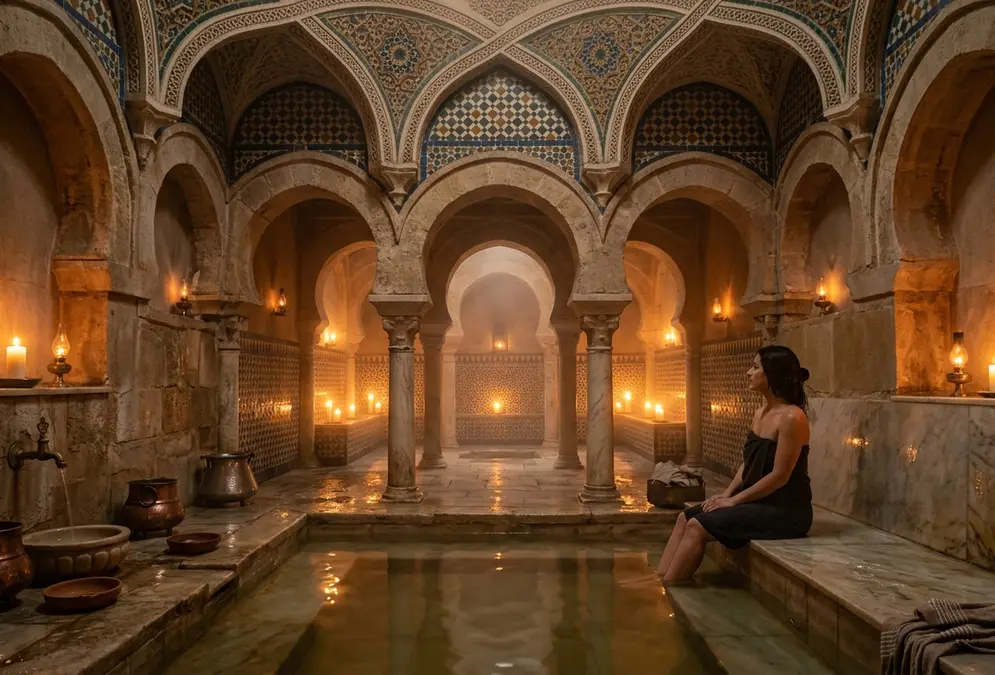
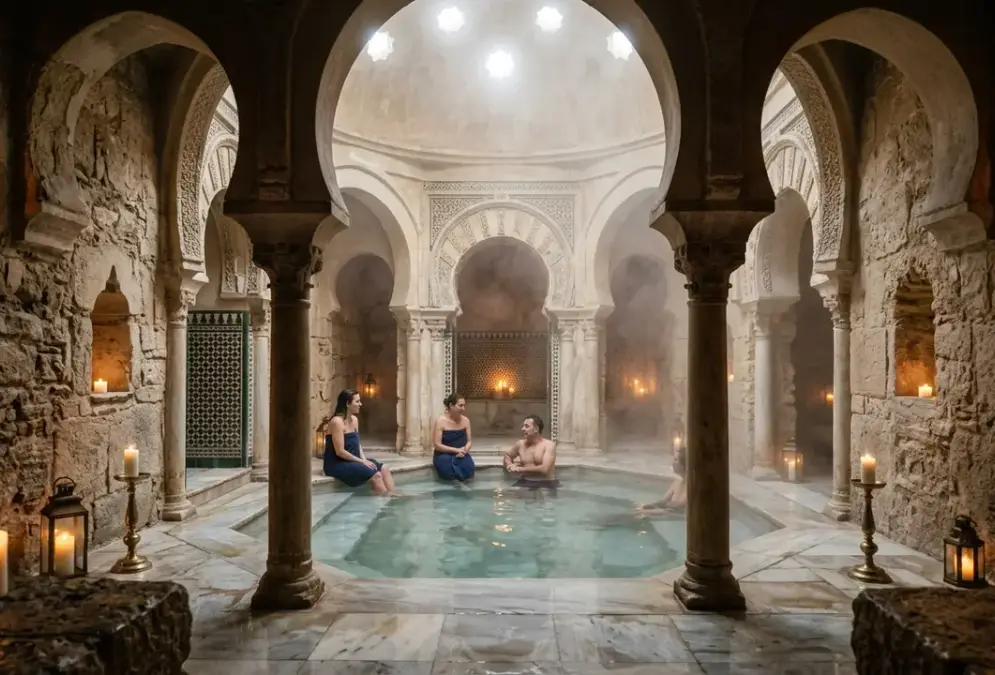
Wellness tourism in Córdoba predates the concept by a millennium. The city that gave Al-Andalus its hammam culture — public baths as social ritual, not luxury — still carries that tradition in living form. Hammam Al Ándalus operates in the Judería on the same thermal circuit principle as the medieval bathhouses: cold pool, warm pool, hot pool, steam, rest. The architecture is restoration, not recreation; the stones are original.
Beyond the hammam, the city offers a different kind of wellness: the unhurried pace of a place that has survived fifteen centuries of history. Gardens planted by Umayyad caliphs. Courtyards where water sounds more present than traffic. Mountain pools an hour's drive away where the water stays cold through June. Six hotels with spas or pools that feel like a retreat within the city.
This guide covers each in practical detail — when to go, what to book, what to expect.
At a glance
- Top hammam
- Hammam Al Ándalus — Judería
- Best season
- October to May (mild, no crowds)
- Hammam from
- €12 per person (circuit only)
- Natural pools
- Sierra Morena, 20 min from centre
- Spa hotels
- 6 hotels with wellness facilities
- Peaceful gardens
- Alcázar, Jardín Botánico, Agricultura
In this guide
Jump to a section
Hammam Al Ándalus Arab Baths
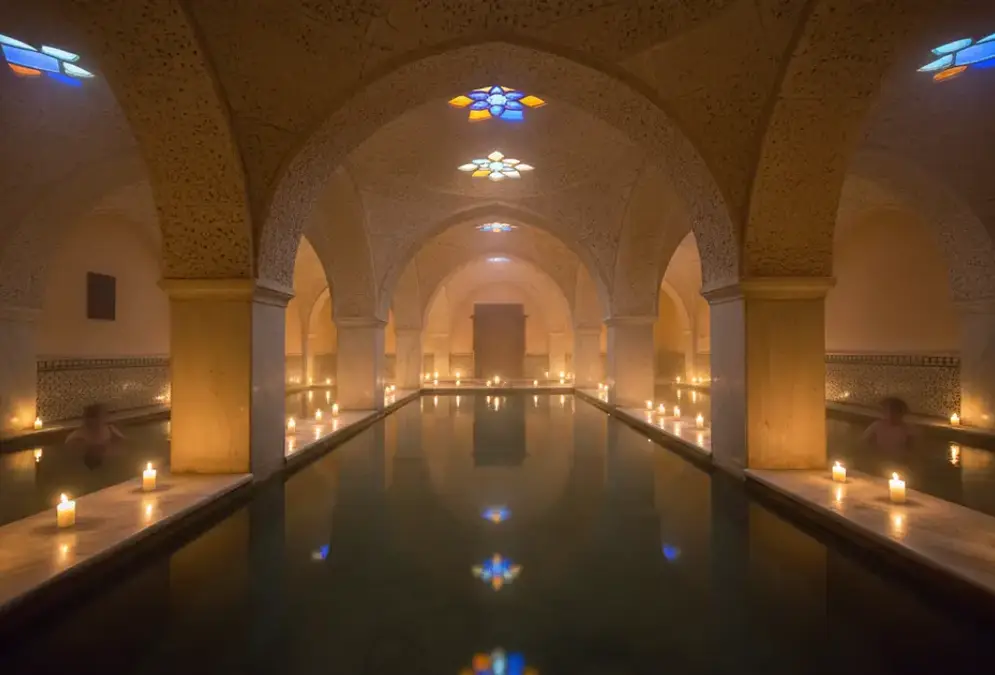
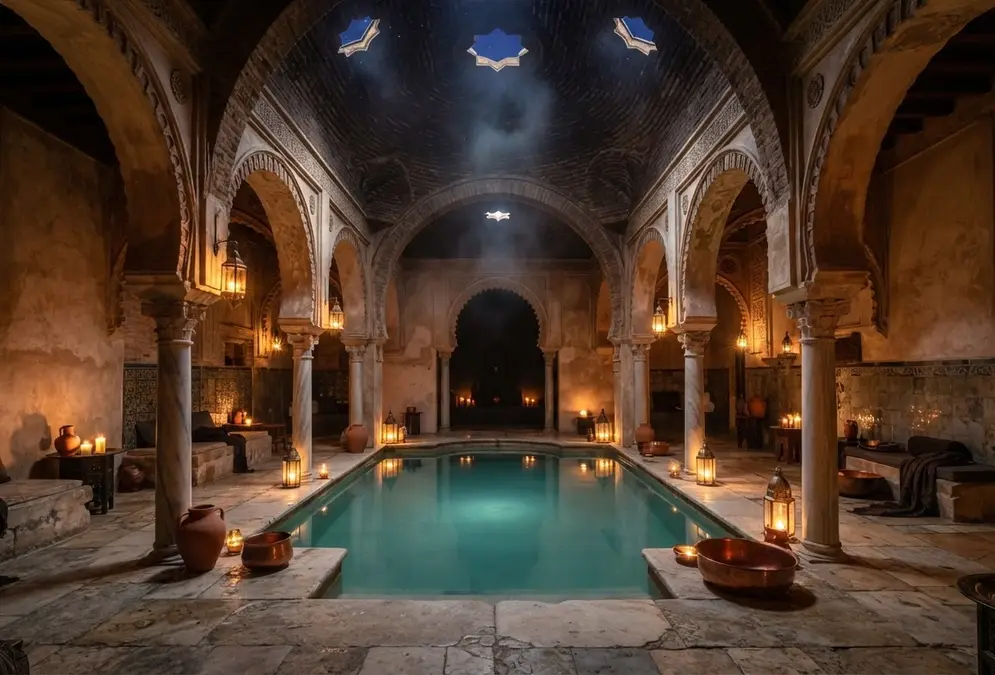
The Arab bath tradition died with the Reconquista — Philip II closed the last hammams in 1567, declaring them a threat to public order and Christian morality. Hammam Al Ándalus reopened the practice in Córdoba in 1998, in a restored building near the Mezquita. The thermal circuit — pools at 18°C, 36°C, and 40°C — follows the original hydrotherapy sequence.
The 90-minute circuit costs €12 and gives access to all pools, the steam room, and a relaxation lounge with mint tea. Add-on massages (aromatherapy, exfoliation, hot stone) raise the price to €40–67 depending on package length. The Especial package at €67 includes a 30-minute massage — the most popular choice for couples.
Booking advice
Book online at least 48 hours ahead. Evening slots (9pm, 11pm) have candle lighting and fewer visitors — worth the extra planning. The 11am–1pm window is the quietest daytime option. Bring flip-flops and a swimsuit; towel and robe are provided.
For a full breakdown of the thermal circuit and what to expect on your first visit, see the Córdoba hammam guide. Prices change from time to time, so check the Hammam Al-Ándalus tickets guide for the current package comparison before you book.
What's included
- Full thermal circuit (18°C cold pool, 36°C warm pool, 40°C hot pool)
- Steam room access
- Relaxation lounge with mint tea
- Robe and towel
- 90-minute session (can extend if not busy)
Wellness activities in Córdoba
Nature & Natural Pools
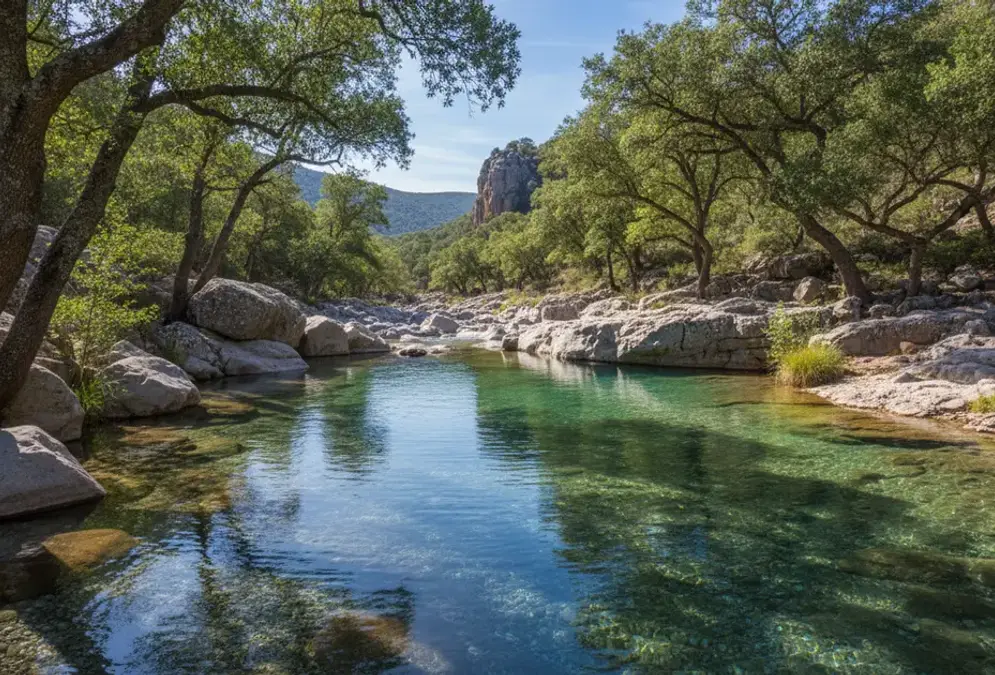
The Sierra Morena mountains begin within 20 kilometres of central Córdoba, and with them a different wellness register: cold spring water, pine forest, complete quiet. Los Villares nature park is the nearest option — a forest reserve with natural pools fed by the Guadalquivir headwaters, accessible by car in around 30 minutes from the city centre.
Water levels peak in May and June, after the spring rains but before summer heat drops the flows. By August the pools are warm and shallower; by October the temperatures are bracing but the forest is at its most colourful. The site has no facilities beyond basic parking — bring water, food, and sun protection.
AguaSierra water park (Hornachuelos, 40 minutes) offers a managed alternative with slides, pools, and shade structures — suited to families and those who want a full day's water activity without wilderness logistics.
Summer heat note
In July and August, Sierra Morena temperatures regularly hit 36–40°C by midday. Start hikes before 9am and be back at the pool by 11am. Carry 2 litres of water per person minimum.
Spa & Wellness Hotels
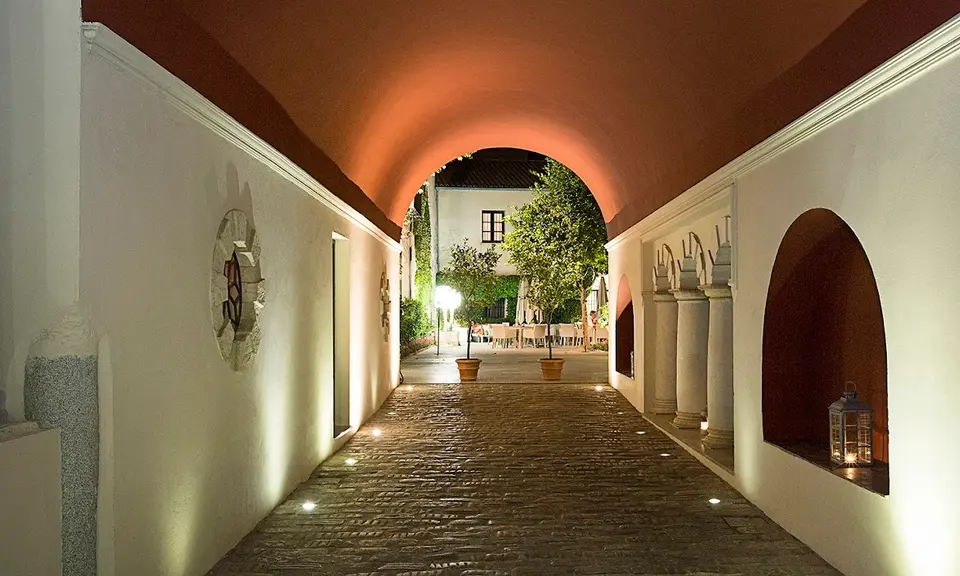
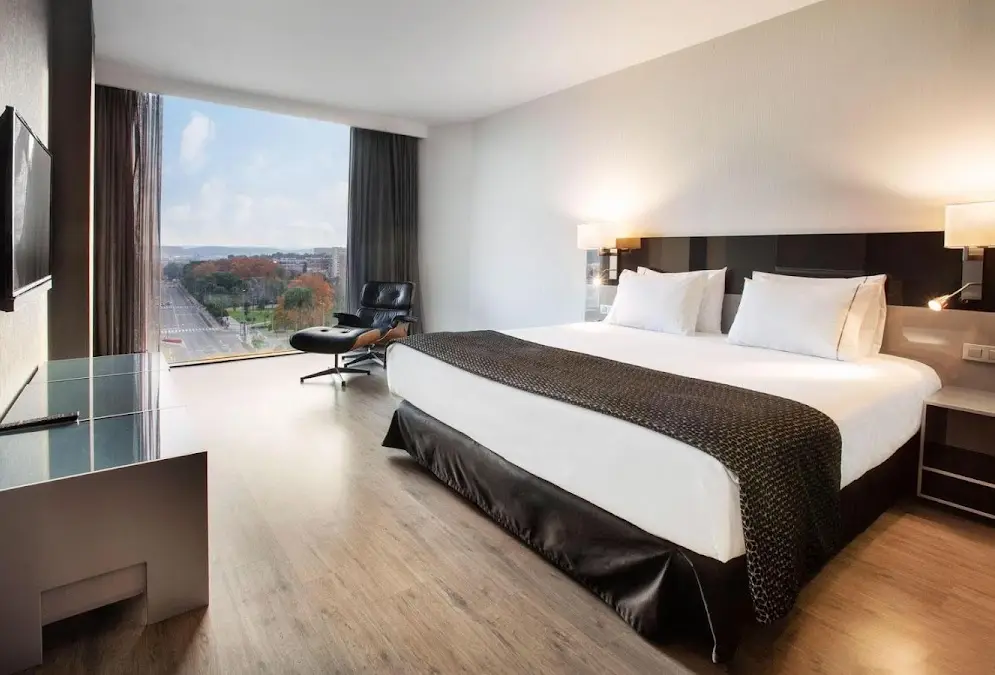
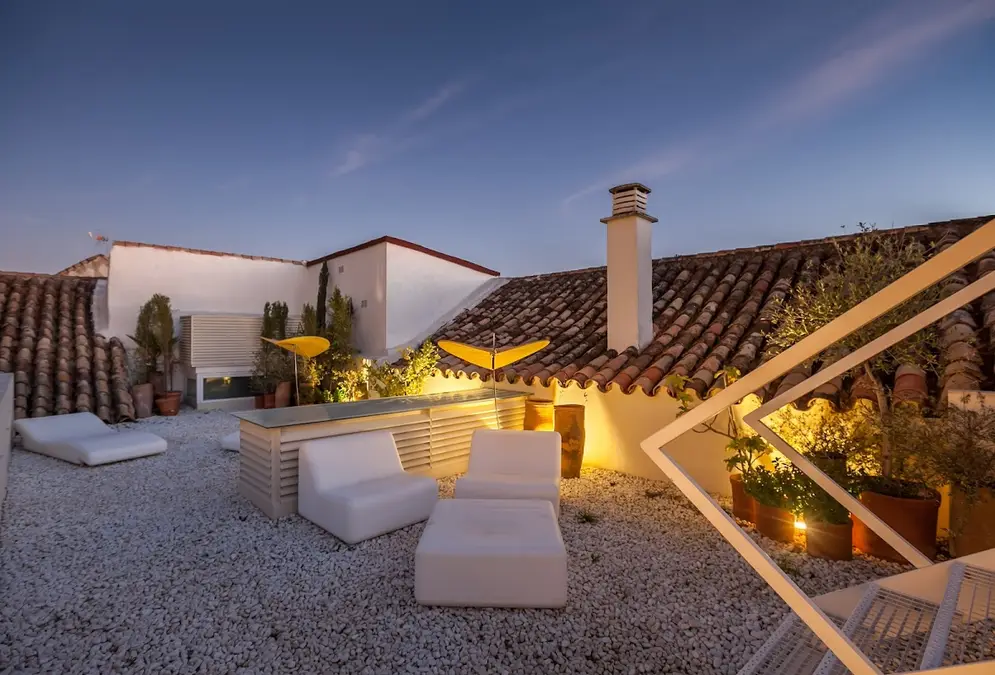
Six hotels in Córdoba offer meaningful wellness facilities — not just a gym and a sauna, but spa circuits, pools, hammam treatments, or thermal areas. Three stand out:
- Hospes Palacio del Bailio — an 18th-century palace with a Roman archaeological basement converted into a spa. The outdoor pool sits above original Roman remains. The most architecturally remarkable wellness experience in the city.
- Eurostars Palace — modern hotel with a full indoor pool and wellness centre, five minutes from the Mezquita. Reliable and comfortable without historic pretension.
- Parador de Córdoba — on the hill above the Mezquita in a former palace, with the largest outdoor pool in the city-centre hotel stock and gardens that stay green through summer.
Hotels with wellness facilities
Gardens & Peaceful Spaces
The Alcázar de los Reyes Cristianos gardens are the city's most ordered green space — terraced pools, fountains, and topiary maintained since the 14th century. Entry is included with the Alcázar ticket (€7). Early morning visits (9–10am) give near-solitude before tour groups arrive.
The Jardín Botánico de Córdoba is less visited but more quietly extraordinary. Founded in 1987 on a former caliphate site, it holds 1,200 plant species including Andalusian medicinal herbs and endangered Iberian flora. Free to enter; open Tuesday to Sunday 10am–8pm (shorter hours in winter).
The Jardines de la Agricultura, across the river from the old town, are the local's version of park life: wide paths, old trees providing shade, no admission fee, and a fountain-dotted expanse where residents walk dogs and children in the early evening. It's unremarkable and therefore genuinely restful — no crowds, no audio tours.
Best times for garden visits
- Alcázar gardens: 9–10am or the final hour before closing (5pm in winter, 8pm in summer)
- Jardín Botánico: Tuesday morning or any weekday afternoon
- Jardines de la Agricultura: 6–8pm, when locals use the paths for evening walks
- Patio season (May): private courtyards in the Judería and Axerquía are open free for three weeks
Eating for Wellness
Córdoba's culinary tradition is built on the Mediterranean diet in one of its older regional forms — olive oil from the Montilla-Moriles zone, vegetables preserved by the Arab culinary heritage (aubergines, courgettes, chickpeas), fresh fish brought in from Cádiz. It is not a "wellness cuisine" in the branded sense, but it is nutritionally sound and largely plant-forward.
For vegetarian and plant-based options specifically, Mercado Victoria (indoor food market, Paseo de la Victoria) is the most reliable single location: several stalls there cover vegetarian and vegan dishes alongside the conventional meat-and-fish options, more choice than most standalone restaurants in the old town offer.
Salmorejo — the cold tomato and bread emulsion that is Córdoba's defining dish — is plant-based by default, olive oil-rich, and best ordered in the cooler months when the quality is highest. It appears on virtually every menu in the old town.
Olive oil culture
The region around Córdoba (Montilla, Priego de Córdoba) produces some of Spain's finest extra-virgin olive oil. Tasting sessions are available through the city — a 90-minute session covers production, tasting protocol, and regional varieties. More useful than a wine tasting for understanding local food culture.
Frequently Asked Questions
Frequently asked questions
What is Hammam Al Ándalus in Córdoba?
Hammam Al Ándalus is a traditional Arab bath complex in the Judería quarter, operating since 1998. It offers a thermal circuit of cold, warm, and hot pools in a restored 10th-century building, along with optional massage treatments. Admission starts at €12 for the 90-minute circuit alone; full packages including massages range from €40 to €67.
Do I need to book the hammam in advance?
Yes — Hammam Al Ándalus is popular and fills quickly, especially at weekends and evenings. Book online at least 48 hours ahead. The 9pm and 11pm evening slots are best for atmosphere and quieter crowds; daytime slots (10am–1pm) are the least busy.
Are there natural swimming pools near Córdoba?
Yes. The Sierra Morena foothills north of the city have several natural swimming spots accessible by car in 20–40 minutes. Los Villares nature park is the closest option with clear pools in a forest setting. Water levels are highest and clearest in May–June, after spring rains but before summer heat.
Which hotels in Córdoba have spas or pools?
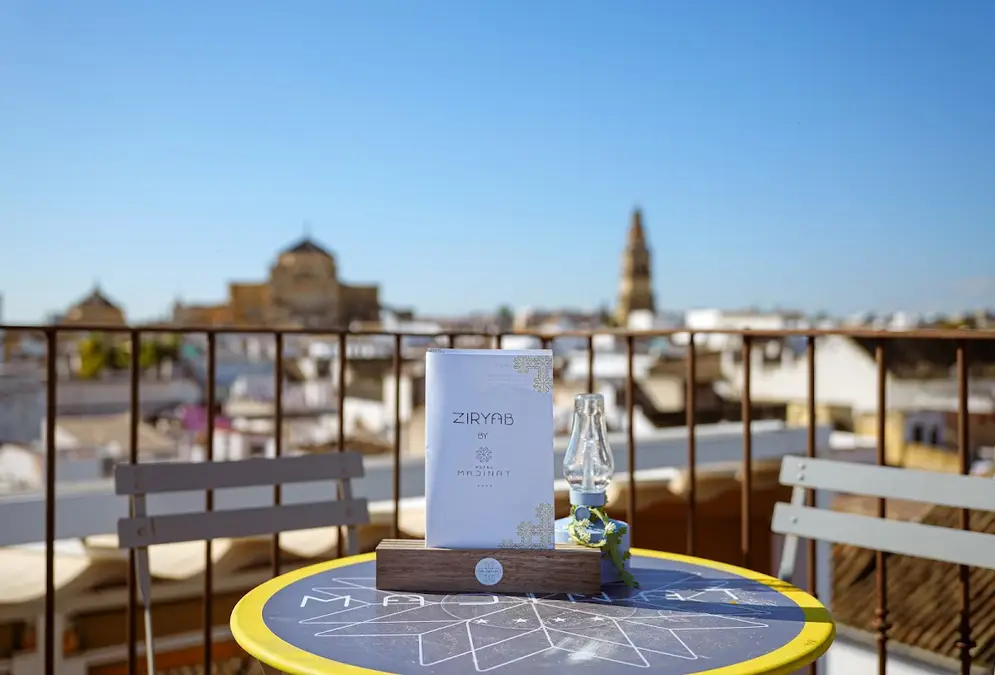
Six hotels have notable wellness facilities: Hospes Palacio del Bailio (outdoor Roman pool), Eurostars Palace (indoor pool and spa), Hotel Madinat (spa and hammam), Hotel Viento10 (rooftop pool), Las Casas de la Judería (courtyard pool), and Parador de Córdoba (large outdoor pool with views).
What is the best time of year for a wellness trip to Córdoba?
October to May. Summer (June–September) temperatures regularly exceed 38°C, which rules out outdoor walking and makes daytime sightseeing uncomfortable. Autumn and spring give mild weather ideal for garden walks, hammam visits, and Sierra Morena day trips. Winter is quiet and peaceful — cold enough for the hammam to feel genuinely restorative.