Eat like a local
Street Food in Córdoba
Córdoba is not Bangkok. There are no hawker stalls on every corner, no sizzling woks on the pavement. But there is a way of eating here that is fast, standing, shared, and deeply local. It happens at bar counters in the Judería, at spring snail stalls that vanish with the heat, and at festival grounds where the smell of grilled pork and fried cuttlefish cuts through the night air.

Written by
Pedro Del Pozo Seven years covering Córdoba's gastronomy, taberna culture, and the Montilla-Moriles DO.
Updated Published
Street food at a glance
- Best area
- Judería & Centro
- Best times
- 13:00 lunch, 20:00 evening
- Price range
- €2.50-6 per item
- Peak season
- Spring (Feb-May)
- Signature dish
- Flamenquín
- Drink pairing
- Fino de Montilla-Moriles
In this guide
Jump to a section
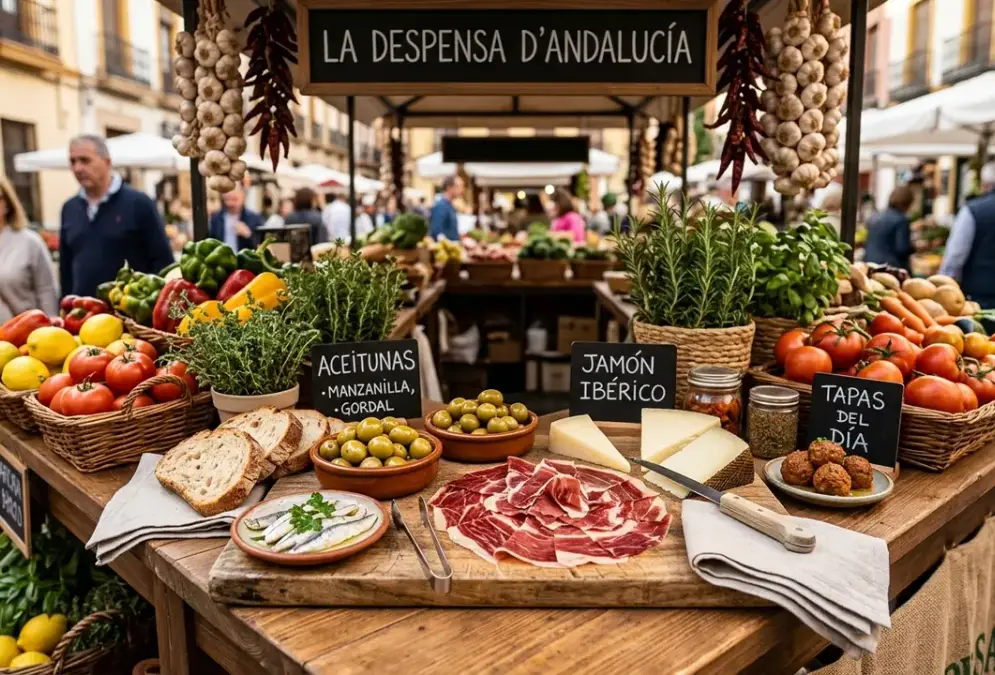
What Street Food Means in Córdoba
The concept of street food in Córdoba is different from what you might expect. There are no food trucks parked on the Paseo de la Ribera. Nobody is selling tacos from a cart outside the Mezquita. What Córdoba has instead is a deeply rooted culture of eating quickly, on your feet, at the bar.
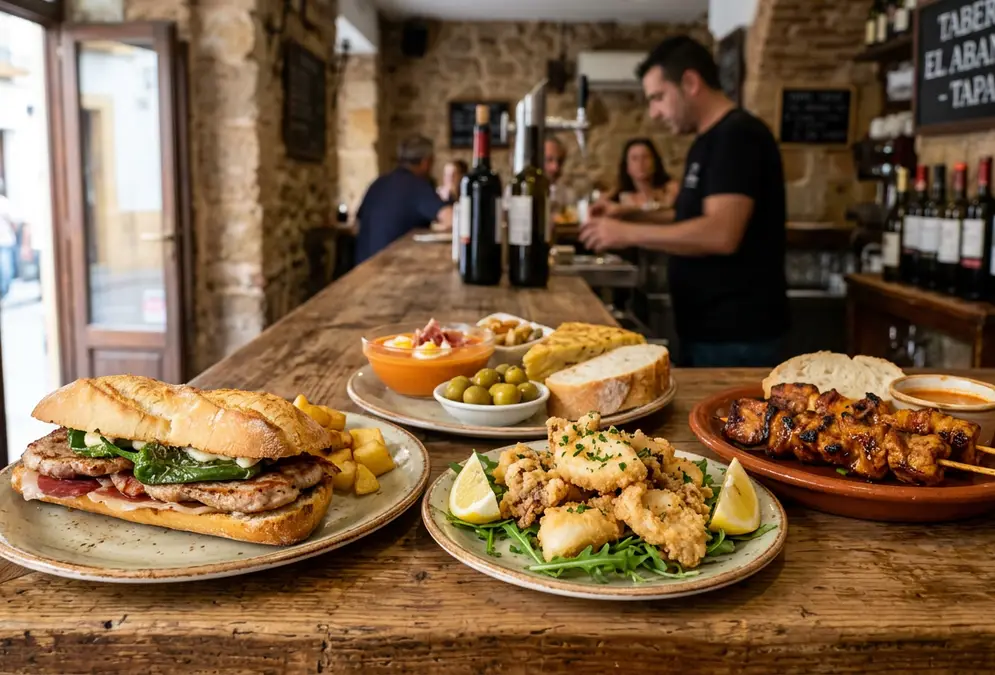
The bar counter is the street food stall of southern Spain. You walk in, you order a flamenquín cut into rounds and a glass of fino, you eat standing up, you pay, you leave. The whole transaction takes fifteen minutes. Then you do it again at the next bar. This is the tapeo, and it is the closest Córdoba comes to street food as a daily practice.
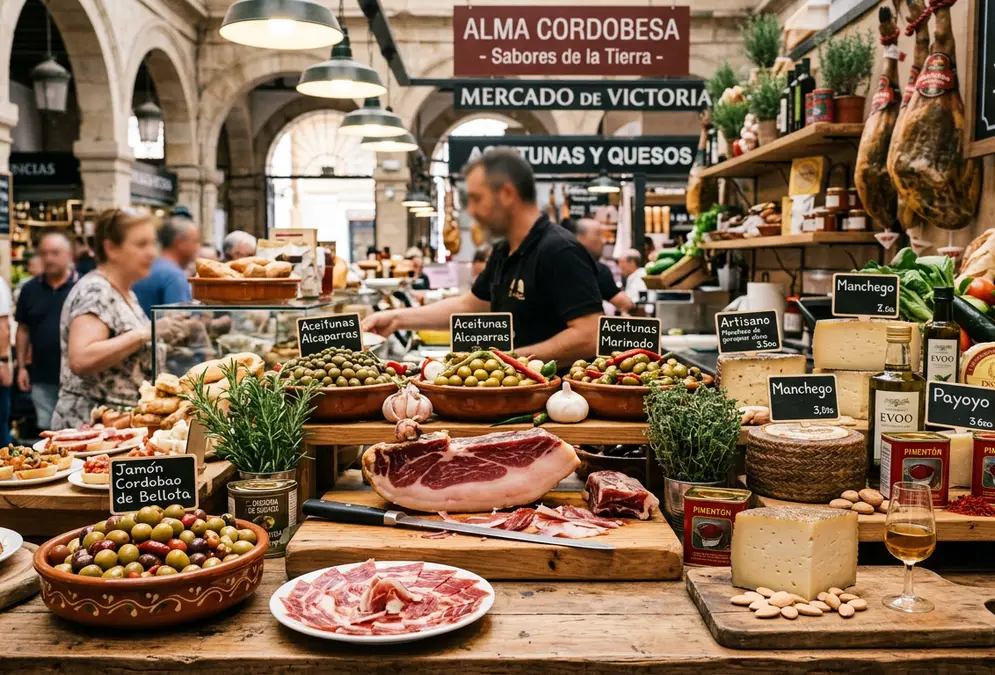
The exceptions are seasonal. In spring, caracol stalls appear on street corners and plazas across the city, selling bowls of snails in spiced broth for a few euros. During the Feria de Córdoba in late May, temporary food stands serve grilled meats, chocos fritos, and empanadas to crowds until the early hours. And at Mercado Victoria, Córdoba's food market, you can graze from stall to stall in a way that feels genuinely close to street food culture.
Seasonal Street Food Calendar
Córdoba's food scene shifts with the seasons more than most Spanish cities. What you can eat on the street in February is nothing like what you find in August. Here is what to expect month by month.
Spring (February to May)
The peak season. More food happens on the street in these four months than in the rest of the year combined.
- + Caracoles stalls open across the city (Feb onwards)
- + Crosses of May (early May): bars set up street stalls in decorated plazas
- + Feria (late May): festival food stands, grilled meats, chocos fritos, empanadas
- + Patio Festival (early May): some patios serve drinks and small bites
Summer (June to September)
Too hot for outdoor stalls. The action moves indoors to air-conditioned bars and evening terraces.
- + Salmorejo replaces hot food as the default order
- + Berenjenas con miel at their seasonal best
- + Rebujito (fino + lemon soda) is the drink of choice
- + Evening terraces open after 21:00 when the heat finally breaks
Autumn (October to November)
The transition season. Lighter dishes give way to hearty cooking.
- + Roasted chestnut carts appear on the streets (Oct-Nov)
- + Rabo de toro (oxtail) returns to bar menus
- + Best weather for long tapeo sessions in the Judería
Winter (December to January)
The quietest season for street food, but bar counters never stop.
- + Christmas markets with seasonal sweets (Dec)
- + Stews and braised dishes at every bar counter
- + Flamenquín and empanadas are at their best in cooler weather
The 7 Essential Street Food Dishes
These are the dishes you eat quickly, standing up, with your hands or a toothpick. Some are uniquely Córdoban. Others are shared across Andalusia. All of them are best eaten at a bar counter or a festival stand, with a cold drink in the other hand.
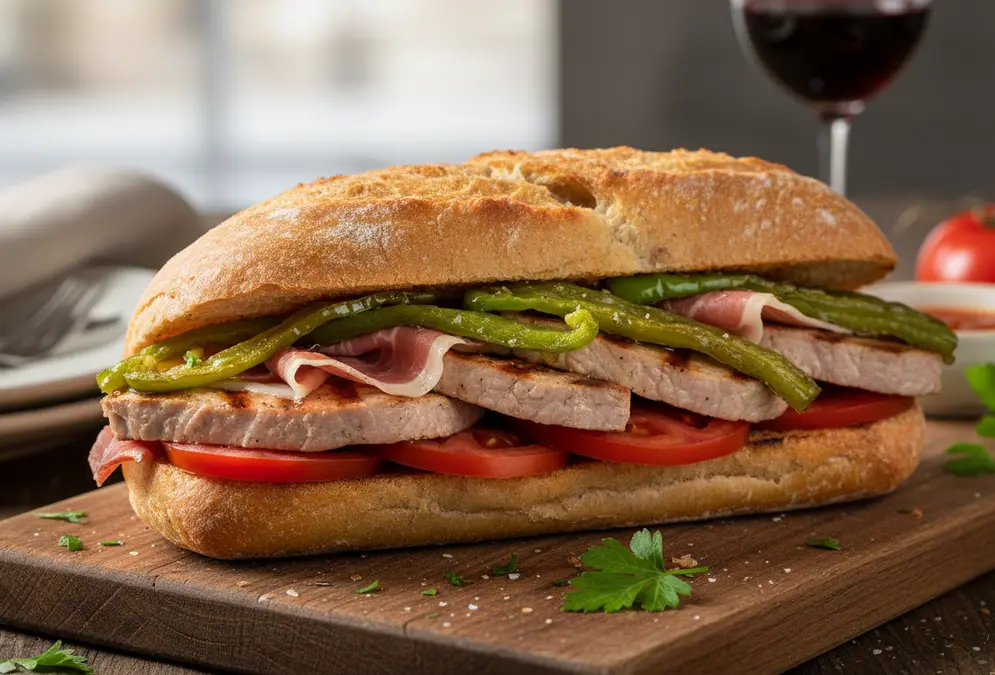
Serranito
SandwichThe Andalusian answer to fast food. A toasted roll stuffed with grilled pork loin, cured ham, fried green pepper, and tomato. Invented in Seville but perfected in every bar across southern Spain. You eat it standing up, napkin in hand, trying not to drip.
Season: Year-round
Pairs with: Ice-cold cerveza
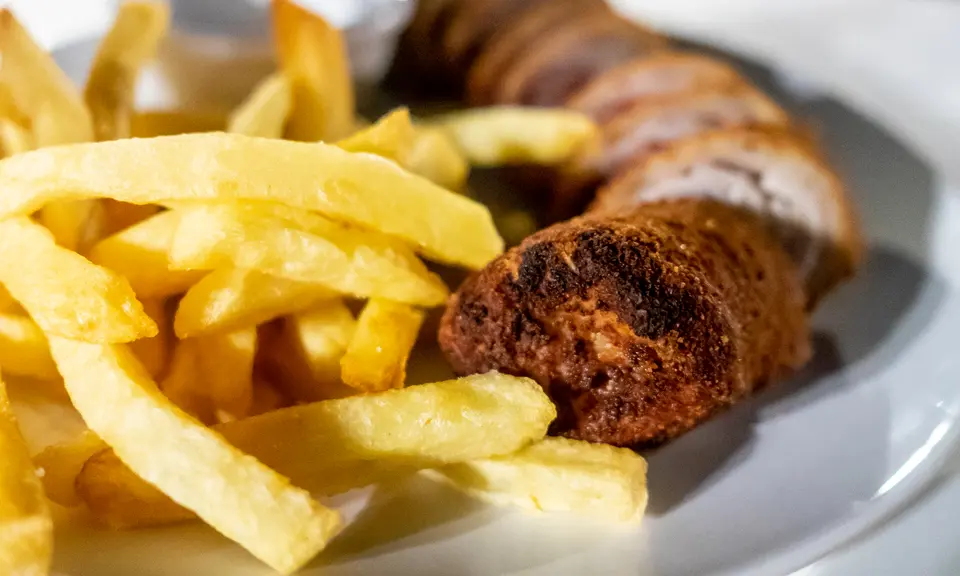
Pork loin wrapped around serrano ham and cheese, breaded, deep-fried. A Córdoban invention. The name supposedly comes from the blonde Flemish soldiers of Charles V's army. Cut into thick rounds and shared at the bar counter, never eaten alone.
Season: Year-round
Pairs with: Fino de Montilla or cerveza
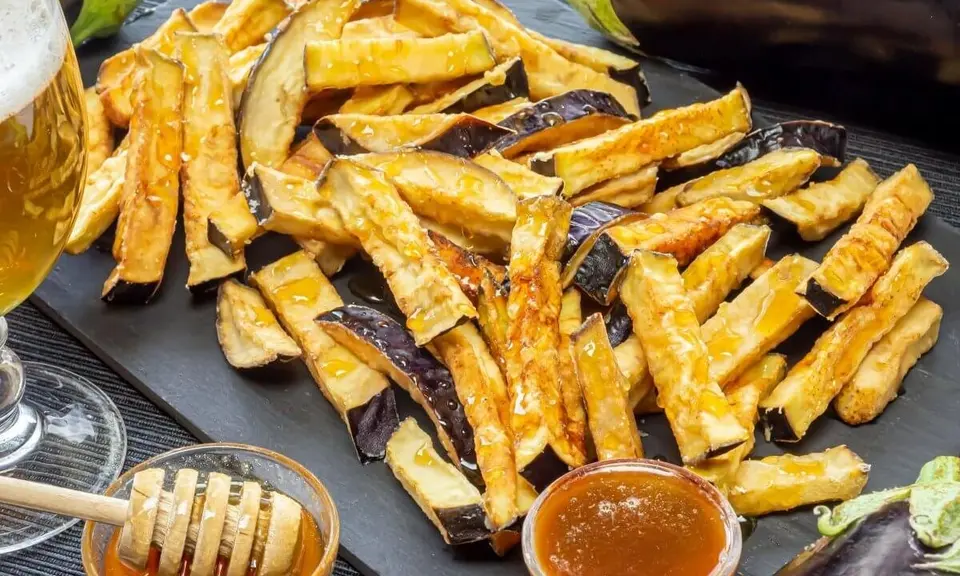
Berenjenas con Miel
Fried vegetableThin slices of aubergine fried in olive oil until crispy, then drizzled with cane honey. The sweet-savoury contrast is quintessentially Andalusian. Available at almost every tapas bar, and one of the best vegetarian options you will find.
Season: Summer favourite, available year-round
Pairs with: Fino or rebujito
Caracoles
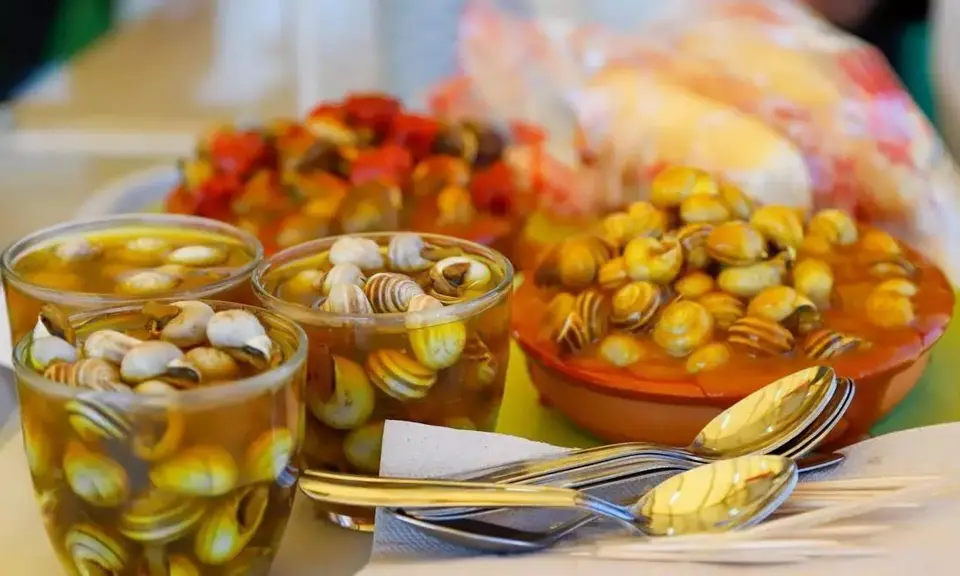
Seasonal specialitySpring in Córdoba means snails. From February to May, more than 35 pop-up stalls appear across the city selling caracoles simmered in aromatic broth with cumin, mint, and chilli. Locals queue on their lunch break. The stalls vanish when the heat arrives.
Season: February to May only
Pairs with: Cerveza
Strictly seasonal — February to May only. Not available at regular bars outside this window.
Chocos Fritos
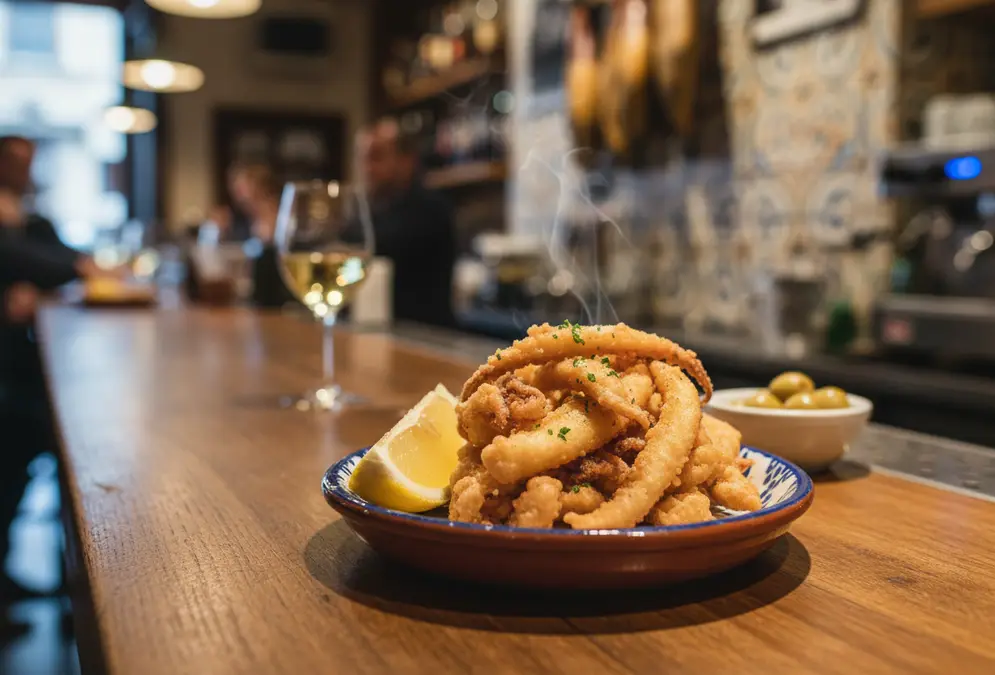
Fried seafoodCuttlefish rings dusted in seasoned flour and fried until golden. A bar-counter staple borrowed from the coast of Cádiz and adopted across Andalusia. Served in paper cones at festivals and on small plates in tapas bars.
Season: Year-round
Pairs with: Fino or cold cerveza

Empanadas Cordobesas
PastrySmall pastry pies with Moorish roots, filled with spiced meat, vegetables, or salt cod. The dough is flaky and enriched with olive oil. You find them at bakeries, market stalls, and during festivals. Each family has its own filling recipe.
Season: Year-round, especially during feria
Pairs with: Montilla-Moriles amontillado
Pinchos Morunos
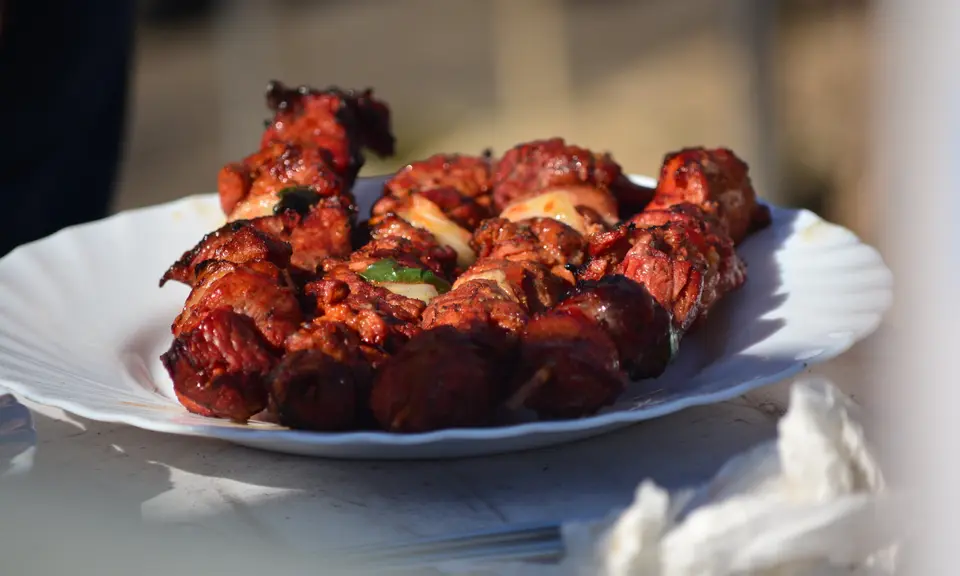
Grilled skewerSmall skewers of pork marinated in a Moorish spice blend of cumin, pimentón, turmeric, and garlic. The name translates to 'Moorish bites' and the recipe is a direct legacy of Al-Andalus. Grilled over charcoal at bars and festival stands.
Season: Year-round, especially at festivals
Pairs with: Tinto de verano or cerveza
Where to Find Street Food in Córdoba
There is no single street food district. The best bites are scattered across bar counters, a renovated market hall, seasonal stalls, and festival grounds. Here is where to look.
Mercado Victoria
Córdoba's renovated gourmet food market, inside a restored 19th-century iron-and-glass pavilion near the Jardines de la Victoria. Over 20 stalls sell everything from ibérico ham to sushi. The closest thing Córdoba has to a proper street food hall.
Go at lunch for the best atmosphere. Many stalls close by 17:00.
Bar counters in the Judería
The medieval Jewish quarter is where tapas culture lives most intensely. Bars like Taberna Salinas, Casa Pepe de la Judería, and Bodega Guzmán serve small plates at the counter. You order standing up, eat quickly, move on. This is the closest Córdoba comes to street food as a daily ritual.
Start at 13:00 for the local lunch crowd. By 14:30 the counters are packed.
Feria de Córdoba stands
During the Feria de Nuestra Señora de la Salud (late May), temporary stalls and casetas serve grilled meats, chocos fritos, empanadas, and pinchos morunos alongside rivers of rebujito. The closest Córdoba gets to open-air street food culture.
The public casetas are free to enter. The food is better (and cheaper) than the private ones.
Caracol stalls (spring only)
From February to May, makeshift snail stalls pop up across Córdoba. Plaza de la Corredera, the Judería, and residential neighbourhoods all get their own. Follow the steam and the queue. A bowl costs around €3-4.
The best stalls have the longest queues. Trust the locals.
Best neighbourhoods for eating on the go
Practical Tips for Eating on the Go
Eat where locals eat — follow the crowd, not the TripAdvisor sticker. Order at the bar counter: faster, cheaper, and more social than a table. Share plates; two or three small things per person is the rhythm. Move between bars — one or two tapas per place, then on. Time your sessions around 13:00 for lunch and 20:30 onwards for dinner. Pair everything with fino de Montilla — the local dry wine that works with everything fried, cured, or grilled.
Where tourists go wrong
Avoid anywhere near the Mezquita with photos on the menu — those places exist to catch tourists, not feed locals. Never arrive before 13:00 or between 16:00 and 20:00; kitchens close and bars go quiet. Don't order a full ración alone — share, or ask for media ración. Tipping 20% is excessive: rounding up or leaving €1 is generous. English menus are rare at proper bars. Learn the dish names before you go.
Price guide
Glass of fino or cerveza €1.50-2.50
Tapa at a bar (berenjenas, pinchos) €2.50-4
Serranito or flamenquín €4-8
Bowl of caracoles (spring stall) €3-4
Full tapeo evening (3 bars, per person) €25-35
Mercado Victoria lunch (2-3 stalls) €15-20
Useful Spanish for ordering
"Una tapa de..."
One small portion of...
"Ponme un fino"
Give me a glass of fino (dry wine)
"Media ración para compartir"
Half portion to share
"¿Qué me recomiendas?"
What do you recommend?
"La cuenta, por favor"
The bill, please
"¿Lleva jamón?"
Does it contain ham? (for vegetarians)
Frequently asked questions
Does Córdoba have street food like Bangkok or Mexico City?
Not in the same way. Córdoba does not have hawker stalls or food carts on every corner. Street food here means eating on your feet at a bar counter, grabbing caracoles from a spring pop-up stall, or eating chocos fritos from a paper cone at the feria. The food is eaten standing, shared, and fast, but it happens inside bars and at festival grounds rather than on the pavement. For more on Córdoba's food culture, see our complete gastronomy guide.
What is the cheapest street food in Córdoba?
A bowl of caracoles from a spring stall costs €3-4. A tapa of berenjenas con miel or pinchos morunos at a bar runs €2.50-4. A serranito sandwich is €4-6. The cheapest way to eat well is the menú del día at a local bar: a full three-course lunch with bread and a drink for €11-15.
When is the best time of year for street food in Córdoba?
Spring is the peak season. Caracol stalls open from February. The Crosses of May (early May) and the Feria de Córdoba (late May) bring festival food stands across the city. Summer is good for cold dishes like salmorejo. Autumn and winter shift the focus to hearty stews and braised meats eaten at bar counters.
Where can I find vegetarian street food in Córdoba?
Berenjenas con miel (fried aubergines with honey) is the most common vegetarian option, available at nearly every tapas bar. Salmorejo can be ordered without ham and egg toppings. Mercado Victoria has several stalls with plant-based options. For a full guide, see the vegetarian section in our tapas guide.
Is street food in Córdoba safe to eat?
Yes. Spain has strict food safety regulations and Andalusia enforces them rigorously. Bar kitchens are inspected regularly. Seasonal stalls (caracoles, festival stands) are licensed and monitored. Use the same common sense you would anywhere: eat where locals eat, and avoid anything that has been sitting out in the heat for hours.
Can I do a street food tour in Córdoba?
Yes. Several operators run guided food tours that cover tapas bars, markets, and local specialties over 3 hours. These tours hit the spots a casual visitor would miss and include explanations of the history behind each dish. Book a guided food tour for the best introduction.
Start in the Judería at 13:00. Follow the Crowd.
The best way to discover Córdoba's street food is to walk. Start in the Judería at 13:00 or 20:00, order a fino at the first bar you see, and work your way through the alleys. Spring visitors should follow the steam rising from the caracol stalls. Feria visitors should arrive hungry and leave late.
Further reading
Official sources
3 references Show Hide
- Córdoba Tourism Office (opens in a new tab)
Official website of Córdoba's municipal tourism office
- Michelin Guide Córdoba (opens in a new tab)
Starred restaurants and official gastronomic recommendations
- Spain.info — Andalusian gastronomy (opens in a new tab)
Official Spanish tourism portal for gastronomy