What caracoles are — and why they matter in Córdoba
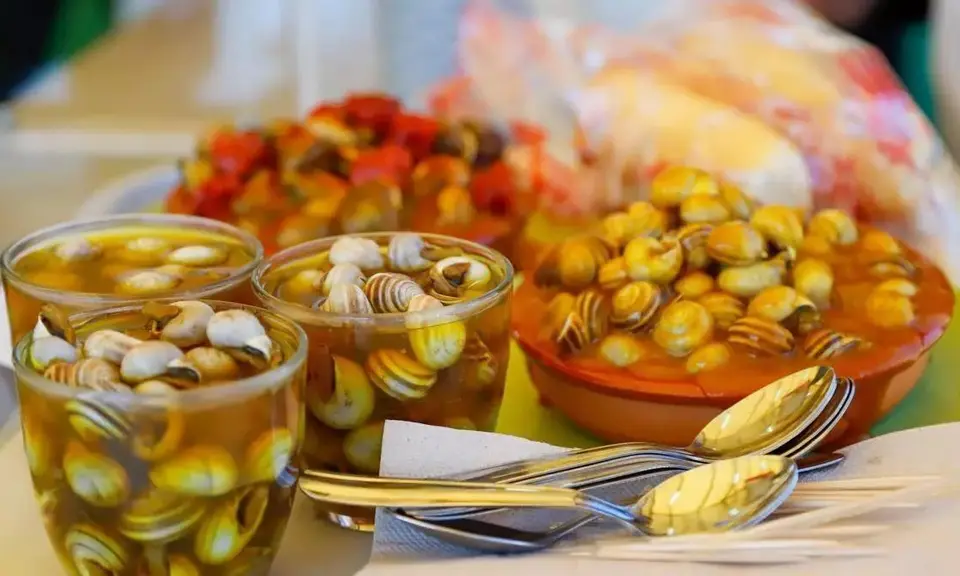
Caracoles are small snails — caracoles chicos — cooked in a hot broth built from garlic, cumin, bay leaves, black pepper, and fresh mint, then served in a glass so the broth can be sipped to the last drop. The dish is seasonal, appearing in Córdoba from March through May, sometimes into June. When the snail stands open, spring has arrived.
This is emphatically street food. You eat it standing up, at a public stand or bar counter, using a small pin or toothpick to pull the meat from the shell. The broth is the main event — the snails are the occasion for drinking it.
Why the broth is what you're actually there for
The cumin provides warmth and earthiness. Garlic adds bite and depth. Bay leaf contributes subtle herbal background. Black pepper gives gentle heat. The mint — this is the key — adds brightness that stops the whole thing from feeling heavy. Served steaming, you drink it while still hot, feeling it spread through your chest. It's the most functional food experience in Córdoba.
The snails themselves have a delicate, mildly briny flavour and a slightly chewy texture. They're good. But alone, they wouldn't draw crowds into plazas on warm spring afternoons. The broth does that.
What to pair with them
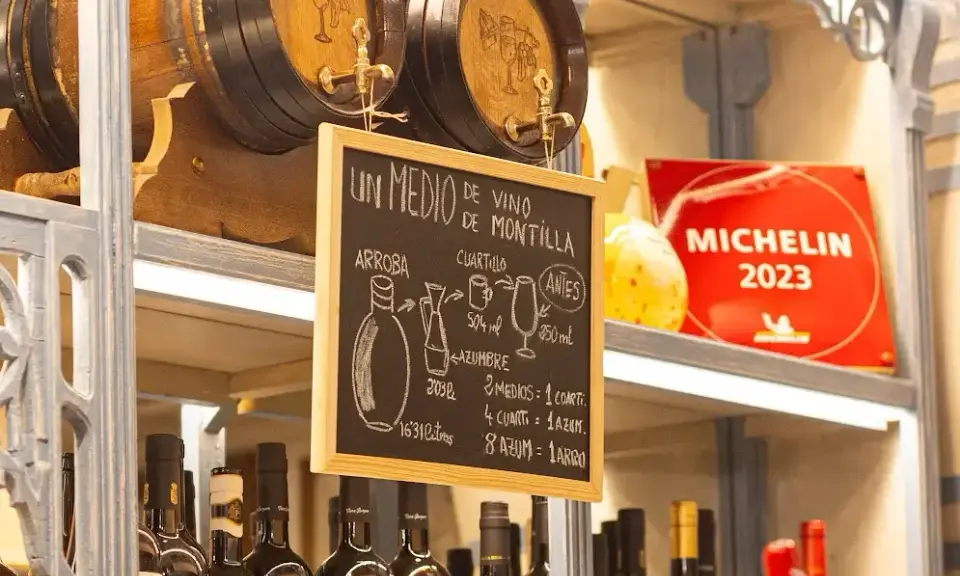
Cold beer, without question. The carbonation and chill cut through the broth's warmth and cleanse the palate between shells. Montilla-Moriles wine works in a sit-down context, but at a street stand, cerveza is correct.
When to look for the stands, and when not to bother
Dedicated snail stands open seasonally in plazas and public gardens across the Centro, Judería, and San Basilio neighbourhoods, and the informality is part of what makes the dish work: eaten standing, pin in hand, cold beer in the other. Restaurants serve caracoles too during the season, but a stand mid-plaza, broth still steaming, is the more honest version.
Outside March to May, don't bother looking. Caracoles out of season are a different and inferior thing.