
A landlocked city and the fish trade
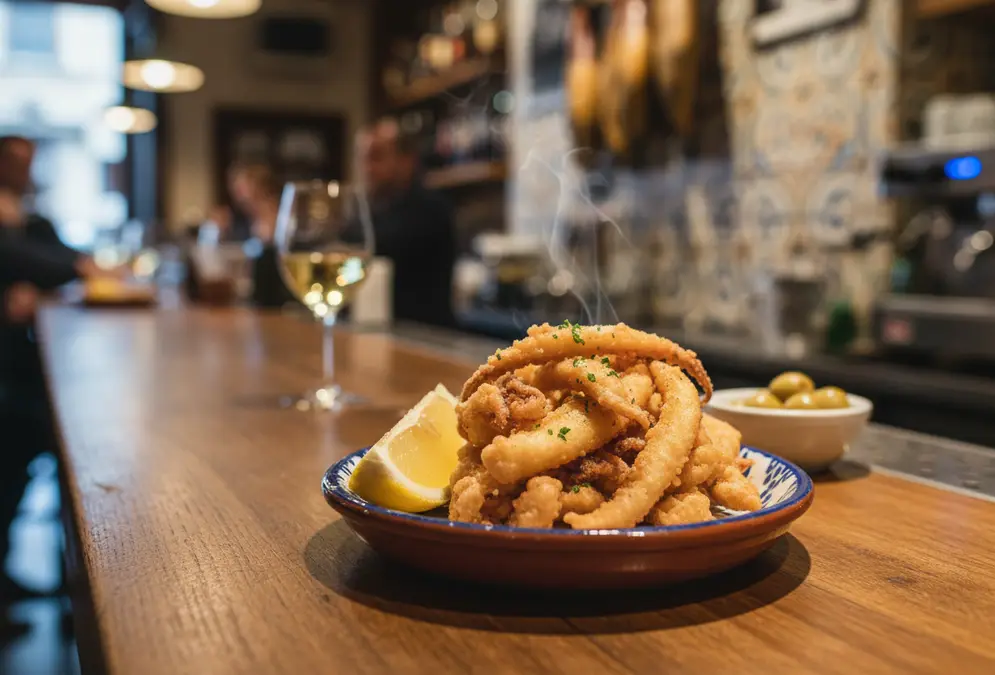
Córdoba sits 150 kilometres from the sea. The chocos fritos at any decent tapas bar here — battered cuttlefish strips, flour-dusted and fried in olive oil until just golden — are a direct result of the fish trade. For centuries, salted and fresh fish moved inland from the Andalusian coast along established routes, and Córdoba became practiced at cooking what arrived. The pescaíto frito tradition never belonged only to the coast.
The choco is a cuttlefish (sepia), not squid. Wider, flatter, with a denser, more satisfying texture. When you order fried cuttlefish here, you get finger-sized strips with real bite, not the thin, rubbery rings that often pass for calamares. The flesh holds its shape in the oil and has flavour on its own.
How it's made — and why the flour matters
The process is simple and unforgiving. The cuttlefish is cleaned, cut into strips, patted completely dry, tossed in seasoned wheat flour, then dropped into very hot extra virgin olive oil. It cooks in 2-3 minutes. Served immediately with lemon wedges.
Every step that sounds simple can go wrong. Wet cuttlefish steams instead of frying; the result is pale and soggy. Oil that's not hot enough produces the same failure. Good chocos fritos are dry inside their crust, golden rather than brown, and eaten the moment they land on the plate.
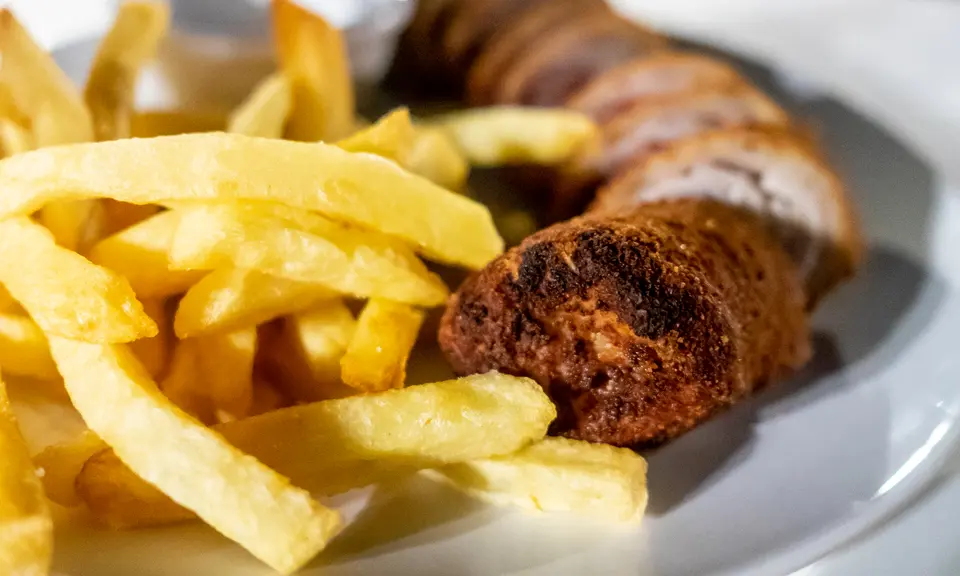
This is the core of the Andalusian pescaíto frito tradition: quality fish, good flour, hot olive oil, immediate serving. Compare it to flamenquín — another fried Córdoba tapa where the same technique produces entirely different results with pork and ham — and you see how far that frying tradition extends across the city's kitchen.
Chocos vs calamares vs puntillitas
The three often appear on the same menu. Calamares are squid, usually cut into rings, with a milder flavour and softer texture. Chocos are cuttlefish: larger animal, denser flesh, more pronounced flavour when fried. Puntillitas are tiny baby squid fried whole, eaten crunchy like small fritters. Each is good. They're not substitutes for each other. If you want something substantial, order chocos.
Where to find them in Córdoba
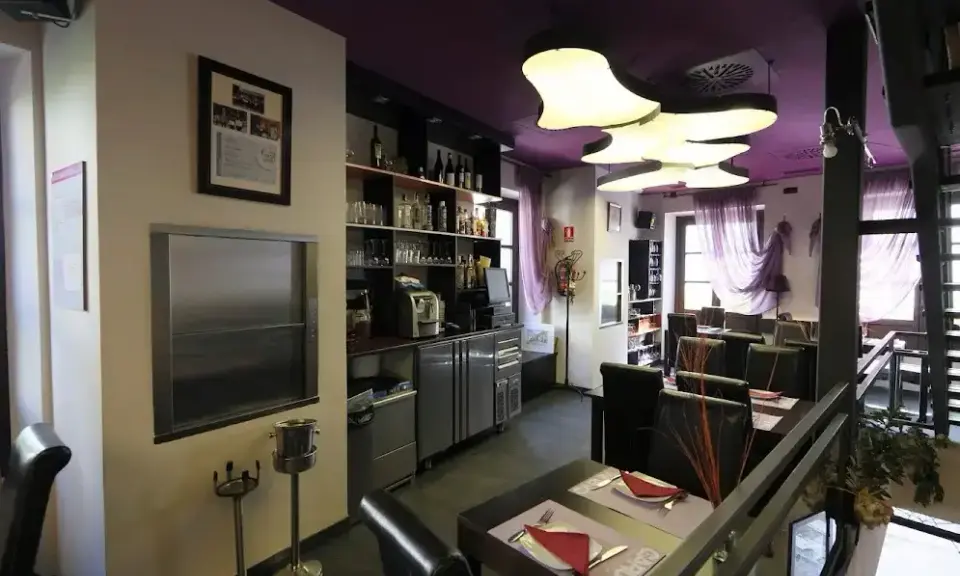
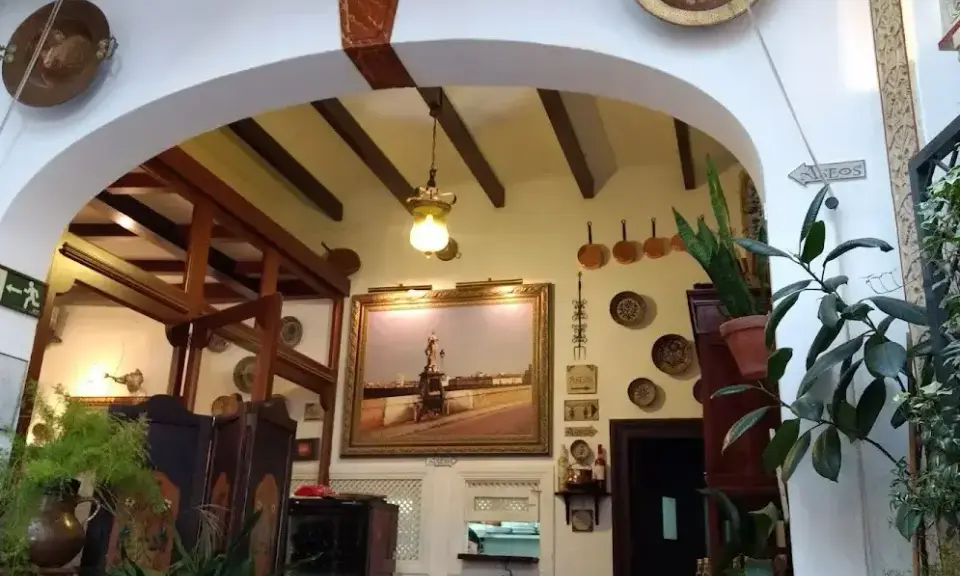
You'll encounter chocos fritos as a tapa at traditional bars throughout the Centro and Judería. The cluster of bars around Plaza de la Corredera is a reliable patch: working-class drinking spots with short menus and consistent frying. Portions run €4-8.
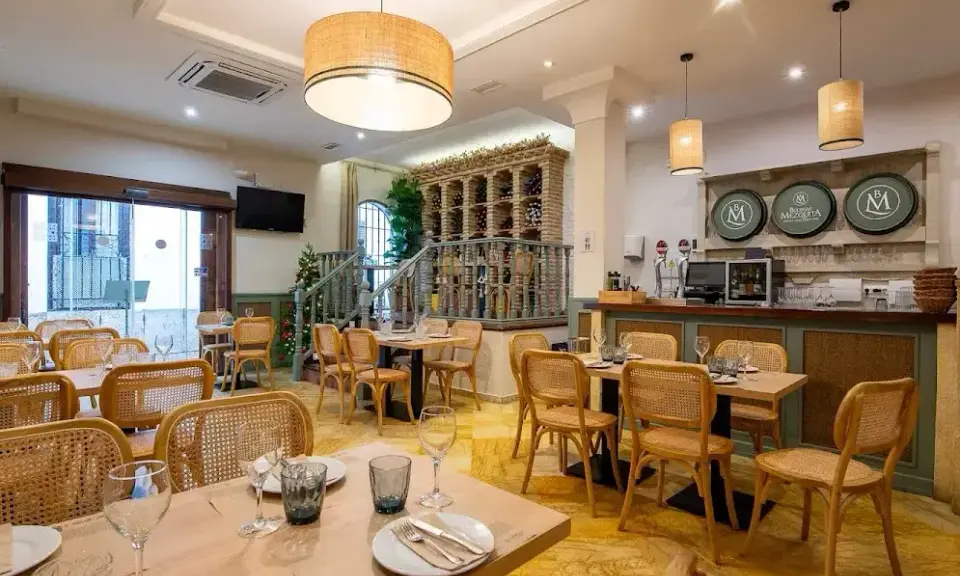
For a sit-down context, Taberna Salinas and Bodegas Campos serve them well within a broader menu of Córdoba classics. Casa Pepe de la Judería and Bodegas Mezquita both carry seafood tapas including chocos. El Churrasco and Garum 21 lean toward grilled fish and meat, but the pescaíto tradition at Recomiendo makes it worth asking.
A food tour will take you through several bars and explain what you're tasting — useful if you want to move between places rather than settling at one.
What to drink with them
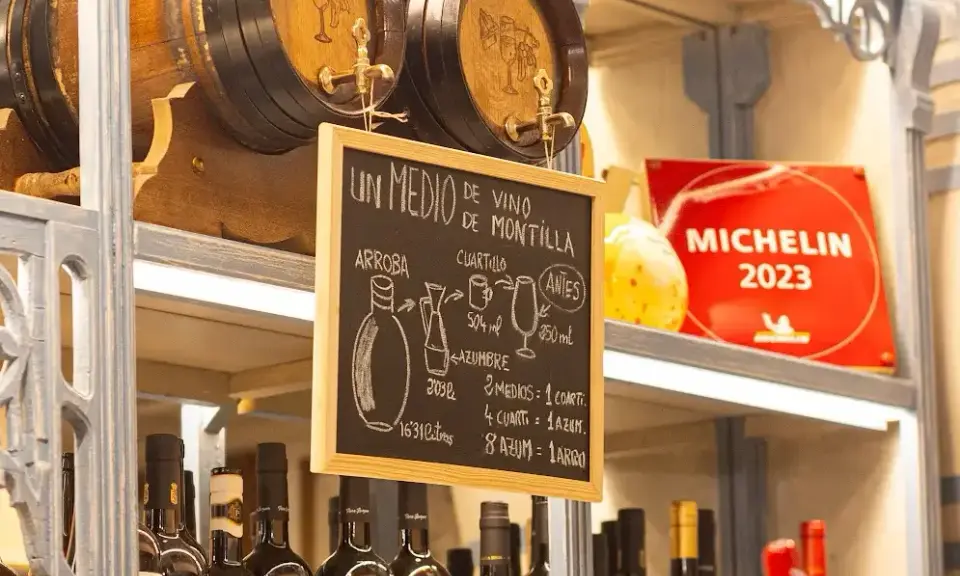
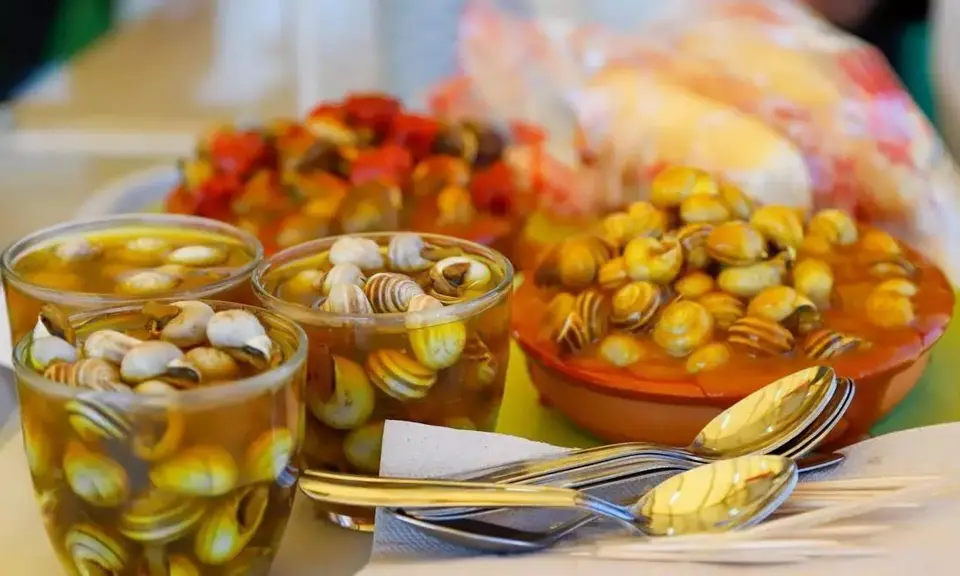
A cold glass of Manzanilla or a fino from Montilla-Moriles is the considered pairing. The saline, nutty notes in both wines align cleanly with the cuttlefish. Spanish beer works for the same reason it works with caracoles: carbonation and cold cut through the fry. If you're at a bar with a proper wine list, ask for a Montilla fino over ice.
Eating them well
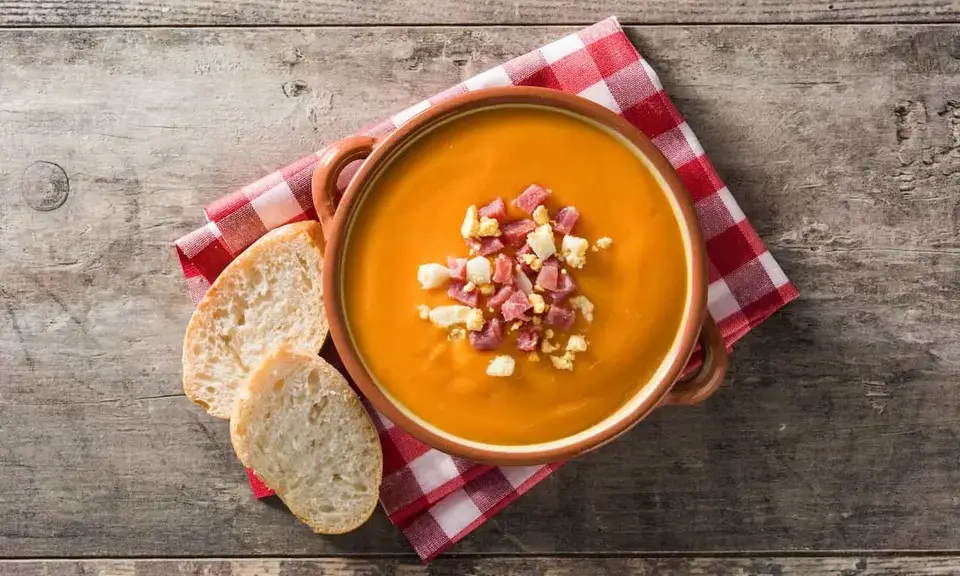
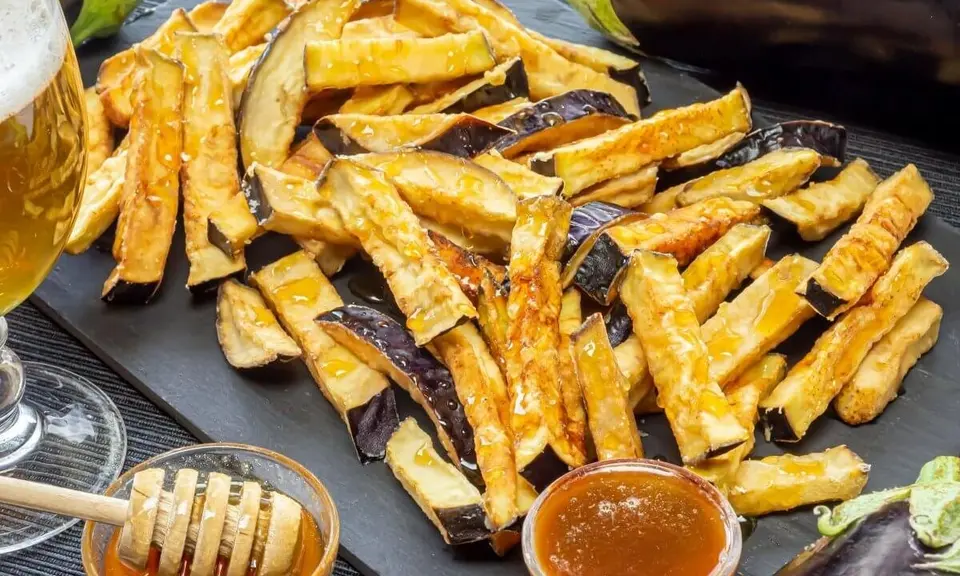
Chocos fritos work as a tapa alongside salmorejo or as a standalone order with bread and a glass of wine. Berenjenas con miel alongside makes a good combination — the sweetness of the honey-drizzled aubergine sits well against the salt and fry.