
Search the site

food-lovershistory-buffsbudget
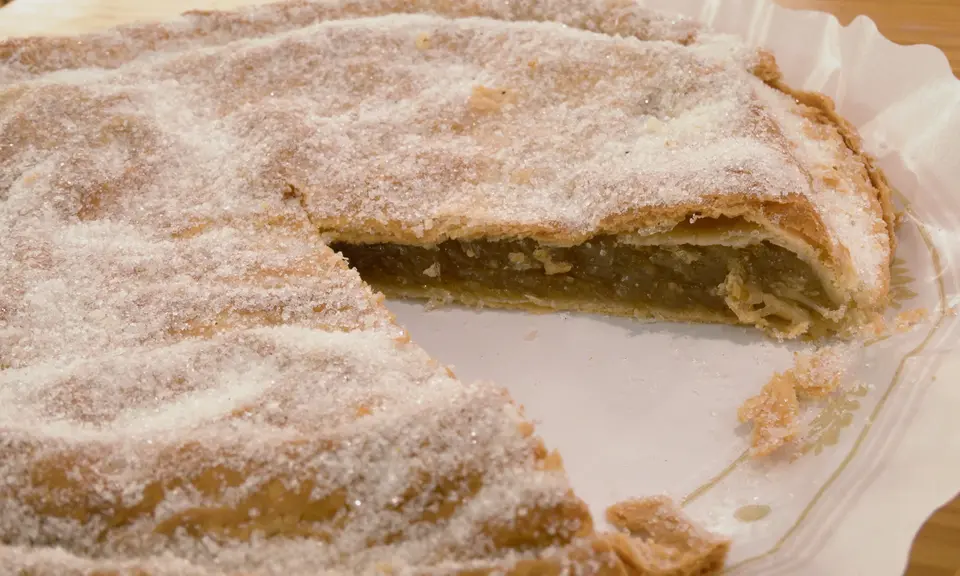
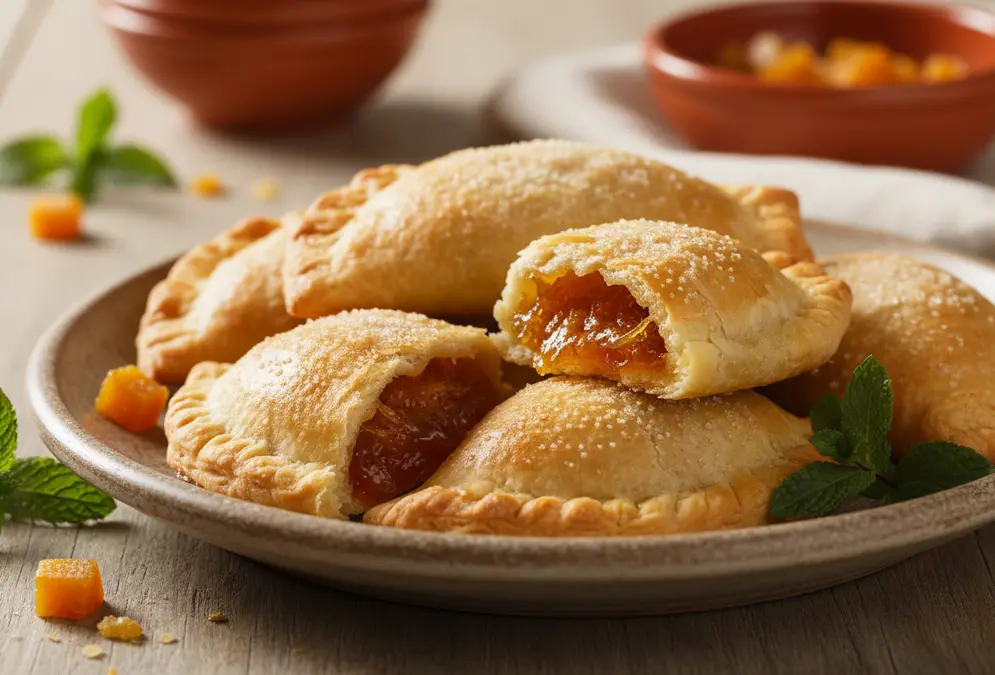
Empanadas cordobesas on a wooden counter — one cut open to reveal cabello de ángel filling
Tapa filled pastry

Empanadas Cordobesas: Meat-Filled or Cabello de Ángel — and Why the Sweet One Wins

Córdoba's empanadas use olive oil dough — either stuffed with seasoned meat or filled with cabello de ángel pumpkin jam. A Moorish-era bakery tradition.

Back to gastronomy

Two pastries share a name — and the sweet one is the better one

Ask for an empanada in Buenos Aires and you get a crimped half-moon of butter or lard pastry. Ask in Córdoba and something different arrives: a parcel of olive oil dough, lighter and crisper, with either a filling of seasoned beef or pork with green olives and hard-boiled egg, or — the version that defines the city — a sweet core of cabello de ángel, the amber pumpkin jam made from white squash candied until it pulls into fine, golden threads.

The sweet empanada cordobesa is what locals go for. It appears year-round in panadería display cases, but shows up in greater volume during winter and the Christmas season. Its dough takes white wine and aniseed alongside the olive oil, which gives the pastry a faintly herbal, aromatic quality absent from the savory version.
The Arab connection

Empanadas came to Spain with the Moors. Arab bakers had been making filled pastries — fatayer, sambousa — for centuries before arriving in Córdoba in 711. The olive oil dough is the giveaway: in the Muslim tradition, lard was off the table, so all pastry fat came from olive oil. Córdoba, sitting at the heart of Andalusian olive country, absorbed this completely.

The city was the capital of Moorish Iberia. The Arab influence on its baking tradition is structural, not ornamental. The cabello de ángel filling, the spiced meat mixtures, the aniseed in the dough — these flavour habits trace directly to that 8th-century inheritance. Walk into any panadería in the Judería or Centro at nine in the morning and you're smelling something that would have been recognisable in the streets of Madinat al-Zahra.

What to order and where to find it

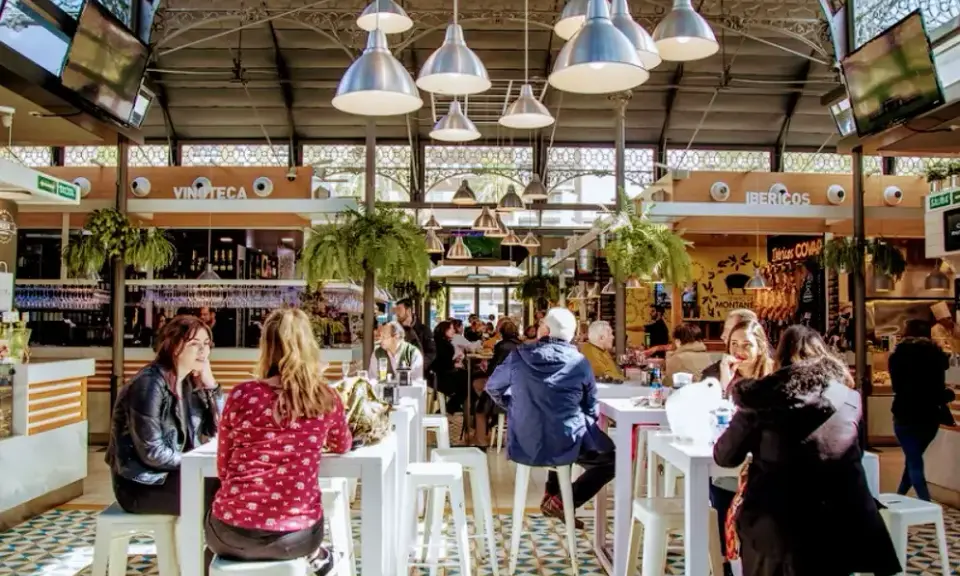
At Mercado Victoria, stalls sell both versions through most of the day. The Mercado de la Corredera morning market is better for the savory version — the meat filling is served warm from the oven at opening time. For the sweet empanada, look in the panaderías of the historic centre, where they sit alongside pastel cordobés in the glass display case. The two pastries share the same cabello de ángel filling, but the empanada's olive oil dough gives it a denser, more satisfying chew where the pastel's puff pastry shatters.

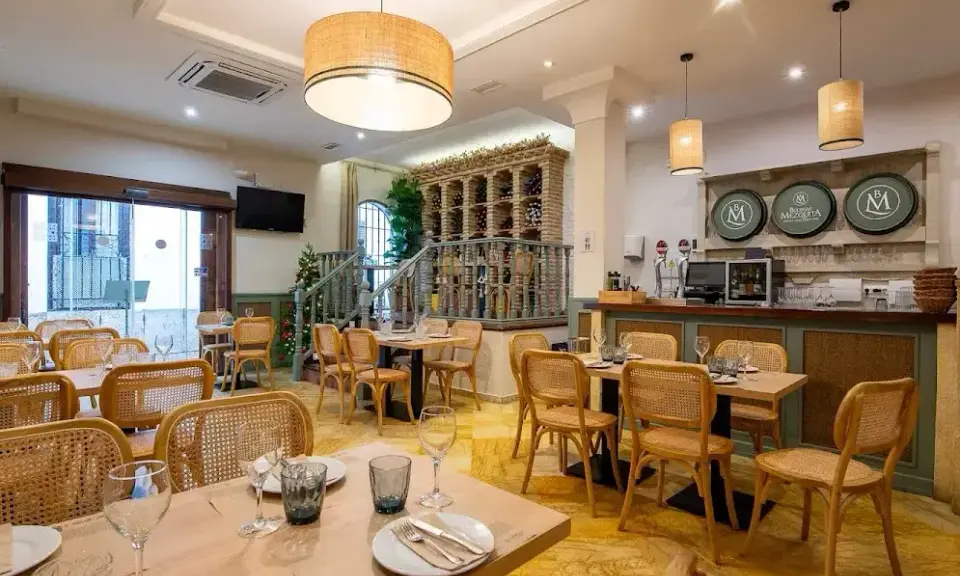
Sit-down meals that include them as part of a traditional spread: Taberna Salinas and Bodegas Campos occasionally carry the savory version as a starter. Casa Pepe de la Judería and Bodegas Mezquita are better bets for the full range of Córdoba's baked goods alongside a longer meal.

Expect to pay €2–4 per empanada. This is bakery food — a panadería counter before the heat builds, not a restaurant table.

The pairing logic

Savory empanadas want something with structure and acidity to cut the meat. An amontillado from the Montilla-Moriles appellation — dry, nutty, amber — is the classic match. The fortified wine's oxidative edge sharpens against the olive and egg filling without competing.

Sweet empanadas pair naturally with Pedro Ximénez: the thick, dark, raisin-scented wine from the same appellation echoes the cabello de ángel sweetness and softens it further. Cold, not room temperature.

If you want to explore these food traditions with a guide, the food tour visits the relevant panaderías and gives useful context on the Arab-Andalusian pastry lineage.

Where empanadas sit in Córdoba's food culture

Empanadas cordobesas are not table food. They don't appear in tasting menus. You eat them standing at a panadería counter or walking through the market before the day gets going. Flamenquín and salmorejo get more attention from visitors, but the sweet empanada — anise-scented dough, that particular jam, the slight crunch on first bite — is among the most distinctly Córdoban things you can eat.

Main ingredients

  • wheat flour
  • olive oil
  • white wine
  • aniseed
  • seasoned beef or pork
  • green olives
  • hard-boiled egg
  • onions
  • cabello de ángel (pumpkin jam)
  • cinnamon

Allergens: gluten, eggs

Quick facts

Category
Tapa
Origin
Empanadas arrived in Córdoba with the Arab conquest of 711. Muslim bakers used olive oil in place of lard, producing the lighter, crisper pastry that sets the Spanish version apart from its Latin American counterpart. The sweet filling of cabello de ángel — candied white squash — became the defining Córdoba variation, appearing in both empanadas and the closely related pastel cordobés.
Temperature
Served hot
Season
Year-round; sweet version more common in winter and during Christmas
Wine pairing
Amontillado Montilla-Moriles (savory) or Pedro Ximénez (sweet)
Difficulty
Medium

Good for

Food Lovers History Buffs Budget Gastronomy History Cultural

Reporter notebook

Insider tips

Practical observations gathered the way a local journalist would keep them: short, specific, and more useful than brochure copy.

What to order

Order the sweet version — it is what every local bakery is proud of

The savory meat empanada exists and is good, but the sweet one with cabello de ángel is what every panadería in the centre actually cares about. Ask for 'empanada dulce' or 'empanada de cabello de ángel'. Many bakeries sell out of it by mid-morning, so go early.

Pairing tip

Match the wine to the filling — PX for sweet, amontillado for savory

A cold glass of Pedro Ximénez from Montilla-Moriles alongside the sweet empanada is not indulgent — it is how locals eat it on a slow Saturday morning. For the meat version, ask for an amontillado: the dry, nutty oxidation cuts through the olive and egg filling cleanly.

Money tip

Buy from a panadería, not a market food stall

The historic centre bakeries sell empanadas at €2–3 each. Market stalls at Mercado Victoria charge €3–4 for essentially the same product. The bakery version is also more likely to have come out of the oven within the last two hours — which matters for the dough's texture.

Frequently asked questions

Where can I buy empanadas cordobesas in Córdoba?

The historic centre panaderías are the best source. Ask for 'empanada dulce' for the sweet version with cabello de ángel. Mercado Victoria stalls sell both versions through the day. Taberna Salinas and Bodegas Campos occasionally carry the savory version as a starter at lunch.

Are empanadas cordobesas suitable for vegetarians?

The sweet version with cabello de ángel pumpkin jam is vegetarian — the filling contains no meat. The savory version is filled with seasoned beef or pork, green olives, and hard-boiled egg, so it is not suitable for vegetarians. Both versions contain gluten and eggs.

What wine pairs well with empanadas cordobesas?

The pairing depends on the filling. Savory empanadas with meat work well with an amontillado from Montilla-Moriles — the dry, nutty oxidative character cuts through the olive and egg filling. Sweet empanadas with cabello de ángel pair naturally with a cold Pedro Ximénez, which echoes the jam's sweetness.

What is the difference between empanada cordobesa and pastel cordobés?

Both share the cabello de ángel pumpkin jam filling. The difference is in the pastry: empanadas use a denser, olive oil dough flavoured with aniseed and white wine, giving a more satisfying chew. Pastel cordobés uses puff pastry that shatters on first bite. The empanada is bakery food for on the go; the pastel cordobés is sold as a gift or dessert.

Where to taste it in Córdoba