
Search the site

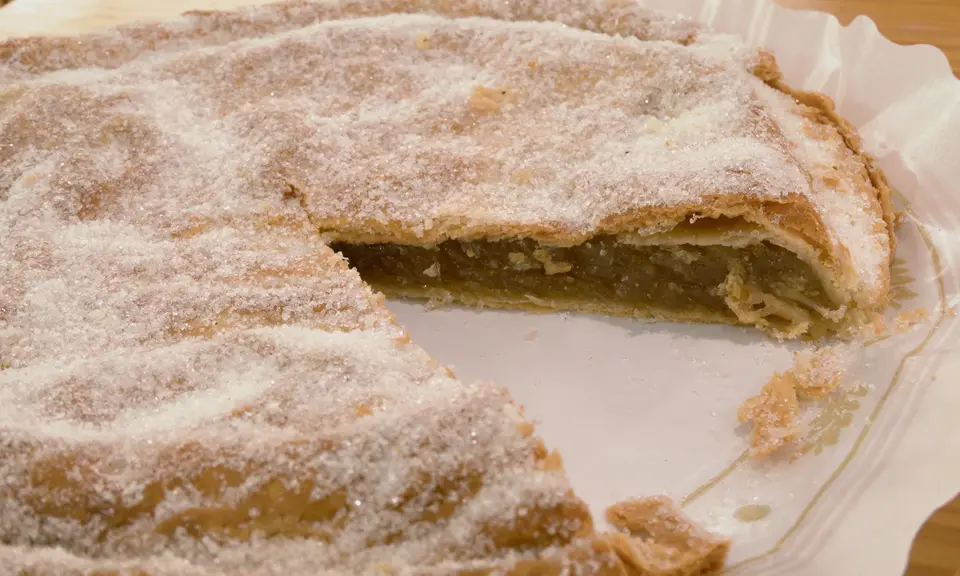
Golden crispy pastel cordobés filled with cabello de ángel
Dessert patisserie-feuilletee

Pastel Cordobés: Córdoba's Flaky Pastry from Convent Tradition

Pastel cordobés is Córdoba's flaky pastry filled with cabello de ángel — candied squash jam — and ground almonds. A convent recipe from the 17th century, still sold in the city's pastry shops.

Back to gastronomy

What it actually is

Pastel cordobés is not complicated to describe: a rectangle of flaky pastry, layered and crisp, filled with cabello de ángel — a jam made from white squash candied in sugar until it produces fine, golden threads. Ground almonds and cinnamon go into the dough. Egg yolk brushed on top before baking gives it the characteristic sheen.

The texture contrast is the point. The pastry shatters on the first break. The filling is soft and subtly sweet, not cloying. A piece holds together for a few bites before it disintegrates pleasantly on the plate.
From convent to pastry shop

The recipe came out of Córdoba's 17th-century convents. Nuns making starch for clerical vestments used egg whites for the process, which left them with an excess of yolks. Rather than waste them, they built pastry recipes around the surplus — a pragmatic origin for what became an institution. The knowledge moved from the convents to family bakeries over the following centuries, each generation adjusting the recipe slightly while keeping the cabello de ángel base intact.

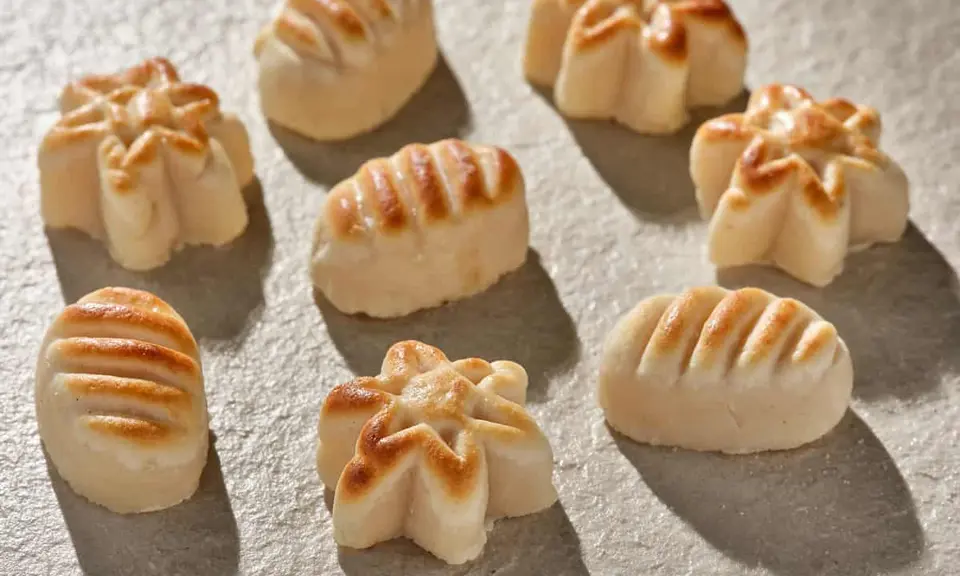
The same pattern produced mazapán and other Andalusian convent confections. The convents were, in effect, the professional pastry kitchens of their era.

How to eat it

At room temperature, not warm. An airtight tin keeps it crisp for several days after baking, which makes it a practical purchase as a Córdoba souvenir. Cut into squares or diamonds for sharing.

Pedro Ximénez is the natural pairing — the sweet, raisined wine from the Montilla-Moriles appellation echoes the pastry's sweetness without overwhelming it. Strong coffee cuts through it if you want the opposite approach.

Where to buy it

Confitería-Pastelería San Cayetano in the historic centre is frequently cited as the reference. La Flor de Córdoba and Pastelería Roldán both uphold the tradition. Look for fresh batches rather than packaged versions sold as souvenirs — the difference in texture is significant.

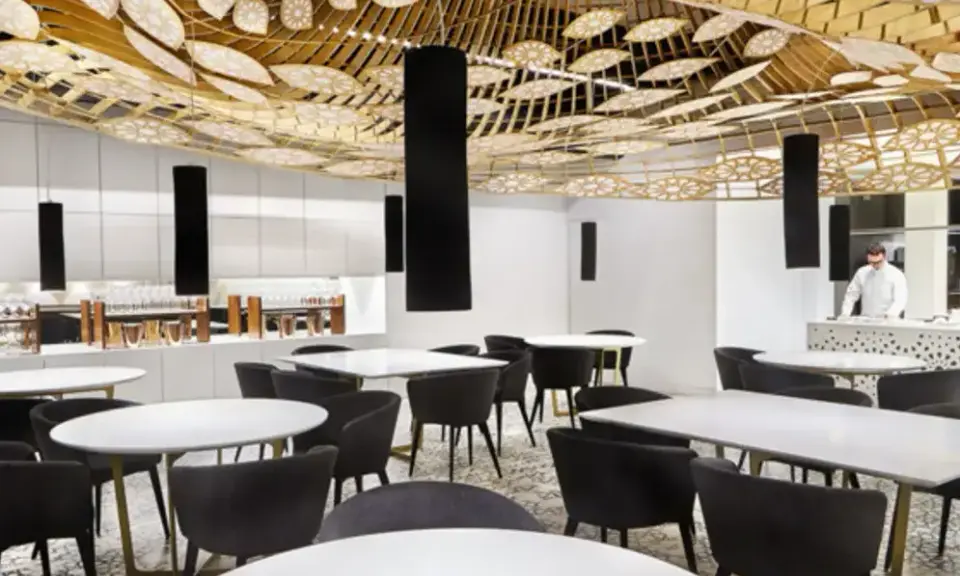
Noor occasionally serves a creative reinterpretation as a dessert course, playing with textures while keeping the cabello de ángel at the centre. It's an interesting comparison to the traditional version if you're eating dinner there anyway.

Main ingredients

  • flaky pastry
  • cabello de ángel
  • almonds
  • sugar
  • cinnamon
  • eggs

Allergens: gluten, eggs, tree nuts

How to enjoy it

Temperature

room-temperature

Season

Year-round, especially popular during religious festivals

Wine pairing

Pedro Ximénez or coffee