Islamic Golden Age
The city that thought for the world
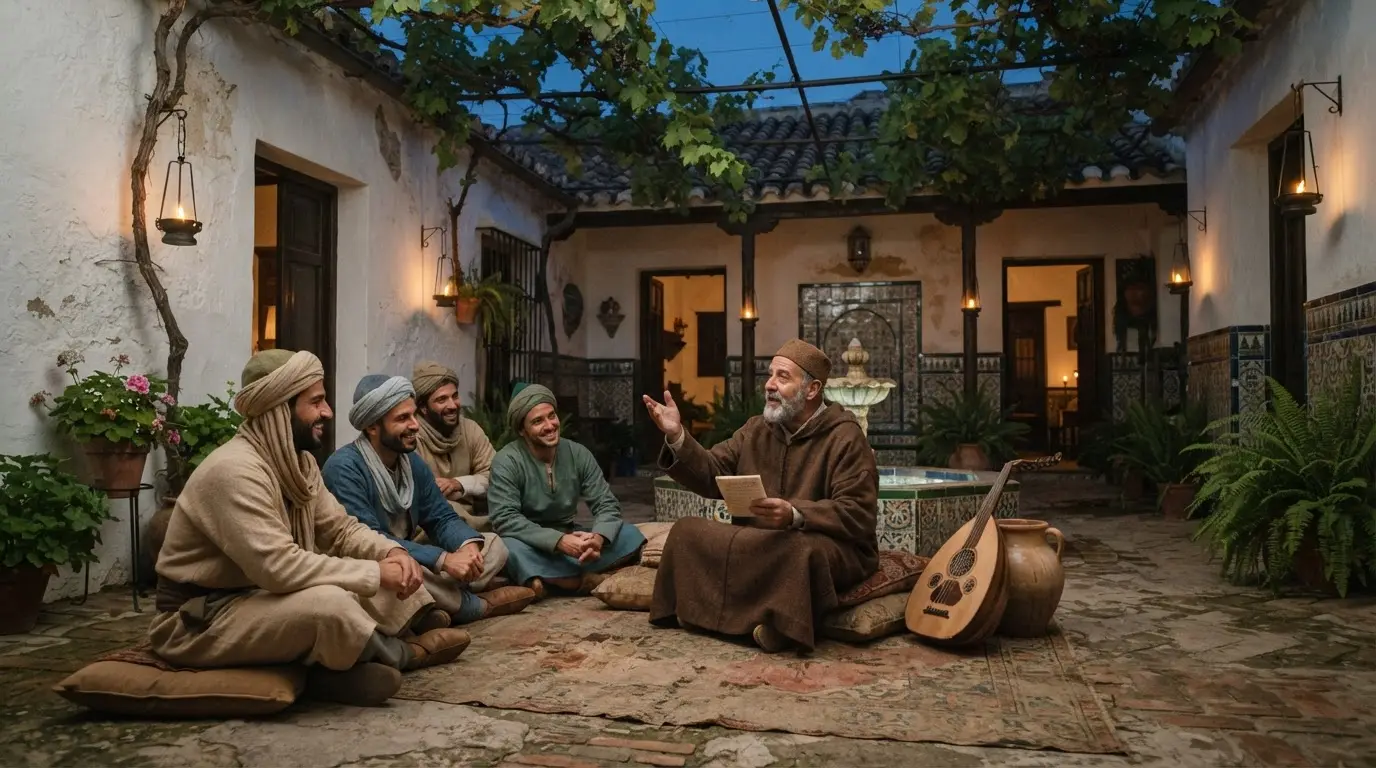
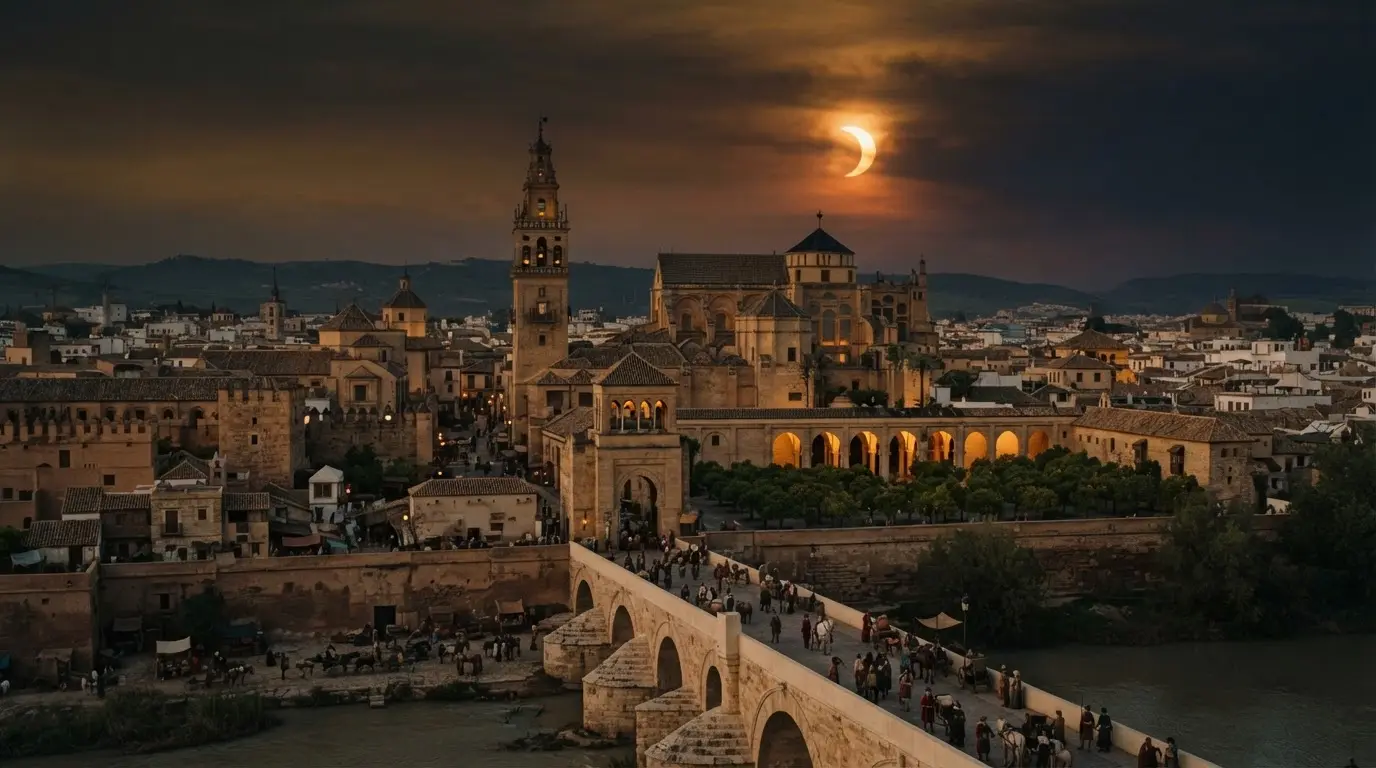
For three centuries, Córdoba was where the great minds of three faiths worked side by side: translating Aristotle, inventing surgery, composing the music that would become flamenco's ancestor. The ideas they left behind still run through Western civilization.

Written by
María Fernanda González Ten years covering Córdoba's UNESCO heritage sites, sourcing from Junta de Andalucía documentation.
Updated Published
In the 10th century, Córdoba had a royal library of 400,000 volumes at a time when most European monasteries held dozens. Manuscripts in Arabic, Greek, Hebrew and Latin moved between scholars of three faiths inside a city of half a million people. The Umayyad Caliphate had built conditions where disagreement was intellectual rather than fatal, and where scholars who reached different conclusions could still sit in the same room. The result was a concentration of thought that had no parallel in the medieval world.
This guide focuses on four figures: Averroes, the philosopher whose commentaries on Aristotle shaped Latin scholasticism; Maimonides, the Jewish theologian whose work the city produced and then expelled; Al-Zahrawi, the surgeon who invented instruments still recognisable in operating theatres today; and Ziryab, the musician who arrived from Baghdad and transformed how Córdoba ate, listened, and dressed. There are others (Ibn Hazm, Al-Idrisi, dozens more) but these four leave the most visible traces in the city you can walk today.
At a glance
- Golden Age peak
- 10th–11th century under the Umayyad Caliphate
- Royal library
- 400,000 volumes — largest in medieval Europe
- City population (c. 970 AD)
- ~500,000 — larger than Paris and London combined
- Key figures
- Averroes, Maimonides, Al-Zahrawi, Ziryab
- Intellectual reach
- Averroes' commentaries taught in European universities for 300 years
- Legacy sites
- Al-Andalus Museum, Calle Averroes, Plaza Tiberiades, Medina Azahara
In this guide
Jump to a section
How Córdoba became the world's intellectual capital
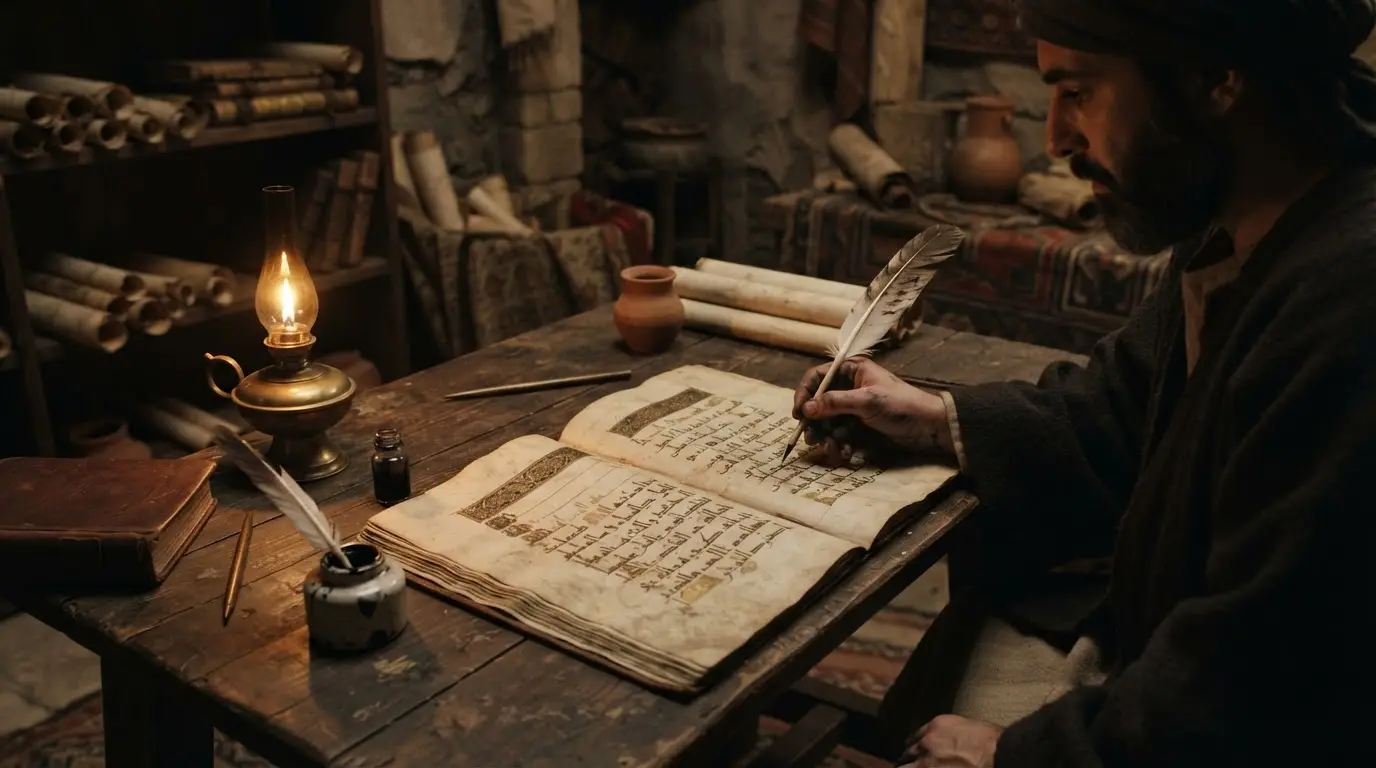
The foundation was deliberate. Abd al-Rahman III, who proclaimed the Caliphate of Córdoba in 929, understood that cultural authority was inseparable from political authority. His son Al-Hakam II took it further: he sent agents to Baghdad, Constantinople, and Alexandria with orders to acquire manuscripts, and he paid scribes to copy and translate what they found. The royal library grew to 400,000 volumes — and within forty years of his death, most of it was gone. Al-Hakam catalogued it himself. He is said to have annotated the margins of texts on the authorship and biography of scholars: the annotations of a reader, not a collector.
What those manuscripts contained mattered as much as their number. Arabic translations of Aristotle, Galen, and Euclid circulated in Córdoba at a time when these texts did not exist in Latin. Western Europe's scholars were working from fragments, summaries, and selective quotations. In Córdoba, you could read Aristotle's Organon, Physics, and Metaphysics in full, alongside the Arabic commentators who had been arguing about them for two centuries. The translation movement that had begun in Baghdad in the 8th century arrived in Córdoba already mature, already annotated, already controversial.
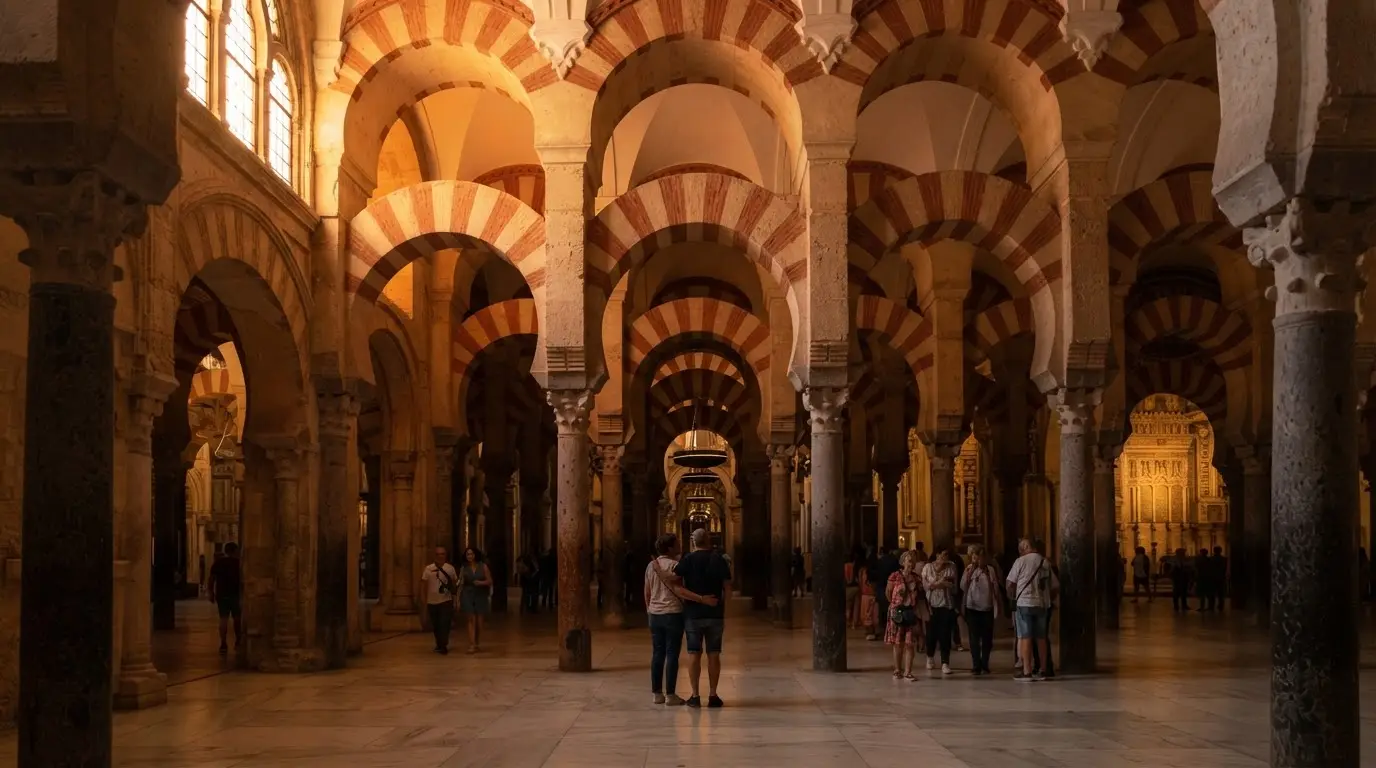
The word convivencia (coexistence) is often applied to this period, and equally often misread as tolerance. It was not quite that. Jewish scholars worked as court physicians and diplomatic translators because they were useful, because they had linguistic skills the Arabic-speaking court needed, and because the Umayyad legal framework gave them a protected if subordinate status as dhimmis. Christians copied manuscripts because that was work and income. Muslims debated theology using Greek logic because the tools were sharper. The ideas traveled because the people had concrete reasons to share them. What it produced was unusual enough: three faiths reading the same texts and arguing in the same rooms, changing the course of European thought even after the city that created those conditions had ceased to exist.
1126–1198 · Philosopher
Ibn Rushd — The Commentator
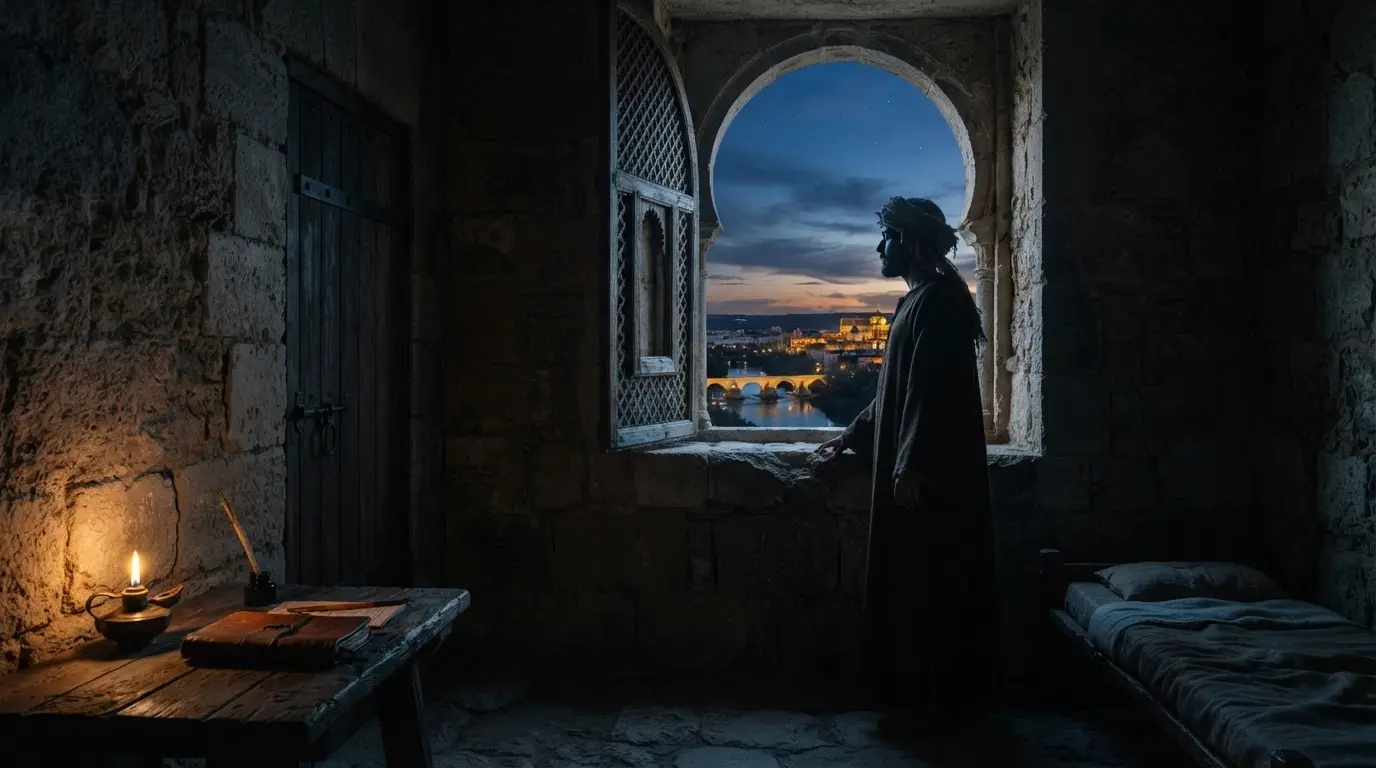
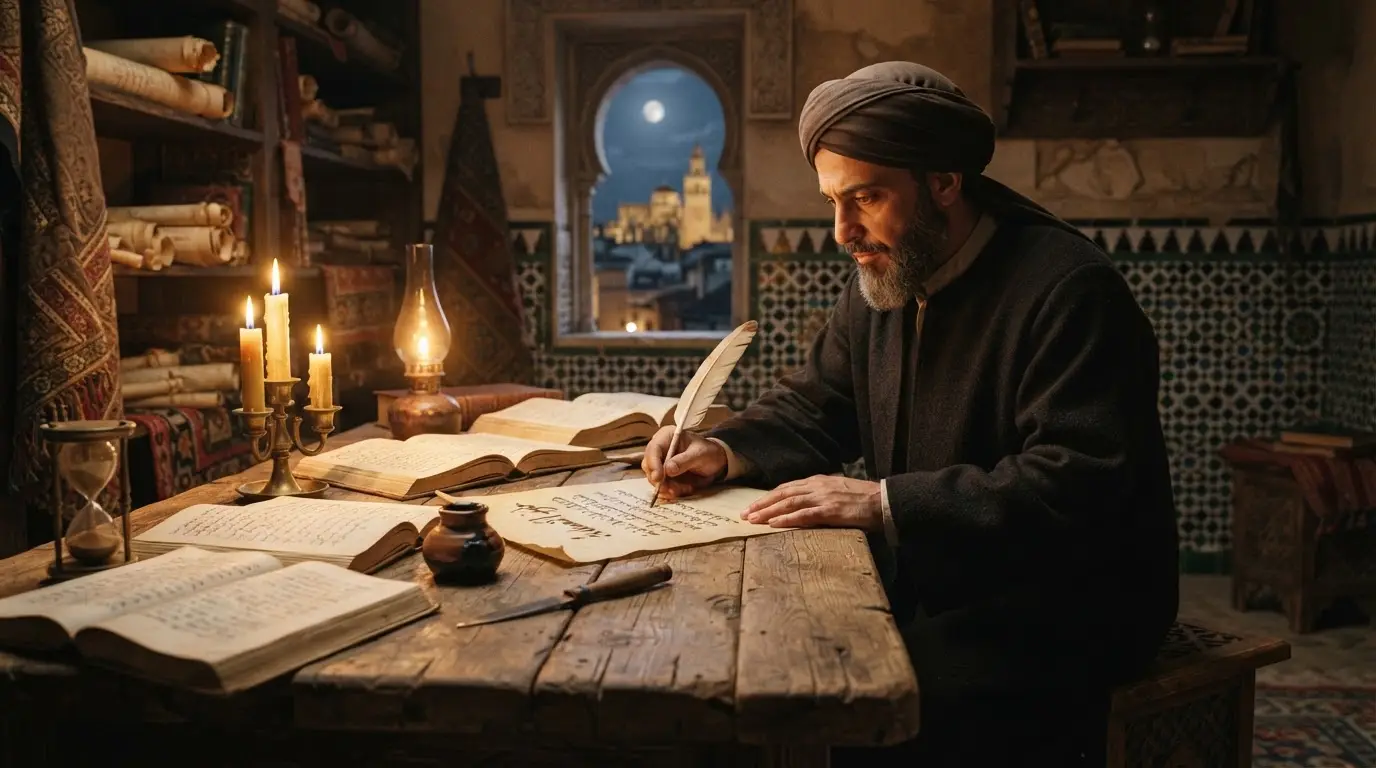
Abu al-Walid Muhammad ibn Ahmad ibn Rushd was born in Córdoba in 1126, near the Mezquita, into a family of jurists. He died in Marrakesh in 1198, in exile, after the Almohad caliph had ordered his philosophical works burned and banished him from the city where he spent most of his life. In the decades between, he produced what Latin Europe would simply call "the Commentaries": a comprehensive and authoritative exposition of Aristotle that earned him a title no other philosopher has held in quite the same way. As Aristotle was "The Philosopher," Averroes needed only one word.
His reconciliation of reason and revelation, the argument that philosophy and Islamic theology were not contradictory, that the truths of religion and the truths arrived at by logic pointed toward the same reality, was, in an Islamic context, a position that eventually got him condemned. In a Christian context, it was explosive. By the early 13th century, scholars at the University of Paris were building entire intellectual systems on his Aristotle commentaries. "Averroism," the movement among Christian scholastics who followed his interpretation, caused a crisis serious enough that the Bishop of Paris issued the Condemnations of 1277, explicitly prohibiting 219 philosophical propositions, many of them traceable to Averroes. Thomas Aquinas wrote his Summa Contra Gentiles partly in response to arguments Averroes had made. Averroes himself never left the Iberian Peninsula. His ideas traveled further than he did.
His legal work deserves equal weight. The Bidayat al-Mujtahid, a comparative treatise on Islamic jurisprudence reviewing the legal opinions of all major schools, is still taught in Islamic law faculties. He was also a physician, appointed as court physician to the Almohad caliph Abu Yaqub Yusuf I; his medical writings drew on Avicenna's Canon. But it is the philosophy that defines him, and the philosophy that makes a walk down Calle Averroes something other than a pleasant tourist stroll.
1138–1204 · Philosopher & Physician
Maimonides — The Bridge
Moses ben Maimon was born in Córdoba in 1138; he dated this himself in his Commentary on the Mishnah. He was Jewish, not Muslim, but he is inseparable from the Islamic Golden Age. He grew up reading Aristotle in Arabic translations produced within the Umayyad scholarly tradition, and his most important work, the Guide for the Perplexed, is written in Arabic (in Hebrew script) and answers questions that Averroes raised. These two men, a Muslim philosopher and a Jewish theologian born in the same city twelve years apart, reading the same texts, walking the same streets, never met. Their dialogue is conducted entirely through books. It is one of the stranger intellectual relationships in medieval history.
His family fled Córdoba in 1148, when the Almohad conquest gave the city's Jews the choice between conversion and exile. He was ten. He eventually settled in Cairo, became court physician to Saladin's vizier, and produced the Mishneh Torah, a 14-volume codification of Jewish law that remains a halakhic reference today. The Guide for the Perplexed, written to reconcile Jewish theology with Aristotelian philosophy, traveled farther than he did: translated into Latin as Dux neutrorum in the 13th century, it was read by Thomas Aquinas, Albertus Magnus, and Duns Scotus. The intellectual traffic between traditions that had defined Córdoba under the Caliphate continued through Maimonides long after he had left.
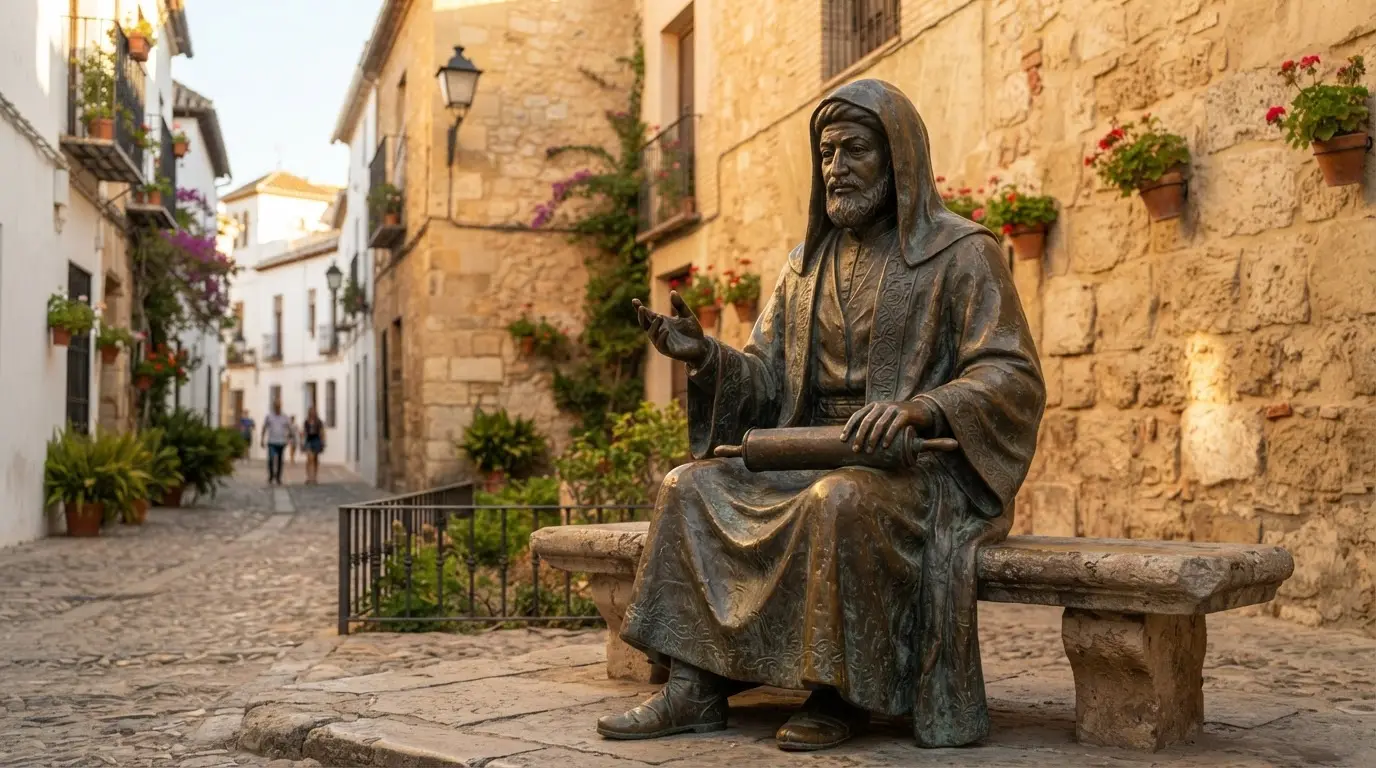
His exile makes him a figure of loss for Córdoba. The city produced him. Then it drove him out. A bronze statue in Plaza de Tiberiades, on Calle de los Judíos, marks his symbolic birthplace, a quiet square that is one of the more reflective spots in the Judería.
For Maimonides' full story: the Judería, the Synagogue of Córdoba, the Sephardic community, and the expulsion of 1492 are covered in our
Jewish Heritage in Córdoba guide.
This section focuses on his role as a cross-cultural intellectual bridge.
Al-Zahrawi — The Surgeon
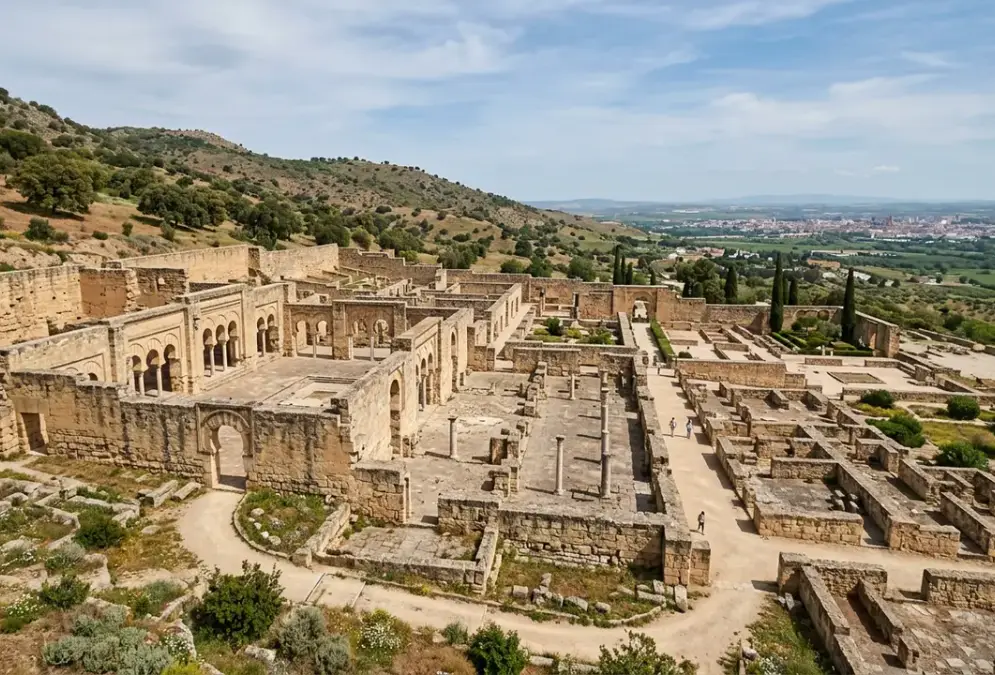
Abu al-Qasim Khalaf ibn al-Abbas al-Zahrawi was born at al-Zahra, the site of Medina Azahara, 8 kilometres west of Córdoba, and his name means "of al-Zahra." His birthplace and the UNESCO World Heritage site you can visit today are the same location: the palace-city Abd al-Rahman III built from 936, the seat of the caliphal court that al-Zahrawi served as physician to Caliph Al-Hakam II. The connection between the ruins you walk through at Medina Azahara and the surgical instruments hanging in modern operating theatres runs through one man.
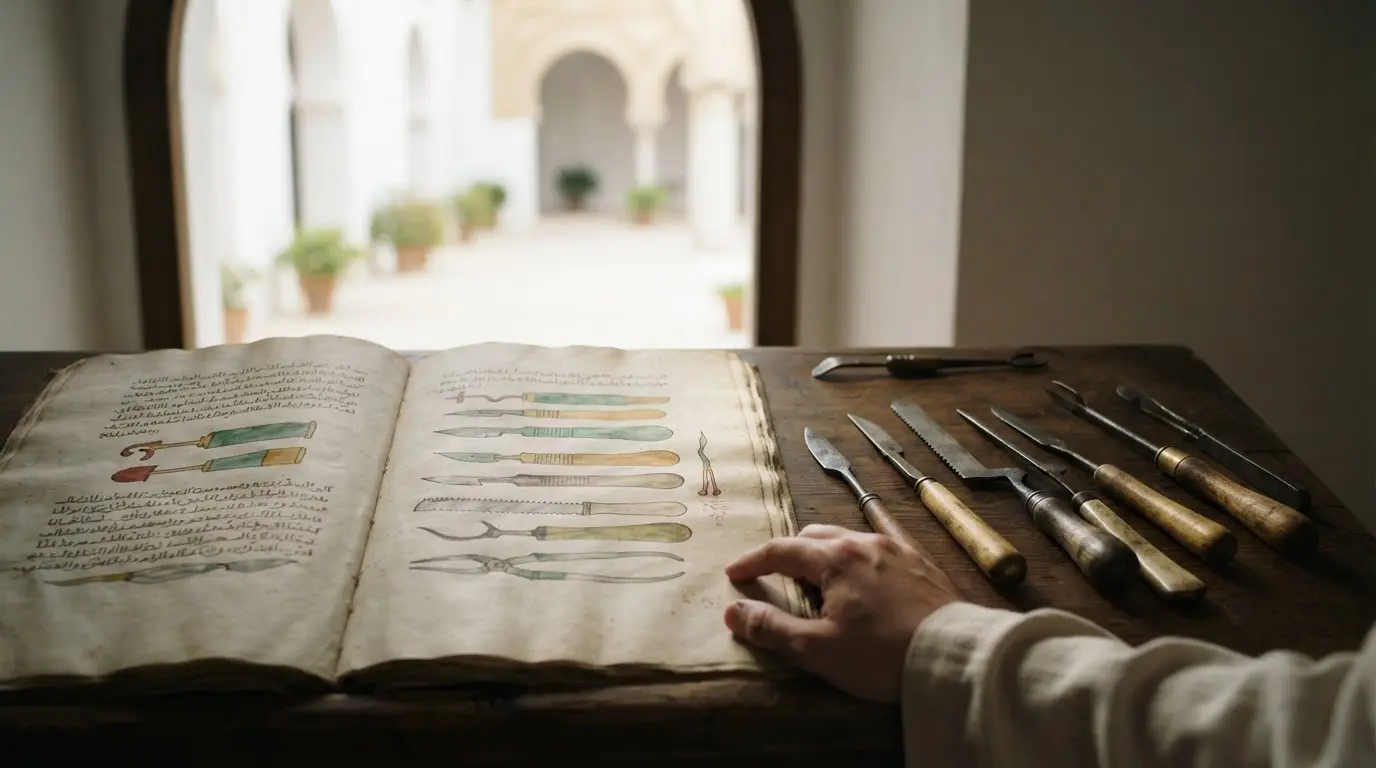
The Kitab al-Tasrif, completed around the year 1000, runs to 30 volumes. Its final volume on surgery was the first illustrated surgical guide ever written. Al-Zahrawi drew the instruments himself, more than 200 of them: scalpels, retractors, curettes, specula, forceps, hooks, cannulae, cauterization instruments. The drawings were not decorative; they were instructions for surgeons who needed to manufacture what they could not buy. Translated into Latin by Gerard of Cremona in the 12th century, the Tasrif became the standard European surgical textbook and held that position for more than 500 years, until Ambroise Paré and Andreas Vesalius began to supersede it in the 16th century. Al-Zahrawi was also the first physician to describe hemophilia as a hereditary condition: he documented an Andalusian family whose male members died from bleeding after minor injuries, and he identified the pattern correctly.
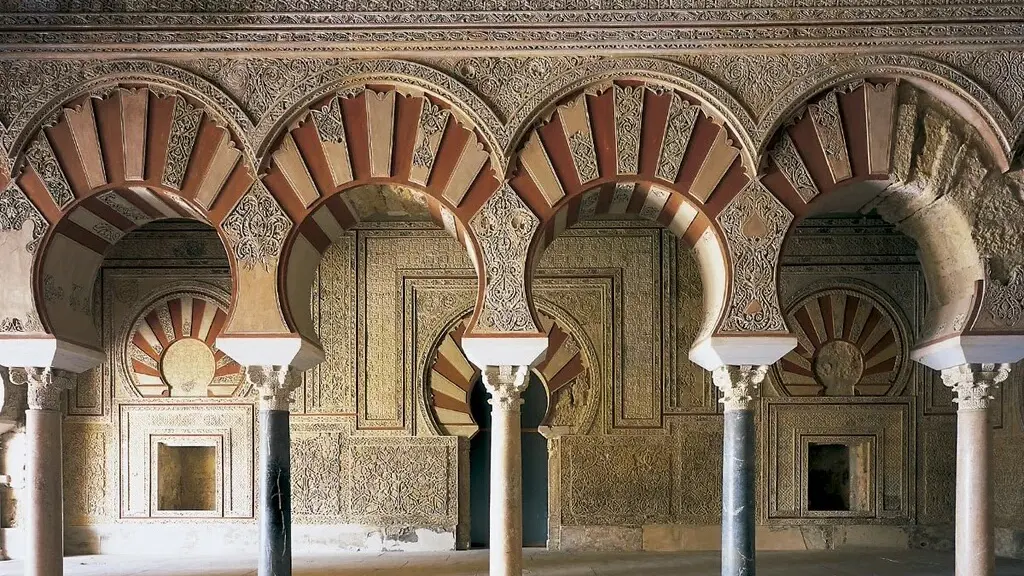
The most direct way to encounter his world is Medina Azahara, 8km from central Córdoba by shuttle bus or taxi. The ruins of the palace-city, partially excavated and partially restored, are the physical seat of the Golden Age patronage that funded and protected the scholarly work he did. The Al-Andalus Museum in the Torre de la Calahorra covers the science and medicine of the caliphal era and provides the intellectual context for what al-Zahrawi was building on.
Ziryab — The Arbiter of Taste
Abu l-Hasan Ali ibn Nafi, nicknamed Ziryab ("blackbird") for his dark complexion and voice, arrived in Córdoba from Baghdad in 822 at the invitation of Abd al-Rahman II. He is the oldest of the four figures in this guide and the hardest to categorize: not a philosopher, not a physician, but a musician, a chef, a fashion designer, and a social architect who died in Córdoba in 857 after transforming how people ate, listened, and presented themselves. His innovations had no "Islamic Golden Age" label at the time. They were simply the cultural changes of a man with total access to the Umayyad court.
On the oud, he added a fifth pair of strings to the traditional four. The extra string he dyed red, which he said represented the soul. He replaced the wooden plectrum with an eagle's beak, producing a cleaner attack. He founded a music conservatory in Córdoba that accepted both male and female students, an unusual arrangement for the era, and he encouraged improvisation and experimentation rather than strict preservation of what he had brought from Baghdad. The musical forms he shaped in Córdoba are not the direct ancestors of flamenco (the lineage is more complicated than that), but the Andalusian musical tradition he helped establish runs through the centuries that produced it.
At the palace dining table, he introduced the three-course sequence: soups and broths first, then the main of fish or meat, then fruits, nuts, and sweets. He insisted on crystal goblets rather than metal cups, leather tablecloths rather than cloth, and he brought asparagus and other vegetables to Córdoba's table that were unfamiliar to the court. He also changed how the Córdoban elite dressed, introducing seasonal clothing: white garments for summer, dark layered clothing for winter. Whether this was the first concept of seasonal fashion in the Western world is impossible to verify, but the historical record is clear that he did it, and that it spread beyond the court. The berenjenas con miel you can order at a bar in the Judería today (eggplant with honey, a dish of Moorish origin) is not a direct line back to Ziryab, but it is the culinary tradition he was part of shaping.
His contributions to court life in Córdoba
- Added a fifth pair of strings to the oud; founded Córdoba's first music conservatory, open to women and men
- Introduced the three-course meal structure and crystal tableware to palace dining; the sequence spread across Europe
- Introduced seasonal fashion to the Córdoban elite: white for summer, dark layers for winter
- Brought asparagus and previously unfamiliar vegetables to the Iberian table
Where to find the legacy today
Five sites in and around Córdoba where the Golden Age is still legible. Four are walkable from each other in the historic centre. Medina Azahara requires transport but rewards it.
Al-Andalus Museum
Torre de la Calahorra, Puente Romano s/n · Daily 10:00–19:00 · €4.50 adult / €3 reduced
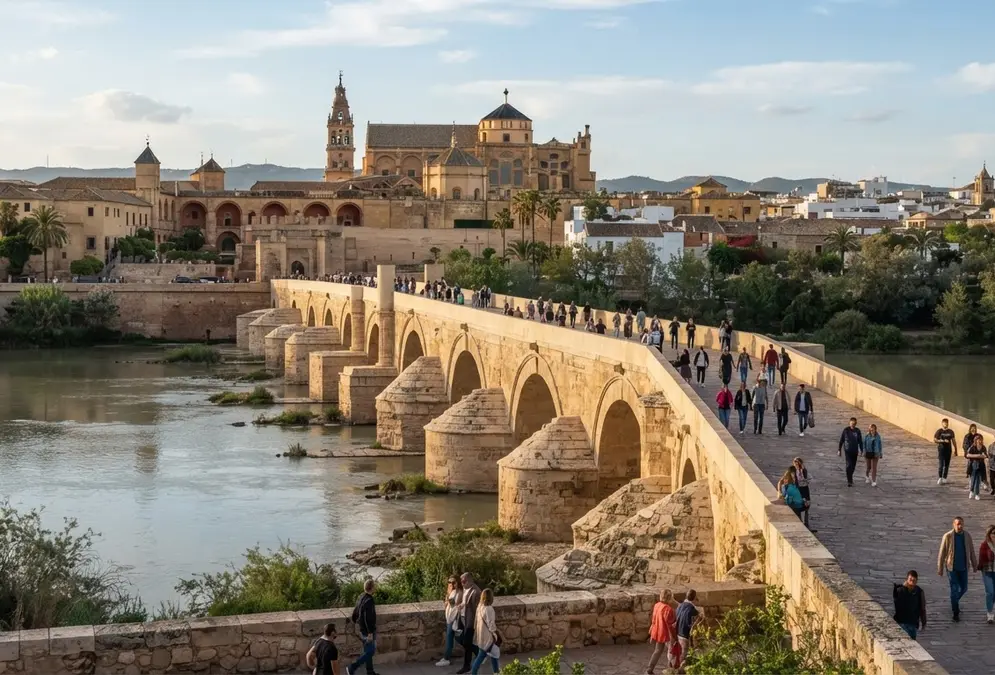
The most direct encounter with the caliphal intellectual world: exhibits on philosophy, science, medicine, and music from the 8th to 13th centuries. In the Calahorra Tower at the south end of the Roman Bridge. Cross it, you can't miss it.
Medina Azahara
8km west of Córdoba centre · UNESCO World Heritage · Allow 3h+
Al-Zahrawi was born here. The ruins of Abd al-Rahman III's palace-city are partially excavated and open daily. Bus 01 runs from Avenida de América (Paseo de la Victoria area), about 25 minutes each way. Taxi from the historic centre is roughly €15. The scale of what was built, and what was lost, makes the intellectual output of the Caliphate harder to dismiss.
-
Averroes Statue
Calle Cairuan, near Puerta de Almodóvar
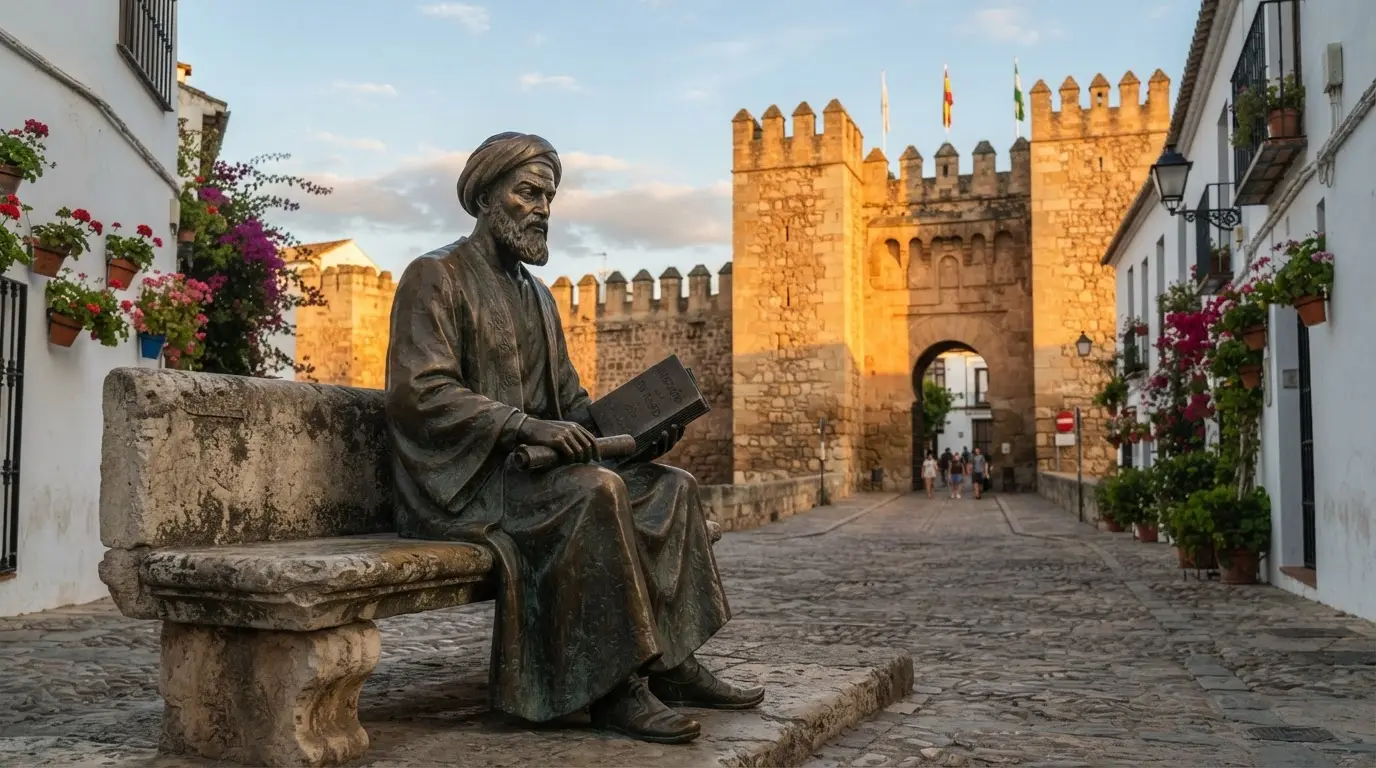
Bronze, 1967. The philosopher seated, book in hand. Easy to miss — worth finding before you enter the Judería.
-
Plaza de Tiberiades
Calle de los Judíos, Judería
Quiet square with the Maimonides statue. One of the more reflective spots in the Judería — rarely crowded.
-
Casa de Sefarad
Corner of Calle de los Judíos and Calle Averroes · Tue–Sun 11:00–18:00 · €4
Five rooms on Sephardic heritage. The building's address — where the philosopher's street meets the Jews' street — is part of the exhibit.
Scholar trail: half-day itinerary
Five stops in the historic centre, plus an optional extension to Medina Azahara. The core route takes 3–4 hours on foot; everything is within the Judería and adjacent streets.
- 1
Averroes Statue — Calle Cairuan (15 min)
Start outside the old city walls, before you enter the Judería. The statue is easy to miss; worth finding first, while you still have your bearings.
- 2
Puerta de Almodóvar into the Judería (5 min)
The 14th-century gate into the Jewish quarter. Walking through it is crossing from the city built by the Reconquista into the one built by the Caliphate.
- 3
Calle Averroes to Casa de Sefarad (20 min walk)
Walk Calle Averroes to the corner of Calle de los Judíos. Note the Capilla de San Bartolomé on the left: the Gothic-Mudéjar plasterwork is worth a pause. Casa de Sefarad is at the corner.
- 4
Casa de Sefarad (60 min)
The five-room museum on Sephardic heritage. The room on Jewish-Islamic intellectual exchange is the most relevant for this itinerary; it covers the cross-cultural dimension of the Golden Age that this guide is about.
- 5
Maimonides Statue — Plaza de Tiberiades (15 min)
Two minutes further along Calle de los Judíos. A quiet square with a bronze philosopher, the point where Averroes and Maimonides almost touch.
- 6
Al-Andalus Museum — Torre de la Calahorra (45–60 min)
Cross the Roman Bridge to reach the tower. The museum's science and medicine section is the closest you can get, in Córdoba today, to the scholarly world these four figures inhabited. Open daily 10:00–19:00, €4.50 adult.
+
Optional extension: Medina Azahara (half day, requires transport)
Al-Zahrawi's birthplace and the physical seat of the caliphal Golden Age. The ruins of the palace-city, uncovered and partially restored, make abstract history concrete. 8km west of Córdoba; shuttle buses run from the city centre. Allow at least 3 hours.
Guided Tours of Córdoba's Islamic Heritage
Tours are selected for quality, not commission. We earn a small fee if you book — at no extra cost to you.
Best Seller
Best Seller
Mosque-Cathedral Skip-the-Line Guided Tour
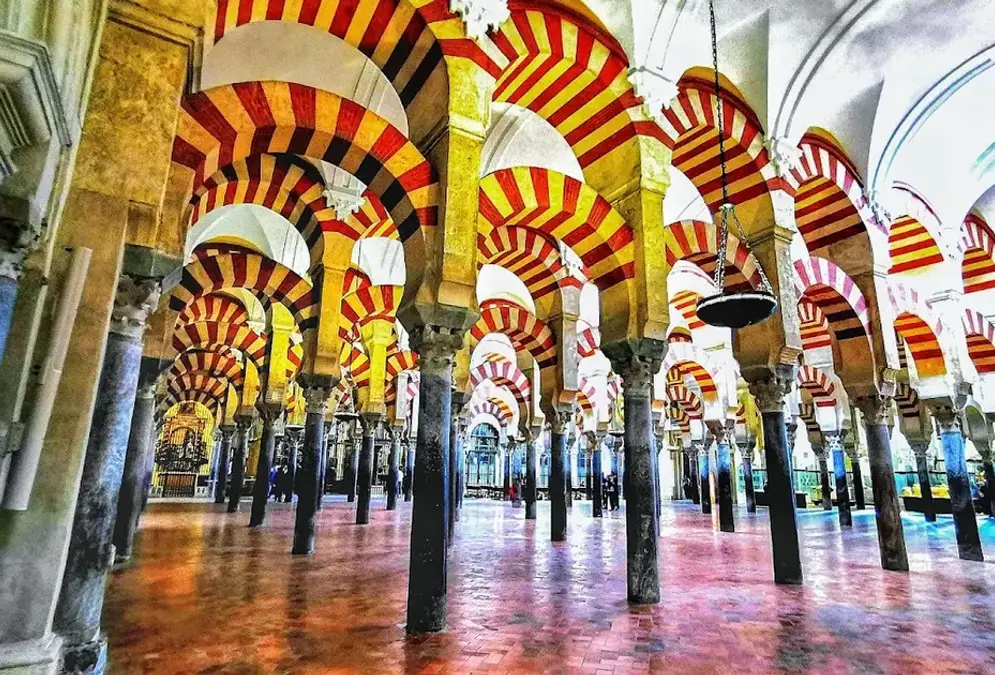
Skip the queue and explore the Mezquita-Cathedral with a knowledgeable local guide. Discover 13 centuries of layered history in one of Spain's most iconic monuments.
Skip the line 1.5 hours
From €29
4.7 (7,293 reviews)
Reserve Your Spot
✓ Verified GetYourGuide reviews
Books up weeks ahead in peak season
Mosque-Cathedral Skip-the-Line Guided Tour
Beat the crowds with skip-the-line access and enjoy an expert-led tour through the breathtaking arches, mihrab, and cathedral choir of Córdoba's most visited monument.
Skip the line 1.5 hours
From €28
4.6 (5,758 reviews)
Reserve Your Spot
✓ Verified GetYourGuide reviews
Books up weeks ahead in peak season
Medina Azahara 3-Hour Guided Tour
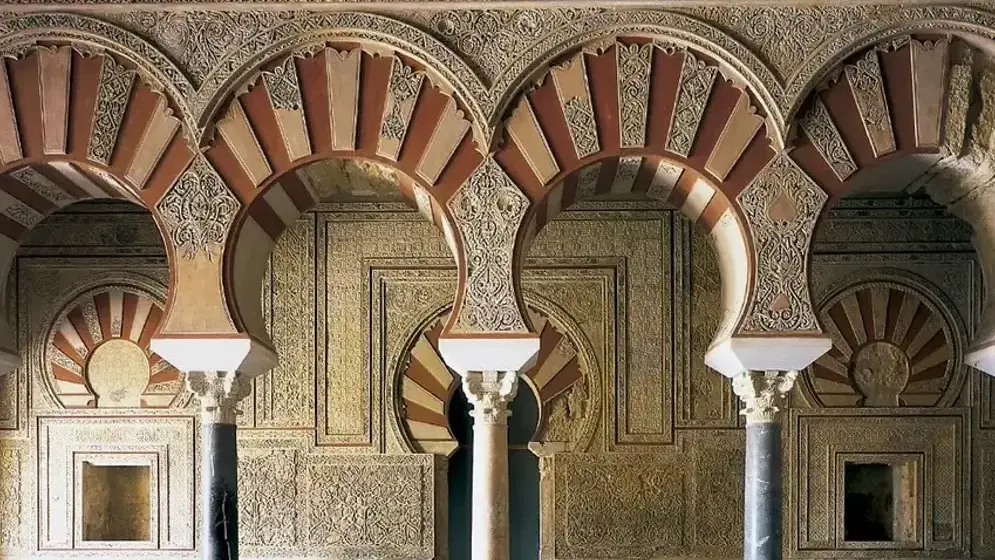
Step back to the 10th century at the ruins of the once-magnificent palace city of Medina Azahara. Includes transport and an expert guide who brings this UNESCO site to life.
3 hours
From €18
Less than a restaurant lunch
4.7 (509 reviews)
Reserve Your Spot
✓ Verified GetYourGuide reviews
Frequently asked questions
What made Córdoba the intellectual capital of the medieval world?
In the 10th century, the Umayyad Caliphate of Córdoba controlled a city of roughly 500,000 people, the largest in Western Europe, and a royal library of 400,000 manuscripts, when most European monasteries held fewer than 100. The Caliphs actively collected texts from Baghdad, Constantinople and Alexandria, funding translations of Aristotle, Galen and Euclid into Arabic. Scholars of three faiths worked in this environment: Muslim jurists, Jewish court physicians, Christian copyists. The ideas circulated because the people had economic and political incentives to collaborate.
Where can I see the legacy of Averroes in Córdoba today?
Three places. The bronze statue of Averroes stands near Puerta de Almodóvar (Calle Cairuan), a 10-minute walk from the Mezquita. Calle Averroes runs through the Judería, named after the philosopher born in the streets it connects. The Al-Andalus Museum in the Torre de la Calahorra (Puente Romano) covers the scientific and philosophical legacy of the caliphal era, including the intellectual world Averroes inhabited. The museum is open daily 10:00–19:00 (€4.50 adult).
What did Al-Zahrawi invent that we still recognise today?
Al-Zahrawi (Abulcasis) invented or refined over 200 surgical instruments: forceps, retractors, scalpels, specula, cannulae, many of which are still recognisable in modern surgical kits. His Kitab al-Tasrif was the first illustrated surgical guide ever produced, and it became the standard European medical reference for more than 500 years after his death. He was also the first physician to document hemophilia as a hereditary condition, describing an Andalusian family whose male members died from bleeding after minor injuries.
Is Maimonides considered part of the Islamic Golden Age even though he was Jewish?
Yes, in the sense that the conditions of the Golden Age produced him. Maimonides grew up reading Aristotle in Arabic translations made by Muslim scholars, studied philosophy in an intellectual tradition established by the Umayyad court, and wrote his most important work, the Guide for the Perplexed, as a direct response to questions Averroes raised. His family was driven out of Córdoba by the Almohad conquest in 1148, when he was ten. The city formed him and then expelled him. His presence in the Islamic Golden Age runs through the conditions of convivencia that preceded the Almohad period, not in spite of his Judaism.
Who was Ziryab and why does he matter for Andalusian culture?
Ziryab (789–857) was a musician from Baghdad who arrived in Córdoba at the invitation of Abd al-Rahman II and spent the rest of his life there. He added a fifth pair of strings to the oud, founded a music conservatory open to male and female students, and introduced the three-course meal sequence (starter, main, dessert) to Córdoba's palace dining, a sequence that eventually spread through European dining culture. He also introduced seasonal fashion to the Córdoban elite. He is less well-known than Averroes or Maimonides, but his influence on how people eat, listen, and dress in the Mediterranean world is arguably as significant.
What these four figures share is the city that produced them, and a sequence of ideas that outlasted it. The most durable traces of the Golden Age are in operating theatres, in law faculties, in music conservatories, and on the menu of any restaurant that serves courses in sequence.
Continue exploring
Further reading
Sources and further reading
4 references Show Hide
- Internet Encyclopedia of Philosophy — Ibn Rushd (Averroes) (opens in a new tab)
Peer-reviewed entry on Averroes' philosophy and influence on Latin scholasticism
- Stanford Encyclopedia of Philosophy — Maimonides (opens in a new tab)
Comprehensive entry on Maimonides' philosophical and legal works
- Columbia Surgery — Al-Zahrawi: History of Medicine (opens in a new tab)
Medical perspective on Al-Zahrawi's surgical contributions and the Kitab al-Tasrif
- Official Andalusia Tourism — Museo Vivo Al-Andalus (opens in a new tab)
Official tourism information for the Al-Andalus Museum at Torre de la Calahorra
The full story: the golden-age minds
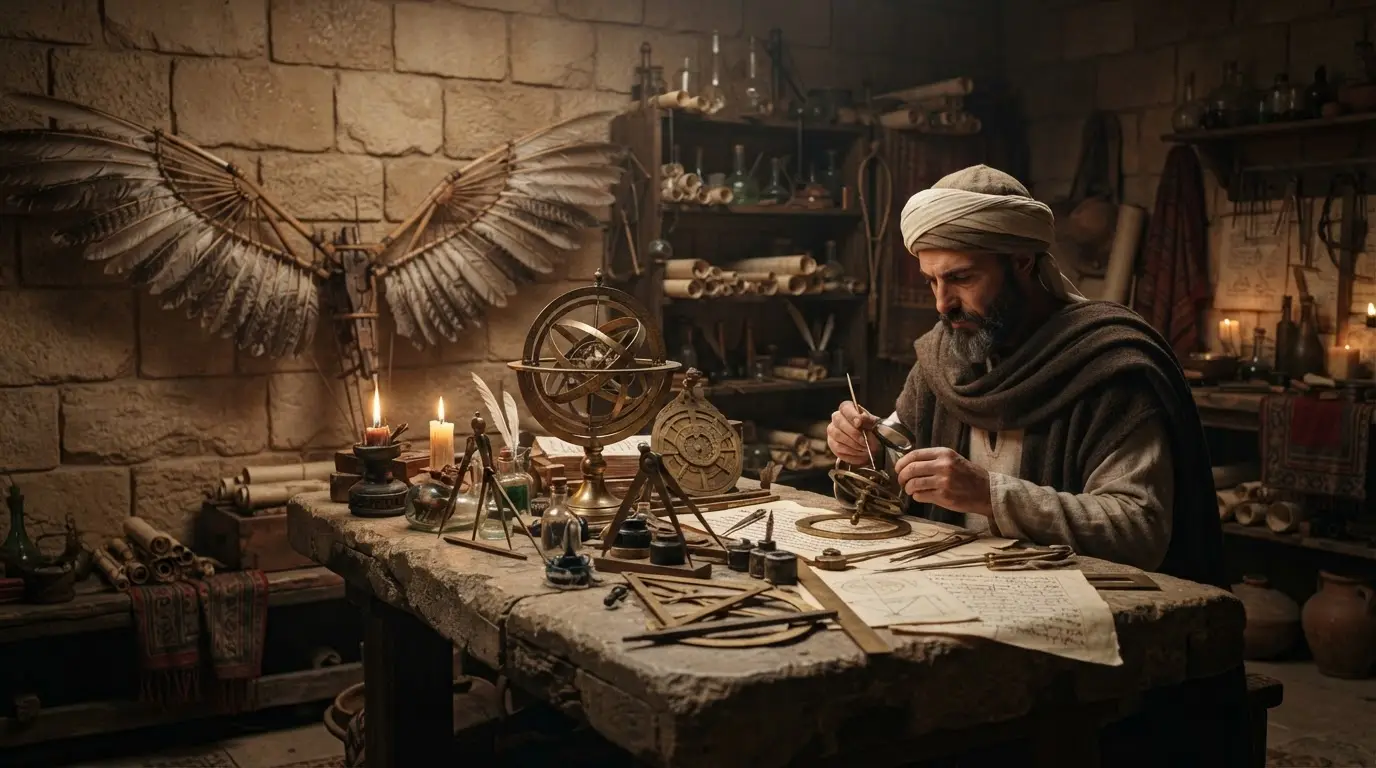
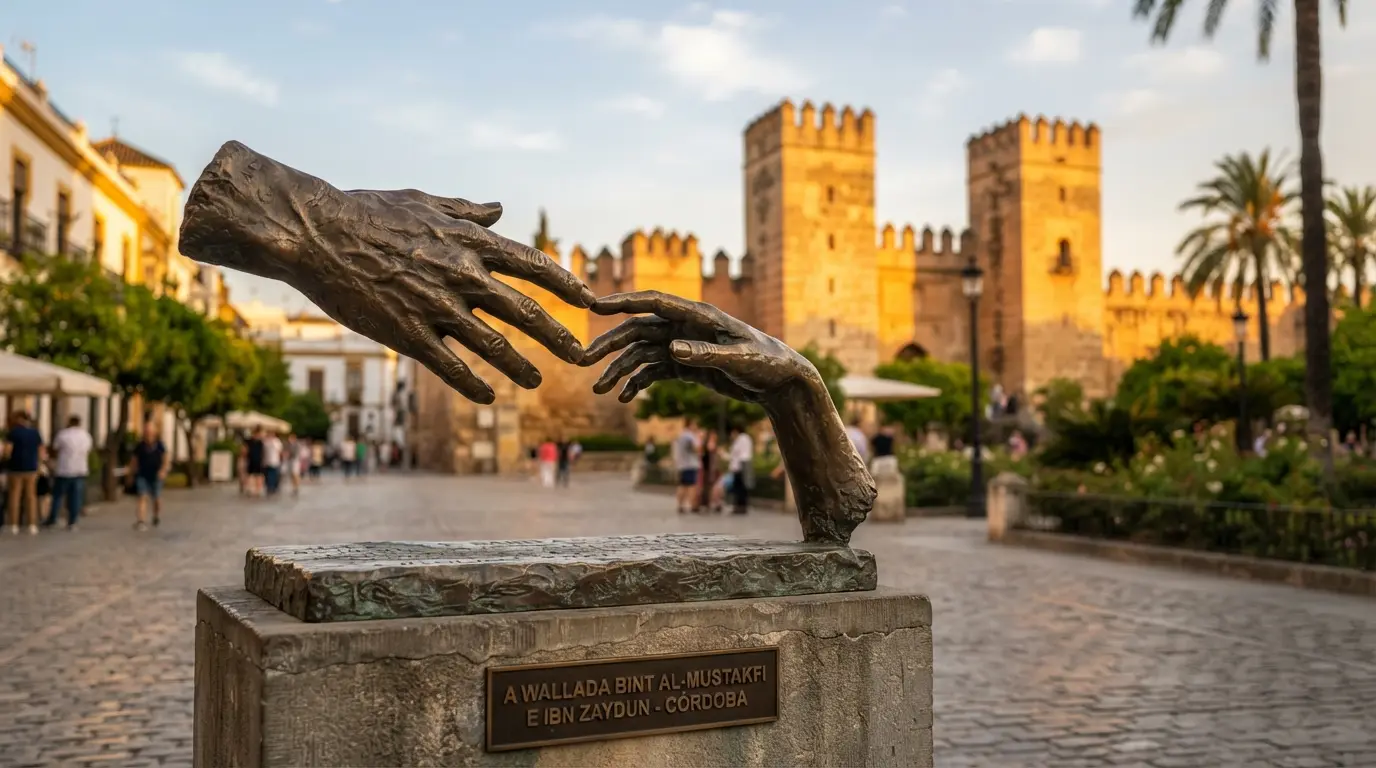
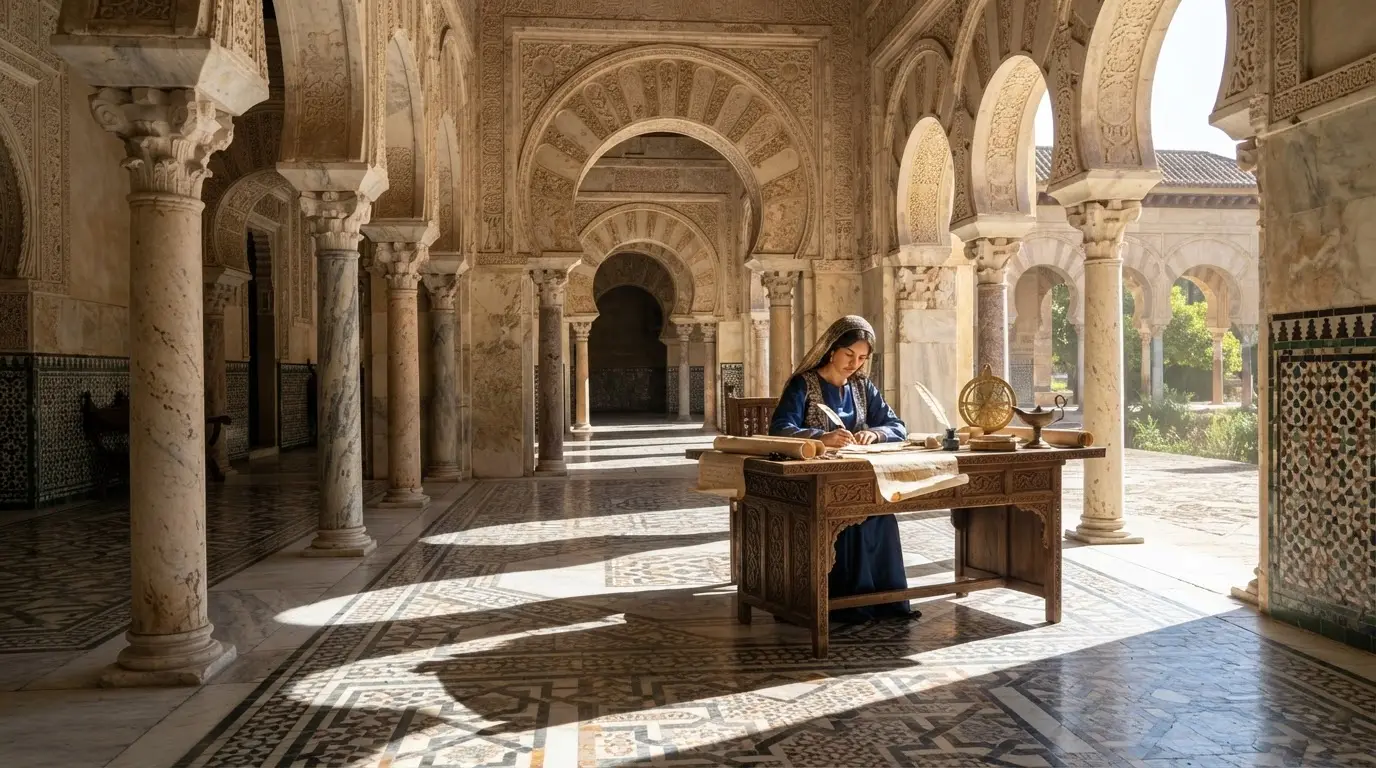
Wallada bint al-Mustakfi ran her own literary salon in Córdoba while male poets bickered in public over her verse. Ibn Firnas is said to have strapped on a pair of wings and leapt from a tower on the city's edge. The story survives only because a chronicler wrote it down generations later, and it reads more like legend than record. Lubna worked inside the caliphal library's translation effort, in a role most surviving accounts never got around to naming. These articles follow their trail, along with fuller stories on Averroes, Maimonides and al-Zahrawi.