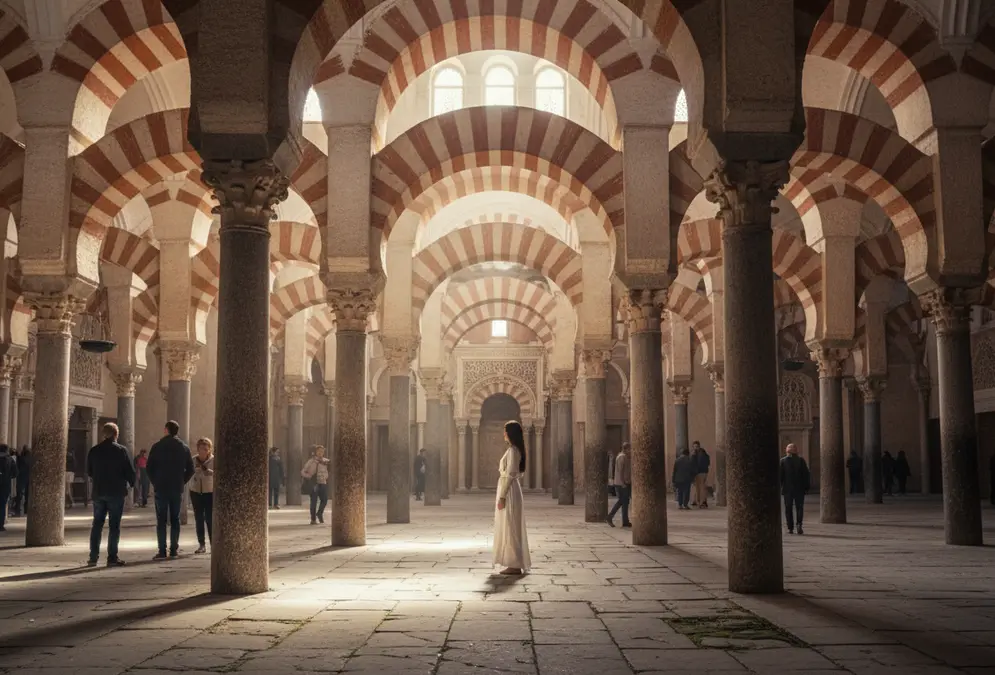
Heritage & Planning
Muslim Traveler & Halal Guide to Córdoba
Rediscover the legacy of Al-Andalus. A complete guide to Halal dining, prayer spaces, and Islamic heritage in the city of the Caliphs.

Written by
María Fernanda González Ten years covering Córdoba's UNESCO heritage sites, sourcing from Junta de Andalucía documentation.
Updated Published
At a glance
- Islamic heritage
- Mezquita (785 AD), Medina Azahara, Caliphal Baths
- Active mosques
- 2 (Mezquita de los Andaluces & de los Morabitos)
- Halal options
- 30+ certified establishments
- Atmosphere
- Welcoming — proud "City of Three Cultures"
- Ramadan tip
- Book restaurants early; iftar gatherings in Judería
- Prayer times
- Check IslamicFinder or ask at either mosque
In this guide
Jump to a section
Welcome to the City of the Caliphs
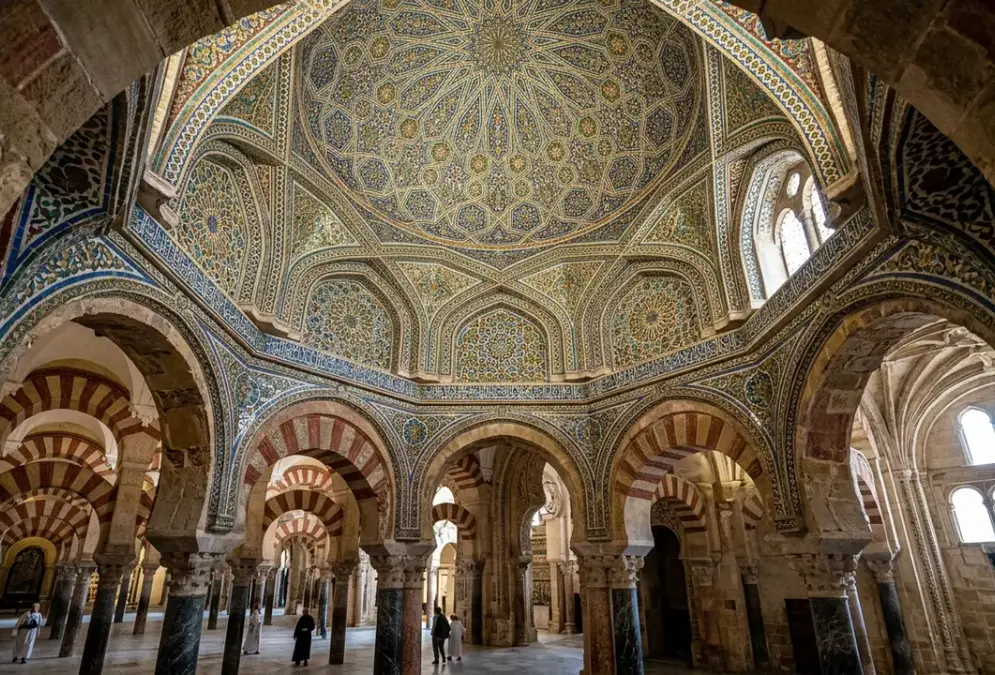
Walking through Córdoba is, for many Muslim travelers, a journey of homecoming. Once the capital of the Umayyad Caliphate and the most advanced city in Europe, Córdoba (Qurtubah) remains a beacon of Islamic heritage — and the origin story of the al-Andalus tourism boom.
Today, the city honors its identity as the "City of Three Cultures," celebrating the historical coexistence of Muslims, Christians, and Jews. Whether you are coming to marvel at the Great Mosque or to walk the same streets as Averroes, this guide will help you navigate the city comfortably while respecting your religious needs.
Halal Dining in Córdoba
While Córdoba is famous for its pork-based tapas, the city's culinary landscape has evolved to offer excellent Halal-certified and Muslim-friendly options.
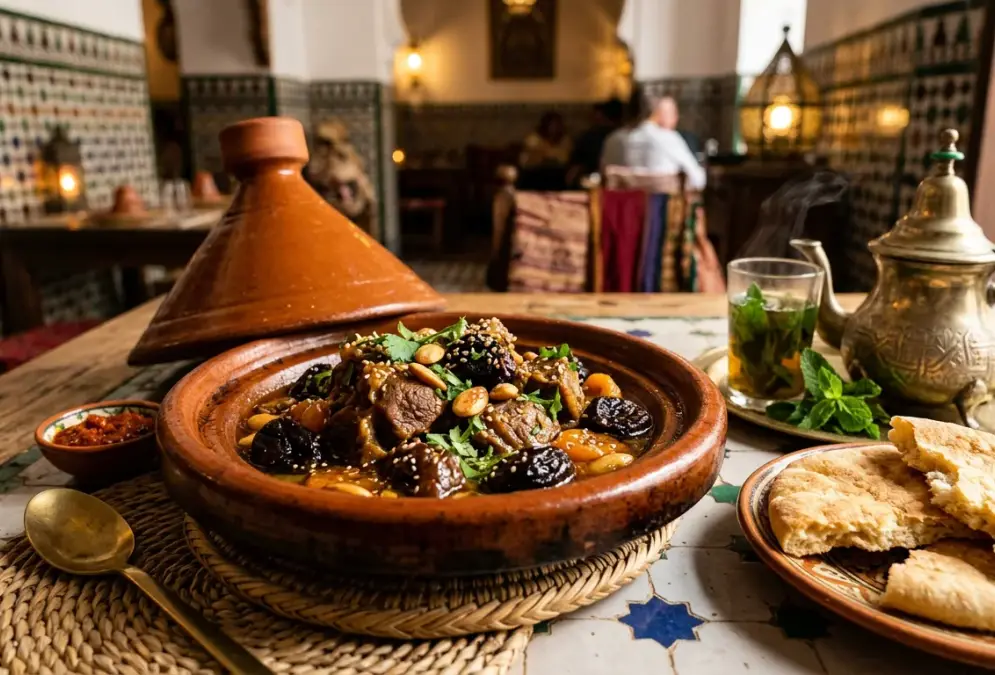
Restaurante Umaueyon
Steps from the Mezquita (Judería/Centro), fully halal certified, with Moroccan tagine, couscous, and an extensive tea menu.
- Fully Halal Certified
- No Alcohol served
- Vegetarian & vegan options available
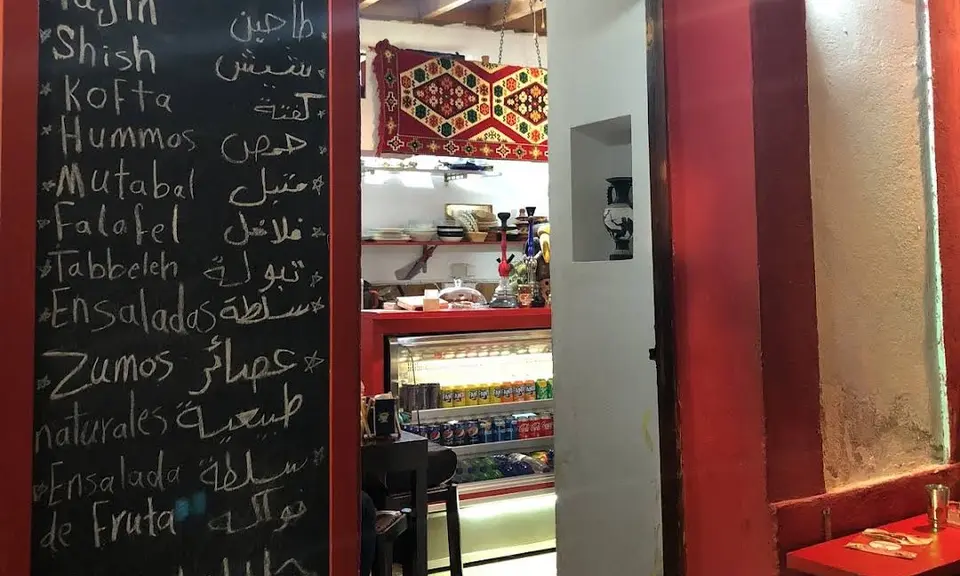
Damasquino Halal
Córdoba's only Syrian restaurant, run by a family from Damascus. Located near Plaza de las Tendillas (Centro). Homestyle shish tawuk, fattoush, and beef tagine. All meat is halal certified.
- 100% Halal certified
- Family-friendly, budget-friendly
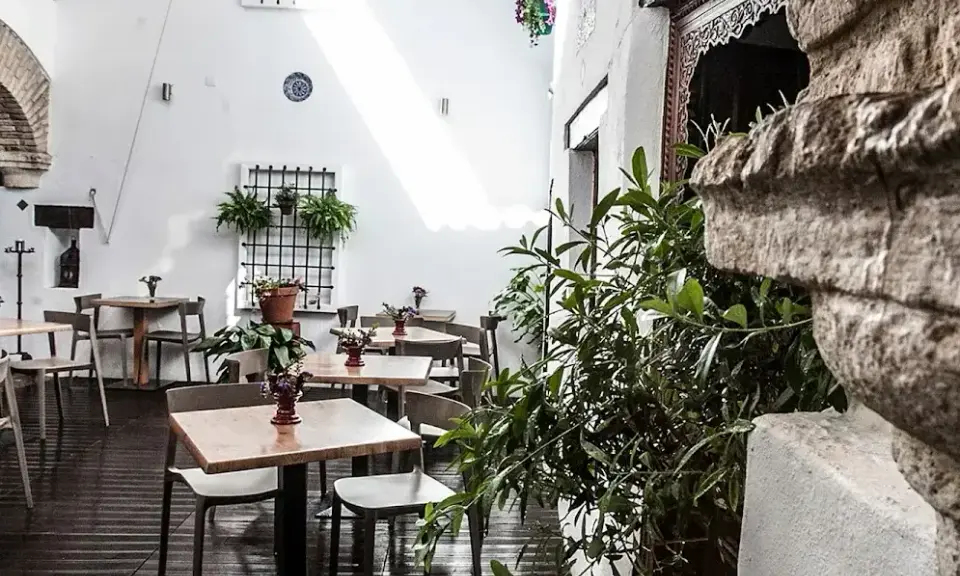
Casa Mazal
Located in the heart of the Judería, this restaurant focuses on Sephardic and Al-Andalus recipes. While they serve alcohol, they offer many meat-free and Muslim-friendly dishes.
- Many Vegetarian/Vegan options
- Historical atmosphere in a traditional patio
Bocaito Andalusí — Mercado Victoria
Moroccan-Andalusian fusion stall inside Mercado Victoria (P.º de la Victoria), Muslim-owned with halal-certified meat. Budget-friendly at €15–30, no reservation needed — walk-in casual dining in Córdoba's best food hall.
- Halal-certified meat, Muslim-owned
- Moroccan-Andalusian fusion, €15–30
Prayer Spaces (Mosques)
While the historic Great Mosque is now a Cathedral and does not permit Islamic prayer, Córdoba has two active mosques where the local community and visitors can perform their daily prayers.
Mezquita de los Andaluces
A beautiful, small mosque located in a narrow street near Plaza de las Tendillas. It has a peaceful patio and a traditional prayer hall.
Calle Buen Pastor, 6 (Historic Center)
Mezquita de los Morabitos
The largest active mosque in the city, located in the Jardines de la Victoria near the train station. It serves as a community center.
Jardines de la Victoria (Near the Station)
Note: Prayer times in Córdoba follow the Andalusian calendar. It is recommended to check IslamicFinder or ask at the mosque for exact times during your visit.
Islamic Heritage Beyond the Mezquita
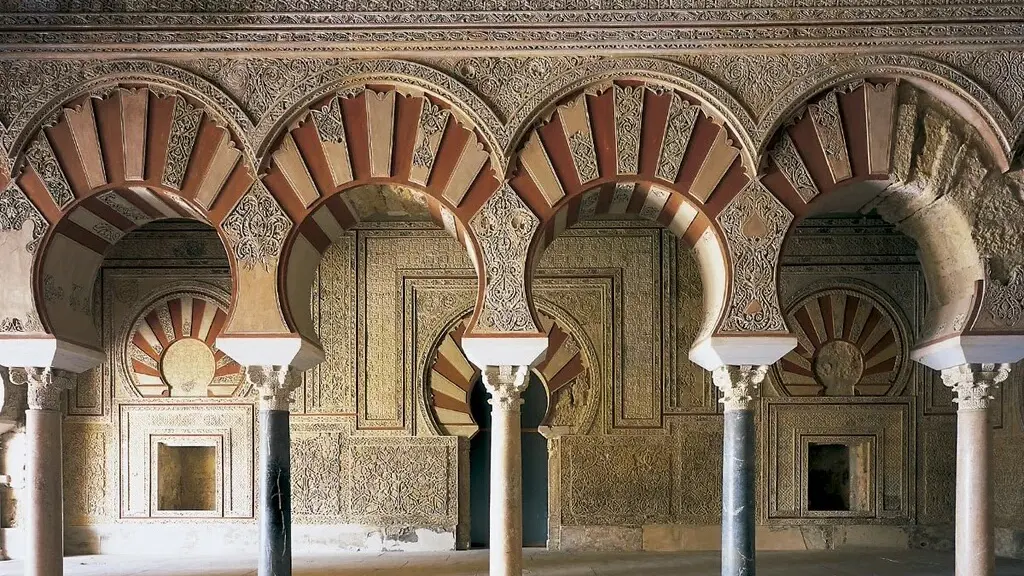
Medina Azahara
The "Shining City" built by Abd al-Rahman III. UNESCO World Heritage site, 8 km from the city centre.
Read our full guide →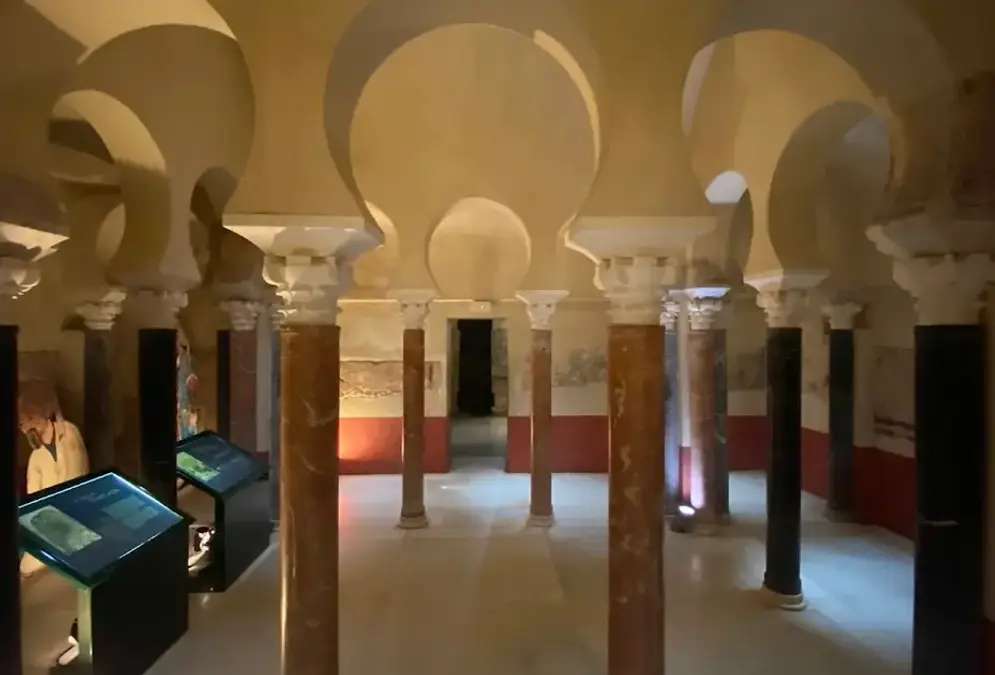
Caliphal Baths
Royal hammam remains near the Alcázar. Showcases the engineering and importance of water in Al-Andalus.
Explore the baths →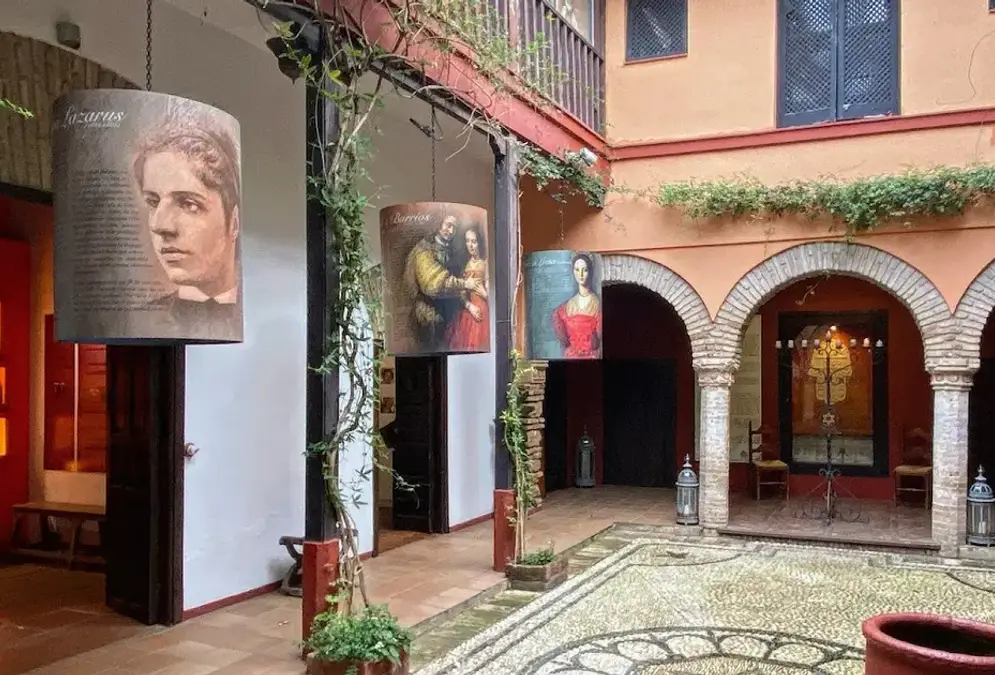
Casa de Sefarad
Museum of Sephardic culture in the Judería. Documents the centuries of Jewish-Muslim coexistence that defined Córdoba's intellectual golden age.
Explore the museum →Alminar de San Juan
A remarkably preserved 10th-century minaret that now serves as a church bell tower. One of the purest examples of Umayyad architecture still standing in the city.
Scholars of Qurtubah
For many Muslim travelers, Córdoba carries a weight that goes beyond its architecture. This city was the intellectual capital of the Islamic world — where scholars whose ideas still echo in philosophy, medicine, and music were born, studied, and worked. Walking these streets is a kind of homecoming.
Ibn Rushd (Averroes)
1126–1198 · Philosophy & MedicinePhilosopher, physician and Islamic jurist, born in Córdoba near the Mezquita. His commentaries reconciled Aristotelian reason with Islamic theology and were taught in European universities for three centuries. A street in the Judería — Calle Averroes — still bears his name today.
Ziryab
789–857 · Music & CultureMusician, poet and polymath from Baghdad who became the arbiter of taste in caliphal Córdoba. He added a fifth string to the oud, founded a music conservatory, and transformed Andalusian cuisine, fashion, and social customs — giving the city its cultural identity.
Al-Zahrawi (Abulcasis)
936–1013 · Surgery & MedicineCourt physician to Caliph Al-Hakam II, born near Medina Azahara. His 30-volume illustrated surgical encyclopedia remained the standard European medical reference for 500 years. His legacy is explored at the Al-Andalus Museum.
For the intellectual legacy of these scholars — their discoveries, philosophical works, and where to find them in Córdoba today — see our Islamic Golden Age guide. For the architectural and political history of the Caliphate era, see our Moorish Córdoba guide.
Is Córdoba Welcoming to Muslim Travelers?
We often see travelers asking on platforms like Reddit: "With the current anti-tourism sentiment in Spain, is it safe or welcoming for Muslims?"
The answer is a resounding yes. Unlike some coastal areas struggling with "over-tourism," Córdoba's tourism is deeply rooted in cultural and historical appreciation.
- Respectful Atmosphere: The local "Cordobeses" take immense pride in their Islamic history. You will find that most residents are helpful and accustomed to international visitors.
- Modesty: Córdoba is a conservative city by Spanish standards. Modest dress is common and respected, especially in the historic quarters.
- Anti-Tourism Context: Any protests you may hear about in Spain are typically directed at housing prices and mass-market tourism models (like cruise ships), not at individual travelers or specific backgrounds.
Insider Tips for your Visit
local-custom
Friday Prayers
Arrive early for Friday (Jumu'ah) prayers at the Mezquita de los Morabitos, as it can get quite busy with the local community.
what-to-order
Eggplant with Honey
Try Berenjenas con Miel. It's a classic Cordoban dish of Moorish origin. Just ensure they are fried in vegetable oil (most traditional places do).
booking-tip
Medina Azahara Shuttle
Book the "Bus Diario" to Medina Azahara in advance online. It's the easiest way to reach the site without a car.
Muslim Traveler FAQs
Is there Halal food in Córdoba?
Yes, Córdoba offers several Halal-certified and Muslim-friendly restaurants, particularly in the historic center (Judería) and near the Mezquita. Notable options include Restaurante Umaueyon, Damasquino, and Casa Mazal.
Where can I pray in Córdoba?
There are two main active mosques for prayer: the Mezquita de los Andaluces (near the Plaza de las Tendillas) and the Mezquita de los Morabitos (near the train station). Note that prayer is not permitted inside the historic Mezquita-Cathedral.
Is Córdoba welcoming to Muslim travelers?
Absolutely. Córdoba takes great pride in its 'City of Three Cultures' identity. Muslim travelers are a vital part of the city's tourism, and the atmosphere is generally very respectful and welcoming.
Can I visit places connected to Ibn Rushd (Averroes) in Córdoba?
Yes. Ibn Rushd was born near the Mezquita in the historic centre. A street named after him — Calle Averroes — runs through the Judería, and the nearby Capilla de San Bartolomé stands on Calle Averroes with original Islamic-influenced plasterwork. The Al-Andalus Museum covers the scientific legacy of Córdoba's Islamic scholars, including Al-Zahrawi (Abulcasis).
Further reading
Resources for Muslim Travelers
3 references Show Hide
- Córdoba Tourist Office - Heritage (opens in a new tab)
Official site for historical information on Islamic monuments.
- Halal Catering Cordoba (opens in a new tab)
Local resource for Halal-certified services in the region.
- UNESCO World Heritage - Medina Azahara (opens in a new tab)
Official UNESCO designation and history of the Caliphate city.