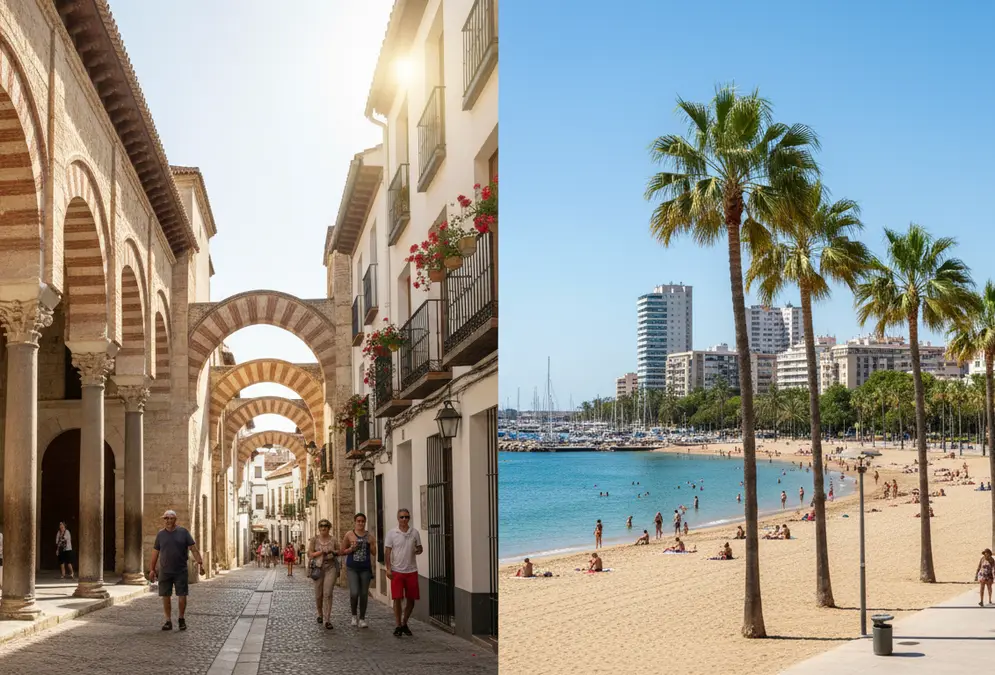
City comparison
Córdoba vs Málaga
One city has no beach. The other has no Mezquita. Here's why that's not a problem, and how to get both in one trip.

Written by
María Fernanda González Ten years covering Córdoba's UNESCO heritage sites, sourcing from Junta de Andalucía documentation.
Updated Published
At a glance
- Distance
- 1h by AVE train
- Córdoba duration
- 1–2 days
- Málaga duration
- 2–3 days (beach + city)
- Córdoba wins
- Medieval history, Mezquita, quieter
- Málaga wins
- Beach, food scene, Picasso museum, nightlife
- Pro tip
- Combine both: 2 days Córdoba + 2 days Málaga
In this guide
Jump to a section
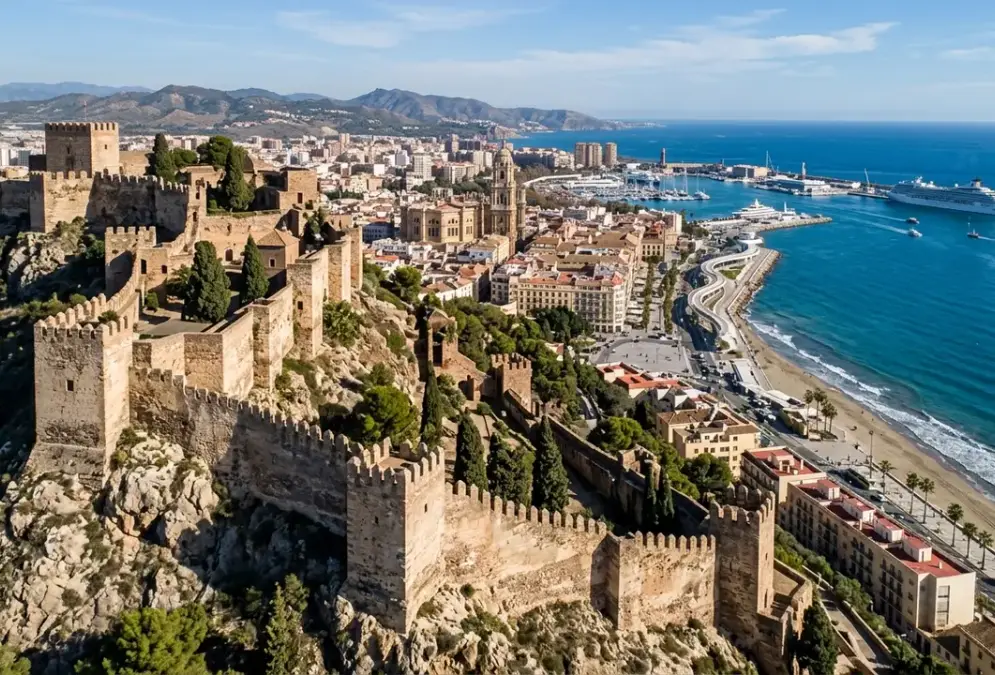
Two cities, one trip: why you don't have to choose
The choice between Córdoba and Málaga is really a choice between two different kinds of trip: a medieval cultural deep-dive inland, or a Mediterranean beach holiday on the coast. Both are valid. Neither is the wrong answer. What makes the decision easier: a 50-minute AVE train runs between them roughly every hour, with 19–22 daily services and fares from €11. You don't have to pick one and miss the other.
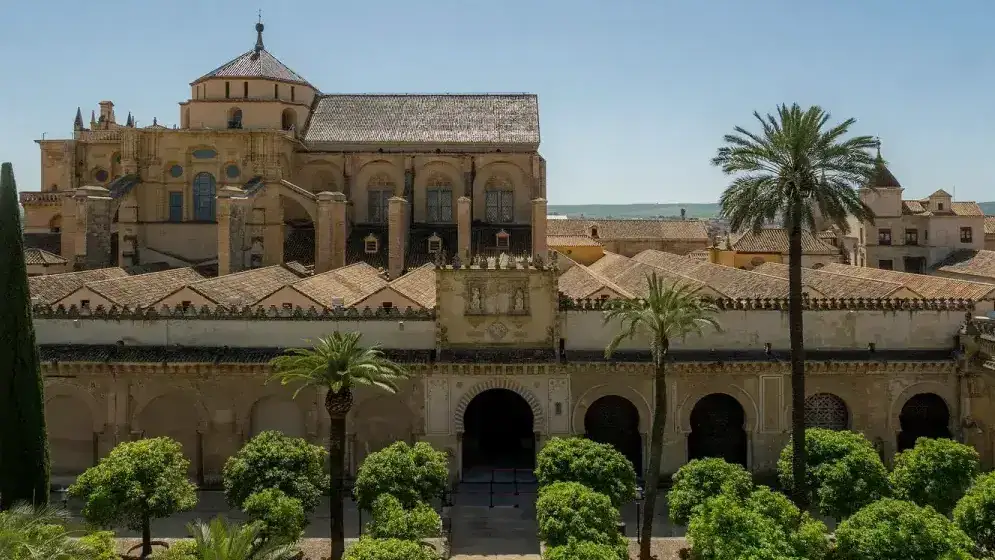
Málaga is a major Mediterranean city with an international airport, proper beaches, the Picasso Museum, a modern arts district, and beach clubs that stay open until 4am in summer. Córdoba is an inland medieval capital with the deepest concentration of Islamic heritage in Andalusia. The Mezquita-Cathedral was begun in 785 and costs €15 to enter, no booking required. Walk in on a Tuesday morning and you may have entire rows of columns to yourself.
Choose Córdoba if...
You came to Andalusia for Islamic architecture, medieval streets, and traditional food, and a morning at the Mezquita matters more than an afternoon on the beach.
Choose Málaga if...
Beaches, modern art, direct flights from home, and a cosmopolitan port city are what make a holiday feel like a holiday, with Córdoba as a day trip from the coast.
Córdoba vs Málaga at a glance
| Category | Córdoba | Málaga |
|---|---|---|
| City vibe | Medieval heritage city | Coastal art & beach city |
| Flagship attraction | Mezquita-Cathedral (€15) | Picasso Museum (€13) |
| Daily budget | ~€151/day | ~€165/day |
| Hotel (double) | €60–90 | €70–150 (seasonal) |
| Travel between | AVE 50 min, from €11 (2026 fares; 19–22 daily services) | |
| Beaches | None (inland) | Malagueta, Pedregalejo, and more |
| Best season | Mar–May, Oct | Jun–Sep (beaches), year-round |
| Atmosphere | Quiet, walkable old town | Buzzy, cosmopolitan port city |
| Airport | None (use Málaga or Seville) | Major international hub |
| Nightlife | Tapas bars, wine taverns | Soho bars, beach clubs til late |
Beach holiday or cultural deep-dive?
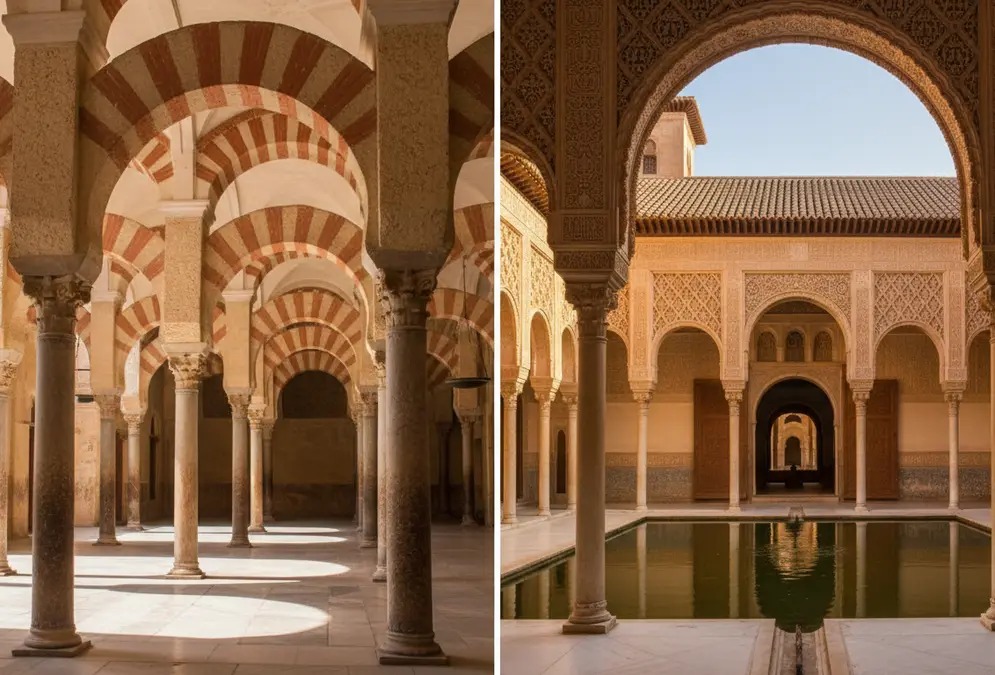
Think of Córdoba and Málaga as the two poles of an Andalusia trip. On one end: the Mediterranean coast, salt air, sunbeds at Pedregalejo, and cold beer at a chiringuito as the sun drops into the sea. On the other: a landlocked medieval city where the streets narrow to a single person's width, the light inside the Mezquita changes color as it filters through horseshoe arches, and the loudest sound in the old quarter at 10pm is a fountain.
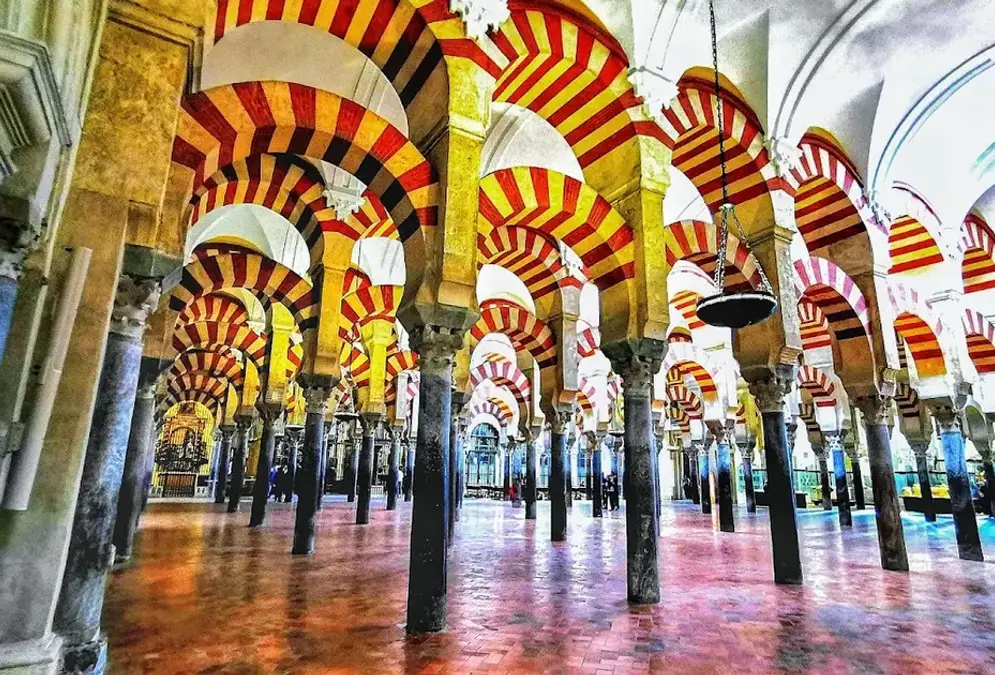
Picture the contrast morning by morning. In Málaga, you wake up, walk ten minutes to Malagueta beach, and drop your towel before the crowds arrive. The water is warm from June. You are on holiday in the straightforward sense. In Córdoba, you wake up, step into streets that Abd al-Rahman I walked in the 9th century, and arrive at the Mezquita at 10am when the doors open to a space of 856 columns, each one a slightly different shade of jasper or marble. It is not the same kind of morning.
The evenings diverge just as sharply. Córdoba's old city shuts down by midnight; the taverns around the Mezquita fill up at 9pm for rabo de toro and Montilla-Moriles wine, then quietly empty. Málaga's Soho district gets going after 11pm, and the beach clubs on the Paseo Marítimo stay lit until 4am in summer. One city asks you to slow down. The other is happy to keep pace with you.
The good news: you don't have to pick one.
The AVE high-speed train covers the 160km between the two cities in 50 minutes, faster than many city commutes. A week that starts in Córdoba for the Mezquita, Judería, and old-city food, then moves to Málaga for beaches, the Picasso Museum, and coastal nightlife covers both poles of Andalusia without a car or an uncomfortable transfer. See the day trip vs overnight guide for how to structure the nights.
Why visit Córdoba
Córdoba's old city is compact enough to walk end to end in 20 minutes, but it holds more than a millennium of Roman, Islamic, and Christian history within those streets. Abd al-Rahman I started the Mezquita-Cathedral in 785. The result: 856 columns of jasper and marble arranged in a forest of red-and-white double arches, remains one of the most disorienting and beautiful spaces in Europe. Arrive at 10am when sunlight cuts horizontally through the doors. No timed entry, no booking required.
Outside the Mezquita, the Judería (medieval Jewish quarter, UNESCO listed) winds through lanes too narrow for cars. The Alcázar gardens are layered with Roman mosaics and the smell of orange blossom from February onward. In May, the Patio Festival (UNESCO intangible heritage) opens private courtyards across the city: flowering geraniums stacked to the rooflines, cold water flowing in marble channels.
The food scene runs on confidence, not trends. Order salmorejo (a thick cold tomato soup, nothing like gazpacho) and rabo de toro (braised oxtail) at any old-town restaurant. Budget runs 10–15% lower than Málaga across hotels, lunch menus, and entrance fees. See the Córdoba food guide for specific restaurant picks.
Top attractions
- • Mezquita-Cathedral: Islamic-era forest of arches (€15, book online in peak season)
- • Alcázar de los Reyes Cristianos: Roman mosaics, terraced gardens (€7)
- • Judería: medieval Jewish quarter, UNESCO listed
- • Medina Azahara: 10th-century caliphal palace, 8km west (€1.50 for non-EU visitors; EU free — plus a mandatory €3 shuttle from the visitor car park)
- • Patio Festival (May): private courtyards open free to the public
Best for
Islamic architecture, medieval history, traditional Andalusian food, budget travelers, and anyone after a slower pace than the coast.
Why go
- + Everything walkable from one hotel, no transport needed
- + 10–15% cheaper than Málaga on accommodation and meals
- + No advance booking needed for the Mezquita
- + Patio Festival: a UNESCO-listed experience unique to Córdoba
- + Locals outnumber tourists; menus and conversations in Spanish
Trade-offs
- - No beach (it's 100km inland)
- - Summer heat: 35–42°C in July and August
- - No international airport (fly into Málaga, then train)
- - Quieter nightlife than Málaga
Why visit Málaga
Málaga punches harder than its size suggests. The Picasso Museum holds 233 works from the city's most famous son (€13, book online to skip queues). The Alcazaba fortress dates from the 11th century and costs €3.50. The Soho arts district south of the historic center has murals by international artists on every other wall, free to walk. And then there's the coastline.
Malagueta beach is a 10-minute walk from the city center, useful for a post-museum swim in summer. Better for a longer afternoon is Pedregalejo, a former fishing village 4km east of the center, where chiringuitos (beach restaurants) set plastic tables in the sand and serve fried anchovies and grilled sardines on skewers, the way they have for generations. The Soho nightlife district draws a young international crowd to bars and live-music venues; beach clubs on the Paseo Marítimo stay open until the early hours in summer.
Málaga is also the practical entry point for Andalusia. Its airport connects directly to London, Paris, Amsterdam, Berlin, and dozens of other European cities. From the airport, the C-1 Cercanías train reaches the city center in 12 minutes (€1.80), and the AVE to Córdoba departs from the main station. Non-EU visitors clear Schengen border control at the airport, so check our new ETIAS entry rules before you arrive.
Top attractions
- • Picasso Museum: 233 works, 11 donation periods (€13)
- • Alcazaba: 11th-century Moorish fortress with city views (€3.50)
- • Soho arts district: street murals, galleries, bars (free)
- • Malagueta beach: city beach, 10-minute walk from center
- • Pedregalejo: former fishing village, authentic chiringuitos
Best for
Beach holidays, modern art, international travelers, nightlife, and anyone using the Costa del Sol as a base for Andalusia.
Why go
- + Major international airport: direct flights from across Europe
- + Beaches a short walk or bus ride from the city center
- + Modern art scene: Picasso, Centre Pompidou satellite, CAC
- + Lively Soho district and beach-club nightlife in summer
- + 50 minutes by AVE to Córdoba for day trips
Trade-offs
- - More expensive than Córdoba, especially in summer
- - City beach (Malagueta) crowded in July–August
- - Less medieval heritage depth than Córdoba or Granada
- - Tourist-oriented: English menus, fewer local-only spots
When each city shines
June through September, pick Málaga: the coast sits at 25–30°C while Córdoba bakes at 35–42°C inland. March to May and October, pick Córdoba: mild walking weather and the Patio Festival in May make it the best window for the city. Winter works for either, with cheaper hotels and far fewer crowds in both.
Summer (June–September): Málaga wins
The coast sits at 25–30°C with a Mediterranean breeze. Inland Córdoba hits 35–42°C in July and August. Not impossible to visit, but you'll spend midday hiding in the Mezquita or a restaurant rather than exploring. If beaches are part of your trip, this is Málaga's season. See the summer guide for Córdoba if you're committed to the city heat.
Spring and autumn (March–May, October): Córdoba wins
Temperatures settle at 18–25°C, perfect for walking the old city and the Judería without breaking a sweat. May brings the Patio Festival (UNESCO-listed intangible heritage), when residents open their private courtyards for two weeks: terracotta pots of geraniums stacked ceiling-high, cold water channels, and the smell of jasmine and orange blossom. This is Córdoba at its best, and there's nothing comparable elsewhere in Andalusia. Read the full spring guide for dates and logistics, or see the complete best time to visit Córdoba guide for month-by-month detail.
Winter (November–February): tie
Both cities are mild at 10–15°C and far cheaper than summer. Córdoba is quieter: the Mezquita on a grey January morning with a handful of other visitors is a different, arguably better, experience than the high season. Málaga keeps a year-round buzz from its arts scene and short winter days are still warm enough for a coast walk. Accommodation prices drop sharply in both cities. Both reward a winter visit.
Getting between Córdoba and Málaga
AVE high-speed train (recommended)
The AVE covers the 160km in 50 minutes. Renfe runs 19–22 daily services in each direction, with the first departure around 6:30am and the last around 10pm. Fares start at €11 booked in advance and rise to around €45 for last-minute peak travel; book through Renfe or Omio.
- • Málaga side: María Zambrano station, city center. From the airport, take the C-1 Cercanías train (12 min, €1.80) to María Zambrano.
- • Córdoba side: Córdoba Central station, a 15-minute walk south to the Mezquita. No taxi needed.
- • Book 1–2 weeks ahead in spring and summer; cheap fares sell out fast.
Bus (ALSA)
ALSA runs coaches between Málaga and Córdoba roughly every two hours. Journey time is roughly 2 hours (about 1h45–2h30 depending on the route), fares run €12–18. Slower than the train, but useful if AVE seats are sold out or you're on a tight budget. Buses arrive at the Córdoba bus station, a short walk or taxi from the old city.
Driving
The A-45 motorway connects Málaga and Córdoba in around 1 hour 45 minutes with light traffic. A car gives you flexibility for side trips (Medina Azahara, the Subbética mountains) but creates a headache in Córdoba itself. Parking inside the old-town walls is limited; use the underground car park near the Mezquita or leave the car at a hotel outside the historic center. Málaga's airport car parks are well-priced for multi-day rentals.
Add Córdoba to your Costa del Sol holiday
The 50-minute AVE train is the single best argument for combining both cities. Renfe runs 19–22 daily services; fares range from €11 (advance, off-peak) to €45 (last-minute, peak). The journey from Málaga María Zambrano station drops you at Córdoba Central, a 15-minute walk from the Mezquita.
Day trip from Málaga to Córdoba
8:00–9:00
Depart Málaga, arrive Córdoba
Take an early service (from €11 if booked in advance). Walk from the station to the old city in 15 minutes.
9:00–12:00
Mezquita-Cathedral and Judería
Enter the Mezquita at 10am when it opens to the general public. Budget 90 minutes inside. Then walk the narrow lanes of the Judería: the Calleja de las Flores, the old synagogue (€0.30), the Arab baths.
13:00–15:00
Lunch in the old city
Order salmorejo, rabo de toro, and a glass of Montilla-Moriles wine. Set lunch menus run €13–16 in the old town. The restaurant guide has specific picks near the Mezquita.
15:00–17:00
Roman Bridge and Alcázar gardens
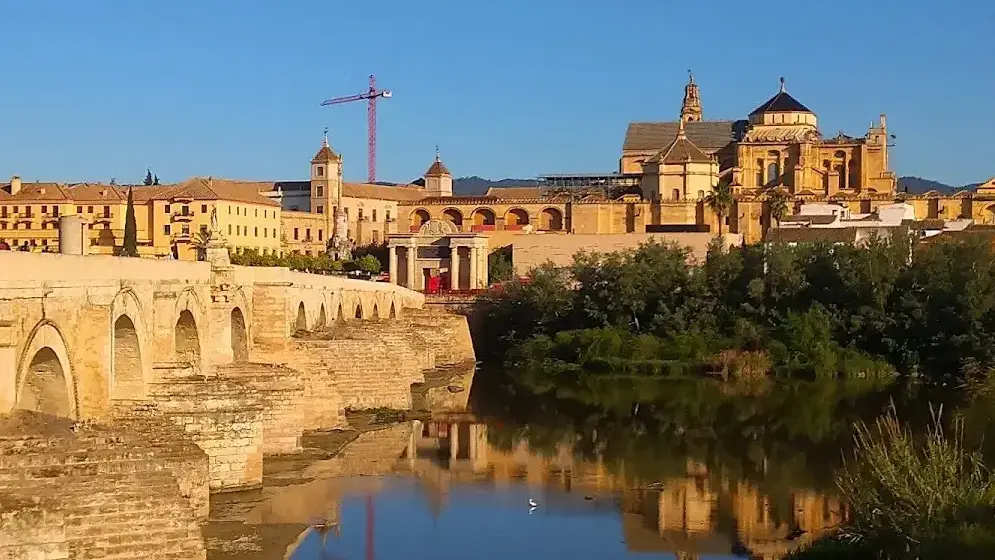
Walk the Roman Bridge for the classic Mezquita view, then cut through the Alcázar gardens. The fortified walls and terraced pools take about an hour at a relaxed pace (€7).
17:30–18:30
Return train to Málaga
Afternoon services run until early evening. You're back in Málaga in 50 minutes, in time for dinner on the coast.
For a deeper stay: 2 nights in Córdoba + 3 nights in Málaga
Two nights in Córdoba covers the Mezquita properly, adds Medina Azahara (10th-century caliphal palace, 8km west of the city), and leaves time for an evening in the old city tapas bars. Then take the AVE to Málaga for three days on the coast. Total budget for five days: roughly €600–800 per person excluding flights, depending on hotel category.
For train times and fares, see how to get to Córdoba. Book Renfe tickets at least a few days ahead in high season; prices rise with proximity to travel date. Combining the trip with Andalusia's other cities? See the Seville to Córdoba day trip, the Córdoba to Granada day trip, or the Granada to Córdoba day trip.
Pick the right city for your trip
Flying into Málaga for Andalusia
Add 2 nights in Córdoba before or after your Costa del Sol time. The AVE from the airport to Córdoba takes under an hour, easy to slot in at the start of a trip for the culture hit before the beach days begin.
Purely a beach holiday
Base yourself in Málaga and take the day trip. Six hours in Córdoba (Mezquita, Judería, a proper lunch of salmorejo and rabo de toro) gives you the best cultural day from the Costa del Sol without sacrificing beach time.
History and architecture over beaches
Stay in Córdoba for 3 nights and do Málaga as a day trip. The Picasso Museum, Alcazaba, and a long lunch at Pedregalejo are very manageable in a day. Córdoba is cheaper and quieter as a base.
Visiting in May for the Patio Festival
Córdoba, no question. The Patio Festival in the first two weeks of May is a UNESCO-listed event with no equivalent anywhere in Andalusia. Time your trip around it and the coastal detour becomes secondary.
Visiting in summer (June–September)
Base in Málaga for the beach weather. The coast sits at 25–30°C while inland Córdoba hits 40°C by midday in July. Do Córdoba as an early-morning day trip: depart 8am, arrive 9am, return by 4pm before the worst of the afternoon. See the summer guide for practical timing.
Touring all of Andalusia
See also: Córdoba vs Granada, Córdoba vs Seville and Córdoba vs Cádiz for the full Andalusia picture. Planning multiple nights? The day trip vs overnight guide breaks down the tradeoffs.
Ready to plan your Córdoba stop?
Whether it's a day trip from Málaga or a 2-night stay, here's everything you need.
Frequently asked questions
Should I visit Córdoba or Málaga?
They're not competing destinations; they're complementary ones. Málaga is for beaches, modern art, and nightlife. Córdoba is for Islamic architecture, medieval food heritage, and a pace of life the Costa del Sol abandoned decades ago. With a 50-minute AVE train between them, the real question is how many days you have. One week? Do both.
Can I do Córdoba as a day trip from Málaga?
Yes, easily. Trains run roughly every hour (50 min, from €11). Depart by 9am, spend 6–7 hours exploring the Mezquita-Cathedral, Judería, and old town, return to Málaga by 5pm. It's one of the most rewarding day trips from anywhere on the Costa del Sol, and the Mezquita alone justifies the ticket price.
When is the best time to visit each city?
Summer (Jun–Sep): Málaga wins. Beaches sit at 25–30°C on the coast versus 35–40°C+ inland Córdoba, where July and August are genuinely brutal. Spring and autumn (Mar–May, Oct): Córdoba at its best, at 18–25°C, perfect for walking, with the UNESCO-listed Patio Festival in May. Winter: both cities stay mild at 10–15°C; Córdoba offers quieter streets and cheaper hotels, while Málaga keeps its beach-town buzz year-round.
Is Córdoba worth visiting from the Costa del Sol?
Absolutely. The Mezquita alone (856 columns of jasper and marble, built from 785, book online in peak season) justifies the 50-minute train. Add the Judería, the Roman Bridge, and a proper lunch of salmorejo and rabo de toro, and you have the best cultural day available from anywhere on the Costa del Sol.
Further reading
Official sources
3 references Show Hide
- Turismo de Córdoba (opens in a new tab)
Official tourism office for Córdoba: monuments, events, and visitor information
- Málaga Tourism (opens in a new tab)
Official tourism portal for Málaga city: beaches, museums, and what's on
- Renfe: AVE trains (opens in a new tab)
Timetables and fares for the Málaga to Córdoba high-speed train