Three Cultures
Qurtuba, Colonia Patricia, Sefarad — 2,200 years of history
Five civilisations have occupied the same patch of Andalusian ground: Romans, Visigoths, Moors, Jews, and Christians. Nowhere else in Spain are the layers this dense, this legible, and this close together.

Written by
María Fernanda González Ten years covering Córdoba's UNESCO heritage sites, sourcing from Junta de Andalucía documentation.
Updated Published
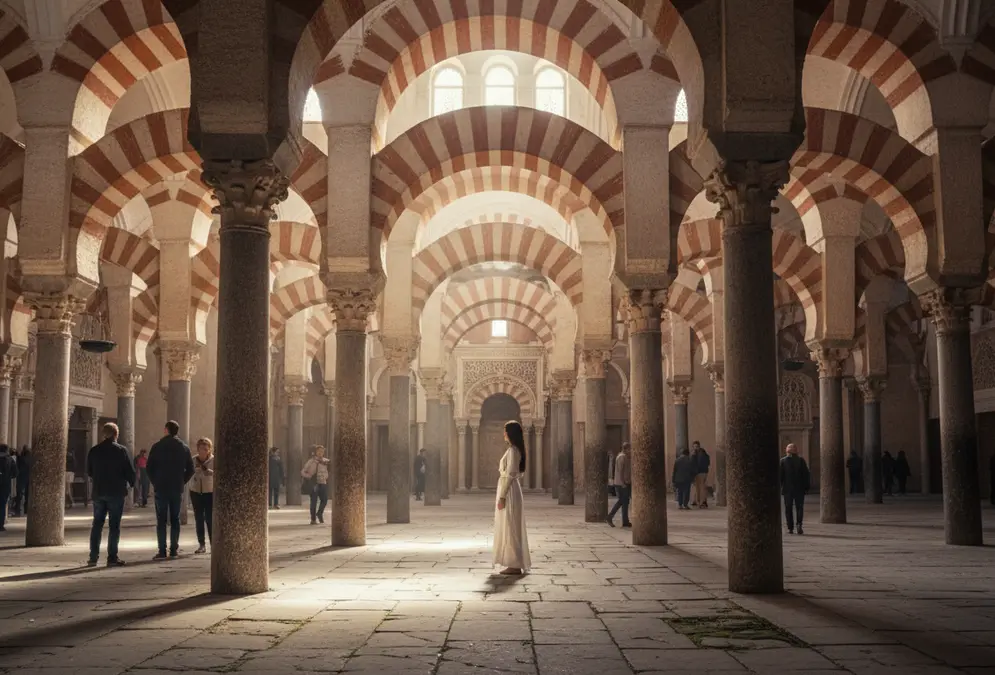
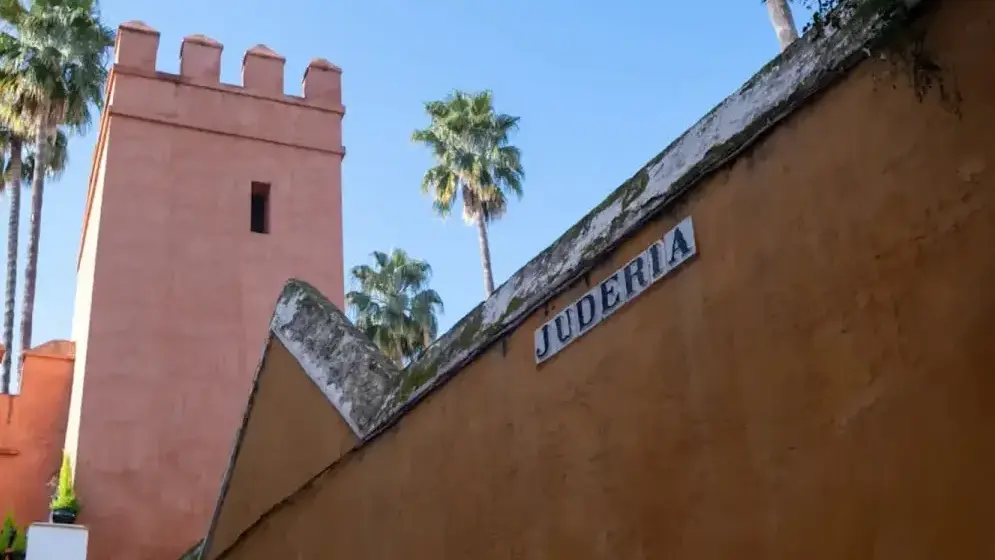
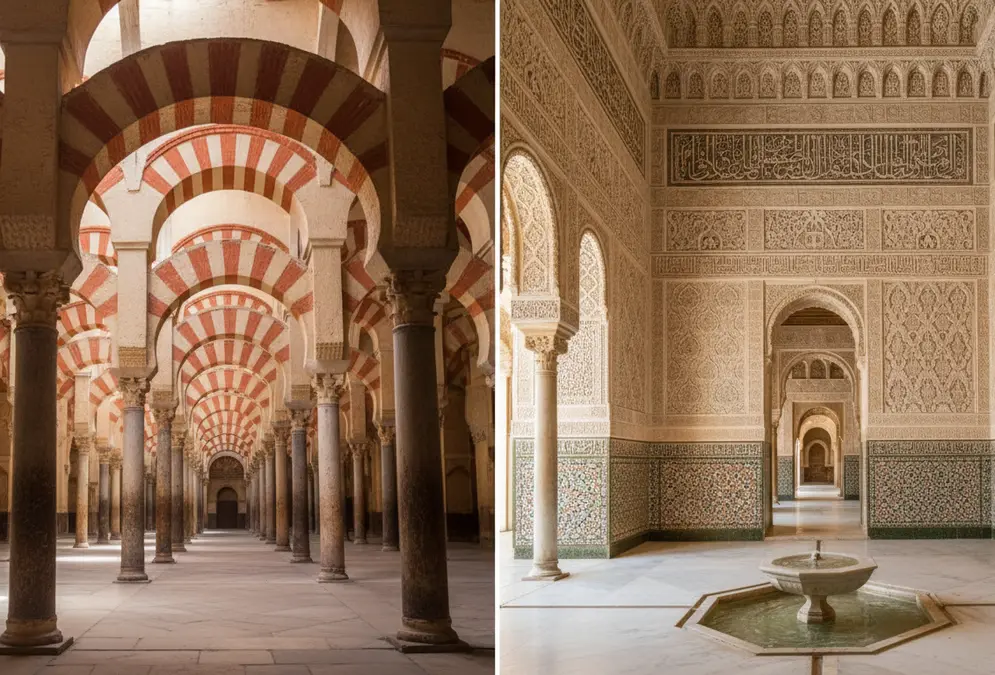
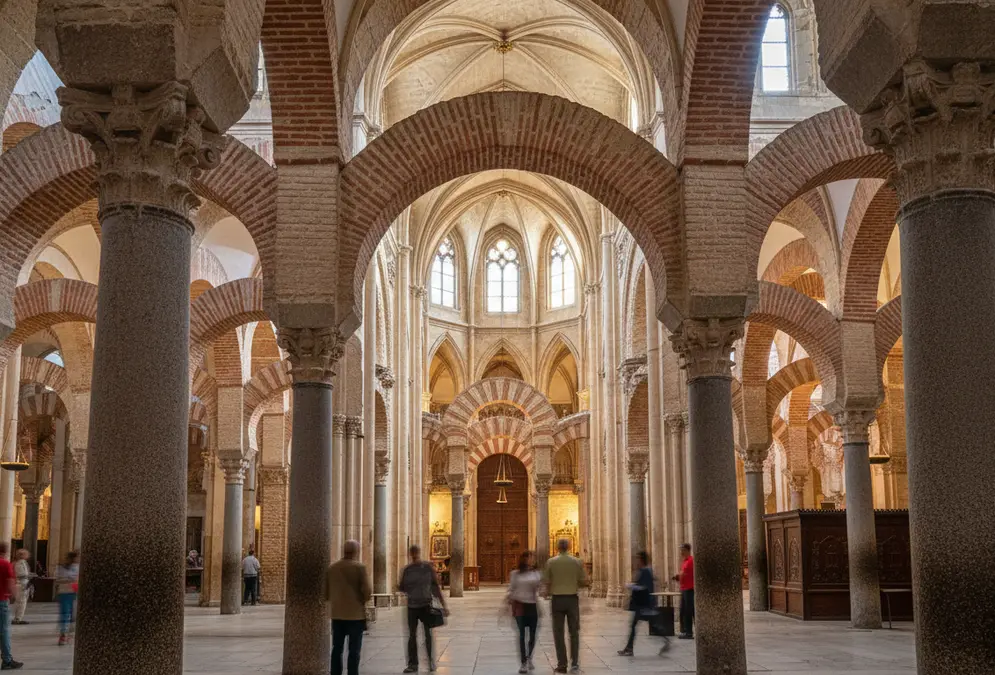
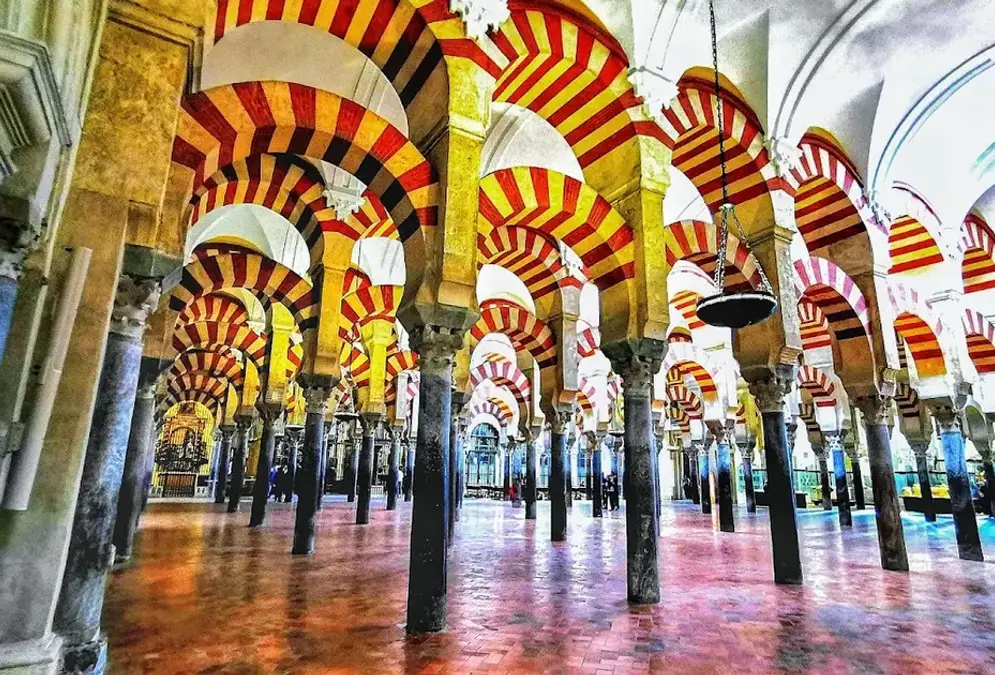
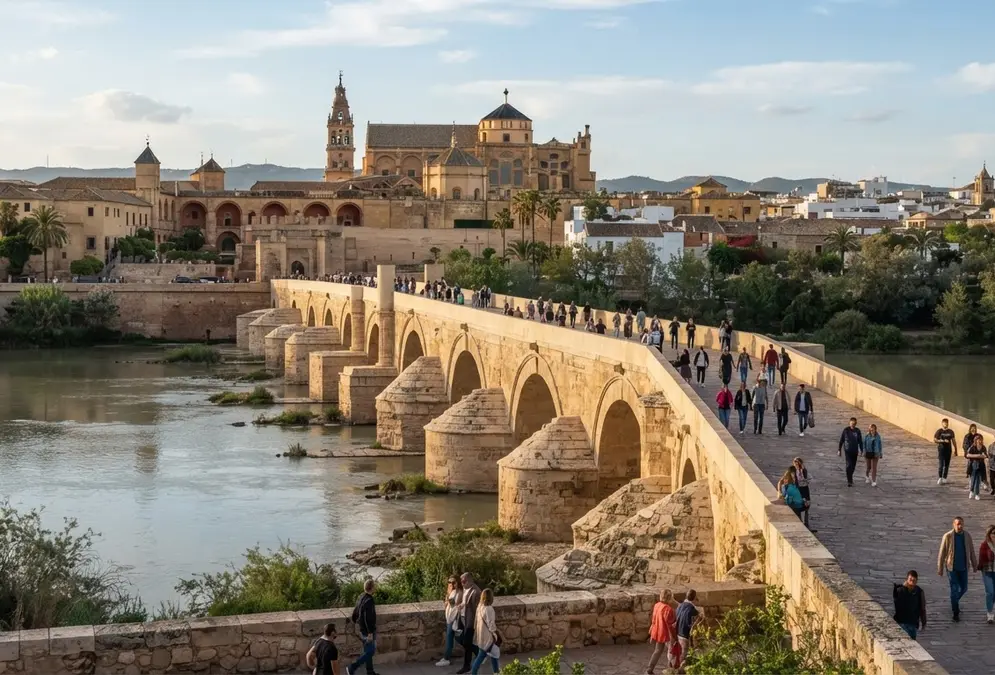
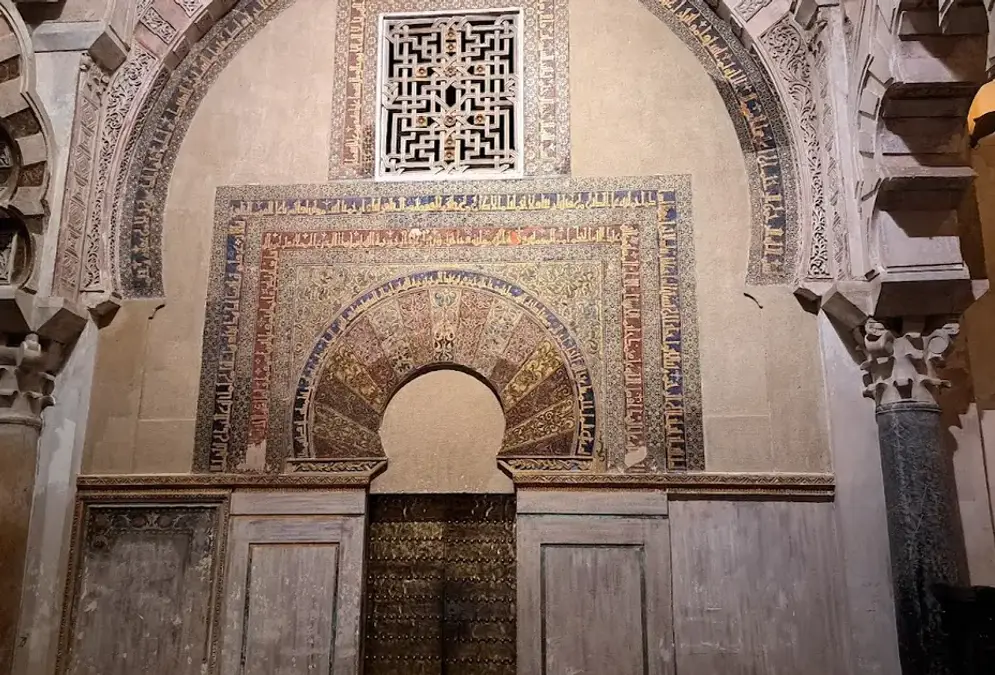
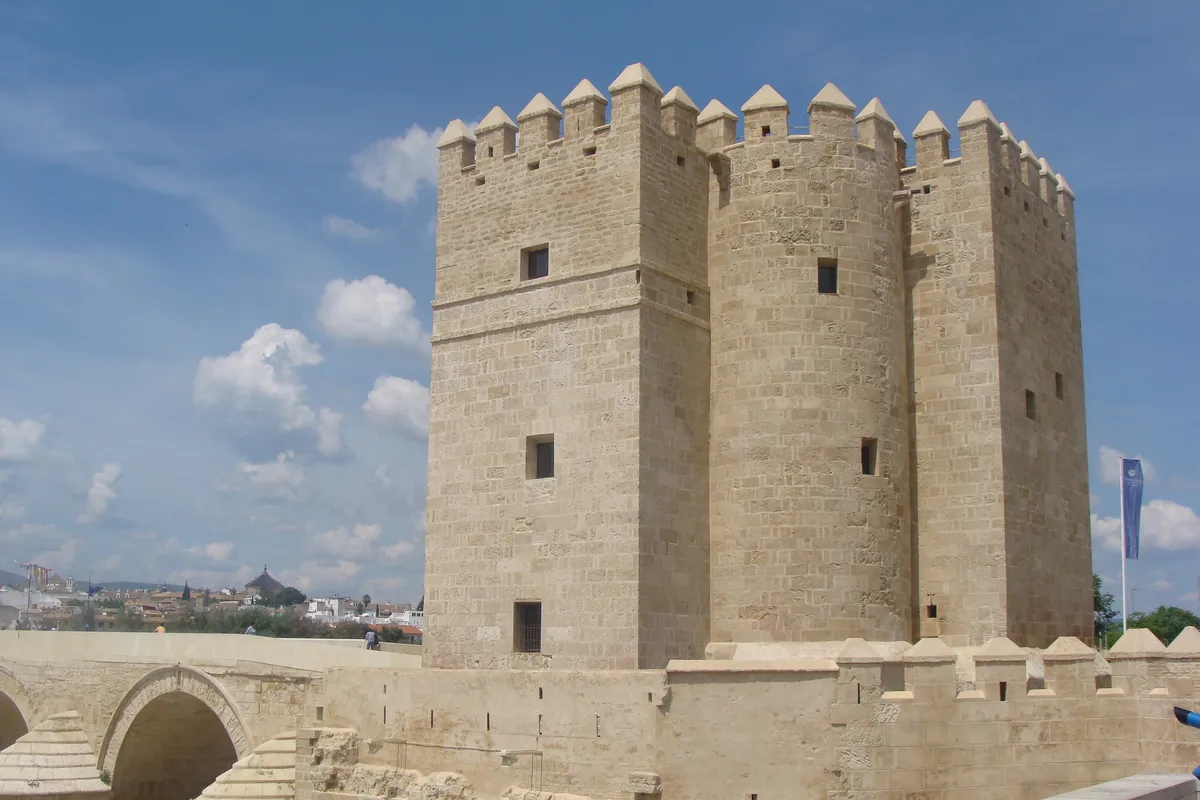
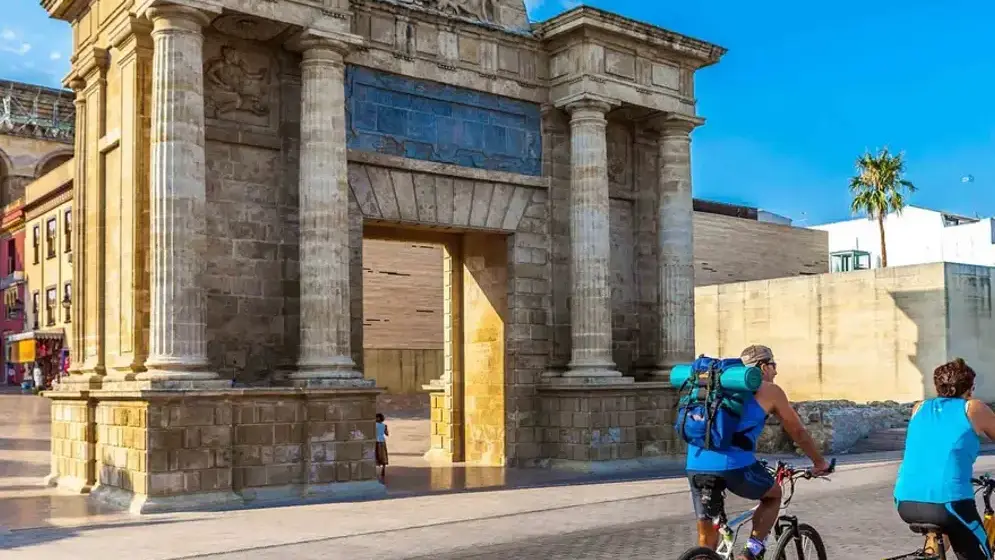
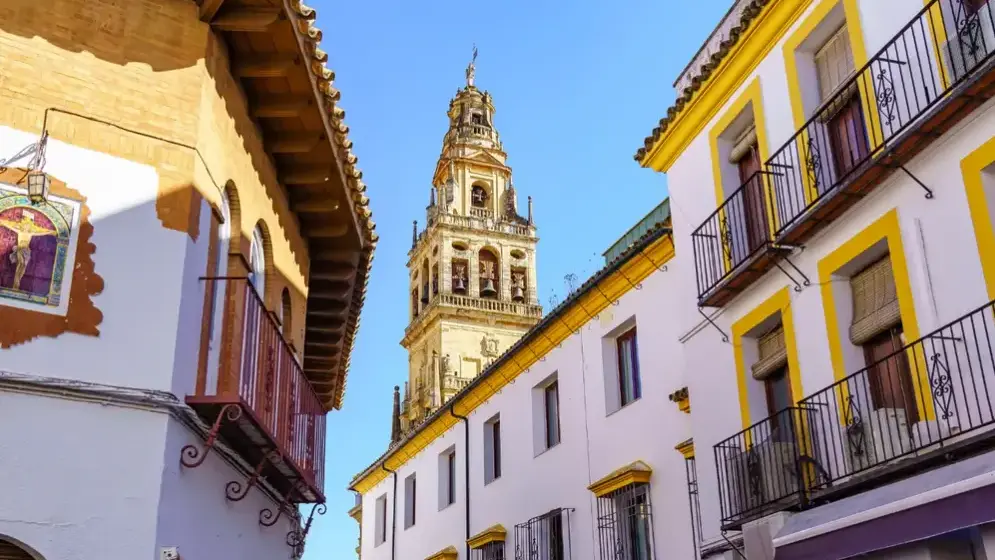
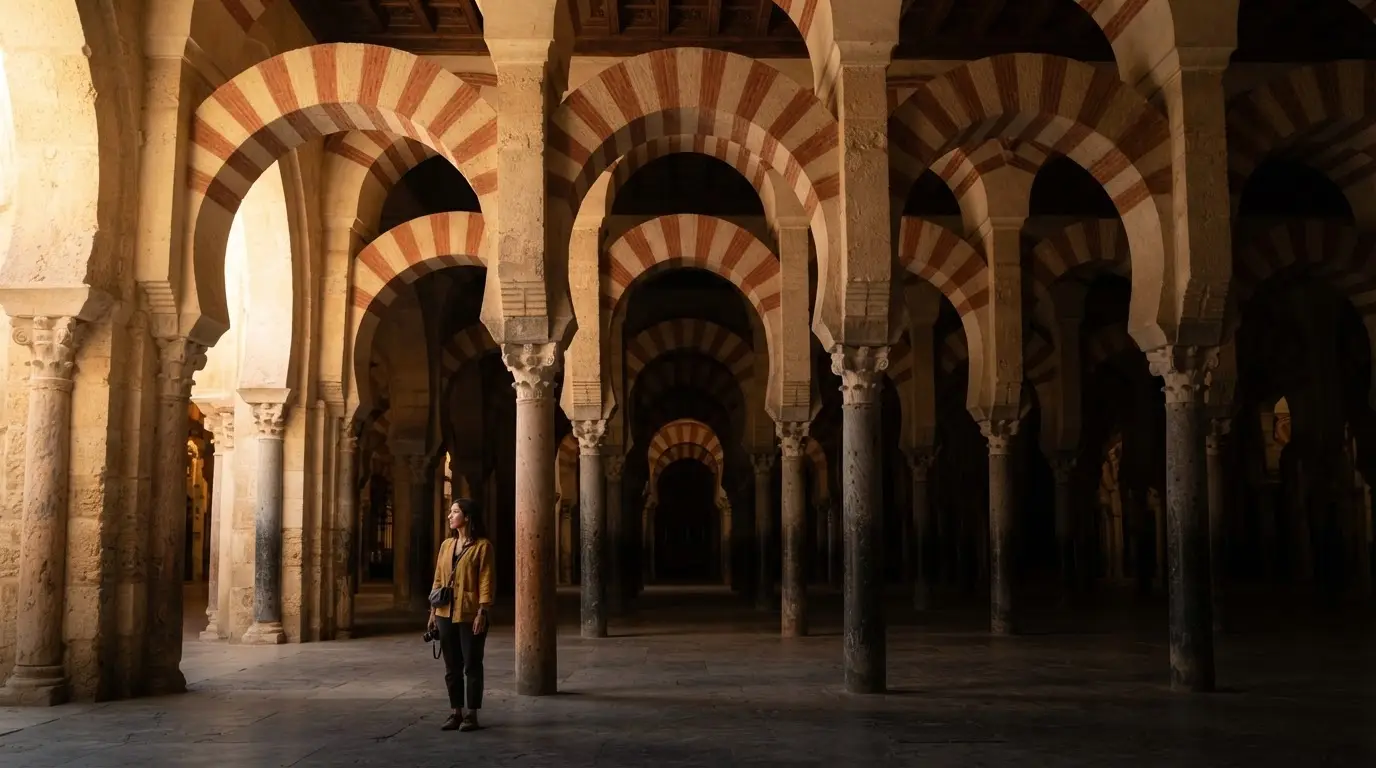
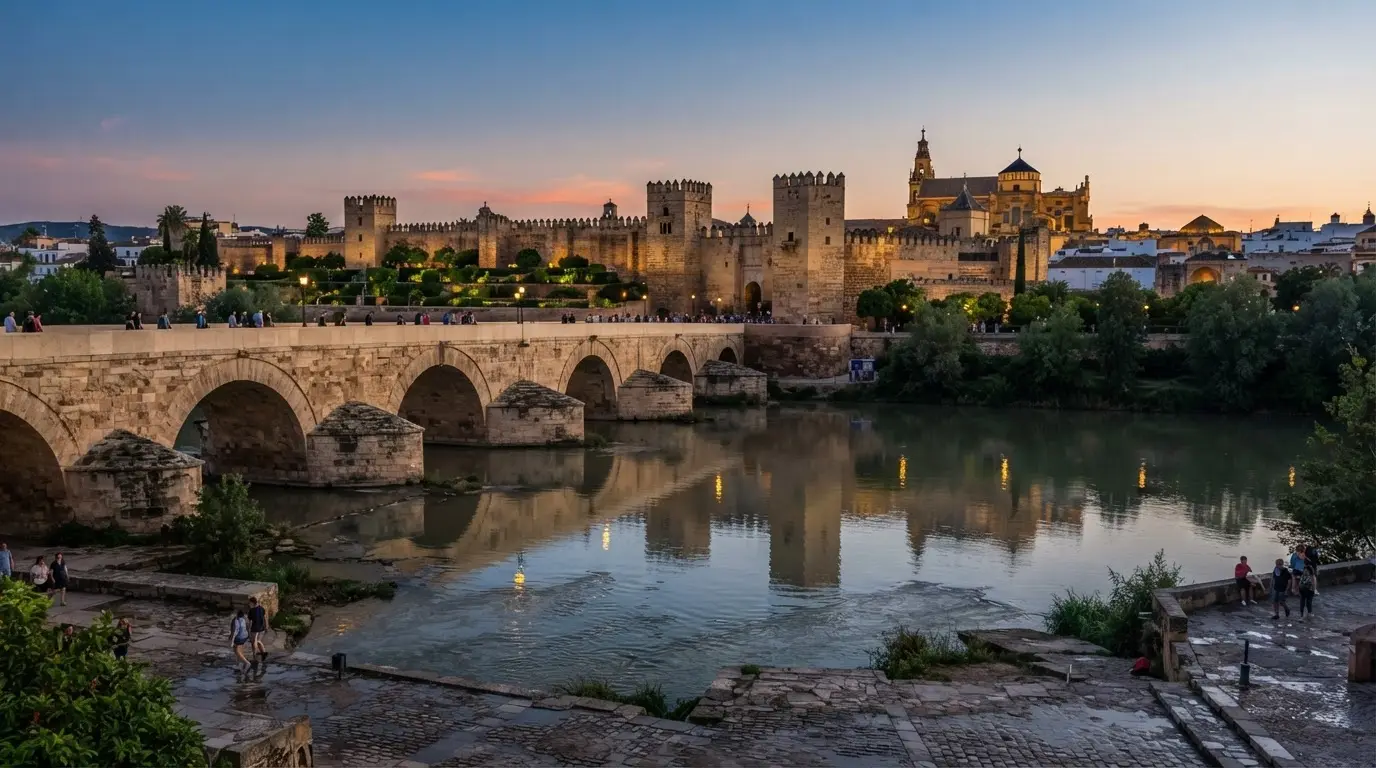
The Roman Bridge still carries foot traffic after 2,000 years. The Mezquita-Cathedral — begun in 786 by Abd al-Rahman I — remains the most complete Umayyad monument on earth. One of only three medieval synagogues to survive in Spain stands in a side street of the Judería. Córdoba is not a city that happened to be old. It is a city that has been continuously, consequentially inhabited — and where each era left something too large or too beautiful to demolish.
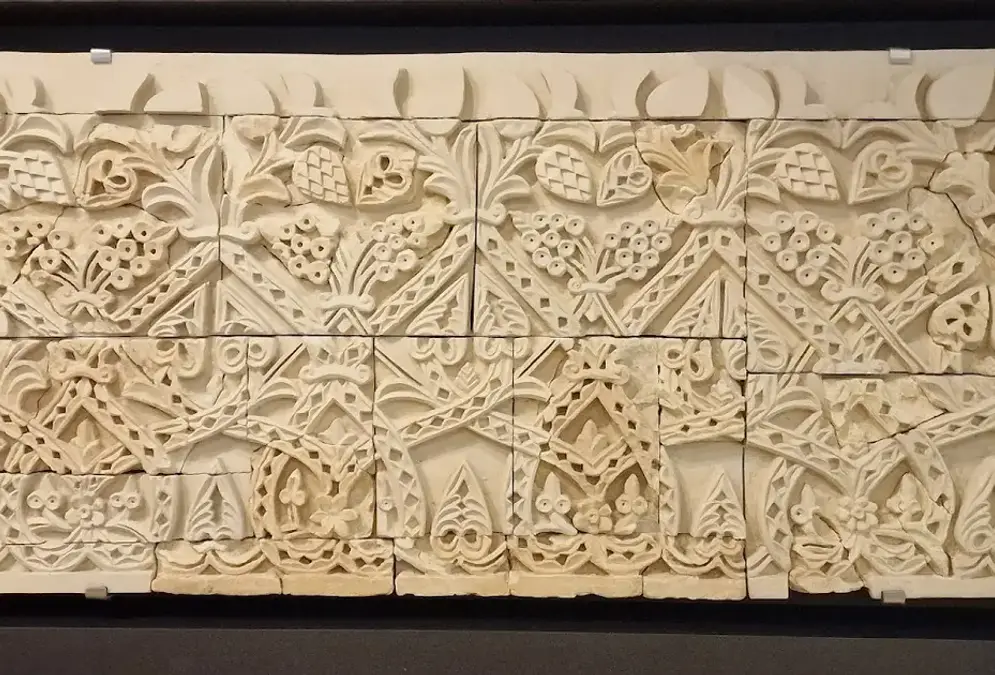
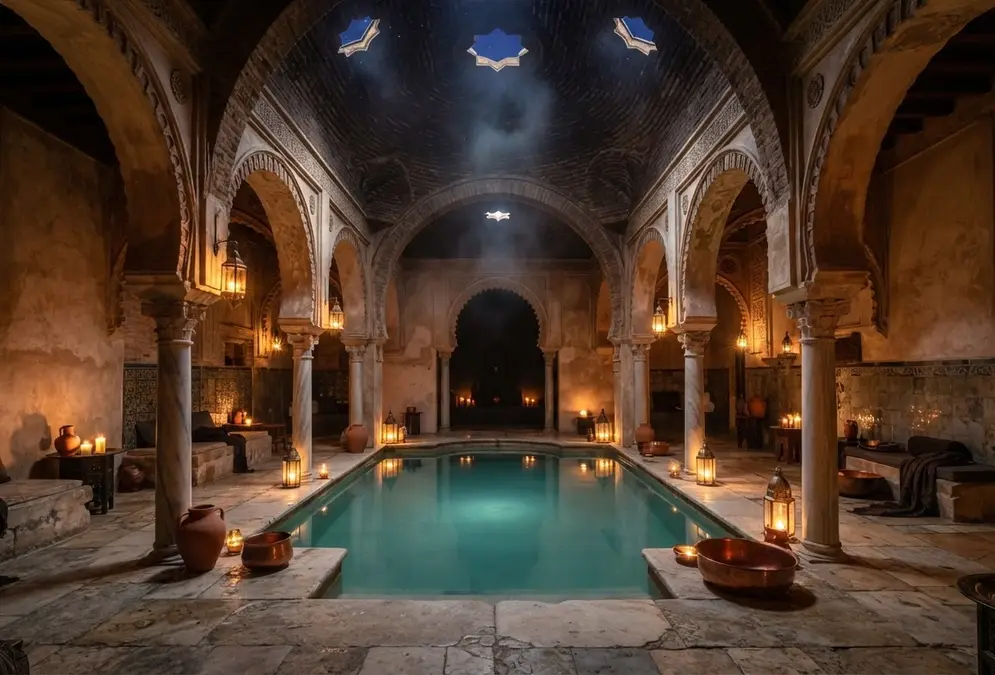
The Romans founded Colonia Patricia around 169 BC and made it the capital of Baetica province. Seneca the Younger was born here. So was the poet Lucan. When Arab-Berber forces took the city in 711, they inherited a functioning Roman infrastructure and built something the ancient world had not seen in the West: a metropolis of half a million people with 3,000 mosques, 300 public baths, and a library of 400,000 volumes. Averroes wrote his commentaries on Aristotle in the same city where Maimonides was born in 1135. The term convivencia — the imperfect, sometimes violent, but genuinely remarkable coexistence of Muslim, Jewish and Christian communities — describes not a myth but a documented reality, most vividly expressed in 10th-century Córdoba. That era also produced material legacies less famous than the Mezquita: read our deep-dive into guadamecí, the gilded leather of the Umayyad Caliphate.
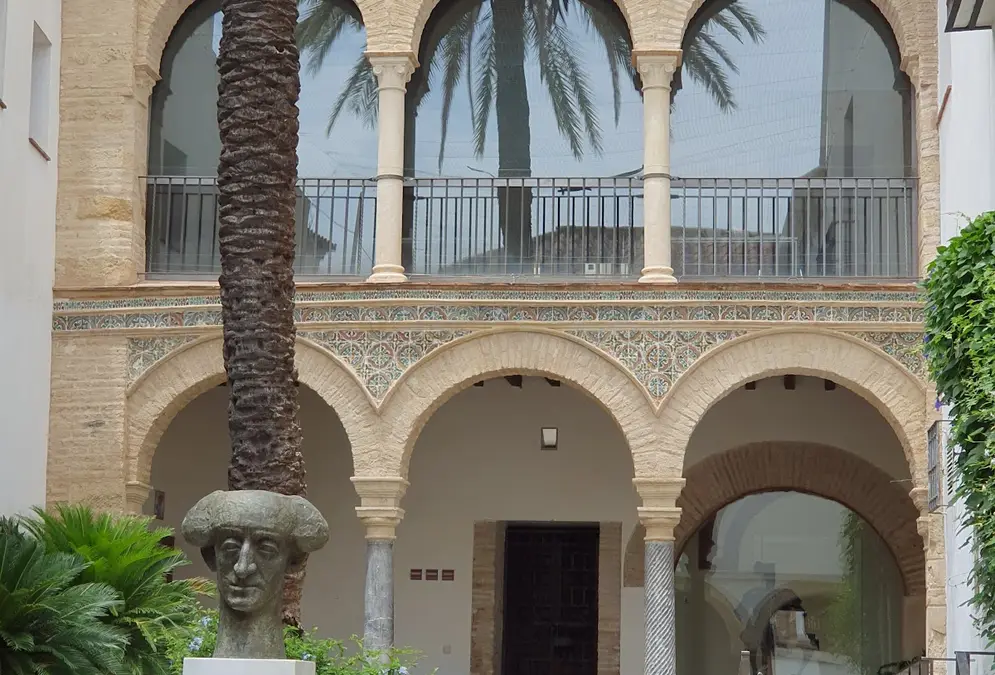
Ferdinand III reconquered the city on 29 June 1236. In 1492, the Jewish community was expelled. But the physical fabric persisted. The Mezquita became a cathedral without being demolished. The Judería kept its medieval street plan. Medina Azahara, the caliphal palace city buried in the Sierra Morena foothills, is still only 10% excavated. Córdoba is the kind of place where you turn a corner and find a Roman column supporting a Moorish arch in the wall of a Christian church. This page is the starting point for understanding all of it — and the architecture lovers' hub maps the sites and tours for those who want to read the city's layers in depth. For a ranked shortlist of which guided tours and monuments to actually book, see our guide to Córdoba for history lovers.
At a glance
- Founded
- 169 BC as Roman Corduba
- Peak era
- 10th century — Caliphate capital, 500,000 pop.
- UNESCO listings
- 2 sites (1984/1994, 2018) + patios (2012)
- History span
- Roman → Visigoth → Moorish → Christian (2,000+ years)
- Key landmark
- Mezquita-Catedral — built 785 AD
- Historic quarter
- Judería & Axerquía — both UNESCO-listed
In this guide
Jump to a section
Explore by era
169 BC – 711 AD
Roman Córdoba
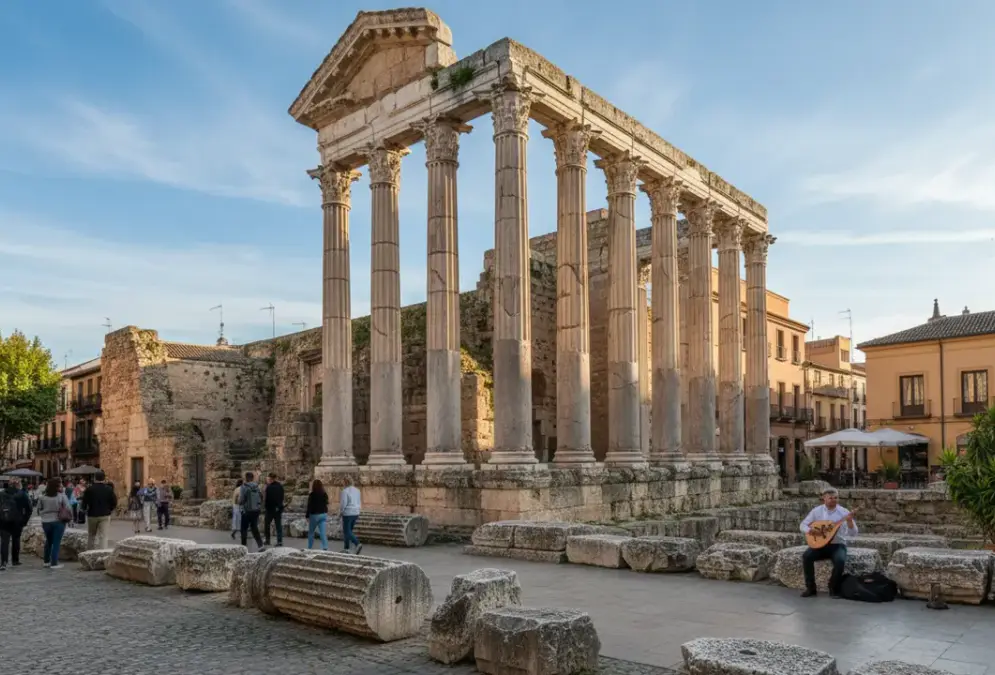
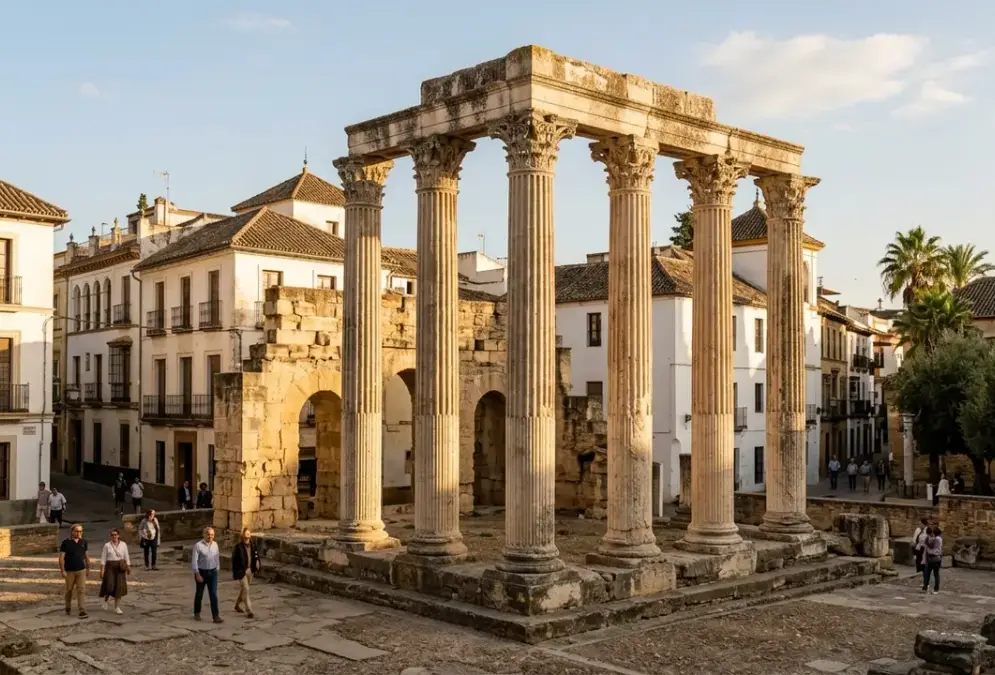
Colonia Patricia was the capital of Baetica and birthplace of Seneca. The Roman Bridge, the temple columns, and the Archaeological Museum tell the story of the city before Islam.
711 – 1236Moorish Córdoba
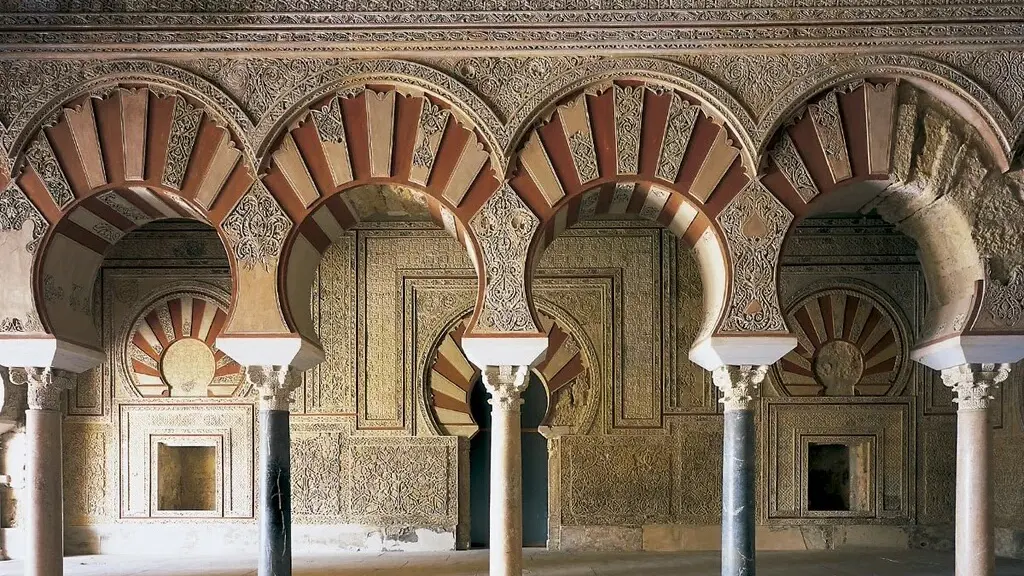
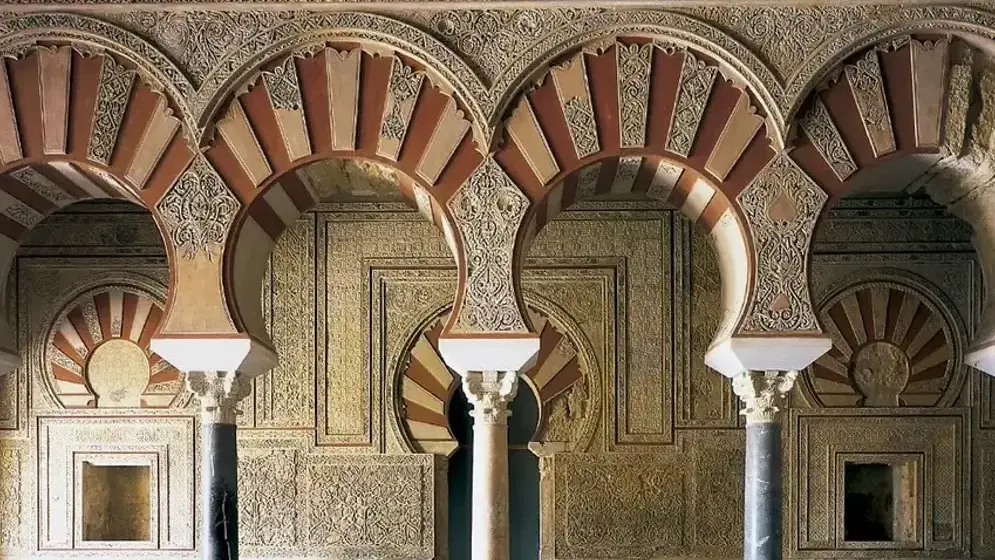
The Caliphate of Córdoba made this the largest city in medieval Western Europe. The Mezquita, Medina Azahara, and the legacy of Averroes and Al-Zahrawi all belong to this era.
10th c. – 1492Jewish Córdoba
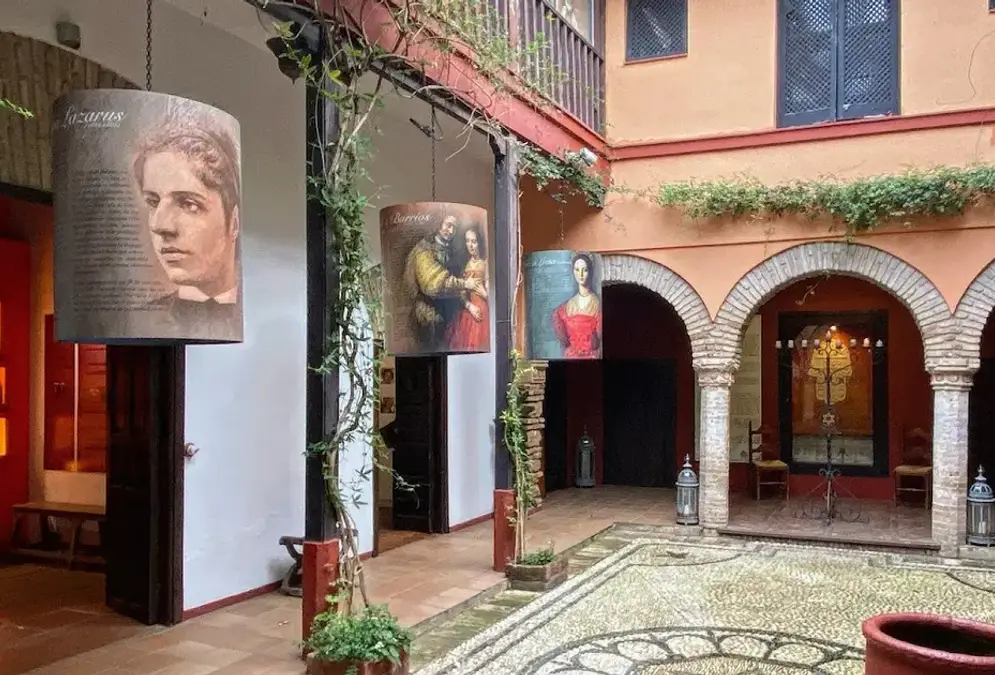
The Judería preserves one of Europe's finest medieval Jewish quarters. Maimonides was born here in 1135. The 14th-century synagogue is one of only three to survive in Spain.
1236 – todayChristian Córdoba
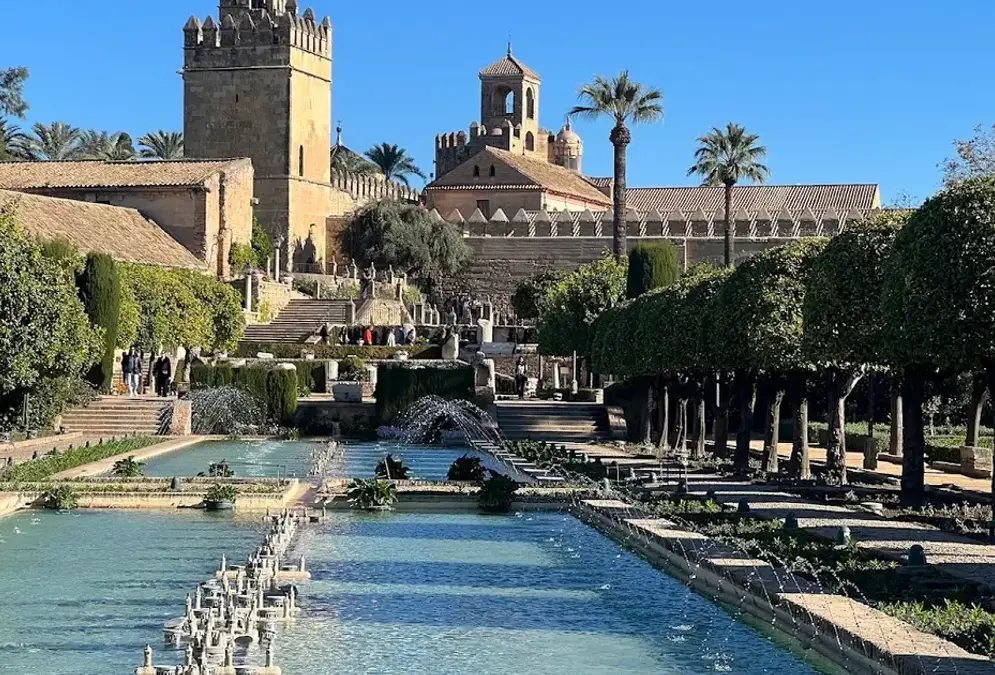
Ferdinand III took the city in 1236 and raised the Fernandine churches across the former mosque landscape. The Alcázar de los Reyes Cristianos later housed the Inquisition's tribunal for three centuries.
Four eras, closer up
The cards above link out to full guides for each era. This is the connective narrative — what happened, roughly in order, and why so much of the physical city survived every change of ruler.
Roman Corduba: 169 BC to the fifth century
Before the Romans arrived, Turdetani communities were already settled at the same river crossing that later made the city valuable to every power that followed — a magnetic-prospection survey drafted in May 2025 turned up further, still-unexcavated possible wall foundations from that era on the Guadalquivir's bank. A Roman settlement took hold here around 169 BC, and geography did the rest: a navigable stretch of the Guadalquivir close enough to the coast for barges to reach the Atlantic trade routes. Baetica, the province Corduba went on to govern, shipped so much olive oil and wine to Rome that broken amphora fragments from Baetican farms still make up part of the Monte Testaccio rubbish heap in Rome, two thousand kilometres away. Seneca the Younger and his nephew Lucan grew up in a city wealthy enough to send its sons to the imperial court — and, in Seneca's case, to be ordered to die by it.
The physical remains back up the wealth. A raised temple platform, its columns re-erected in the early 20th century, went up as part of the imperial-cult architecture that Roman cities built to flatter the emperor. Beneath the Archaeological Museum on Plaza Jerónimo Páez sits one of the larger Roman theatres known from Hispania, found only when building works broke into it in the late 1990s. Further out, excavations near the bullring turned up the remains of an amphitheatre big enough to seat a large crowd — one more sign that Roman Corduba was a significant provincial capital, not a backwater. Most of this stayed buried until the 20th century, which is why the Roman layer of the city is still being pieced together, one construction site at a time. The pattern holds outside the city too: 2026 excavations at Mellaria, a Roman mining town in the Sierra Morena near Fuente Obejuna, mapped its aqueduct and a stretch of the Via Corduba-Emerita, the road that carried Sierra Morena's copper, silver and lead past the town and down to Corduba.
Roman authority weakened through the fifth century as Vandal and then Visigothic forces moved through the peninsula. Córdoba was under Visigothic control by the mid-sixth century, and in 572 the Visigothic king Leovigild retook the city after a local revolt and folded it back into his kingdom. For the next century and a half, Córdoba was a Visigothic provincial seat — a working city, but no longer the capital of anything larger than itself.
The Umayyad emirate and caliphate: 711–1031
In 711, an Umayyad-led army crossed from North Africa under Tariq ibn Ziyad and broke Visigothic resistance within months. Córdoba fell soon after to a detachment commanded by Mughith al-Rumi, and the new Muslim administration based its territory of al-Andalus here rather than in Toledo, the old Visigothic capital. For close to half a century, governors answered to the Umayyad caliphs ruling from Damascus. That changed in 750, when the Abbasids overthrew the Umayyad dynasty and killed most of its members. One survivor, a young prince named Abd al-Rahman, spent roughly five years crossing North Africa before reaching al-Andalus and declaring himself independent emir in 756 — the founding act of a Córdoba-based state that would outlast the family line it grew from.
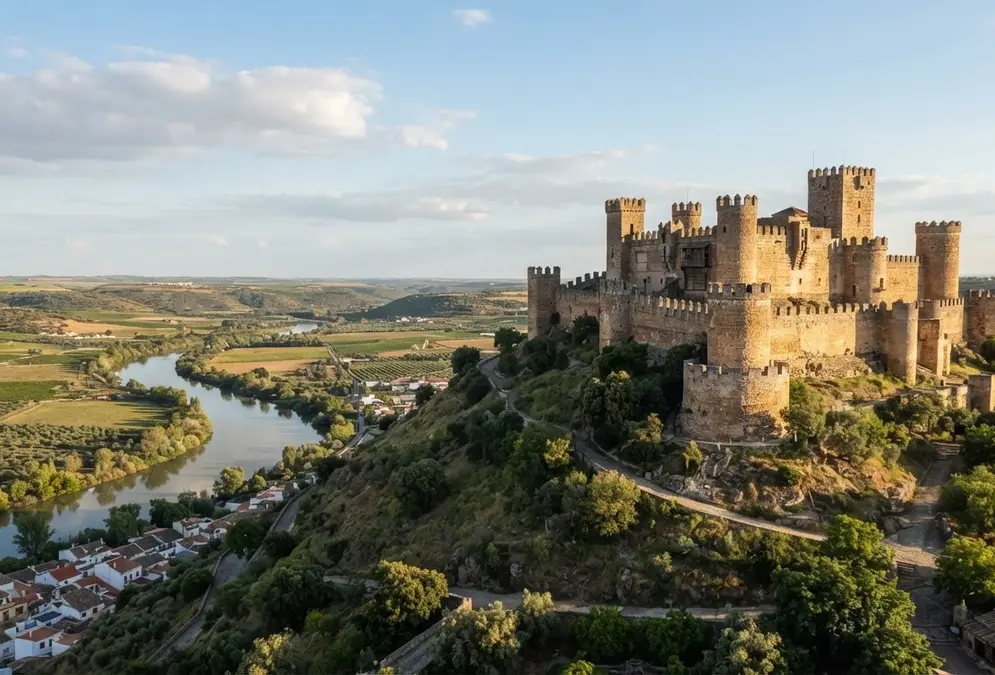
Abd al-Rahman III proclaimed himself caliph in 929, formalising two centuries of accumulated power and putting Córdoba on diplomatic footing with Baghdad and Constantinople. By most contemporary accounts, the city he ruled was the largest and most sophisticated in Western Europe. In 936 he began Medina Azahara, a purpose-built palace city in the foothills west of Córdoba, meant to be seen by ambassadors and rivals alike as proof of Umayyad legitimacy. It took decades to build and less than a century to fall apart.
The collapse was as fast as the rise was slow. A succession crisis after 1009 triggered more than two decades of civil war — the fitna — during which Medina Azahara was sacked and largely abandoned. By 1031 the caliphate had dissolved into competing taifa kingdoms, and Córdoba, the city that had briefly outshone every capital in Europe, became just one of them.
Reconquest and decline: 1031–1492
Córdoba spent the following two centuries passing between local taifa rulers and the North African dynasties that periodically tried to reunify al-Andalus — first the Almoravids from the late 11th century, then the Almohads through most of the 12th. Political authority moved around the peninsula, and Córdoba was no longer automatically the centre of anything.
Ferdinand III of Castile took the city on 29 June 1236, ending five centuries of Muslim rule. Much of the Muslim population left or converted over the years that followed, and Christian settlers were brought in to repopulate a city that had shrunk well below its caliphal-era size. The Mezquita was adapted for Christian worship — a cathedral installed inside it rather than a new building raised in its place — which is one reason the structure standing today still reads as both at once.
Córdoba's usefulness to Castile was mostly as a staging post for further campaigns south, toward Seville and eventually Granada. Once that frontier closed, the city settled into provincial life. The Alcázar de los Reyes Cristianos, built for Castilian monarchs after the conquest, later housed a tribunal of the Spanish Inquisition. In 1492, the same year Granada fell, Ferdinand and Isabella ordered the expulsion of Spain's Jewish population, and Córdoba's Judería — already diminished — emptied out. Royal authority in the wider province was tested well before that: in 1476, the villagers of Fuenteovejuna killed their military-order overlord and refused, under torture, to name who did it.
The modern city
For most of the early modern period, Córdoba was a mid-sized agricultural centre known for olive oil, livestock and little else of national consequence — a long way down from a city that had once rivalled Baghdad. The railway reached Córdoba in the second half of the 19th century, connecting it to Madrid and the coast and slowly reviving its economic fortunes, though nothing on the scale of its medieval peak.
UNESCO inscribed the Mezquita-Cathedral as a World Heritage Site in 1984 and extended the listing to cover the wider historic centre in 1994; Medina Azahara received its own UNESCO recognition years later, as excavation work slowly uncovered more of the site — still, by most estimates, well under a quarter of the total. Recognition brought tourism, and tourism is now one of the city's main industries alongside agriculture in the surrounding countryside.
What makes Córdoba unusual isn't that this history happened — several Spanish cities can claim Roman and Moorish layers. It's that so much of the physical evidence survived in the same square kilometre, without being flattened for something newer. Walk from the Roman Bridge to the Mezquita to the Judería and you cross two thousand years in under twenty minutes on foot.
- Volumes in caliphal library
- 400,000
- Medina Azahara excavated
- 10%
- Years of history
- 2,200
- Civilisations layered
- 5
Born in Córdoba — 1,200 years apart
Seneca, Averroes and Maimonides were born in Córdoba across a span of 1,200 years. Each shaped the intellectual tradition of his era. No other city of comparable size produced three figures of this weight.
Seneca the Younger
4 BC – 65 AD
Born in Córdoba, educated in Rome, tutor to Emperor Nero. His Letters to Lucilius are among the most widely read works of Stoic philosophy. His nephew Lucan, also Córdoban, wrote the Pharsalia.
Seneca: Córdoba's Stoic philosopher →Averroes
1126–1198
Philosopher, physician and jurist, known as "The Commentator" for his work on Aristotle. His commentaries were read in European universities for three centuries and shaped Thomas Aquinas's engagement with Greek thought.
Averroes: the philosopher who saved Aristotle →Maimonides
1135–1204
Rabbi, philosopher and physician, born in the Judería in 1135. His family fled Almohad persecution around 1148. His Guide for the Perplexed remains a foundational text in Jewish philosophy.
Philosophy, theology2,200 years in brief
Roman
Moorish
Christian
169 BC
General Claudius Marcellus founds a Roman settlement on the Guadalquivir
46 BC
Julius Caesar elevates it to Colonia Patricia, capital of Baetica province
711
Arab-Berber forces take Córdoba; the city becomes the capital of Al-Andalus
786
Abd al-Rahman I begins the Great Mosque on the site of a Visigothic church — the pre-Islamic archaeology of that site explained
929
Abd al-Rahman III proclaims the Caliphate of Córdoba; the city reaches its peak
936
Construction of Medina Azahara begins in the Sierra Morena foothills
1031
The Caliphate collapses after civil war; Córdoba fragments into taifa kingdoms
1236
Ferdinand III of Castile takes the city on 29 June; the Mezquita becomes a cathedral
1492
Ferdinand and Isabella expel the Jewish community from Spain; the Judería empties
Articles on Córdoba's history
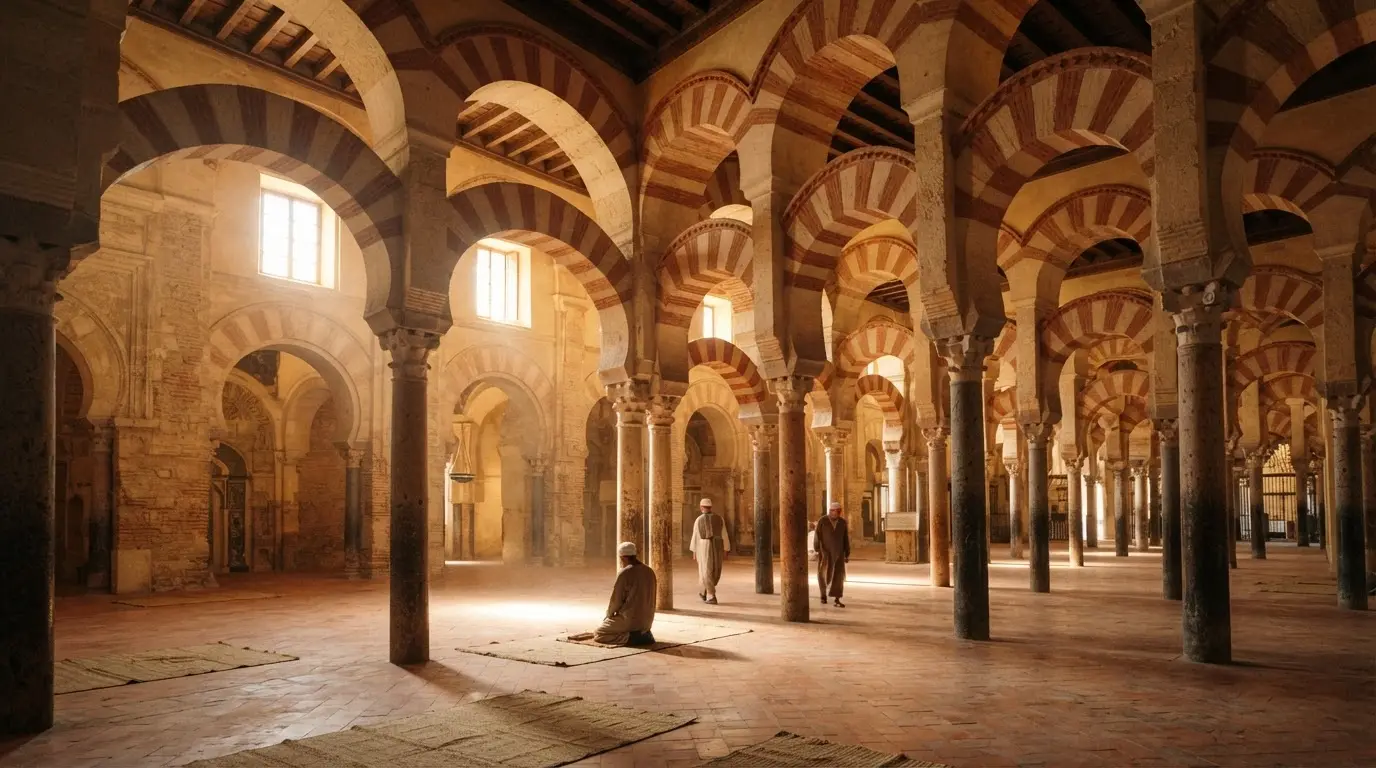
Abd al-Rahman I: The Fugitive Who Founded Córdoba
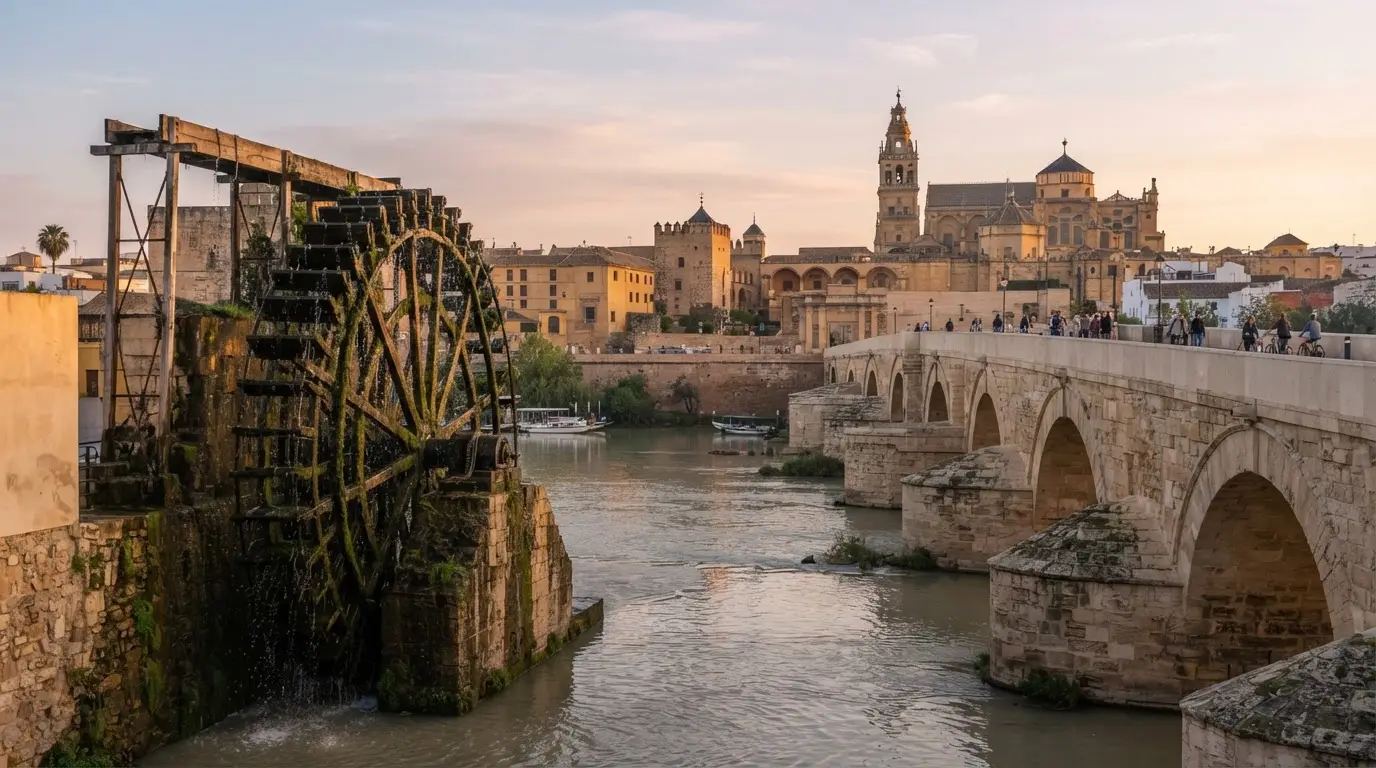
Albolafia waterwheel history: Abd al-Rahman II's Córdoba
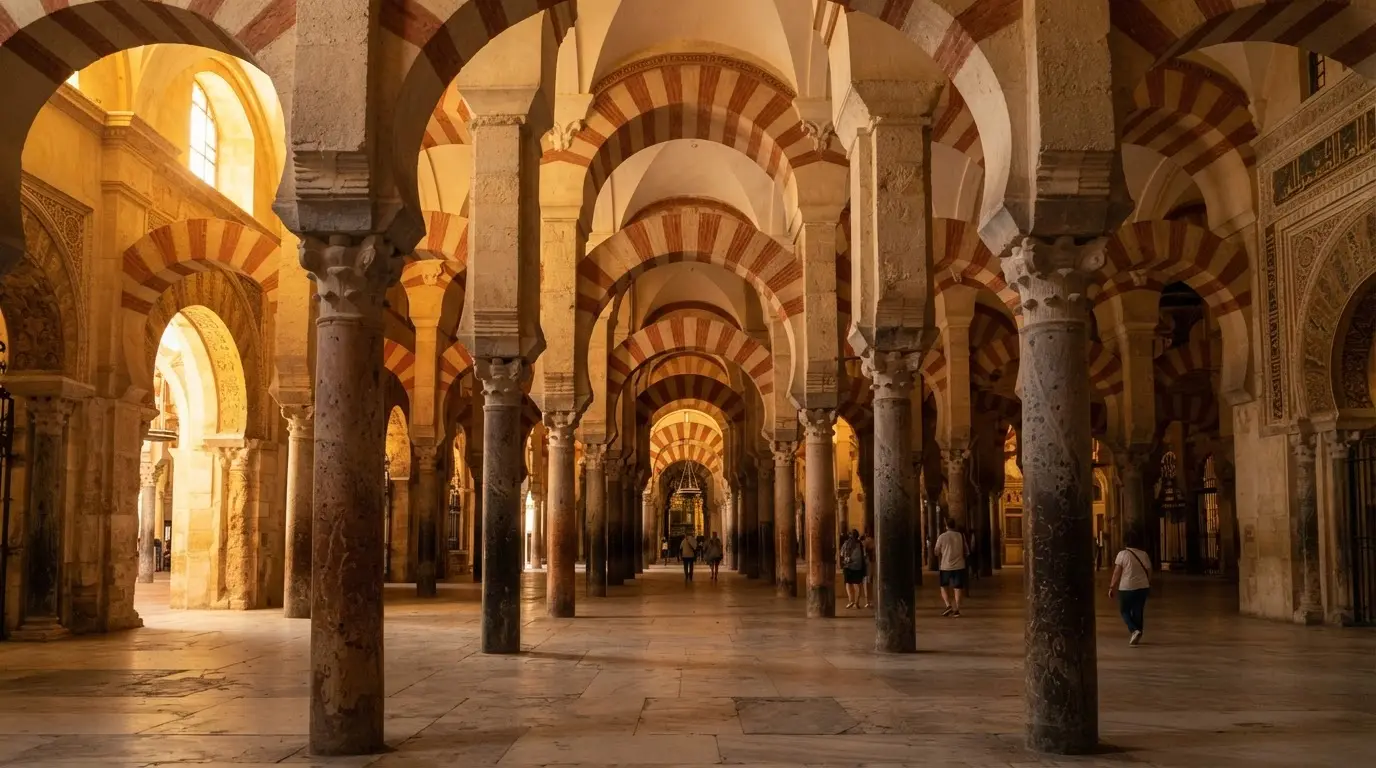
Abd al-Rahman III: The Morning Córdoba Became a Caliphate
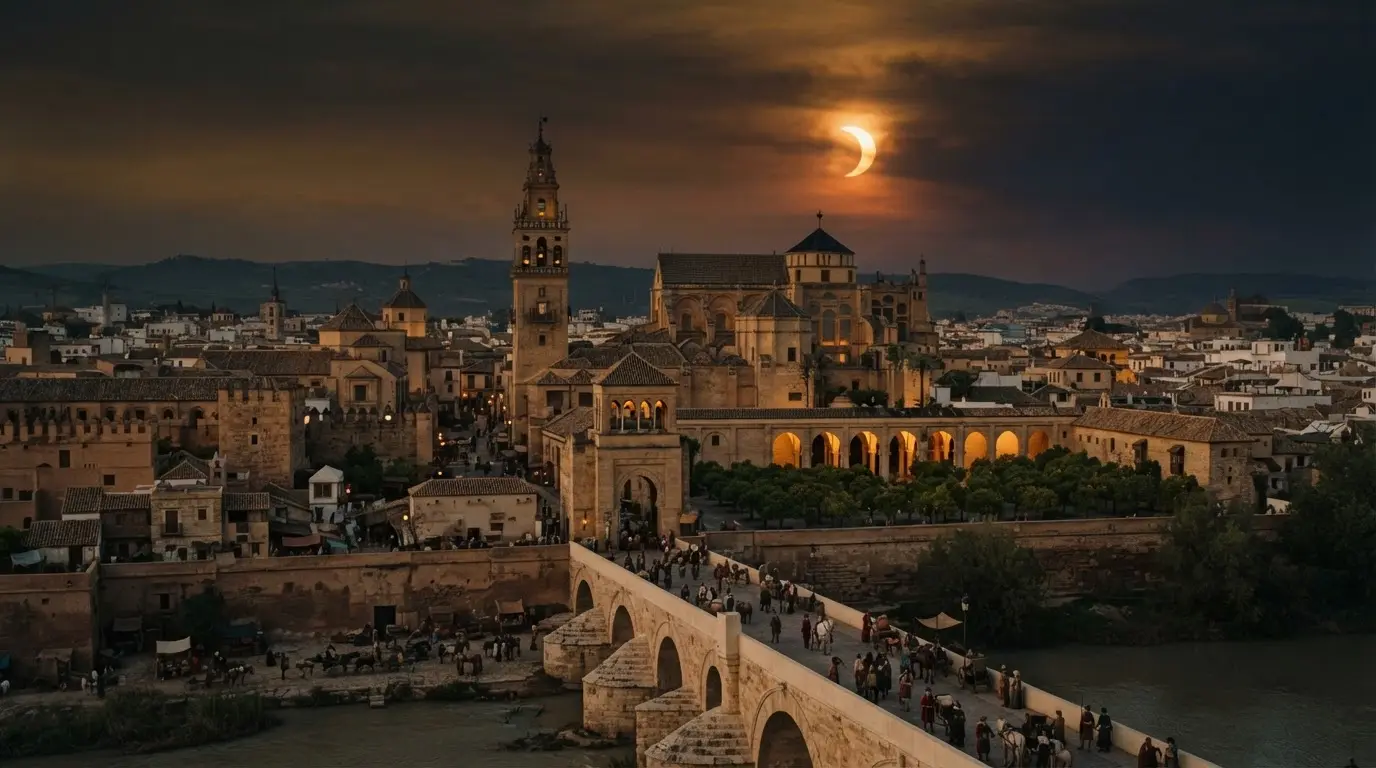
Medieval Eclipses in Córdoba: What Al-Andalus Computed
Al-Andalus Tourism Boom: What It Means for Córdoba
Al-Hakam I: The Emir Who Crucified 72 Nobles
Frequently Asked Questions
Which civilisation left the most visible mark on Córdoba?
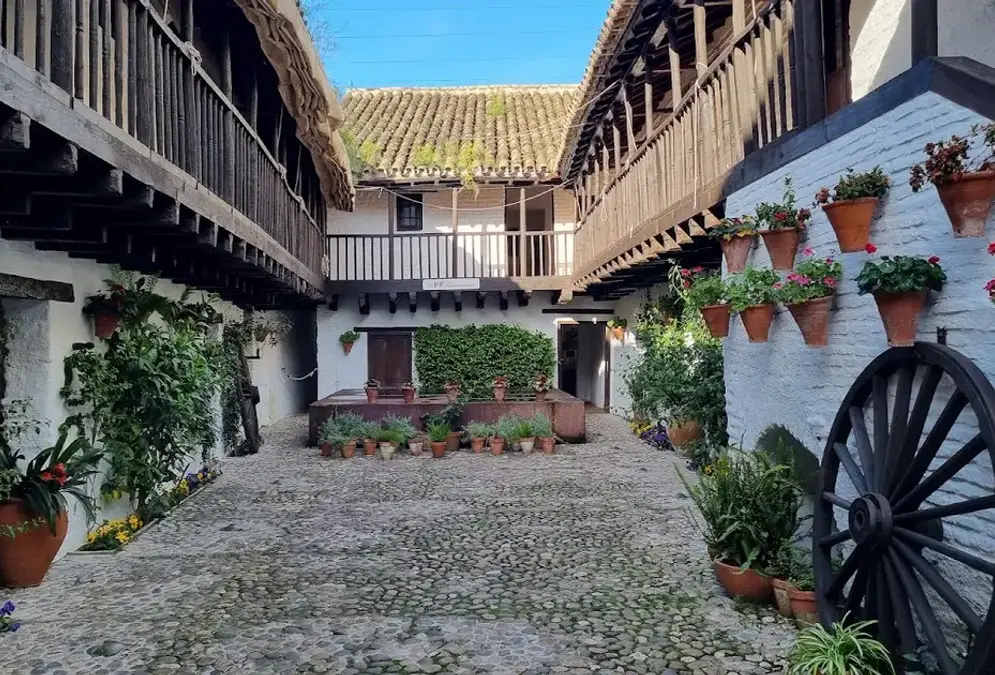
The Moorish era (711–1236) is most visually dominant: the Mezquita-Cathedral is the defining monument of the city. But Roman foundations underpin everything — the Roman Bridge still carries pedestrian traffic after 2,000 years, and the Roman Temple's columns rise in the city centre. Jewish heritage is concentrated in the Judería, where the medieval street plan, synagogue and Casa de Sefarad all survive. Each layer is accessible within walking distance of the others.
How many days do I need to explore Córdoba's history properly?
Two full days is the minimum to cover the essentials without rushing — day one for the Mezquita-Cathedral and historic centre, day two for Medina Azahara and the Judería. A third day adds the Roman Temple, Archaeological Museum, and more of the monument churches scattered across the city. History enthusiasts often stay four nights and still feel they've only scratched the surface.
What is convivencia and is it accurate?
Convivencia (Spanish for 'coexistence') describes the period under Muslim rule in medieval Iberia when Christians, Jews, and Muslims lived and worked together in the same cities, produced scholarship together, and created a hybrid culture — most vividly expressed in Córdoba. Historians debate its limits: it was not equality, and there were periods of persecution. But at its peak in 10th-century Córdoba, the degree of cultural exchange — Arabic manuscripts translated into Latin, Jewish philosophers working at the caliphal court — was extraordinary by any medieval standard. Maimonides and Averroes, born a generation apart in the same city, both synthesised Islamic, Jewish, and Greek thought. The Mezquita-Cathedral, where a cathedral was inserted into a mosque without demolishing the mosque, stands as architecture's answer to the convivencia question.
What guided tours are best for history enthusiasts?
For the Mezquita, the official audio guide is adequate but a specialist guide adds context that makes the building legible — the expansions by successive caliphs, the Byzantine mosaics gifted by Constantinople, the Christian additions. The free walking tour (meeting point at Plaza de las Tendillas) covers the Judería, Roman Bridge, and Mezquita exterior in two hours — good orientation, limited depth. For Medina Azahara, the on-site guided tour is strongly recommended since context transforms the ruins: without it, the site is rubble. GetYourGuide and Viator offer several private history-focused tours that cover all three eras in a single day.
How does Córdoba compare to Toledo and Granada for history?
All three cities carry layers of medieval coexistence, but Córdoba's density is exceptional. Granada has the Alhambra — the greatest single Nasrid monument — but Córdoba has the Mezquita, Medina Azahara, and a living historic centre all within walking distance. Toledo preserves its medieval synagogues and Gothic cathedral in a compact hilltop plan. What distinguishes Córdoba is the completeness of its Roman layer — the bridge, the temple, the archaeological museum — combined with the Moorish and Jewish heritage. For a visitor wanting to understand how multiple civilisations occupied the same physical space across 2,000 years, no Spanish city matches Córdoba's density and legibility.
What is the best time of year to visit for history tourism?
Spring (March–May) and autumn (September–November) are the most comfortable seasons. The Semana Santa (Holy Week) procession in spring transforms the same streets where Roman legions once marched — an unusual collision of historical layers worth experiencing if you can book accommodation far in advance. Summer is hot (regularly above 40°C in July–August) but the Mezquita's interior is reliably cool and the evening light on the Roman Bridge is exceptional. January–February sees far fewer tourists and lower prices; the historic sites are quieter and the monuments easier to appreciate without crowds.
Further reading
Official sources
4 references Show Hide
- UNESCO Historic Centre of Córdoba (opens in a new tab)
World Heritage inscription for the Mezquita and historic centre
- Medina Azahara (official site) (opens in a new tab)
Official Junta de Andalucía page for the caliphal palace city
- Mezquita-Catedral de Córdoba (opens in a new tab)
Official website of the Mosque-Cathedral of Córdoba
- Córdoba Tourism Office (opens in a new tab)
Official visitor information for Córdoba's historic sites