Art Lovers' Guide
Córdoba for art lovers: museums, craft, flamenco and patios
Moorish geometry, Renaissance portraiture, a 1,000-year leather craft still practiced by one family, and a free contemporary art centre focused on creative process over finished objects. Córdoba packs more artistic depth per square kilometre than almost any city in Spain.

Written by
María Fernanda González Ten years covering Córdoba's UNESCO heritage sites, sourcing from Junta de Andalucía documentation.
Updated Published
Most cities offer art in one register. Córdoba offers it in five. The Mezquita-Catedral is Islamic geometric abstraction at architectural scale, the product of successive caliphs expanding and refining a single building across two centuries. The Capilla de San Bartolomé layers Christian iconography onto Mudéjar plasterwork so intricate it reads as lace. The Palacio de Viana stages 12 ornamental patios as living compositions, each with a distinct plant palette and layout logic. The Julio Romero de Torres Museum preserves the complete work of a painter who spent his career translating Andalusian light and female character into Symbolist canvases. And the C3A runs contemporary residencies in a building designed to make the creative process itself visible, including a Black Box performance space and over 1,000 square metres of active studio space.
What connects all of this is Córdoba's position as the point where Islamic, Jewish, and Christian cultures coexisted for three centuries in the most sophisticated city in medieval Europe. That confluence did not produce a unified aesthetic: it produced a permanent tension between abstraction and figuration, geometry and nature, restraint and ornament. That tension is still visible in every building in the old town, and it is what makes Córdoba worth a dedicated art lovers' itinerary rather than a general tourist circuit.
This guide covers the art museums in Córdoba, the living craft traditions, flamenco as a UNESCO art form, the patio culture, the layers of architectural art, and the contemporary scene. It also includes practical logistics: admission prices, opening hours, the Bono Turistico, and the best timing for each experience.
Art in Córdoba: at a glance
- Art museums
- 7 museums, from medieval to contemporary
- Budget tip
- Bono Turistico €10 covers Alcazar, Julio Romero + 3 more
- Best month
- May: Patio Festival, 60+ courtyards in bloom
- Living craft
- Guadameci leather: 1,000-year tradition still practiced
- UNESCO art
- Flamenco inscribed as Intangible Cultural Heritage, 2010
- Free entry
- C3A contemporary art centre: free admission year-round
Start at Plaza del Potro
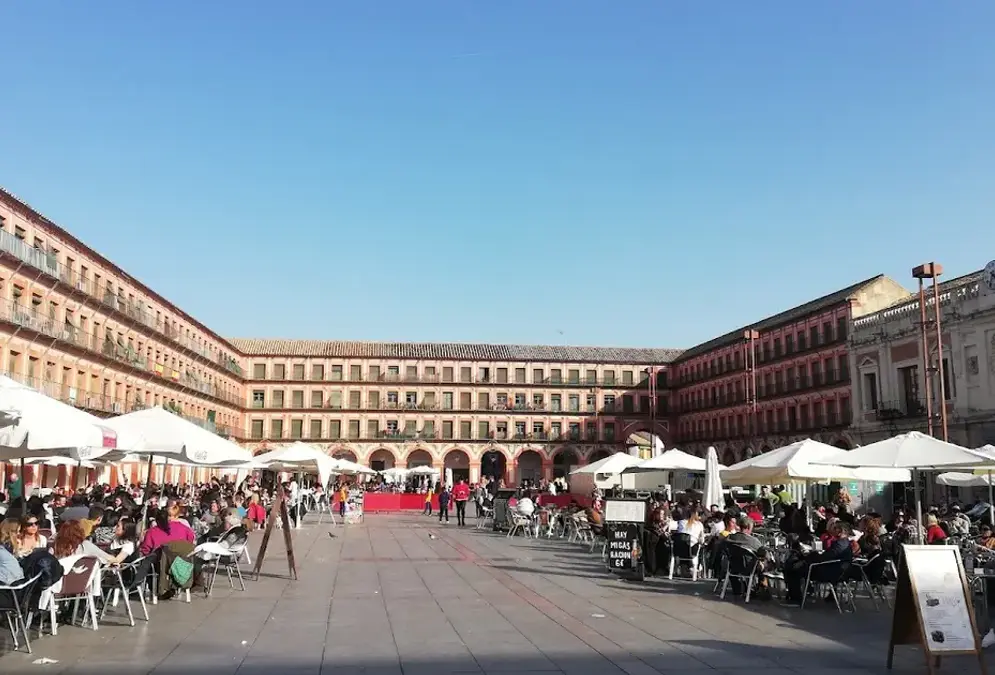
The Plaza del Potro is the geographic centre of Córdoba's art world. The Julio Romero de Torres Museum and the Museo de Bellas Artes face each other across the square; the Centro Flamenco Fosforito is steps away. Cervantes mentioned the square in Don Quixote as a meeting place for travellers. Not much has changed.
In this guide
Jump to a section
Córdoba's art identity: a city of layers
The phrase "layers of history" gets used so mechanically for old cities that it has stopped meaning anything. In Córdoba, it actually describes something specific and visible. Walk from the Mezquita to the Judería to San Basilio and you are passing through distinct aesthetic regimes, not just architectural periods. The Moorish parts are governed by an Islamic theology that forbids figurative representation: the art is all pattern, geometry, and script, pushing human craft into pure abstraction. The Mudéjar transitional zones fuse that abstraction with Gothic Christian iconography. The Renaissance additions brought portraiture and humanism. The Baroque went for drama and illusion.
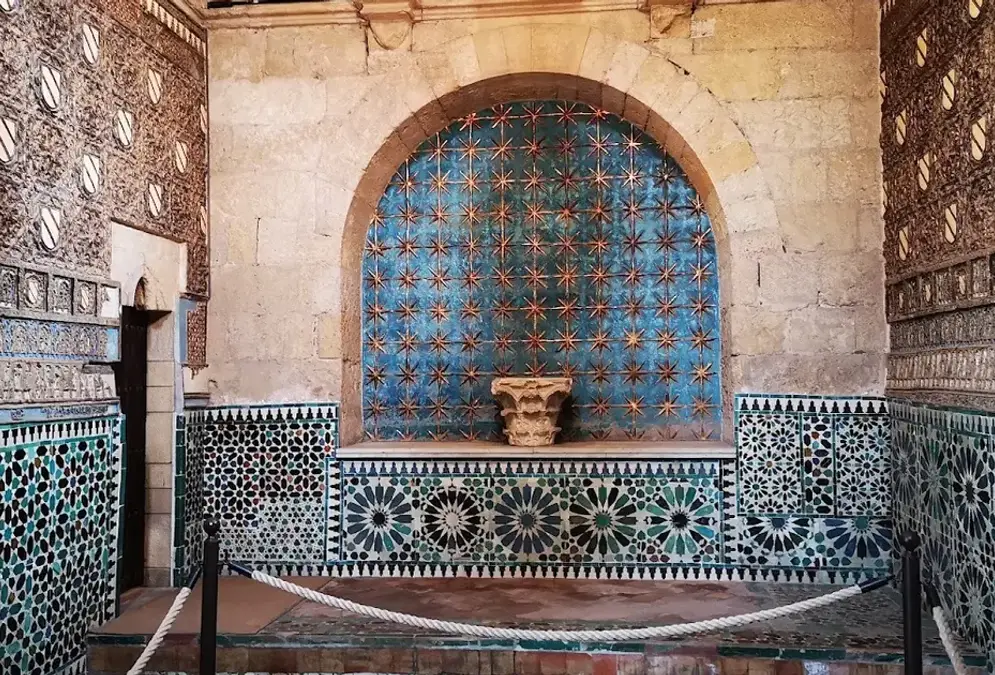
This compressed palimpsest is not unique in Spain, but the scale is. Córdoba's entire historic centre is UNESCO-listed and walkable in an afternoon, so the transitions between aesthetic periods happen within metres rather than kilometres. The Capilla de San Bartolomé, a few streets from the Mezquita, is the best single example: a Christian chapel lined with Mudéjar stucco work so fine that the geometric interlace reads as a three-dimensional textile. The builders who made it were probably Muslim artisans working to a Christian patron's brief. The result belongs to neither tradition entirely.
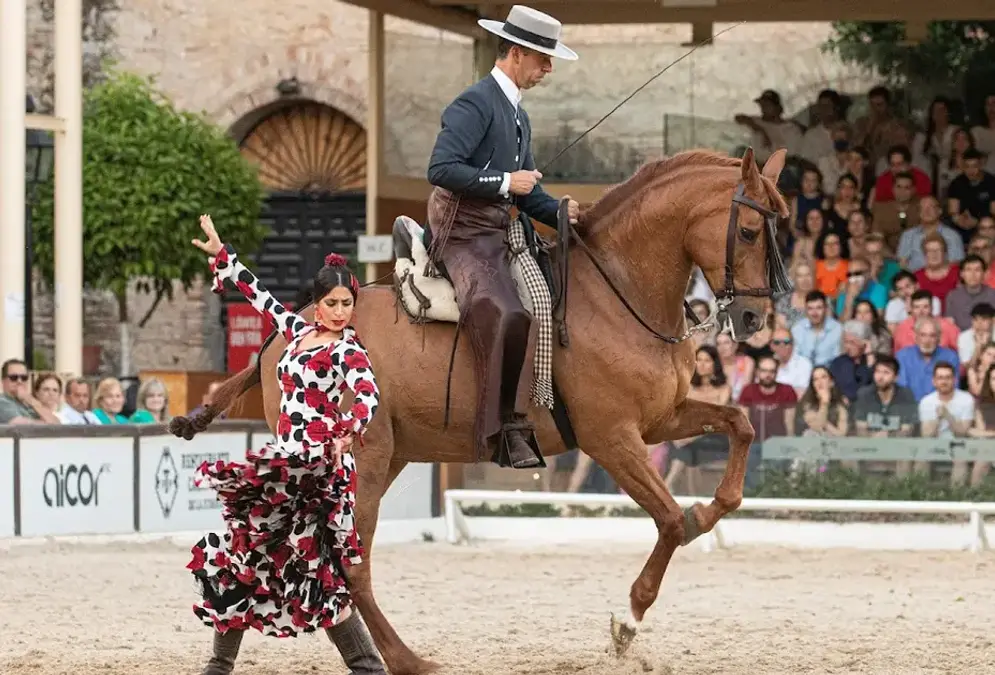
Alongside the monuments, Córdoba has two living art forms that have survived a thousand years. Guadamecí is an embossed and painted leather technique developed in the city during the Caliphate period; it was used for wall panels, liturgical items, and book covers across medieval Europe. Today, one family in the old town still practices it. Flamenco has Córdoba roots distinct from Seville's more famous school: the local style is concentrated, interior, less showy. UNESCO inscribed it as Intangible Cultural Heritage in 2010.
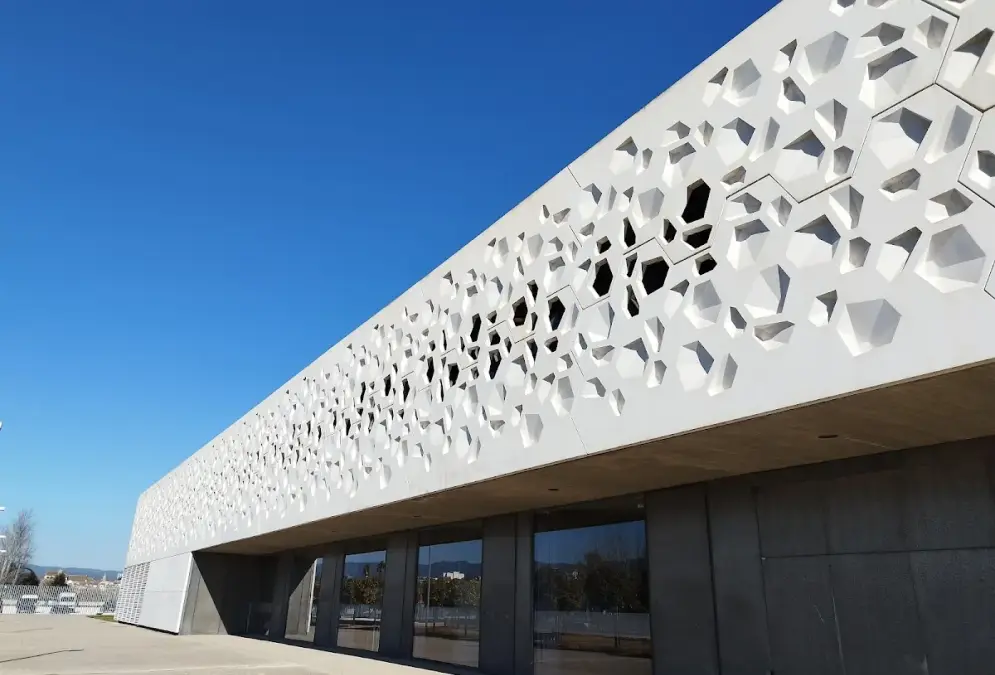
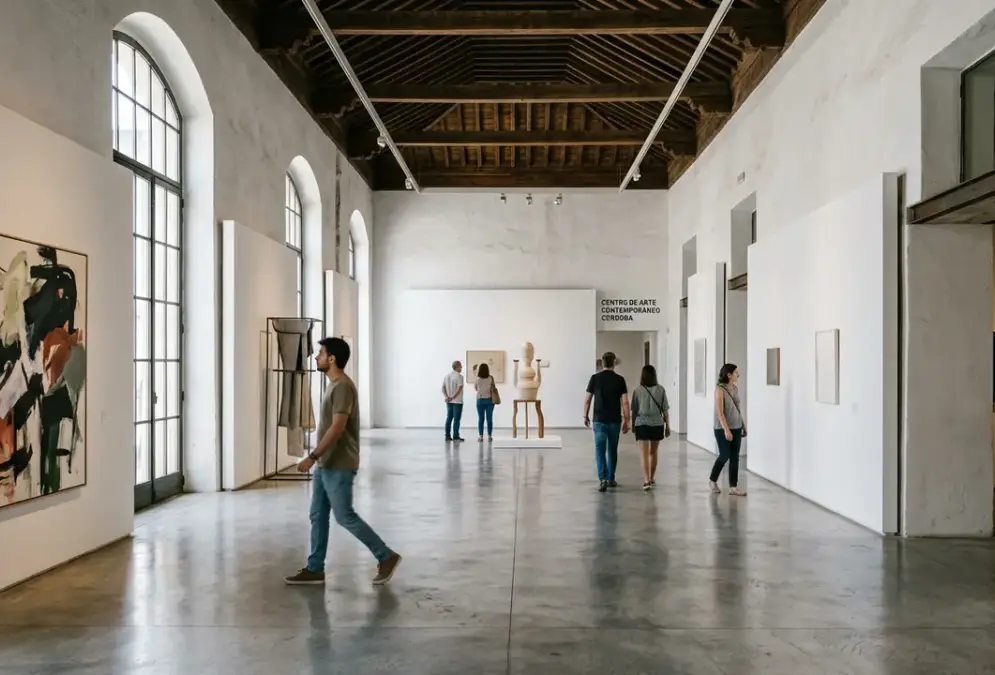
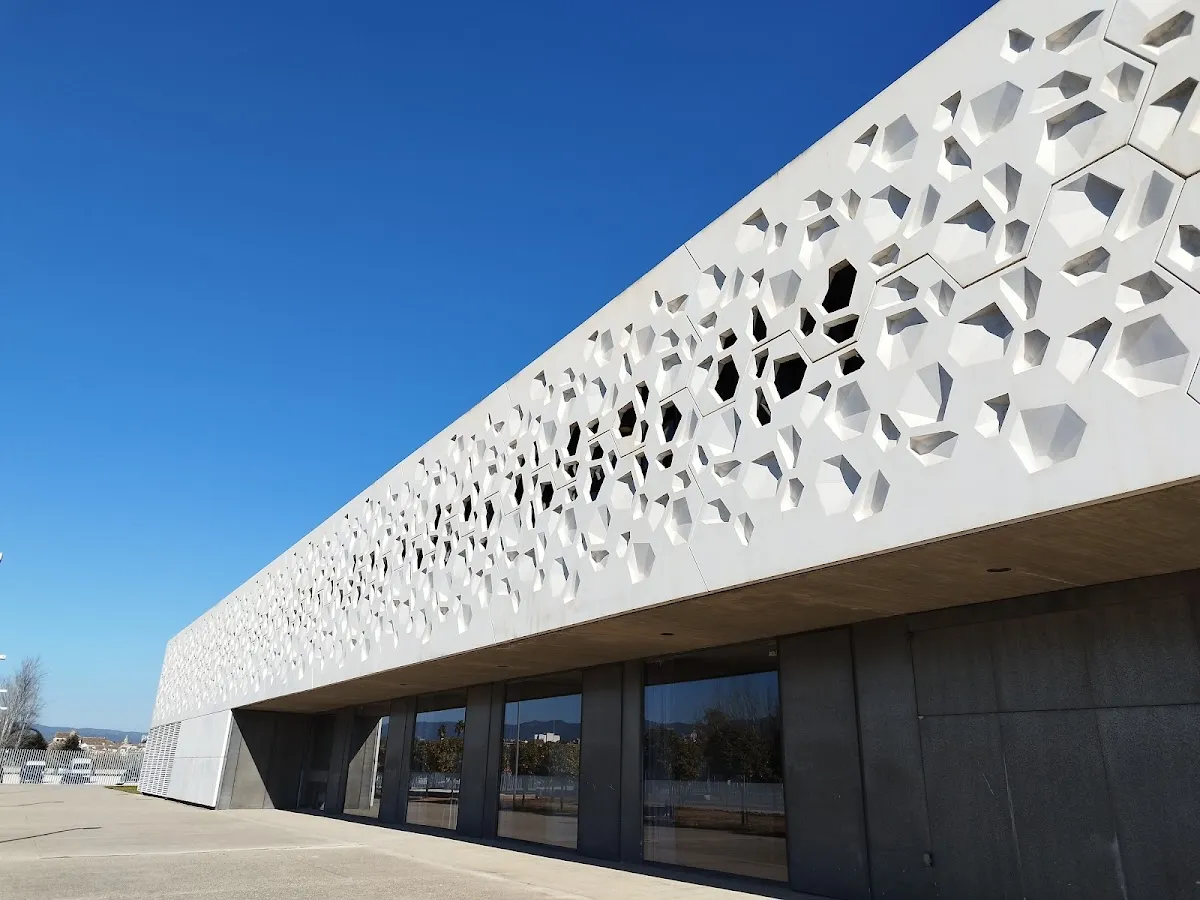
The contemporary layer is newer but not negligible. The C3A, opened in 2013 on the Avenida del Brillante, is one of the few publicly funded art centres in Andalusia committed to showing the creative process itself: artist residencies, open studios, experimental performance, and a Black Box that has hosted some of the most interesting live art in the region. Entry is free.
Art museums in Córdoba
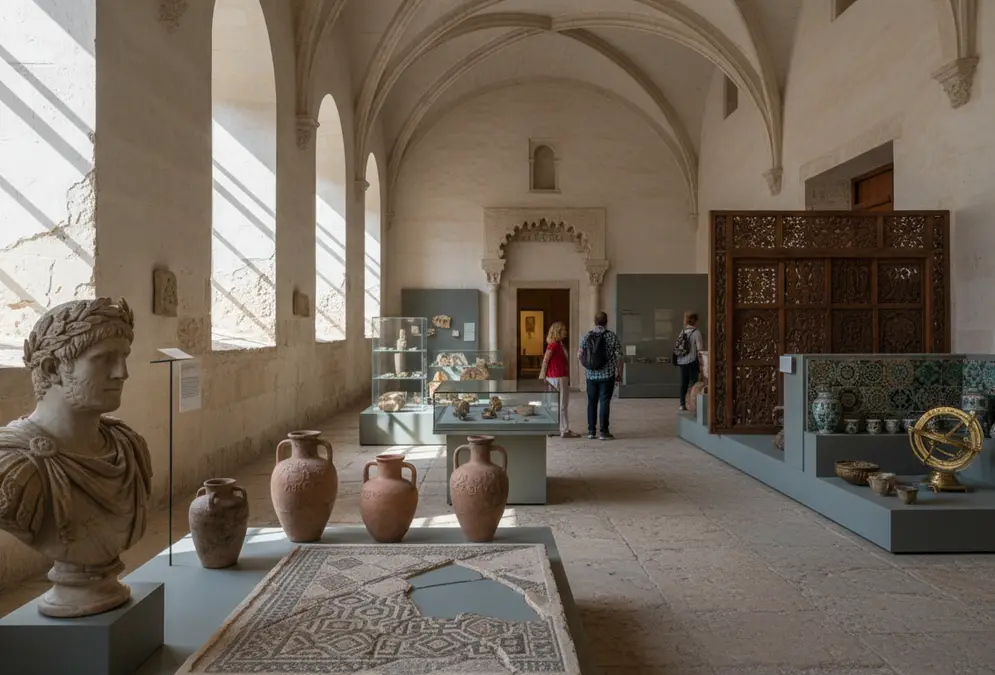
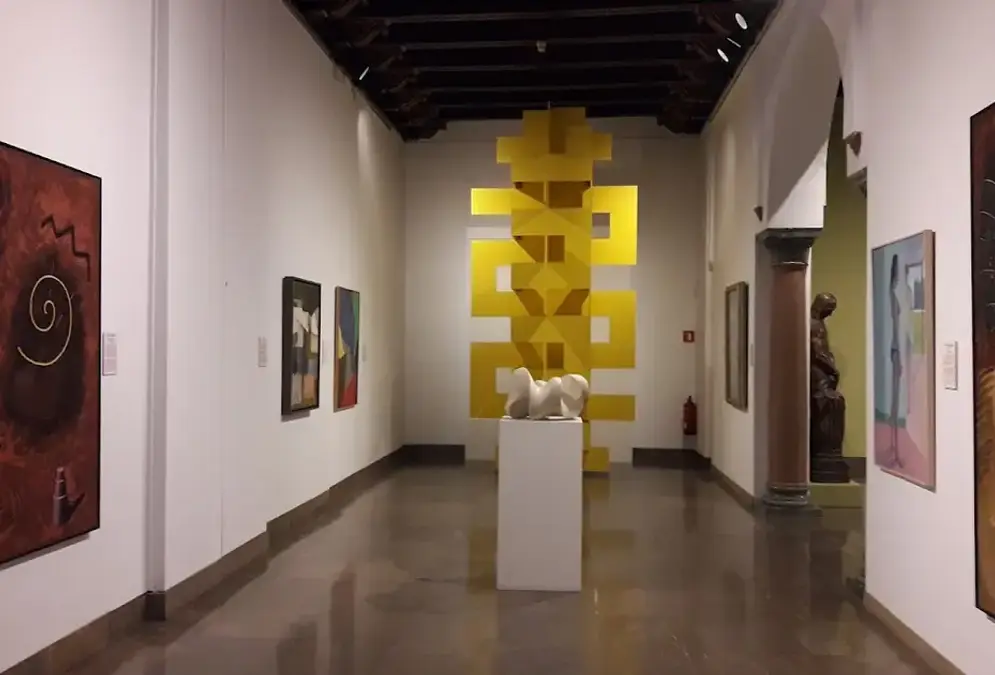
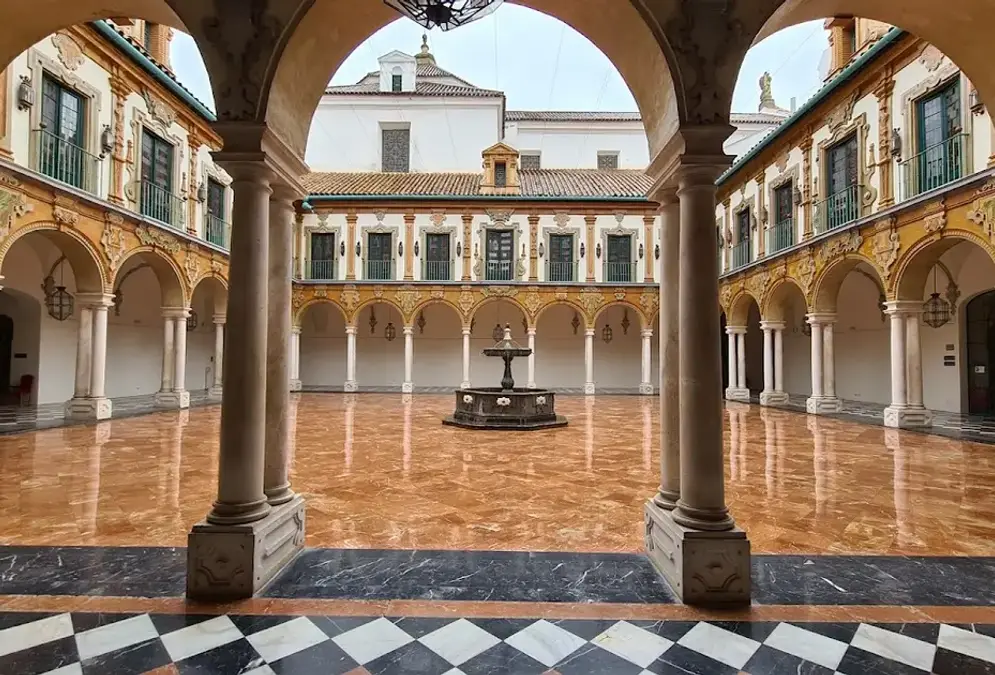
Seven museums in Córdoba reward art-focused visitors, and they cluster usefully: five are within ten minutes' walk of Plaza del Potro. The Museo de Bellas Artes surveys Spanish painting from the 15th to the 20th century in six rooms, with Zurbarán, Ribera, Murillo, Valdés Leal, and the sculptor Mateo Inurria all represented. Admission is €1.50, free for EU nationals. It shares the Renaissance convent building with the Julio Romero de Torres Museum next door.
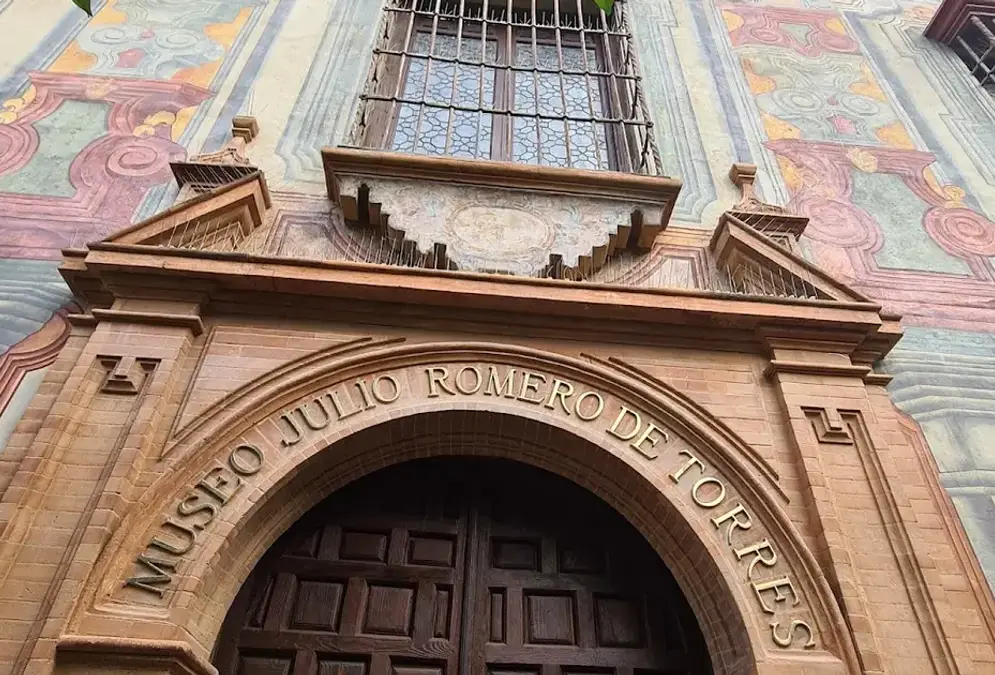
The Julio Romero de Torres Museum is the more personal of the two. Romero de Torres (1874-1930) was born in Córdoba and spent his career on one subject: the women of Andalusia. His Symbolist canvases, particularly La Chiquita Piconera and Naranjas y Limones, are somewhere between Mucha and Goya in register, using local models, orange groves, and the landscape of the Campiña. The museum occupies the house where he was born. Six rooms, €5 admission, never crowded.
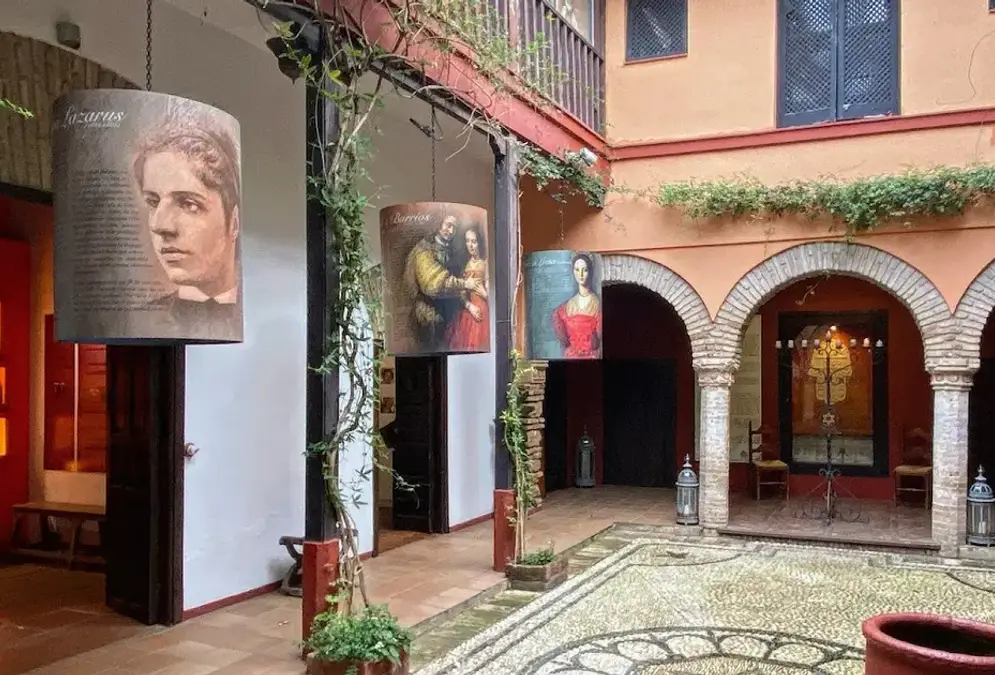
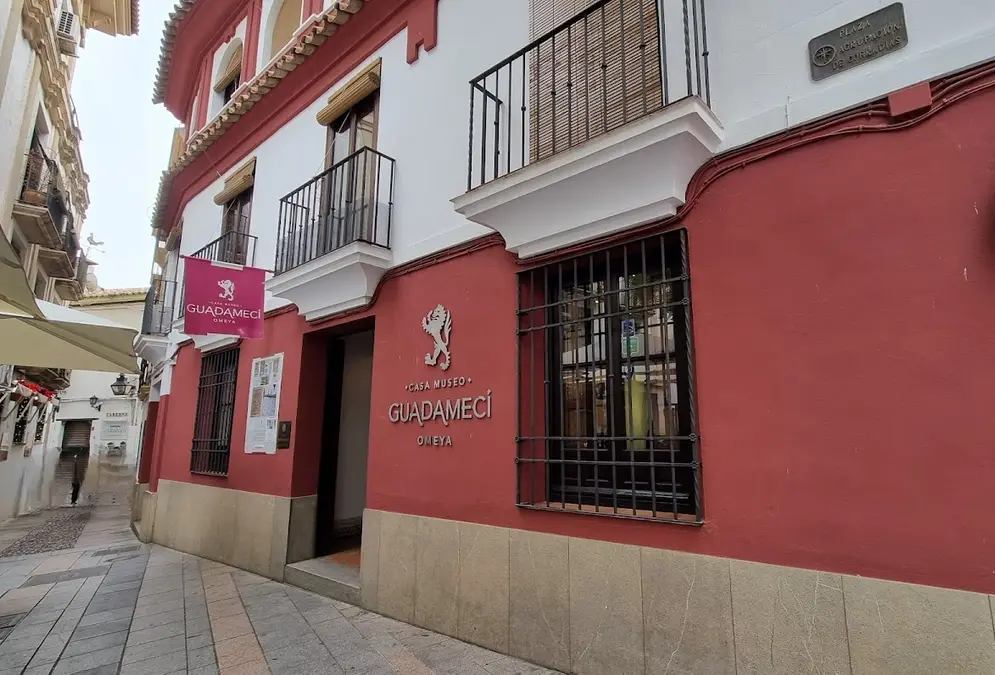
For craft history, the Museo del Cuero y el Guadamecí covers the full arc of leather artistry in the city, from Caliphate-era production to the near-extinction of the craft in the 20th century and its survival through the Meryan family workshop. The Centro Flamenco Fosforito is an interactive museum of flamenco as art form rather than entertainment, with recording archives, video documentation, and rotating exhibitions on specific performers and styles. The C3A, a fifteen-minute walk north of the centre, is free and worth the detour.
Living craft traditions
Guadamecí is one of the few medieval craft techniques that survived intact into the 21st century, and Córdoba is the only place in the world where you can watch it made. The technique arrived with the Moors in the 10th century: leather is dampened, embossed with geometric or figurative patterns using carved tools, allowed to dry in relief, then painted and gilded. Medieval guadamecí panels lined the walls of palaces from Córdoba to Constantinople. By the 19th century the tradition had nearly died out.
The Meryan family workshop on Calle de las Flores is the surviving heir to this tradition. Visitors can book hands-on sessions: you work alongside an artisan on a small panel, learning the embossing technique and taking the piece home. It is less a tourist activity than a genuine craft encounter. The Museo del Cuero y el Guadamecí next to the workshop provides the historical context, with a collection that spans Caliphate-period fragments to 20th-century revival pieces. For the full story — Caliphal origins, how the technique works, its journey to European royal courts, industrial collapse, and the two men who rebuilt it — read our article on guadamecí, Córdoba's gilded decorative leather.
Córdoba also has a tradition of silver filigree work, particularly visible along Calle Judíos in the Judería: small workshops where jewellers make traditional pieces using techniques that trace back to Moorish metalworkers. These are working shops, not museums, and the quality varies: look for family operations rather than souvenir outlets.
Flamenco as art
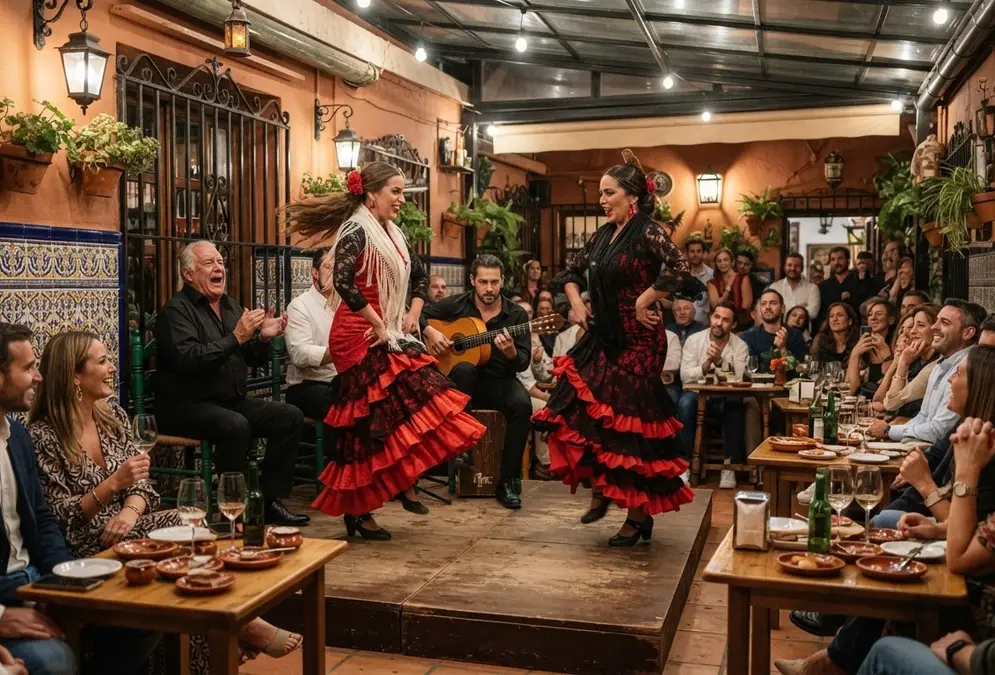
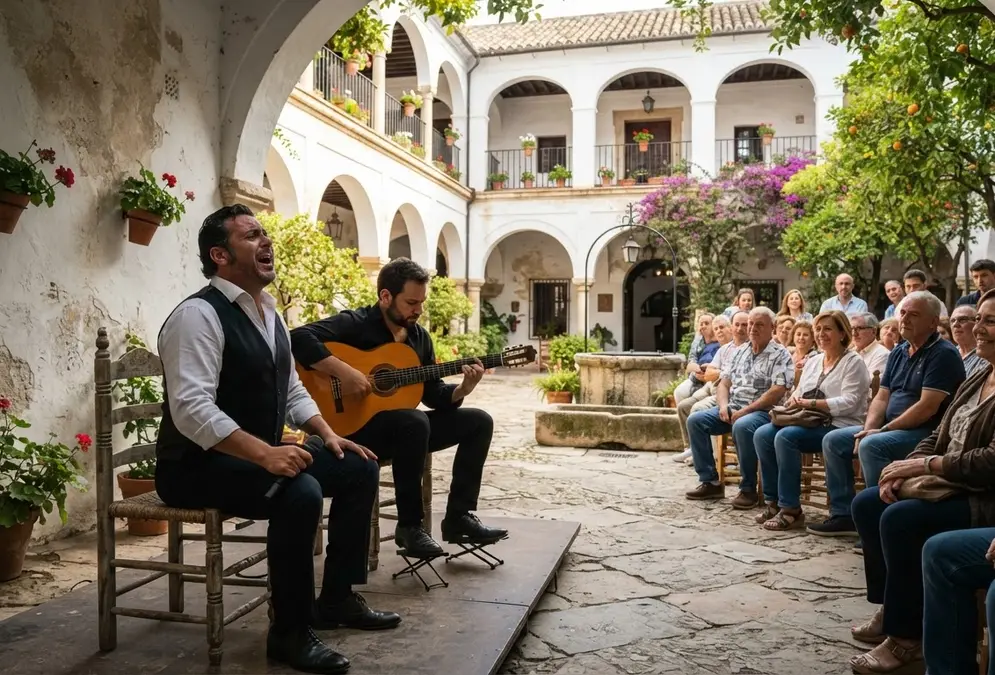
UNESCO's 2010 inscription of flamenco as Intangible Cultural Heritage was not about dance as performance. It was about a complex art form with three equal disciplines: cante (singing), baile (dance), and guitarra (guitar). Each has its own repertoire, its own schools, and its own masters. Flamenco is also a practice that lives in rehearsal rooms and peñas as much as on stage: the tourist tablaos are the commercial surface of something that operates on an entirely different register when performed among practitioners.
Córdoba's flamenco school has a reputation within Spain for depth over showmanship. The local cante styles, particularly the soleares and siguiriyas, are considered among the most austere and technically demanding in the tradition. The city produced El Fosforito, one of the great cantaores of the 20th century, whose work gave its name to the flamenco museum at Plaza del Potro. The Centro Flamenco Fosforito is the best introduction: it covers the history, the styles, the major artists, and the cultural geography of flamenco across Andalusia, with video archives and interactive exhibits.
For live performance, the distinction between tourist-format shows and genuine artistic events matters. Tourist tablaos offer polished, 45-minute performances designed for visitors with no prior knowledge of the form: the dancing is spectacular, the structure is clear, the timing is predictable. Smaller venues, particularly those associated with peñas flamencas (private flamenco clubs), present the form as its practitioners experience it: longer, less polished, technically demanding, and often more interesting. Ask at the tourist office or your hotel about upcoming peña events; some are open to outside visitors.
Peñas flamencas
Córdoba has several active peñas flamencas, private clubs that hold regular cante evenings. These are not tourist events: they are practitioners listening critically to each other. Some open their doors to interested visitors on specific nights. The tourist office on Calle Rey Heredia can advise on current schedules.
Patios: living art
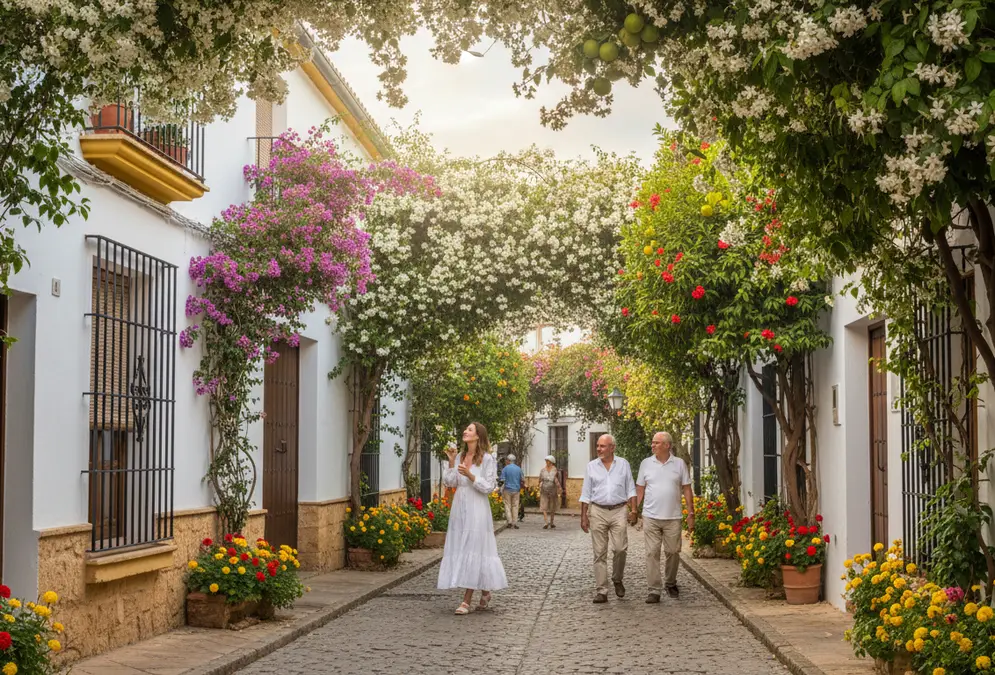
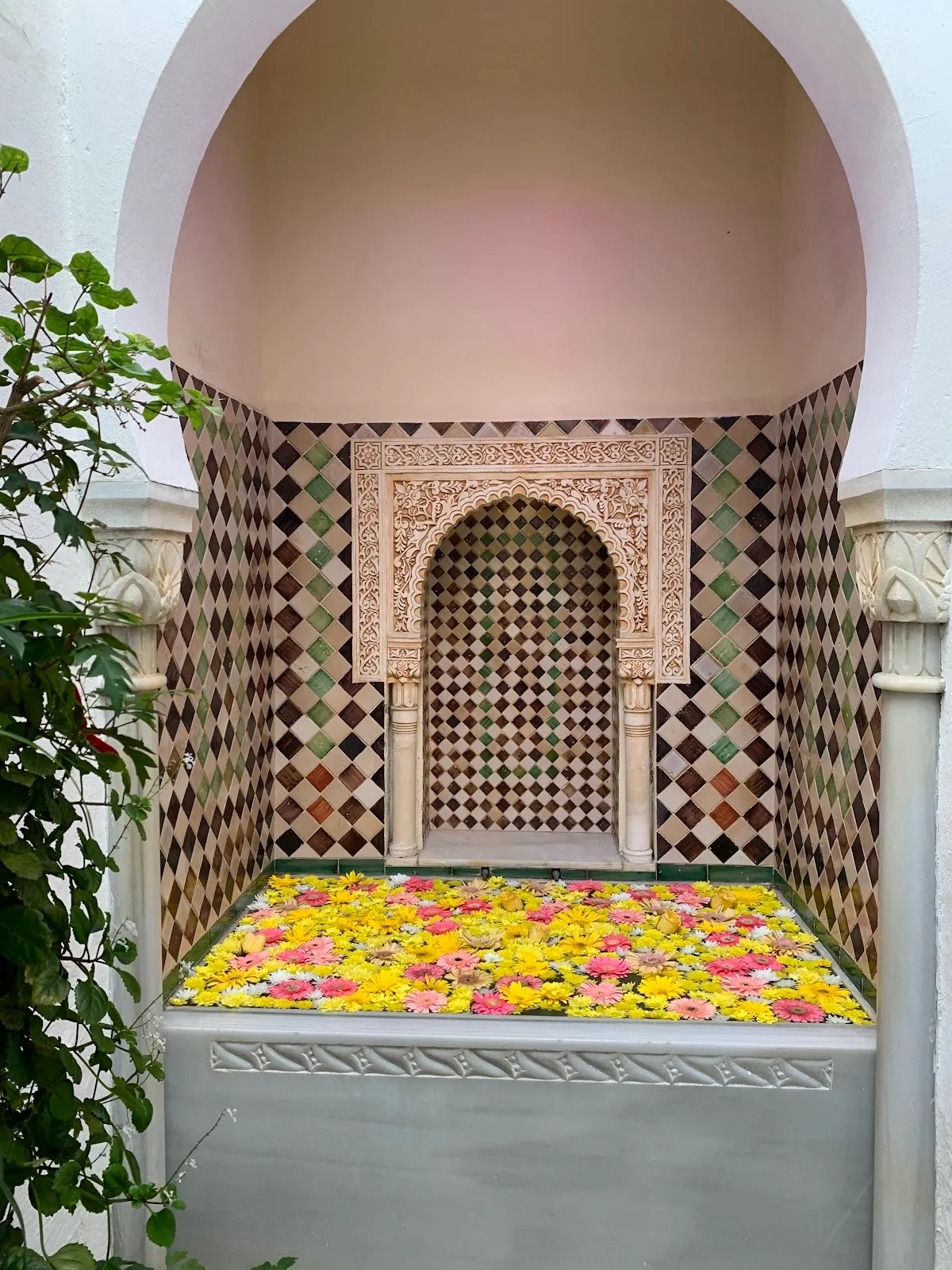
UNESCO inscribed the Córdoba Patio Festival in 2012 as Intangible Cultural Heritage. The inscription was not for the architecture of the courtyards but for the tradition of creating and maintaining them as annual living compositions. Each May, over 60 private courtyards in the Judería and San Basilio neighbourhood open for two weeks, free of charge. They are judged on the quality of their floral arrangements: the colour combinations, the geometric planting patterns, the handling of the vertical surfaces with hanging pots and trained climbers.
The aesthetic roots of the patio tradition go back to the Islamic garden: a enclosed world of water, plants, and geometric order, designed to evoke paradise. The layout principles are still visible in the best patios, where plantings are arranged in reflective symmetry, the central fountain marks an axis, and the colour palette is deliberate rather than accidental. What looks like informal Mediterranean abundance is usually the product of months of careful planning.
The Palacio de Viana offers the year-round version. Its 12 ornamental patios, maintained by the Córdoba Provincial Council, span Renaissance to Baroque design: a box-hedge maze patio, a rose garden, a citrus court, a jasmine tunnel. Entry to the patios alone costs €6; the full palace tour including the art collections and tapestry rooms is €10. Open year-round, Tuesday to Sunday. The Palacio is fifteen minutes' walk north of the Mezquita.
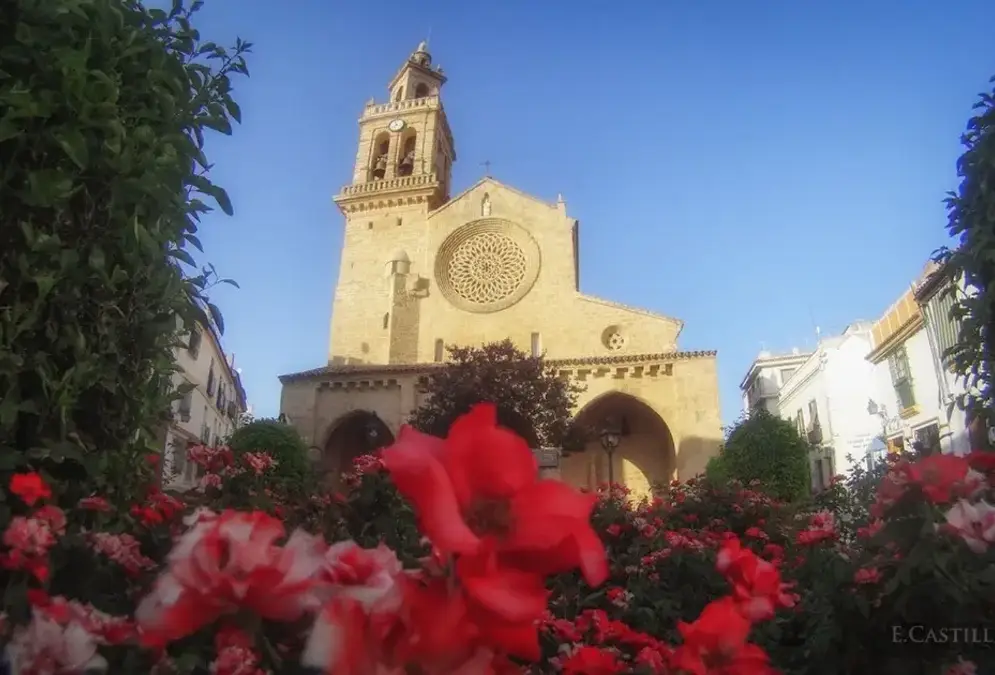
Outside May, the private patios of San Basilio are closed but occasionally visible through wrought-iron gates on quiet mornings. The San Basilio neighbourhood is worth walking in any season for its low whitewashed houses, azulejo tilework, and the unhurried pace of a residential quarter that has not been entirely absorbed into the tourist circuit.
Architectural art: reading the layers
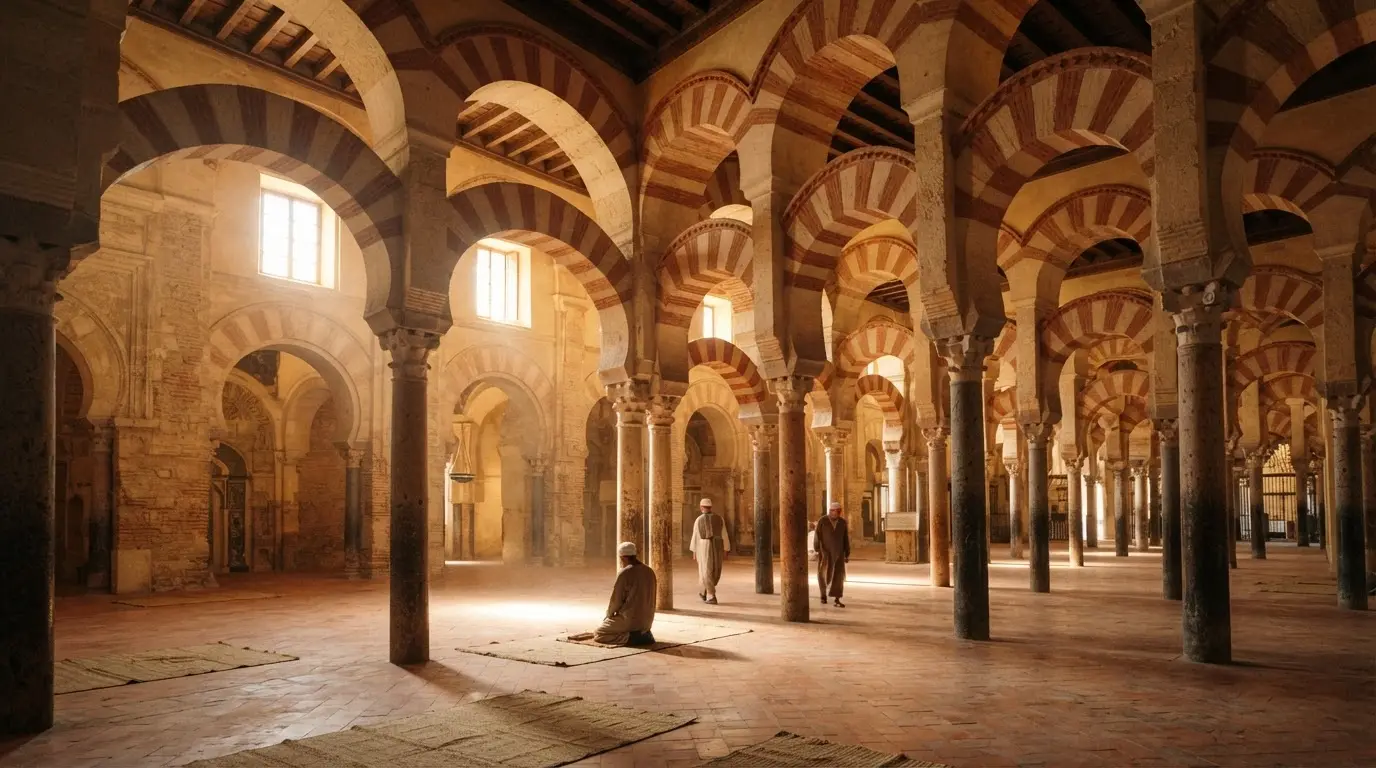
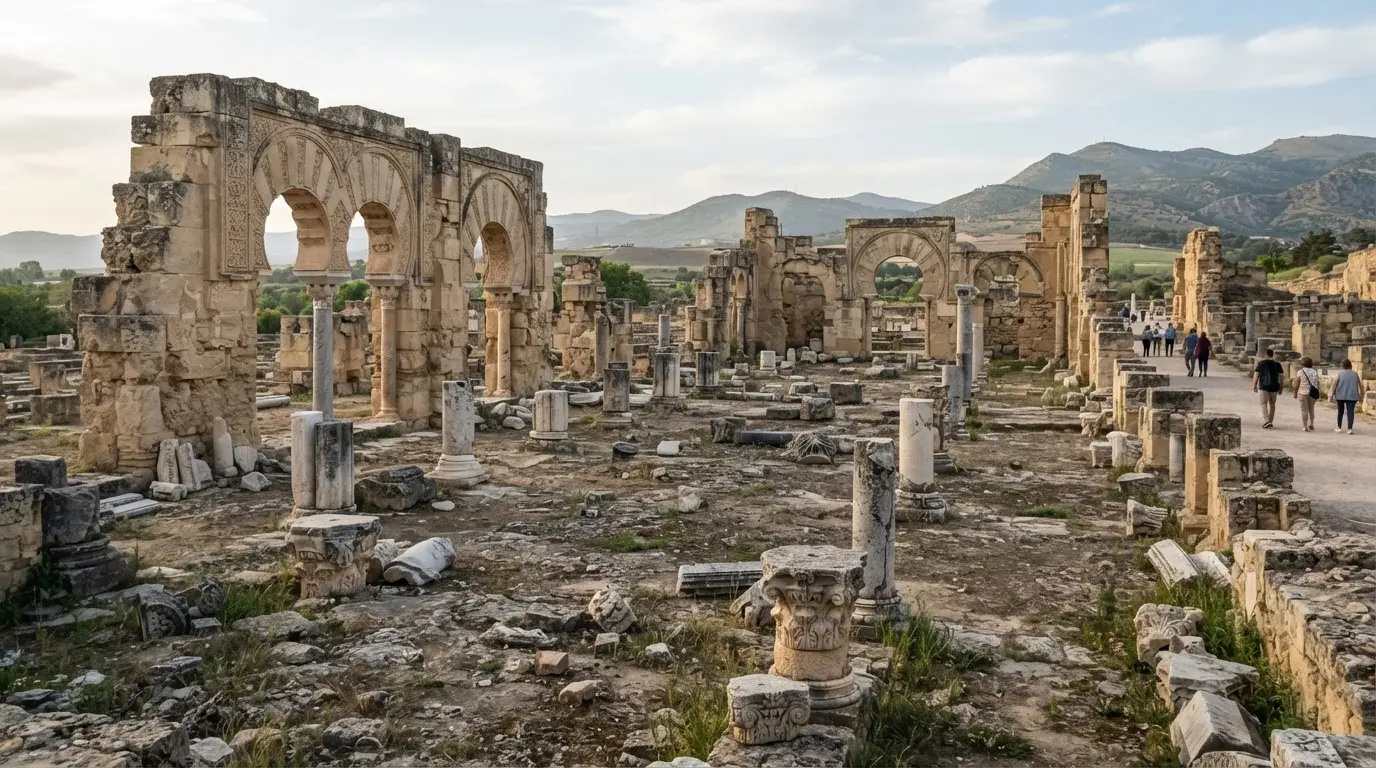
For art lovers with an architectural eye, Córdoba is a text written in five scripts, all still legible. The Moorish layer (8th to 11th century) is the most celebrated: the Mezquita-Catedral with its 856 columns of jasper and marble and its double-arched nave, built in 785 by Abd al-Rahman I and expanded repeatedly until the Caliphate collapsed in 1031. The Medina Azahara, the ruined caliphal city 8km west of the centre, shows the domestic and ceremonial scale of Moorish palatial art.
The Mudéjar transition is visible in small buildings that were built or rebuilt in the 13th and 14th centuries by Muslim craftsmen working under Christian patronage. The Capilla de San Bartolomé on Calle Averroes is the purest example: a Christian chapel where the entire interior surface is covered in Mudéjar stucco interlace, with only the altarpiece and the Christian iconography marking its religious identity. It takes about twenty minutes to visit and is one of the most concentrated artistic experiences in the city.
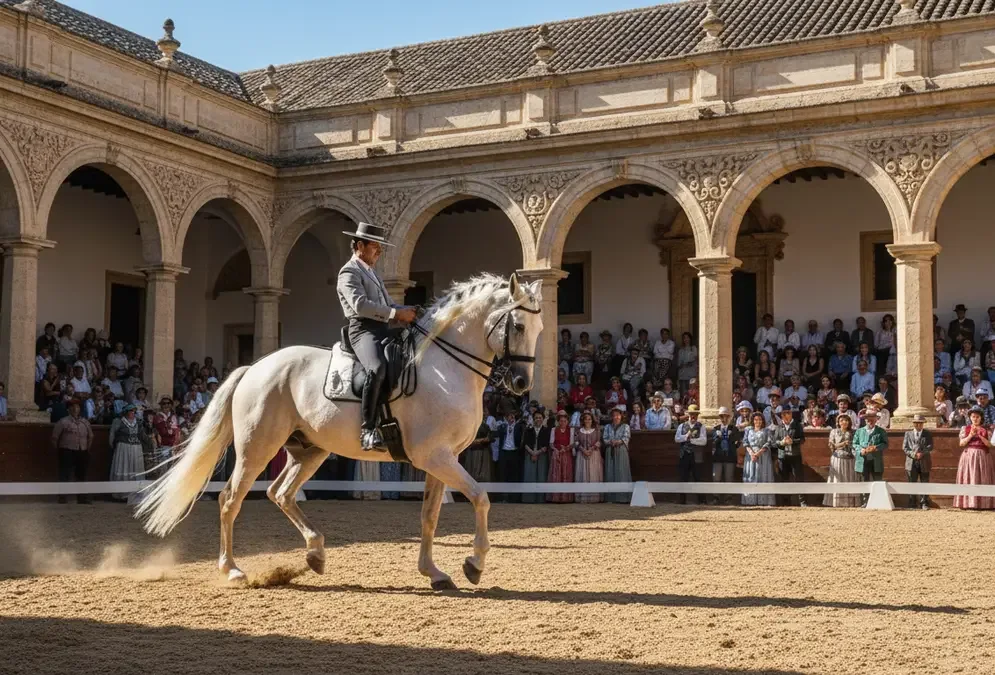
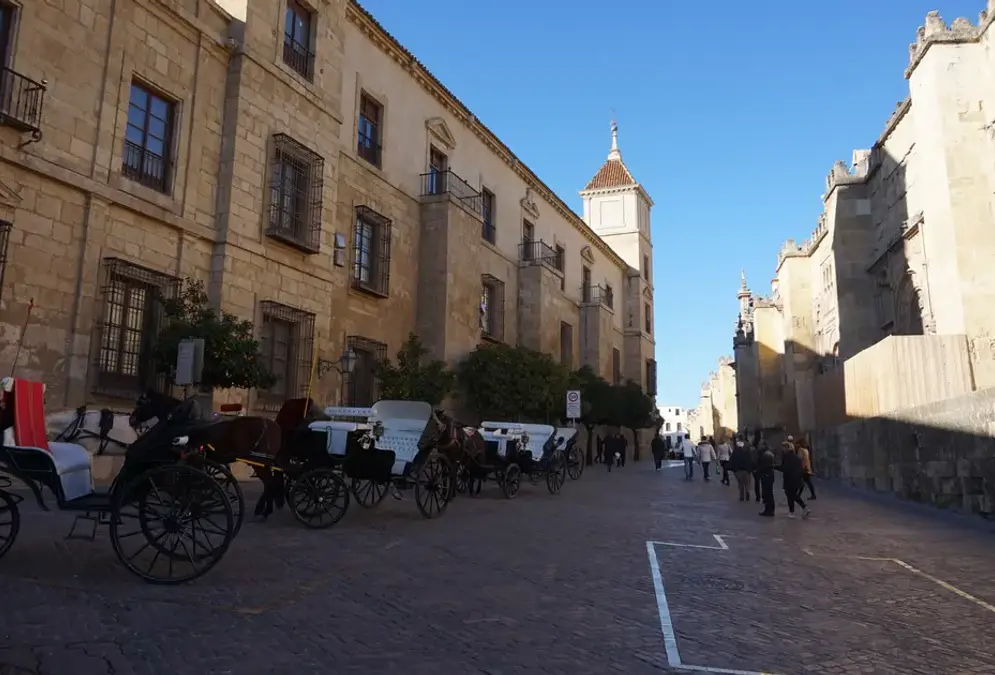
The Renaissance added classical order and civic ambition. The Palacio de Viana (1492 onwards) and the Caballerizas Reales (Royal Stables, 1570) are the best examples: both use Italianate arcaded courtyards and symmetrical facades that mark the arrival of humanist aesthetics. The Baroque period brought dramatic gesture: the Palacio Episcopal (Bishop's Palace) facing the Mezquita is an exercise in institutional authority through architectural theatre, its facade designed to be read against the medieval mosque behind it.
For a focused itinerary of architecture-tagged sites — monuments, museums, and guided tours ordered by period — see the Córdoba for architecture lovers hub.
Contemporary art: the C3A and beyond
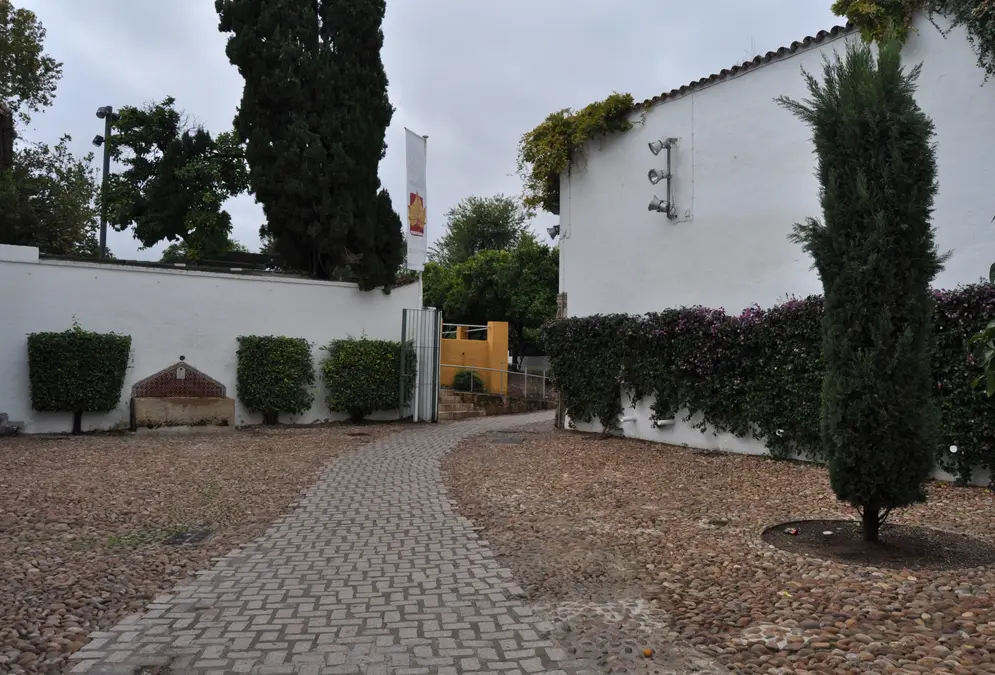
The C3A (Centro de Creación Contemporánea de Andalucía) opened in 2013 with a specific remit: not just to show contemporary art but to make its production visible. The building on Avenida del Brillante, designed by Nieto Sobejano Arquitectos, includes more than 1,000 square metres of open studio space where resident artists work, a Black Box performance and installation venue, an audiovisual archive, and exhibition galleries. Entry is free. It is the most serious contemporary art venue in Andalusia outside Seville's CAAC.
The C3A's programming leans toward process-based and conceptual work. Residencies run throughout the year and culminate in open studio events where the public can meet artists and see work in progress rather than finished pieces. The Black Box hosts live art, sound performances, and video installations; check the programme on the C3A website before your visit, as events can be scheduled any day of the week.
The commercial gallery scene in Córdoba is small but not absent. Galería Clave in the old town has been operating since the 1980s and represents several Cordoban painters. Galería Carlos Bermúdez focuses on emerging Spanish artists. The gallery at the Casa de la Cultura runs rotating exhibitions of local work. None of these are destination galleries, but they are worth noting if you are in the city for more than two days and want to see what the current generation is making.
C3A practical notes
The C3A is 1.5km north of the old town: a fifteen-minute walk up Avenida del Brillante or a short taxi ride. Free entry year-round. Opening hours vary by day; check c3a.es before visiting. On foot from Plaza del Potro, the walk takes about twenty minutes through the residential district north of the old city.
Practical tips for art-focused visitors
Bono Turistico: €10 covers five venues
The Bono Turistico covers the Alcazar de los Reyes Cristianos, the Royal Stables (Caballerizas Reales), the Julio Romero de Torres Museum, the Caliphal Baths, and the Synagogue, plus 20% off the equestrian show. If you plan to visit the Julio Romero museum (€5) and the Alcazar (€7) separately, it pays for itself. Buy it at the tourist office on Calle Rey Heredia or at any covered monument. See the full passes comparison to decide if it's worth it for your itinerary.
Museum opening hours
Museo de Bellas Artes (Oct–May): Tuesday to Saturday 9am to 9pm; Sunday 9am to 3pm. Closed Monday. Free for EU nationals, €1.50 others.
Museo de Bellas Artes (Jun–Sep): Tuesday to Sunday 9am to 3pm. Closed Monday.
Julio Romero de Torres Museum: Tuesday to Friday 8:15am to 8pm; Saturday 9:30am to 6pm; Sunday 8:15am to 2:15pm. €5 admission.
C3A: Free admission year-round. Hours vary by programme; check the website.
Palacio de Viana: Tuesday to Sunday. Patios only €6; full palace tour €10.
Best timing
May is the peak month for art lovers: the Patio Festival runs for two weeks, the Bellas Artes has longer hours, and the city's public spaces are full of the visual culture of the patios. Book accommodation well ahead; the city fills for the festival.
October and November are the best alternatives: pleasant temperatures, shorter queues at museums, and the C3A typically has a busy autumn programme after the summer pause.
Year-round: the Mezquita, Julio Romero Museum, Palacio de Viana, and C3A are open continuously. Guadameci workshops run year-round but book ahead in high season.
Photography rules by venue
The Mezquita-Catedral allows photography throughout but prohibits tripods and flash. The Museo de Bellas Artes and Julio Romero Museum generally permit photography without flash in permanent galleries; verify at the entrance as policies change. The C3A photography policy depends on the current exhibition. Palacio de Viana patios: photography is welcomed. No permit is required at any outdoor public site.
Articles for art lovers
Abd al-Rahman I: The Fugitive Who Founded Córdoba
Al-Hakam II's Library — 400,000 Books That Vanished
This Andalusian Fortress Has Been a Movie Set for Decades
Averroes: Córdoba's Philosopher Who Saved Aristotle
Cercadilla: Córdoba's Roman Palace Bulldozed for a Train Station
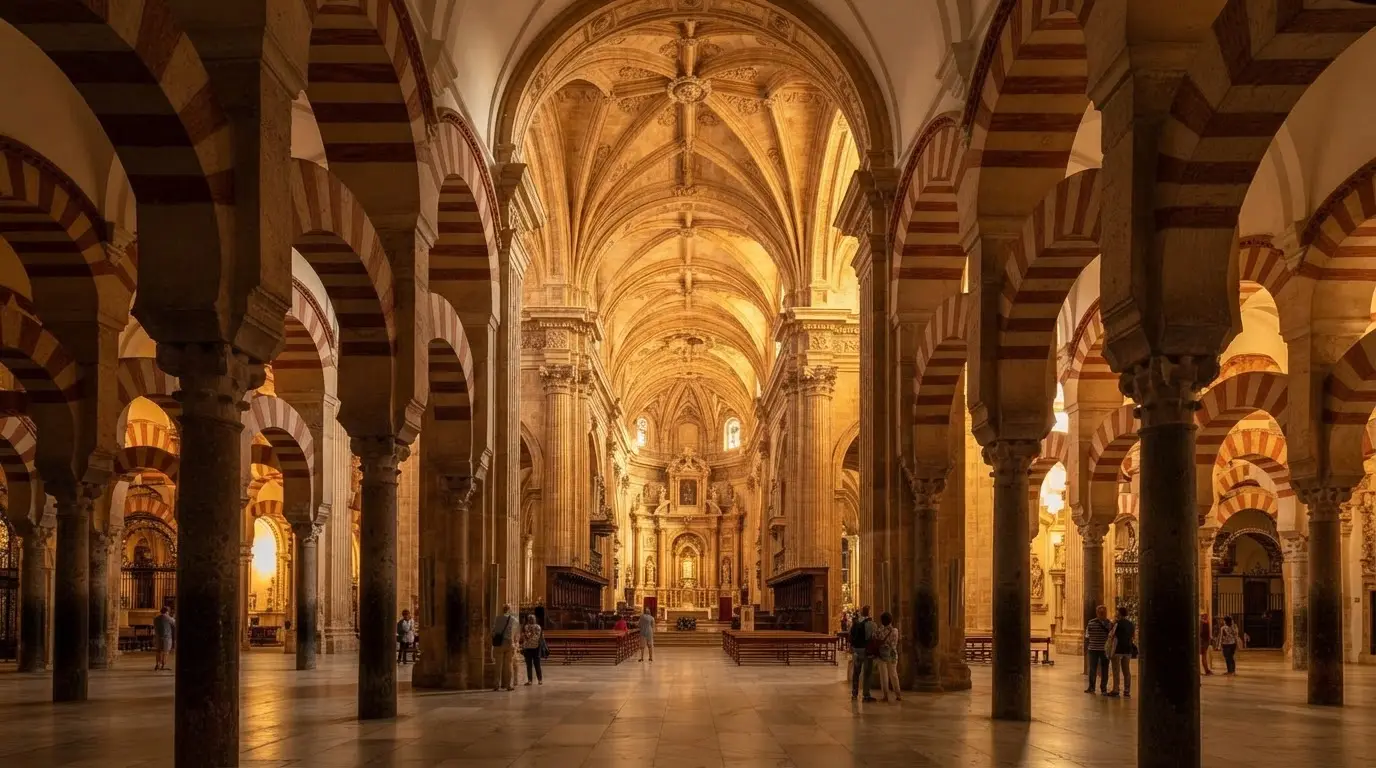
What Charles V Regretted About the Mezquita He Approved
Frequently Asked Questions
What are the best art museums in Córdoba?
The Julio Romero de Torres Museum is the most intimate: six rooms dedicated to the Symbolist painter who captured Andalusian life in the 1920s. The Museo de Bellas Artes covers Spanish painting from the 15th to the 20th century with Zurbarán, Ribera, and Murillo. For contemporary work, the C3A is free and shows the creative process as much as finished pieces. The Guadameci Museum is essential for craft history. All four are within ten minutes' walk of each other near Plaza del Potro.
Can visitors participate in guadameci leather workshops?
Yes. The Meryan family workshop on Calle de las Flores offers hands-on sessions where visitors can try the embossing technique on small leather pieces. Sessions typically last 45 to 90 minutes. Book ahead: spaces are limited to small groups and the workshop is run by one of the few remaining families still practicing the 1,000-year-old craft. The Museo del Cuero y el Guadameci next door provides historical context before you start.
Is flamenco in Córdoba art or entertainment?
Both, and the distinction matters. UNESCO inscribed flamenco as Intangible Cultural Heritage in 2010 specifically because it is a disciplined art form with three equal pillars: cante (singing), baile (dance), and guitarra (guitar). Córdoba has its own flamenco school, distinct from Seville or Jerez, with a more austere, concentrated style. The Centro Flamenco Fosforito at Plaza del Potro gives the cultural and historical context. For live performance, the tablaos offer two very different experiences: tourist-format shows versus smaller, more serious venues where local artists perform for each other. Ask your hotel which is which.
Is the May Patio Festival worth visiting for art lovers?
Yes, and more so than for general tourists. The patios are judged as living compositions: the geometry of plantings, the colour theory of flower combinations, the Islamic influence in the symmetrical layouts. UNESCO inscribed the festival in 2012 not for the architecture of the courtyards but for the tradition of creating and curating them as annual living artworks. Over 60 private courtyards open free of charge for two weeks in May. The Palacio de Viana with its 12 ornamental patios is open year-round and gives a permanent version of the same aesthetic.
Is the Bono Turistico worth it for art-focused visitors?
At €10 it covers the Alcazar de los Reyes Cristianos, the Royal Stables (Caballerizas Reales), the Julio Romero de Torres Museum, the Caliphal Baths, and the Synagogue, plus 20% off the equestrian show. If you plan to visit the Julio Romero museum (€5 alone) and the Alcazar (€7 alone), the bono pays for itself. Buy it at the tourist office or at any of the included monuments.
How does Córdoba compare to Seville and Granada for art?
Different in kind rather than degree. Seville has the largest Gothic cathedral in the world and Murillo everywhere; Granada has the Alhambra. Córdoba's strength is the compression of artistic periods in a small area: you can walk from Moorish geometric abstraction (Mezquita, Medina Azahara) to Mudéjar fusion (Capilla de San Bartolome) to Renaissance humanism (Palacio de Viana) to Baroque drama (Episcopal Palace) in under two hours. Add living craft traditions still practiced in workshops and a contemporary art centre focused on process, and Córdoba offers something neither city does: artistic depth across 1,300 years in a single afternoon.
Are there photography rules at Córdoba art venues?
Rules vary by venue. The Mezquita-Catedral allows photography throughout but prohibits tripods and flash. The Museo de Bellas Artes and Julio Romero Museum typically allow photography without flash in permanent collections; check at the entrance. The C3A photography policy depends on the current exhibition. Outdoors, no permit is required at any public site. During the May Patio Festival, photography is welcomed in private courtyards but residents ask visitors not to block doorways or photograph people without consent.
What neighborhoods have the best street art and public art in Córdoba?
The historic centre has almost no street art in the graffiti sense: the UNESCO heritage zone is closely managed. The most interesting public art is concentrated around the contemporary spaces: the area around C3A on Avenida del Brillante, and the newer residential districts to the north. For decorative public art in the traditional sense, the azulejo tilework on street corners and church facades throughout the Juderia and San Basilio is extensive and easy to miss if you are not looking for it. Calle Judios and Calle Averroes are particularly good for this.
Further reading
Official sources
4 references Show Hide
- Córdoba Tourism Office (opens in a new tab)
Official information on museums, monuments, and the Patio Festival
- C3A: Centro de Creación Contemporánea de Andalucía (opens in a new tab)
Programme, residencies, and visiting information for the contemporary art centre
- UNESCO: Flamenco Intangible Heritage (opens in a new tab)
UNESCO inscription of flamenco as Intangible Cultural Heritage (2010)
- Museo de Bellas Artes de Córdoba (opens in a new tab)
Official site with opening hours and collection information