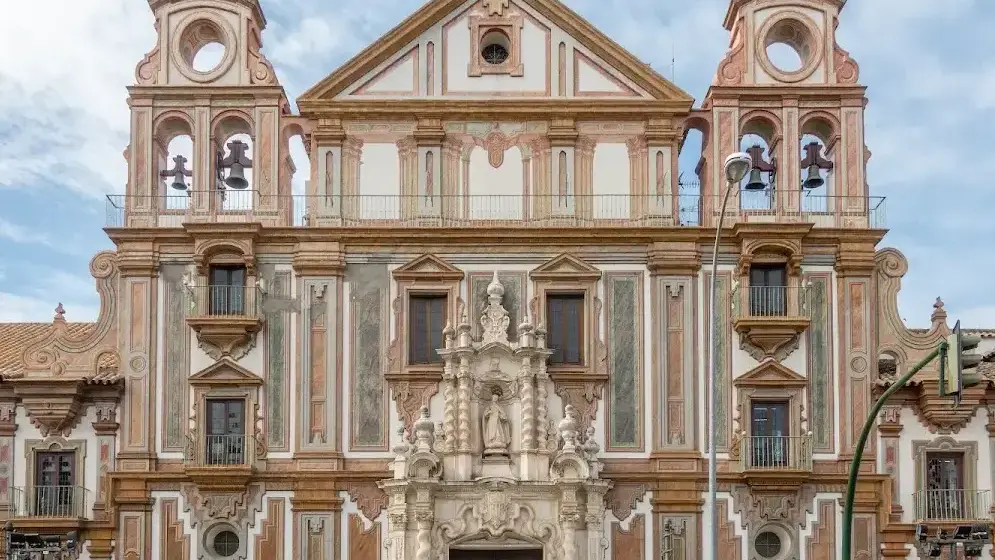
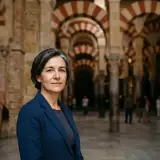
The Palacio de la Merced is Córdoba's most complete example of 18th-century baroque architecture. A former convent of the Order of Mercy, it has an elegant series of patios, a baroque church with gilded altarpieces, and decorated salons. The building is now the seat of the Diputación de Córdoba (provincial council) and holds a collection of works by Zurbarán, Murillo, and Julio Romero de Torres. Visits are by guided tour, arranged by written request.
When to Visit
Best season
Year-round except August (by prior request)
Quietest hours
Mon-Wed 10:00 visit
Visit duration
About 90 minutes
An 18th-Century Baroque Convent
Founded in the 13th century by the Order of Mercy — whose original mission was to ransom Christian captives held in Muslim territories — the convent was entirely rebuilt in the 18th century. The baroque construction reflects the wealth and ambition of the religious orders of the period. After the disentailment of 1835 confiscated ecclesiastical properties, the building passed to state ownership and was eventually assigned to the Diputación Provincial.
The Order of Mercy, known in Spanish as the Mercedarios, was founded in Barcelona in 1218. Their presence in Córdoba dates from shortly after the Reconquista. The 13th-century original is entirely gone — what you see today is a pure 18th-century construction, which makes it unusual in a city where most buildings carry visible traces of earlier periods.
Apply early and avoid August
The Diputación needs the written request at least 15 days ahead and runs no visits in August or on public holidays. Send it well before your dates and expect an alternative slot if yours is full.
Salons, Church, and Patios
The baroque church has gilded altarpieces that cover most of the wall surface — a full contrast to the plain exteriors typical of Córdoba. Stand at the entrance to the church before going in: the shift from the simple whitewashed exterior to the elaborate gilded interior is one of the more dramatic architectural contrasts in the city.
The patios with marble columns connect the different wings. The salons display Mudéjar coffered ceilings, notable frescoes, and the religious painting collection. The main cloister, with its double arcade gallery, is the most architecturally coherent space in the building. In October, the Patio Barroco hosts one of the five main installations of the FLORA festival — in 2026, the New York studio FLOVER creates the installation here.