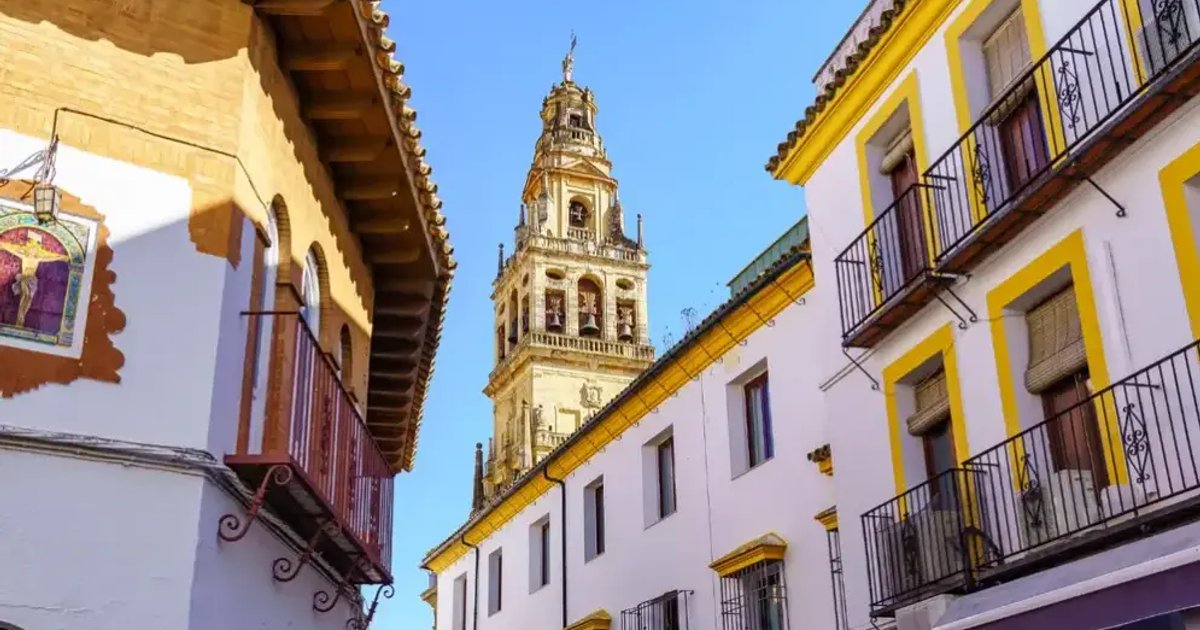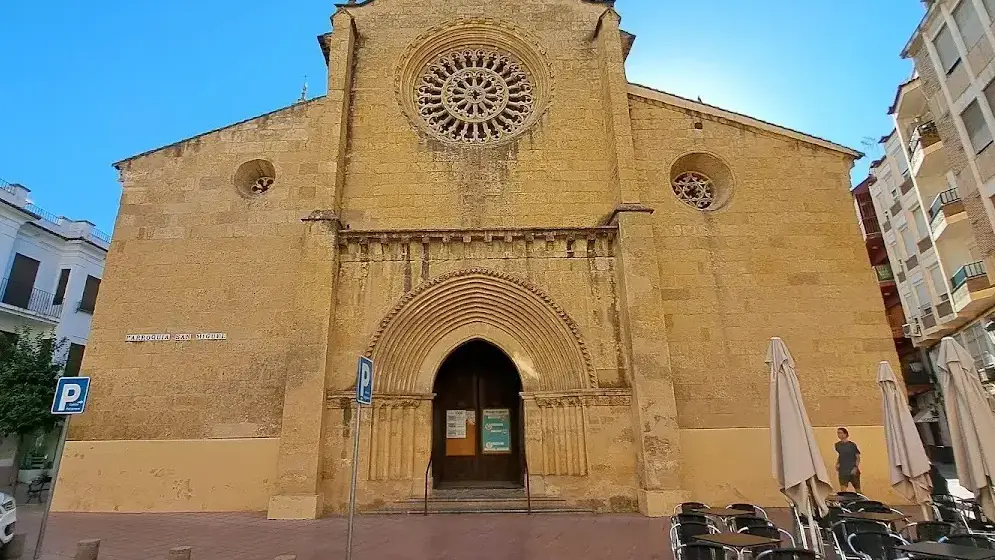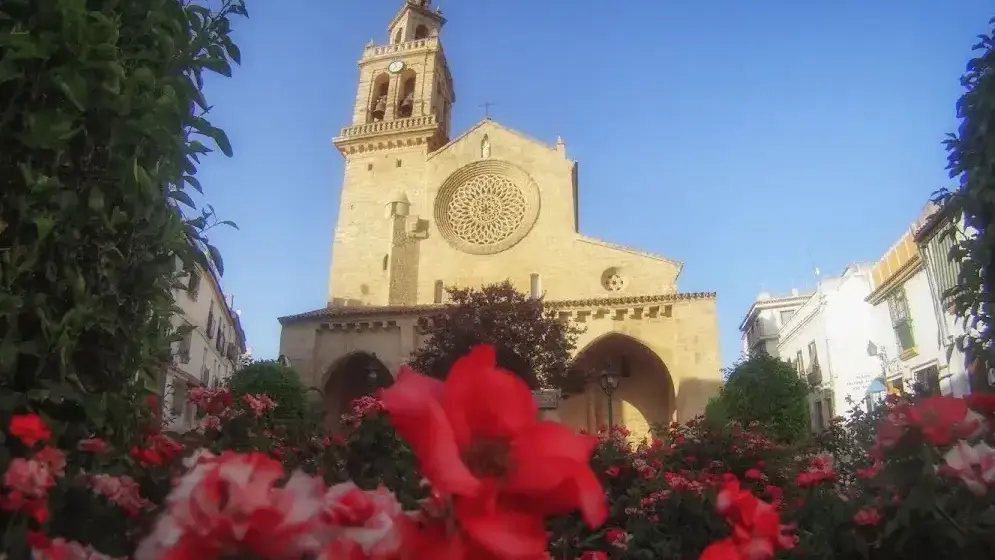

The Iglesia de San Lorenzo is one of the better-preserved examples of Fernandine architecture in Córdoba. Its main façade has a Gothic rose window and a triple-arch portico that appears on no other church in the city. The bell tower was built on the base of a minaret from the mosque that previously occupied the site. The church opens onto a shaded square that keeps a quieter, neighbourhood feel.
A Church of the Reconquista
Built in the 13th century after Córdoba's Reconquest by Ferdinand III, it is one of the fourteen 'Fernandine' churches raised to establish Christian worship across the city. The architects combined Romanesque solidity, Gothic verticality, and Mudéjar decoration — three traditions that existed simultaneously in 13th-century Andalusia. The bell tower's Islamic brickwork patterns and polylobed arches are still clearly visible, a record of the building that came before.
Look carefully at the lower courses of the tower. The alternating brick and stone pattern, the proportions of the shaft, and the blind arches decorating the surface all belong to the Almohad phase of mosque construction in Córdoba. The Christian builders kept this section intact and extended upwards in their own style — you can see the transition point roughly two-thirds of the way up the tower.
The Rose Window and Portico
The Gothic rose window fills the nave with coloured light on late mornings. The window's tracery is more elaborate than those on most other Fernandine churches — look at the geometric subdivisions within the outer ring, which are closer to French Gothic models than to the simpler windows common elsewhere in the city. The triple-arch portico on the main façade has no direct equivalent in Córdoba — the carved capitals mix biblical scenes with foliate motifs that would not be out of place in a Romanesque church further north in Spain.
Inside, Baroque altarpieces were added in the 17th and 18th centuries. The contrast between the plain medieval structure and the gilded Baroque additions is jarring in the way that much of Córdoba's Christian religious architecture is — each era adding its layer without removing the previous one.
Visiting Tips
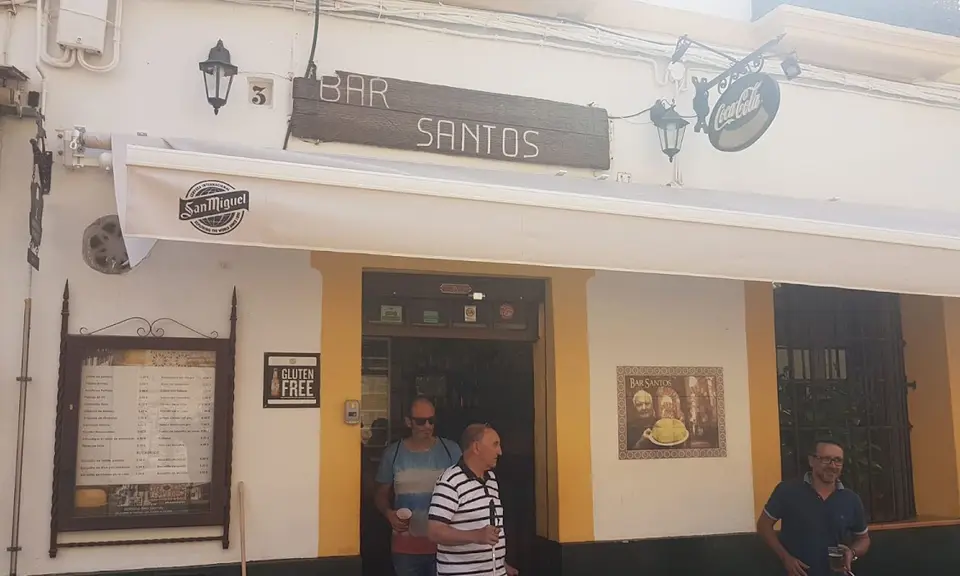
Allow 30 minutes. The best light is between 10am and noon for the rose window effect. Free entry. The church stands in the San Lorenzo quarter, where the surrounding taverns serve tapas at local prices — the bars facing the square are among the least touristic in the city centre.
Recommended Fernandine Circuit
Pair with the Iglesia de Santa Marina (10 minutes away) and the Iglesia de San Miguel (5 minutes) to cover Córdoba's northern Fernandine quarter properly. The Palacio de Viana is 5 minutes away — its twelve patios make a natural contrast to the ecclesiastical architecture of the churches.