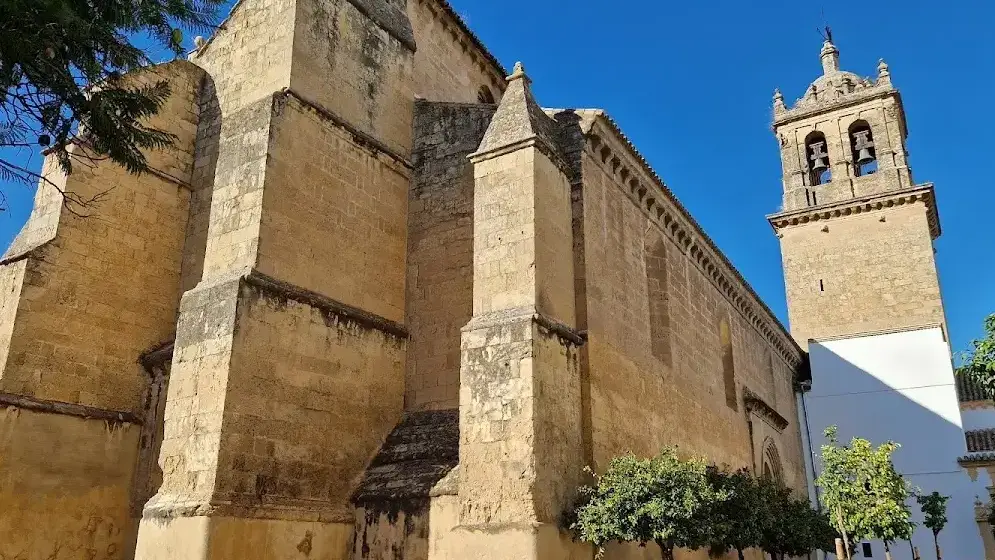
The Iglesia de Santa Marina de Aguas Santas is one of the fourteen Fernandine churches built after Córdoba's Reconquest by Ferdinand III in 1236. It is among the oldest and most intact of the group. The façade follows the Romanesque-Gothic style with a carved rose window and a bell tower that was once a minaret. Inside, Mudéjar elements survive alongside the later sacred art.
When to Visit
Best season
Year-round
Quietest hours
Weekday mornings, soon after the route opens
Visit duration
30 minutes
One of the Oldest Fernandine Churches
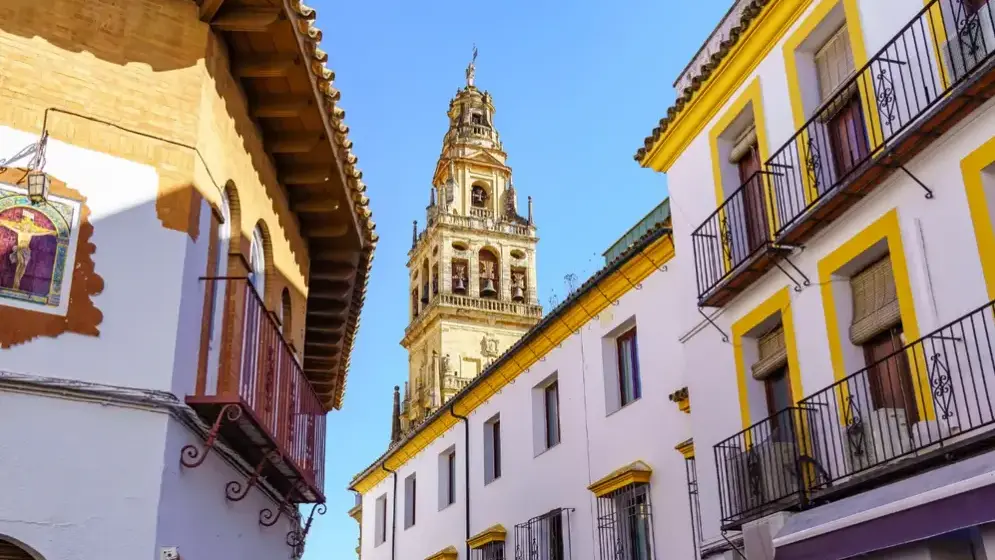
Built in the 13th century, the church went up during the first wave of Christianisation after the Reconquista. The bell tower, converted from an Islamic minaret, is a physical record of how buildings changed hands in this period. The original shaft of the minaret is still visible in the lower courses of the tower — the Islamic brickwork pattern and the proportions give it away if you compare it to the later Christian additions above. This same transformation happened at several other Fernandine churches, including San Lorenzo, making the bell towers across this part of the city a kind of open-air record of the 13th-century transition.
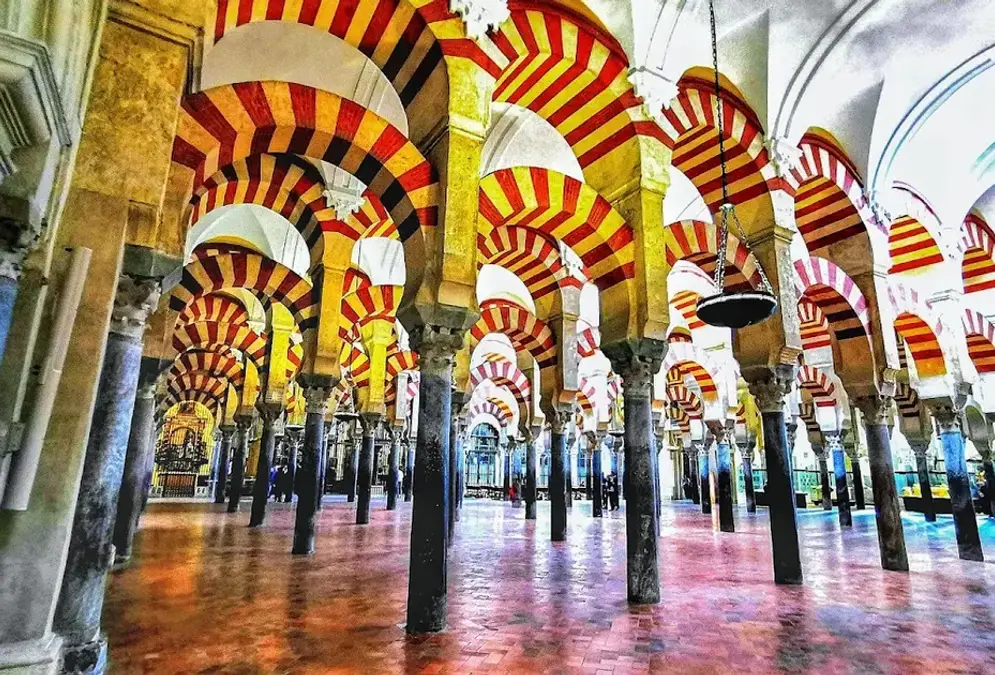
Mudéjar elements in the interior — geometric patterning, particular arch forms — were added by Muslim craftsmen who continued working for the new Christian rulers, producing the hybrid style that appears throughout Córdoba's churches.
Come in late morning for the facade
The rose window and the stone carving read best once the sun is high enough to pull out the relief. Early light is pleasant, but late morning gives the facade more depth.
The Bullfighters' Quarter
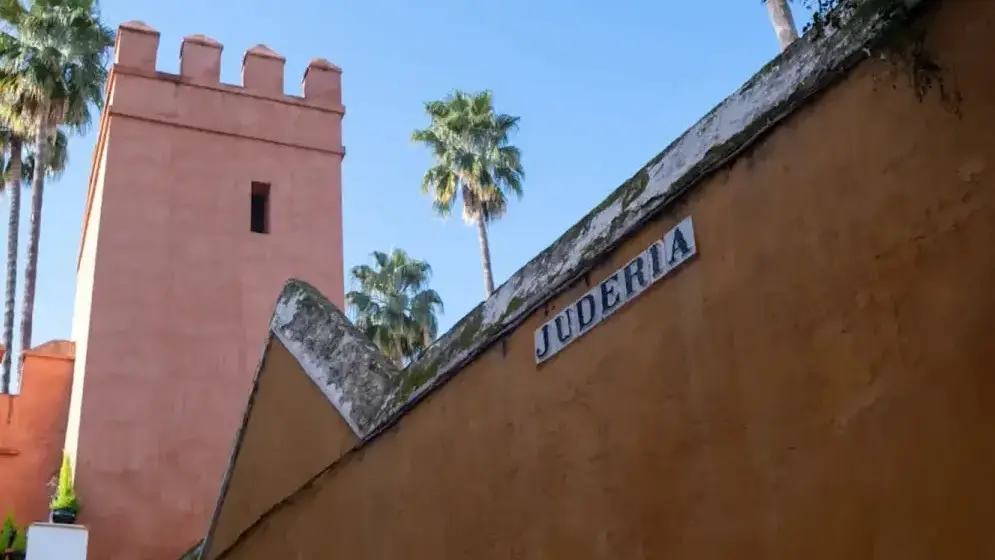
The statue of Manolete outside the church honours Córdoba's best-known bullfighter, born in this neighbourhood in 1917 and killed in the arena at Linares in 1947 at the age of thirty. The sculptor was Julio Antonio, who captured the matador in a contemplative pose rather than in the ring. The Plaza de Santa Marina draws aficionados from Spain and beyond, who come specifically to see the statue. The surrounding lanes and whitewashed houses retain the character of a working-class Andalusian neighbourhood — noticeably quieter here than in the Judería.
The Santa Marina quarter has historically been associated with Córdoba's bullfighting culture. At least four other famous matadors were born within a few blocks of this church, earning the barrio the informal title of the bullfighters' district.