Córdoba Through the Ages: A Timeline by Era
Follow Córdoba from its Iberian and Roman beginnings through the emirate, caliphate and Castilian conquest to the modern city. Each era gathers the monuments still standing and the articles that go deeper.
-
Prehistoric & Iberian
before 206 BCE
A Turdetani town stood on the Colina de los Quemados, today's Parque Cruz Conde, and was already organised and quite possibly walled by the 7th to 6th centuries BCE. Rome founded Corduba beside it.
-
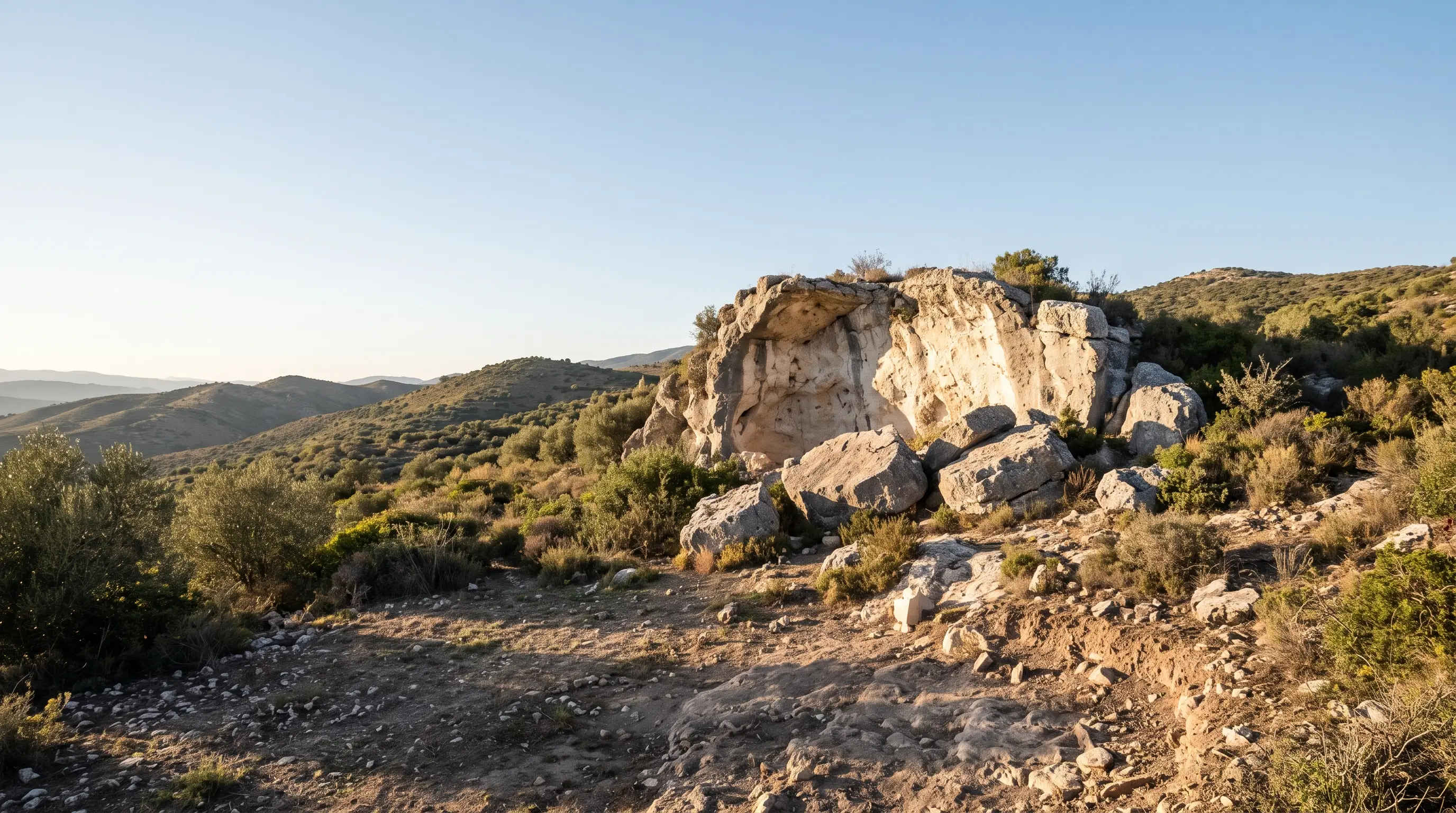
Cueva del Ángel, Lucena: A 'Neanderthal' Site With One Tooth
Article
Cueva del Ángel near Lucena: 46 handaxes, burnt bone and one 104,300-year-old tooth. What the Neanderthal headline rests on, and what to check before visiting.
-
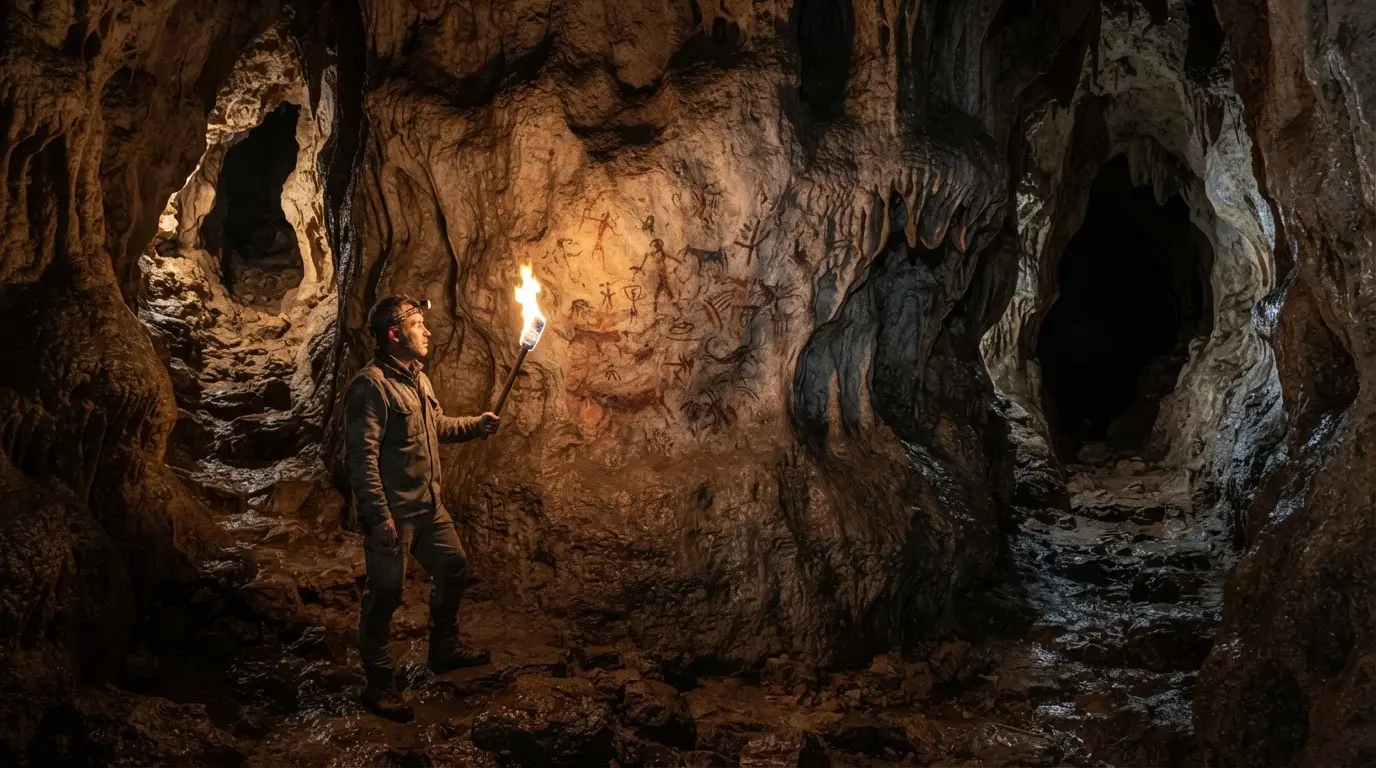
Cueva de los Murciélagos, Zuheros: A Neolithic Sanctuary
4480–3130 BCE Article
Inside Zuheros's Cueva de los Murciélagos, researchers traced five Neolithic hearths and opium poppy seeds called the oldest such find then known in Iberia.
-
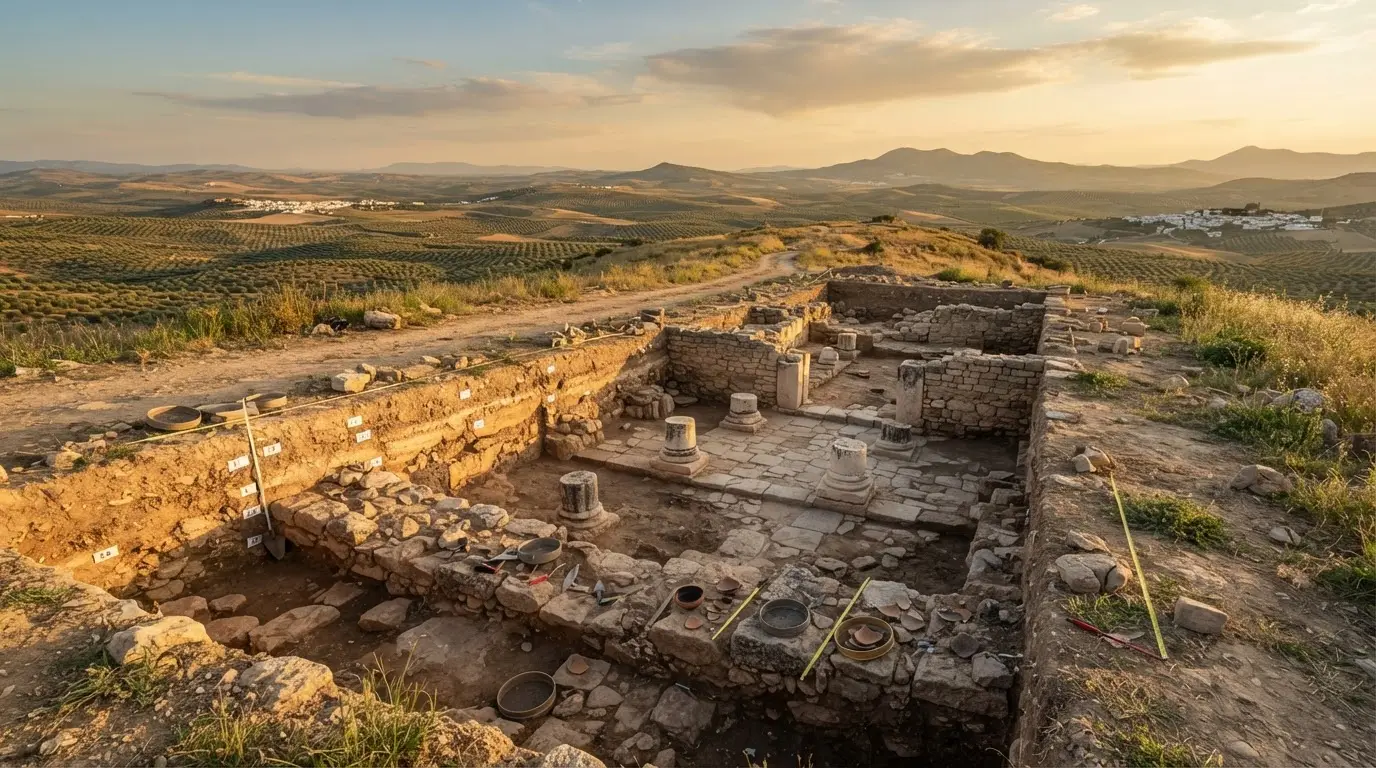
Torreparedones Has Been Open 15 Years, and a Tenth Is Dug Up
600 BCE Article
Torreparedones, on a hilltop between Baena and Castro del Río, has been open to visitors since 2011. Only about a tenth of its 3,500-year city has been dug.
-
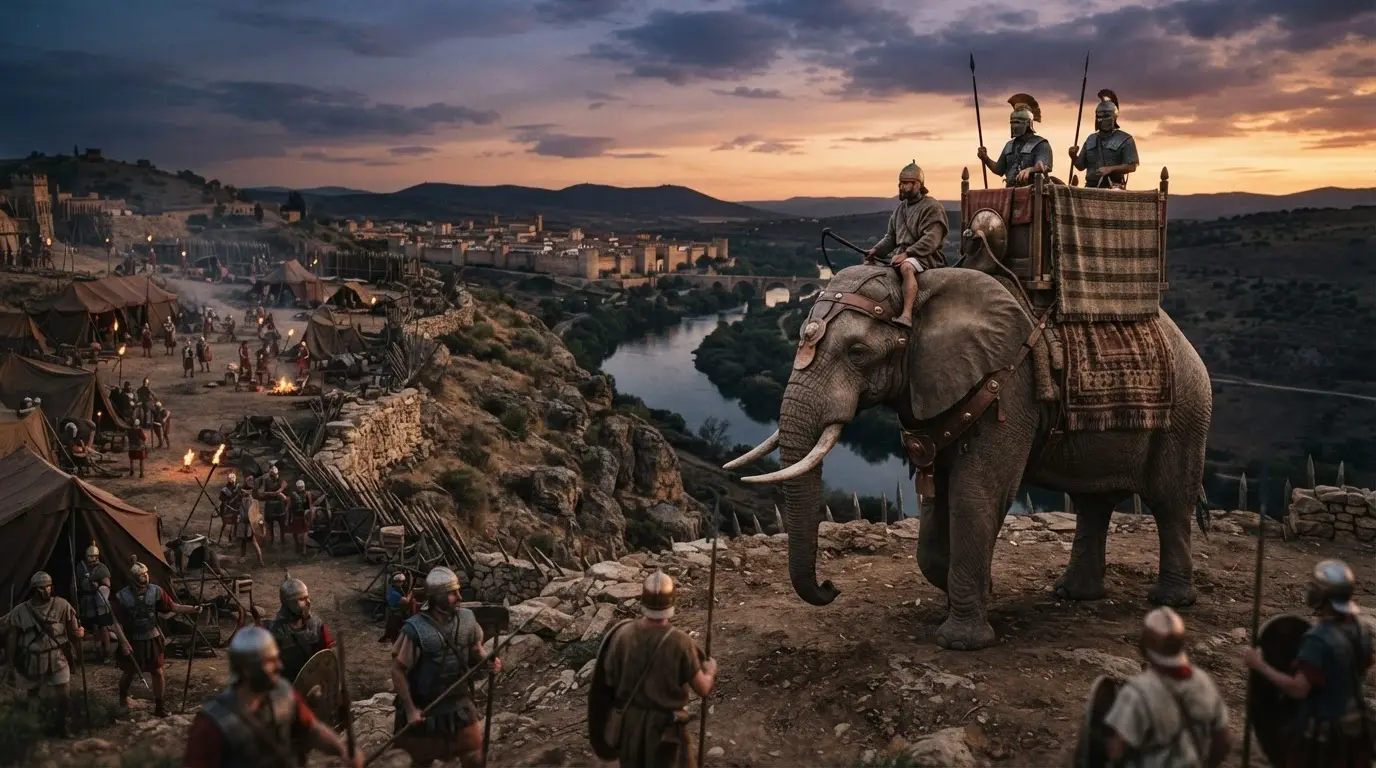
First Physical Evidence of a Punic War Elephant Found in Córdoba
Article
A radiocarbon-dated elephant bone near Córdoba may be the first physical evidence of a Carthaginian war elephant, though not one of Hannibal's own Alps herd.
-
Pre-Roman Walls Found on the Guadalquivir, Near Córdoba
Article
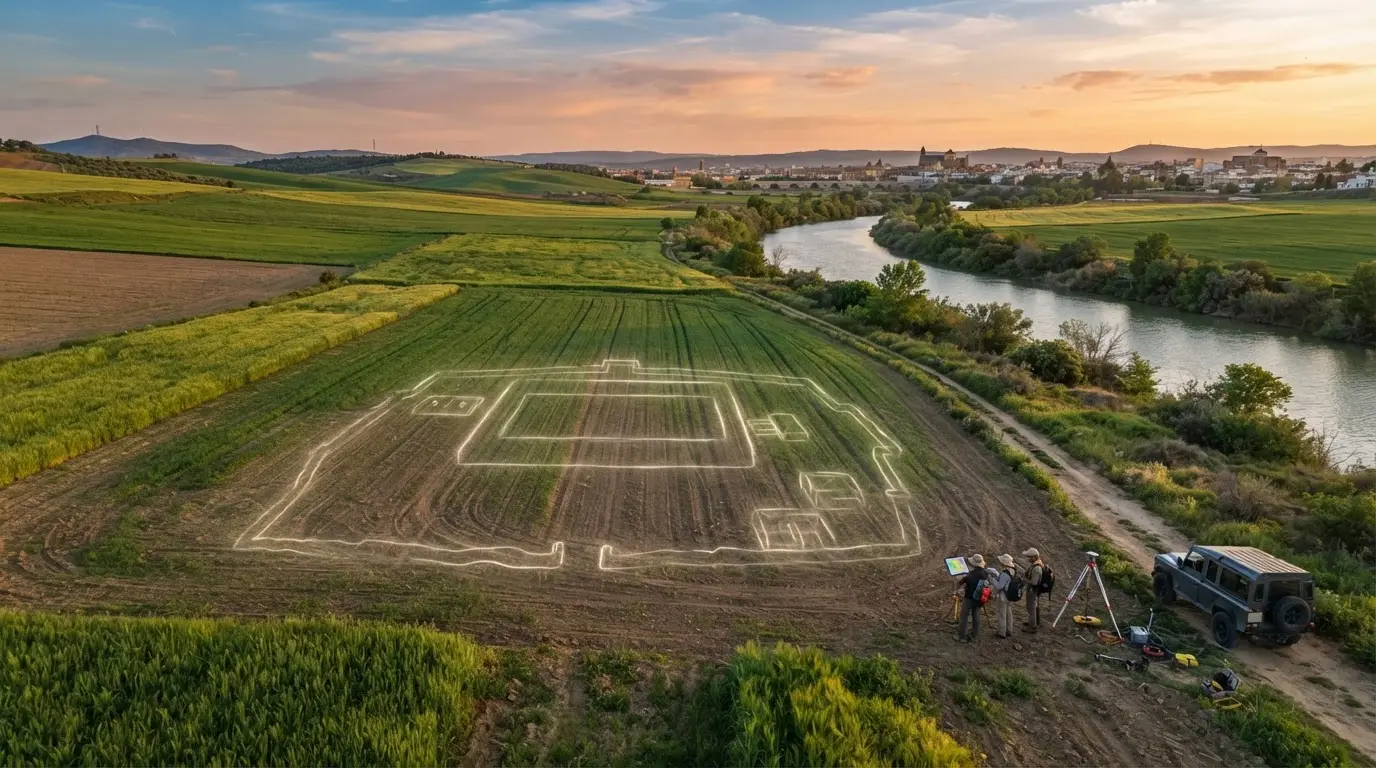
A May 2025 survey found possible pre-Roman wall foundations on Córdoba's Guadalquivir riverbank, where a campsite project's future is still undecided for now.
-
-
Roman Corduba
206 BCE–572
Founded around 169 BCE, Corduba became the capital of the province of Baetica and the birthplace of Seneca and Lucan. The Roman Bridge and the columns of the Roman Temple can still be visited.
-
Puente Romano de Córdoba
Monument
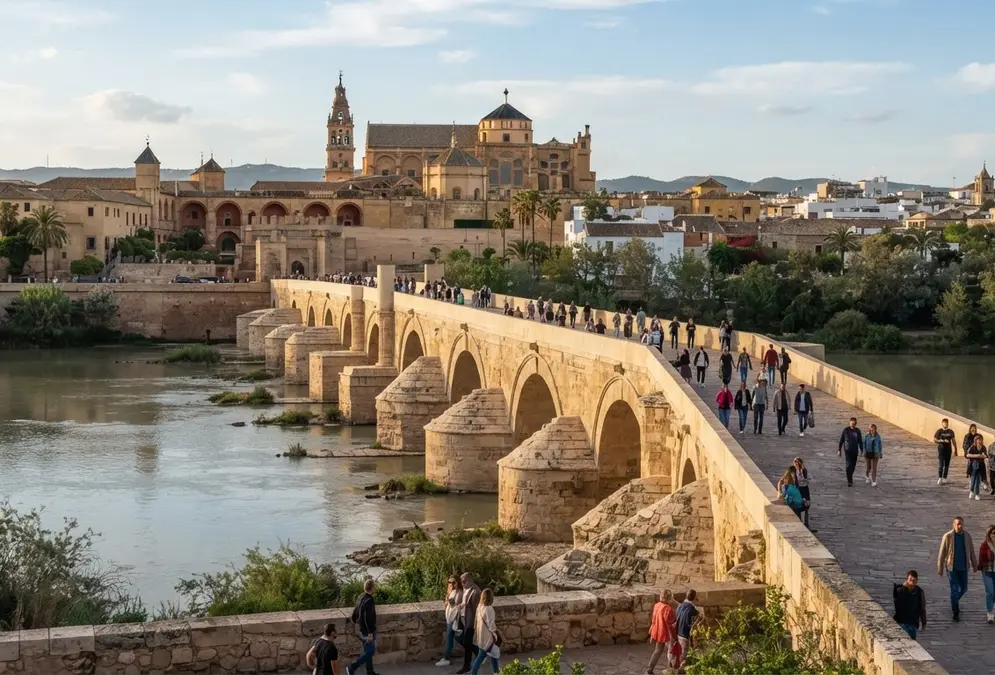
Puente Romano de Córdoba: 16 arches over the Guadalquivir since the 1st century BC. Best viewpoint for the Mezquita at sunset. Game of Thrones location. Free.
-
Templo Romano de Córdoba
Monument
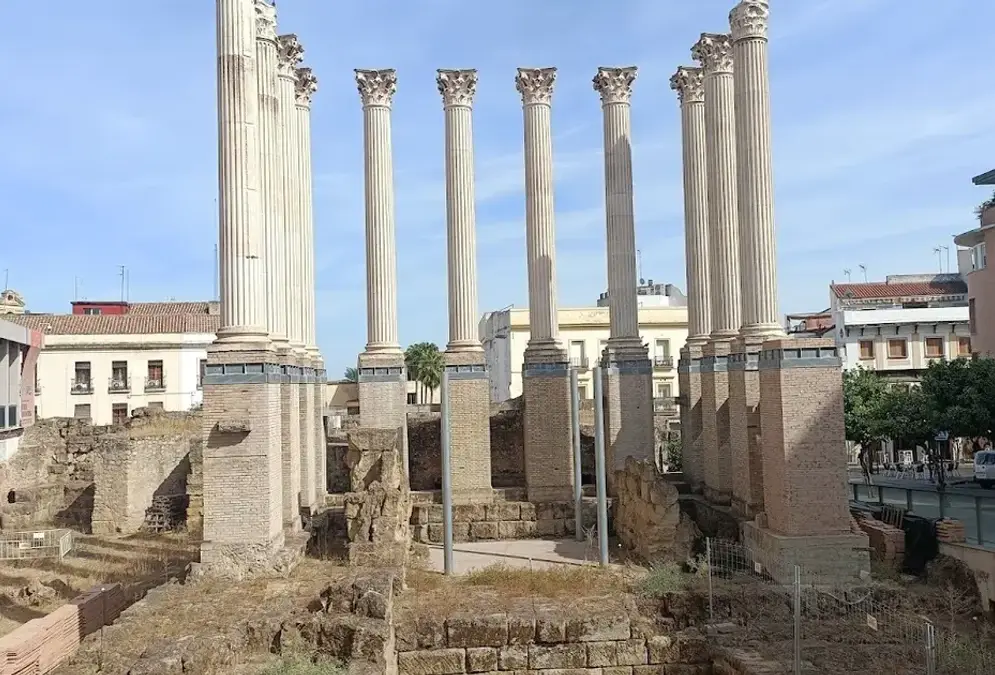
Free open-air Roman temple in central Córdoba, lit up at night. Towering Corinthian columns from ancient Corduba, once capital of Roman Baetica. Open 24 hours.
-
Almedinilla's Iberian Hill-Town and Roman Villa on One Ticket
141 BCE Article
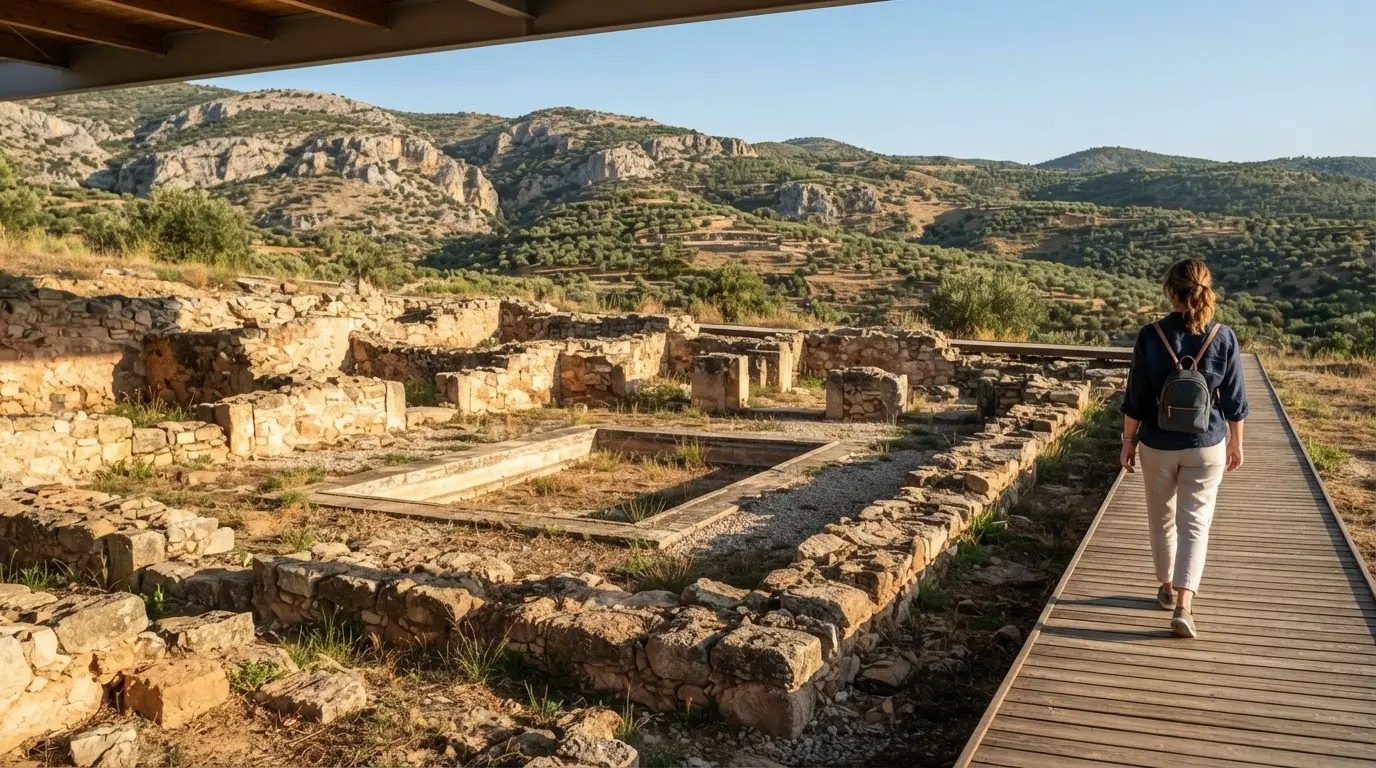
Almedinilla has an Iberian hill-town destroyed around 141 BC and the Roman villa of El Ruedo. Full combined 2024 ticket €10; hours differ, so phone ahead.
-
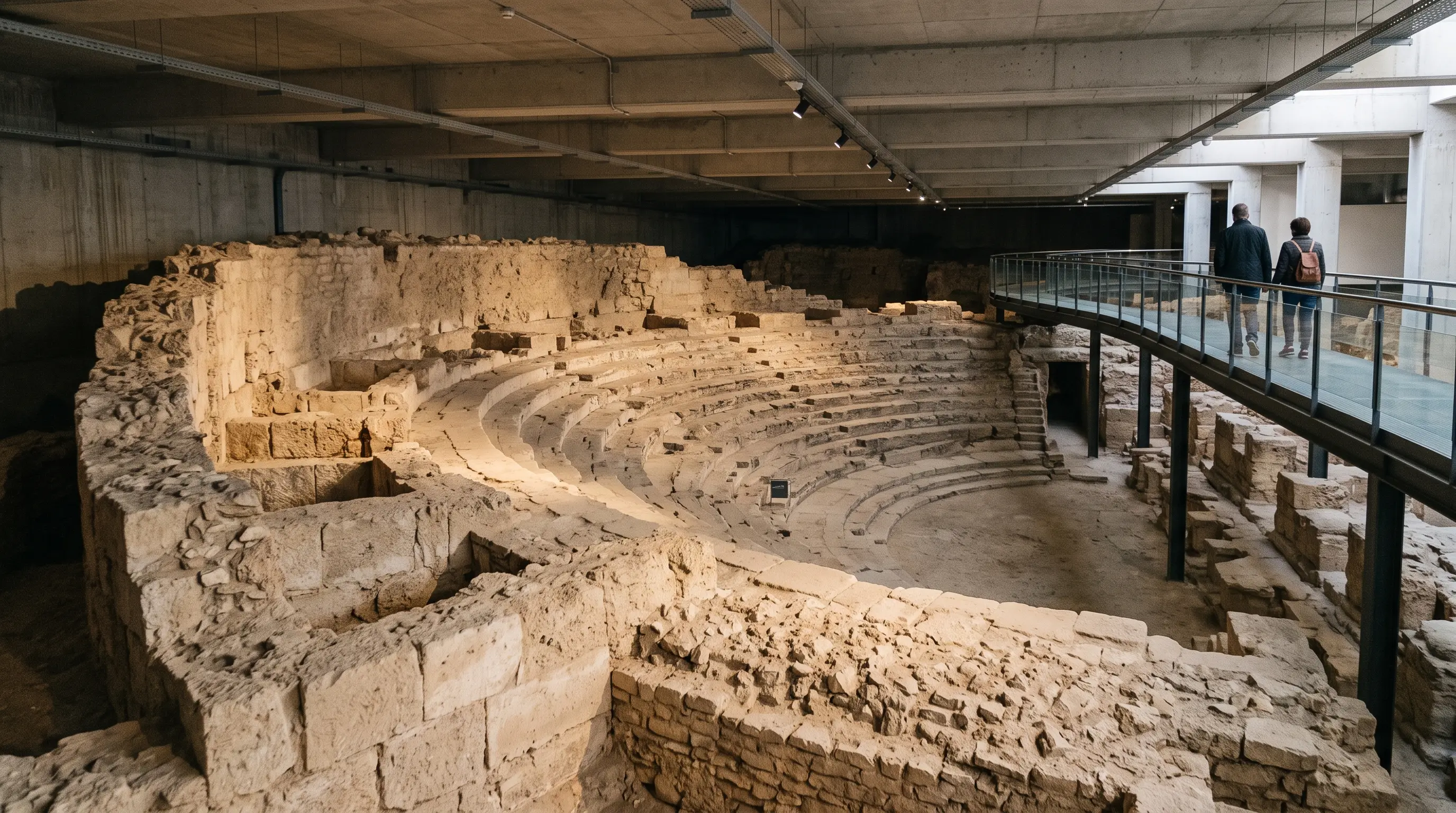
The Roman theatre under Córdoba's Archaeological Museum
Article
Córdoba's Roman theatre lay beneath the Archaeological Museum until a 1994 dig. How it was dated, plundered and displayed in the 2011 annex, and how to visit.
-
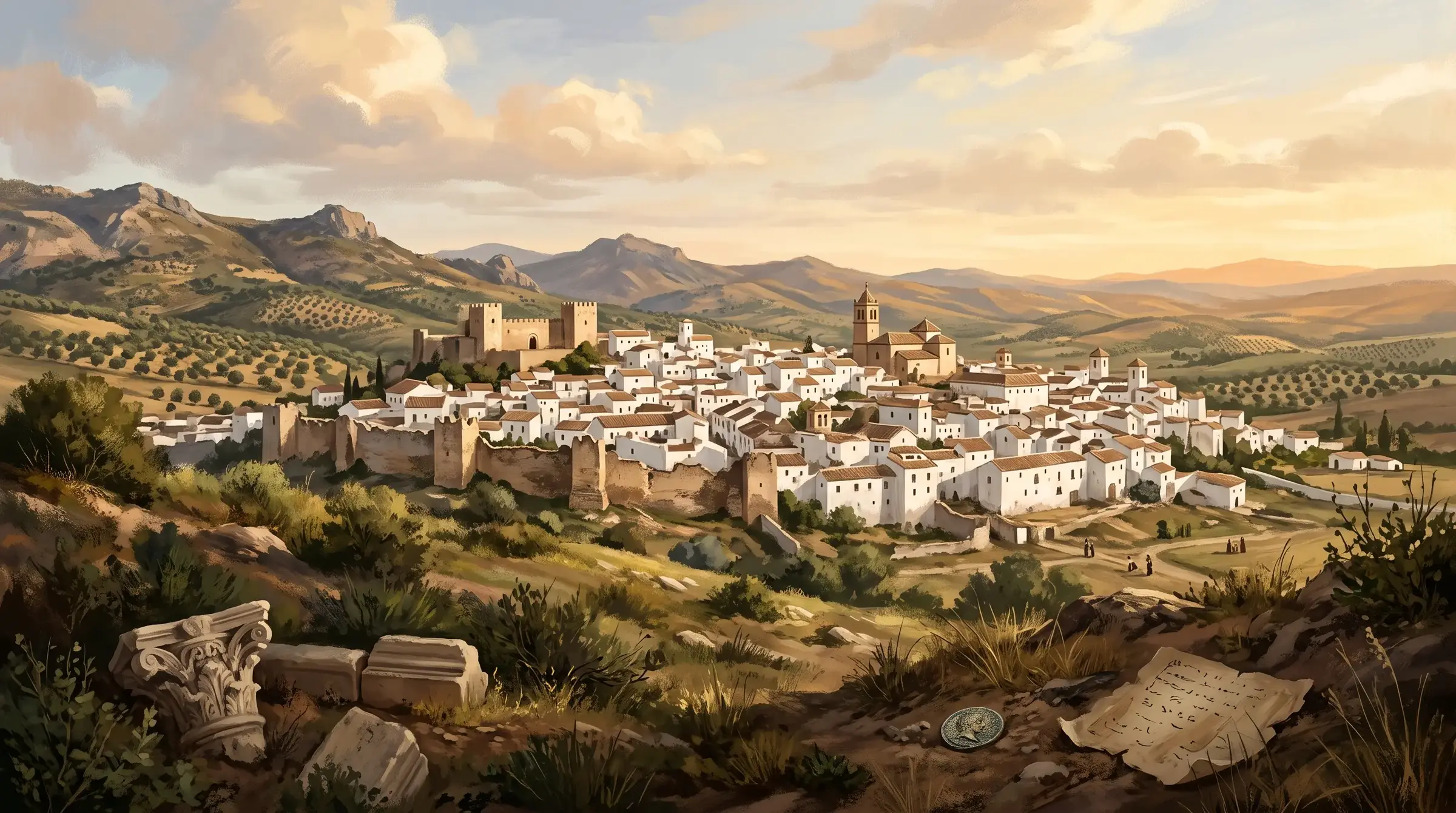
Cabra Córdoba Name Origin: Older Than the Goat
Article
Cabra's name runs from ancient Igabrum through Egabrum and Arabic Qabra. The records rule out the poet story and make the goat link a later association.
-
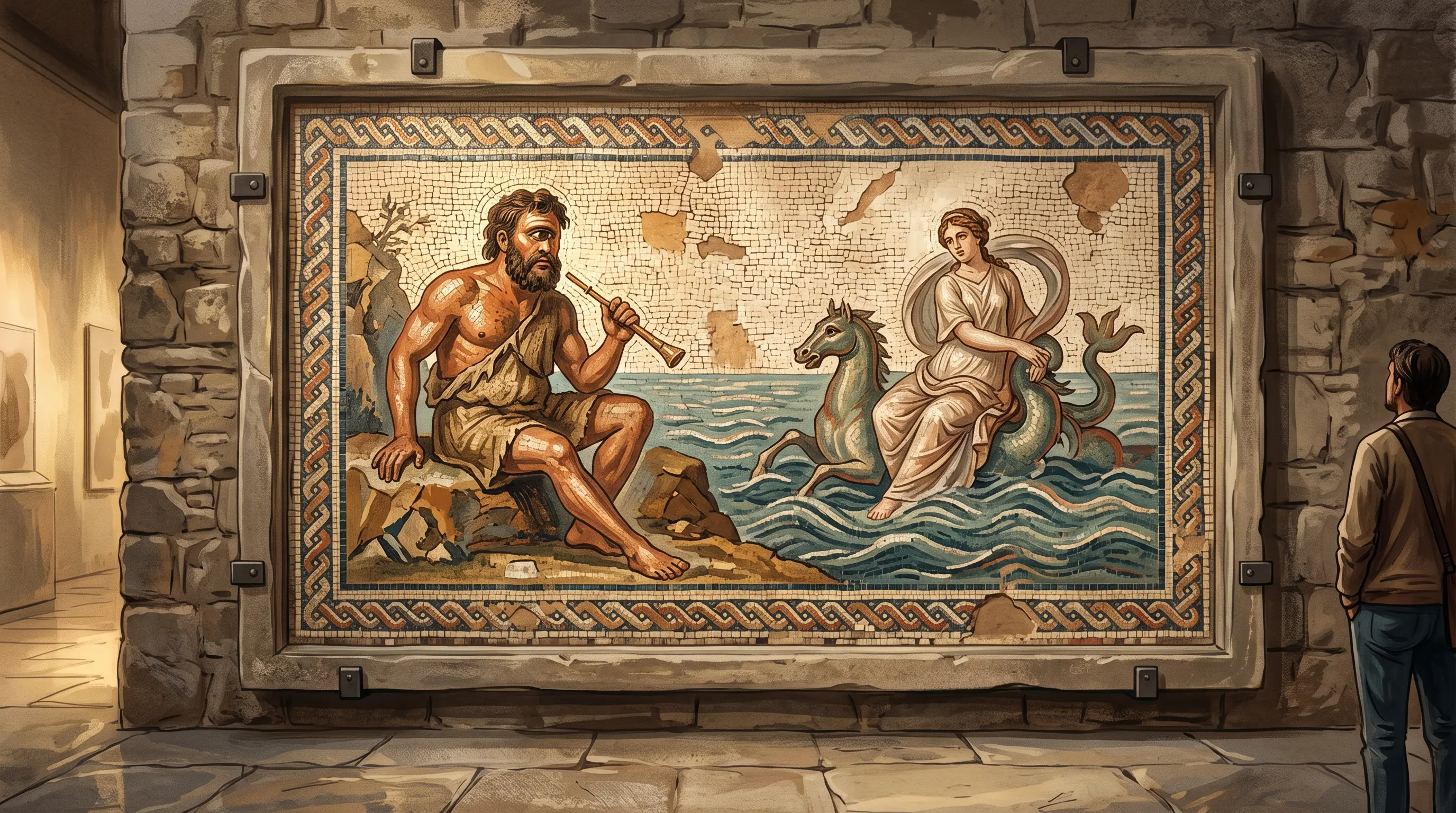
Roman Mosaics Córdoba: What the Alcázar Hall Really Shows
Article
The Roman mosaics found under the Plaza de la Corredera are in the Alcázar's Hall of Mosaics. What they show, and what travel blogs claim that sources don't.
-
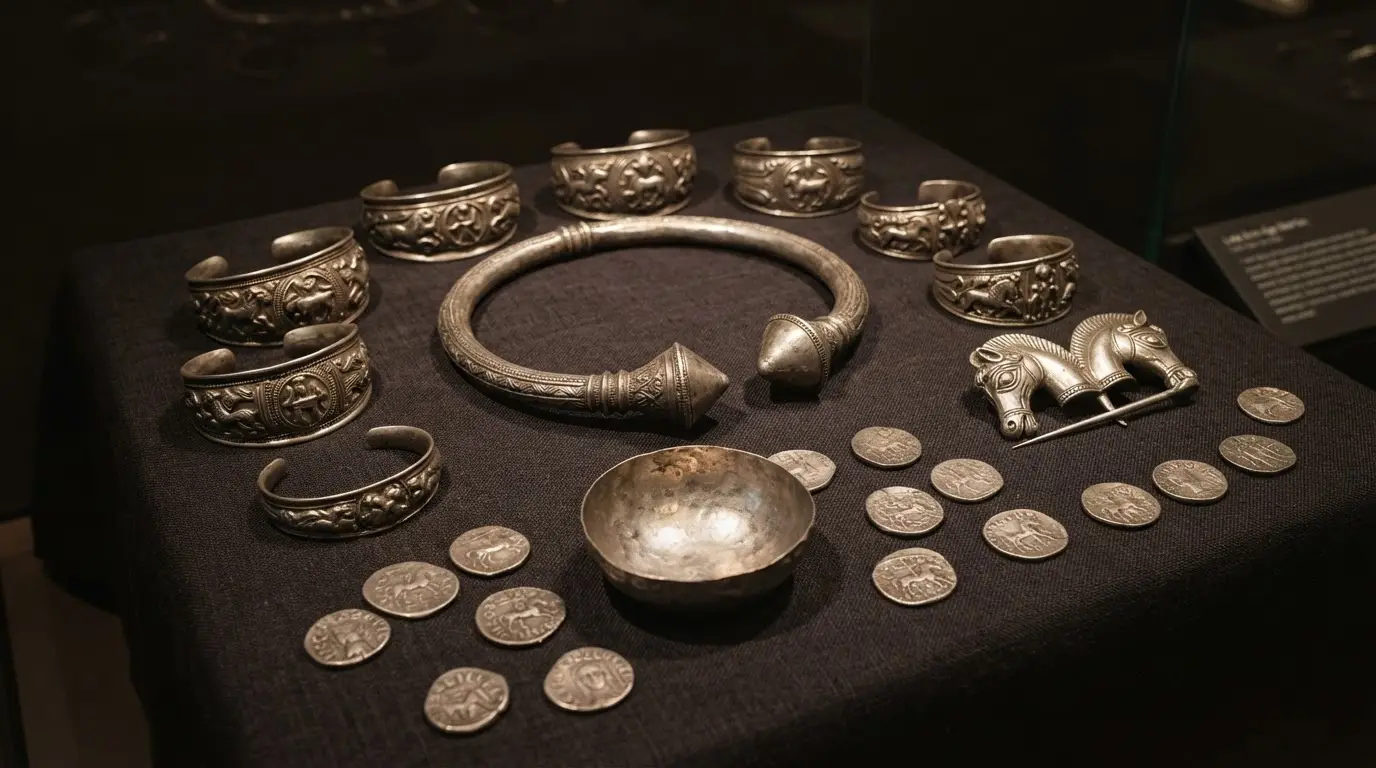
An Andalusian Treasure Has Sat in the British Museum Since 1932
100 BCE Article
A silver hoard dug up in Córdoba in 1915 left Spain against the law and has been in the British Museum since 1932. Here is how, and what a 2026 study found.
Go deeper
-
-
Visigothic
572–711
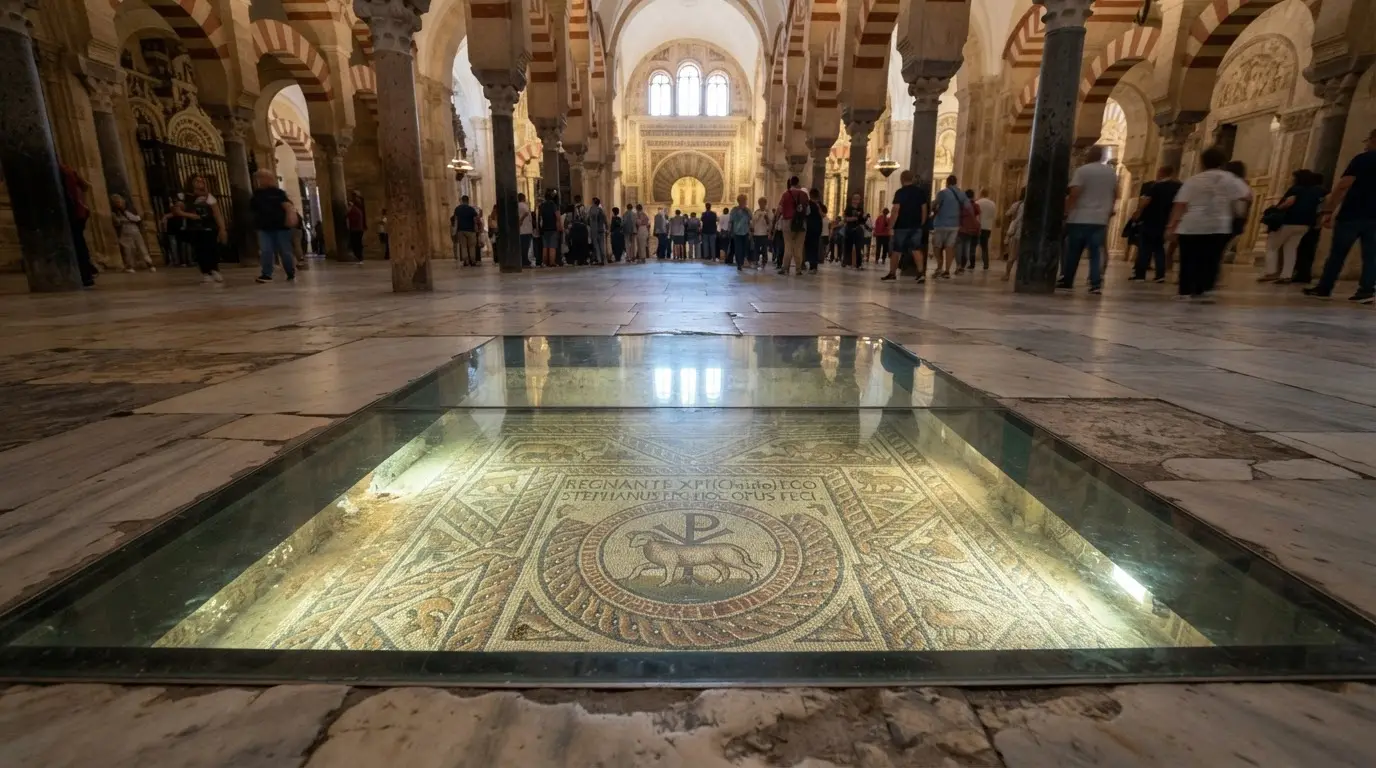
Leovigild retook Córdoba after a local revolt in 572, and the city stayed a Visigothic bishop's seat until 711. Sixth-century Christian mosaics can be seen through glass panels in the Mezquita floor.
-
Visigothic Córdoba: What Stood on the Mezquita Site Before 785
Article
What stood on the Mezquita site before 785? Roman Corduba, Visigothic bishops, and a contested basilica: the archaeology of pre-Islamic Córdoba explained.
-
-
Umayyad Emirate
711–929
Muslim forces took Córdoba in 711, and governors ruled al-Andalus from it until Abd al-Rahman I declared an independent emirate in 756. He began the Mezquita in the 780s.
-
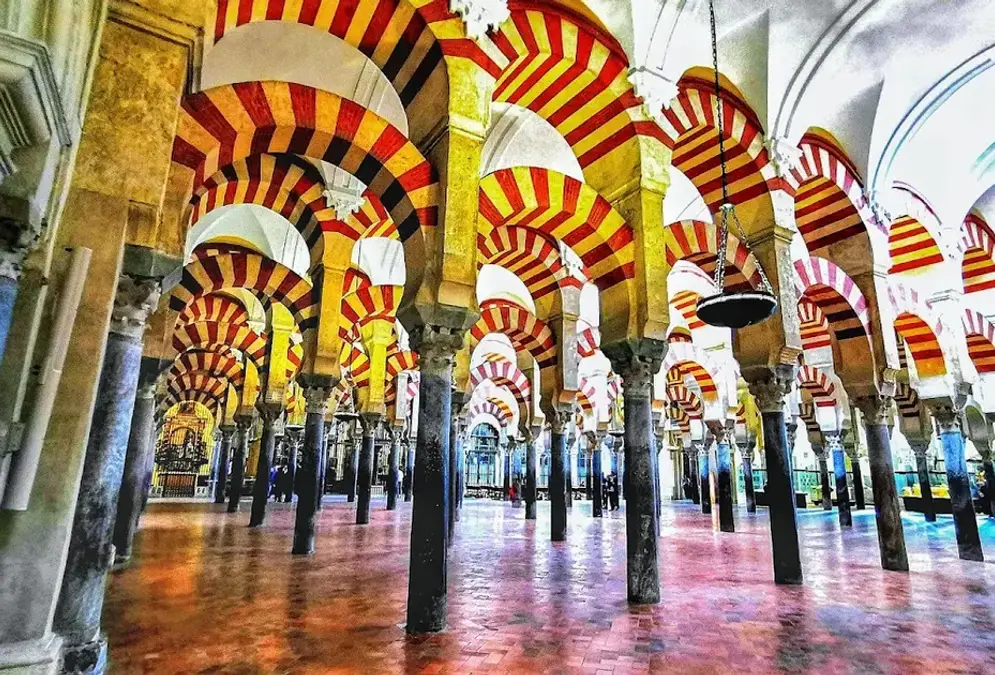
Mezquita-Catedral de Córdoba
785 Monument
856 columns, 1,300 years of Islamic and Christian history. UNESCO monument in Córdoba, Andalusia. Red-and-white arches, Byzantine mosaics, a Renaissance nave.
-
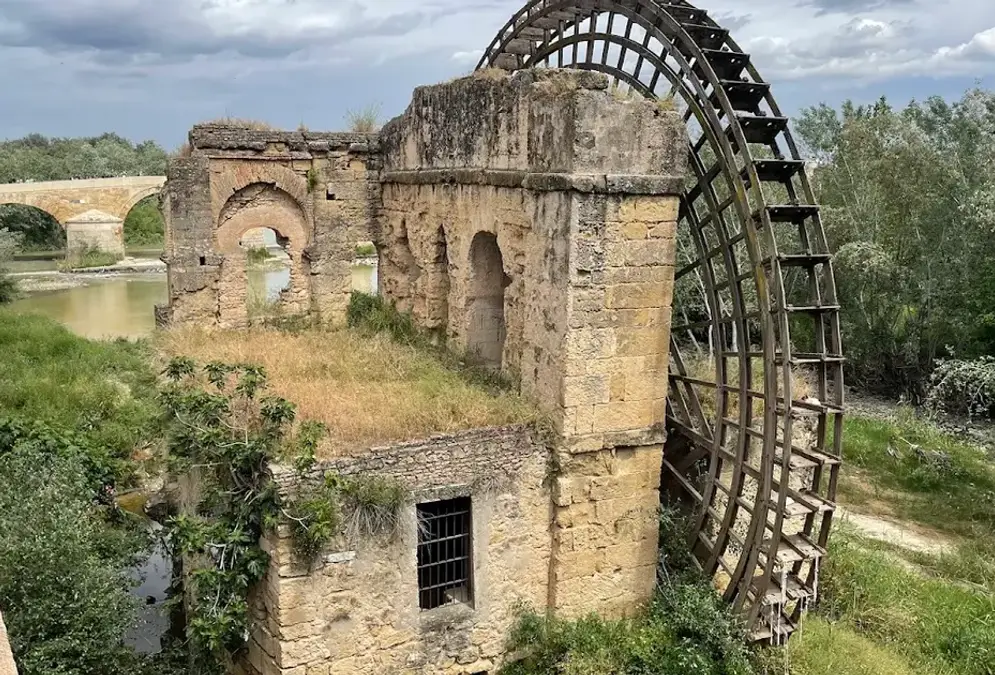
Molinos del Río Guadalquivir
Monument
The Albolafia wheel turns again on the Guadalquivir, photographed from the Roman bridge against the Mezquita skyline. What's left of Córdoba's Arab mills.
-
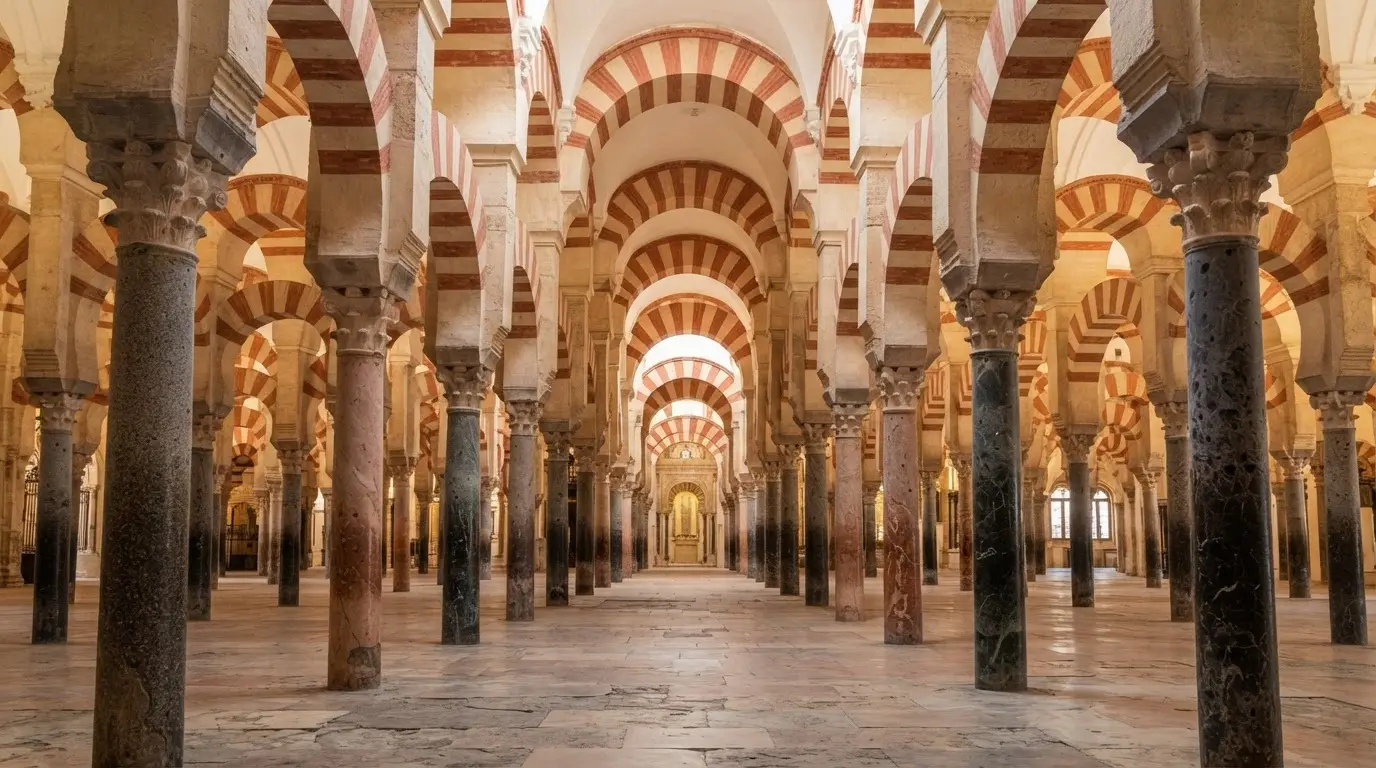
The Mezquita's Columns Don't Match: They Were Never Meant To
785 Article
The Mezquita's forest of roughly 850 columns looks uniform but isn't. Builders reused Roman and Visigothic spolia; new capitals came later. Where to look.
-
Alcazar of the Caliphs Cordoba: The Palace Beside the Mezquita
784 Article
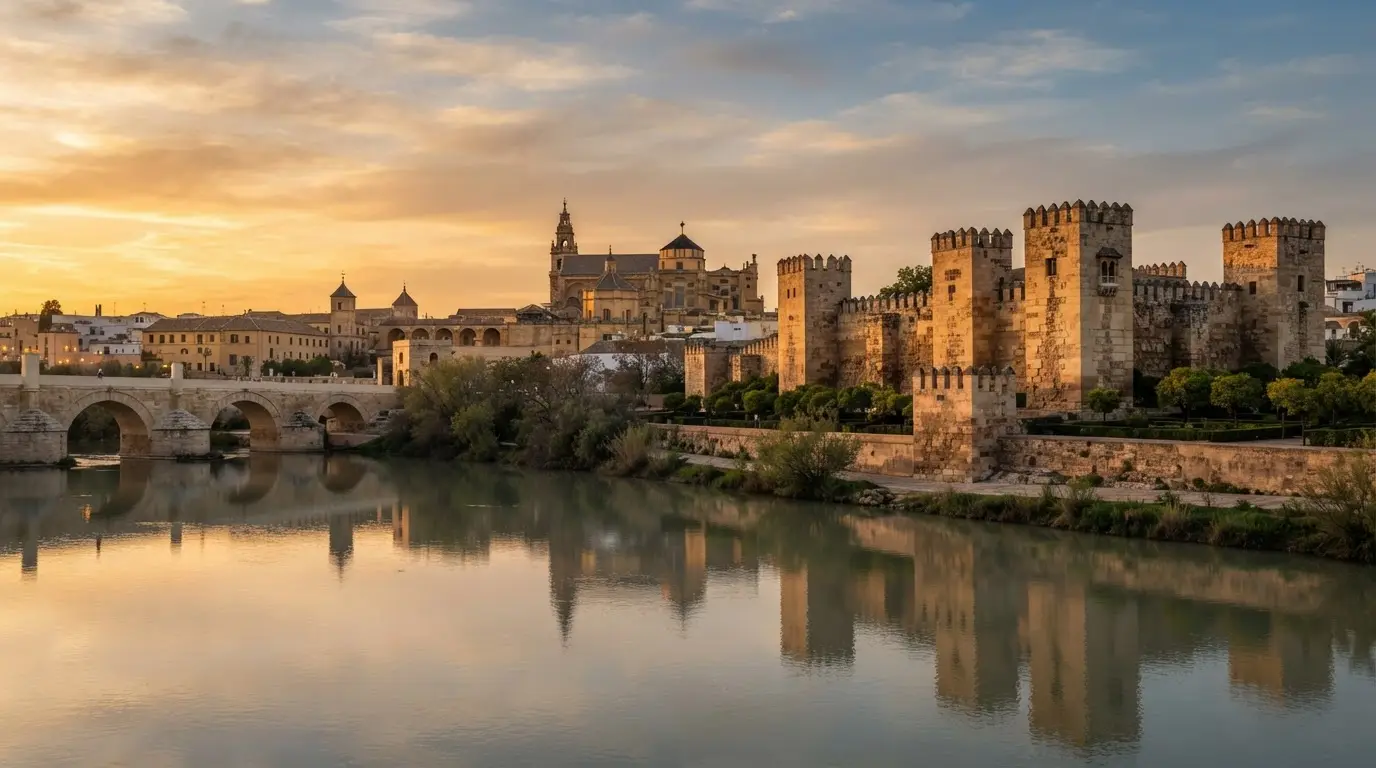
The Umayyad Alcázar stood beside Córdoba's Mezquita long before Medina Azahara. Here is how it vanished and how to trace its old footprint on foot today.
-
Abbas Ibn Firnas: Córdoba's Polymath Who Dreamed of Flight
809–887 Article
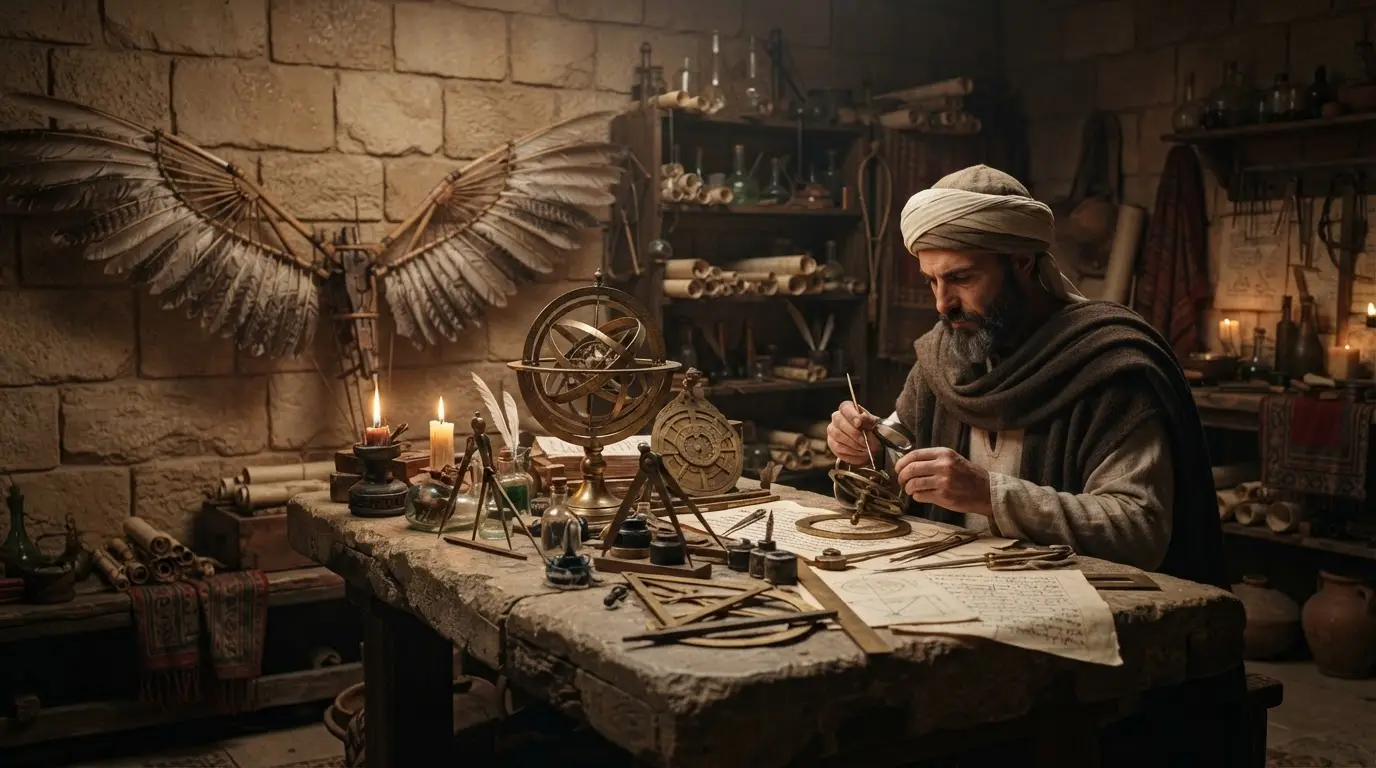
Abbas Ibn Firnas's flight is tradition, not fact: the earliest account dates about two centuries after his death. Crystal work, a water clock, a weather room.
-
Game of Thrones' Dorne: Córdoba's Real Architecture
740 Article
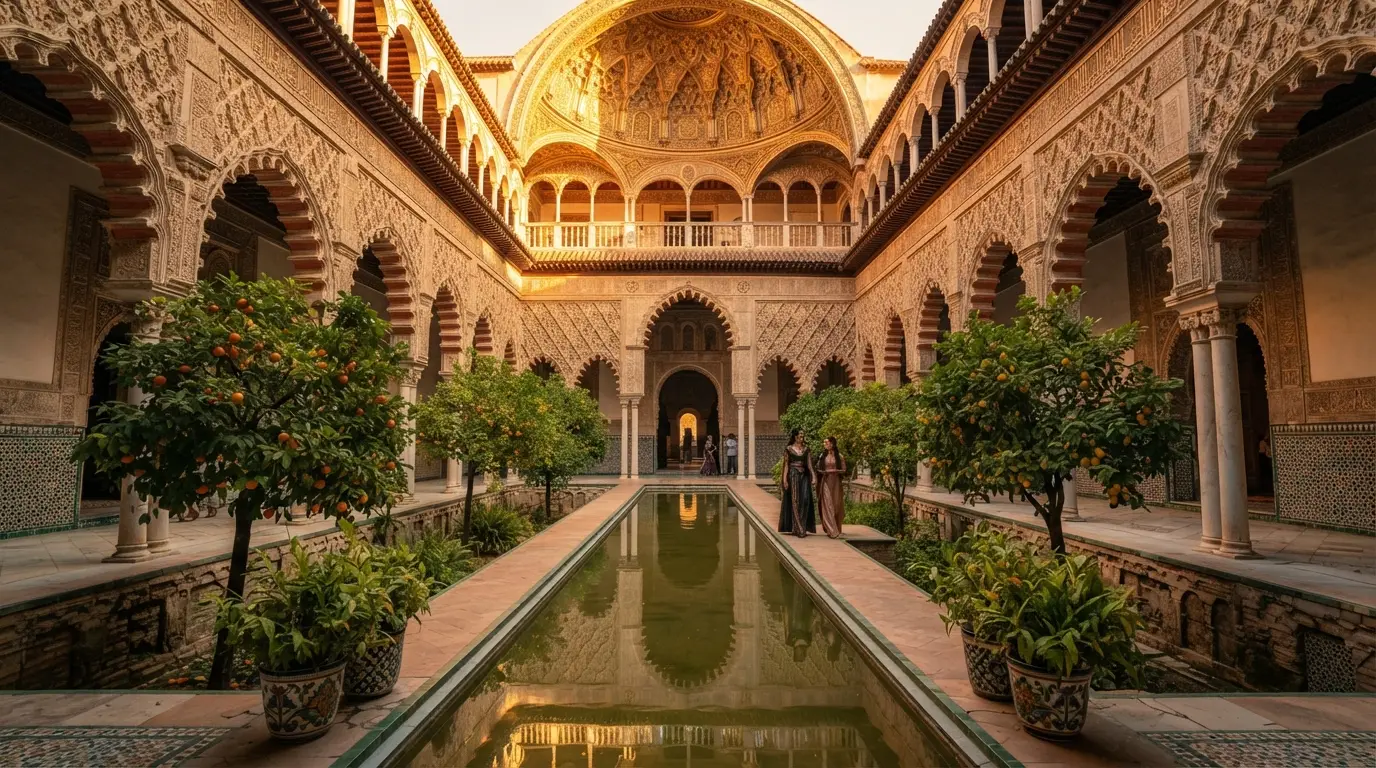
HBO's Game of Thrones built Dorne's look from medieval Córdoba's Umayyad architecture: horseshoe arches, muqarnas domes, though filming happened in Seville.
-
Vikings Took Seville in 844. What Did Córdoba's Emir Build?
844 Article
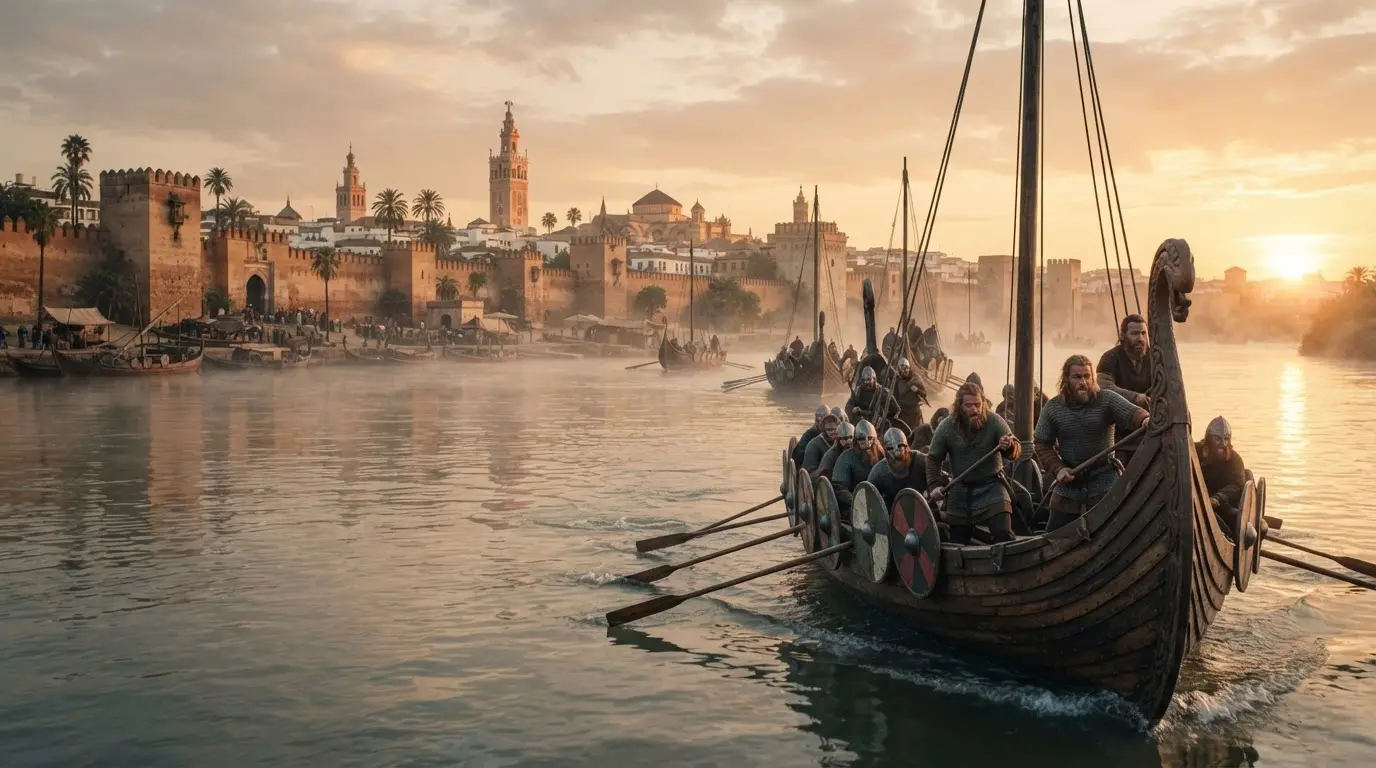
In 844 a Norse fleet took unwalled Seville while Córdoba's emir ruled upriver. Here is what he built in response to it, and what later retellings invented.
Go deeper
-
-
Caliphate of Córdoba
929–1031
Abd al-Rahman III proclaimed the caliphate in 929, and Córdoba grew to an estimated 500,000 people. Medina Azahara was begun in 936, and the Mezquita was enlarged in 961 and 987.
-
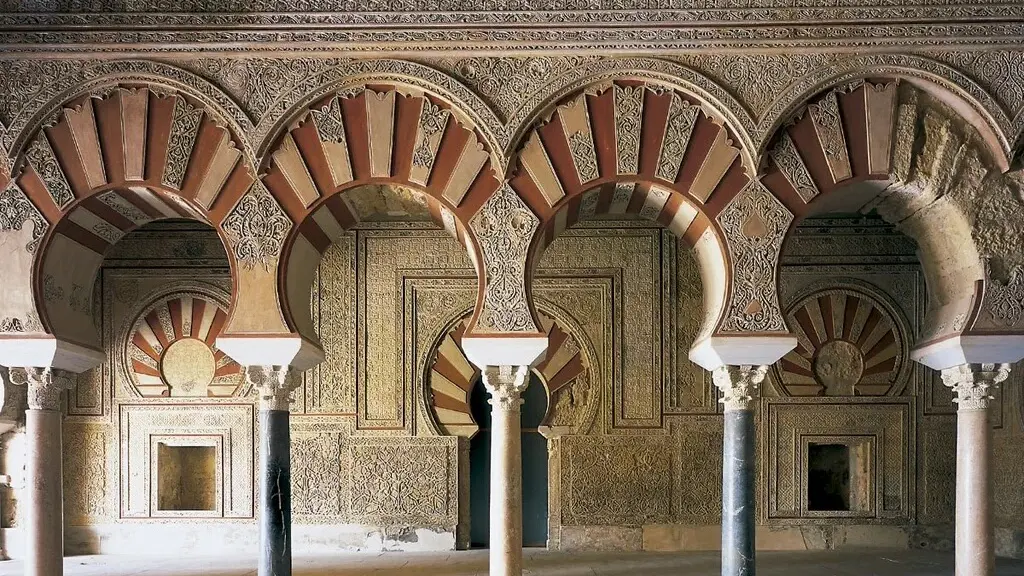
Medina Azahara
936 Monument
Medina Azahara is Córdoba's UNESCO listed Caliphate City: a 10th century palace 8 km from town, with the Salón Rico and award-winning museum. Plan your visit.
-
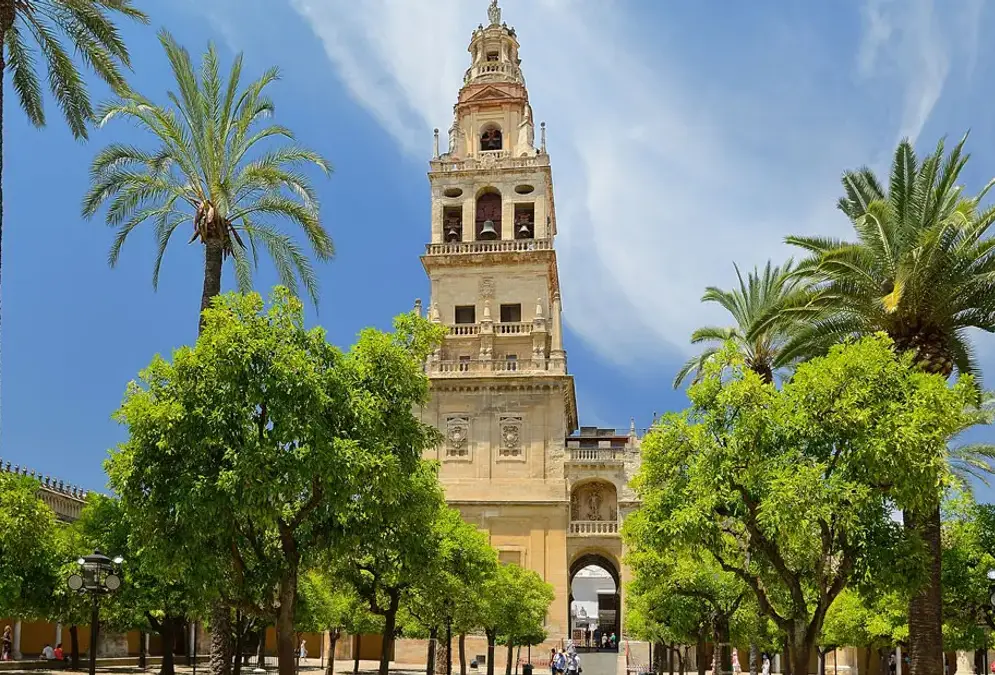
Torre Campanario de la Mezquita-Catedral
951–958 Monument
Climb 150 steps up the Mezquita-Catedral's 10th-century minaret-turned-bell-tower for 360-degree views over Córdoba's rooftops, Roman Bridge and Alcázar.
-
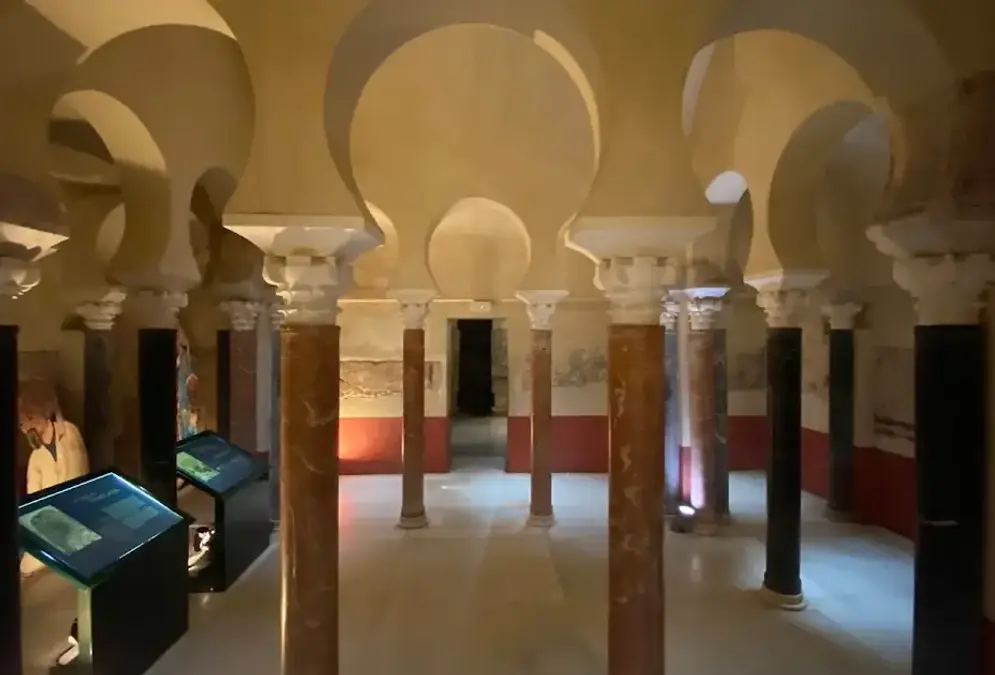
Caliphal Baths (Baños del Alcázar Califal)
961–976 Monument
Underground 10th-century Islamic hammam beneath Córdoba's Campo Santo square, with star skylights, marble pillars and intact cold, warm and hot rooms.
-
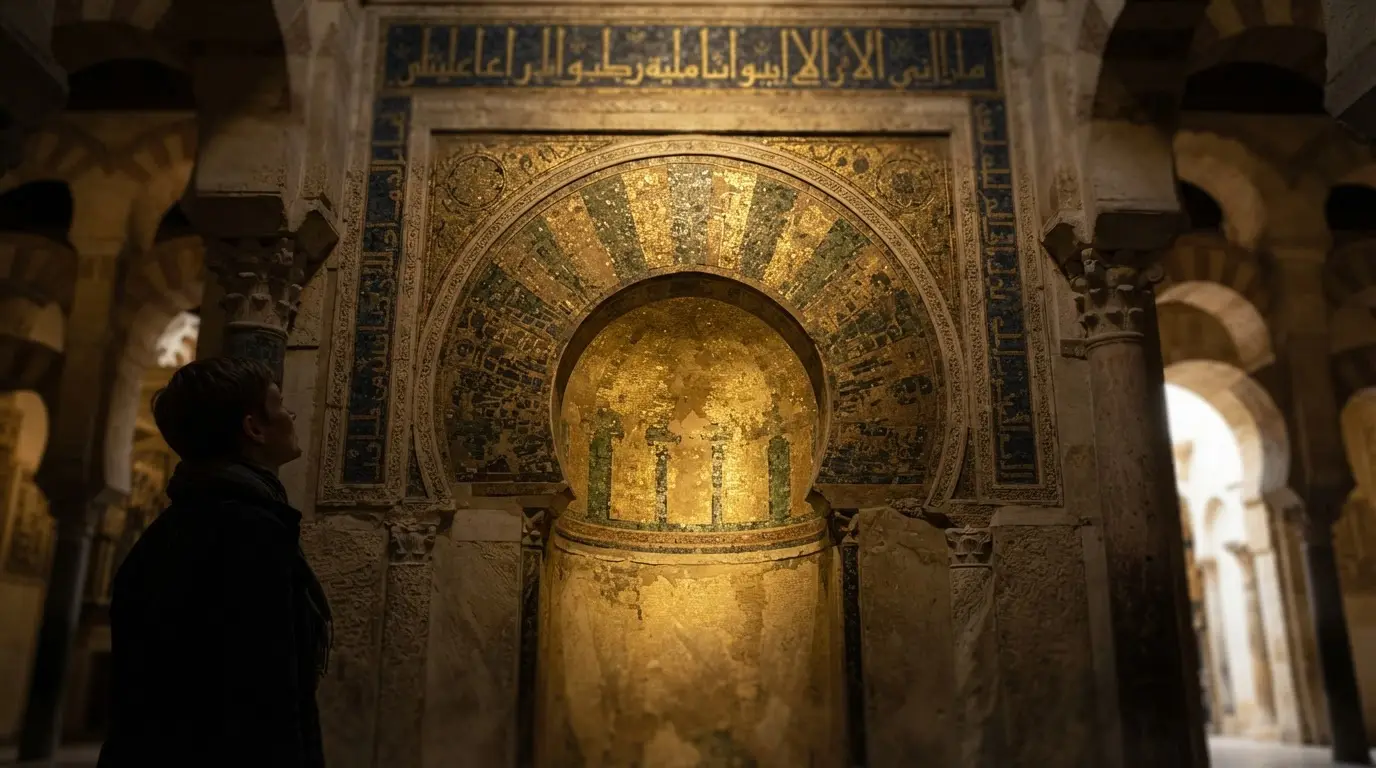
Who Sent the Mezquita Mihrab's Byzantine Mosaics?
965 Article
The Mezquita mihrab's Byzantine mosaics: what chronicles say about the emperor's gift, what glass analysis proves, and how repairs since 1771 changed them.
-
Who Buried the Amarguilla Jewels in Baena as Córdoba Fell?
1009–1031 Article
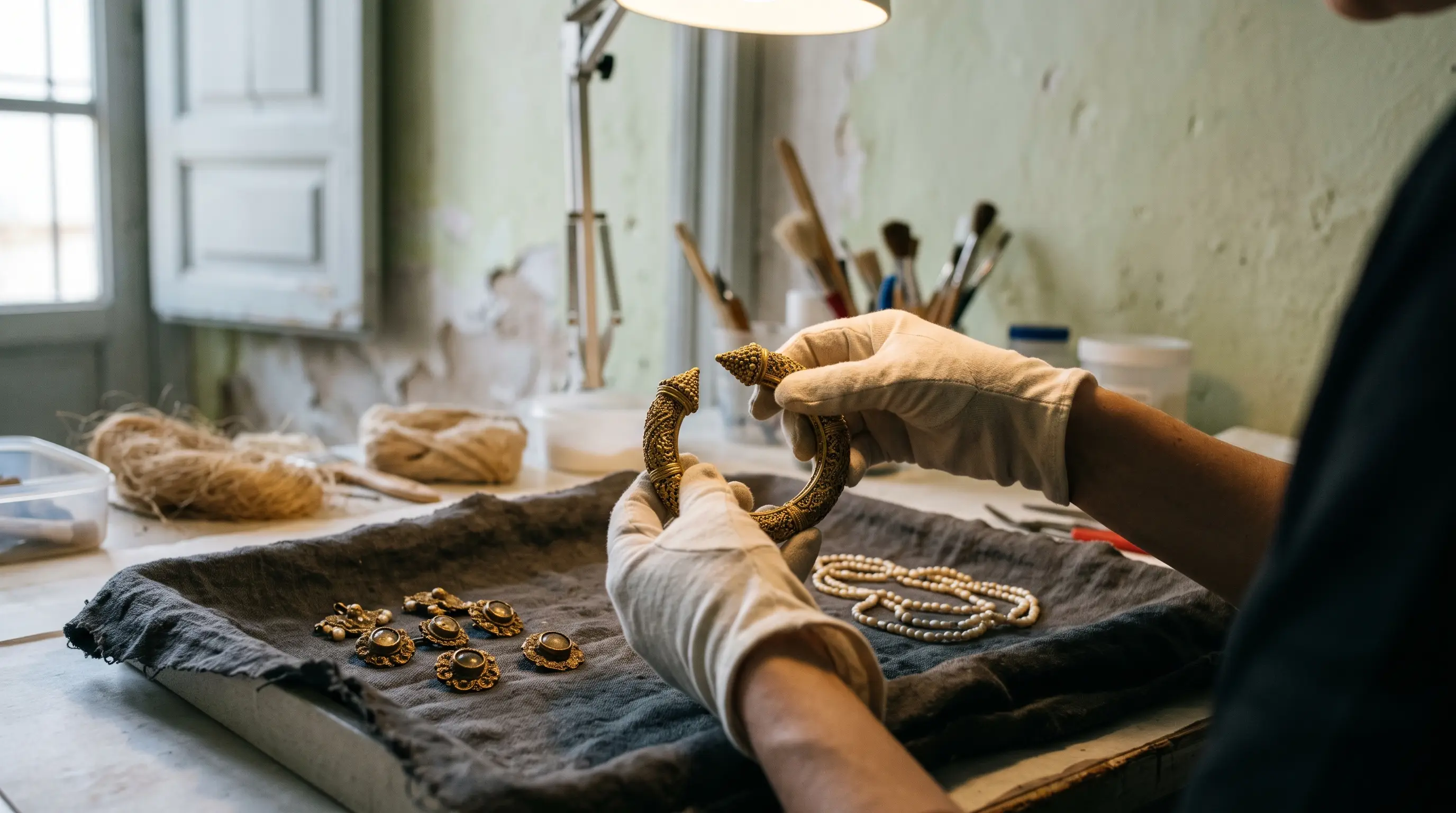
The Tesorillo de la Amarguilla: 623 pieces of 11th-century Andalusi jewellery from Baena that surfaced on social media. What do they say about who buried them?
-
Annals of Al-Hakam II's Córdoba Court: What a Secretary Saw
971–975 Article
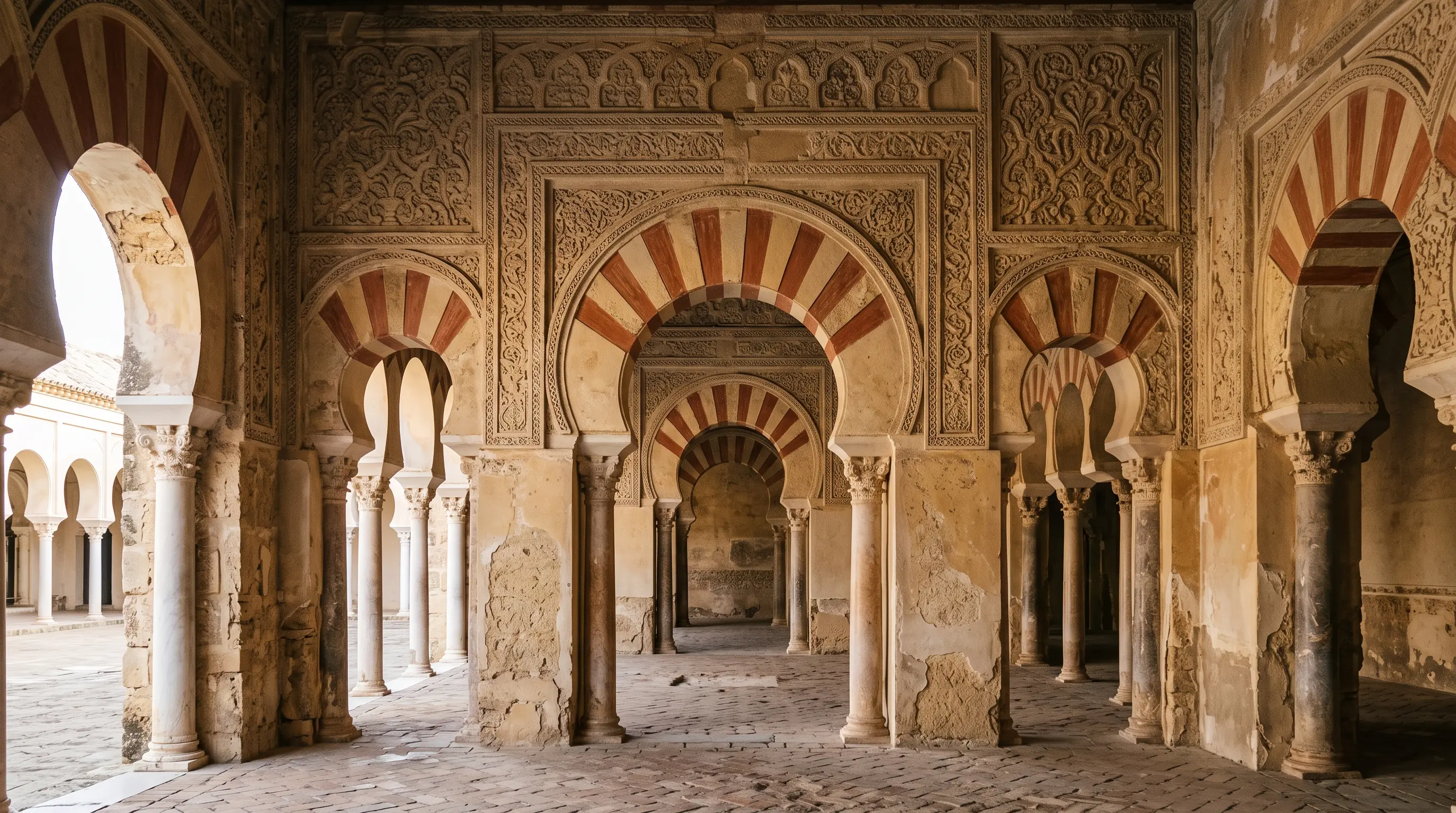
Isa al-Razi's annals of Al-Hakam II's Córdoba court cover June 971 to July 975: embassies, ceremonial, Ibn Abi Amir's rise and what to see at Madinat al-Zahra.
-
Córdoba's Eastern Suburb Had 170 Women Copying Qur'ans
Article
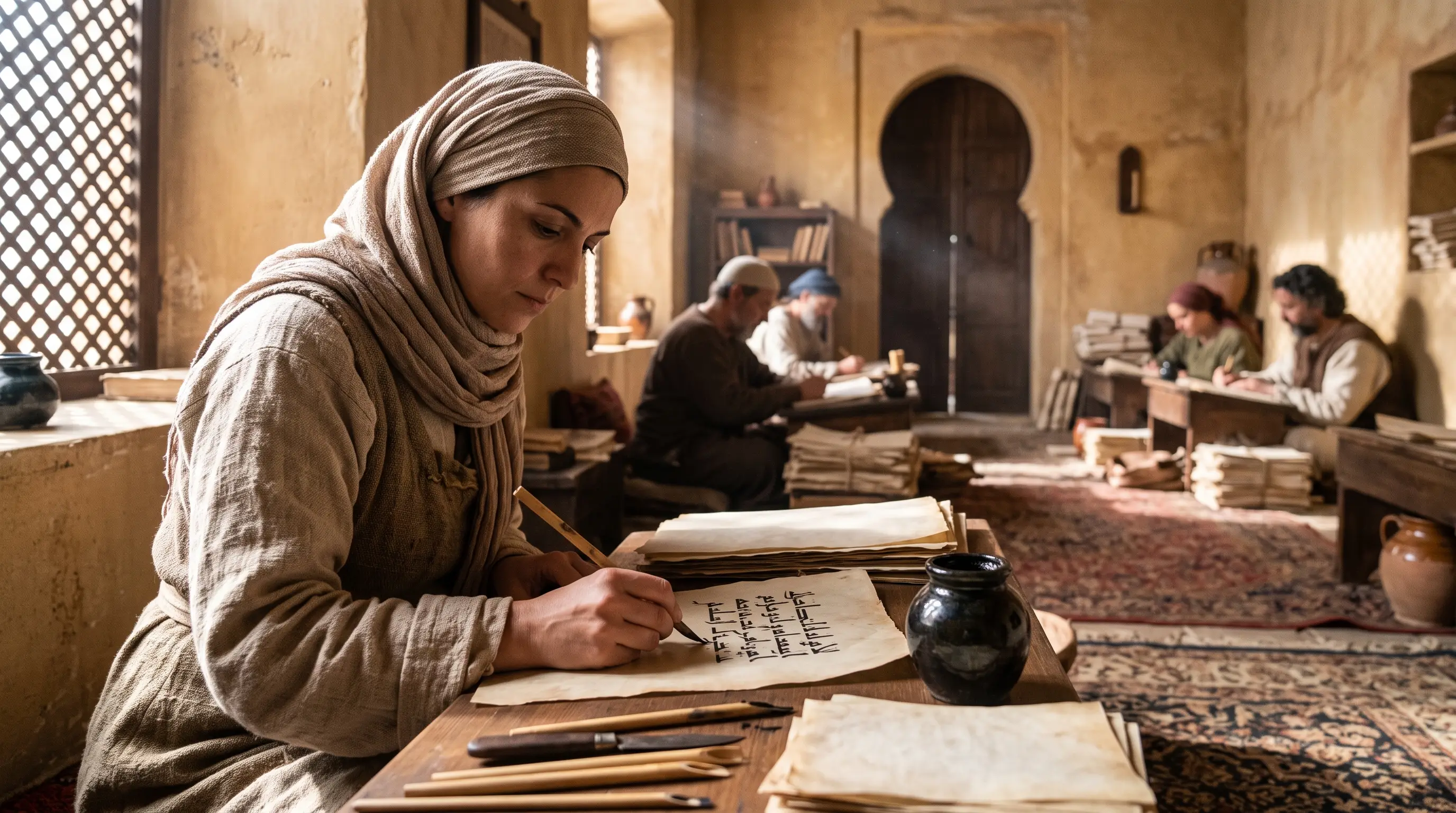
One chronicler reported 170 women copying Qur'ans in a single Córdoba suburb. Here is what the sources do and don't say about women in the city's book trade.
-
The Count Who Attacked Córdoba and Left Chess Pieces in His Will
1008–1010 Article
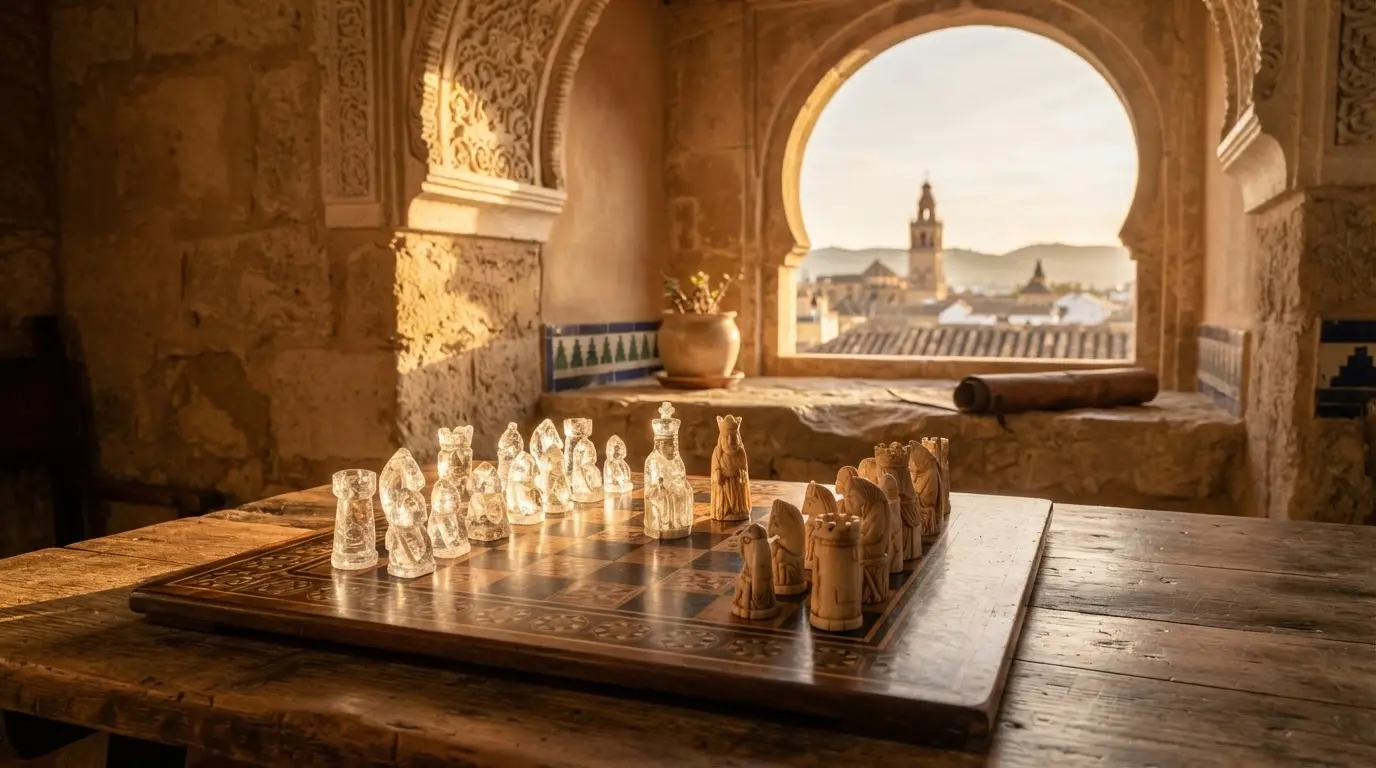
A Córdoba court did not smuggle chess into Europe, at least not on paper. The records point to Count Ermengol of Urgell, called el de Córdoba, and his will.
Go deeper
-
-
Taifas, Almoravids & Almohads
1031–1236
The caliphate broke into taifa kingdoms in 1031, and Córdoba later passed between local rulers and the Almoravid and Almohad dynasties. Averroes and Maimonides were born here, though Maimonides' family fled Almohad rule around 1148.
-
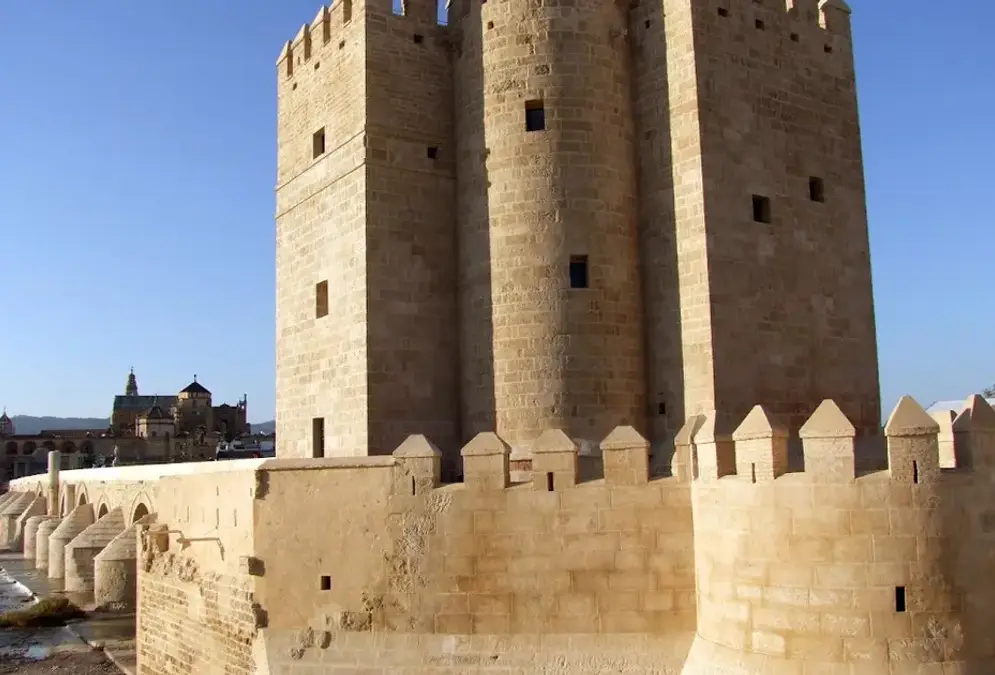
Torre de la Calahorra
Monument
12th-century Islamic tower at the end of the Roman Bridge. Museum of Al-Andalus with rooftop views of the Mezquita and Guadalquivir. €4.50 adult entry.
-
The Banu Jahwar Ran Córdoba by Committee Until Seville Took It
1031–1070 Article
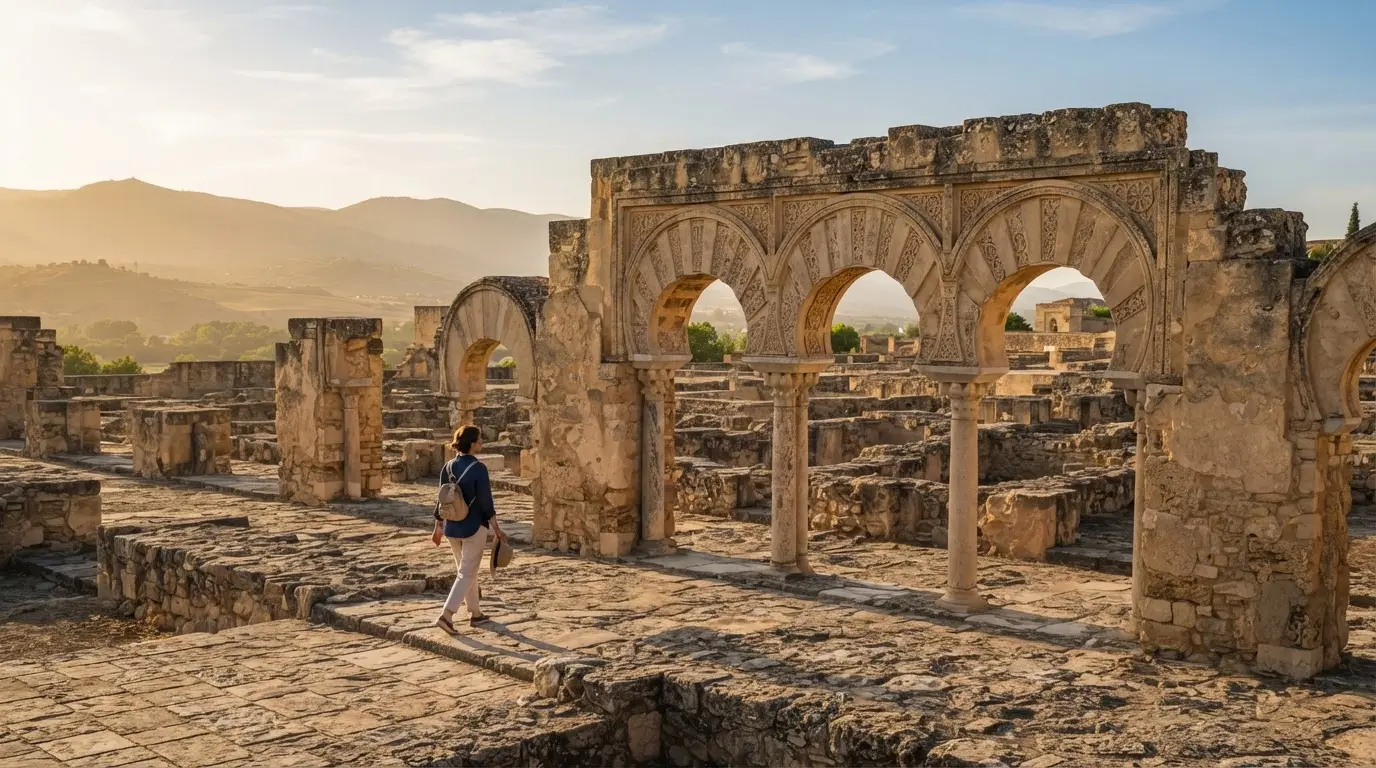
After the caliphate fell, Córdoba became a republic run by the Banu Jahwar. How the taifa worked, why it fractured, and how Seville took it around 1070.
-
Ibn Quzman: Córdoba's Satirist Poet and the Poem Where He's Imam
Article
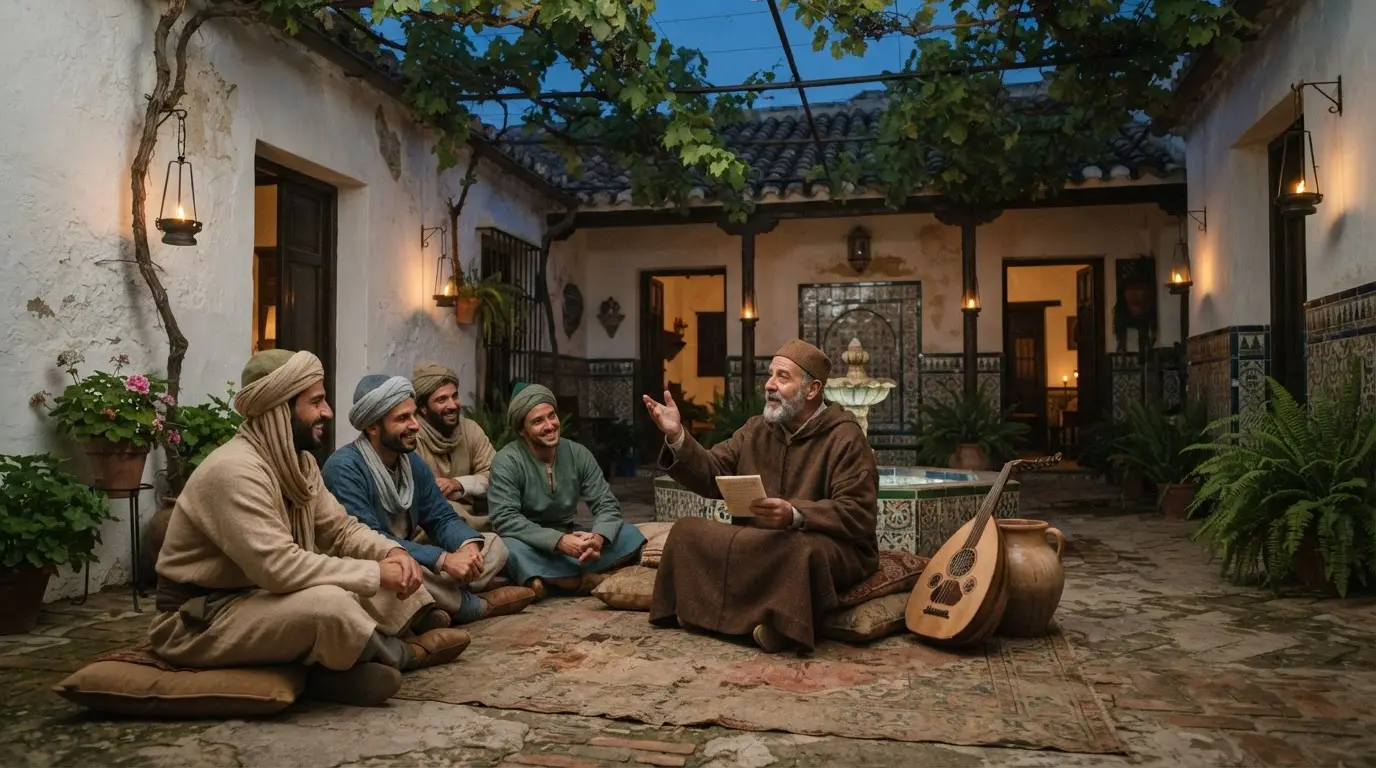
Ibn Quzman, Córdoba's satirist poet, was jailed on heresy charges and died poor. Did he become an imam? One zajal I traced says so; its poet loved tall tales.
-
Lucena, Córdoba: The Jewish Town That Governed Itself
Article
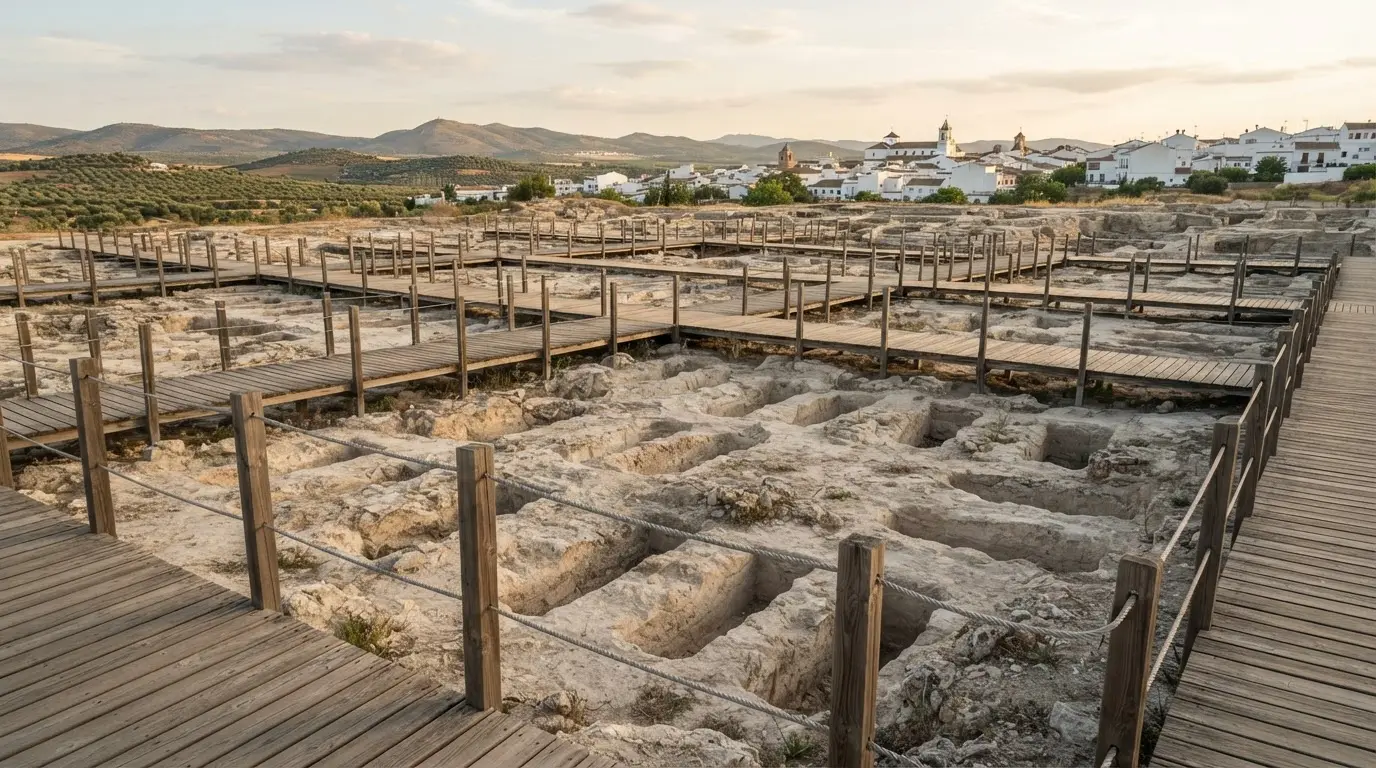
Lucena's Jewish community had an elected rabbi, a famous yeshiva and a cemetery found in 2006. What the sources say about its autonomy, and what you can visit.
-
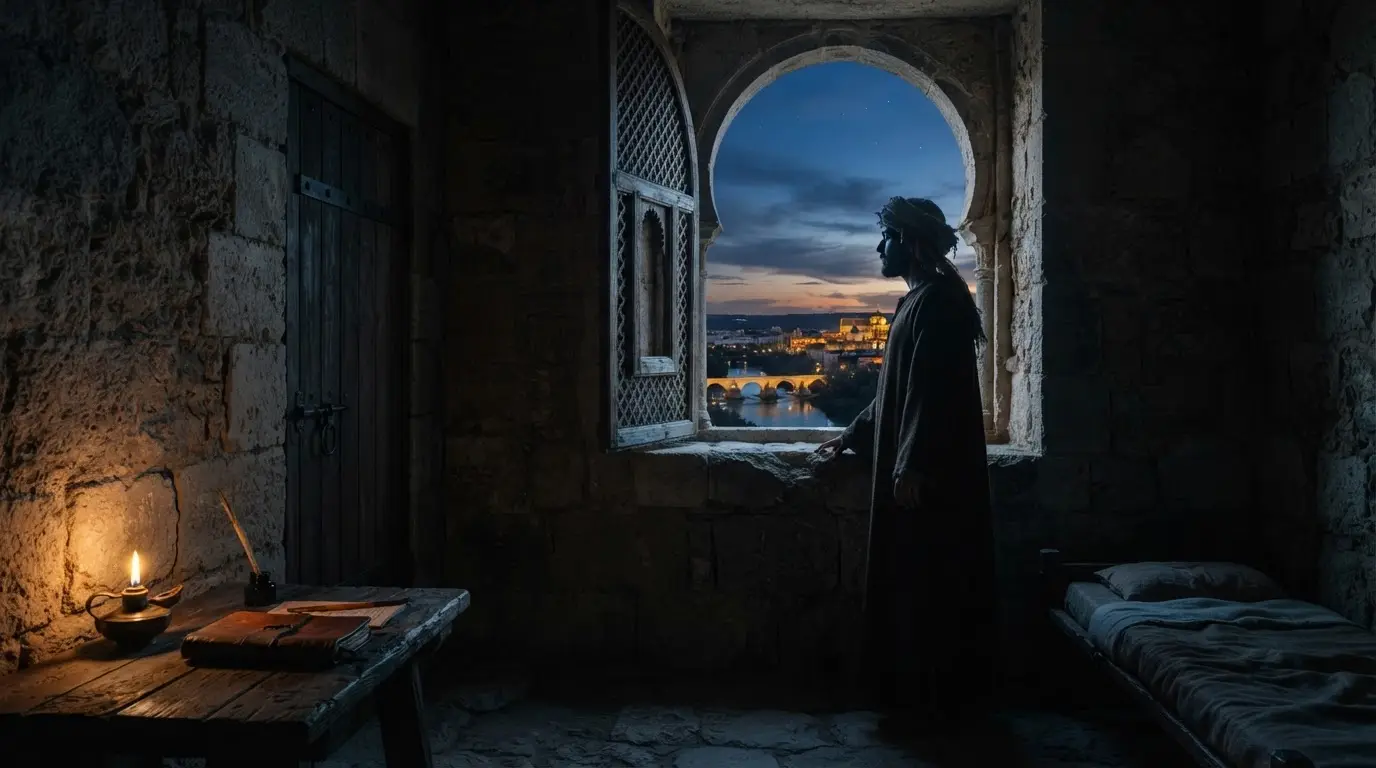
Ibn Zaydún: Córdoba's Exiled Poet Turned Ambassador
1003–1071 Article
Imprisoned in Córdoba, exiled to Seville, and dead as an ambassador by 1071: the political life of poet Ibn Zaydún, distinct from his romance with Wallada.
-
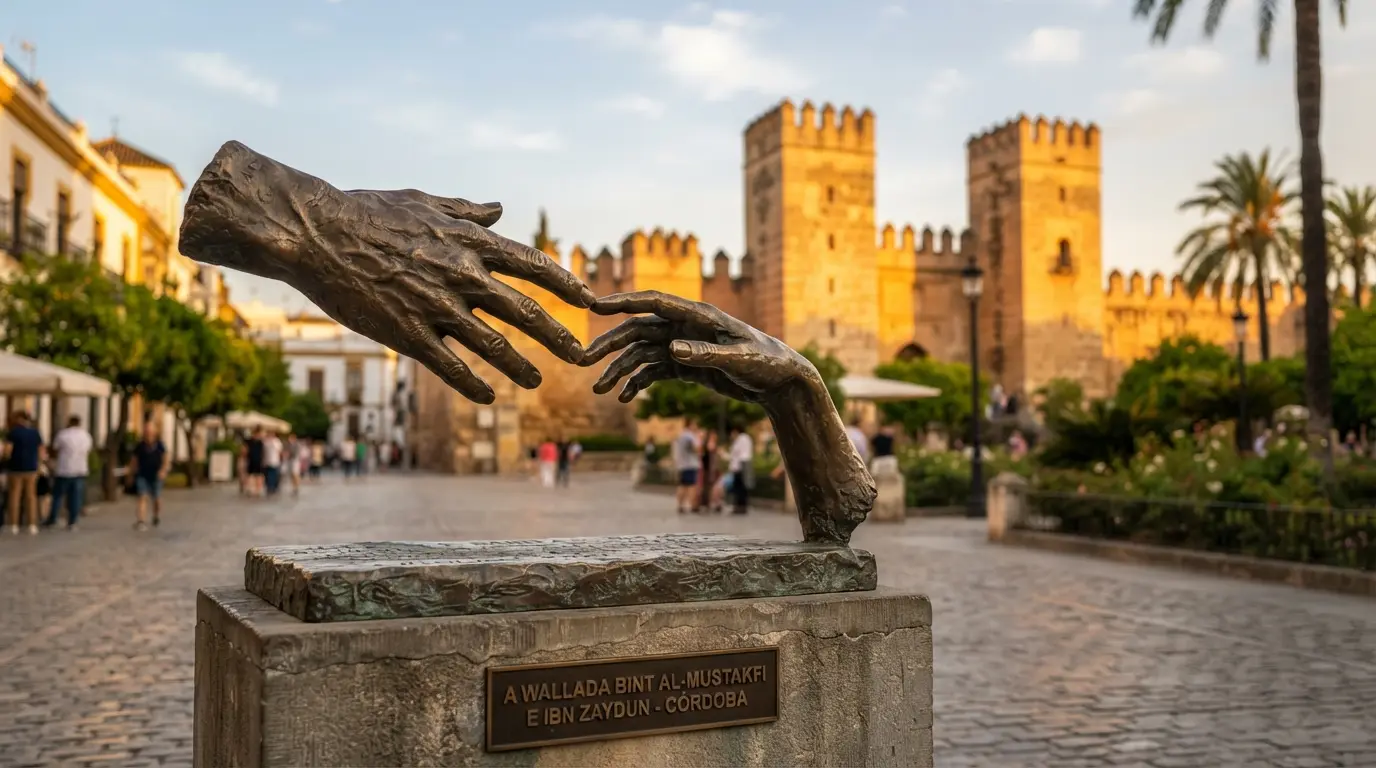
Wallada bint al-Mustakfi: Córdoba's Rebel Poet Princess
994–1091 Article
Wallada bint al-Mustakfi inherited a caliph's fortune, ran Córdoba's boldest literary salon, and loved men and women openly in an unveiled, defiant life.
-
-
Castilian & late medieval
1236–1492
Ferdinand III took Córdoba on 29 June 1236 and the Mezquita became a cathedral. Fourteen Fernandine parish churches followed, and the Alcázar de los Reyes Cristianos was built for Castilian monarchs.
-
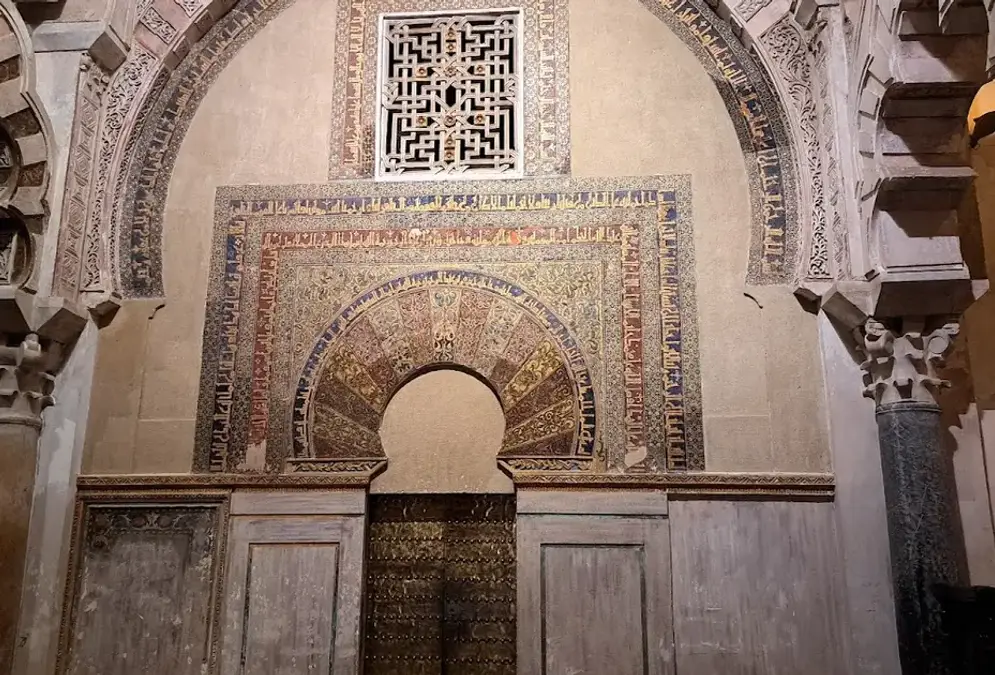
Sinagoga de Córdoba
1315 Monument
Built in 1315, one of only a few medieval synagogues still standing in Spain. Mudéjar stucco and Hebrew inscriptions in the heart of Córdoba's Judería.
-
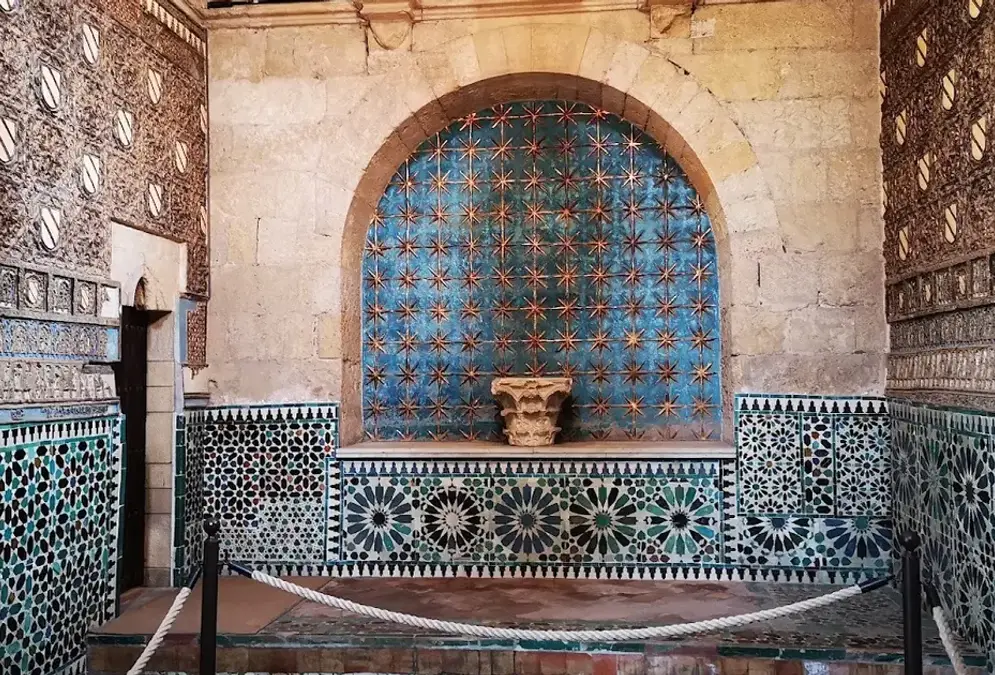
Capilla de San Bartolomé
1390–1410 Monument
A late 14th-century Gothic-Mudéjar chapel in Córdoba with exquisite plasterwork, blending Christian and Islamic artistic traditions over 600 years old.
-
Alcázar de los Reyes Cristianos
Monument
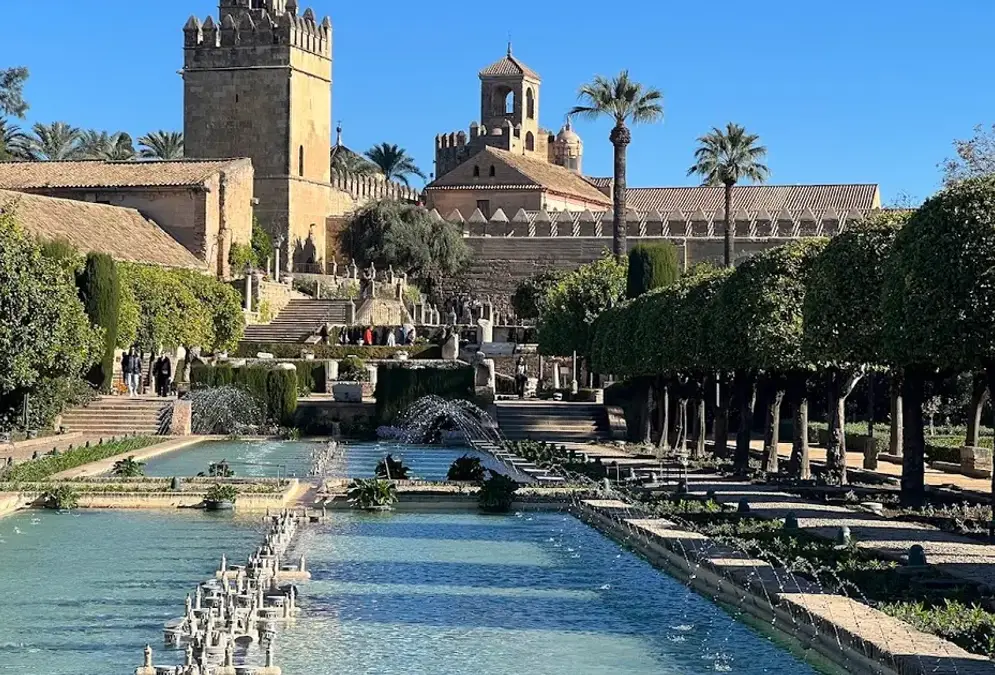
Alcázar de los Reyes Cristianos, Córdoba: free entry on Tuesdays. A 14th-century fortress-palace with terraced Moorish-inspired gardens and Roman mosaics.
-
Iglesia de San Lorenzo
Monument
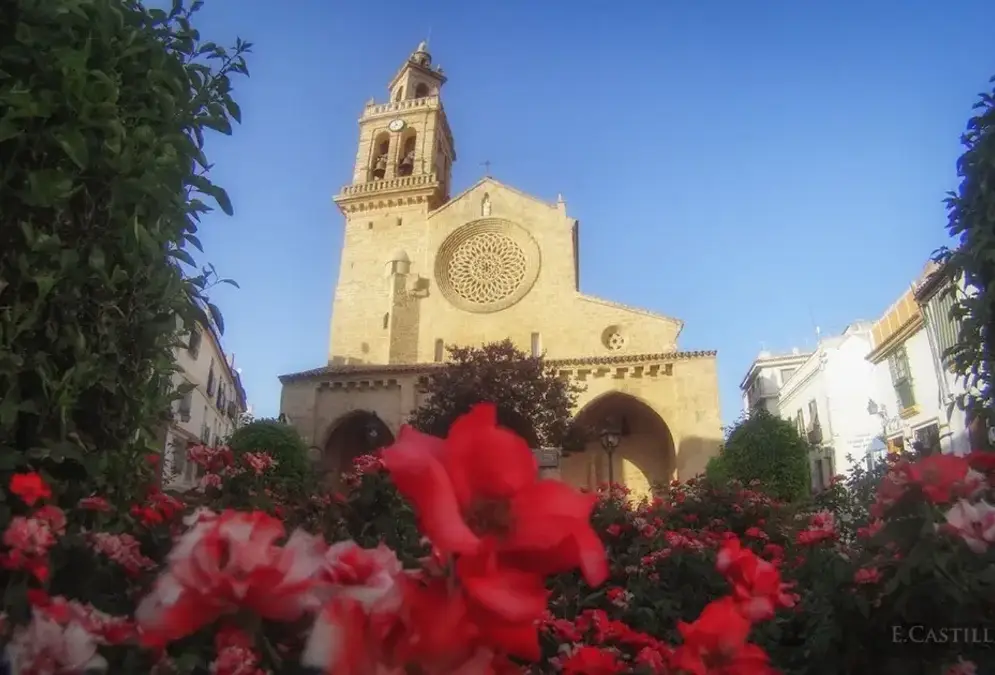
13th-century Fernandine church featuring a unique Gothic rose window, triple-arch portico and a bell tower raised on a former mosque minaret. Route ticket €6.
-
Iglesia de San Miguel
Monument
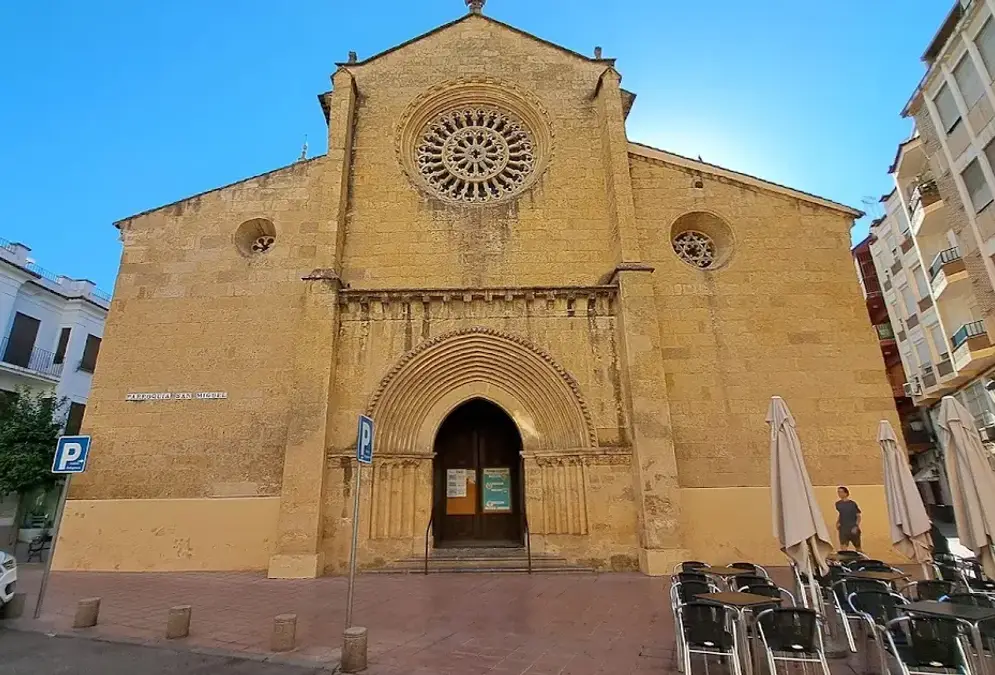
13th-century Fernandine church with a Gothic rose window that floods the interior with coloured light. Quiet orange-tree plaza in Córdoba. Free entry.
-
Iglesia de Santa Marina de Aguas Santas
Monument
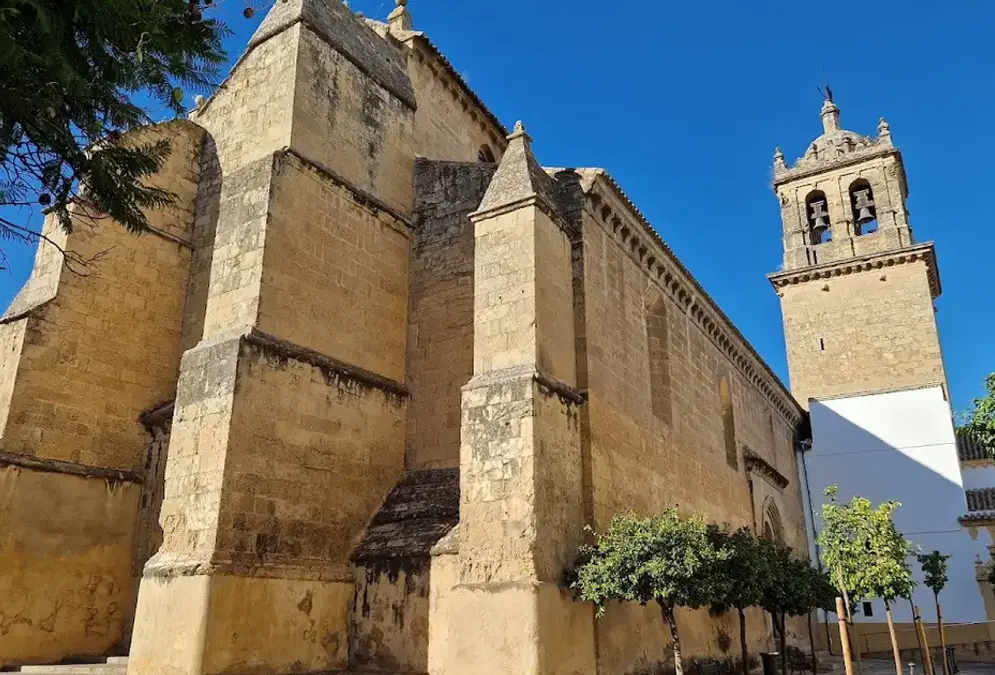
Fernandine church in Córdoba with a Romanesque-Gothic façade, rose window, minaret-based bell tower and the Manolete statue. Visited on the €6 Fernandine route.
-
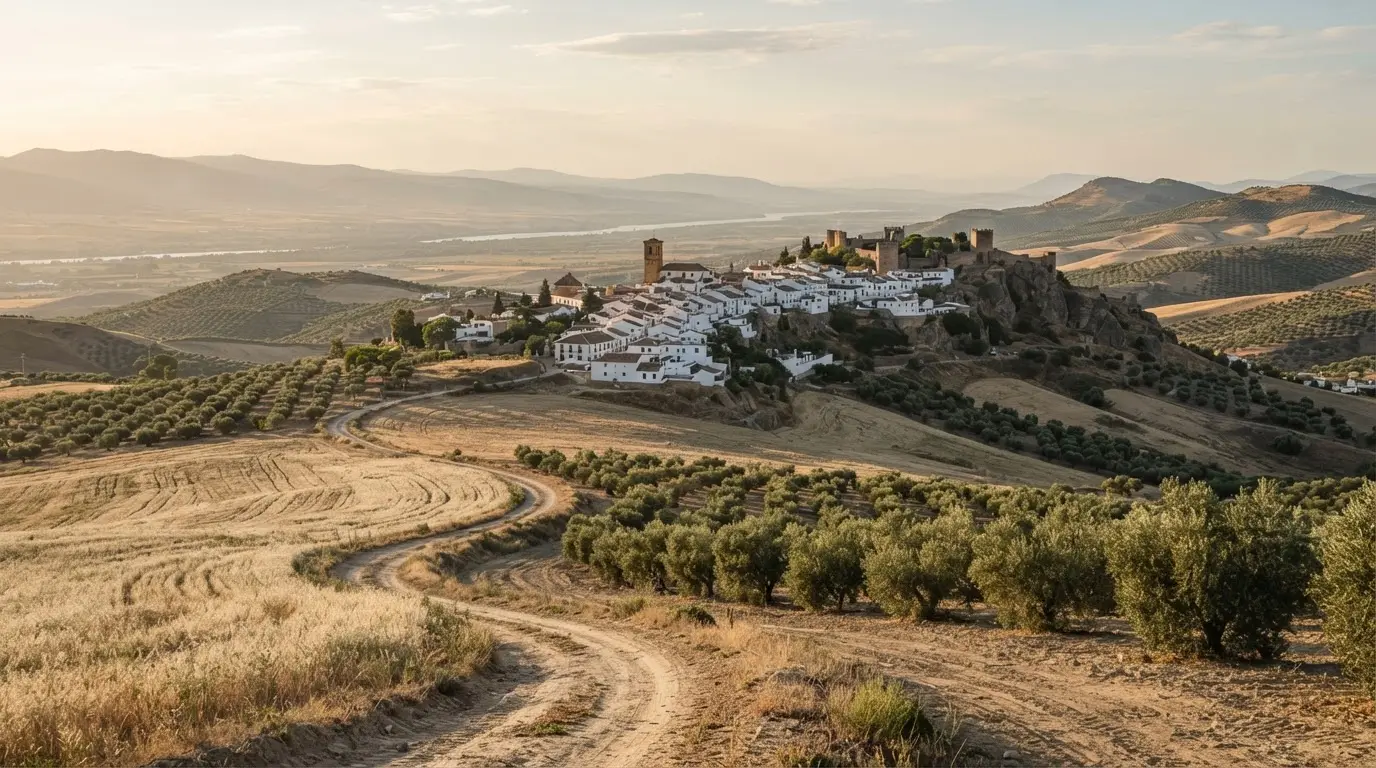
The Kingdom of Córdoba Had No King: How Castile Ruled It
1236–1833 Article
The Kingdom of Córdoba had no king: it was a Castilian jurisdiction from 1236 to 1833. How realengo, señorío, corregidores and the Cortes governed it.
-
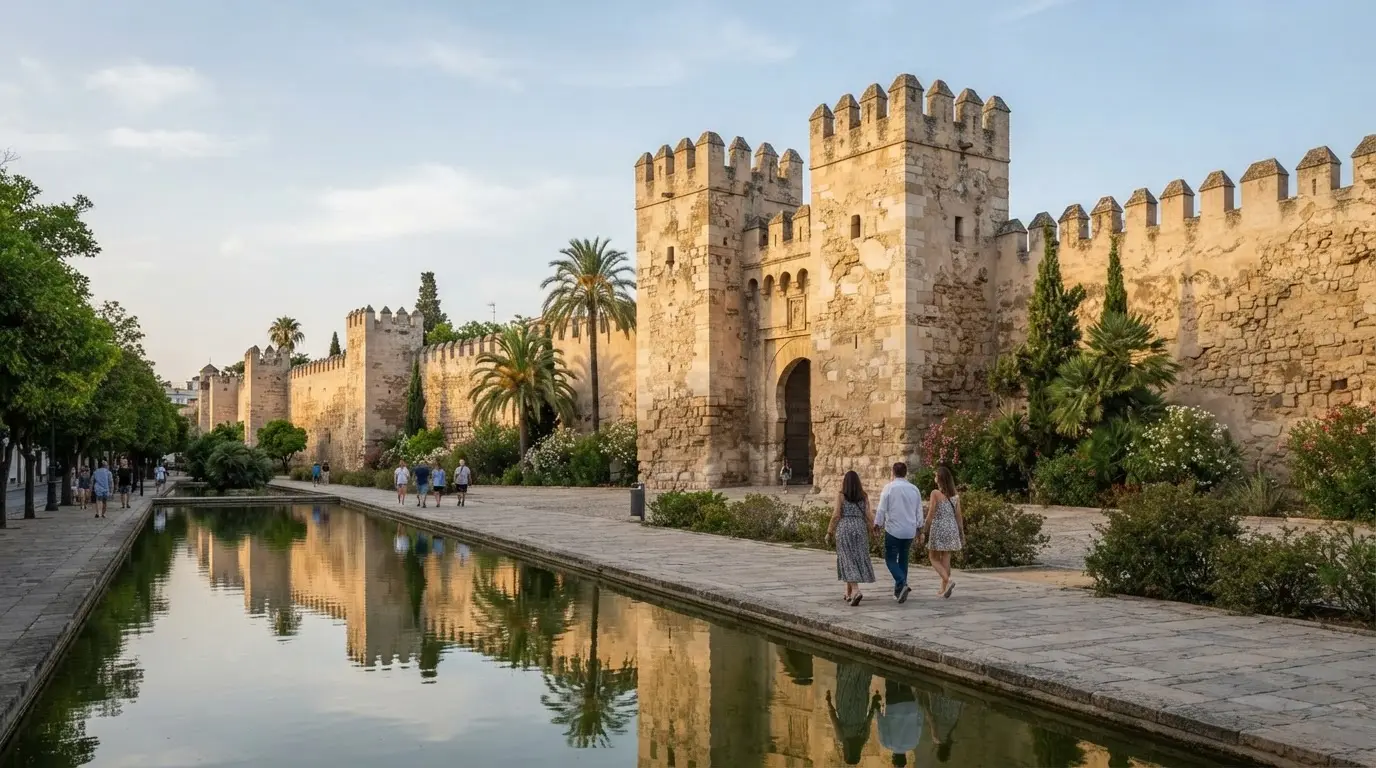
Calle Cairuan and the Almodóvar Gate: A Walk Along the Wall
Article
Walk Calle Cairuan in Córdoba from the Almodóvar Gate: a 14th-century rebuild, a 1968 Tunisian street name, Roman wall footings and the Judería lanes.
-
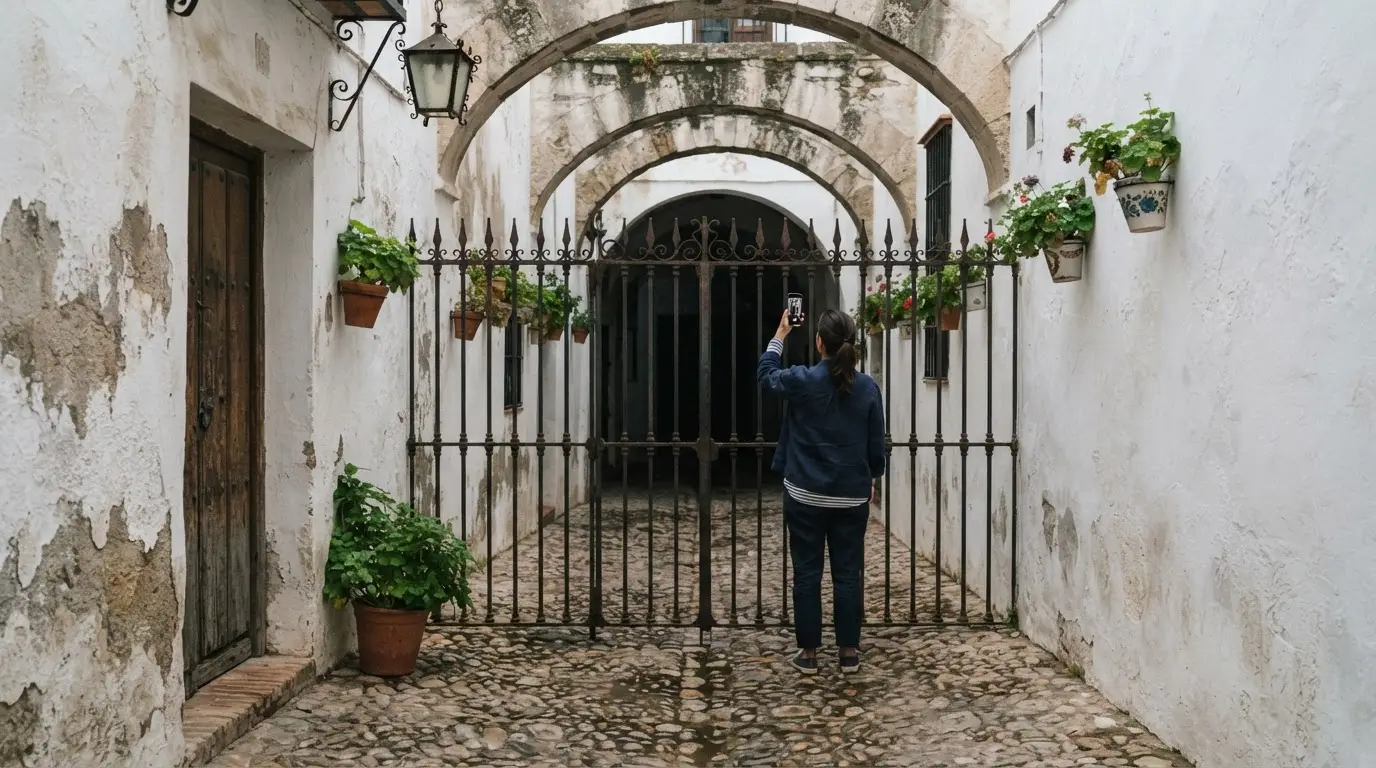
Arquillos Alley Córdoba and the City's Narrowest Lanes
Article
The Arquillos alley in Córdoba's Judería is gated, so you see it through bars. Why 'narrowest' is unproven, and how the Pañuelo and Flores lanes compare.
-
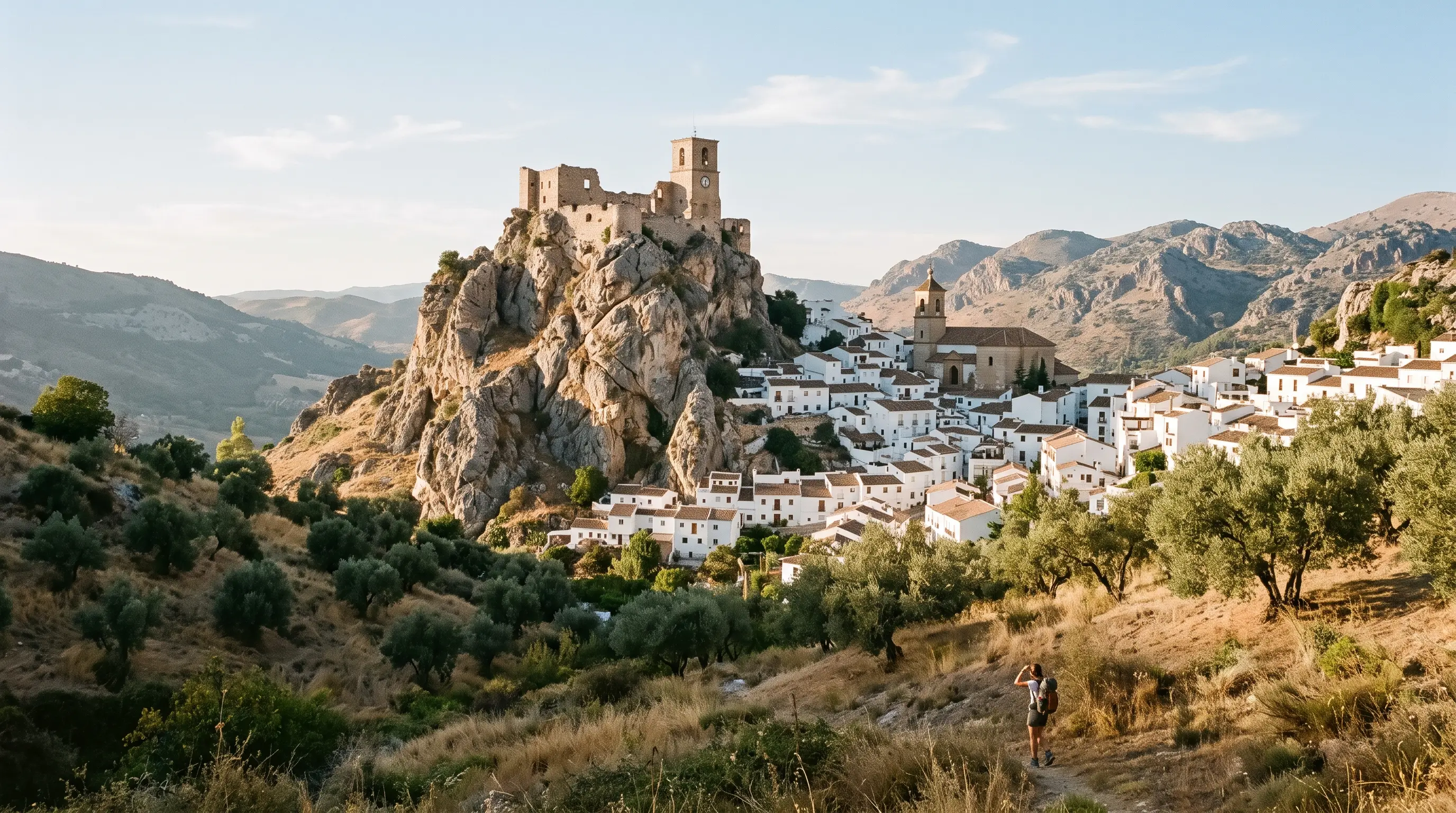
Zuheros Castle Village: The Córdoba Town Built on a Cliff
1240 Article
Zuheros castle sits on a limestone crag above a white village in Córdoba province. Moorish cistern, Renaissance palace wall, ticket prices and what to check.
-
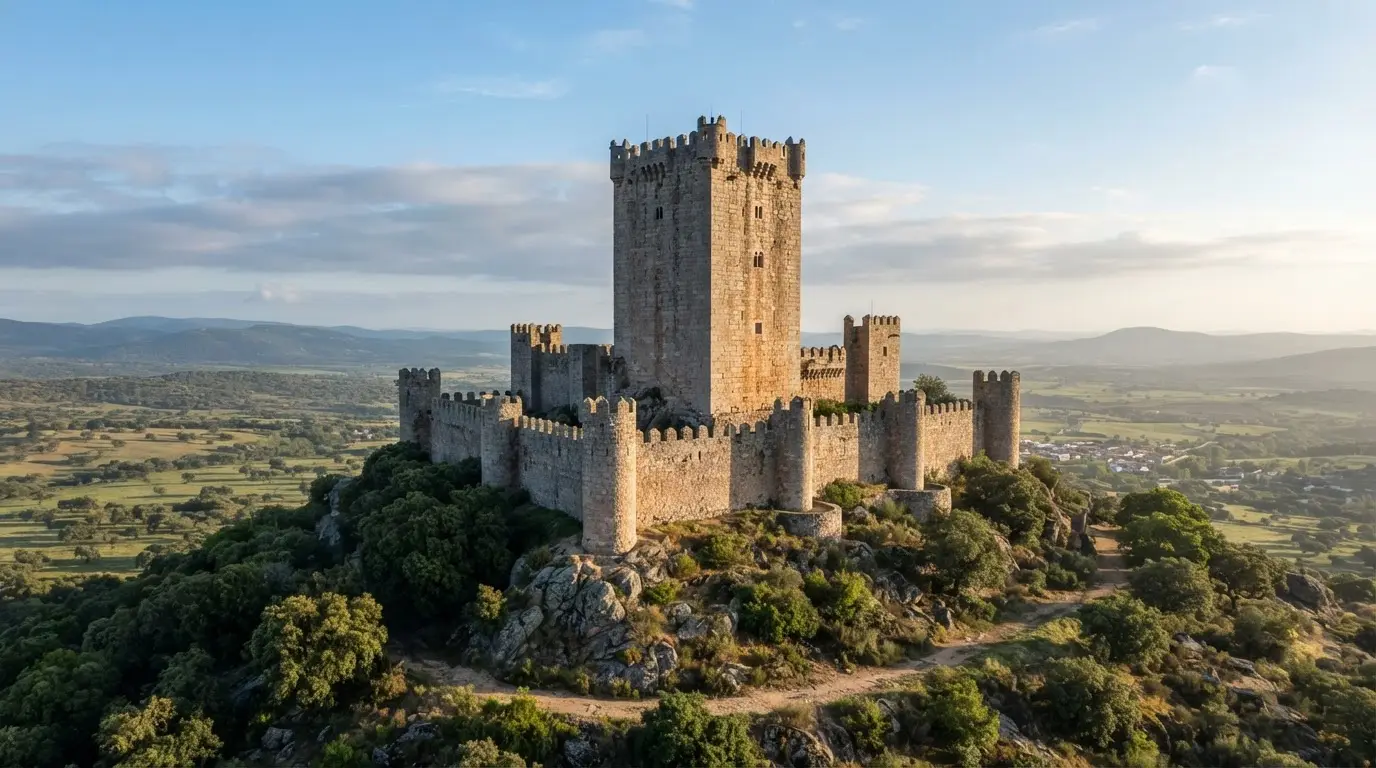
47 Metres Tall and Almost Unknown: Spain's Tallest Keep
1453 Article
Belalcázar Castle's 47 m keep is listed by the Junta de Andalucía as Spain's tallest. How it grew, what to see inside and how to book the free guided visit.
Go deeper
-
-
Early modern
1492–1808
Córdoba's Jews were expelled in 1492 and the city settled into provincial life. The Mezquita's Renaissance nave was begun in 1523, and the arcades of Plaza de la Corredera date from the 17th century.
-
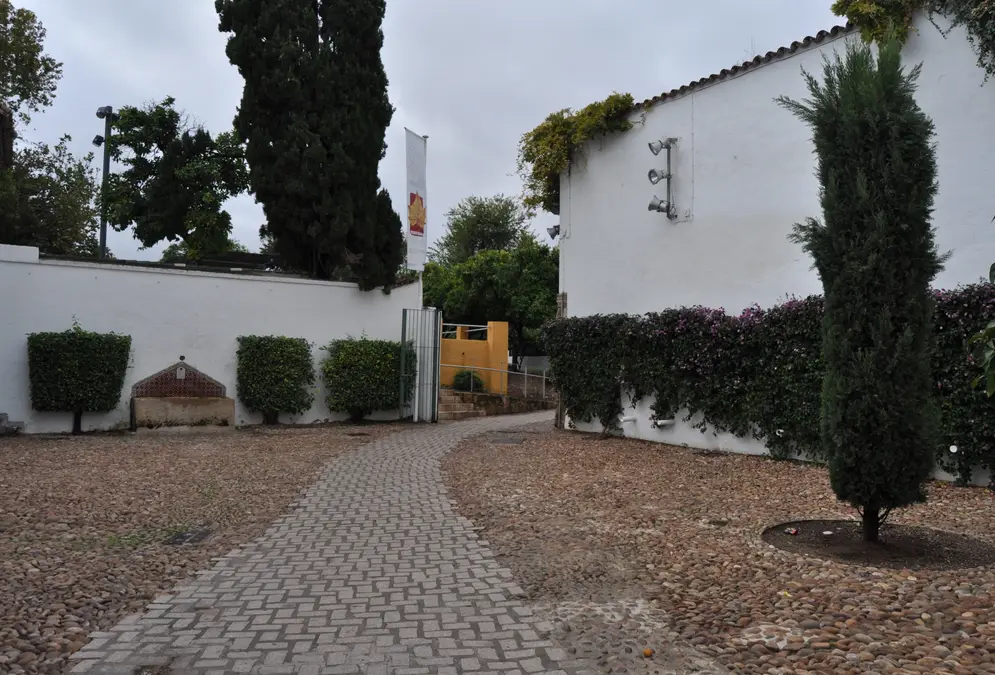
Palacio de Orive
1560 Monument
Córdoba's finest Renaissance palace, designed by Hernán Ruiz II in 1560. Free courtyard, exhibition halls, and the only public gardens in the historic centre.
-
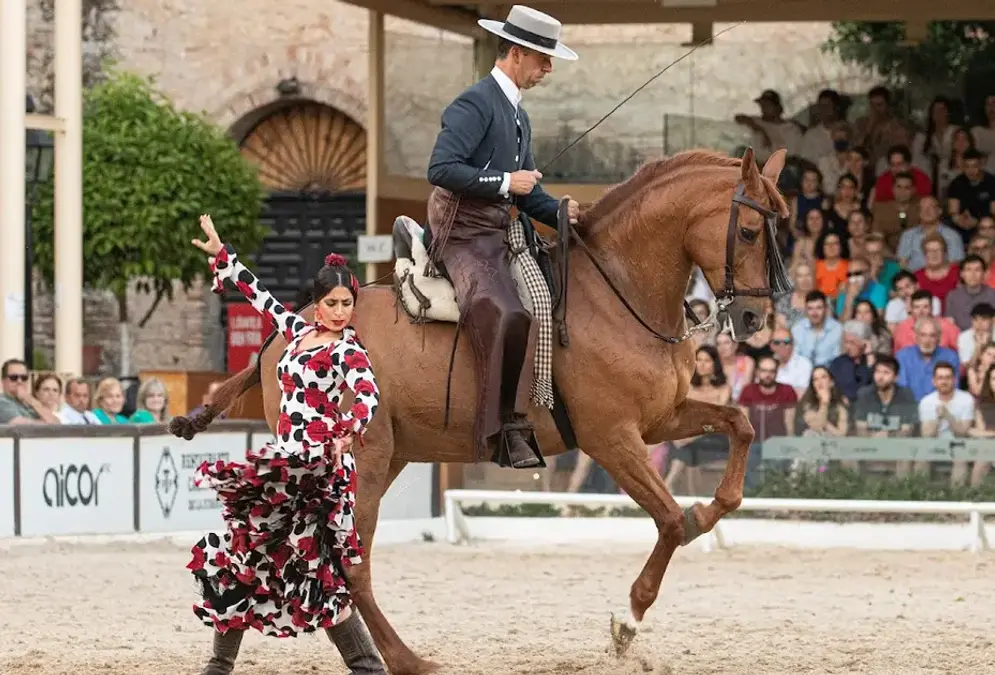
Caballerizas Reales de Córdoba
1568 Monument
Philip II's 1568 Royal Stables, birthplace of the Andalusian horse. Evening show combining classical dressage, vaquera riding and flamenco. UNESCO heritage.
-
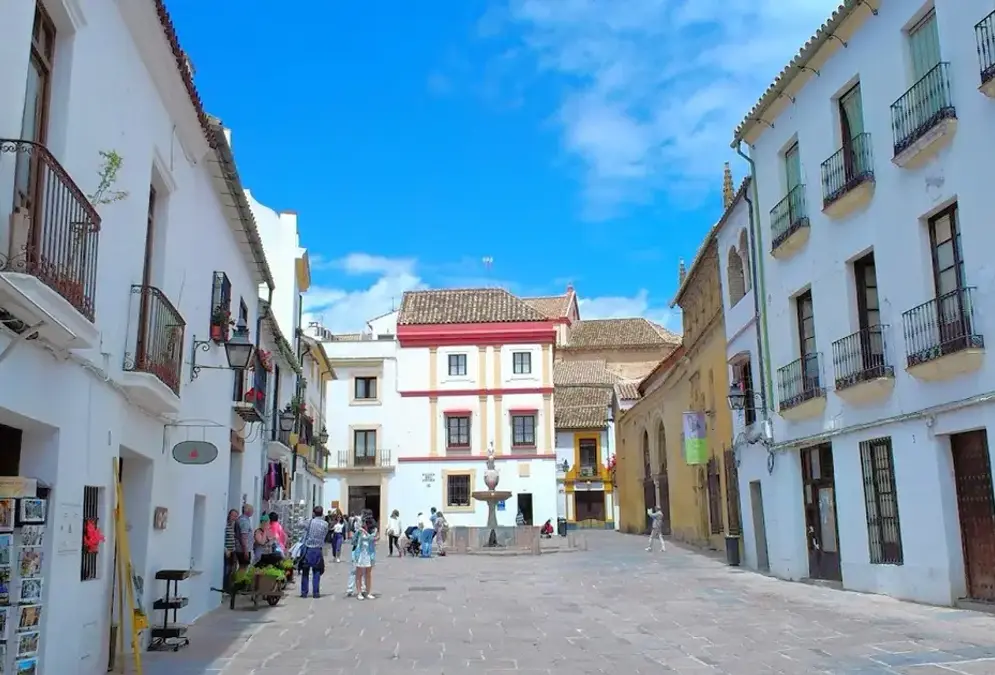
Plaza del Potro
1577 Monument
Cited by Cervantes in Don Quixote. The 1577 fountain still stands; the Fine Arts Museum, Fosforito Flamenco Centre and Julio Romero Museum all face the square.
-
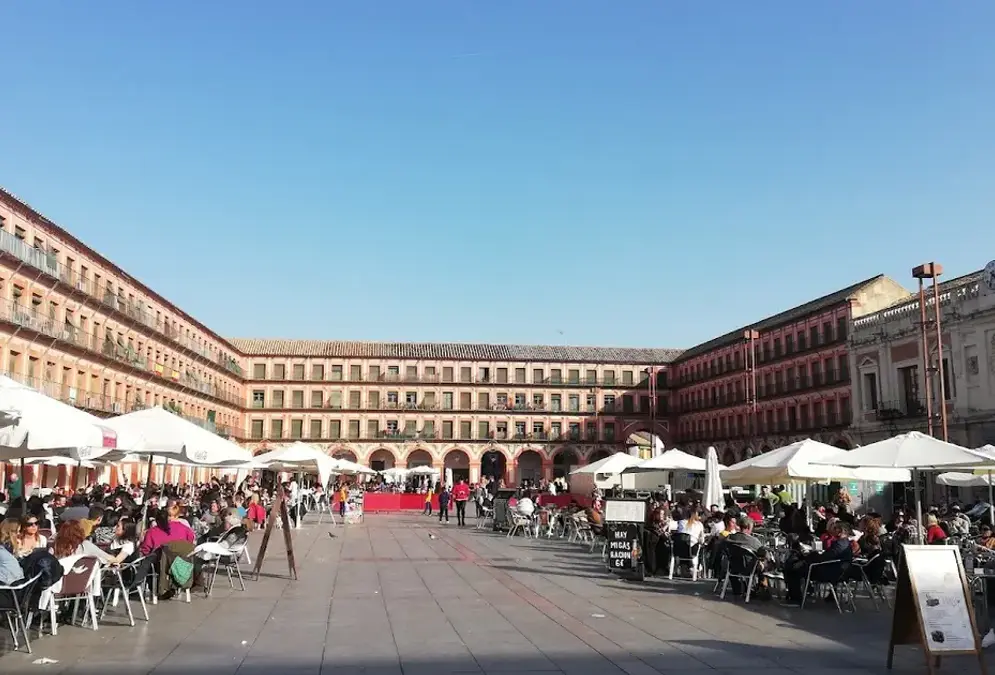
Plaza de la Corredera
1683 Monument
Andalusia's only Castilian arcaded square, built in 1683 over a Roman forum. Once a bullfighting ring, now lined with bar terraces and a Sunday flea market.
-
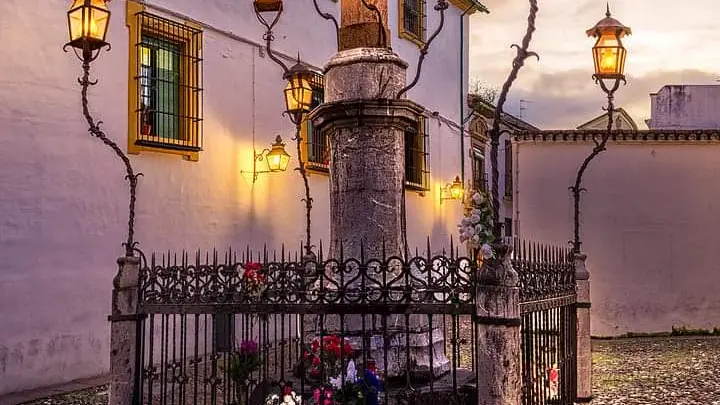
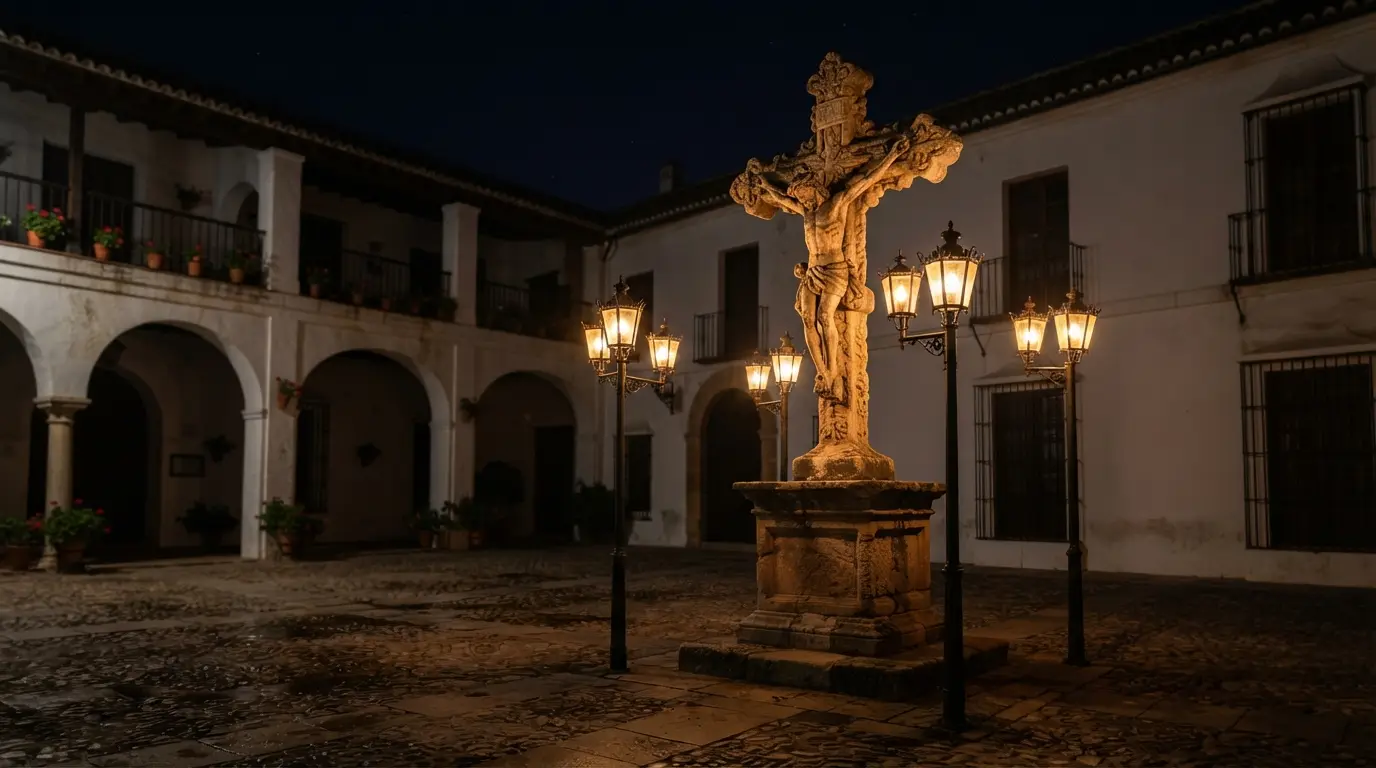
Cristo de los Faroles
1794 Monument
1794 Christ sculpture on Plaza de Capuchinos, encircled by eight wrought-iron lanterns. Most affecting at dusk when they are lit. Free, open 24 hours.
-
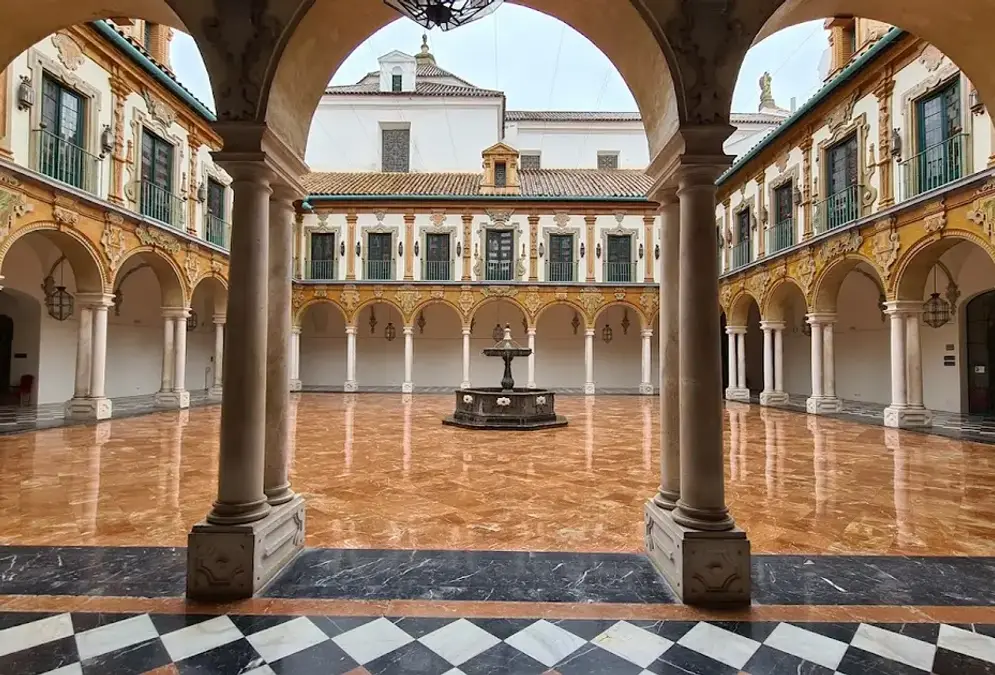
Palacio de la Merced
Monument
18th-century baroque palace in Córdoba: former convent with gilded altarpieces, patios and Zurbarán paintings. Visits by written request, 15 days ahead.
-
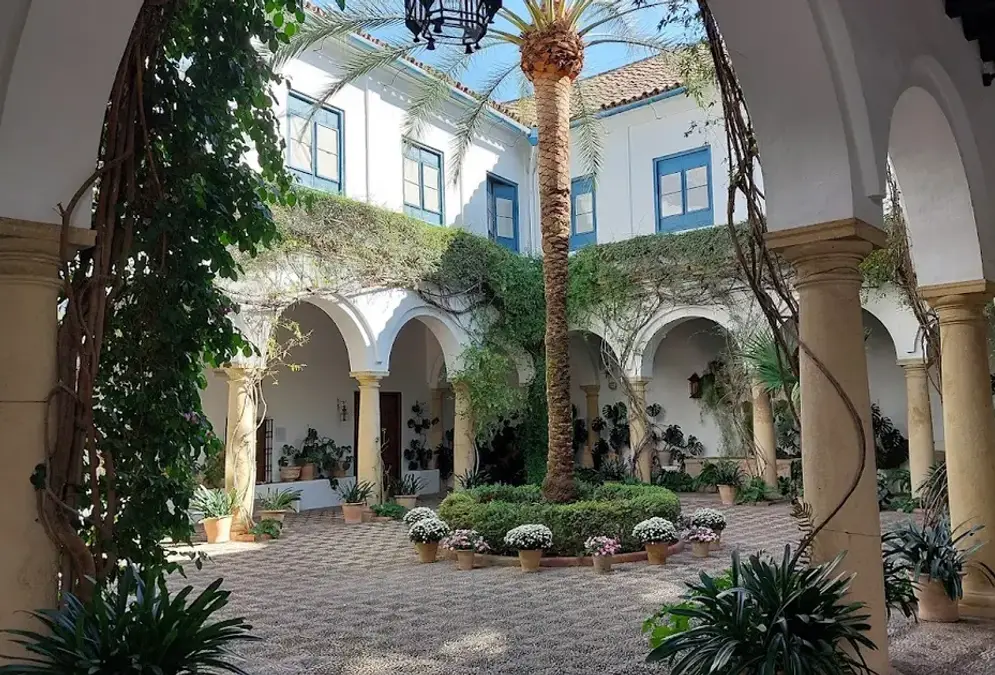
Palacio de Viana
Monument
Palacio de Viana, Córdoba: walk 12 Renaissance patios, a 7,000-volume library and Flemish tapestries. Tickets from €8.50, free entry Wednesdays 2 to 5pm.
-
Palacio Episcopal de Córdoba
Monument
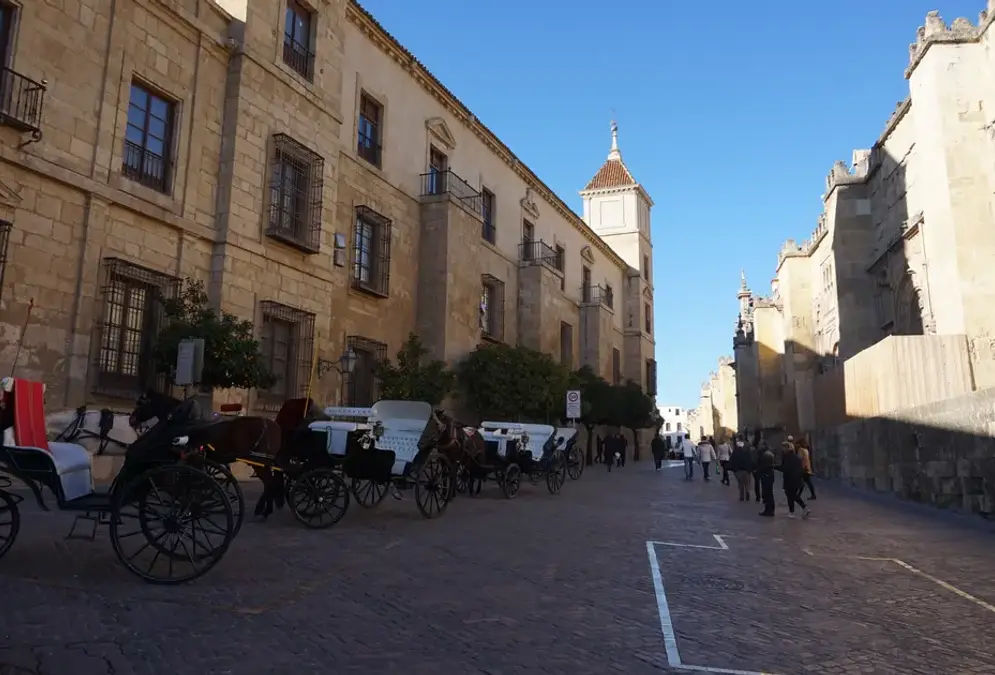
Baroque palace facing the Mezquita, free with your entrance ticket. Diocesan Museum inside: 14 centuries of Córdoba art and a courtyard most visitors skip.
-
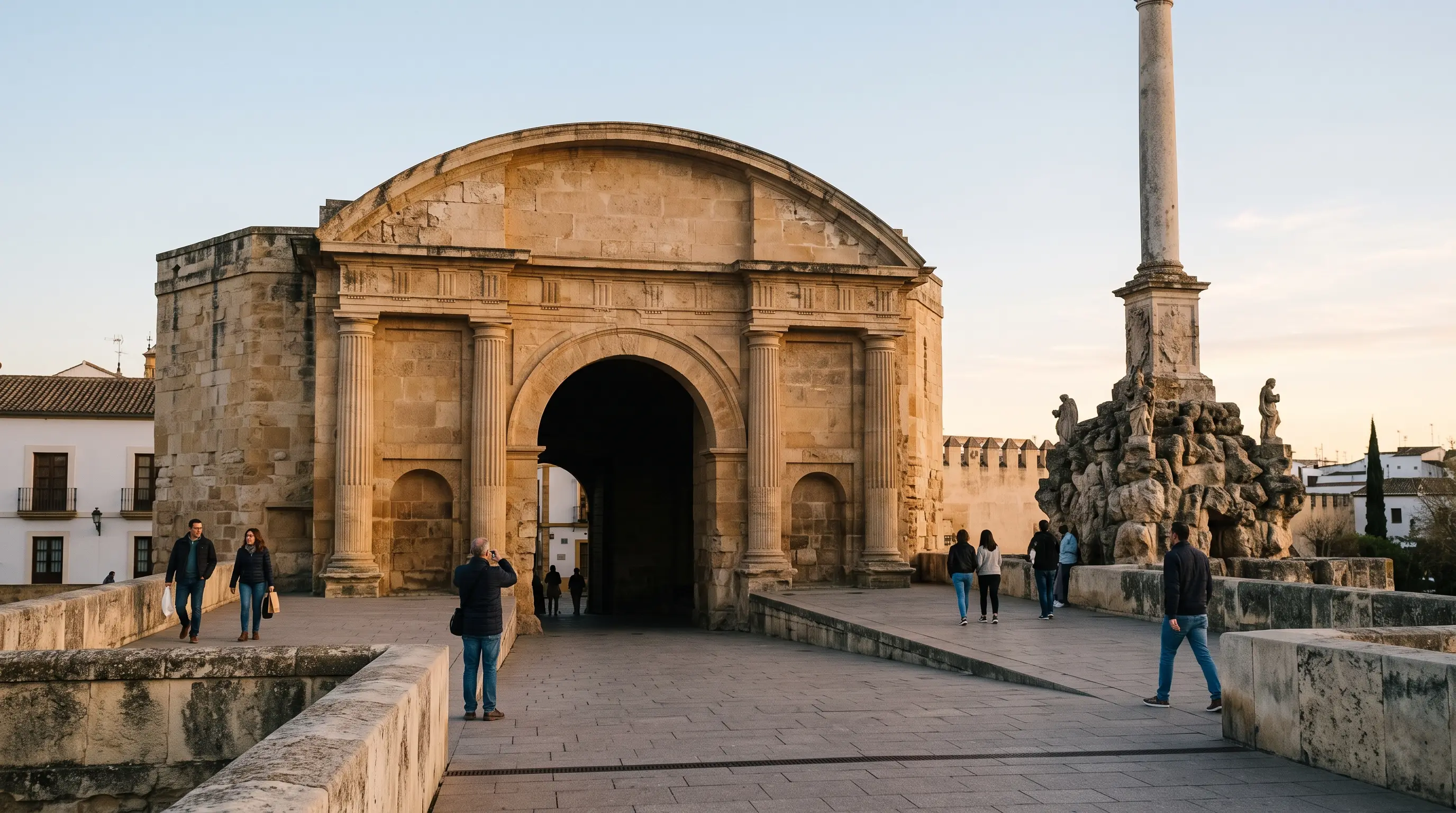
Puerta del Puente Córdoba: The Gate and What It Replaced
1572–1576 Article
Puerta del Puente in Córdoba: a 16th-century Renaissance gate by Hernán Ruiz III, the older gates it replaced, a tripled budget, 1928 rebuild and San Rafael.
-
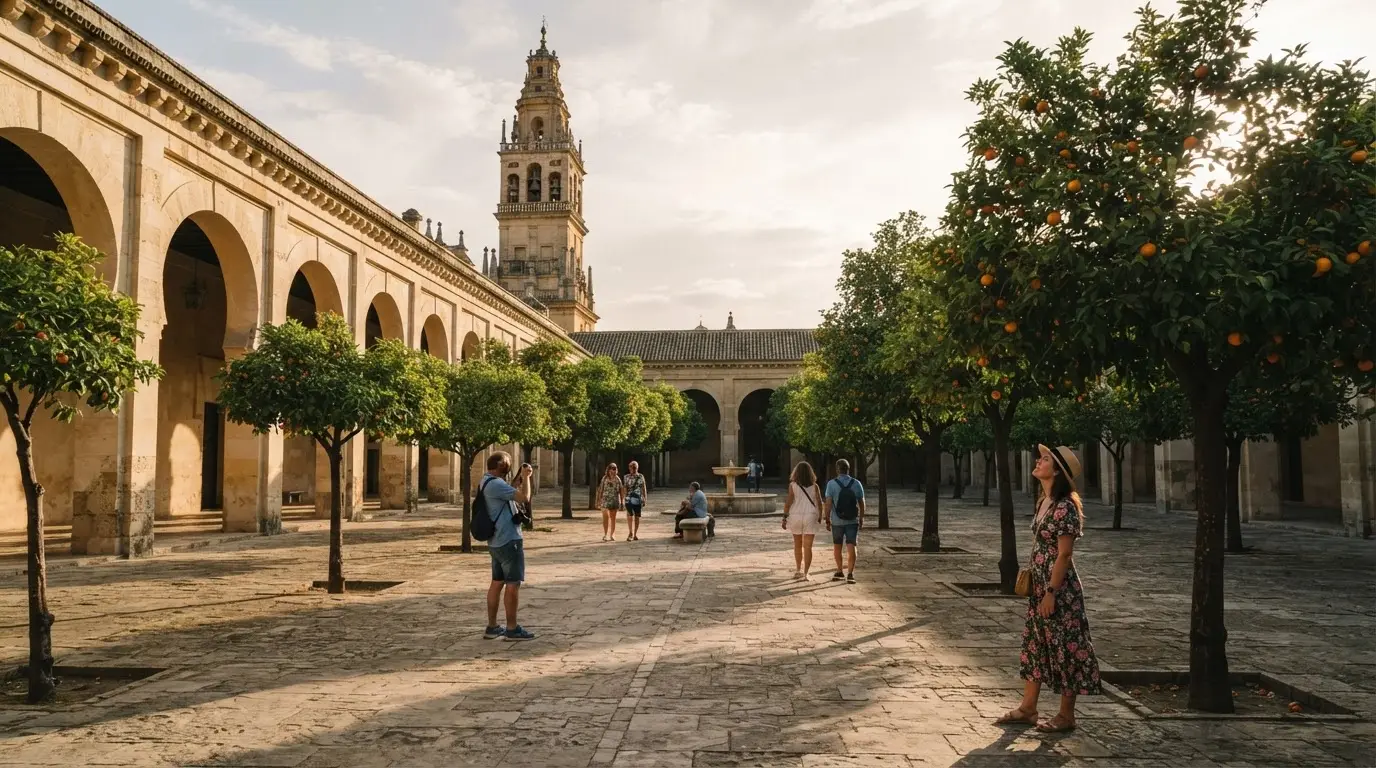
The Mezquita Handed Its Orange Courtyard to Flower Artists
1510–1601 Article
How the Patio de los Naranjos went from a caliphal court of ablutions to a garden of orange trees, and how the Cabildo lends it to FLORA's living-flower art.
-
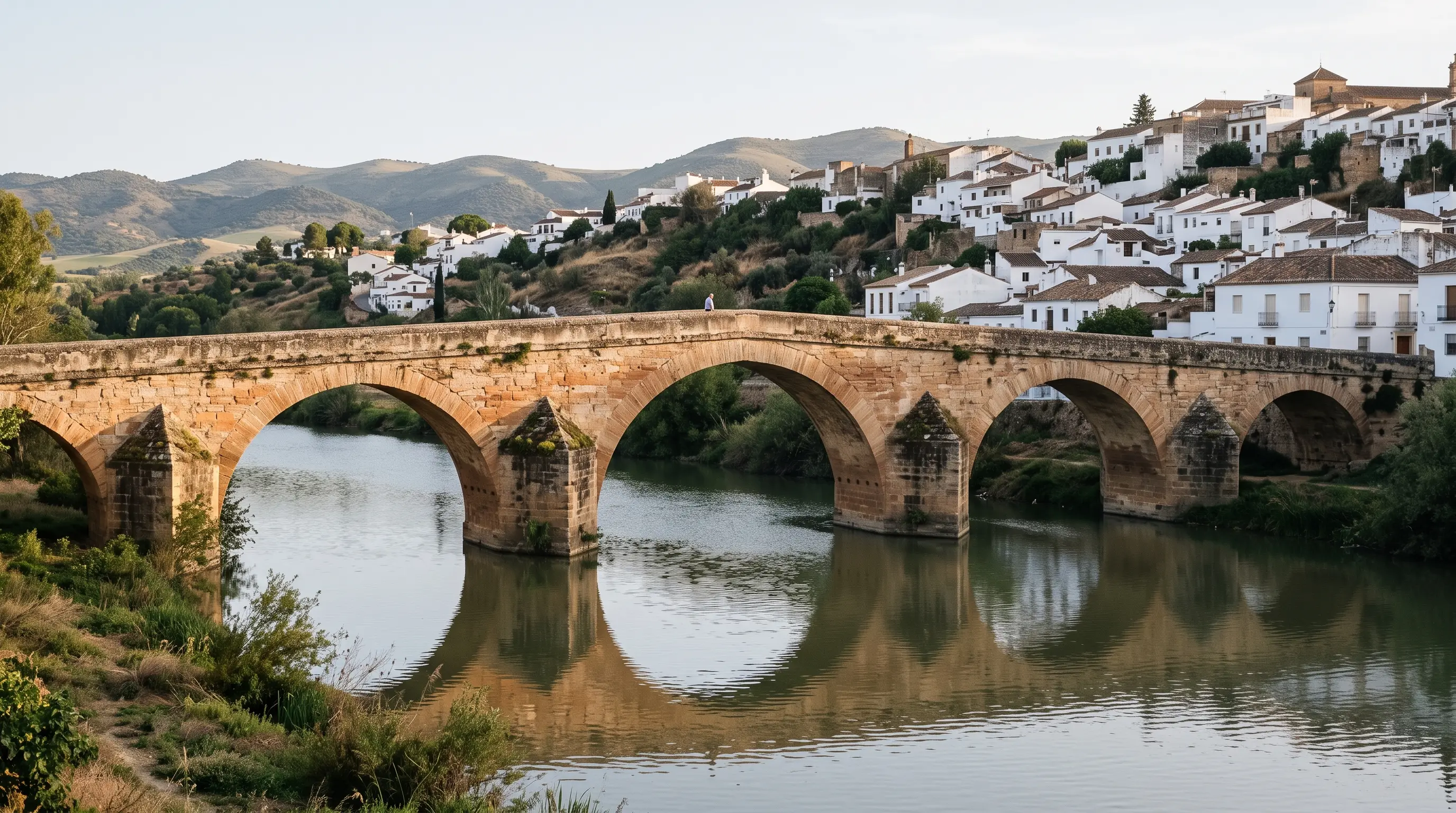
Did Women's Jewels Pay for Montoro's Bridge? What Records Say
1498 Article
Montoro's Puente Mayor is famed as the bridge women paid for with jewels. ABC cites a heritage group dating the name to the 1980s; records name the council.
-
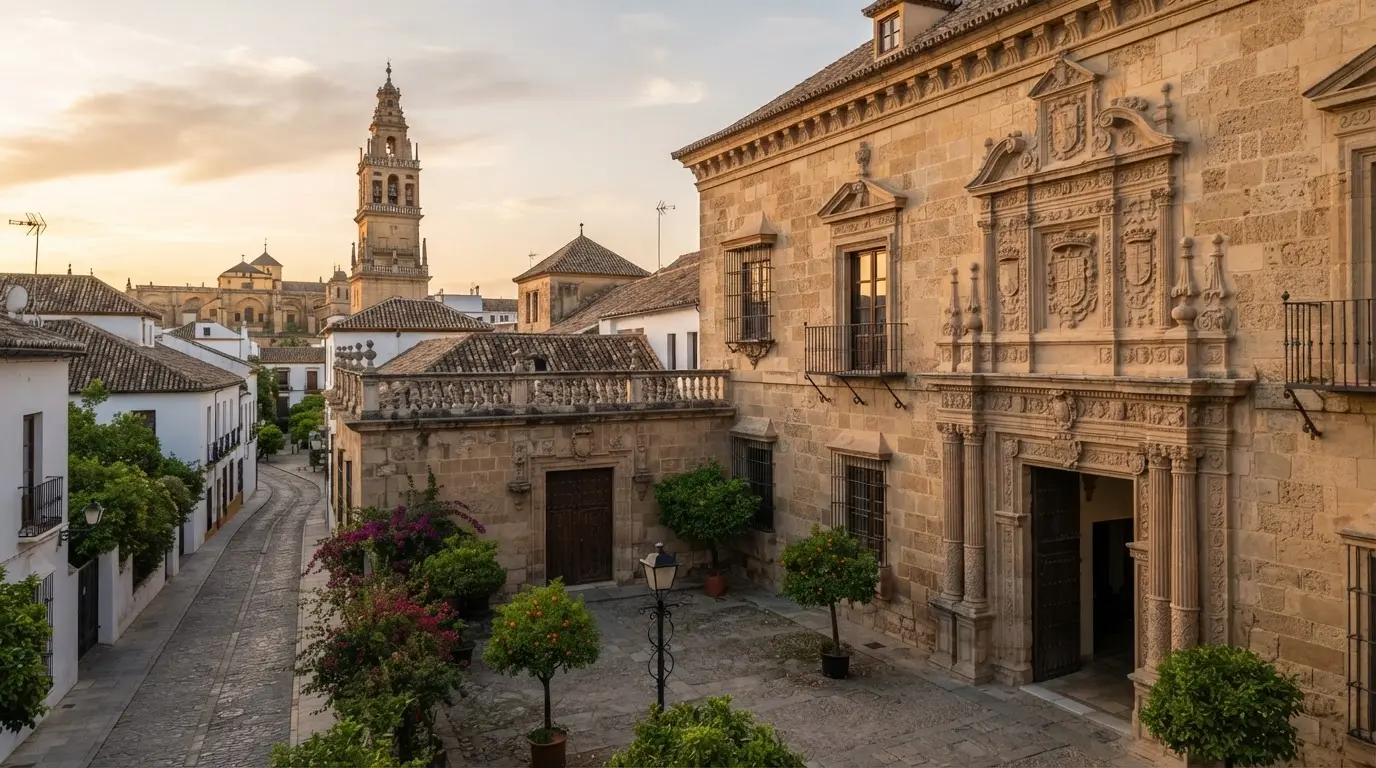
The Ruiz Dynasty: Córdoba's Renaissance Architects
1523–1593 Article
Meet Córdoba's three Hernán Ruiz architects through the 1523 transept, Orive's 1560 façade and the bell-tower campaign begun in 1593, with careful attributions.
-
The Legend of the Cristo de los Faroles
1794 Article
Córdoba's most haunting statue comes with a legend: a soldier saved from death who returned each midnight until he vanished. The real history is stranger still.
Go deeper
-
-
Modern Córdoba
1808–today
The Civil War reached Córdoba on 18 July 1936. UNESCO listed the Mezquita in 1984 and extended the listing to the historic centre in 1994.
-
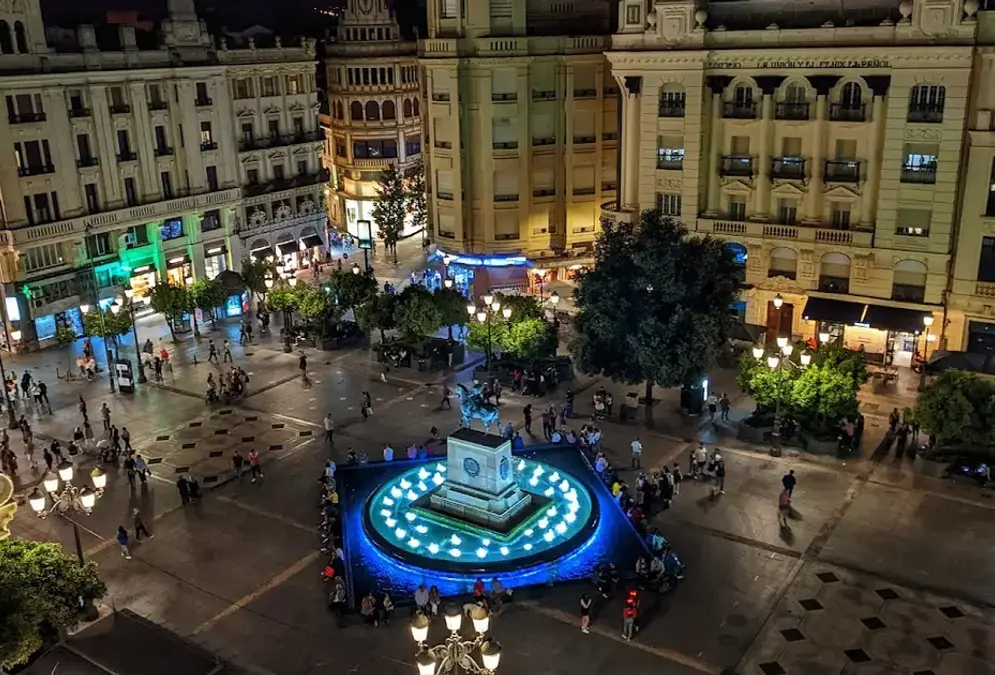
Plaza de las Tendillas
1925–1927 Monument
Córdoba's central square, with a clock that chimes guitar chords on the hour. Equestrian statue of El Gran Capitán, terrace cafés and the main shopping streets.
-
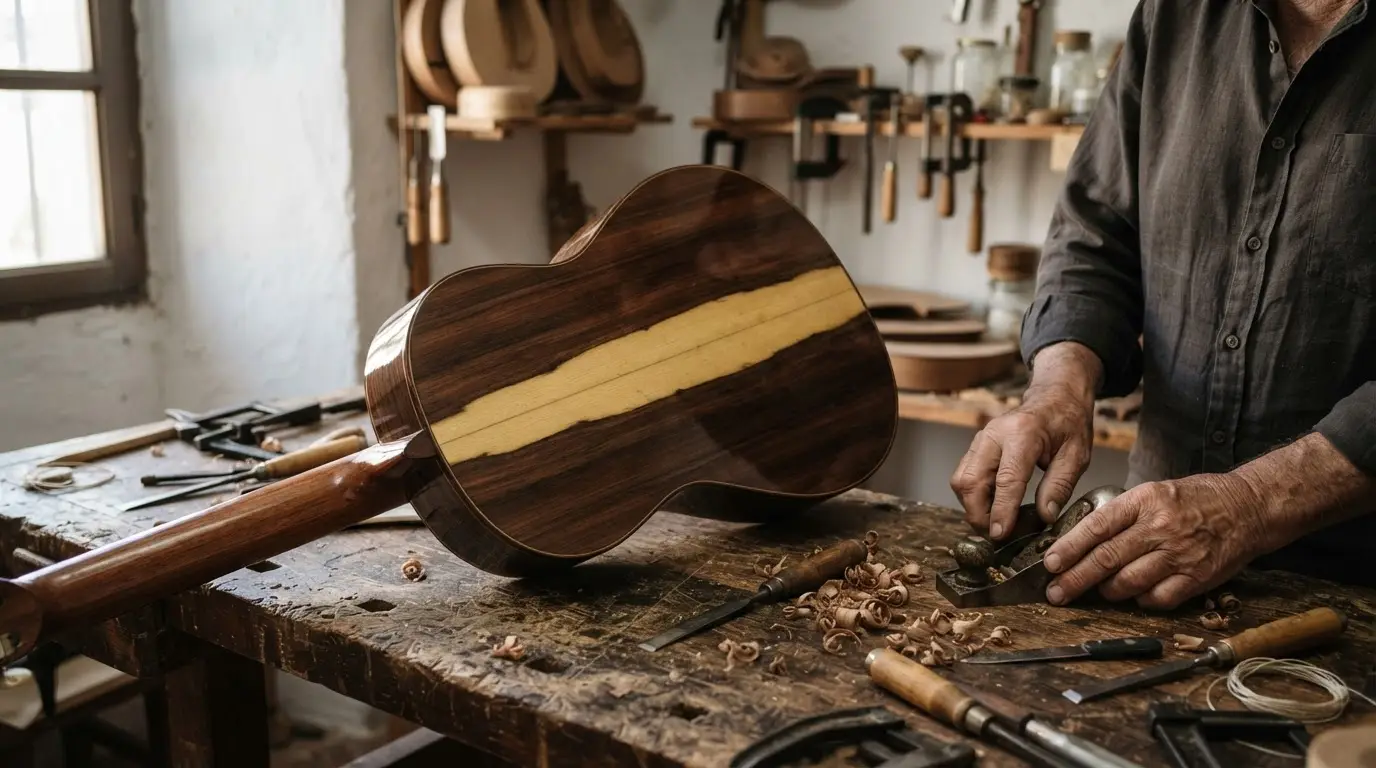
The Córdoba Guitars Named for a Door Nobody Can Source
1888–1998 Article
Miguel Rodríguez's Church Door guitars carry a name dealers explain three ways: an old door, a cathedral sound, a cut of rosewood. The family line is on record.
-
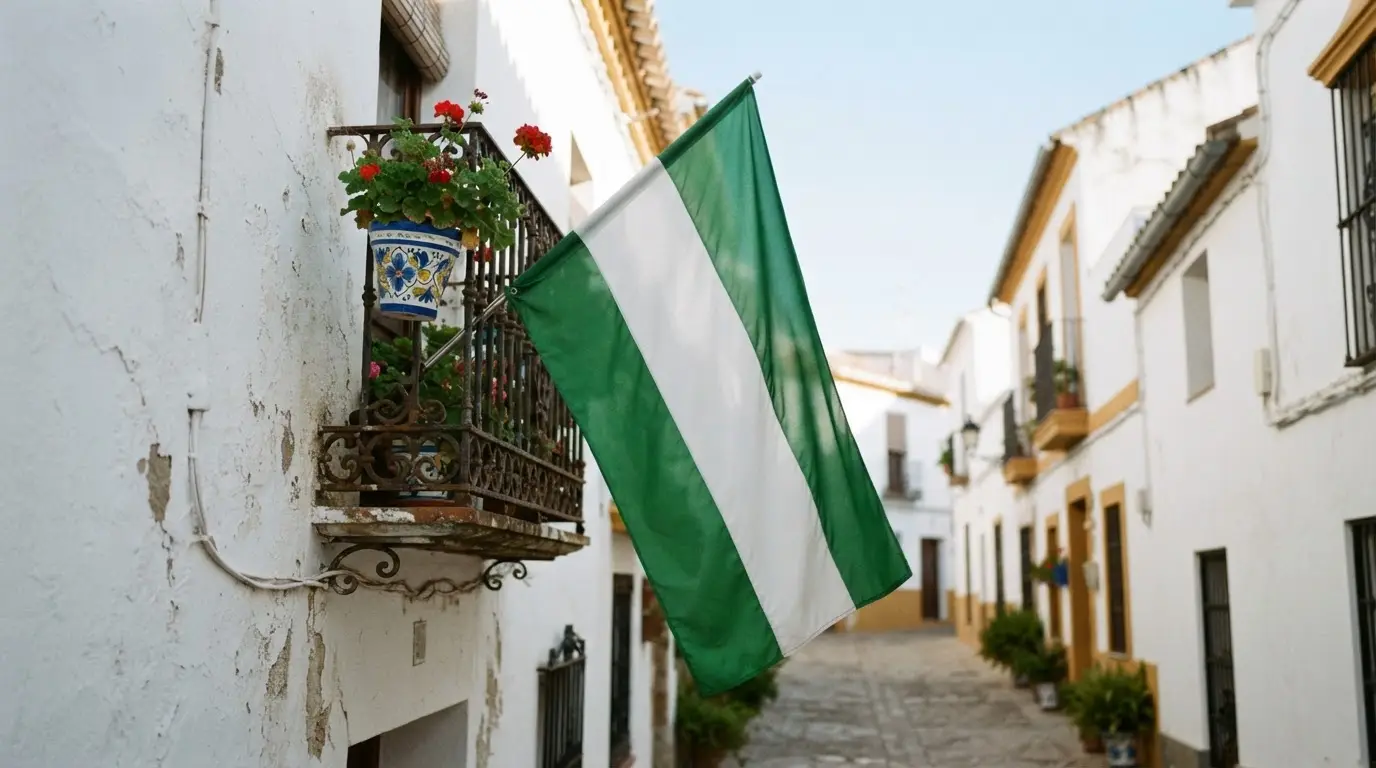
Did the 1919 Assembly of Córdoba Create Andalusia's Flag?
1919 Article
Was Andalusia's flag born at the 1919 Assembly of Córdoba? Official texts point to Ronda 1918; Córdoba endorsed the Manifesto of Nationality. Claim checked.
-
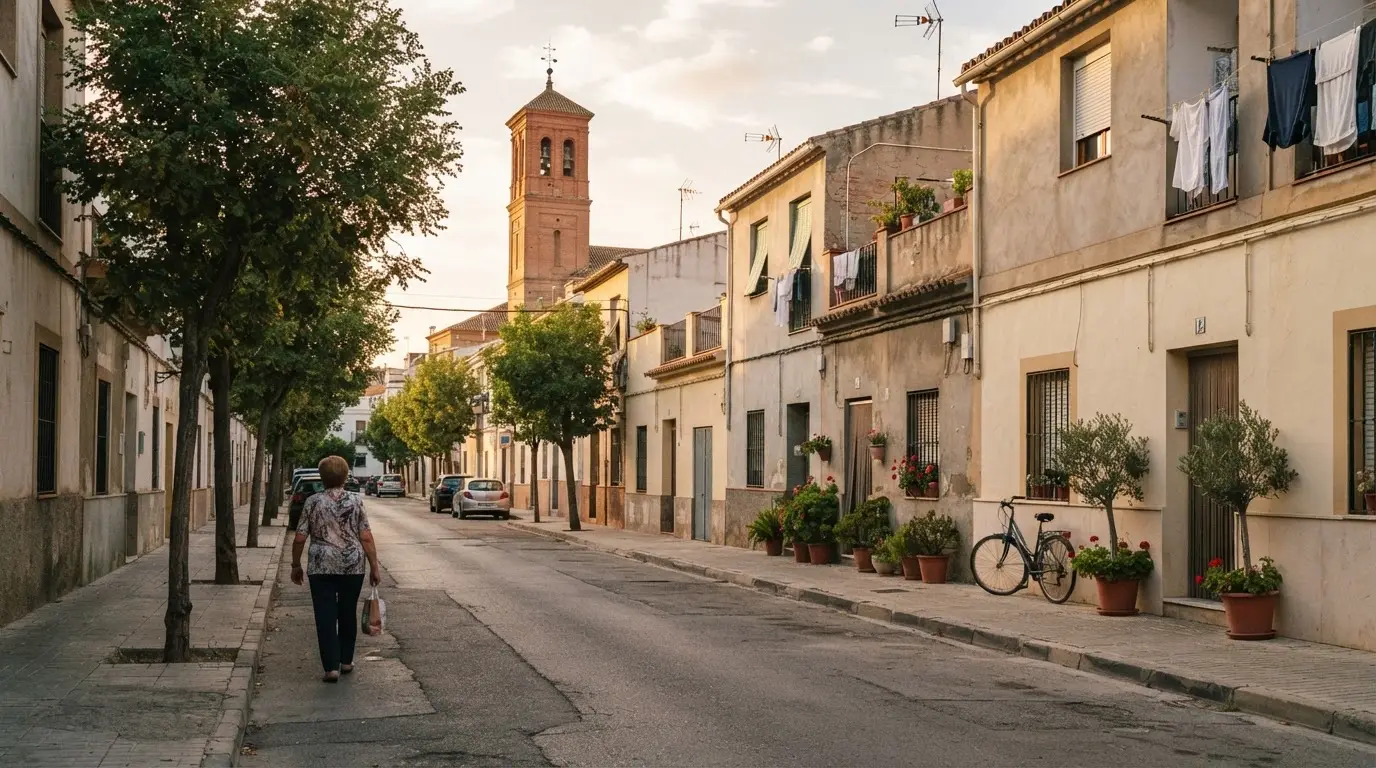
Electromecánicas: How a Copper Firm Built Its Own Córdoba Barrio
1917–1948 Article
How SECEM, founded 1917, and Cenemesa built Córdoba's company barrio of Electromecánicas: the housing, the Rosario church and what survives the factory.
-
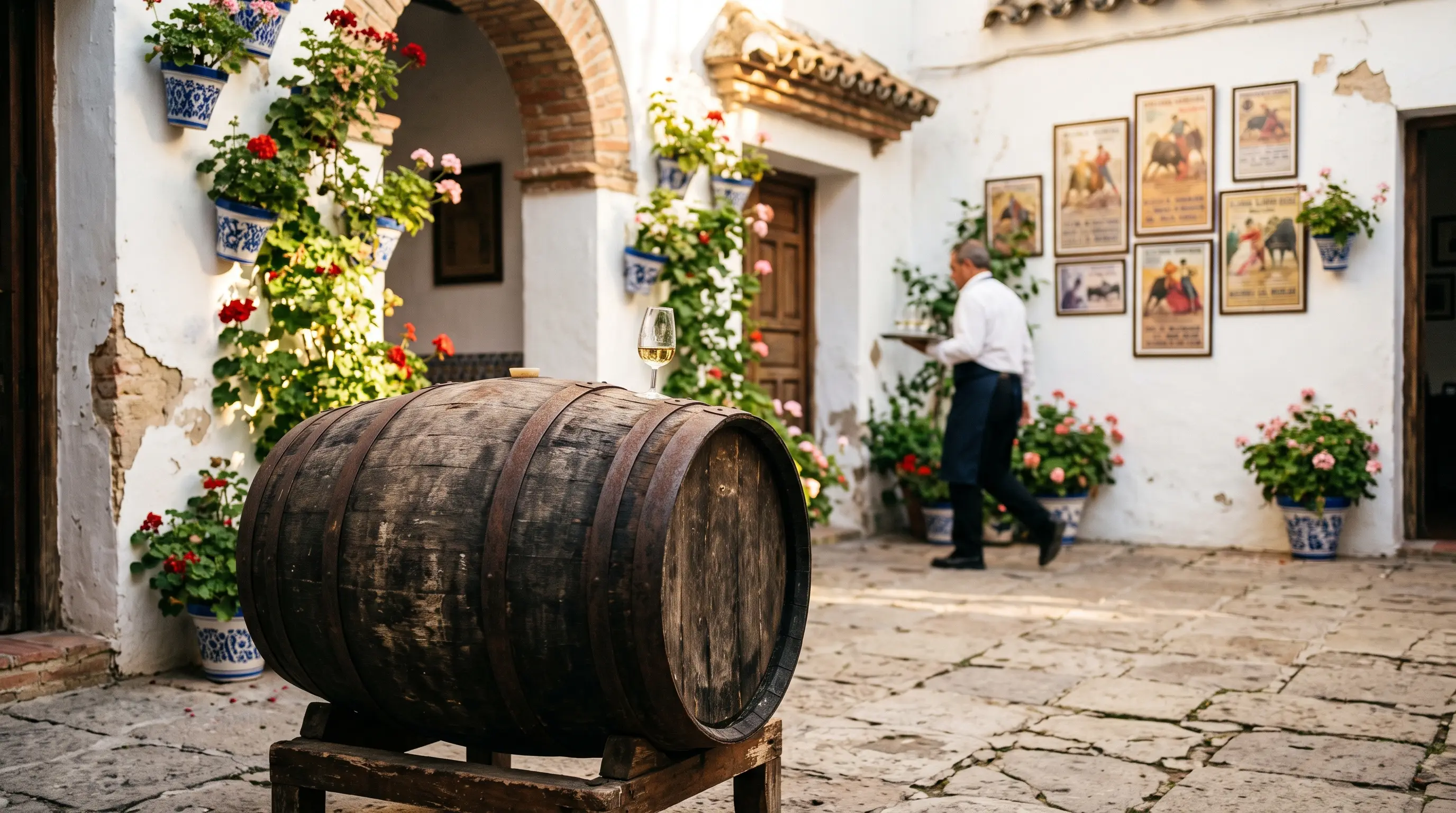
How Bodegas Campos Went From a 1908 Cellar to Córdoba Fixture
1908 Article
The history of Bodegas Campos in Córdoba: a cellar that dates itself to 1908, the taverns Casa Rubio and Casa Pepe, and a taberna that only opened in 1995.
-
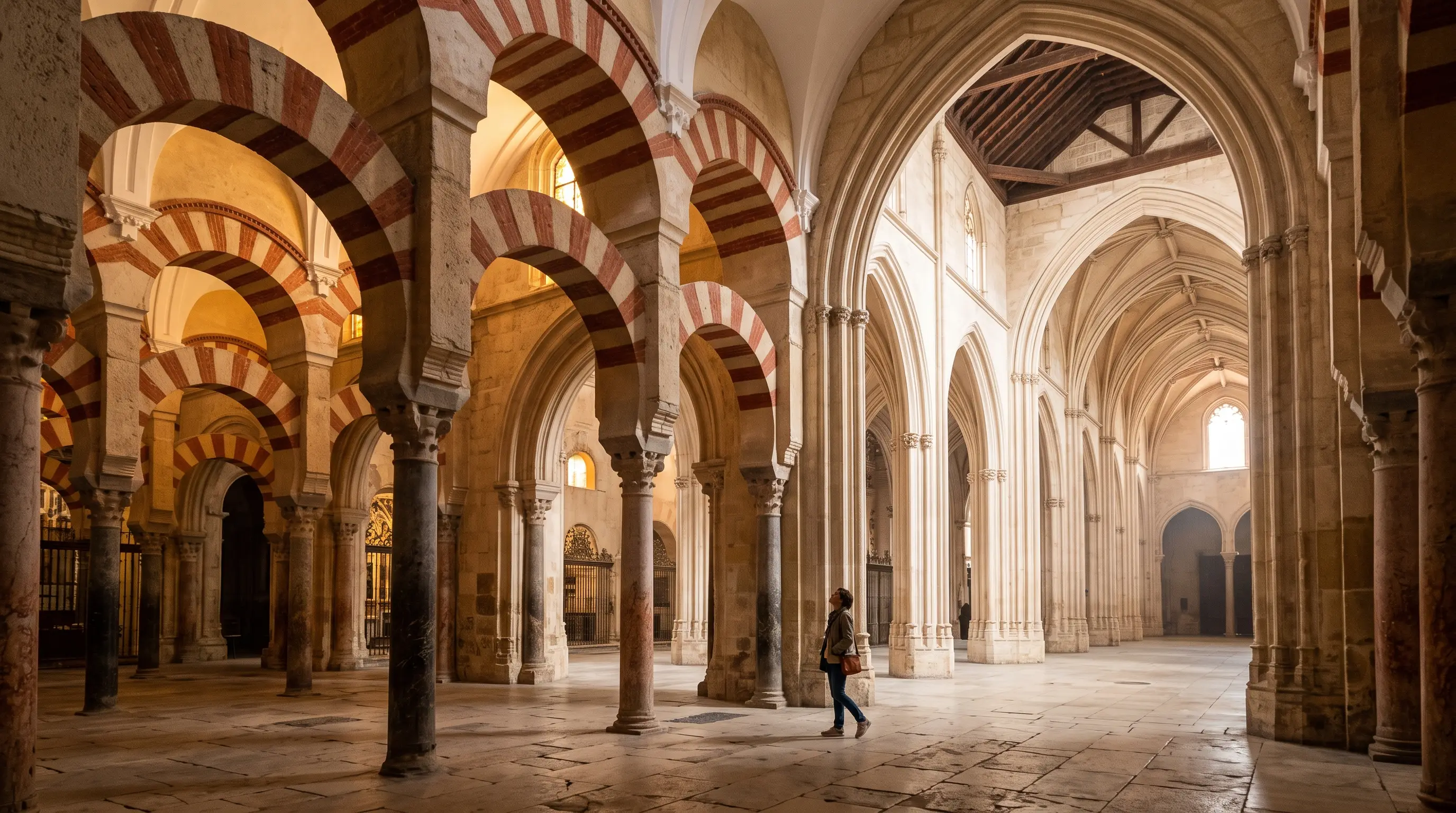
The 1880 Repair That Revealed a Mosque Ceiling and Lost a Mural
1880 Article
How fallen plaster in 1880 led to a Baroque vault's collapse in Córdoba's Villaviciosa chapel, uncovering an Islamic ceiling as a Gothic mural cycle vanished.
Go deeper
-