A caliph's daughter with no brother to inherit
Muhammad III ruled as Umayyad caliph for barely two years, one of the short, unstable reigns that marked the caliphate's final decade before it splintered into competing taifa kingdoms after 1031. He left no son. Under Umayyad practice, that should have meant his estate passed to a male relative or reverted to the state. Instead, his daughter, already educated in poetry and rhetoric, took it for herself.[1]
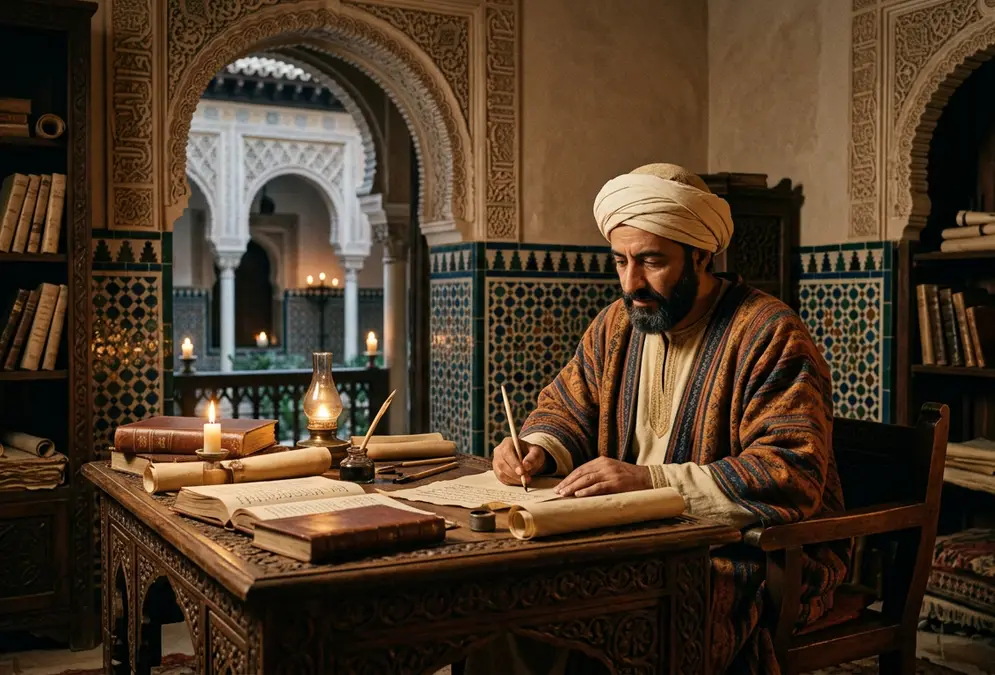
What she built with that fortune was not a private household. She turned her house into a literary salon, a majlis, open to poets and scholars and, pointedly, to women who wanted to learn to compose verse.[4] The salon trained mentees from every rank she could reach, from women born into Córdoba's nobility to slaves she purchased and educated herself.[4] That last detail is easy to skip past, but it is the important one: she was not hosting evenings for her social equals. She was funding literacy for people who had no other route into it.
A generation earlier, Subh of Córdoba had shown a different route to the same kind of leverage, turning a concubine's proximity to the caliph into a decade of real political power. Wallada's route ran through inheritance and patronage rather than the palace bedchamber, but the underlying pattern, a woman converting the resources available to her into lasting influence, repeats across Córdoba's ruling class more often than the standard chronicles admit.
Explore nearby · Monument
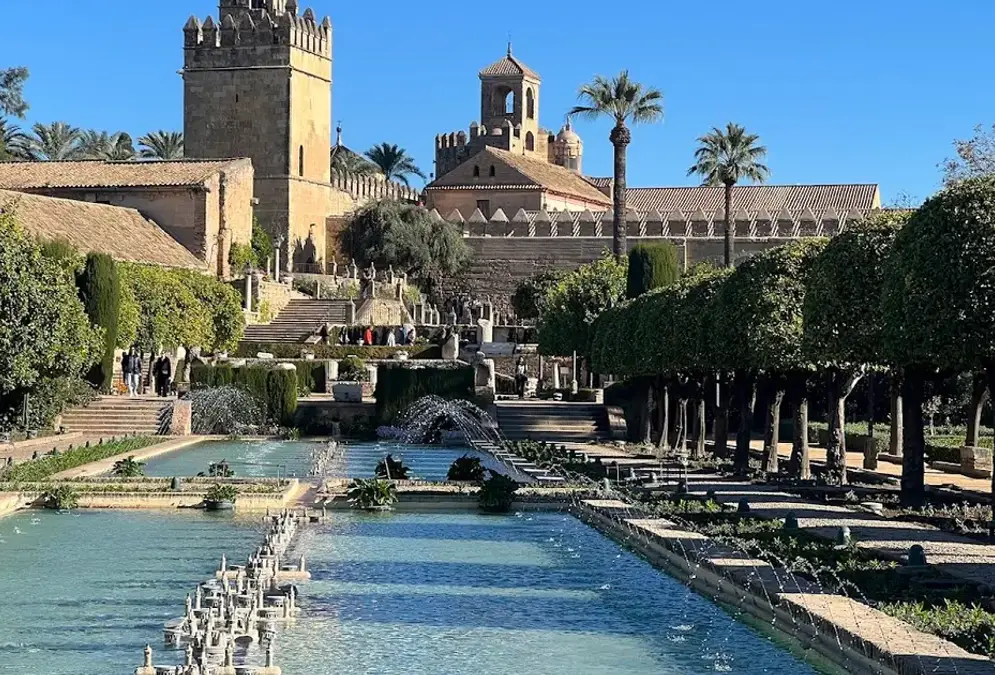
Alcázar de los Reyes Cristianos
Alcázar de los Reyes Cristianos, Córdoba: free entry on Tuesdays. A 14th-century fortress-palace with terraced Moorish-inspired gardens and Roman mosaics.
A salon that taught women to write, and made her enemies
The salon was scandalous enough on its own. Wallada added to it by refusing to wear a veil in public, at a time when an unmarried noblewoman moving through Córdoba's streets bare-faced invited open criticism.[5] By the accounts that survive, she had two lines of her own poetry embroidered onto the sleeves of her robes and wore them into the street: one declaring she was fit to be a bride to princes, the other that she gave her cheek to whoever deserved it.
She had defenders as well as critics. Ibn Hazm, the philosopher and jurist who later wrote The Ring of the Dove, the most influential treatise on love produced in Islamic Spain, was among those who spoke up for her against the criticism.[5] It is a pairing worth noticing: the man writing the era's defining book on love, defending the woman living out one of its more difficult versions in public.
Her salon also places her alongside other women the Umayyad court produced and then mostly let the record forget. this enslaved scholar-secretary, secretary to Caliph al-Hakam II a generation earlier, ran a palace library rather than a salon, but the shape of the story is the same: a woman given unusual latitude by an institution that needed her specific talents, whose own words survive only in fragments filtered through men who outlived her.
Ibn Zaydun: nine poems, one documented beating
Eight of Wallada's nine surviving poems concern Ibn Zaydun, the poet she loved and the man whose name is now permanently attached to hers.[6] The affair is the reason she is remembered outside specialist circles, and it is not a love story in any simple sense.
Recommended tours
Tours are selected for quality, not commission. We earn a small fee if you book — at no extra cost to you.
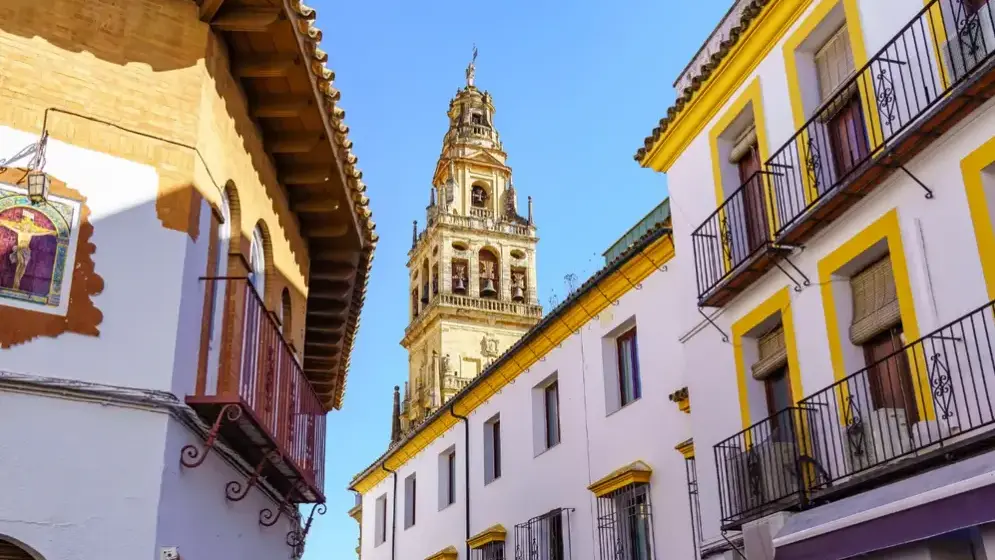
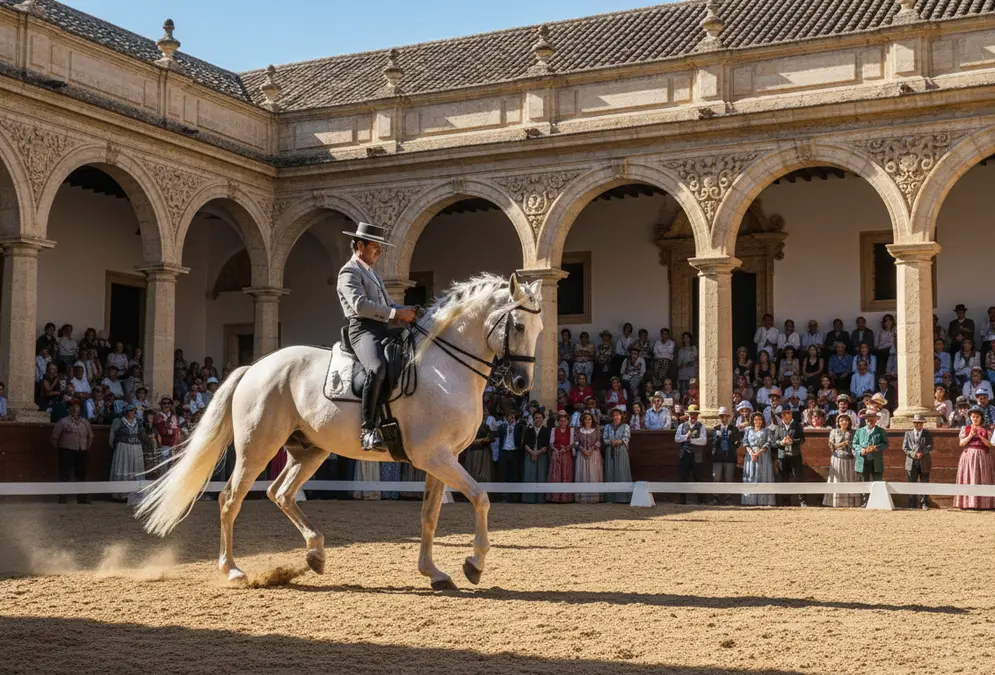
Ibn Zaydun courted her with verse still anthologised as some of the finest Arabic love poetry to survive from al-Andalus. Wallada answered in kind, and for a period the exchange reads as genuine mutual infatuation. It did not stay that way. Andalucía's own historical record describes Ibn Zaydun making love to a slave inside Wallada's household, an affair conducted under her own roof, which provoked a poem of furious rebuke from her rather than silence.[8] The wider record is blunter still: Ibn Zaydun is reported to have beaten Wallada, and to have been unfaithful to her more than once.[7]
What makes the record worth taking seriously rather than romanticising is that it did not end cleanly. The affair reportedly resumed after the betrayal with the slave, apparently as passionate as before, before finally collapsing for good.[8] Wallada's own poems supply the only voice in the exchange that survives in her own words; Ibn Zaydun's version comes down to us mostly through his own poetry, which, unsurprisingly, casts him rather better.
Ibn Zaydun is reported to have beaten Wallada, and to have been unfaithful to her more than once.
Muhja bint al-Tayyani, and the vizier who stayed
The Ibn Zaydun affair is not the only relationship recorded in Wallada's poetry, even if it is the only one that survives in detail. She is also documented as having had a relationship with Muhja bint al-Tayyani, one of the students in her own salon.[9] The poems Wallada wrote about that relationship were, by the account that survives, sexually explicit enough that later Arabic authors declined to cite or copy them, which is also, bluntly, why they are lost.[9] What remains is the fact of the relationship, not her words about it.
That two very different loves appear in the same small body of surviving verse, one violent and documented, one erased for its explicitness, says as much about what medieval copyists chose to preserve as it does about Wallada's own life. The nine poems that survive are the nine a chain of scribes over centuries judged worth transmitting. Whatever else she wrote about Muhja did not clear that bar.
Wallada's last recorded relationship was calmer. She entered a partnership with the vizier Abu Amir Ibn Abdus, moved into his palace, and, though the two never married, he remained at her side until his death.[10] After a life spent in salons and scandal, it reads as the one relationship that simply lasted.
Visiting Córdoba: the hands that never let go
Wallada died in Córdoba on 26 March 1091, having lived through the collapse of the Umayyad caliphate and into the taifa period that replaced it.[11] Almost a millennium later, the clearest physical trace of her story is not a grave but a sculpture.
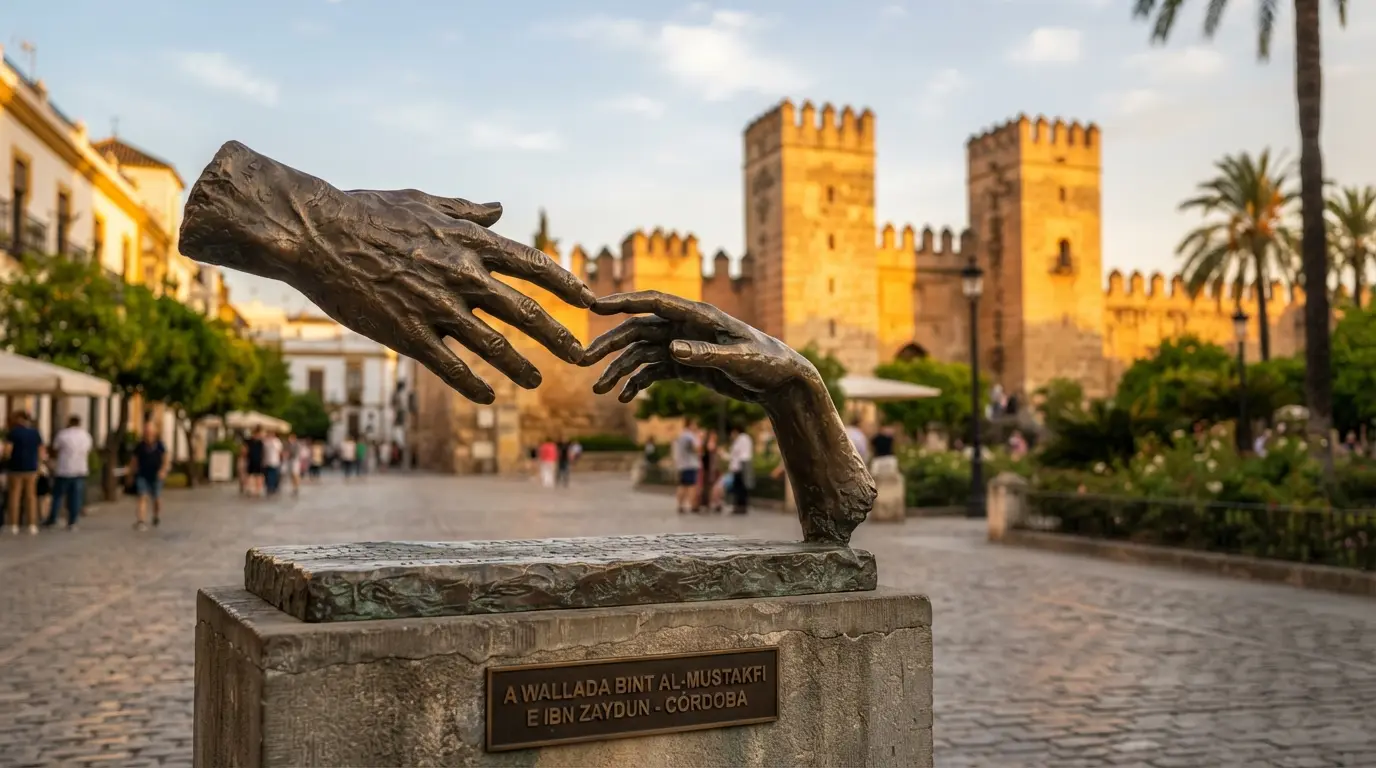
In El Campo Santo de los Mártires, the plaza beside the Alcázar de los Reyes Cristianos, a bronze sculpture of two reaching hands was placed in 1971 to mark the 900th anniversary of Ibn Zaydun's death.[12] The hands do not quite touch. Standing in front of it is the closest a visitor gets to the emotional register of the nine poems: reaching, not arriving.
Deep dive · Article
Ibn Hazm's Ring of the Dove: Córdoba's Love Treatise
Ibn Hazm's Ring of the Dove (1022 CE) is the medieval Arab world's most searching analysis of love and one of the most readable books to survive Al-Andalus.
The Judería, Córdoba's old Jewish and multi-faith quarter just north of here, is worth combining with the visit. It is not where Wallada's own salon operated, that would have sat in the wealthier residential districts closer to the Umayyad court, but it preserves the density and street scale of the eleventh-century city better than anywhere else in Córdoba, and it sits a ten-minute walk from the plaza. Go in the late afternoon, when the light in the Campo Santo de los Mártires turns the bronze warm rather than cold.