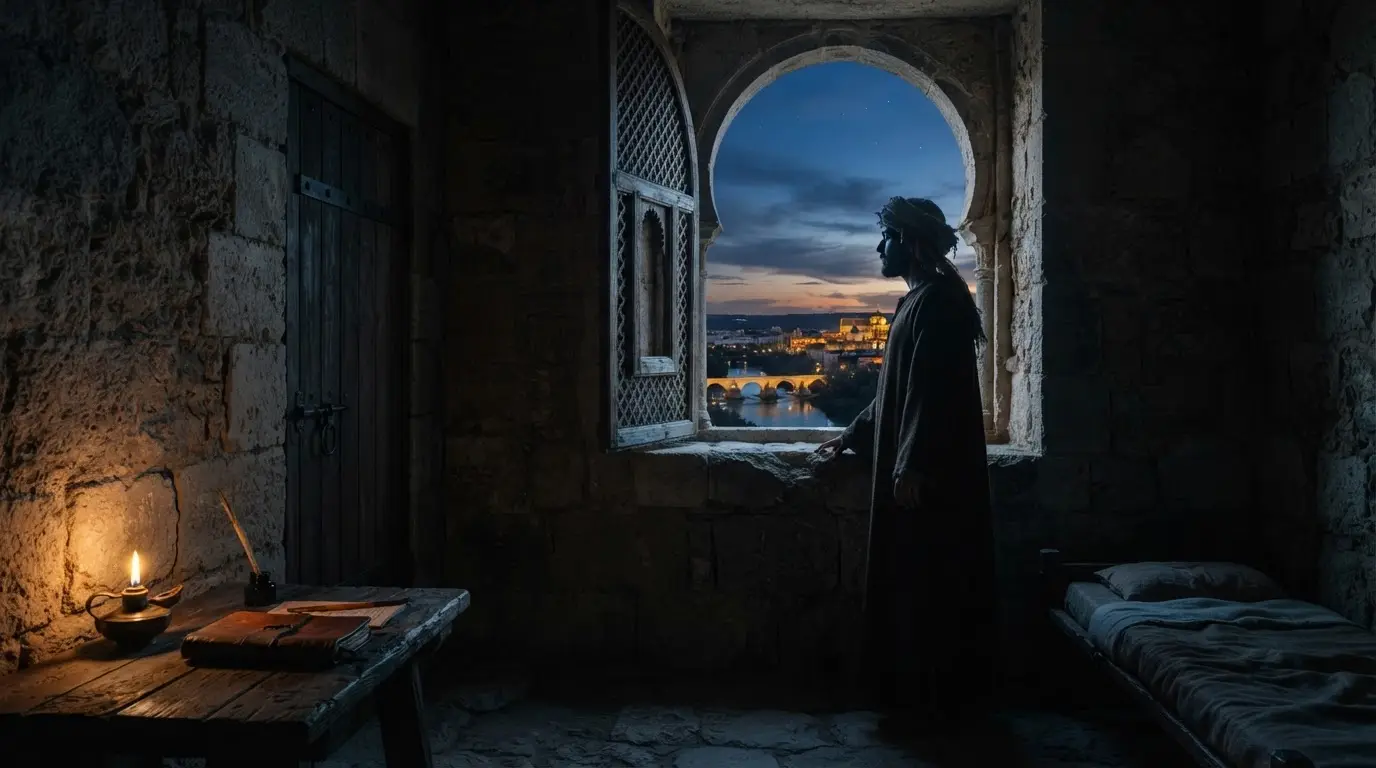
Ibn Zaydún: Córdoba's Exiled Poet Turned Ambassador
Imprisoned in Córdoba, exiled to Seville, and dead as an ambassador by 1071: the political life of poet Ibn Zaydún, distinct from his romance with Wallada.
Read the full story
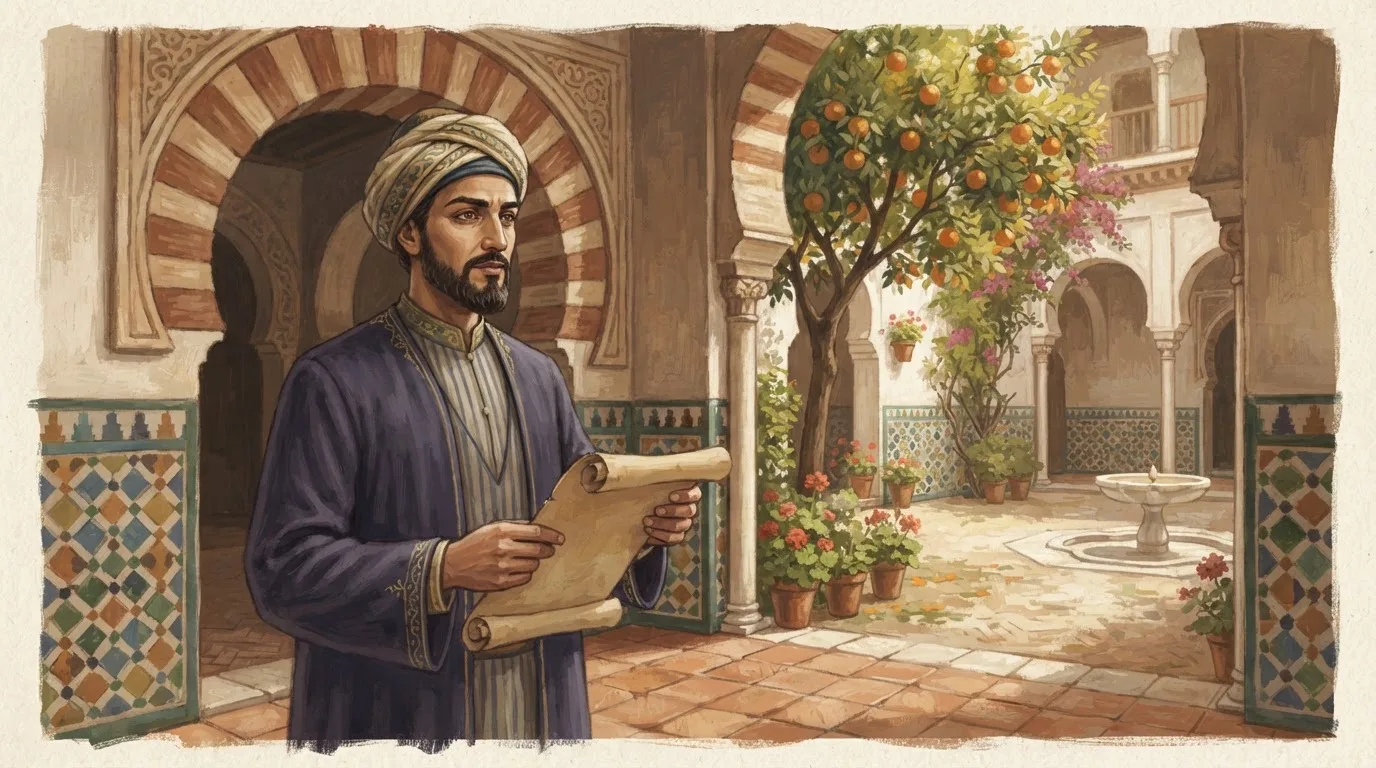
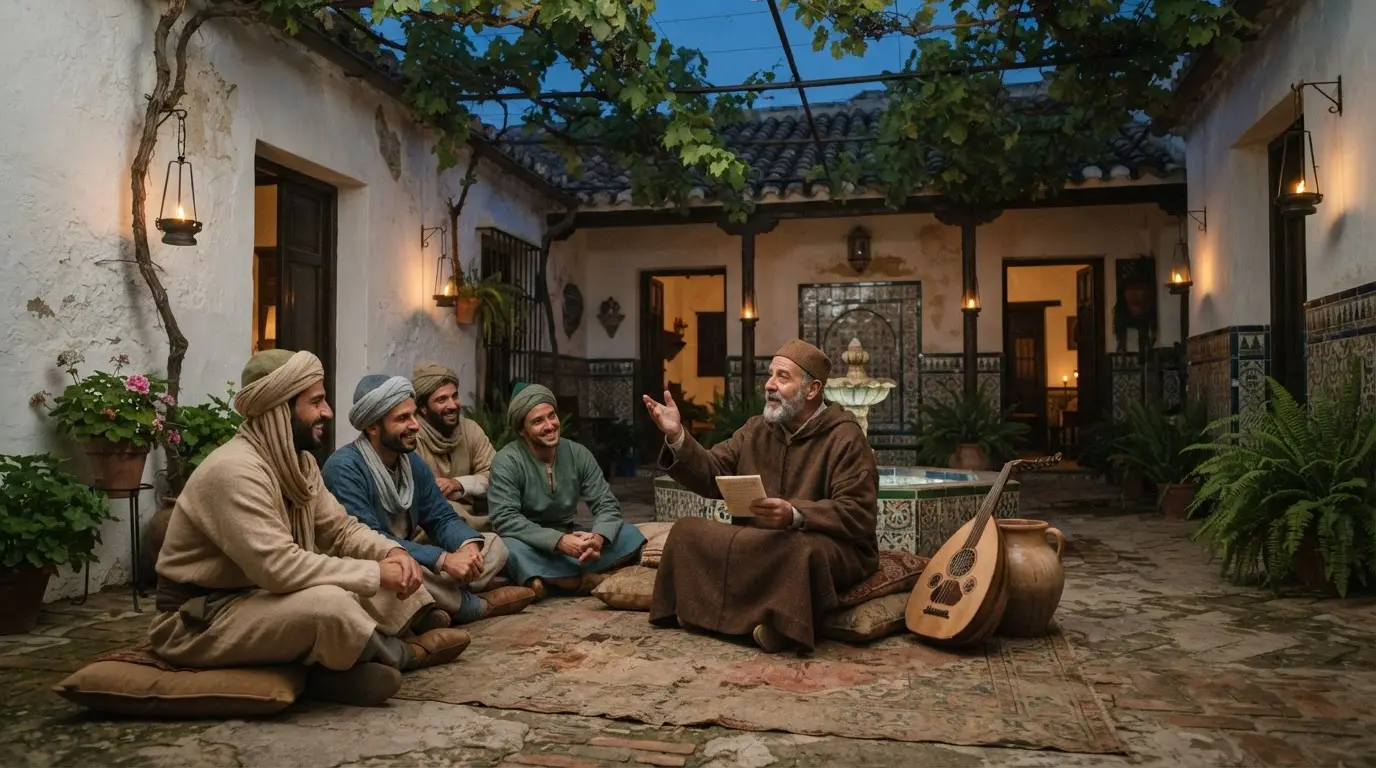
Ibn Zaydun was born in Córdoba in 1003 into an aristocratic Andalusian family and died in 1071. He is often called the greatest neoclassical poet of al-Andalus, and he was a courtier and diplomat as well as a writer: the career that made his name ran through the rival courts of the taifa age, and his verse is steeped in exile and longing for his home city.
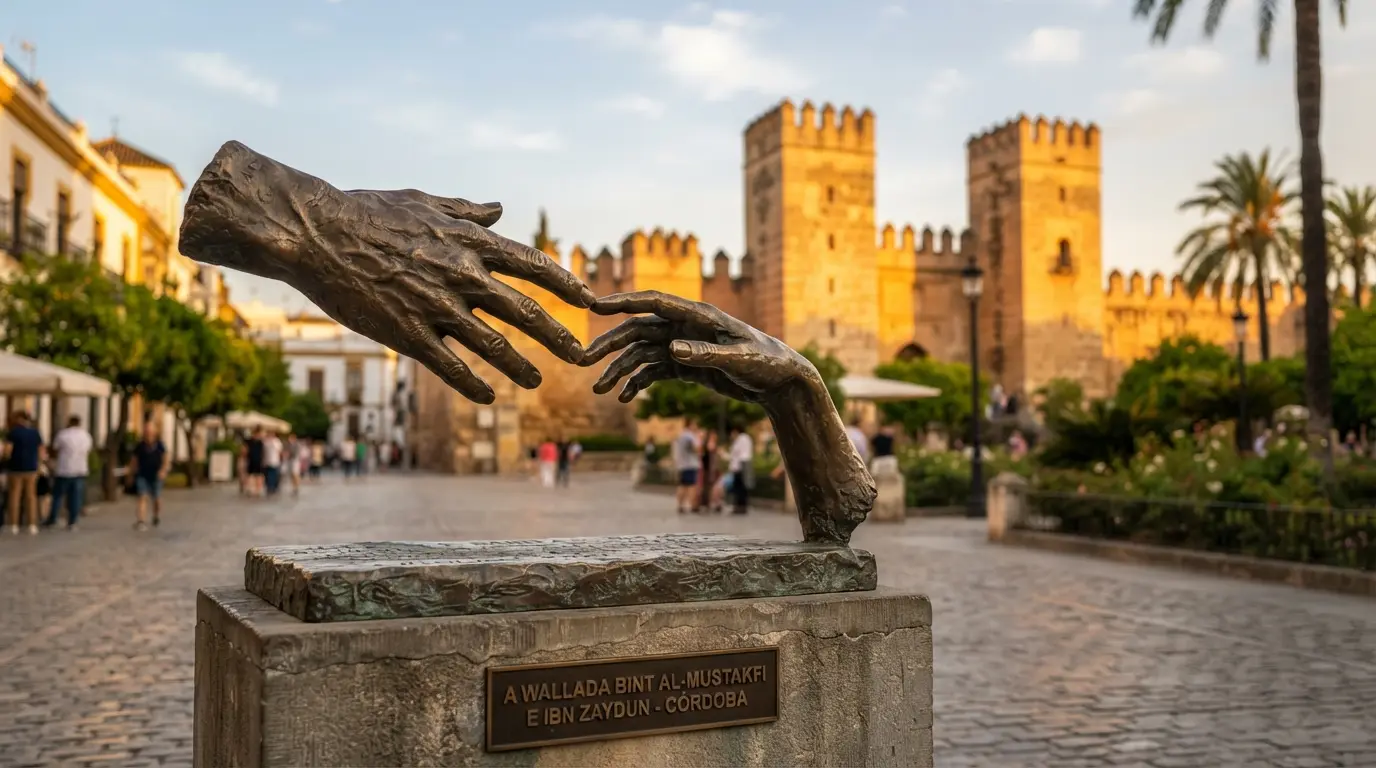
The place to find him in Córdoba is the Monument to the Lovers in the Campo Santo de los Mártires, unveiled in 1971 to commemorate his romance with the poet and princess Wallada bint al-Mustakfi. It is a temple-shaped monument with two hands at its centre, and it carries no portrait of him.
For the Córdoba he served and fled, read about the Banu Jahwar republic of Córdoba. The prison years, the escape to Seville and the ambassadorial career are told in full in Ibn Zaydún, Córdoba's Exiled Poet Turned Ambassador: read the full story there.
1031–1236
The caliphate broke into taifa kingdoms in 1031, and Córdoba later passed between local rulers and the Almoravid and Almohad dynasties. Averroes and Maimonides were born here, though Maimonides' family fled Almohad rule around 1148.
1126–1198 Historical figure
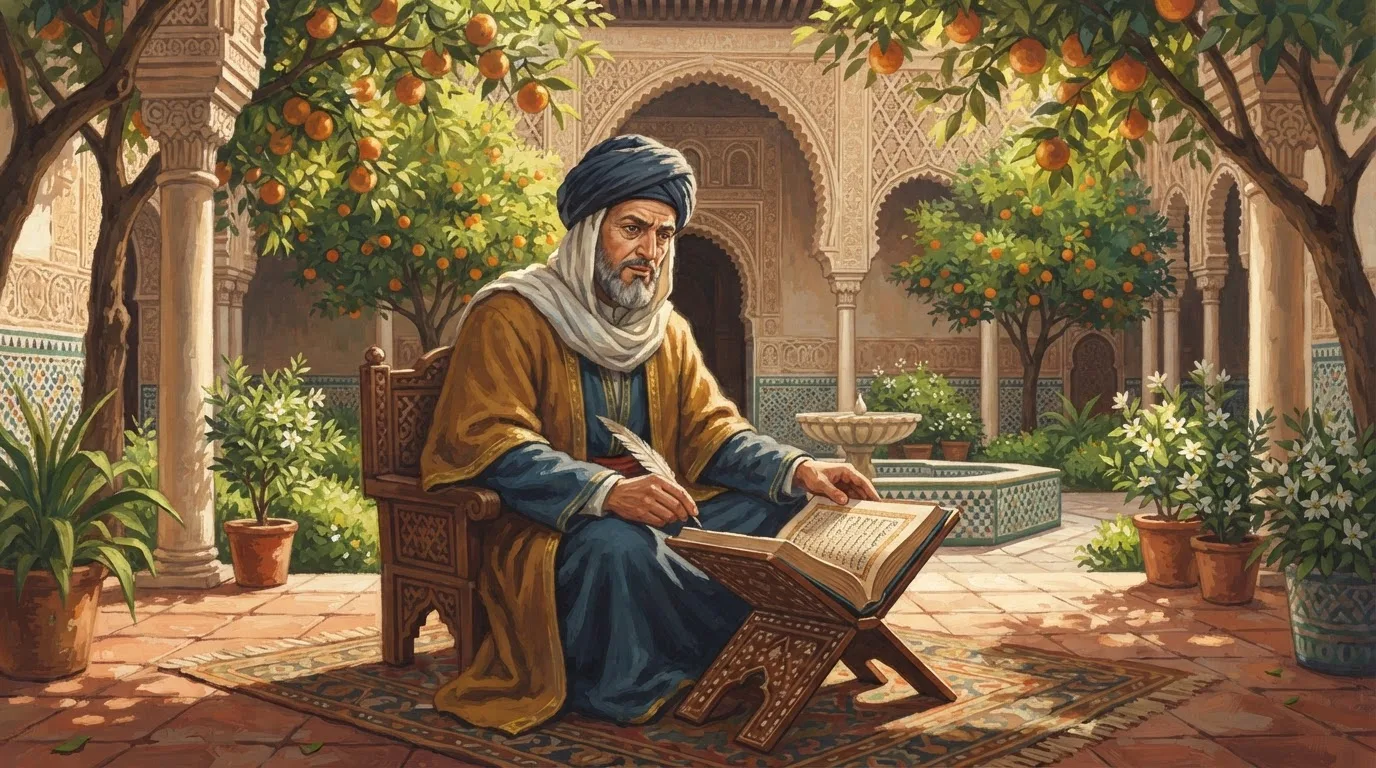
Averroes (Ibn Rushd) was born in Córdoba in 1126, served as its qadi and wrote on Aristotle. See the statue on Calle Cairuán and where to read his full story.
c. 1138–1204 Historical figure
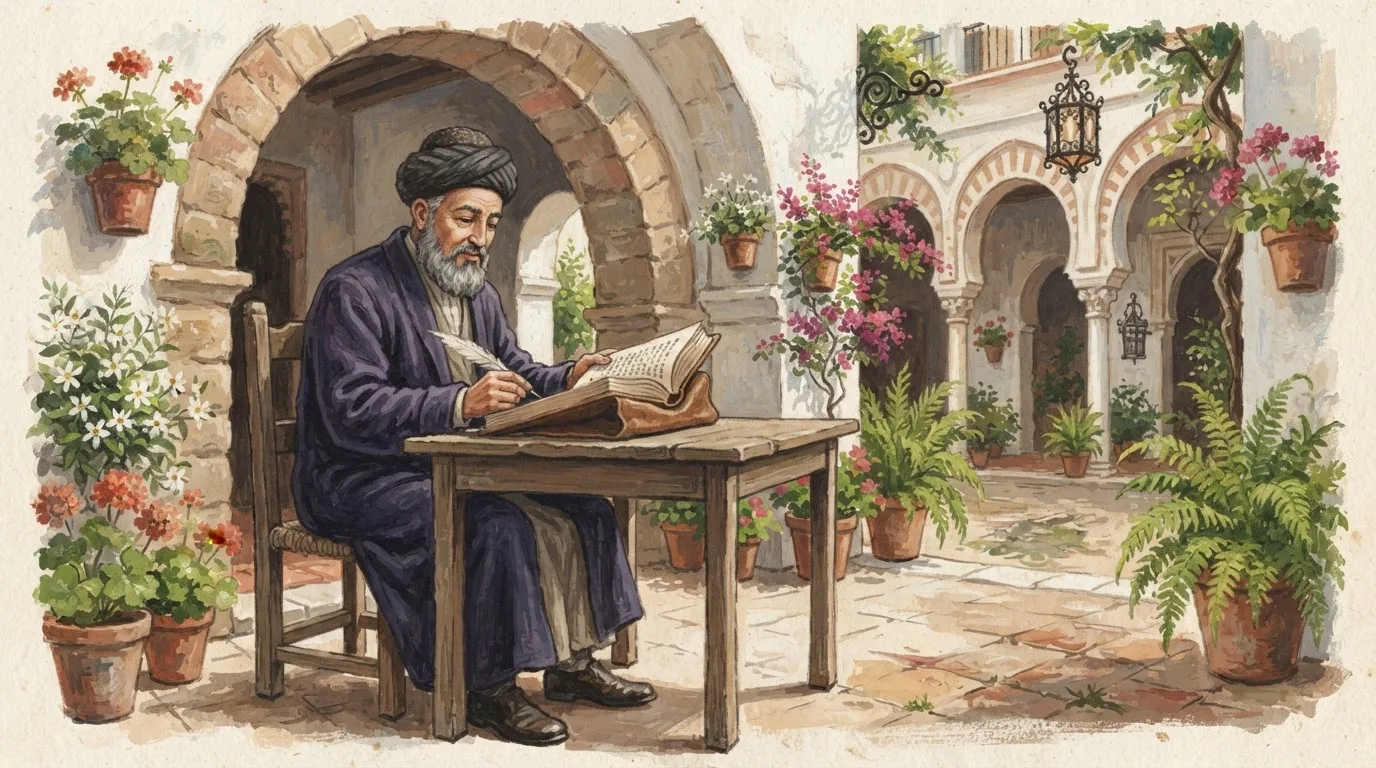
Maimonides (Moses ben Maimon) was born in Córdoba c. 1138 and died in Cairo in 1204. Find his statue in the Judería and the best place to read his full story.
Undated
Monument
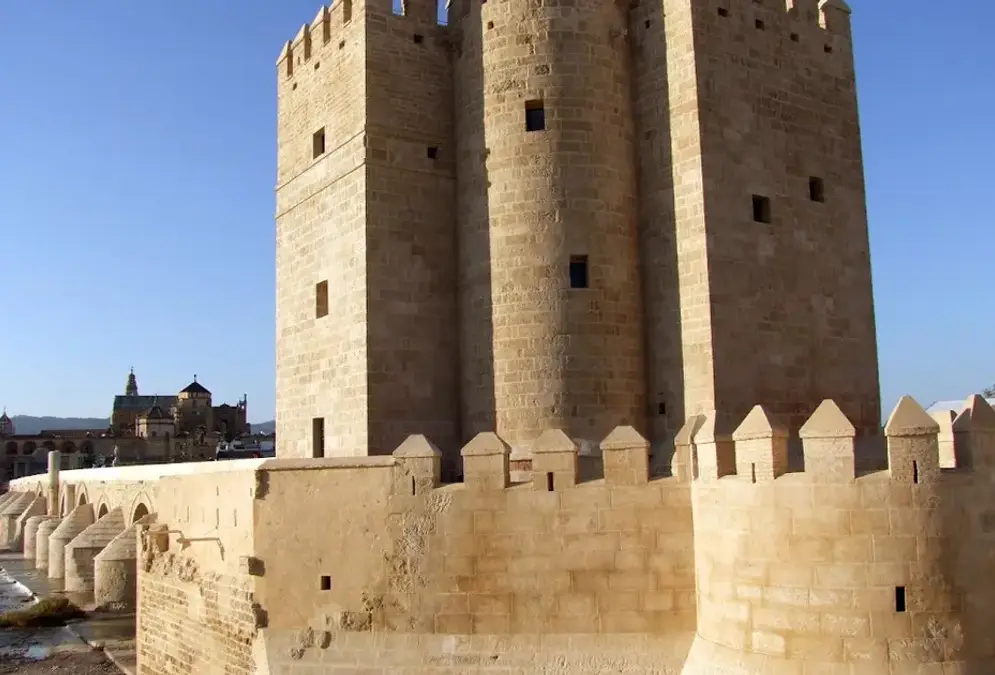
12th-century Islamic tower at the end of the Roman Bridge. Museum of Al-Andalus with rooftop views of the Mezquita and Guadalquivir. €4.50 adult entry.