Articles · Food & drink
Córdoba food and drink: salmorejo, wine and local dishes
Everything about Córdoba's table: the cold soups, the stews, the fried dishes, and the wine region next door. Written for travelers deciding what to order before they sit down, not after.
10 articles
Food & drink: the big picture

Written by
Pedro Del Pozo Seven years covering Córdoba's gastronomy, taberna culture, and the Montilla-Moriles DO.
Córdoba's kitchen tells the same layered story as its monuments, just in food instead of stone. Salmorejo, the thick cold tomato-and-bread cream every taberna serves, traces back through Roman dishes like posca and moretum, and depends on pan de telera bread absorbing the tomato-oil emulsion at roughly a 1:5 ratio, about 200 grams of bread per kilo of tomatoes; get that wrong and you have soup, not salmorejo. Berenjenas con miel, fried aubergine drizzled with cane syrup, is a more direct Moorish inheritance, a sweet-savoury combination that survived the Reconquista on Córdoba's menus even after the cooks who invented it were gone.
Meat and drink round out the table. Rabo de toro, slow-braised oxtail, runs €16–24 a portion in the city's restaurants and is taken seriously enough that the Cofradía del Rabo de Toro Cordobés holds its own symposium on the dish, presented at the University of Córdoba. Flamenquín, the fried pork-and-jamón roll that shows up on every tapas menu, has only been a taberna staple since the 1960s, and its exact birthplace is still disputed between Córdoba and neighbouring Andújar.
To drink, order Montilla-Moriles rather than sherry: made from Pedro Ximénez grapes on chalky albariza soil, it reaches fino strength naturally, the same strengths Jerez reaches only by adding grape spirit, though the word "sherry" legally belongs to Jerez under its own DO regulations regardless of production method. The region also produces an amontillado-style wine, the same style Edgar Allan Poe made famous in "The Cask of Amontillado," even though Poe's story never actually names Córdoba.
Planning a visit?
For where to eat each dish and what to order at each spot: Córdoba food guide
More food & drink articles
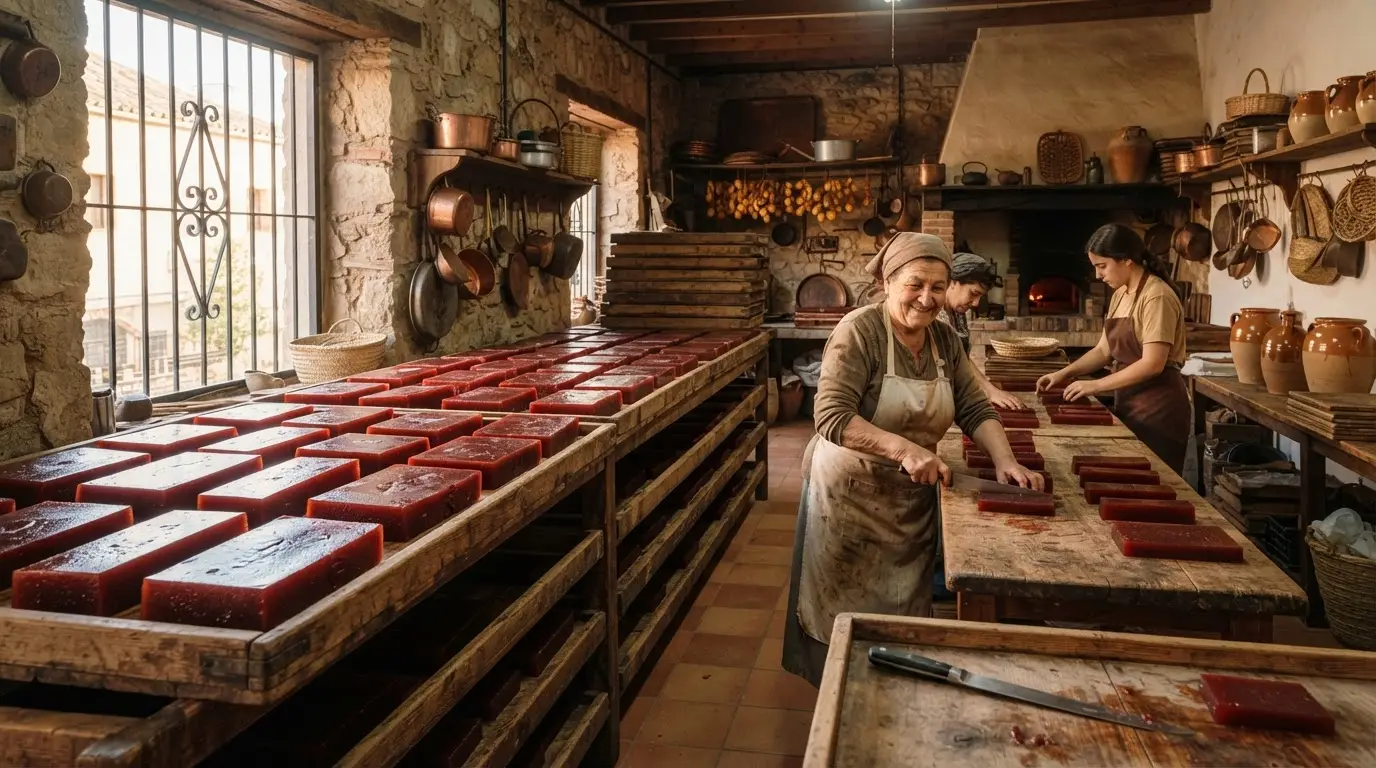
How a Small Córdoba Town Became the World Capital of Quince Candy
Pedro Del Pozo
A Córdoba province town of 30,000 makes more than 10,000 tonnes of quince paste a year. The 1840 shop that grew into an industrial export trade, explained.
Read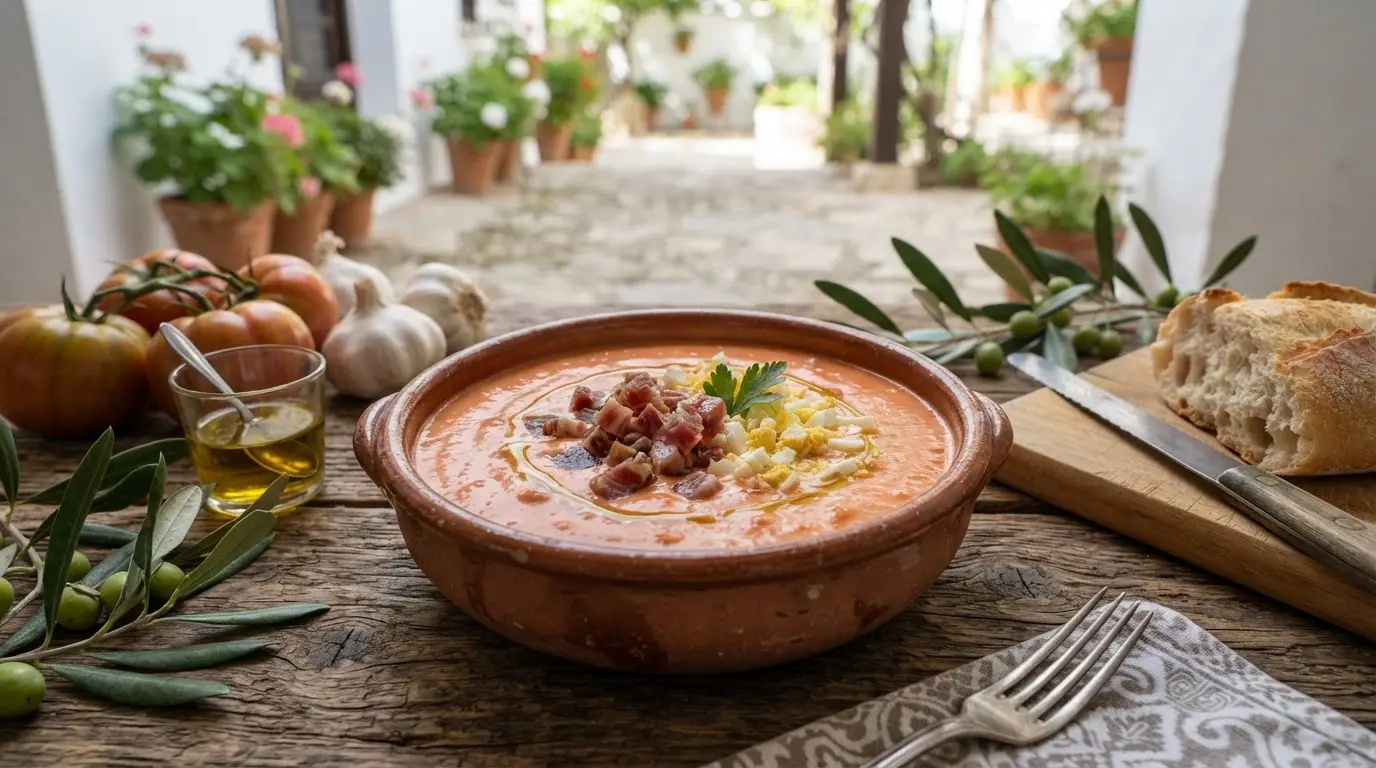
Salmorejo vs gazpacho: why Córdoba's stays thick
Pedro Del Pozo Updated
Seville got gazpacho. Córdoba got salmorejo. Both cities, identical climate, 150 km apart — yet completely different cold soups. Here's why the split happened.
Read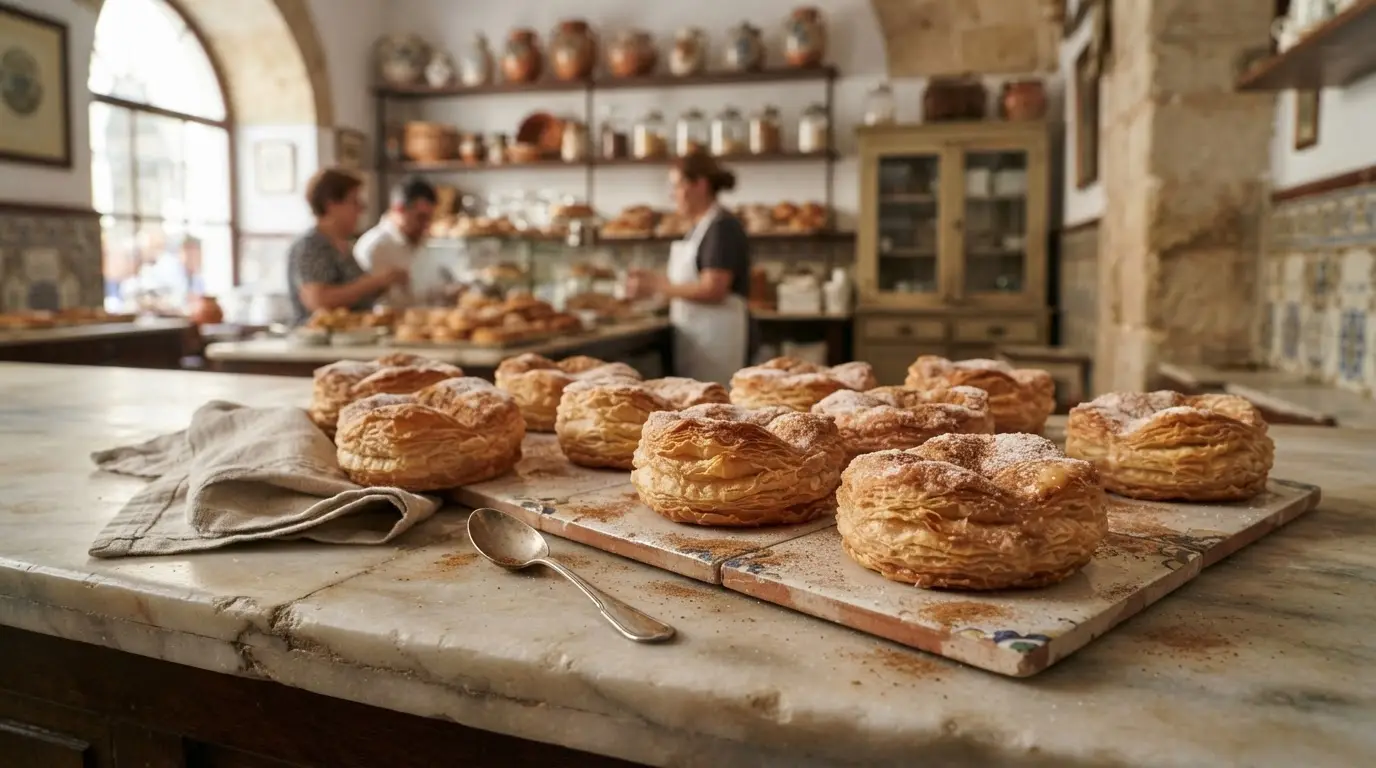
Pastel Cordobés: The Pastry Named After a Bullfighter
Pedro Del Pozo Updated
Flaky pastry filled with candied pumpkin, the pastel cordobés has Moorish roots. A Córdoba confectioner named the miniature Manolete version in the 1940s.
Read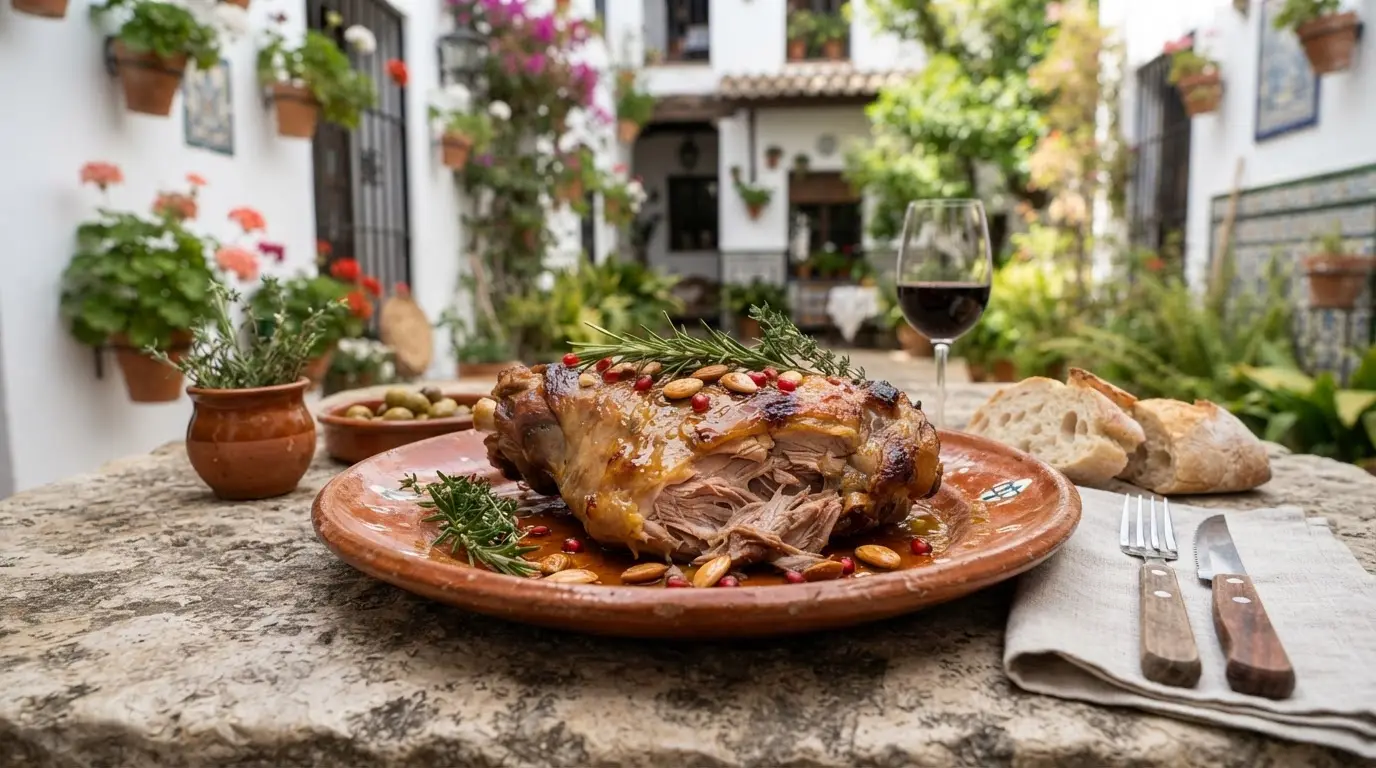
Cordero a la Miel: Córdoba's 10th-Century Lamb Recipe
Pedro Del Pozo Updated
Cordero a la miel descends from the lamb-and-honey tradition of caliphal Córdoba. The culinary history behind Córdoba's most layered slow-roasted dish.
Read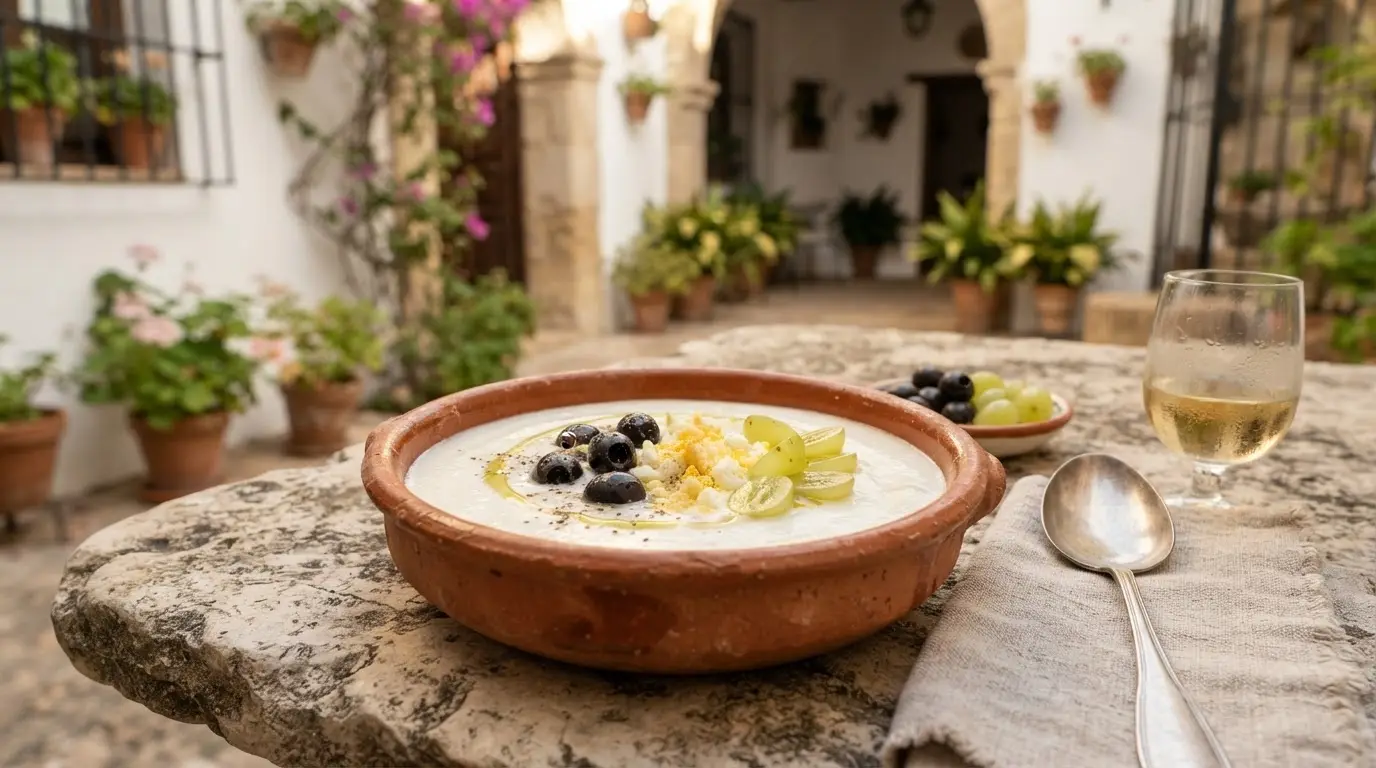
Mazamorra Cordobesa — The Ancient White Soup Before Salmorejo
Pedro Del Pozo Updated
Mazamorra cordobesa predates salmorejo by eight centuries. Bread, almonds, garlic, olive oil: Córdoba's ancient cold soup, eaten before tomatoes ever arrived.
Read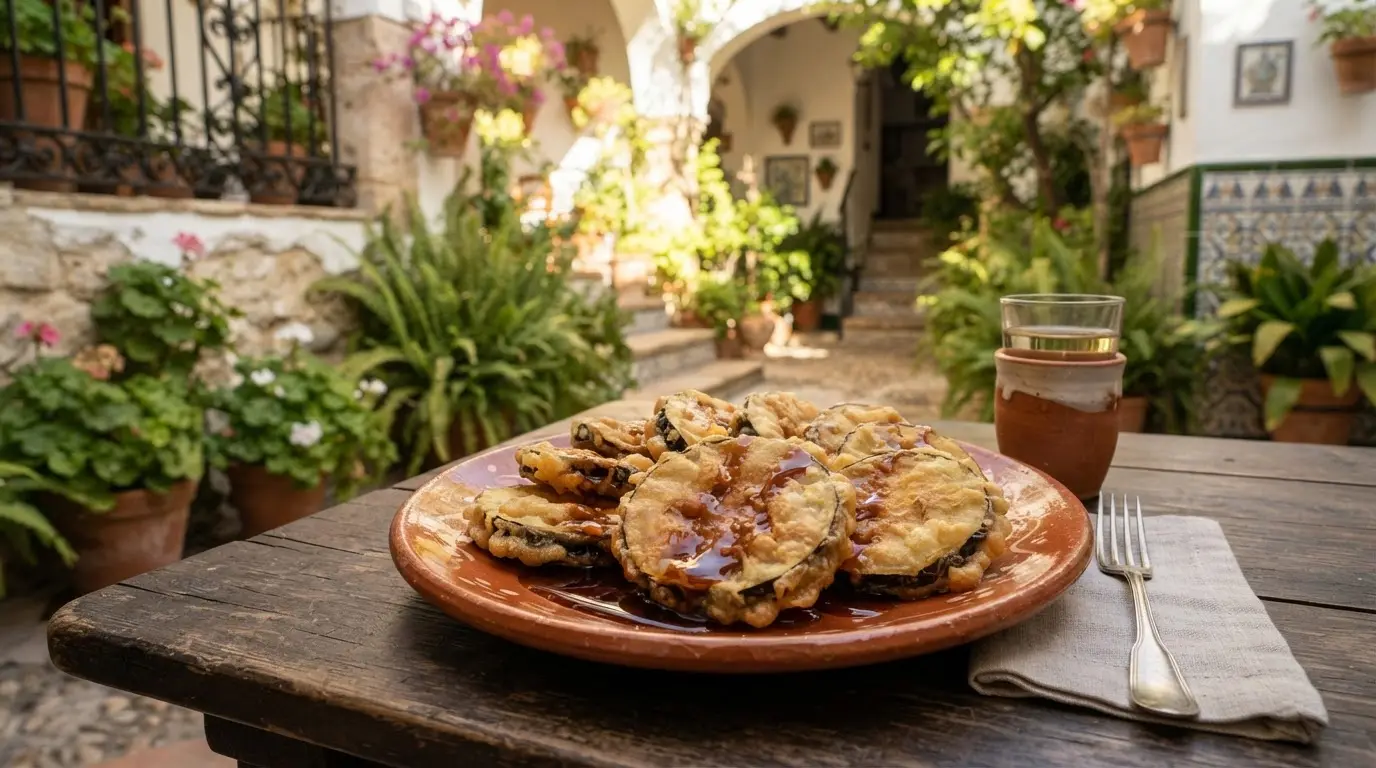
Berenjenas con Miel — Moorish Roots of Córdoba's Sweetest Tapa
Pedro Del Pozo Updated
The Moorish origin of berenjenas con miel traces to 8th-century Al-Andalus, where fried aubergines and honey defined sweet-savoury cooking in Córdoba.
Read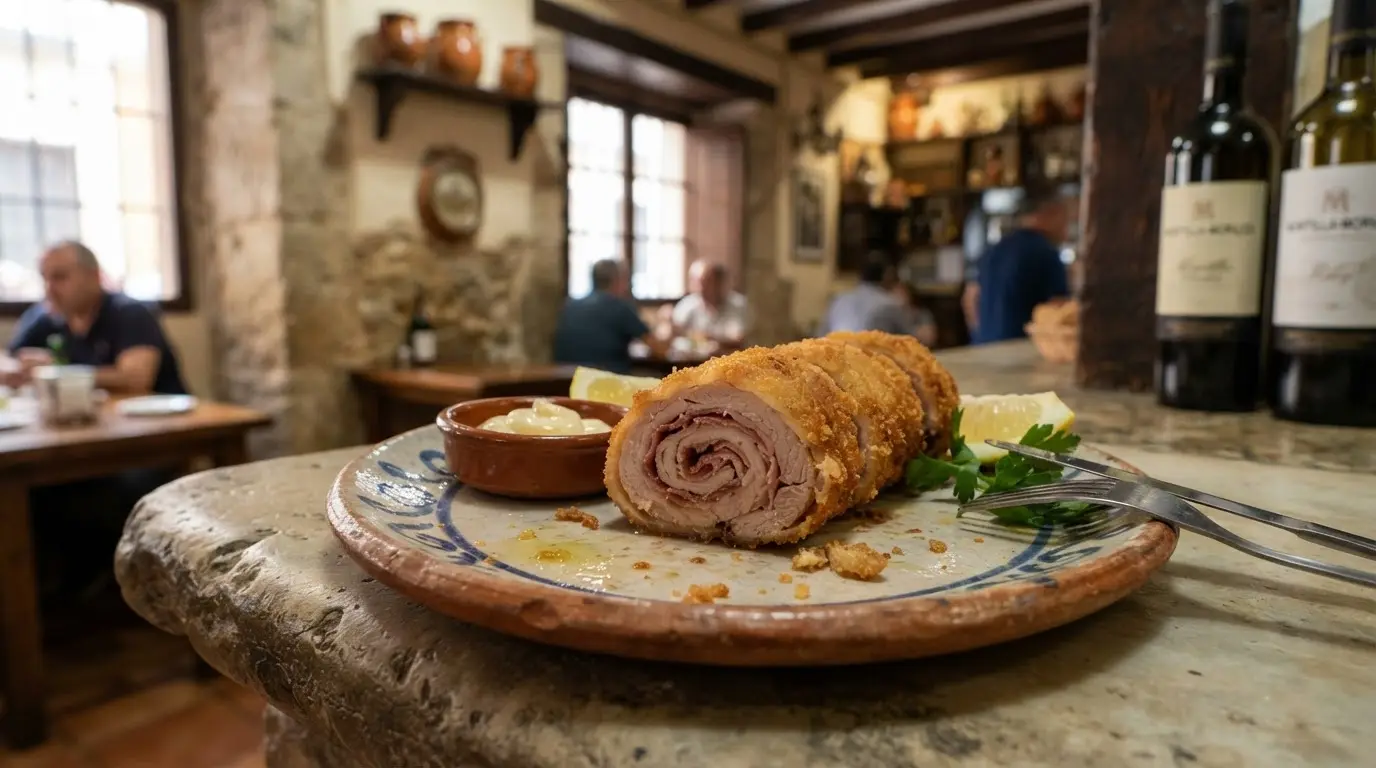
Flamenquín: Córdoba's Crispy Roll With a Disputed Past
Pedro Del Pozo Updated
Flamenquín's origin is disputed between Córdoba and Andújar — but the crispy pork roll became a taberna staple in the 1960s. History, recipe, best spots.
ReadFrequently asked questions
What makes a proper salmorejo different from gazpacho?
Salmorejo is thicker and uses a much higher proportion of bread, roughly 200 grams per kilo of tomatoes, near a 1:5 ratio, which turns it into a smooth cream rather than a thin soup. The bread, traditionally day-old pan de telera, is what makes the texture possible; without it you get a loose tomato soup instead.
Is berenjenas con miel actually a Moorish dish?
Yes, a recipe that has changed almost nothing in eight centuries. Fried aubergine drizzled with sweet syrup reflects the sweet-savoury combinations common in al-Andalus cooking, and the dish survived the Reconquista and centuries of Christian rule to remain a Córdoba tapas staple today, typically made with miel de caña, cane syrup, rather than honey.
Where does flamenquín actually come from?
The birthplace is genuinely disputed. Córdoba and the nearby town of Bujalance both claim the fried pork-and-ham roll as their own, and Andújar in neighbouring Jaén province makes a competing claim too. Its modern, standardised form dates from the 1960s, whatever older roots either origin story claims.
Why isn't Montilla-Moriles wine legally called sherry?
The Pedro Ximénez grapes grown in Montilla-Moriles's hot inland climate and chalky albariza soil reach fino-strength alcohol naturally, without the addition of grape spirit after fermentation, unlike Jerez's wines. But the deciding factor is legal, not just production: "sherry" is a protected designation reserved for wines from the Jerez region under its own DO rules, regardless of style.
Why does rabo de toro have its own academic symposium?
The Cofradía del Rabo de Toro Cordobés, a local gastronomic brotherhood, organises symposiums specifically on rabo de toro, presented at the University of Córdoba. It reflects how seriously the city takes its signature dishes as heritage rather than simple home cooking.