Articles · Arts & culture
Córdoba's arts and culture: leather, filigree and poetry
Beyond the monuments: Córdoba's leatherwork and silver filigree workshops, its painters and poets, and its modern cultural moments, from a Game of Thrones filming location to the 2016 European Capital of Culture.
12 articles
Arts & culture: the big picture

Written by
Sophie Marchand Art history background with eight years writing interpretive content on Córdoba's Caliphal heritage.
Craft and performance run just as deep in Córdoba as its monuments, even if they get less attention from first-time visitors. Flamenco's history in the city runs through the peñas of Santa Marina and San Lorenzo, members' clubs that kept cante jondo, flamenco's most demanding vocal style, alive through the Franco era when commercial flamenco favoured lighter forms. UNESCO recognised flamenco as intangible cultural heritage in 2010.
The Judería still holds working silver filigree workshops, craftsmen twisting fine silver wire into arabesque patterns that trace back to the city's caliphal metalworking tradition. A related leather craft, guadamecí, gilded and painted embossed sheepskin, was once a prized luxury export across European courts. It's a different craft from cordobán, the soft tanned goatskin also produced in the city, which gave English the word "cordwainer," for a fine shoemaker.
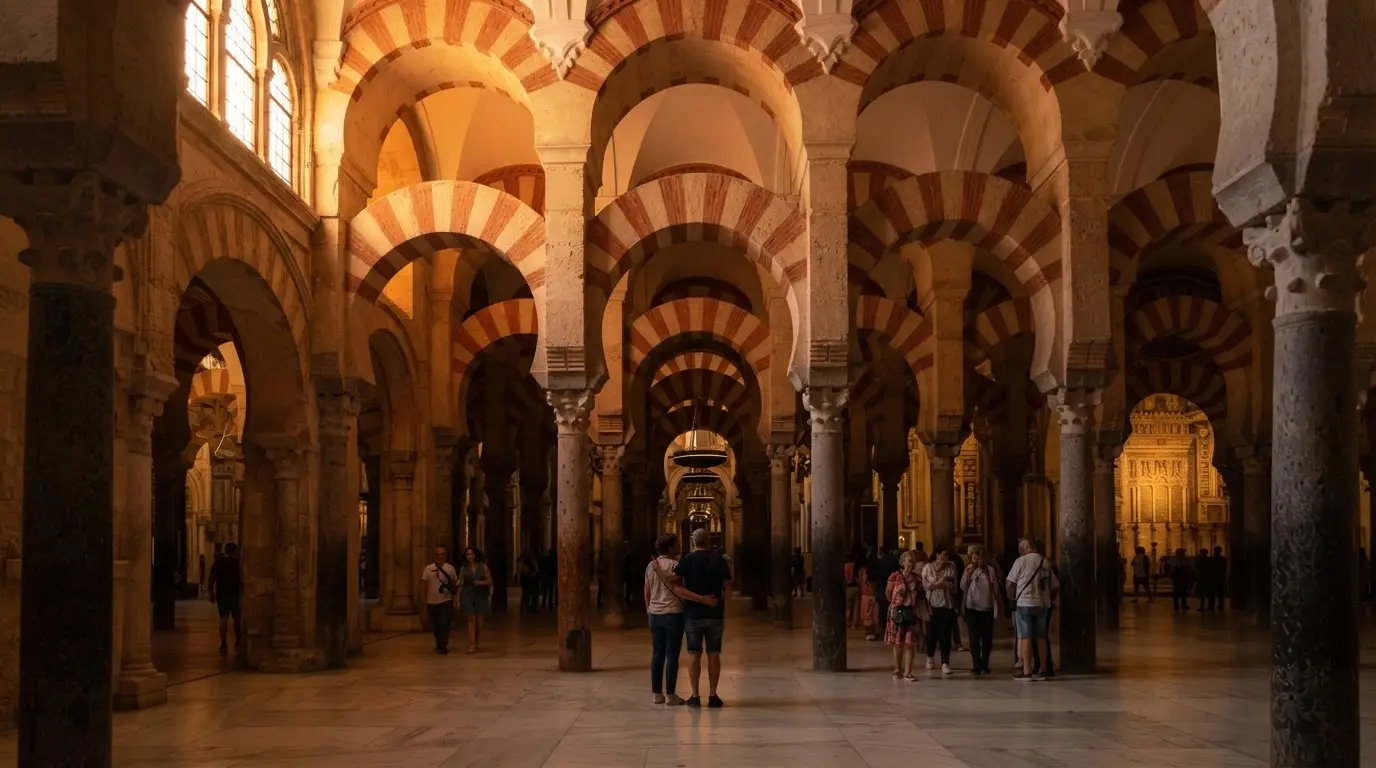
Even Córdoba's newest cultural moments borrow from the old ones. HBO's Game of Thrones built Dorne's look from medieval Córdoba's Umayyad architecture, and nearby Castillo de Almodóvar del Río, a genuinely Arab-built fortress dating to around 740 CE, doubled as Highgarden, ancestral home of House Tyrell, though Dorne itself was filmed in Seville. Start with whichever craft or tradition matches what you actually plan to see, since a workshop visit and a flamenco evening make very different afternoons.
Planning a visit?
For a practical route through the city's workshops, galleries and craft shops: Córdoba for art lovers
More arts & culture articles
Córdoba's 2027 Mediterranean Capital of Culture and Dialogue
Sophie Marchand
Córdoba shares the 2027 Mediterranean Capital of Culture and Dialogue title with Saida, earned by a Caliphal-era history of translation, not modern myth.
Read
Córdoba's Culture Bid Failed. Its Poetry Festival Didn't.
Sophie Marchand
Córdoba lost its bid to become European Capital of Culture. The poetry festival born from that ambition in 2004, first led by Raúl Alonso, outlived it.
Read
Hombre Río Sculpture Córdoba: Twenty Years Afloat
Sophie Marchand
Meet Córdoba's Hombre Río, the unauthorised river sculpture that drew crowds, broke free in a flood and returned to public view in altered form at the zoo.
Read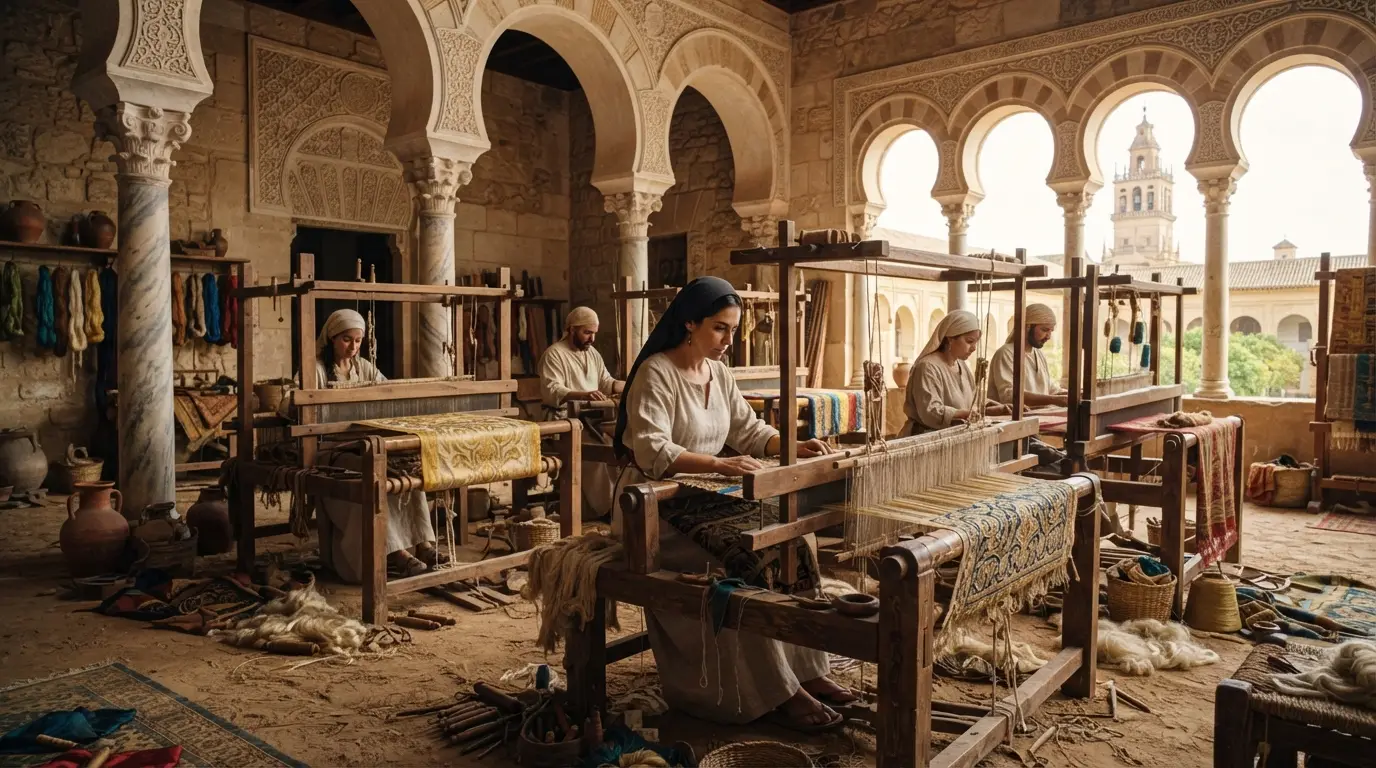
Córdoba Silk Industry History: The Rise of Tiraz
Sophie Marchand Updated
Córdoba ran al-Andalus's first state silk workshop, the dar al-tiraz, weaving robes of caliphal power before the industry shifted to Almería after 1031.
Read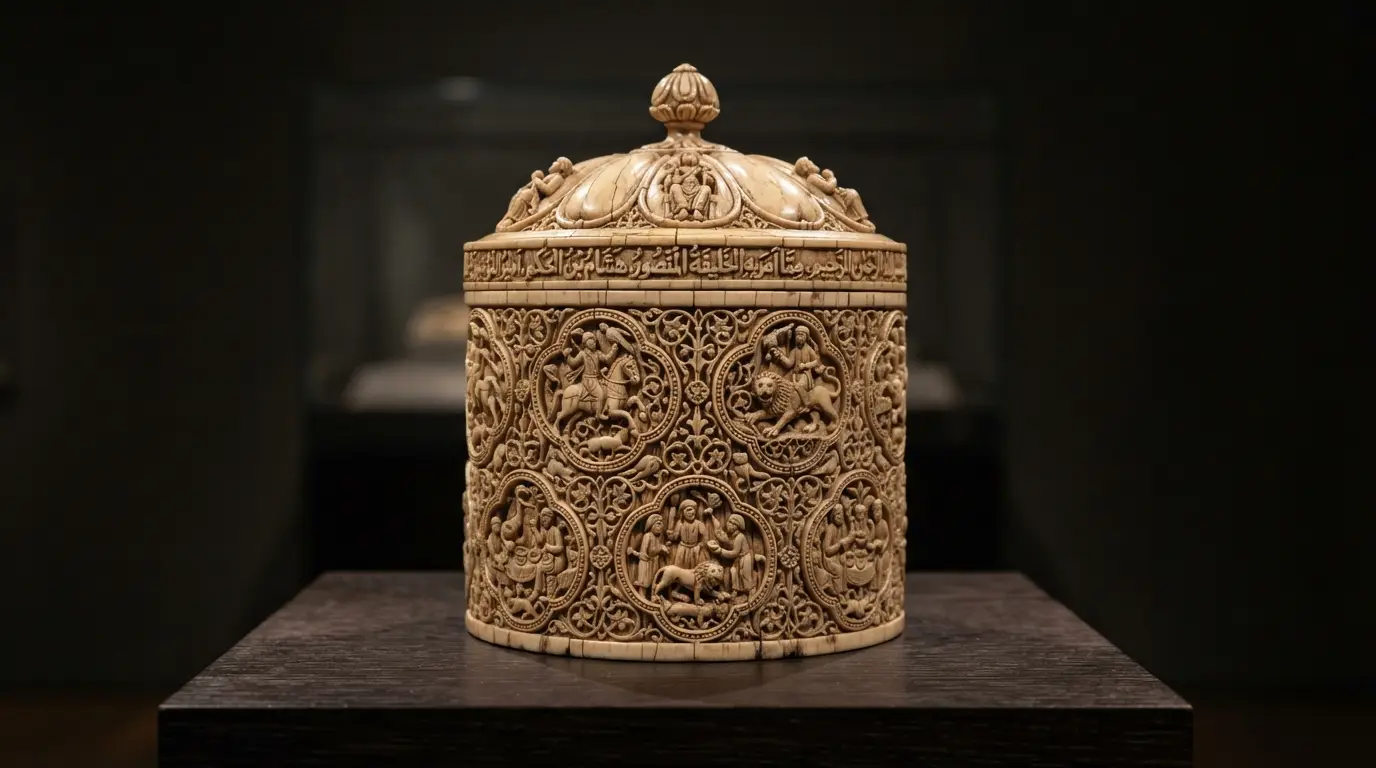
Pyxis of al-Mughira: Córdoba's Ivory Succession Plot
Sophie Marchand Updated
The Pyxis of al-Mughira is a 968 CE ivory box carved in Córdoba's Madinat al-Zahra workshop, its medallions read as a coded warning about caliphal succession.
Read
Cordobans in Dante's Inferno: Three Philosophers in Limbo
Sophie Marchand Updated
Seneca, Lucan, and Averroes: three Córdoba-born intellects who share a single canto of Dante's Inferno. Why the poet admired them yet placed them in Limbo.
Read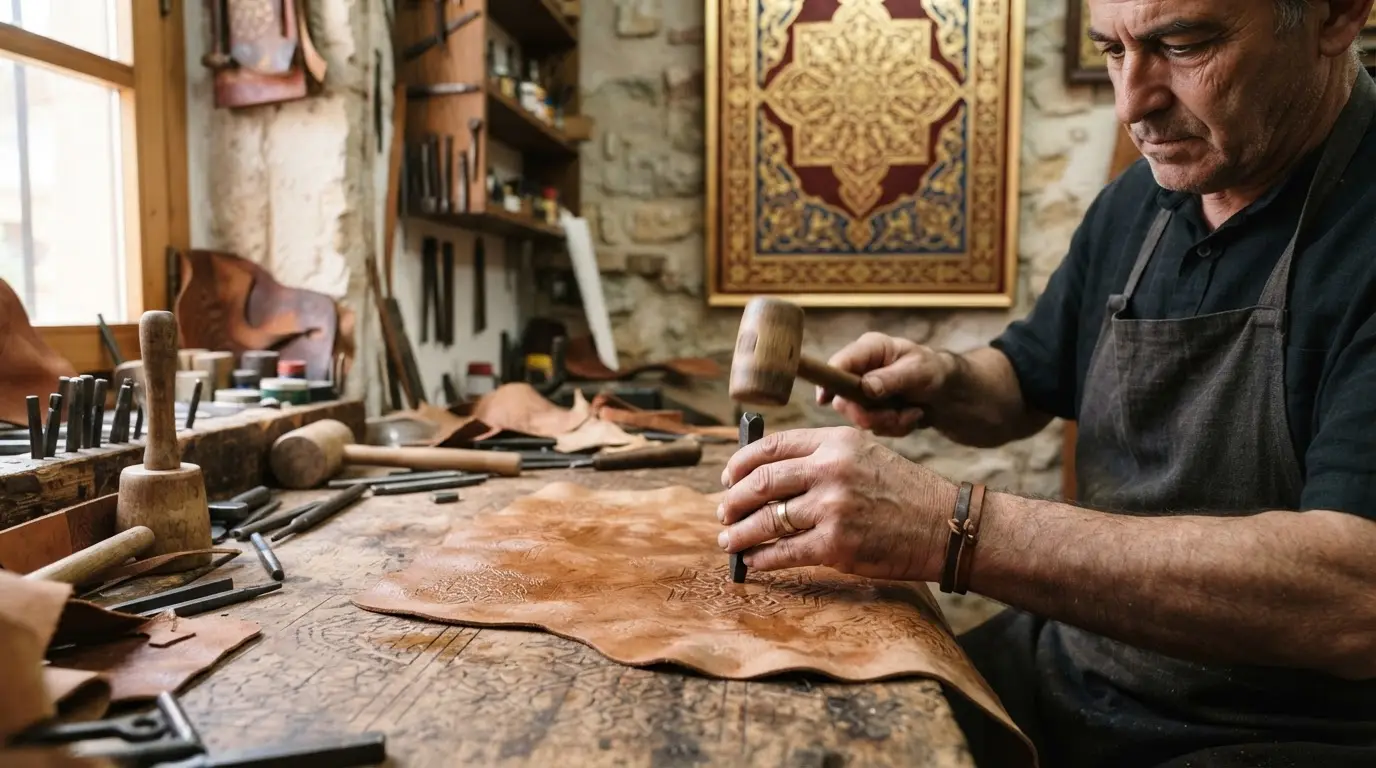
Cordobán Leather: The Craft That Named the English Cordwainer
Sophie Marchand Updated
Córdoba gave English its word for shoemaker. How medieval goatskin tanned with sumac became Europe's finest leather and named a London guild still active today.
Read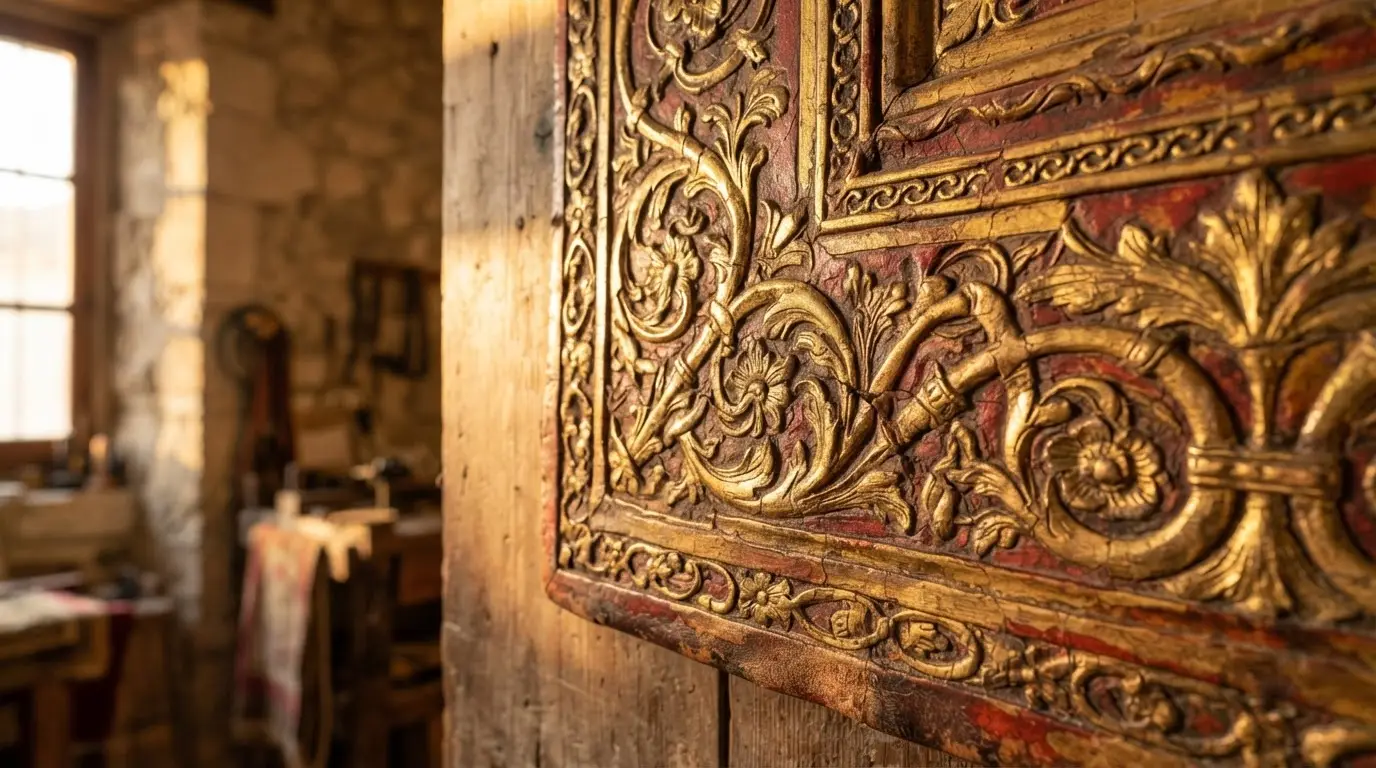
Guadamecí: The Leather That Furnished Royal Courts
Sophie Marchand Updated
Guadamecí leather Córdoba: gilded sheepskin panels that furnished European palaces. History, technique, revival, and where to see it in the Judería today.
Read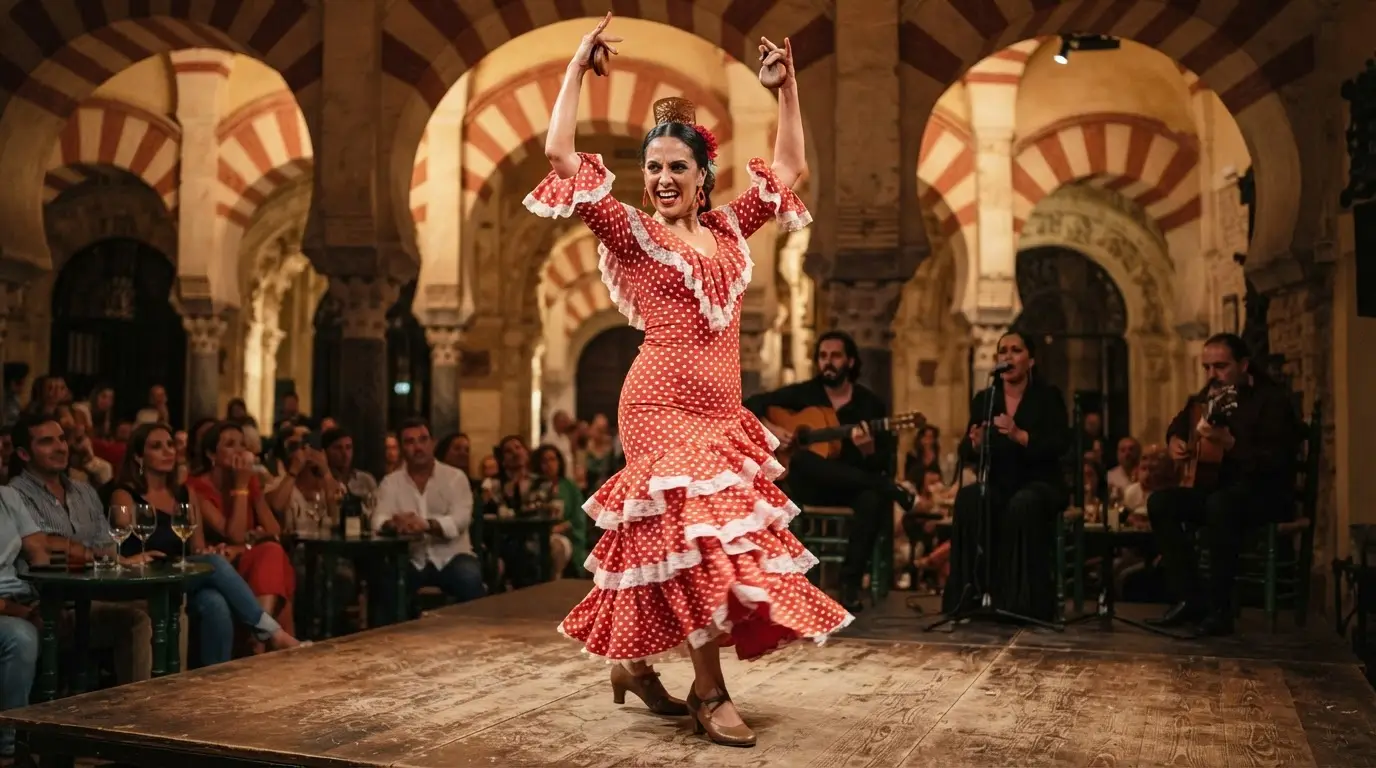
Sevillanas vs Flamenco: What Tourists Always Confuse
Sophie Marchand Updated
Sevillanas is a four-copla folk dance anyone can learn in an afternoon. Flamenco takes years and depends on duende. Here's the real difference, explained.
ReadFrequently asked questions
When did flamenco gain UNESCO recognition?
UNESCO added flamenco to its Representative List of the Intangible Cultural Heritage of Humanity in 2010. The listing recognises flamenco as a living tradition, not a historical relic, which fits Córdoba's own peña flamenca clubs: members' clubs where cante jondo, flamenco's most demanding vocal style, has been kept alive since long before the recognition arrived.
What is a peña flamenca?
A members' club dedicated to flamenco, where aficionados gather to listen and sometimes perform outside the commercial circuit. Córdoba's peñas, concentrated in Santa Marina and San Lorenzo, kept cante jondo, flamenco's most serious vocal style, alive during the Franco era when commercial flamenco favoured lighter, more accessible forms.
What is guadamecí and why is it connected to Córdoba?
Guadamecí is gilded, painted, embossed leatherwork that made medieval Córdoba's tanneries famous across European courts. It's a different craft from cordobán, the soft tanned goatskin leather also produced in the city, which gave English the word "cordwainer," a fine shoemaker, when the trade crossed into medieval England.
Was Castillo de Almodóvar del Río really used for Game of Thrones?
Yes. The castle, of genuine Arab Umayyad origin from around 740 CE, was filmed in November 2016 as Highgarden, ancestral home of House Tyrell. Córdoba's Mezquita-Catedral also influenced the production design of Dorne more broadly, through its horseshoe arches and muqarnas-style domes.
Is Córdoba's silver filigree tradition still active today?
Yes, workshops in the Judería continue to produce filigrana, fine silver wire twisted and soldered into arabesque patterns, a craft tracing back to the city's caliphal-era metalworking tradition. It remains one of the clearest living links between Córdoba's Islamic past and its present-day craft economy.