Antonio Gala Chose Córdoba, and the City Kept Him
Art history background with eight years writing interpretive content on Córdoba's Caliphal heritage.
In this article
Jump to a section
A boy from Ciudad Real, brought up on Calle Nueva
Explore nearby · Monument
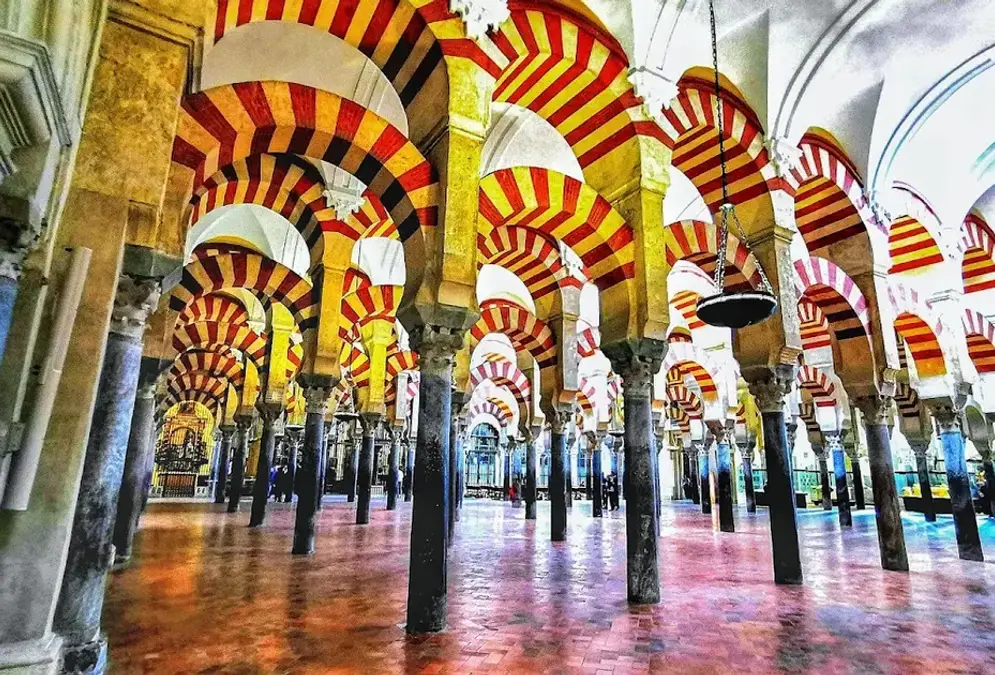
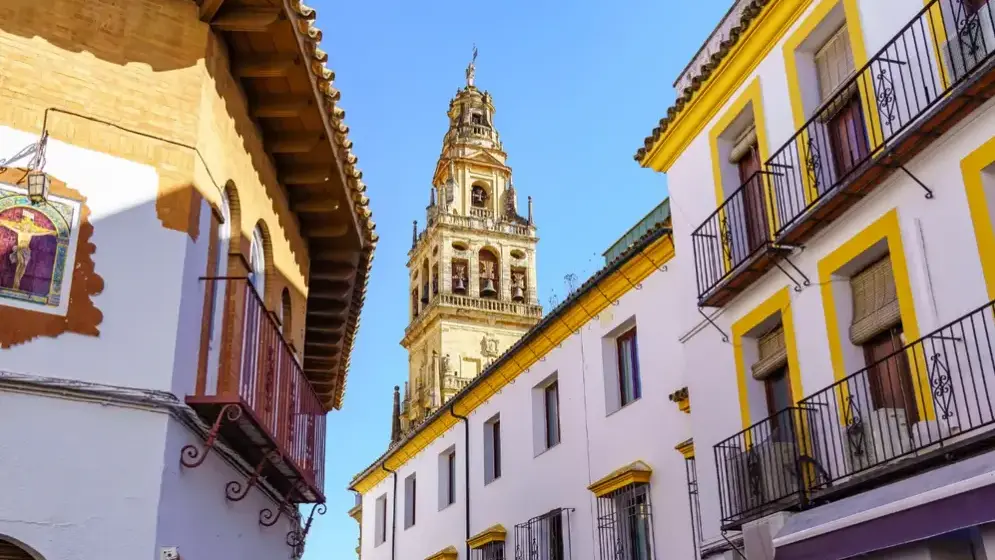
Mezquita-Catedral de Córdoba
856 columns, 1,300 years of Islamic and Christian history. UNESCO monument in Córdoba, Andalusia. Red-and-white arches, Byzantine mosaics, a Renaissance nave.
Plays, prizes and a poet who sold
500,000
A convent turned into a gift of time
No teachers, only time
A motto from the Song of Songs
The last years, the ashes and the legacy
Deep dive · Article
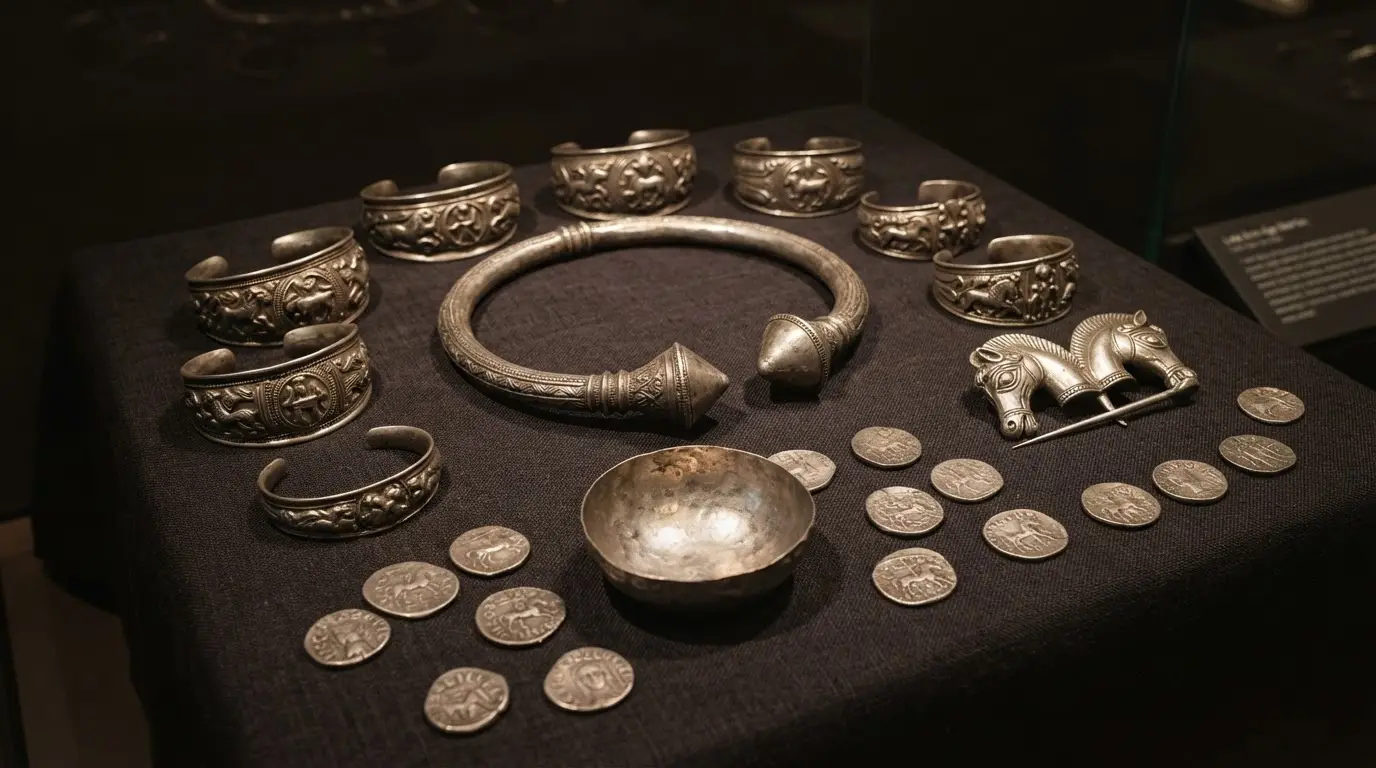
An Andalusian Treasure Has Sat in the British Museum Since 1932
A silver hoard dug up in Córdoba in 1915 left Spain against the law and has been in the British Museum since 1932. Here is how, and what a 2026 study found.
Visiting Gala's Córdoba: the exhibition and the convent
Recommended tours
Tours are selected for quality, not commission. We earn a small fee if you book — at no extra cost to you.
- The address is Calle Ambrosio de Morales 20, 14003 Córdoba.[38]
- Admission to both the permanent exhibition and the Espacio Gala hall is free.[37]
- A Diputación de Córdoba listing gives the exhibition hours as Monday to Friday 12:00 to 14:00 and 18:00 to 20:00, and Saturday 12:00 to 14:00.[36] The listing is undated, so phone the foundation on (+34) 957 487 395 to confirm before you go; the email is info@fundacionantoniogala.org.[38][39]
- Pair the visit with the Mezquita, the monument Gala said shaped his life.[43]
- For the city's poetry today, the festival Cosmopoética began in 2004.[44]
Frequently asked questions
Who was Antonio Gala?
Was Antonio Gala born in Córdoba?
Where are Antonio Gala's ashes?
Can you visit the Fundación Antonio Gala in Córdoba?
When did the Fundación Antonio Gala open?
What does the foundation's motto mean?
Does the foundation still host young creators?
When and where did Antonio Gala die?
Sources
44 references Show Hide
- lavozdelsur.es (opens in a new tab)
“Las cenizas de Antonio Gala ya reposan en el jardín de su fundación en Córdoba”
- andalucia.org (opens in a new tab)
“Cuando yo muera, mis cenizas, junto con las de la dama de otoño, servirán para fertilizar los jardines de mi fundación. Yo, me quedaré en Córdoba”
- cordopolis.eldiario.es (opens in a new tab)
“Nacido en Brazatortas, Ciudad Real, en 1930, Antonio Gala se crió en Córdoba, la ciudad de la que siempre hizo bandera.”
- historia-hispanica.rah.es (opens in a new tab)
“Estudió con los hermanos maristas de Córdoba y cursó estudios universitarios de varias licenciaturas en las Universidades de Sevilla y Madrid”
- andalucia.org (opens in a new tab)
“De niño viví en la Calle Nueva. Toda Córdoba pasaba por aquella Calle Nueva.”
- andalucia.org (opens in a new tab)
“Mi vida habría sido muy distinta si no se hubiese abierto y florecido en Córdoba, o si Córdoba no conservara, como un estuche, su Mezquita”
- cultura.gob.es (opens in a new tab)
“Premio Adonáis de Poesía (Ediciones Rialp) en 1959 por Enemigo íntimo [Accésit]”
- historia-hispanica.rah.es (opens in a new tab)
“En 1963 se produjo el hecho definitivo de obtener el Premio teatral “Calderón de la Barca” para su primera obra Los verdes campos del Edén, que se estrenó ese mismo año”
- letralia.com (opens in a new tab)
“El manuscrito carmesí (1990), ganó el Premio Planeta. A ésta le siguieron otros títulos destacados como La pasión turca (1994)”
- cordopolis.eldiario.es (opens in a new tab)
“El manuscrito carmesí, con el que ganó el premio Planeta, y La pasión turca son sus dos libros más conocidos, con los que alcanzó fama mundial.”
- cordobapedia.datta.capital (opens in a new tab)
“La pasión turca, adaptada al cine por el conocido director español, Vicente Aranda.”
- andalucia.org (opens in a new tab)
“De sus Poemas de amor se llegan a vender 500.000 ejemplares, lo que le convierte en el poeta vivo más vendido.”
- blogs.canalsur.es (opens in a new tab)
“1998: 6 de enero. El escritor Antonio Gala coloca la primera piedra de la «Fundación Antonio Gala para jóvenes creadores», en el antiguo convento del Corpus Christi en Córdoba.”
- blogs.canalsur.es (opens in a new tab)
“En 2002 inició sus actividades la Fundación.”
- letralia.com (opens in a new tab)
“la copia del discurso de inauguración de la Fundación Antonio Gala que pronunció en 2002.”
- Turismo de Córdoba — Convento del corpus christi (opens in a new tab)
“Las restauraciones llevadas a cabo por la Fundación Antonio Gala recuperaron para Córdoba uno de los más bellos conventos de la ciudad.”
- andalucia.org (opens in a new tab)
“La fundación no tiene profesores, sino que los artistas reciben clases magistrales y la visita de creadores ya consagrados que les orientan y aconsejan.”
- cordopolis.eldiario.es (opens in a new tab)
“ofreciéndoles casa, comida y dinero para vivir, sencillamente les regaló tiempo para poder crear.”
- fundacionantoniogala.org (opens in a new tab)
““Pone me ut signaculum super cor tuum”, “Ponme como un sello sobre tu corazón”.”
- eldiario.es (opens in a new tab)
“Es su sobrino, José María Gala, quien dirige esta singular experiencia creativa.”
- cordopolis.eldiario.es (opens in a new tab)
“Antonio Gala vivía en la sede de su fundación, en Córdoba, en el antiguo convento del Corpus Christi.”
- cordopolis.eldiario.es (opens in a new tab)
“Gala ha muerto este domingo en Córdoba, después de años apartado de la vida pública. El poeta y novelista tenía 92 años.”
- cordopolis.eldiario.es (opens in a new tab)
“Gala “seguramente haya llevado el nombre de Córdoba en la literatura más lejos y más alto” que cualquier otro escritor de la ciudad”
- lavozdelsur.es (opens in a new tab)
“que sigue viva y que seguirá acogiendo a jóvenes creadores de todo el mundo”
- letralia.com (opens in a new tab)
“recibió el martes 10 de noviembre un legado del escritor Antonio Gala (Brazatortas, 1930; Córdoba, 2023), compuesto por dos pañuelos de cuello y un bastón”
- Turismo de Córdoba — Fundacion antonio gala (opens in a new tab)
“ofrece la posibilidad de realizar visitas a la exposición permanente Recuerdos de Antonio Gala, que se encuentra en su propia sede, justamente en la Sala Capitular del que antaño fue el convento del Corpus Christi.”
- Turismo de Córdoba — Fundacion antonio gala (opens in a new tab)
“primeras ediciones de su obra, manuscritos inéditos, entrevistas, fotografías, premios y objetos personales del autor.”
- eldiario.es (opens in a new tab)
“La muestra, que se inauguró en 2016, está ubicada en la Sala Capitular del convento”
- eldiario.es (opens in a new tab)
“yo no colecciono bastones: colecciono amigos que regalan bastones.”
- Turismo de Córdoba — Fundacion antonio gala (opens in a new tab)
“el visitante accede a la Fundación por el Compás del Corpus Christi, con una arcada con frescos del siglo XVII, y puede admirar el mosaico romano que preside la antigua capilla, hoy salón de actos.”
- cordobapedia.datta.capital (opens in a new tab)
“El 6 de marzo de 2008 ingresa en la Real Academia de Córdoba como miembro de honor”
- eldiario.es (opens in a new tab)
“Gala ha escrito ensayos sobre Córdoba, Lorca, el teatro, Granada y sobre él mismo en el famoso Ahora hablaré de mí (2000).”
- cordopolis.eldiario.es (opens in a new tab)
“En 2019 publicó su último libro de poemas, titulado Desde el Sur te lo digo.”
- blogs.canalsur.es (opens in a new tab)
“El objetivo de la Fundación era, con la ayuda de Cajasur, promocionar la residencia de veinticinco artistas cordobeses.”
- cordopolis.eldiario.es (opens in a new tab)
“La capilla ardiente se instalará en el salón de actos de la Fundación Antonio Gala”
- juventud.dipucordoba.es (opens in a new tab)
“Lunes a viernes de 12:00 a 14:00 y 18:00 a 20:00, sábados de 12:00 a 14:00”
- exposgala.com (opens in a new tab)
“Dos espacios de acceso gratuito dedicados a lo que mejor sabemos hacer: apoyar y difundir la creación artística.”
- fundacionantoniogala.org — Contacto (opens in a new tab)
“TEL: (+ 34) 957 487 395”
- fundacionantoniogala.org — Contacto (opens in a new tab)
“info@fundacionantoniogala.org”
- Wikipedia — La pasión turca (novela) (opens in a new tab)
“La pasión turca es una novela del escritor español Antonio Gala, publicada en 1993 por la Editorial Planeta.”
- fundacionantoniogala.org — La fundacion deposita un legado de antonio gala en la caja de las letras del instituto cervantes (opens in a new tab)
“La caja 1445 ha sido la elegida para recibir unos manuscritos del autor, las primeras ediciones de los libros Enemigo íntimo, Los verdes campos del Edén y El manuscrito carmesí”
- Wikipedia — Grupo Cántico (opens in a new tab)
“La revista Cántico tuvo dos épocas; la primera transcurrió entre 1947 y 1949, y la segunda entre 1954 y 1957.”
- andalucia.org (opens in a new tab)
“que más ha influido en mí, elegiría sin dudarlo la Mezquita de Córdoba.”
- Wikipedia — Cosmopoética (opens in a new tab)
“Cosmopoética es un festival literario y artístico que se celebra anualmente en Córdoba, España, desde 2004.”