Articles · Travel insights
Córdoba travel insights: what to know before you go
Practical guidance for a Córdoba trip: the mistakes first-timers make, the entry paperwork, when summer heat turns dangerous, why off-season has its own case, and what's actually changing in the city right now.
12 articles
Travel insights: the big picture

Written by
María Fernanda González Ten years covering Córdoba's UNESCO heritage sites, sourcing from Junta de Andalucía documentation.
Córdoba rewards planning more than most Spanish cities, because its biggest draws run on their own rules. The most common first-trip mistakes usually come down to timing: booking Mezquita-Catedral tickets without checking the timed-entry slots, or assuming Medina Azahara is walkable from the historic centre when it actually sits about four miles outside the city and requires a shuttle or transfer.
Timing works both ways here. The Patio Festival is not a season, it's a fixed 14-day window each May; founded in 1921, the competition has run continuously since 1944, after a suspension during the Spanish Civil War. Missing those dates means missing the flower-filled courtyards entirely. Visitors who can't align with that window, or who actively want to avoid the crowds it draws, have a real alternative: Córdoba's quiet months, January especially, see under 200,000 monthly visitors at the Mezquita-Catedral against May's peak, with the mildest weather of any of the four low months.
Getting to the city has also gotten easier to plan around. Budget high-speed rail competition from operators like Avlo, Iryo and Ouigo España has lowered recorded fares on the Madrid–Seville corridor that runs through Córdoba, by as much as 18% year-on-year, changing the calculus for a short break compared with a few years ago.
Big one-off events are reshaping that calculus too. The August 2027 total solar eclipse won't reach totality in Córdoba itself, but the city works well as a practical basecamp: the AVE reaches Málaga, inside the path of totality, in as little as 49 minutes, and the Hotel Dos Mares in Tarifa, directly in the totality band, already had more than 70% of its August 2027 capacity reserved.
Planning a visit?
For a practical checklist before you book anything: First-time visitor tips
More travel insights articles

AVE High Speed Rail Córdoba: Nearly 35 Years On
Sophie Marchand
Spain's first AVE reached Córdoba in April 1992 for Expo 92. How the 1994 station, buried tracks and trains reshaped the city, and what they did for tourism.
Read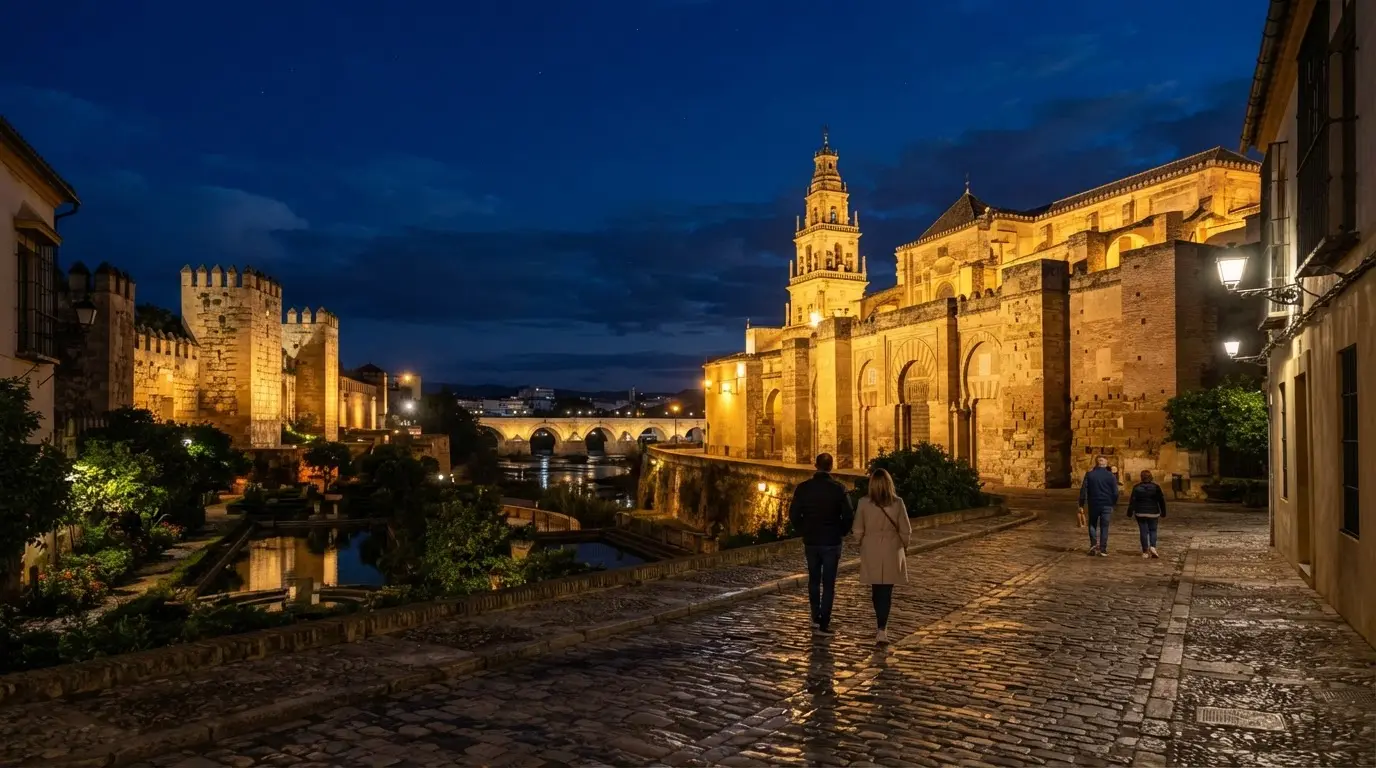
Córdoba Monuments at Night: Why the City Glows After Dark
María Fernanda González
Córdoba's monuments are switching their lights on after dark: extreme summer heat and a deliberate city strategy to sell nights, not just survive them.
Read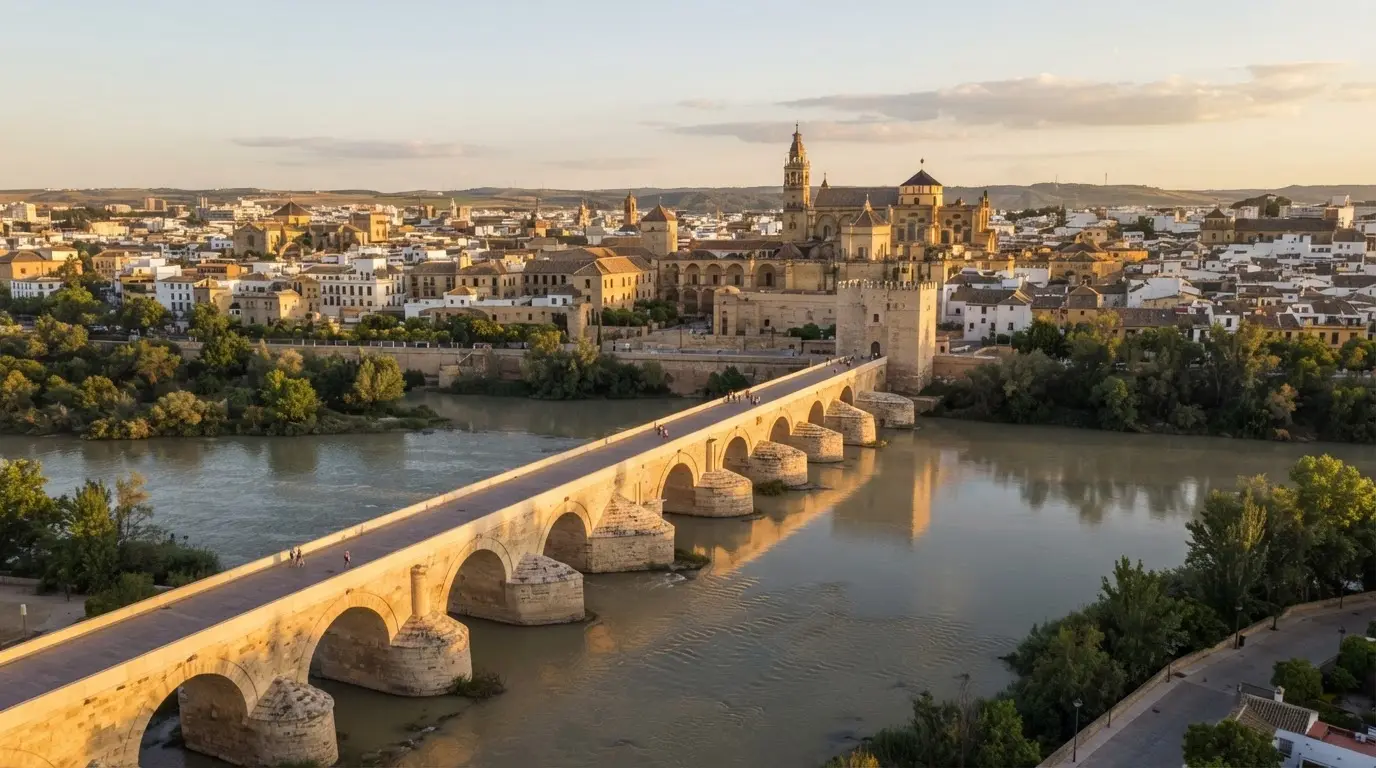
Inland Spain Travel: Córdoba Wrote the Blueprint
María Fernanda González
Spain's government says inland regions are growing faster than its big six. Córdoba's UNESCO density, fast AVE rail and record 2025 visitors explain why.
Read
How Budget High-Speed Rail Changed Who Visits Córdoba
María Fernanda González
Open-access rail competition cut recorded Madrid–Seville fares and widened choice. Here is what that market shift could mean for a Córdoba break in practice.
Read
Eclipse 2027 Spain: Where to Stay for Totality
María Fernanda González Updated
Córdoba sees a magnitude-0.964 partial eclipse on 2 August 2027 — totality stays on the Cádiz and Málaga coast. Sleep here, day-trip south for the smart plan.
Read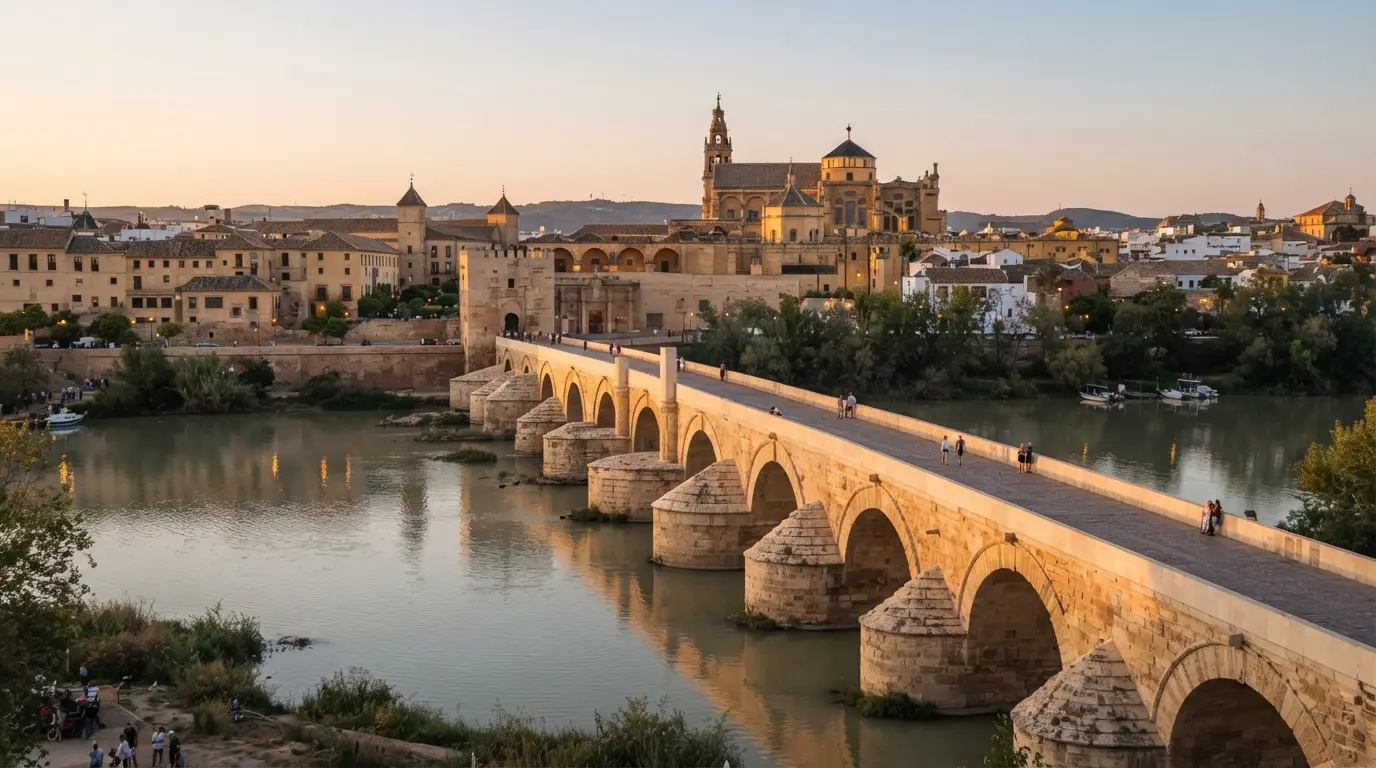
Why Córdoba Deserves More Than a Day on an Andalusia Road Trip
María Fernanda González
Córdoba sits where the Seville, Granada and Madrid routes cross by road and rail, making it Andalusia's hinge city and worth more than a one-day drive-by stop.
Read
ETIAS 2027 Spain: New Entry Rules for Córdoba
María Fernanda González
Flying into Málaga and taking the AVE to Córdoba? Here's what ETIAS, the €20 authorisation and live EES checks mean for your arrival, and where to apply safely.
Read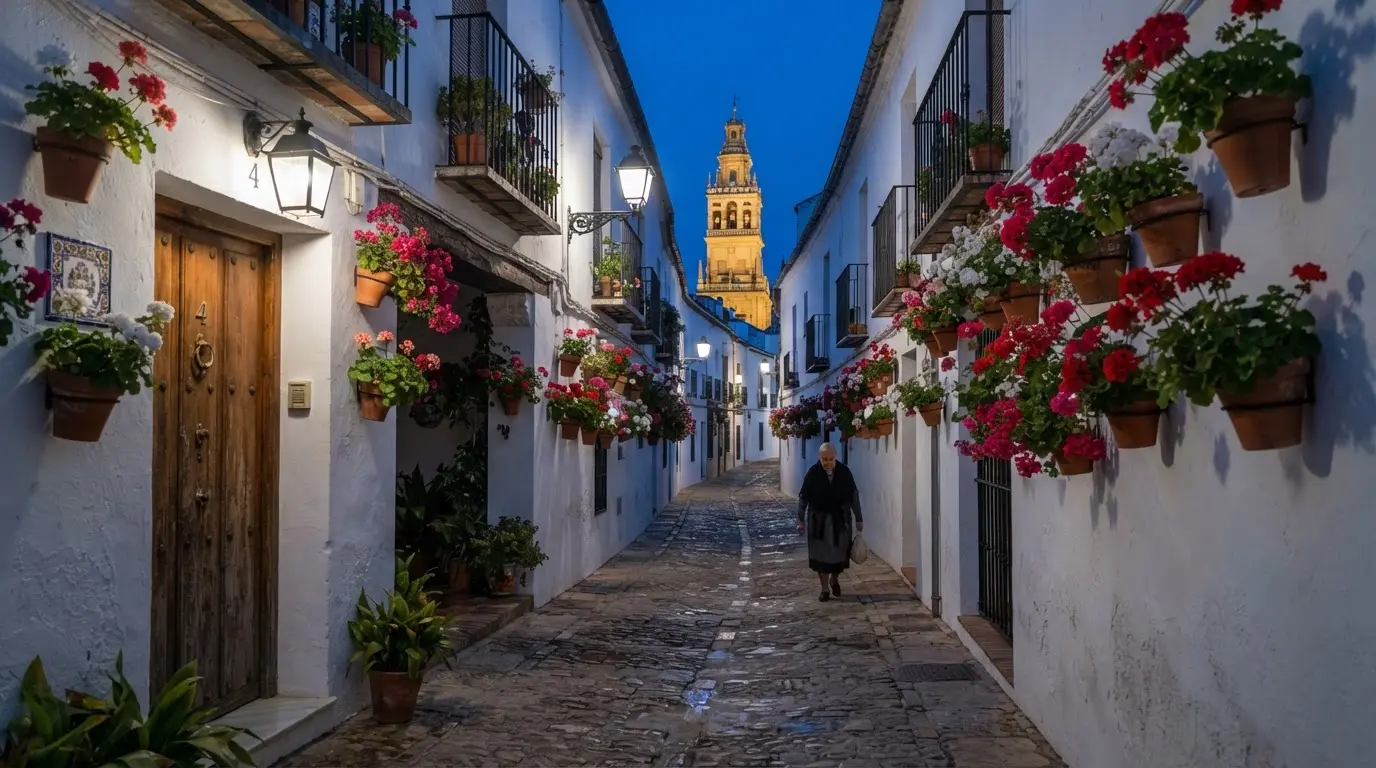
Slow Travel Córdoba: How to Escape the Day-Tripper Crush
María Fernanda González Updated
The Córdoba operating system for slow travellers: timing windows, neighbourhood rhythms, market days, and siesta economics to outflank the day-tripper crowd.
Read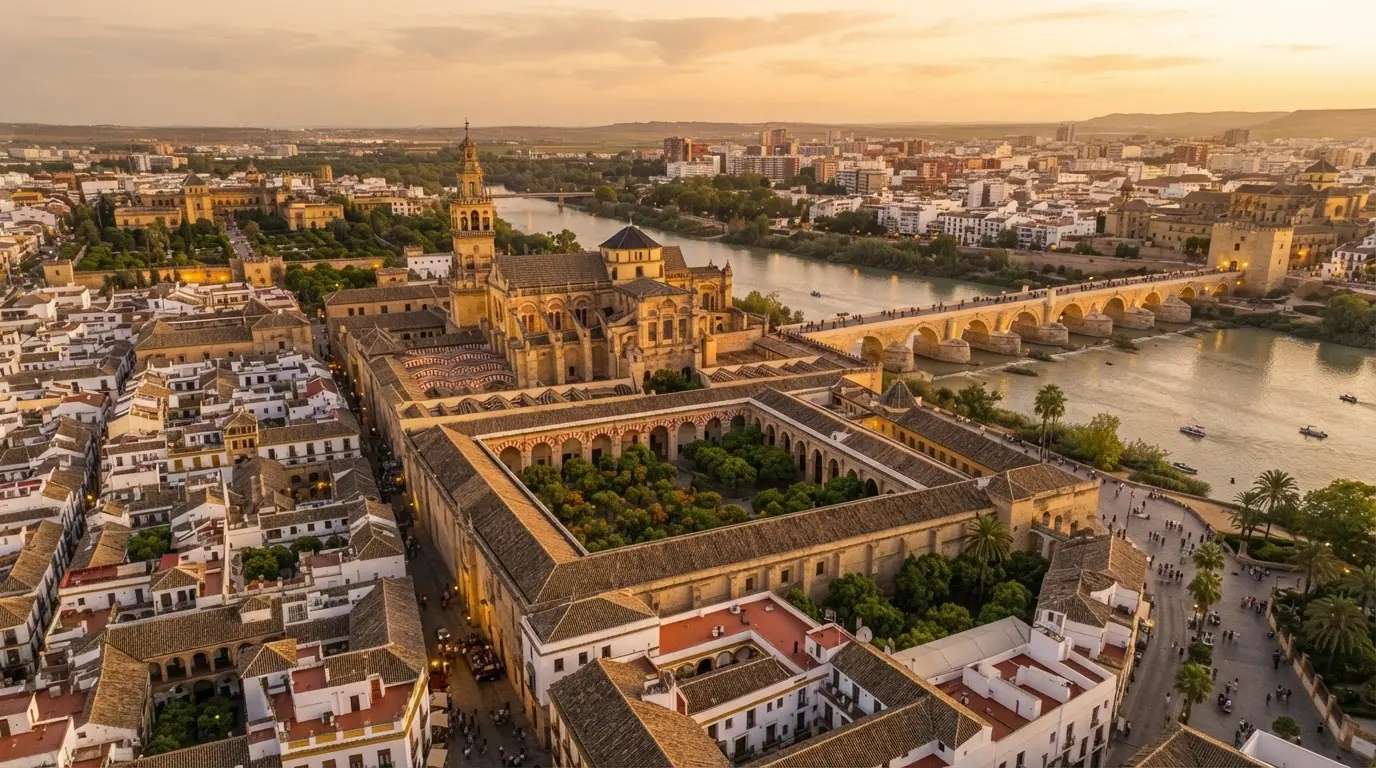
Spain Travel Statistics 2026: Arrivals, Spending & Trends
María Fernanda González Updated
Spain welcomed a record 96.8M tourists in 2025. See full 2026 travel statistics: arrivals, spending, top regions, source markets, and wellness trends.
ReadFrequently asked questions
What's the biggest ticketing mistake first-time visitors make in Córdoba?
Not checking the Mezquita-Catedral's timed-entry slots before arriving, and assuming Medina Azahara is walkable from the historic centre. It sits roughly four miles outside the city and needs a shuttle bus or organised transfer, which surprises visitors who expected an easy stroll.
Why does the Patio Festival only run for two weeks?
The Concurso de Patios Cordobeses, founded in 1921, is a fixed competition window, not an open season; the Spanish Civil War shut it down for a time, and it has run continuously since 1944. In 2026 that window is 4 to 17 May. Homeowners open their courtyards specifically for the contest period; outside those dates, most patios stay closed to the public.
When is Córdoba least crowded?
January, June, July and August are the four lowest months at the Mezquita-Catedral, each falling under 200,000 monthly visitors compared with March through October's regular 200,000-plus. January combines the lowest numbers with the mildest weather of the four quiet months.
Has competition made train travel to Córdoba cheaper?
Largely, on at least one measured corridor. Budget operators including Renfe's Avlo, Iryo and Ouigo España now compete on routes serving Córdoba, and regulatory data recorded an 18% year-on-year fare drop on the Madrid–Seville corridor, which runs through the city, though that figure isn't a Córdoba-specific average.