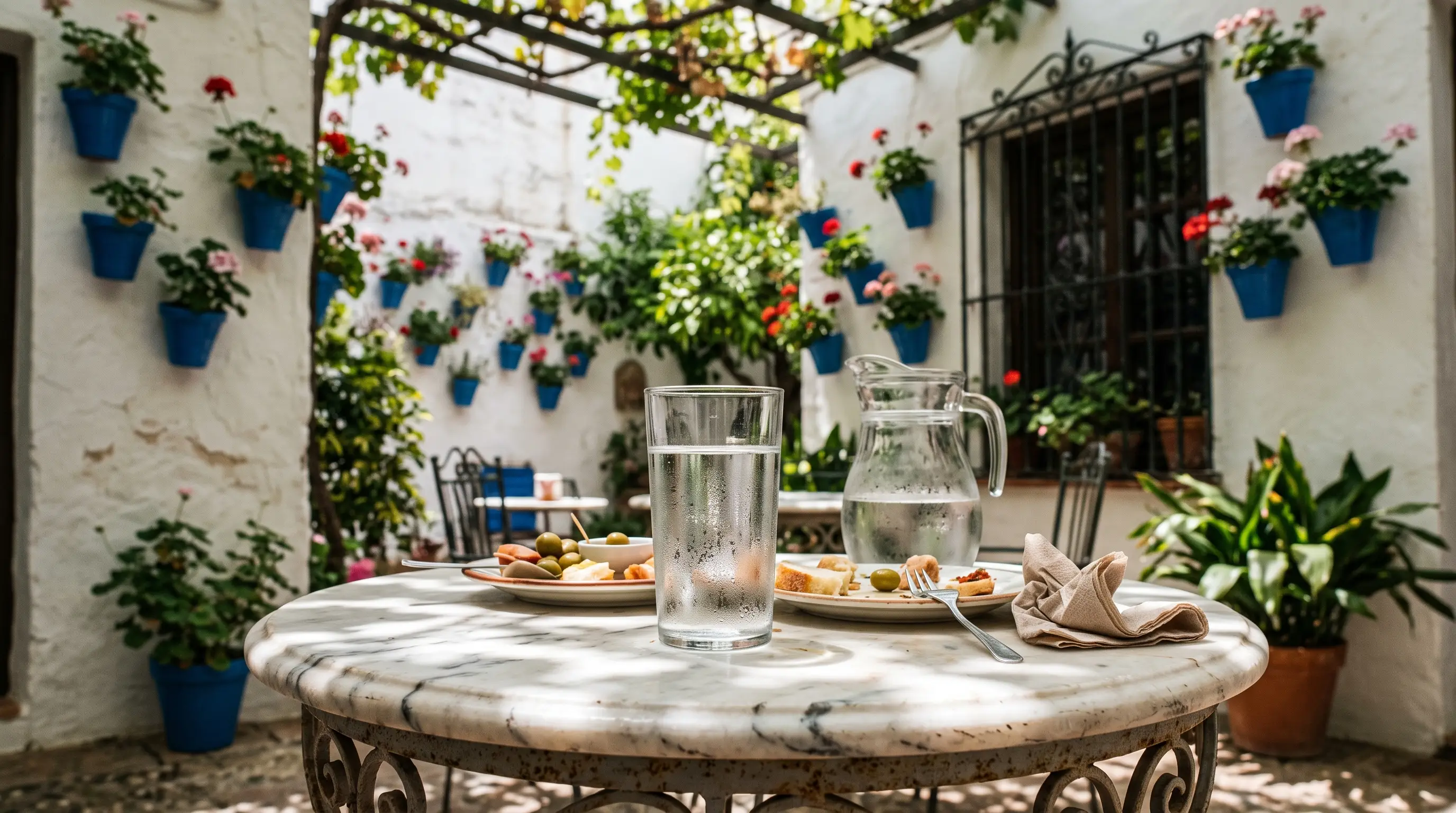

Yes, and the results are public
In the health ministry's 2024 national report, the supply zone labelled Córdoba logged 1,203 bulletins, all rated fit for consumption, and its population is listed as 157,638.[1] The city has about 327,000 inhabitants, so read that as one zone of several, not the whole network.[4]
The yardstick is Spanish law. Real Decreto 3/2023 caps nitrate at 50 mg/L[5] and combined chlorine, the form chloramine disinfection leaves in the tap, at 2.0 mg/L.[6] EMACSA, the municipal water company, says its own 2019-2024 review of the Villa Azul plant found no non-conformities.[7] The operator is marking its own homework there, so the ministry figure carries more weight.
Supply comes normally from the Guadalmellato reservoir,[8] with Navallana held in reserve as an emergency source.[9] Water is disinfected at the Villa Azul plant, using chloramines since November 2008.[10] Dry years change that blend, and the Guadalquivir drought article covers the river and reservoir side of the story.
If you are weighing up health and safety more broadly, Córdoba safety tips is the page to read next.
Taste, hardness and the warm summer tap
Córdoba's water is on the soft side. On Guadalmellato water alone, hardness sits around 90 mg/L of calcium carbonate; a 2020 blend with Navallana water pushed it to 150 mg/L at the peak.[3] The decree's parametric value is 500 mg/L.[11] If you come from a hard-water city, expect less scale on the kettle.
Temperature is what you will actually notice. EMACSA's records have water leaving the plant at 12 to 14 °C in January and 25 to over 28 °C between July and September.[2] Run the tap for a few seconds before filling a glass, or keep a bottle in the hotel fridge. Planning August? Our Córdoba in summer guide covers the rest of the heat.
On flavour, the water is disinfected with chloramine, and some people pick up a faint disinfectant edge. Chilled water carries less taste, so a glass from the fridge usually settles the question.
Restaurants, bars and refilling a bottle
In a bar or restaurant, ask for agua del grifo. Spain's 2022 waste law says the hospitality and restaurant sector must always offer customers unbottled water free of charge.[12] It is the free option the law requires, so ask for it plainly.
On the street, the council publishes a data layer locating its drinking-water fountains, downloadable as CSV or GeoJSON, which a mapping tool can read.[13] The same law tells public bodies to promote drinking water in public spaces through fountains that meet hygiene conditions.[14] Treat the map as a locator, not a promise that every tap is flowing on the day you walk past.
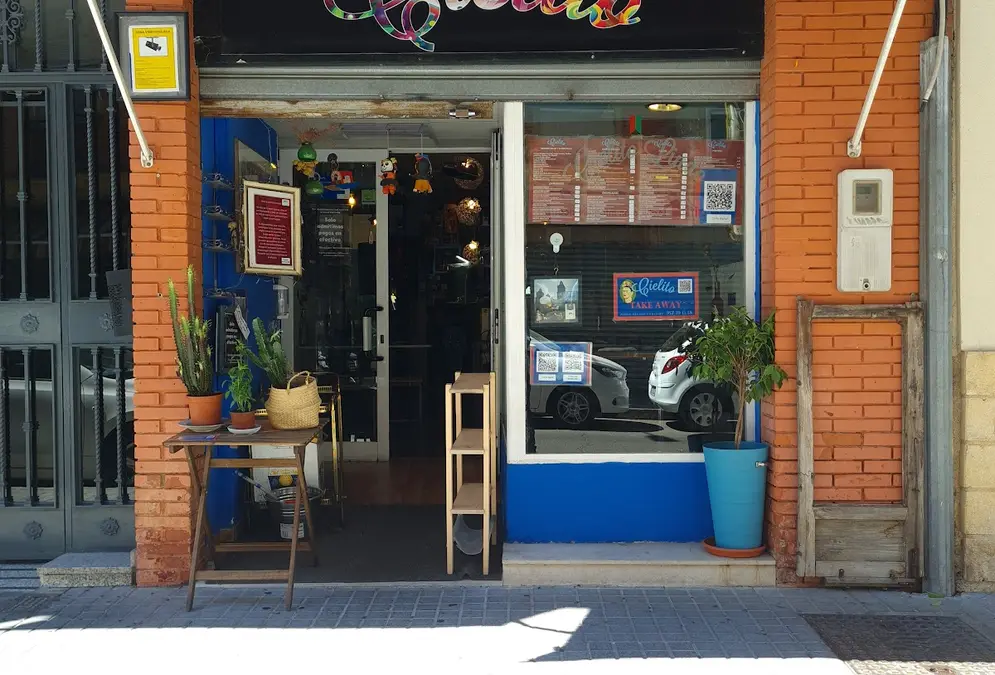
Where to eat · Restaurant
Cielito Lindo Café
100% gluten-free Mexican restaurant in Córdoba, open for over 10 years. Corn tacos, 30 certified dishes, gluten-free beer — no shared utensils or oil.
In July, carry a bottle regardless. How Córdoba copes with extreme heat explains why the city treats water as infrastructure, and the first-time visitor tips cover the other small habits that make a trip easier.
Babies, formula and sensitive cases
This is general Spanish guidance, not a Córdoba ruling. The Spanish Paediatric Association says tap water can be used to mix powdered formula where drinking-water control in your area is good.[15] Whether that fits your baby is a question for your paediatrician; the published results above are what you would bring to that conversation.
The trap is boiling. The same association warns that boiling for more than five minutes raises the nitrate concentration and can harm a baby.[16] The Ministry of Health adds that neither the water nor the powder is sterile, whether the water is tap or bottled.[17]
Recommended tours
Tours are selected for quality, not commission. We earn a small fee if you book — at no extra cost to you.


Anyone with a medical condition that comes with specific water advice should ask their own doctor before travelling. A national report cannot replace that conversation.
If the tap runs cloudy, and where to check
Colour and turbidity changes, not illness, are what can raise complaints, and the 2023 drought shows it. In August and September that year, with reservoir water blended, complaints reached 33 and 10, against averages of 10 and 8 up to 2022.[18]
EMACSA's own review ties such complaints to small changes in colour and turbidity.[19] Its quality head says the blended water still met RD 3/2023 in all parameters, pesticides, disinfection by-products and pharmaceuticals included.[20] So the water looked worse while the analyses held. A cloudy glass is a reason to ask questions, not to panic.
If your tap runs cloudy or tinted, let the cold tap run for a minute. If it does not clear, tell your host or hotel, and drink bottled water until it does.
EMACSA publishes monthly network bulletins titled Análisis de control del agua de la red de Córdoba.[21] It must also post annual data under Annex XI of the decree within the first 20 days of each year.[22] Three lines are worth finding in them:
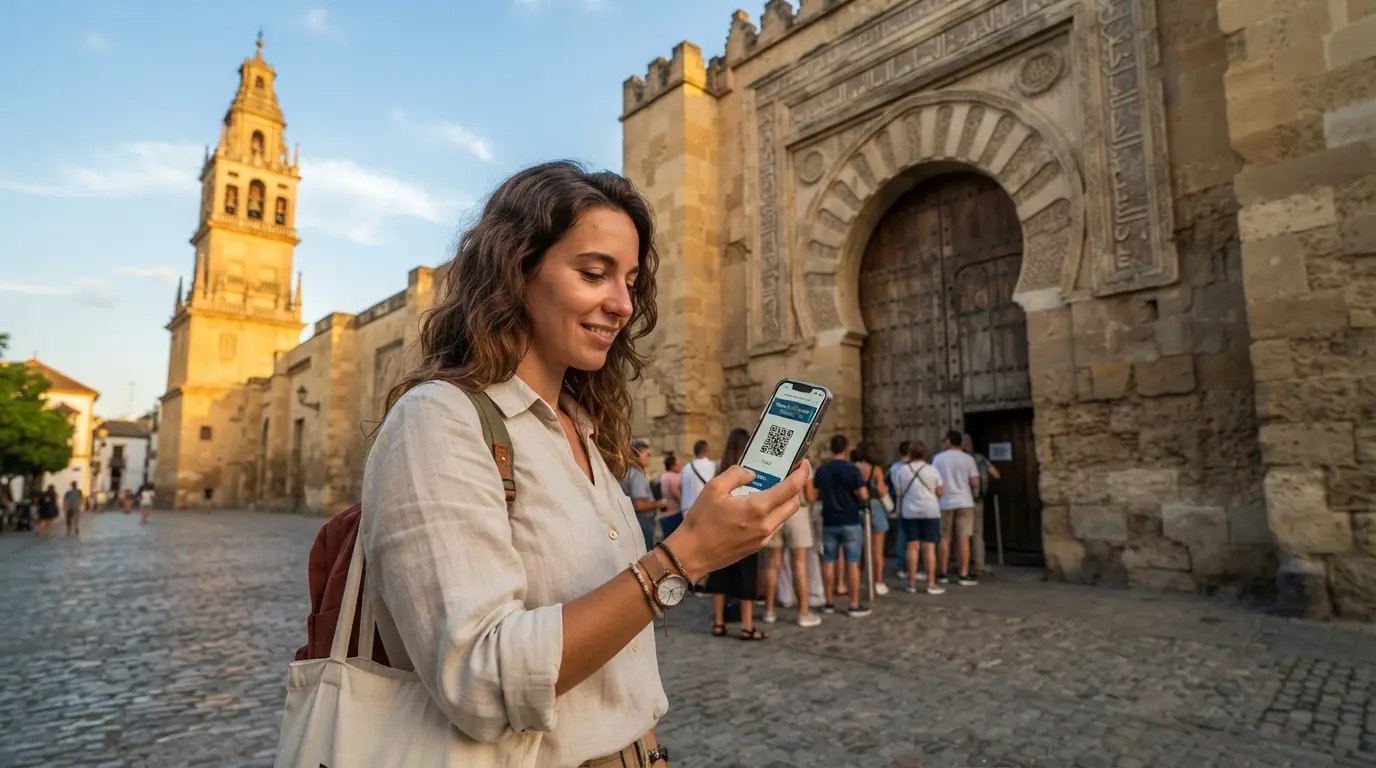
Deep dive · Article
10 Mistakes to Avoid on Your First Trip to Córdoba
Ten costly mistakes first-time visitors make in Córdoba, from walk-up Mezquita queues to misjudging Patios Festival dates, and how to avoid them before you fly.
For other arrival basics, see Córdoba practical information.