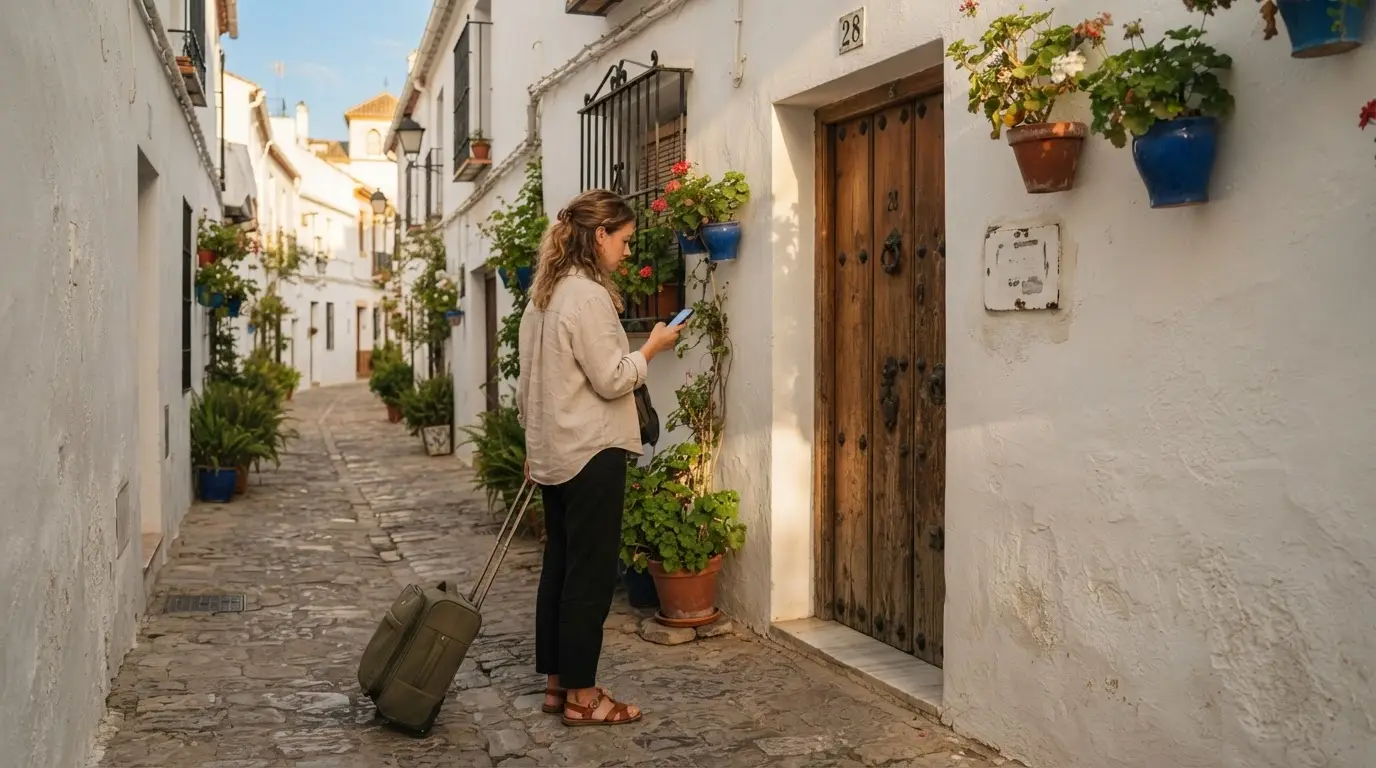

What a legal tourist flat in Córdoba is
Andalusia calls a licensed short-stay flat a vivienda de uso turístico, VUT for short. Decreto 31/2024 swapped that name in for the older "viviendas con fines turísticos"[1]. The route to legality is lighter than most visitors assume: the owner files an electronic declaración responsable with the regional tourism ministry and may advertise as a VUT from that moment[2]. A listing can be live the day the filing is made, so the guest has to do some checking.
Córdoba then added its own brake. The council suspended new approvals, licences and declaraciones responsables for VUTs in the Centro and Sur districts for up to three years, starting in April 2025[3]. Treat that as a snapshot and check its current status before leaning on it. For you, the practical effect is simple: a flat advertised in those districts should be an existing registration, and an existing registration can be looked up.
Everything here is about short stays. Renting for months on a lease rather than a booking is a different market with different paperwork, and Córdoba for digital nomads deals with it.
Check the licence and the flat before you pay
None of these steps costs anything, and every one comes before the deposit. Start with the paper trail, then test the photographs.
- Ask the host for the registration code if the listing does not show one, and stop there if none arrives.
- Look the dwelling up in the Junta de Andalucía's tourism registry. Everything in the declaration except the phone number and email is public through the regional ministry's open search tools[4].
- Compare the entry with the listing: address, type of property, number of guests. The declaration must give the cadastral reference and only one dwelling is admissible per reference[5], so a registry entry that describes a different property is a question for the host, not a typo to forgive.
- Ask what the receipt will look like. Hosts must issue one, advance payments included, showing the dwelling's Registro de Turismo de Andalucía code, the dates, the guests and the price[6]. A host who will not put the code on paper has told you something.
The licence proves a flat is registered. It does not prove the flat in the pictures is the flat on offer, and that gap is where fake adverts live.
The usual trap is an invented listing on a legitimate platform, built from photographs lifted from other adverts and an attractive price[7]. Two free tools catch much of it. Drop the address into Google Street View to see whether the building exists, and run the photographs through a reverse image search to see whether they appear elsewhere[8].
Do not treat a scanned ID from the host as proof either. Documents can be forged, and scammers have sent copies of IDs belonging to people they had already cheated[9].
Scam red flags and how to pay safely
Rental fraud follows a script, and Spanish consumer guidance describes it closely. Any of these should end the conversation:
- The host says they are away from Spain or live abroad, and asks for an international transfer[10].
- The payment deadline is about 24 hours, with talk of other guests about to book[11].
- An advance deposit by bank transfer, promised back later, is presented as the normal procedure[12].
- You are offered a payment method other than the platform's own[13].
The rule that follows is blunt. Keep the booking, the messages and the payment on the platform, and pay by card through it. Distrust anything that means paying outside the website, whether through a money-transfer firm, a bank cheque or a postal order[14].
Never pay outside the platform
A bank transfer to a private host is the costliest mistake in this guide and the one you may not get back. If a host moves the conversation or the payment off the booking platform, keep the messages as evidence and book somewhere else.
If it has already happened, act the same day. Report the fraud to the platform, gather the evidence, then report it to the Policía Nacional[15]. Call your bank at the same time, because it may help you recover the money[16].
Fraud aimed at renters sits beside the street-level risks in Córdoba safety tips, but the booking-stage risks are the ones you can remove from your sofa.
Old-town flat, aparthotel or hotel
The pause on new licences covers VUTs only. It does not reach tourist apartment buildings (apartamentos turísticos)[17], so a purpose-run aparthotel is a different category from a private flat in a residential block.
The planning rules explain why old-town flats are scarce. Córdoba's urban planning office reads the city plan so that a tourist flat counts as a hospitality use needing its own access and evacuation, separate from the rest of the building[18]. An owner also needs the express approval of the owners' community to run tourist activity[19]. Both are fair questions to put to a host before you book.
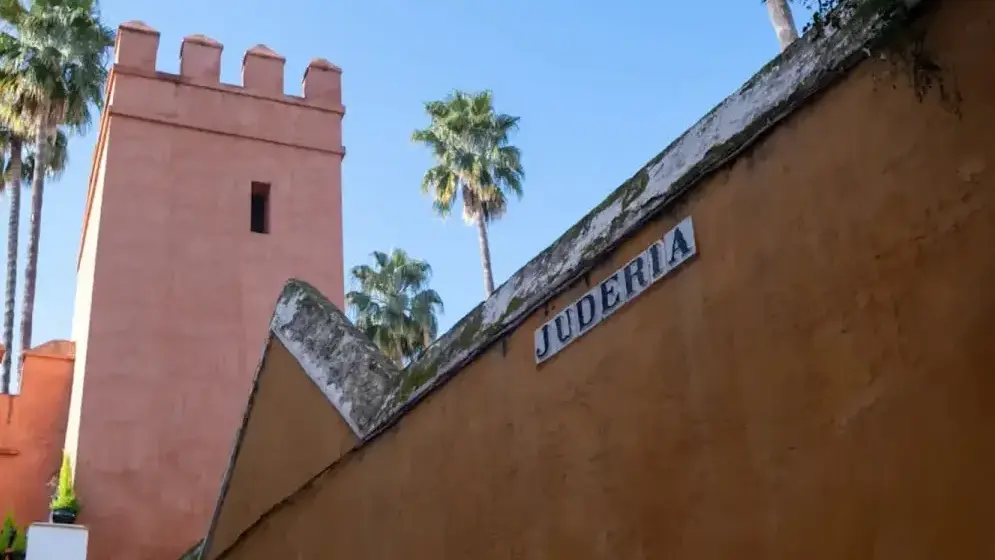
Explore · Neighbourhood
La Judería
Whitewashed lanes, flower-filled patios and a 14th-century synagogue — La Judería is the medieval heart of Córdoba, with the Mezquita on its doorstep.
The scale explains the pressure. Tourist dwellings in the centre rose from 2.43% of homes in 2016 to 8.04% in 2024[20], and by July 2025 the city had 3,466 registered tourist dwellings with room for 17,920 people[21].
Recommended tours
Tours are selected for quality, not commission. We earn a small fee if you book — at no extra cost to you.



If you would rather skip the private-rental lottery, start with Apartamentos Calleja Hoguera. Whichever route you take, settle the district first using the best area to stay in Córdoba, then filter listings.
On arrival: what the host must provide
A registered flat comes with obligations you can check at the door. Walk through the list on day one, while a gap is still easy to raise.
- Check-in from 15:00 and check-out by 11:00, unless your booking says otherwise[22].
- A phone number that works around the clock for any query or incident[23].
- Official Junta de Andalucía complaint forms and a visible sign announcing them, inside the flat[24].
- If there is a key lockbox, it cannot be fixed to public street furniture[25].
- Cooling when the operating period includes May to August, plus a smoke detector near the kitchen, a first-aid kit and a fire extinguisher[26][27].
Photograph any gap on the first day and message the host through the platform so there is a record. The complaint form exists for exactly this.
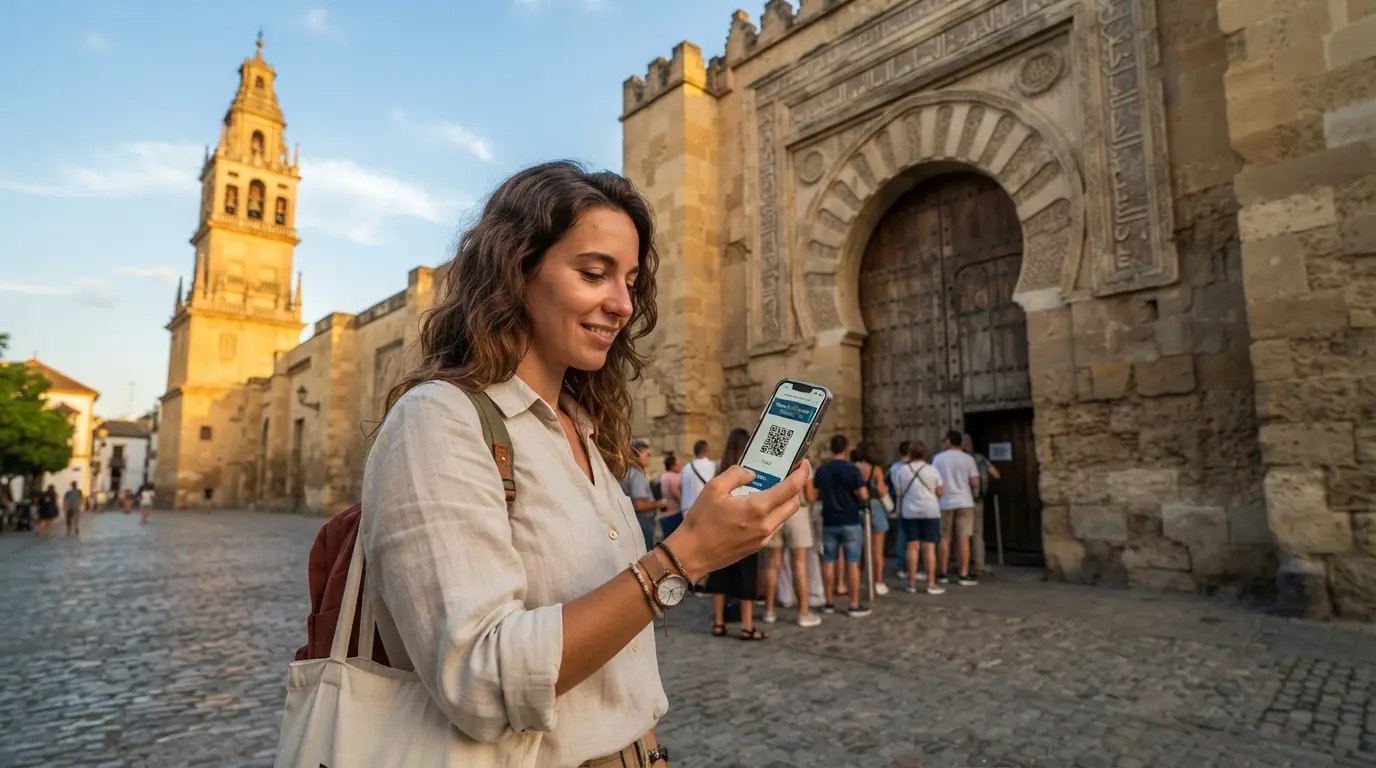
Deep dive · Article
10 Mistakes to Avoid on Your First Trip to Córdoba
Ten costly mistakes first-time visitors make in Córdoba, from walk-up Mezquita queues to misjudging Patios Festival dates, and how to avoid them before you fly.
In a Córdoba August the cooling requirement outweighs any amenity on the listing. Ask before booking whether the unit works and which rooms it serves.