Articles · Nature & day trips
Córdoba day trips: caves, hills and the Guadalquivir
Córdoba's countryside earns a day trip of its own: cave systems, whitewashed hill towns, the river that built the city, and skies dark enough for stargazing once you clear the streetlights.
6 articles
Nature & day trips: the big picture

Written by
Carmen Ruiz Montoya Eight years of field research on hiking routes and natural parks in Córdoba province.
Córdoba's landscape rewards getting outside the city walls, from prehistoric caves to some of the darkest skies in Andalusia. North of the city, the Los Pedroches Starlight Reserve was certified by the Fundación Starlight in December 2016, the tenth such zone catalogued anywhere in the world, and the tradition of looking up here is old: the 9th-century Córdoba court scientist Abbas ibn Firnas built a mechanical device modelling the movement of the planets and stars around 840 CE.
Go back further and the Cueva de los Murciélagos near Zuheros holds Neolithic ritual hearths, one containing 49 opium poppy seeds, alongside painted schematic wall figures and a human burial found in 1938. Archaeologists reading the hearths' layout argue for ritual rather than domestic use, making the cave one of the province's most significant prehistoric sites.
Back in the city, the climate itself is worth understanding before you plan a trip: why Córdoba runs so hot traces the geography of the Guadalquivir Valley, a natural heat trap, and the wider region holds Spain's official heat record, 47.6°C, set at La Rambla in August 2021. The Guadalquivir has also swung sharply between drought and recovery in recent years: the river ran dry through the city between 2021 and 2023, and by May 2026 the basin's reservoirs had recovered to 87.8% of capacity.
Planning a visit?
For trail difficulty, bus times and seasonal closures before you head out: Córdoba hiking and nature guide
More nature & day trips articles
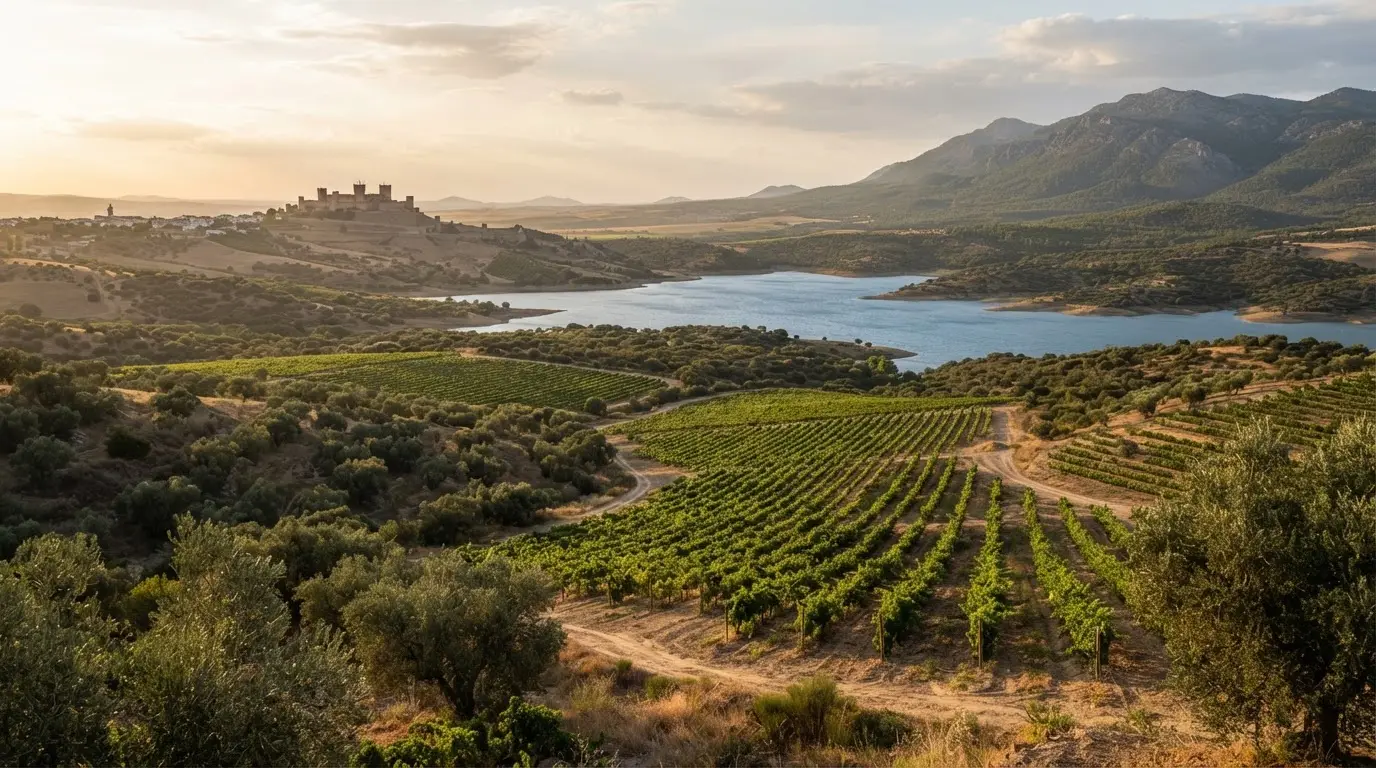
Andalusia Maps a New Route Through Eight Córdoba Landscapes
Elena Ruiz Montoya
Andalusia's heritage institute has published a GPX and KML route linking eight Córdoba landscapes, from Medina Azahara to Santa Eufemia. Here is each stop.
Read
Guadalquivir River Drought: Why 2026 Looks Different
Carmen Ruiz Montoya Updated
The Guadalquivir stopped flowing through Córdoba in 2021. Reservoirs hit 87.8% by May 2026, the best in a decade, but officials call it one year, not a fix.
Read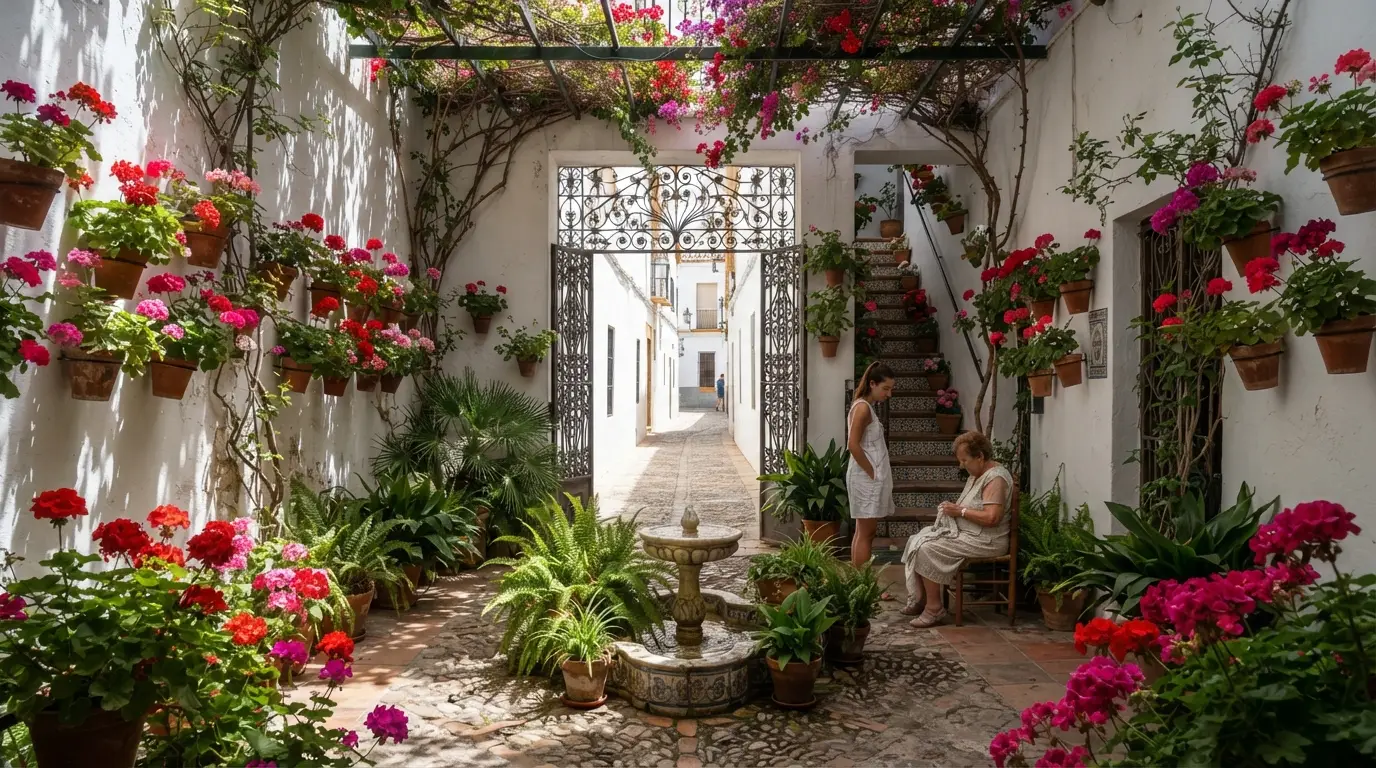
Córdoba Extreme Heat: How Europe's Hottest City Survives
Sophie Marchand Updated
Siesta hours, courtyard microclimates and Sierra swimming holes: how Córdoba turns extreme heat into a way of life, and how to visit comfortably in summer 2026.
ReadFrequently asked questions
Is Córdoba province good for stargazing?
Yes. The Los Pedroches area, north of the city, was certified a Starlight Reserve by the Fundación Starlight in December 2016, the tenth such zone catalogued worldwide, a mark of certification rather than a ranking of darkness. Córdoba's connection to astronomy runs deep historically too: a 9th-century court scientist built a mechanical device modelling planetary motion around 840 CE.
What was found inside the Cueva de los Murciélagos near Zuheros?
Excavators recovered five small ritual hearths, one holding 49 opium poppy seeds, along with painted schematic wall figures and a human burial discovered in 1938. Archaeologists argue the pattern points to ritual use during the Neolithic period rather than ordinary domestic occupation.
Why is Córdoba's summer heat so extreme?
The city sits in the Guadalquivir Valley, a geography that traps heat, and the wider region holds Spain's official temperature record of 47.6°C, recorded at La Rambla in August 2021. The valley is boxed in by the Sierra Morena and the Subbetic ranges, which is part of why the heat builds up rather than clearing through.
Did the Guadalquivir River actually stop flowing through Córdoba?
Yes, between October and November 2021. A gauge at the Casillas weir recorded a reading of minus 30 centimetres, meaning no water was moving downstream at all. The drought deepened through 2022 and 2023 before reservoirs recovered dramatically, reaching 87.8% of capacity by May 2026.