Articles · History
Córdoba history: from Roman Corduba to the Caliphate
This collection traces Córdoba from Roman Corduba through Visigothic rule to its zenith as capital of the Umayyad Caliphate, then through Christian conquest and into the modern city. It's for readers who want the events and dates behind the monuments, not just a walking route.
35 articles
History: the big picture

Written by
Sophie Marchand Art history background with eight years writing interpretive content on Córdoba's Caliphal heritage.
Córdoba's history moves through three violent transitions, and each one still shapes the city today. The Romans who built their colony here inherited a name that was already old: Corduba is Old Iberian, not Latin, though what it originally meant is disputed. The debate over where "Córdoba" actually comes from runs from that Iberian original through Roman, then Arabic, forms. Roman rule itself was cemented by force: in 45 BC, Julius Caesar besieged the city after the Battle of Munda, and the better-sourced ancient accounts describe a surrender followed by punishment, not a bloody storming; Corduba was made to pay a heavy indemnity (the siege that broke Corduba's resistance).
Islamic rule in Córdoba ended at the point of a siege too, though it had begun quite differently, with a quick surrender in 711. When Ferdinand III took the city in 1236, he allowed many of its Muslim residents to leave with their movable possessions, and thousands departed for Granada or North Africa rather than live under the new Christian rule. The transition was not painless for those who stayed, either: a century and a half later, the 1391 pogrom devastated Córdoba's Jewish community and created a converso population that the Inquisition, founded in 1478, would pursue for generations, helping set the preconditions for the 1492 order expelling Spain's remaining Jews altogether.
Start with the etymology piece for the deep background, or jump straight into either siege if you want to see the city change hands.
Planning a visit?
For a chronological walkthrough of the city's eras and where to see them: Córdoba history guide
More history articles
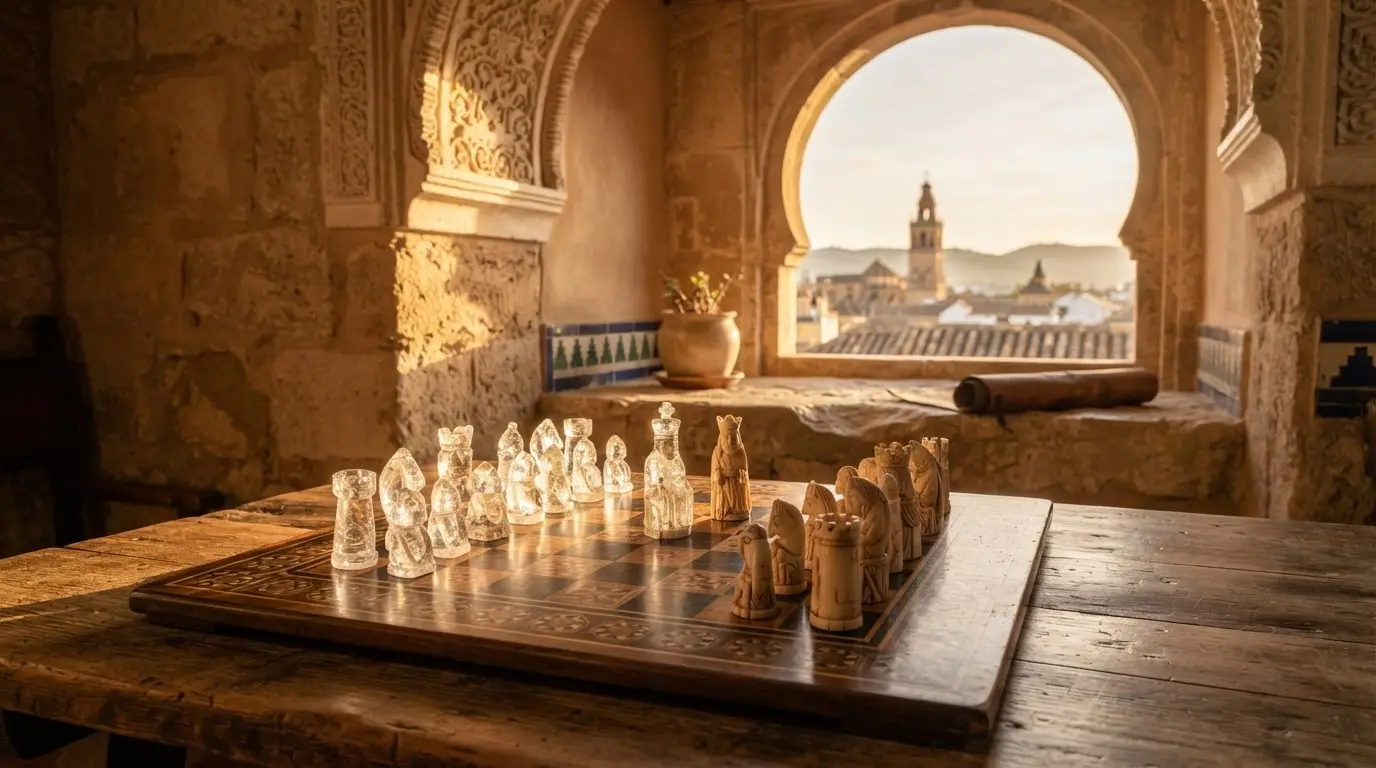
The Count Who Attacked Córdoba and Left Chess Pieces in His Will
Sophie Marchand
A Córdoba court did not smuggle chess into Europe, at least not on paper. The records point to Count Ermengol of Urgell, called el de Córdoba, and his will.
Read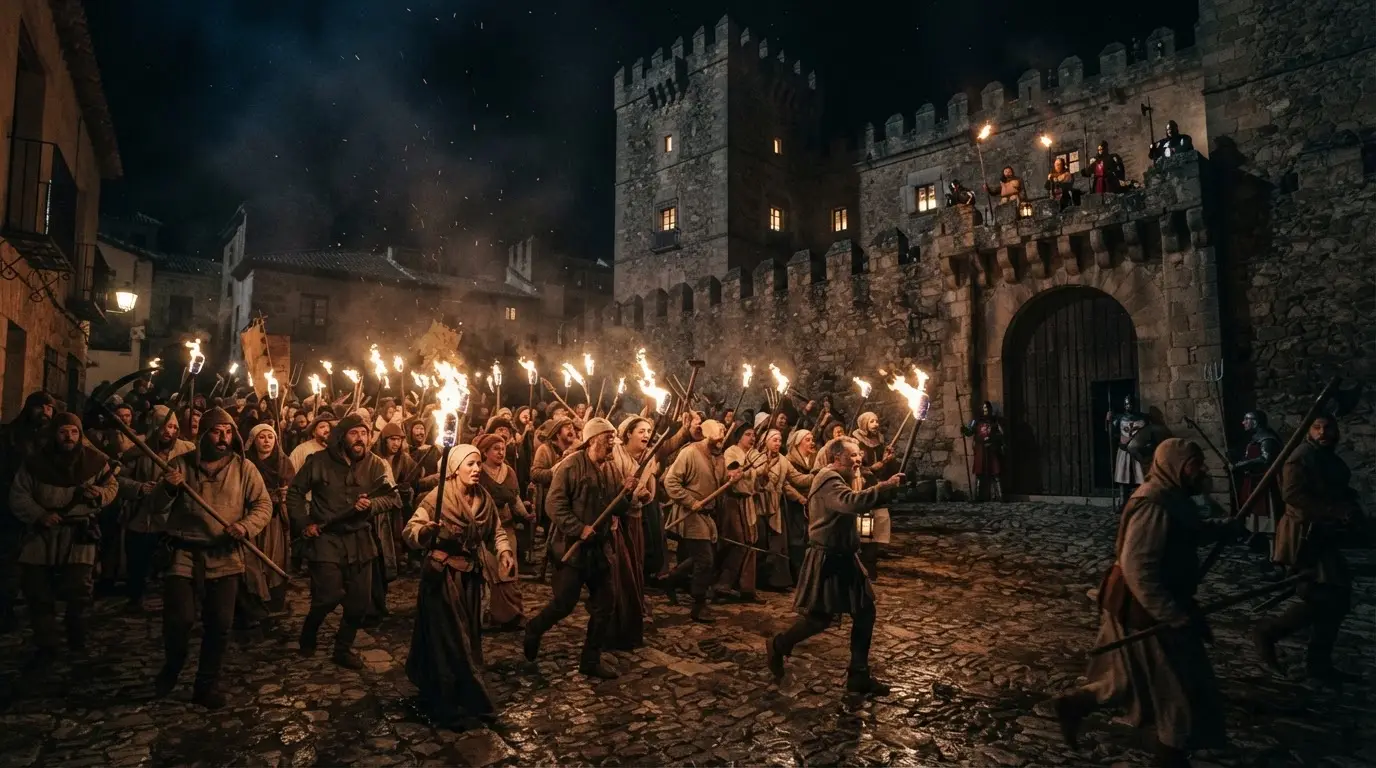
The 1476 Murder Mystery a Whole Village Refused to Solve
Sophie Marchand
In 1476, Córdoba villagers tortured for the truth gave one answer: the town did it. The real story behind Lope de Vega's play is a tax war, not a fairy tale.
Read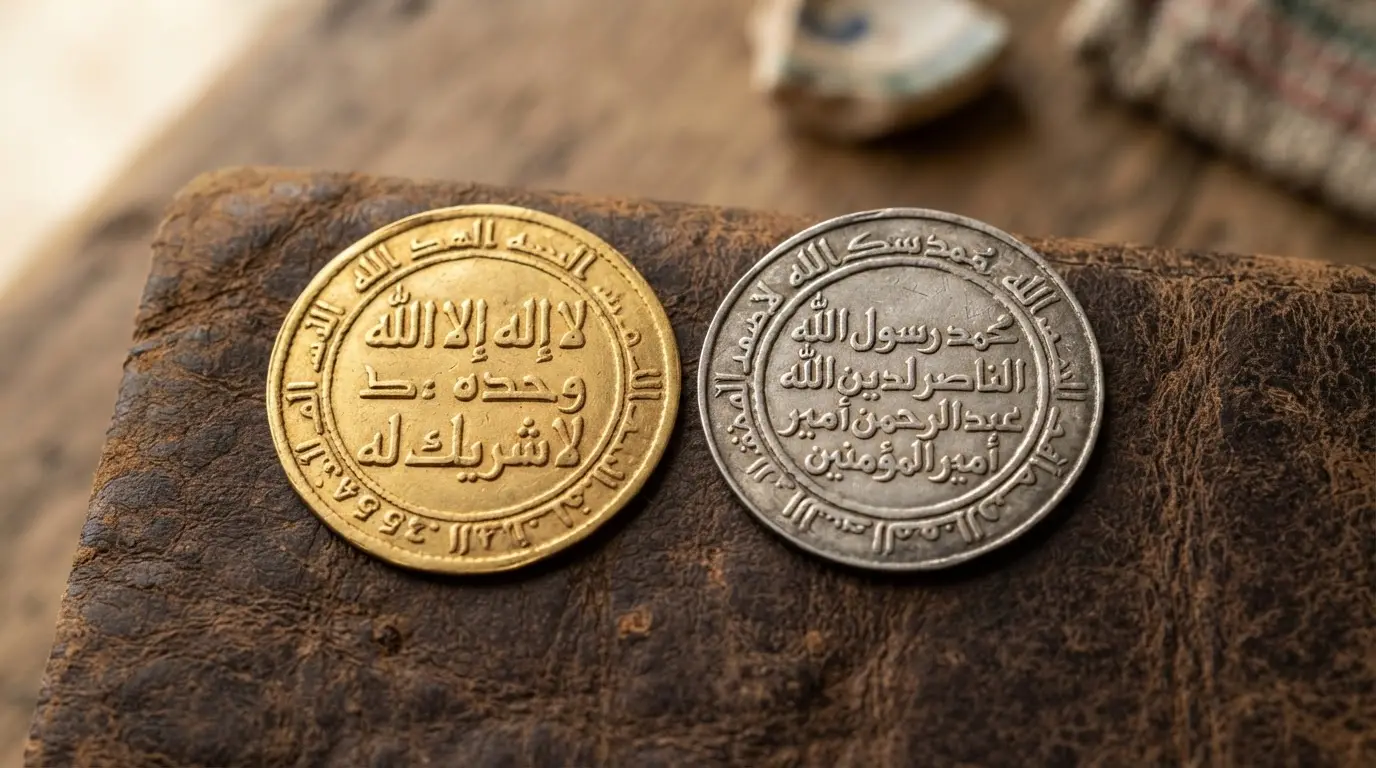
Córdoba's Umayyad Mint: How Coins Financed a Caliphate
Sophie Marchand
In 929 Abd al-Rahman III struck Córdoba's first caliphal gold dinar, part of the wider Islamic silver economy whose dirhams reached Viking-age Scandinavia.
Read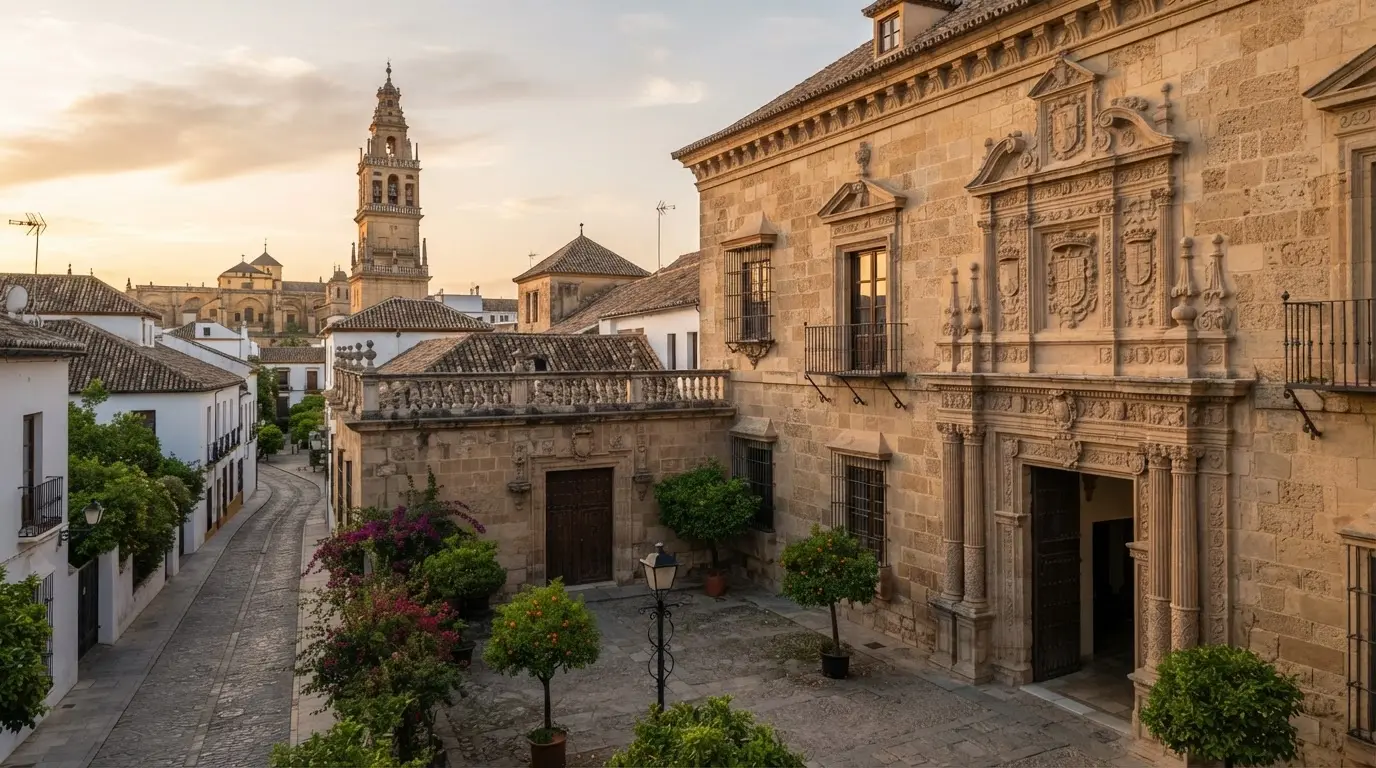
The Ruiz Dynasty: Córdoba's Renaissance Architects
Sophie Marchand
Meet Córdoba's three Hernán Ruiz architects through the 1523 transept, Orive's 1560 façade and the bell-tower campaign begun in 1593, with careful attributions.
Read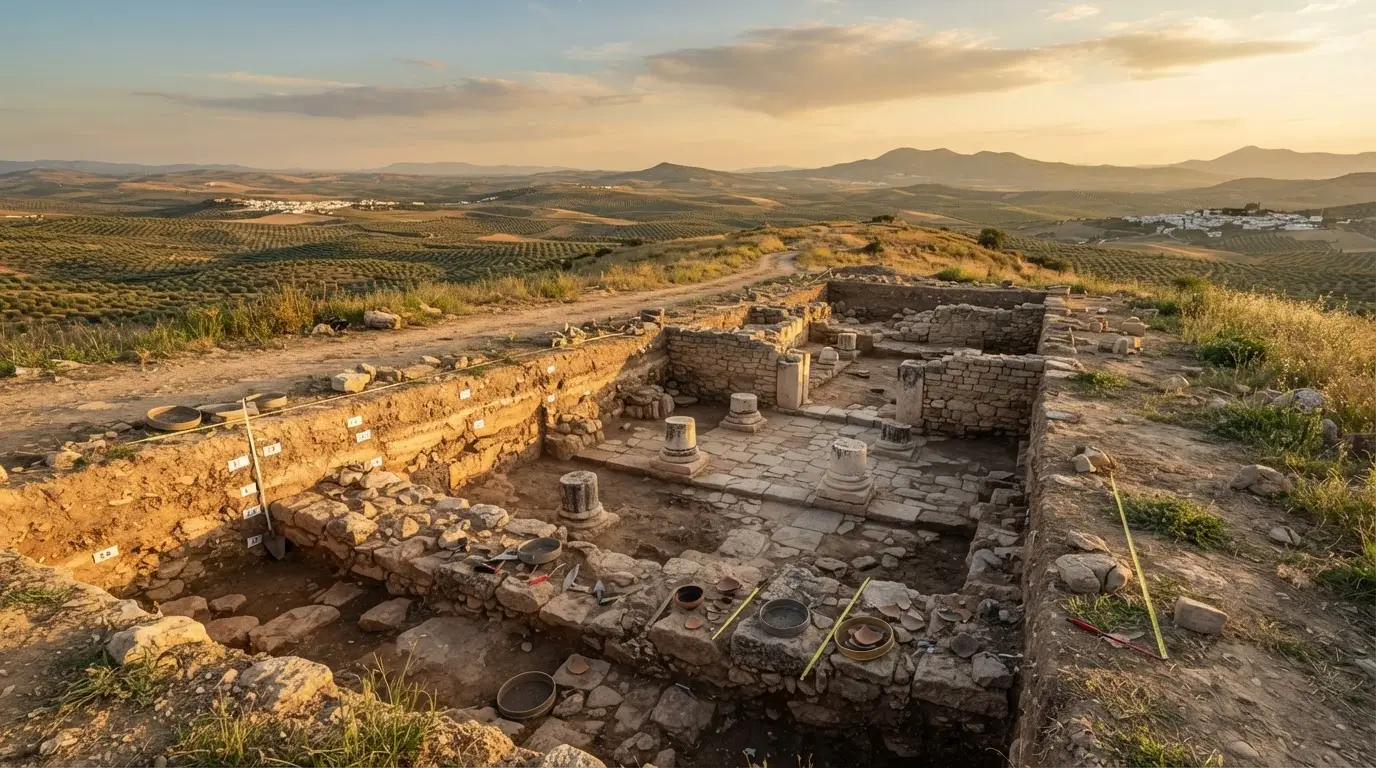
Torreparedones Has Been Open 15 Years, and a Tenth Is Dug Up
Sophie Marchand
Torreparedones, on a hilltop between Baena and Castro del Río, has been open to visitors since 2011. Only about a tenth of its 3,500-year city has been dug.
Read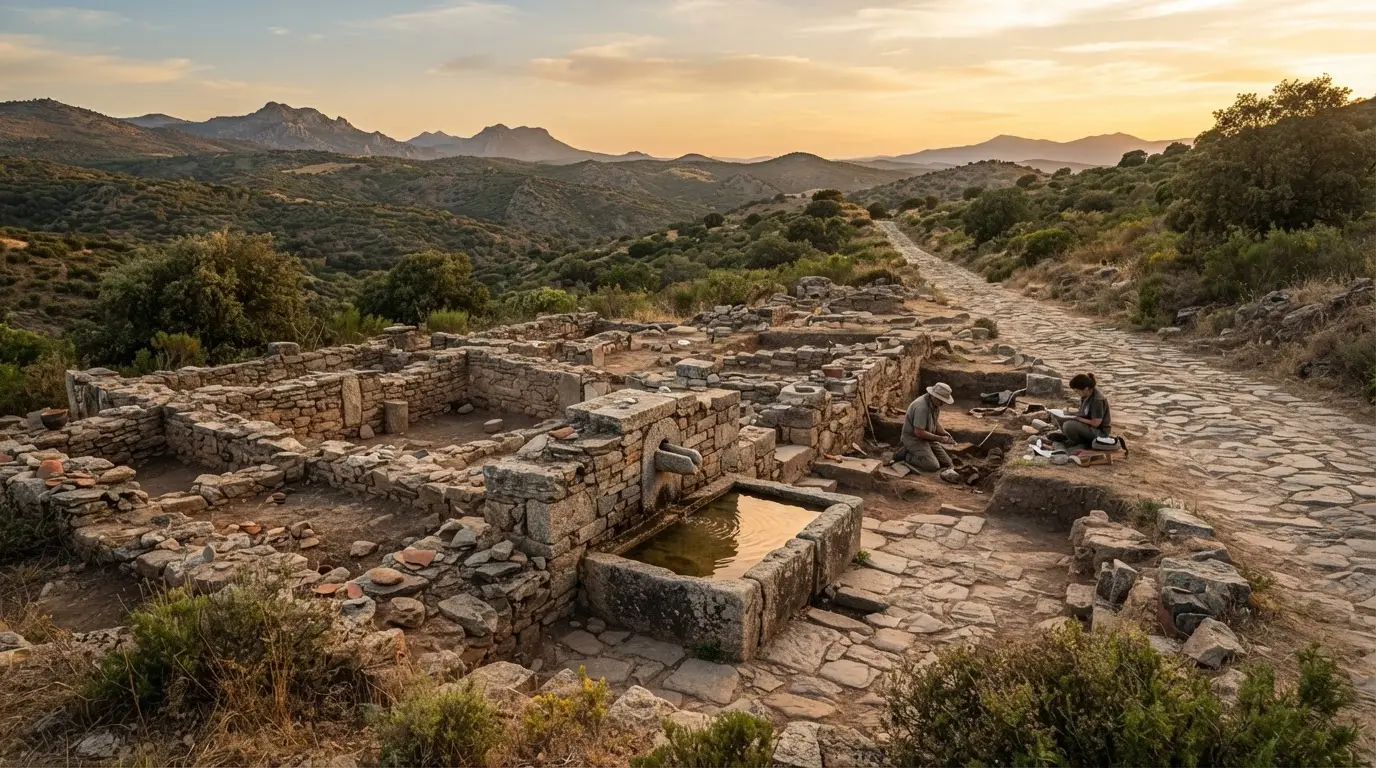
Mellaria: The Lost Roman Mining City in Córdoba's Sierra
Sophie Marchand Updated
Mellaria hid at Cerro de Masatrigo on the road to Mérida. 2026 University of Córdoba digs reveal its ceramics, aqueduct, road network and river fishing gear.
Read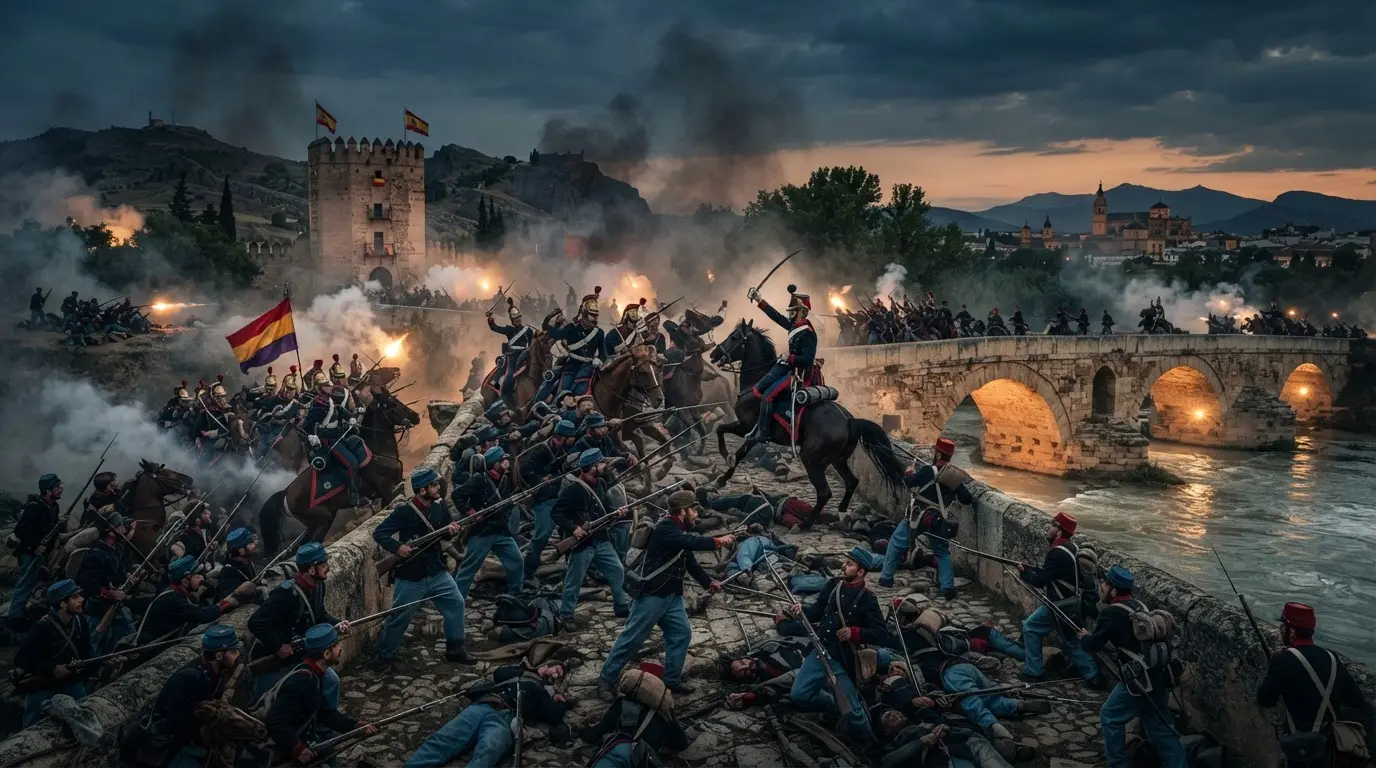
The Battle of Alcolea Bridge That Ended Isabella II's Reign
Sophie Marchand
A single bridge outside Córdoba decided Spain's fate twice: in 1868, the Battle of Alcolea forced Isabella II into exile and opened the Sexenio Democrático.
Read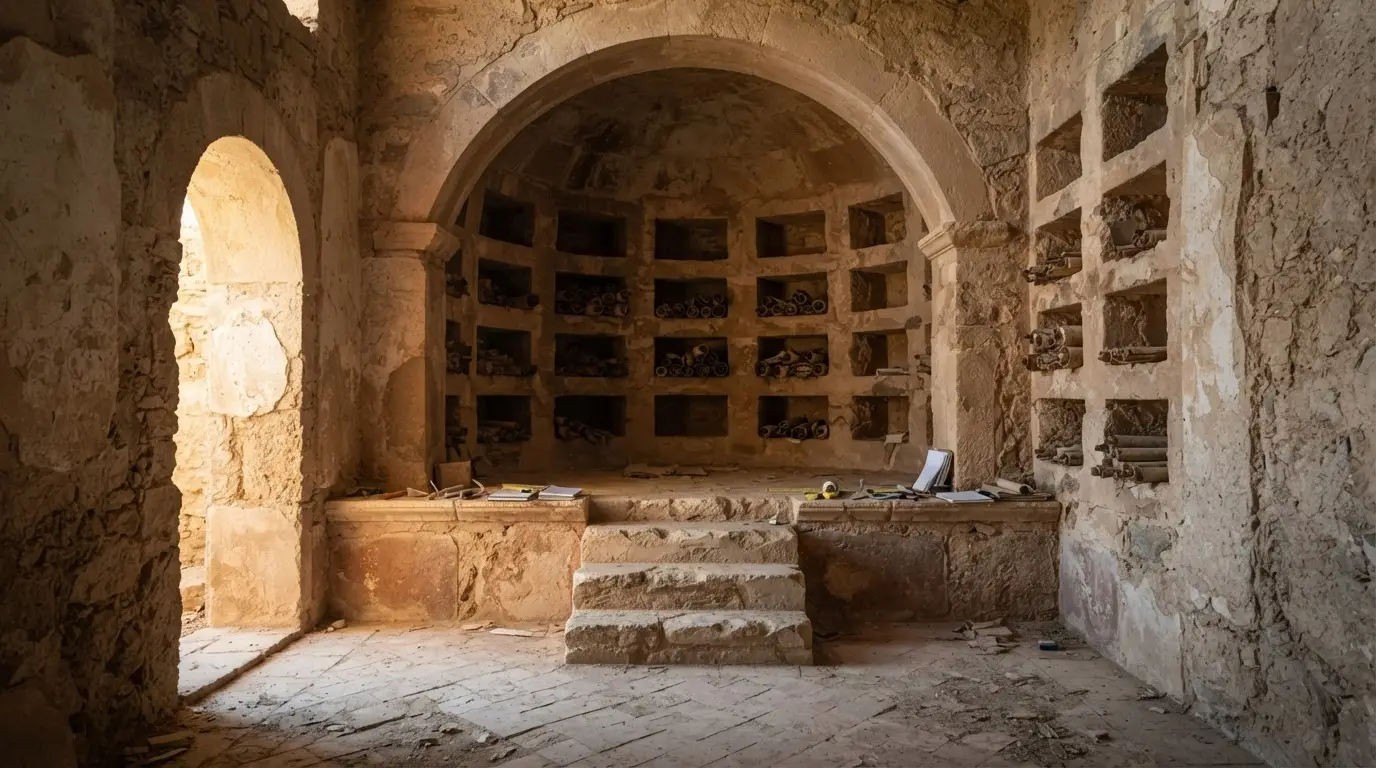
Roman Library in Córdoba: The Villa Room Once Called a Shrine
Sophie Marchand Updated
A 2026 study reidentifies a Córdoba-province villa room, catalogued for decades as a Mithras shrine, as Iberia's oldest documented Roman private library.
Read
First Physical Evidence of a Punic War Elephant Found in Córdoba
Sophie Marchand
A radiocarbon-dated elephant bone near Córdoba may be the first physical evidence of a Carthaginian war elephant, though not one of Hannibal's own Alps herd.
Read
1808: The Sack of Córdoba That Broke a French Army at Bailén
Sophie Marchand Updated
In June 1808, French troops sacked Córdoba's churches and palaces on a flimsy pretext — and dragged the plunder into the disaster at Bailén weeks later.
Read
Pre-Roman Walls Found on the Guadalquivir, Near Córdoba
Sophie Marchand Updated
A May 2025 survey found possible pre-Roman wall foundations on Córdoba's Guadalquivir riverbank, where a campsite project's future is still undecided for now.
Read
Almanzor's Lost Rival Capital, Found by LiDAR
Sophie Marchand
A January 2026 LiDAR survey locates Almanzor's rival capital Madinat al-Zahira (not Medina Azahara) 12km east of Córdoba, resolving 22 competing theories.
ReadFrequently asked questions
Where does the name "Córdoba" come from?
The name is Old Iberian, older than the Roman colony itself; the Romans inherited it and Latinised it as Corduba. What the name originally meant is still disputed by historians, but the modern "Córdoba" descends directly from that Iberian original, by way of Roman, then Arabic, forms.
What happened when Caesar besieged Corduba in 45 BC?
Julius Caesar besieged the city after the Battle of Munda, and the better-sourced ancient accounts describe a surrender followed by punishment rather than a bloody storming. Armed slaves defending the city were executed, the rest were sold, and Corduba was forced to pay a heavy indemnity to Rome.
How did Islamic rule in Córdoba end?
In 1236, King Ferdinand III of Castile besieged the city and forced its surrender, ending more than five centuries of Muslim rule that had begun with the city's surrender in 711. Ferdinand allowed many of Córdoba's Muslim residents to leave with their belongings, and thousands departed for Granada or North Africa.
What was the 1391 pogrom in Córdoba?
A wave of anti-Jewish violence swept Spain in 1391, and Córdoba's Jewish community was devastated along with those of other major cities. The attacks forced mass conversions, creating a converso population that the Spanish Inquisition, established in 1478, would go on to scrutinise for generations.
Did the 1391 pogrom cause the 1492 expulsion of Spain's Jews?
Not directly, but historians see it as a precondition. The pogrom created the converso class, and the institutional anxiety over crypto-Judaism that followed helped justify the Alhambra Decree of 1492, which ordered all remaining Jews to leave Spain outright.