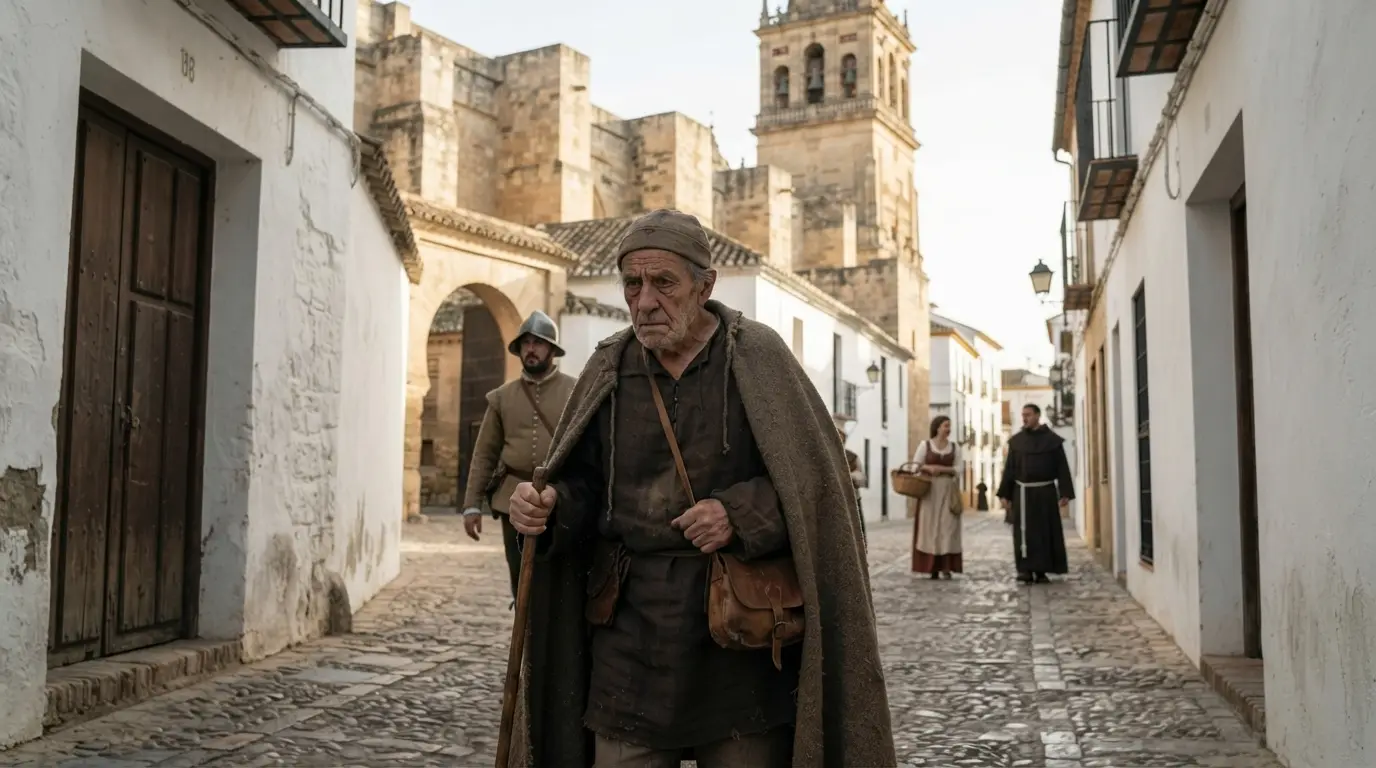
Christian History
Christian Córdoba: the Reconquista story
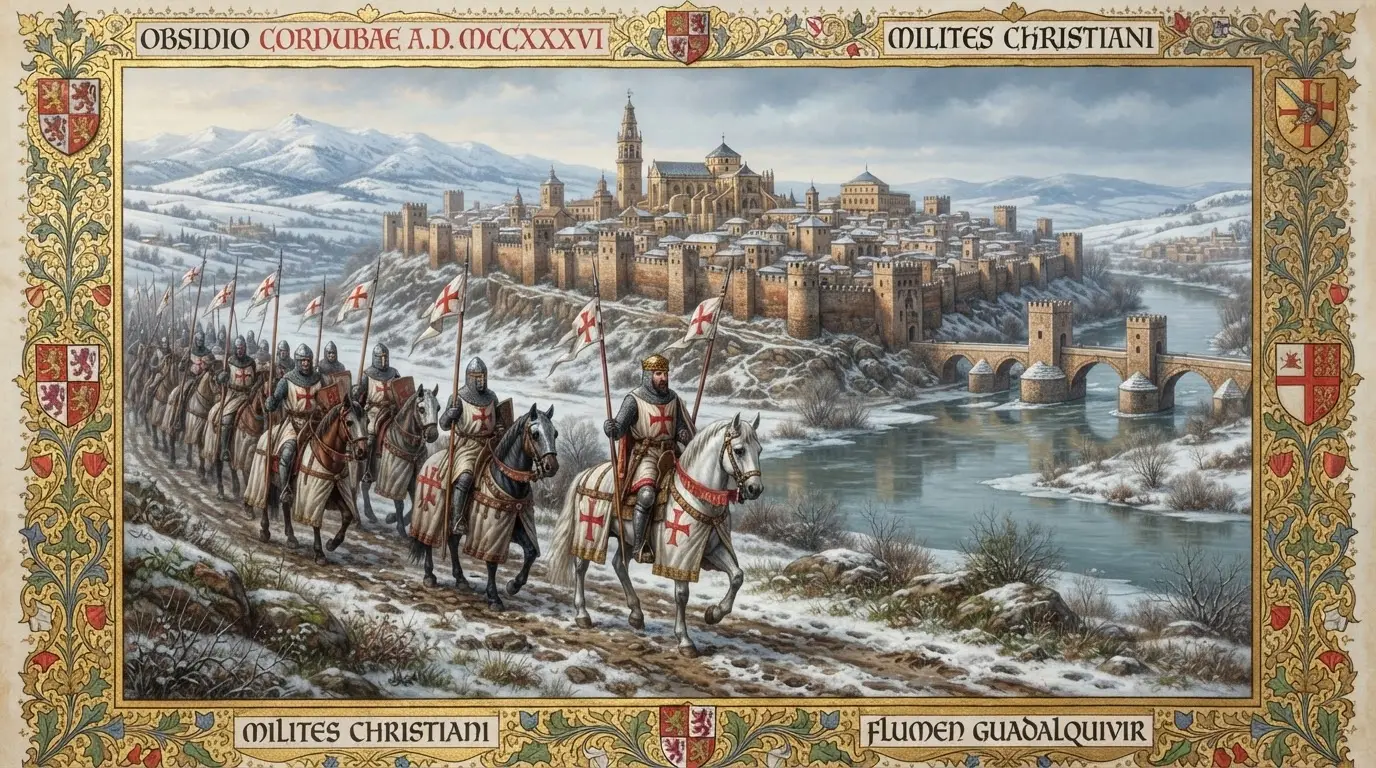
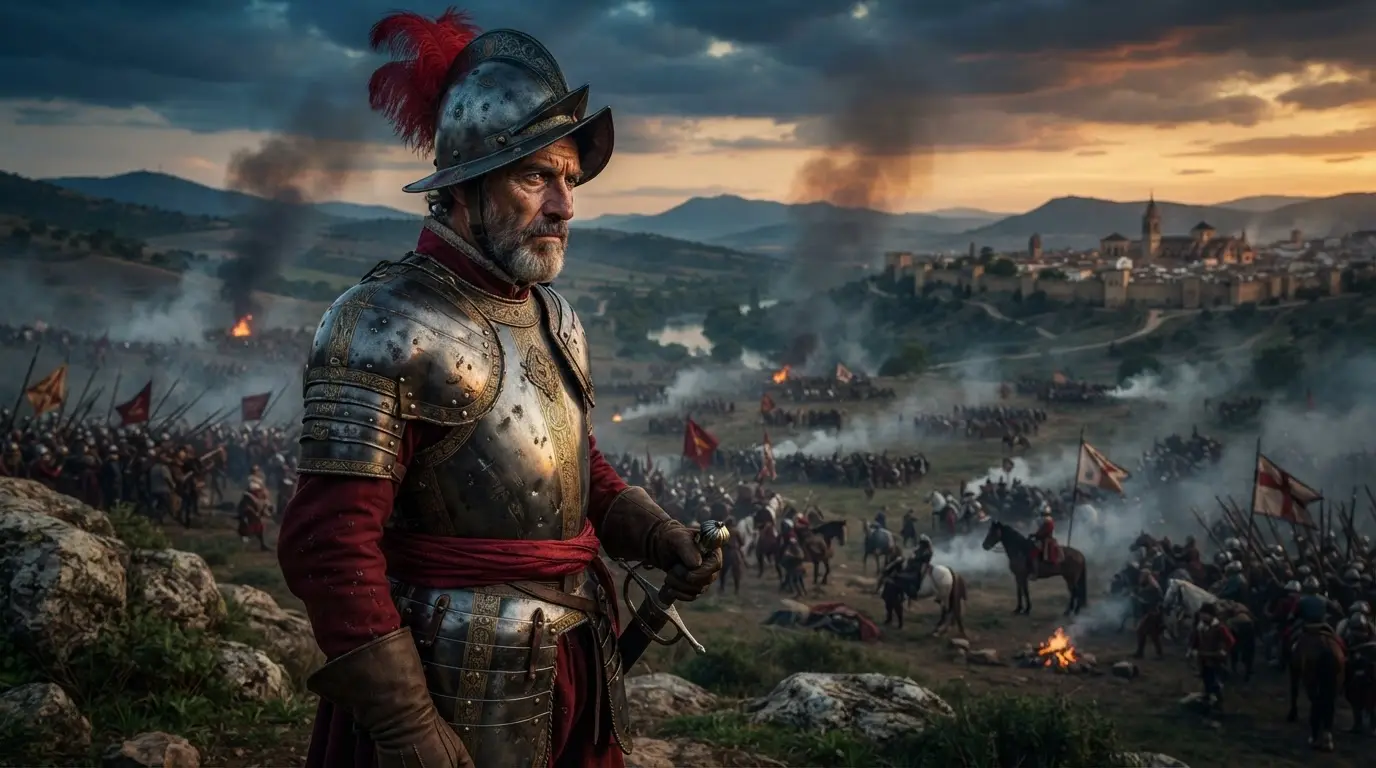
On 29 June 1236, Ferdinand III rode into Córdoba and consecrated its great mosque as a cathedral. What followed (the Fuero charter, a dozen Fernandine churches, the Alcázar's three centuries as Inquisition seat) is the story this guide tells.

Written by
Sophie Marchand Art history background with eight years writing interpretive content on Córdoba's Caliphal heritage.
Published
On 29 June 1236, Ferdinand III of Castile accepted the surrender of Córdoba, and a city that had lived under Islamic rule since 711 passed to Christian hands in a single day. The transition was negotiated, not sacked: the Muslim population left alive with its movable goods, and every building stayed standing. That decision to take the city whole is why the cathedral, the churches and the Alcázar below all rise on foundations that predate them.
What followed was a deliberate Christian refounding. Ferdinand III gave the city its law in the Fuero de Córdoba, ordered a dozen parish churches raised across the former mosque landscape, and had the great mosque purified and consecrated as a cathedral under the invocation of the Virgin Mary. The Alcázar de los Reyes Cristianos, built from 1328, later served as one of the Spanish Inquisition's headquarters for three centuries.
None of this was the beginning. A Christian community had worshipped in Córdoba for centuries before 1236, and its martyrs, executed in the 850s, are as much a part of this story as the kings who came later.
At a glance
- Conquest
- 29 June 1236, Ferdinand III takes the city
- Charter
- Fuero de Córdoba, 1236 (the Fuero Juzgo)
- Churches
- A dozen Fernandine parish churches
- Key site
- Alcázar de los Reyes Cristianos, built 1328
- Inquisition
- Seated in the Alcázar from 1482
- Sainthood
- Ferdinand III canonised in 1671
In this guide
Jump to a section
The reconquest of 1236
On 29 June 1236, Ferdinand III of Castile accepted the surrender of Córdoba, ending an Islamic rule over the city that had begun with the conquest of 711. The surrender was negotiated in advance: the Muslim population was allowed to leave alive with its movable goods, and every building in the city remained intact. Córdoba was the first of the three great Andalusian capitals to fall to Castile, and its capture opened the road south to Jaén in 1246 and Seville in 1248.
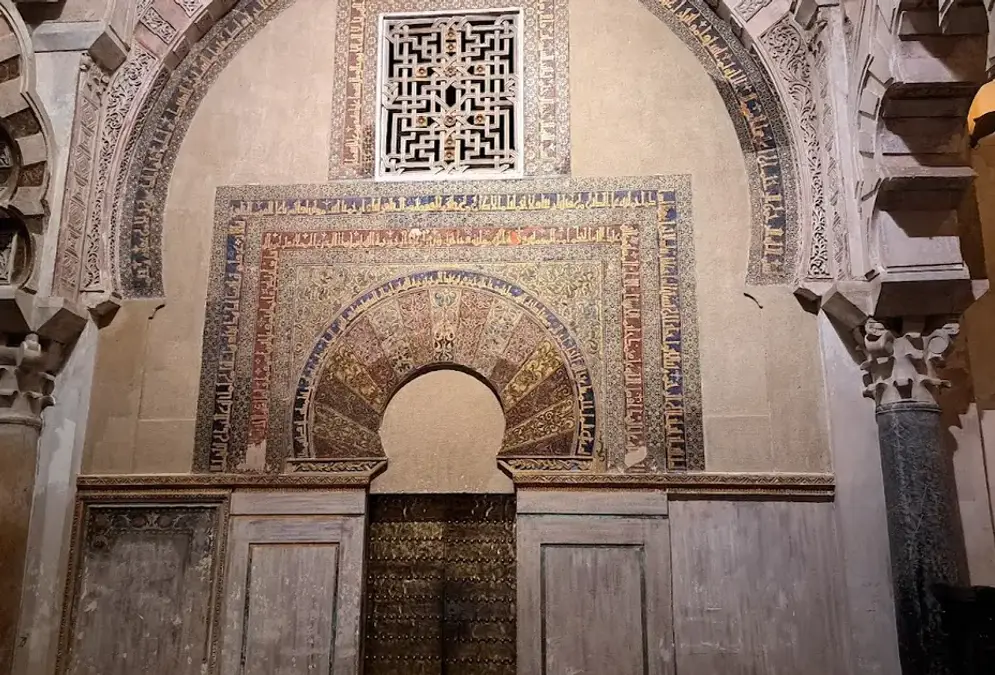
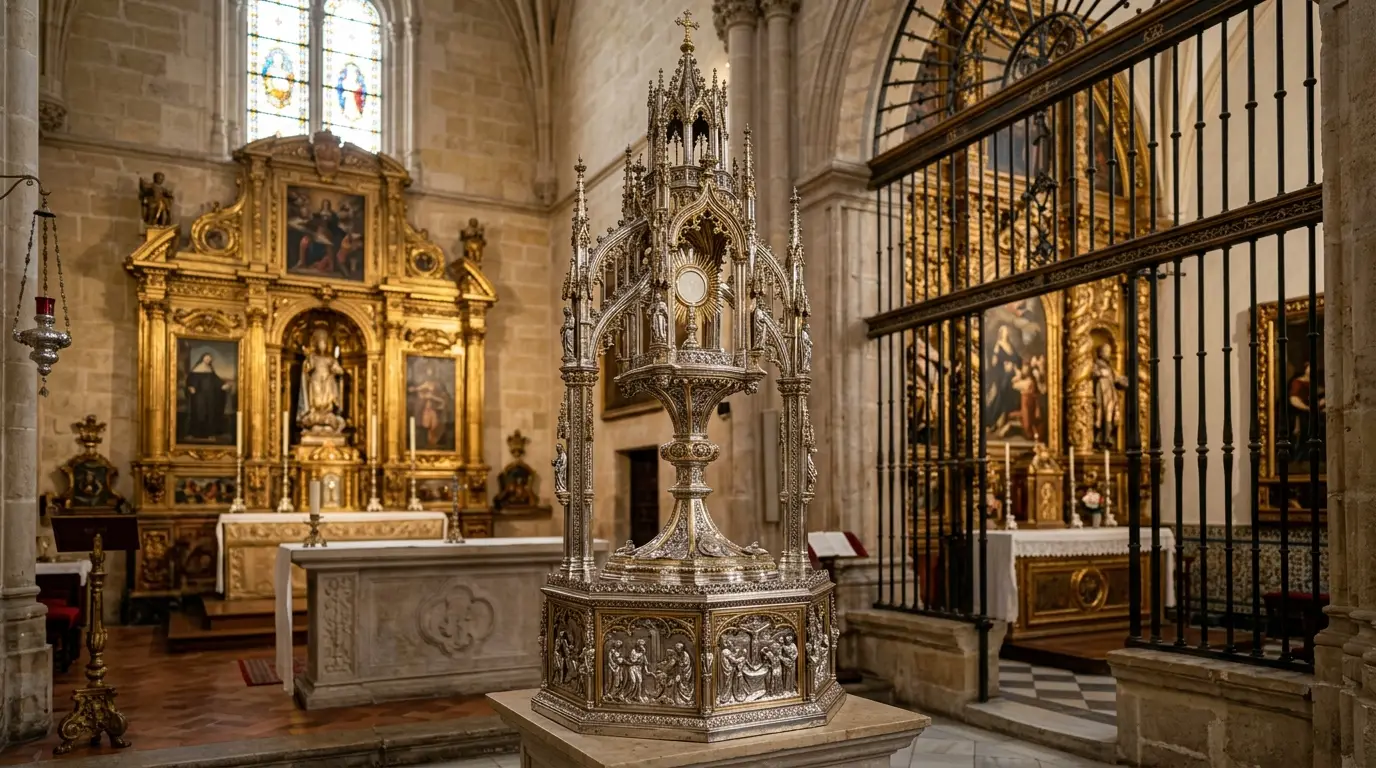
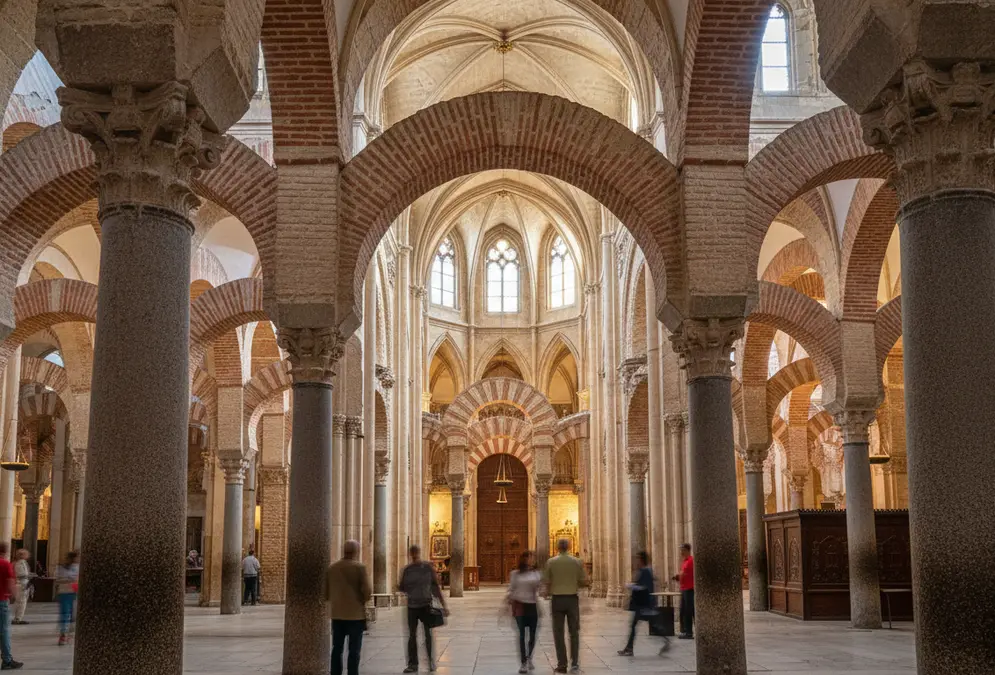
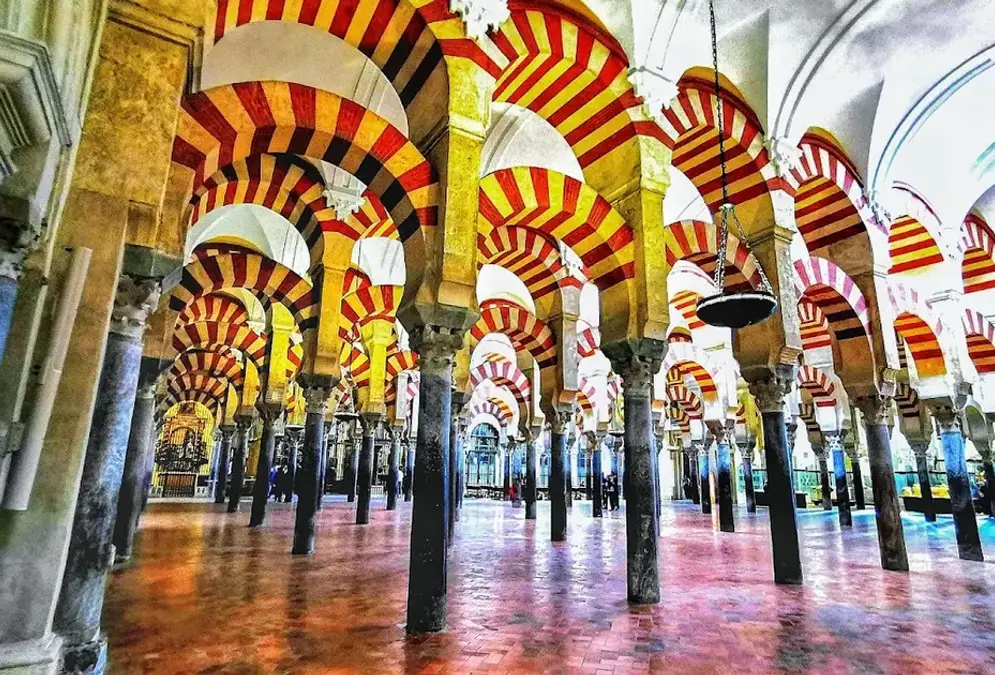
That same evening, the bishop of Osma, Juan de Soria, and Master Lope de Fitero, the future bishop of Córdoba, purified the Great Mosque for Christian worship, consecrating it under the invocation of the Virgin Mary. A dedication mass was held the same day in the skylight of Al-Hakam II, and the mosque became the cathedral of Córdoba, the core of today's Mezquita-Catedral.
Ferdinand III made Córdoba the first great Andalusian capital of his reconquest, and the Church remembered him for it: he was canonised as Saint Ferdinand by Pope Clement X in 1671. For the fuller sweep of the city's long history, the history hub sets the 1236 moment in its wider frame.
The Fuero of Córdoba
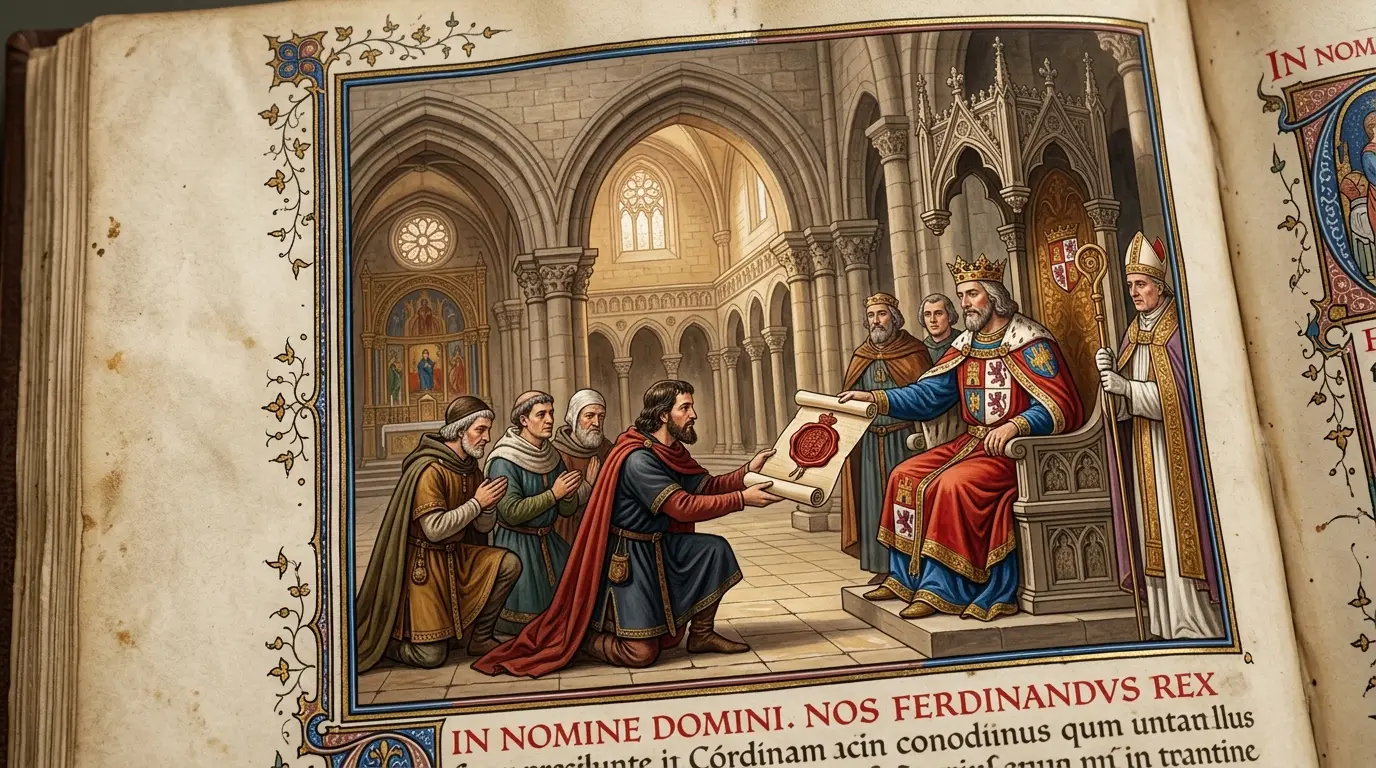
Ferdinand III did not only take Córdoba; he gave it a legal identity. The Fuero de Córdoba, issued in 1236, ordered the Visigothic code known as the Liber Iudiciorum to be translated into Castilian and observed as the city's law.
That Romance version, the Fuero Juzgo, mattered far beyond one city. It reappears in the Fuero de Córdoba in 1236 and went on to influence the later texts that unified Castilian law, a role the Boletín Oficial del Estado still records in its edition of the code. The charter was the instrument of repopulation: it is what made the conquered city governable.
The repopulation Ferdinand set in motion produced Córdoba's greatest Christian-era soldier. Gonzalo Fernández de Córdoba, the general known as El Gran Capitán who commanded the Granada and Italian wars, was born at Montilla in the province of Córdoba in 1453.
The Fernandine churches
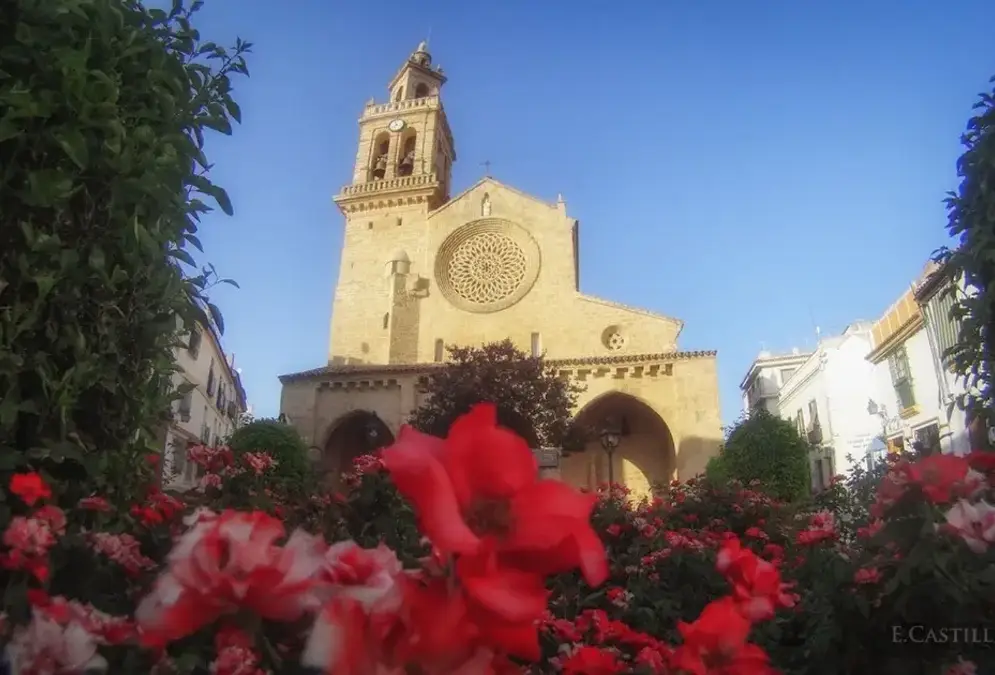
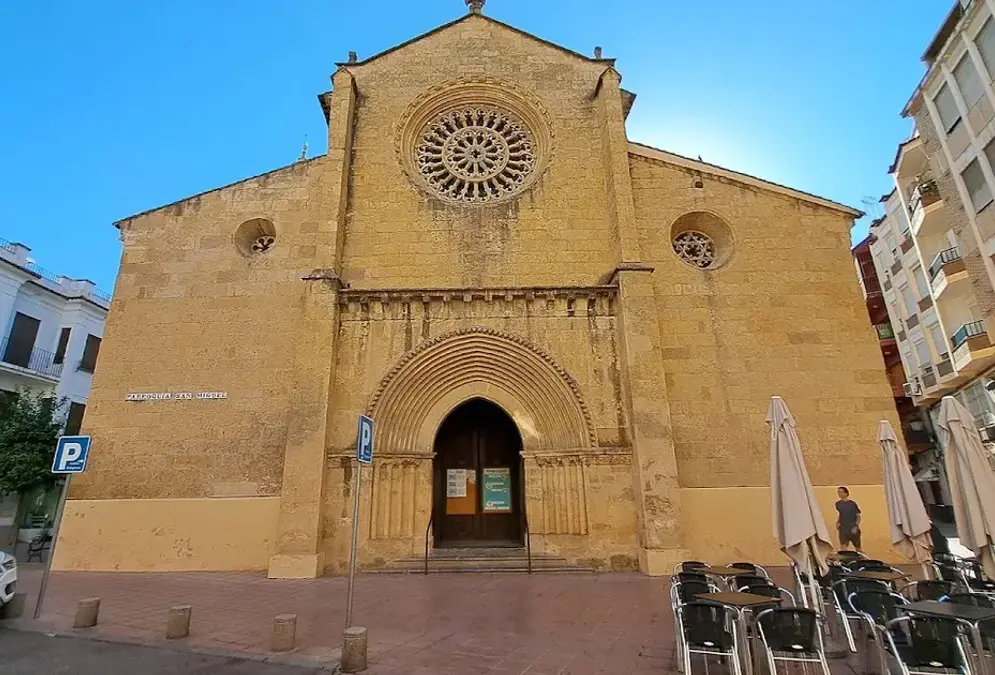
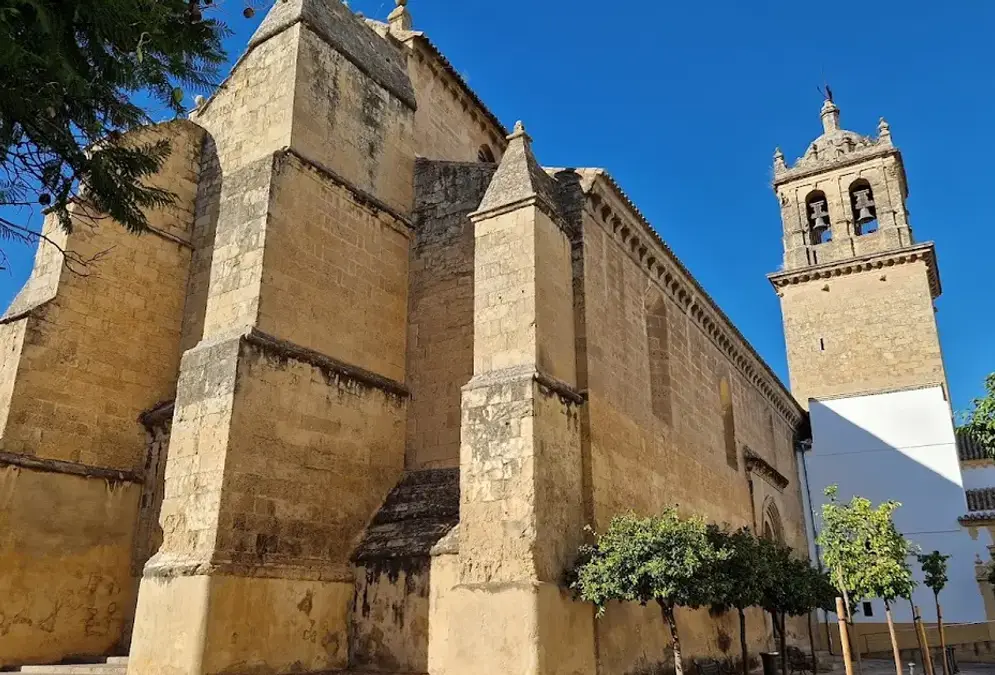
Ferdinand III's building programme redrew the map. The Fernandine churches are a dozen Romanesque and Gothic parish churches ordered built across Córdoba after the 1236 reconquest, each one raised where a neighbourhood mosque had stood.
Each church carried a double mission: it was the spiritual centre of its parish and the administrative head of its collación, the neighbourhood division of the city that lasted into the 20th century. The church of San Lorenzo, with its fortified porch and rose window, is the finest of the set; San Miguel keeps a richly sculpted side portal; Santa Marina stands in the old bullfighting quarter with Manolete's statue outside.
The churches are deliberately plain beside the great Gothic cathedrals of the north. Their pointed arches and ribbed vaults mark Córdoba's turn toward the European mainstream after five centuries of a different architectural tradition, while their modest scale still reads as parish work rather than royal patronage.
“A dozen parish churches, plain to the eye and Gothic to the bone: Ferdinand's Córdoba was built for worship, not spectacle.”
The Alcázar and the Inquisition
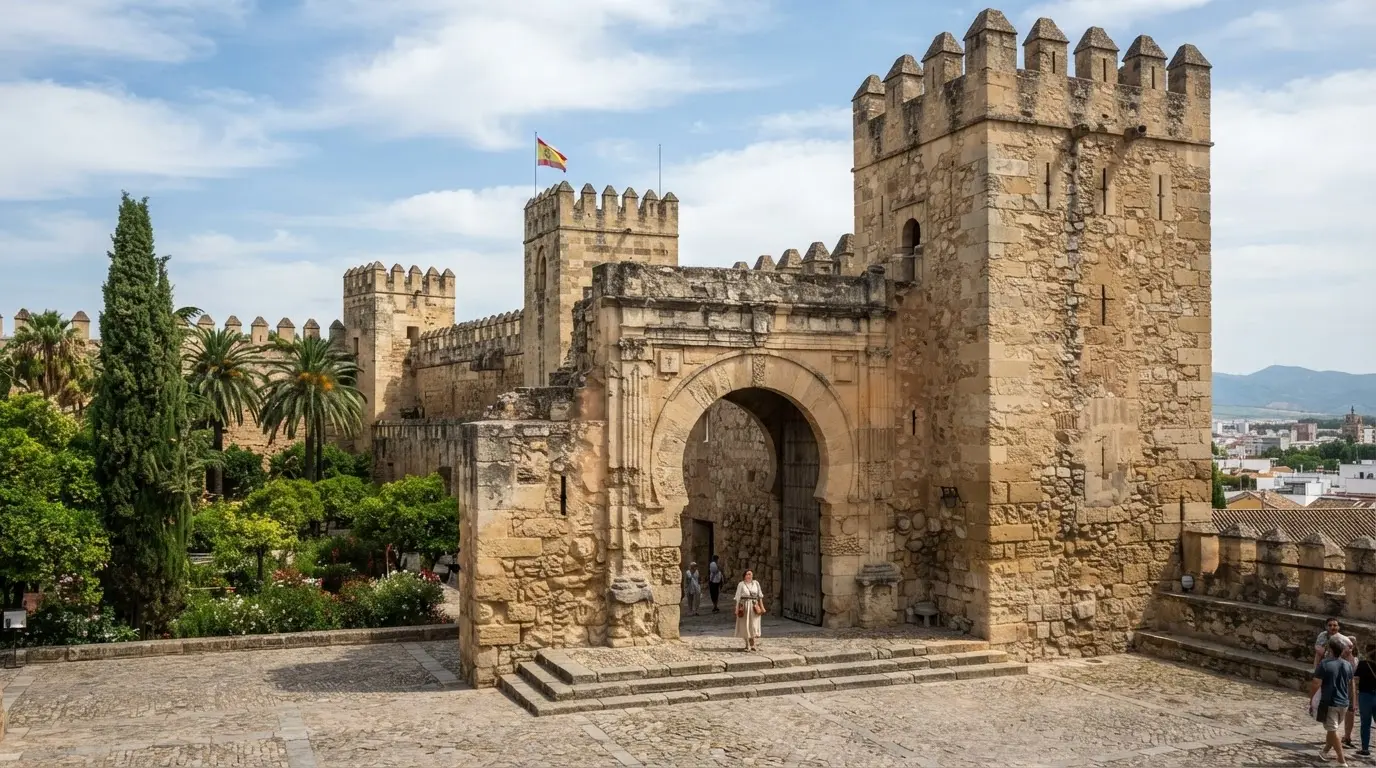
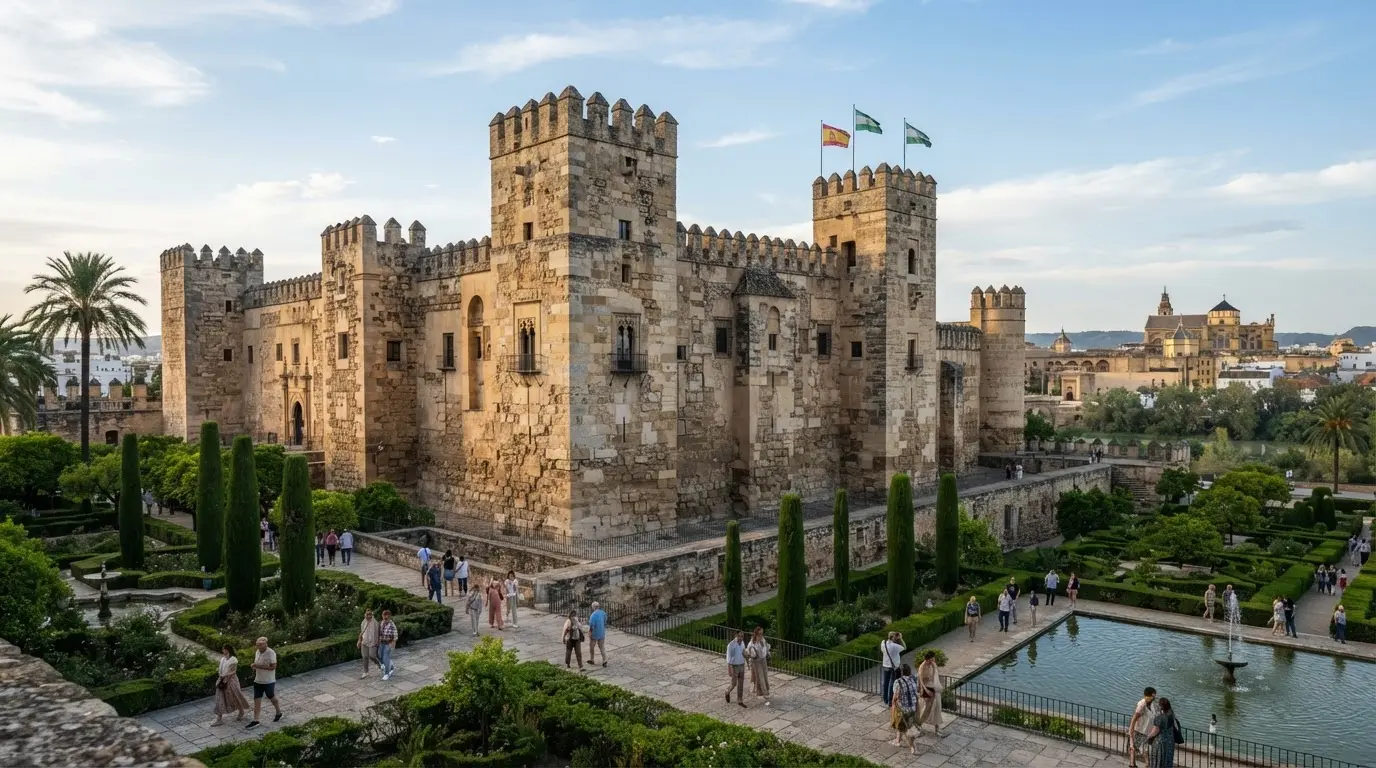
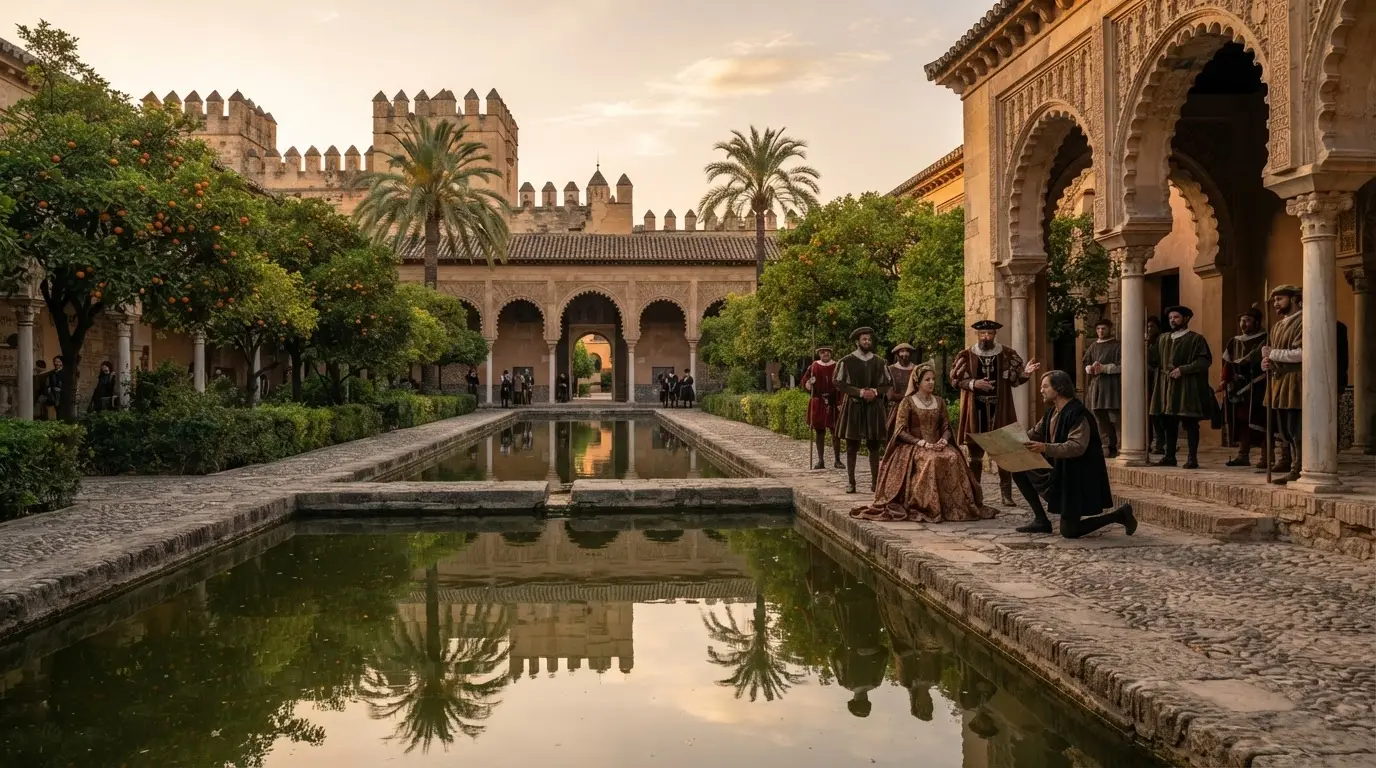
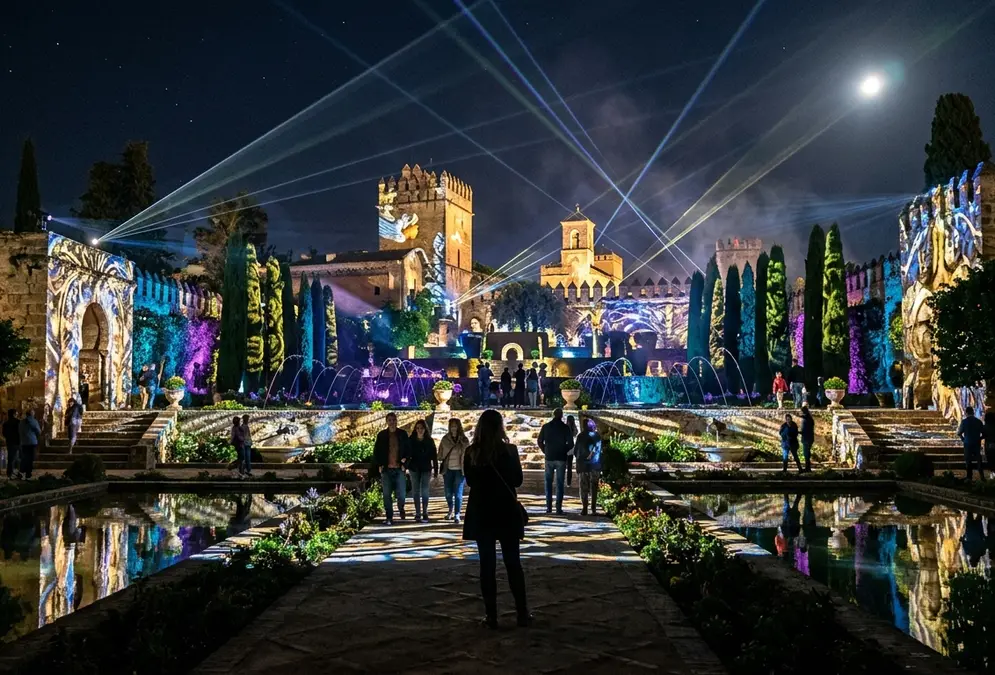
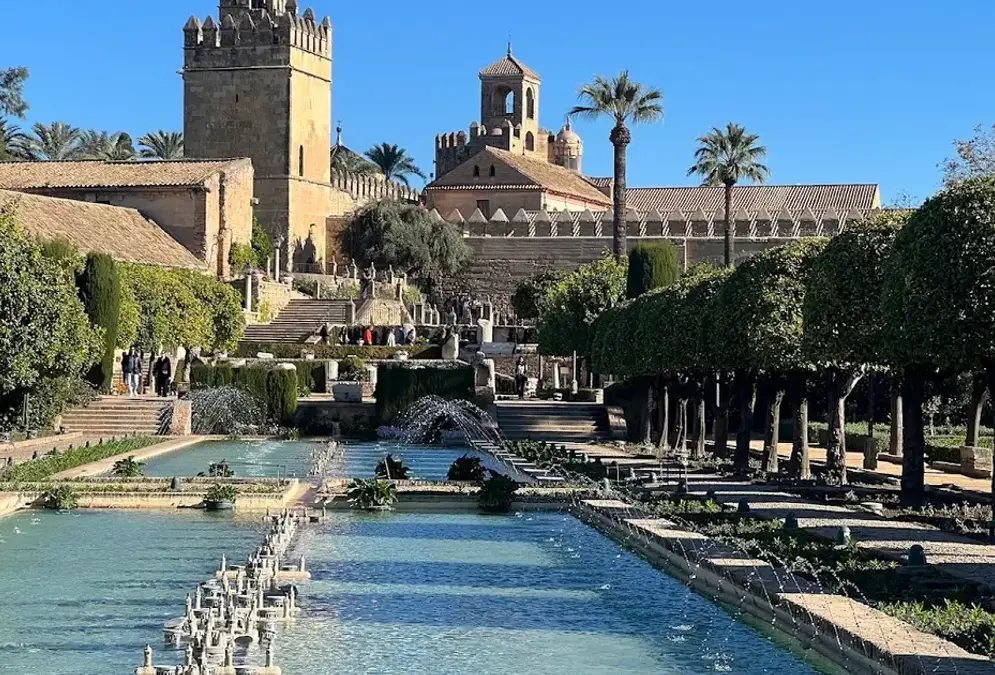
The Alcázar de los Reyes Cristianos began as the royal residence that had stood beside the river since the 1236 conquest; Alfonso XI ordered the present building in 1328. From 1482 it acquired a darker office, when the Spanish Inquisition made it one of its headquarters.
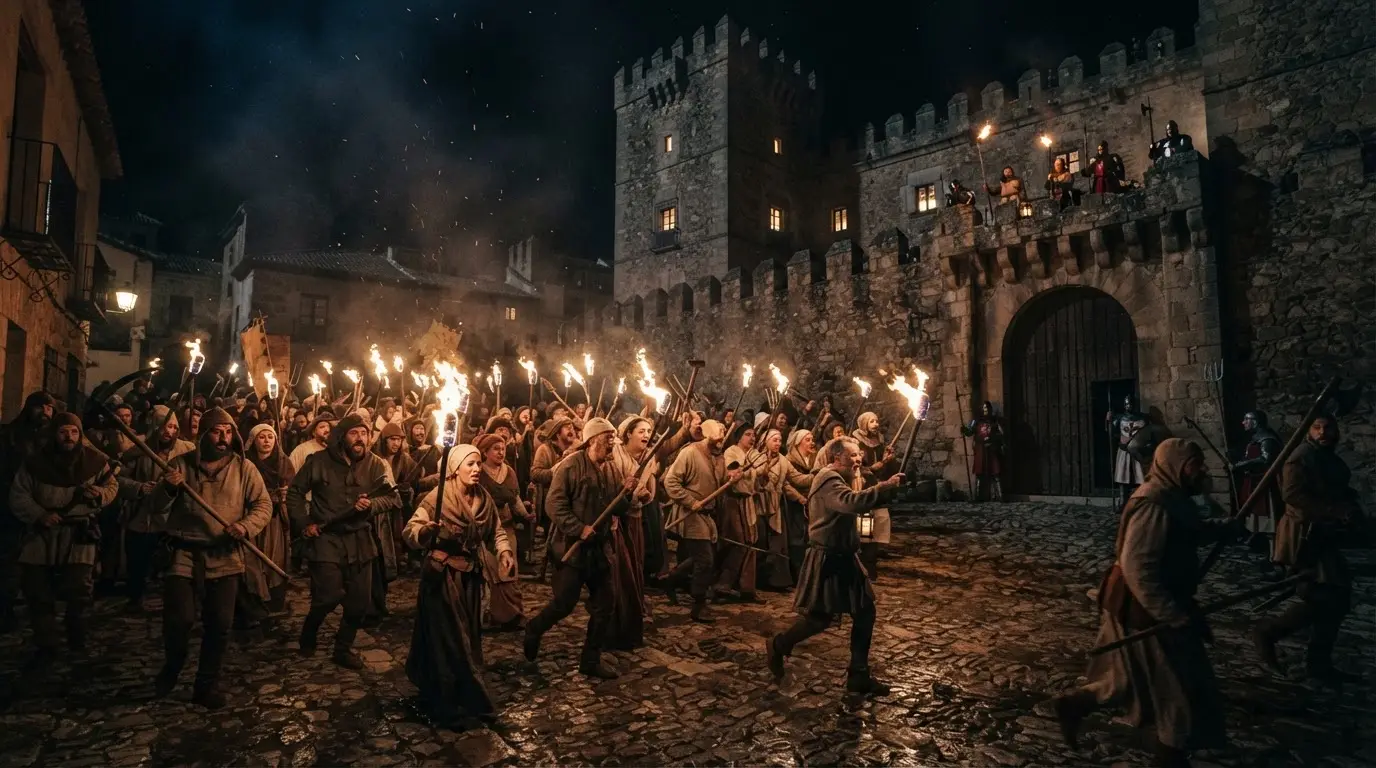
The tribunal remained inside the Alcázar for three centuries, converting much of the fortress, including its Arab baths, into interrogation chambers. Its darkest chapter belongs to the inquisitor Diego Rodríguez de Lucero, active between 1499 and 1507, whose reign of terror ended only when Córdoba's nobles stormed the Inquisition prison in November 1506 and freed its prisoners.
Lucero's most notorious auto de fe, held in December 1504, condemned 107 people, a figure recorded in his own testimony. The building that housed all of this still stands; you can walk its gardens and the very halls the tribunal used. Today the fortress shows two faces at once: the terraced gardens and towers of the Christian monarchs, and the dungeons where the tribunal worked, a pairing the site itself does not soften.
A Christian Córdoba before 1236: the martyrs
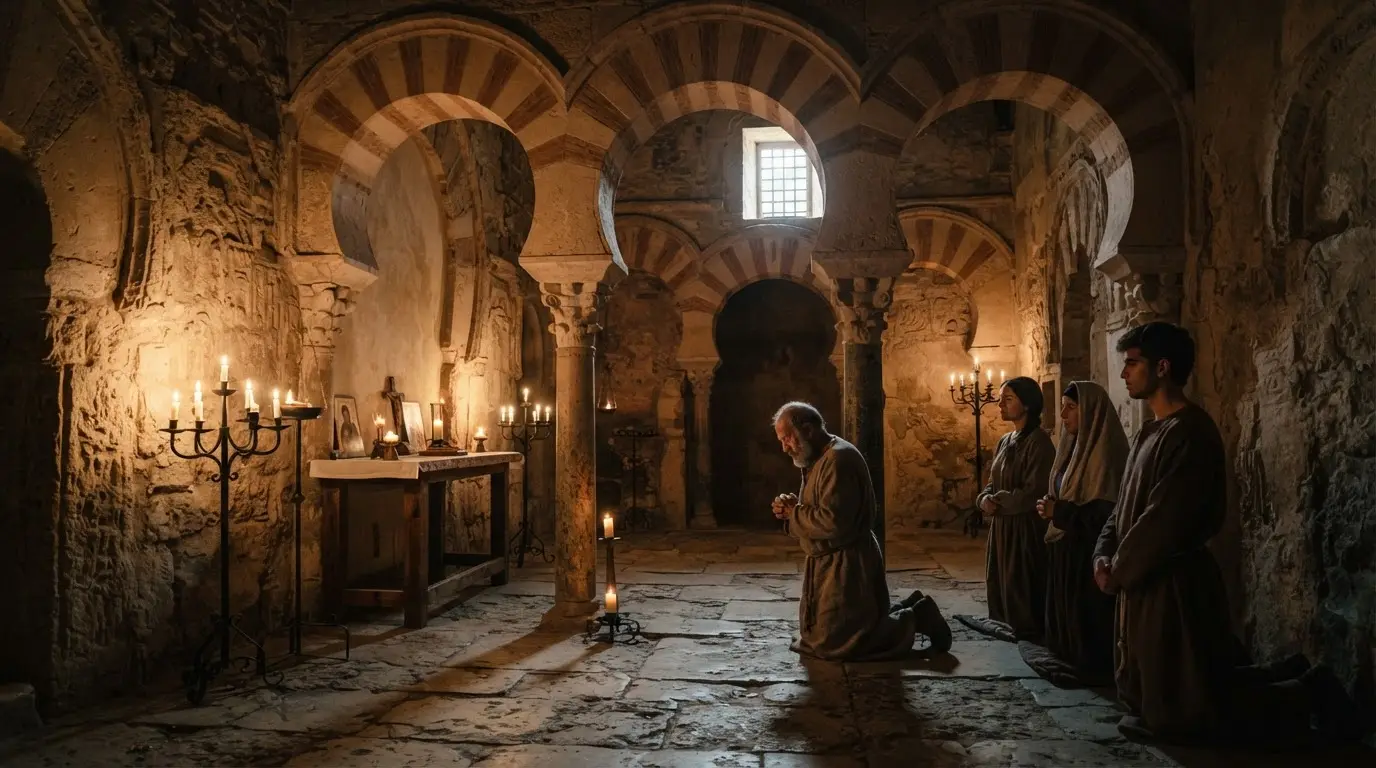
Christian Córdoba did not begin in 1236. The Martyrs of Córdoba were 48 Christians executed in the city between 850 and 859 for blasphemy and apostasy under the Muslim administration, proof that a self-conscious Christian community lived here centuries before Ferdinand III.
The last of them, the monk and scholar Eulogius, encouraged public declarations of faith to reinforce the identity and cohesion of that community, and his writings still shape how the diocese of Córdoba remembers the martyrs. This is the Christian community's own story under Islamic rule, and it is the part of Córdoba's history a visitor standing in the mosque-cathedral is often unaware of.
This section follows the Christian community under Muslim rule, not the emirs and governors above it. For the centuries of Muslim rule that framed that community's life, the Moorish Córdoba guide tells the rulers' story; readers after the interfaith, coexistence angle across all three faiths should turn to the Three Cultures guide instead.
Churches and religious monuments of Christian Córdoba
The full story: Christian Córdoba
The Reconquista's after-story is too long for one page. The articles below go deeper into the Fernandine churches, the Inquisition's Lucero years, and the monuments where each chapter of Christian Córdoba still stands.
History
More from this dossier
Frequently asked questions
What happened in Córdoba in 1236?
On 29 June 1236, Ferdinand III of Castile accepted the surrender of Córdoba, ending Islamic rule over the city that had begun in 711. The surrender was negotiated, not fought to the last stone: the Muslim population left alive with its movable goods, and every building remained intact. That same evening the Great Mosque was purified and consecrated as a cathedral under the invocation of the Virgin Mary, with a dedication mass held the same day.
What did Ferdinand III do in Córdoba after the conquest?
He gave the conquered city its law and its churches. The Fuero de Córdoba of 1236 ordered the Visigothic code known as the Liber Iudiciorum to be translated into Castilian and observed as the city's charter; in its Romance form it is known as the Fuero Juzgo. He also ordered a dozen Fernandine parish churches built across the former mosque landscape. The Church later canonised him as Saint Ferdinand in 1671.
What are the Fernandine churches?
The Fernandine churches are a dozen Romanesque and Gothic parish churches ordered built in Córdoba by Ferdinand III after the 1236 reconquest, each raised where a neighbourhood mosque had stood. Each carried a double mission: spiritual centre of its parish and administrative head of its collación, the neighbourhood division that shaped the city into the 20th century. San Lorenzo, San Miguel and Santa Marina are the three easiest to visit.
Was the Spanish Inquisition based in Córdoba?
Yes. The Inquisition set up one of its headquarters in Córdoba in 1482, inside the Alcázar de los Reyes Cristianos. The tribunal remained there for three centuries and converted much of the fortress, including its Arab baths, into interrogation chambers. The Alcázar is open to visitors today, and the halls the tribunal used are part of the visit.
Who was the inquisitor Lucero, and why is his name still remembered?
Diego Rodríguez de Lucero was the inquisitor who created a reign of terror in Córdoba between 1499 and 1507. His most notorious auto de fe, held in December 1504, condemned 107 people according to his own testimony. He was removed from office only after Córdoba's nobles stormed the Inquisition prison in November 1506 and freed its prisoners, forcing Lucero to flee the city.
Where can you see the traces of Christian Córdoba today?
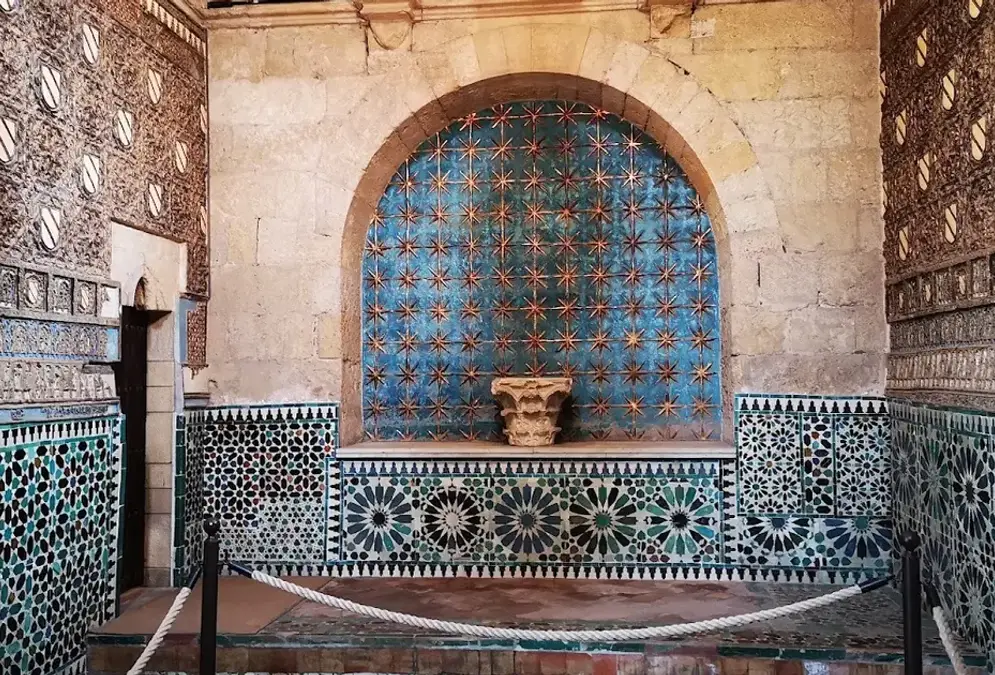
Start at the Alcázar de los Reyes Cristianos, the Christian monarchs' residence and the Inquisition's old seat, then walk the Fernandine churches of San Lorenzo, San Miguel and Santa Marina. The Mezquita-Catedral itself is a Christian building in its core, consecrated as a cathedral in 1236 with a Renaissance nave inserted into the mosque. The Mudéjar Capilla de San Bartolomé rounds out the route.
Further reading
Sources and further reading
7 references Show Hide
- Mezquita-Catedral de Córdoba (opens in a new tab)
Official history of the building, recording the 29 June 1236 consecration to Catholic worship
“The consecration to Catholic worship took place. The original Main Chapel was created in the large skylight of Al-Hakam II and on 29 June 1236 it hosted the Cathedral's dedication mass”
- Boletín Oficial del Estado (opens in a new tab)
BOE's edition of the Liber Iudiciorum, tracing its reuse in the Fuero de Córdoba
“Reaparece con Fernando III en el Fuero de Córdoba en 1236 en su versión romance del Fuero Juzgo, el cual ejerció su influencia en posteriores textos unificadores del derecho castellano”
- Córdoba Cultura (Ayuntamiento) (opens in a new tab)
Official Alcázar de los Reyes Cristianos history, from the 1236 residence to Alfonso XI's 1328 rebuilding
“El edificio actual fue ordenado construir por Alfonso XI en 1328. Desde 1236, año de la conquista cristiana de la ciudad por parte de Fernando III, había sido residencia real.”
- Universidad de Sevilla, Encrucijada (opens in a new tab)
Academic research on the Inquisition in Córdoba, including the Lucero years and the 1504 auto de fe
“La Inquisición surge en Córdoba en 1482, un año antes que en Jaén y solo cuatro después de la ya indicada fecha de su fundación general”
- Diócesis de Córdoba (opens in a new tab)
The diocese on St Eulogius and the martyrs of 850-859
“Eulogio y su escuela han influido de modo suave y decisivo en la respuesta de fe ante la provocación martirial”
- Wikipedia: Conquista de Córdoba (opens in a new tab)
Records the 29 June 1236 purification of the Great Mosque by the bishop of Osma and Master Lope de Fitero, and the surrender terms
“el obispo de Osma, Juan de Soria, y el maestro Lope de Fitero, futuro obispo de Córdoba, purificaron la Mezquita para el servicio al culto cristiano, bajo la advocación de la Virgen María”
- Wikipedia: Martyrs of Córdoba (opens in a new tab)
Documents the 48 Christians executed between 850 and 859 under the Muslim administration
“The Martyrs of Córdoba were forty-eight Christian martyrs executed under the rule of the Muslim administration in al-Andalus for capital violations of Islamic law, namely blasphemy and apostasy, between 850 and 859”
Explore Christian Córdoba
Tours are selected for quality, not commission. We earn a small fee if you book — at no extra cost to you.
Best Seller
Alcazar Guided Tour and Skip-the-Line
Bypass the queue and explore the Alcázar de los Reyes Cristianos with a guide. Admire the royal halls, ancient mosaics, and the beautiful terraced gardens.
Skip the line 1.5 hours
From €19
Less than a restaurant lunch
4.2 (1,863 reviews)
Reserve Your Spot
✓ Verified GetYourGuide reviews
Books up weeks ahead in peak season
Mosque-Cathedral and Alcazar Tour
A combined guided tour of Córdoba's two most iconic monuments: the Mosque-Cathedral and the Alcázar de los Reyes Cristianos, with skip-the-line access included.
Skip the line 2.5 hours
From €44
4.6 (683 reviews)
Reserve Your Spot
✓ Verified GetYourGuide reviews
Alcazar of Christian Monarchs 1-Hour Guided Tour
A focused 1-hour guided tour of the Alcázar de los Reyes Cristianos. Explore the royal halls, ancient Roman mosaics, and terraced gardens of this medieval fortress.
1 hour
From €19
Less than a restaurant lunch
4.3 (616 reviews)
Reserve Your Spot
✓ Verified GetYourGuide reviews